
Without Additional Harm: How Understanding Trauma Helps in Criminal Proceedings
May 19, 2026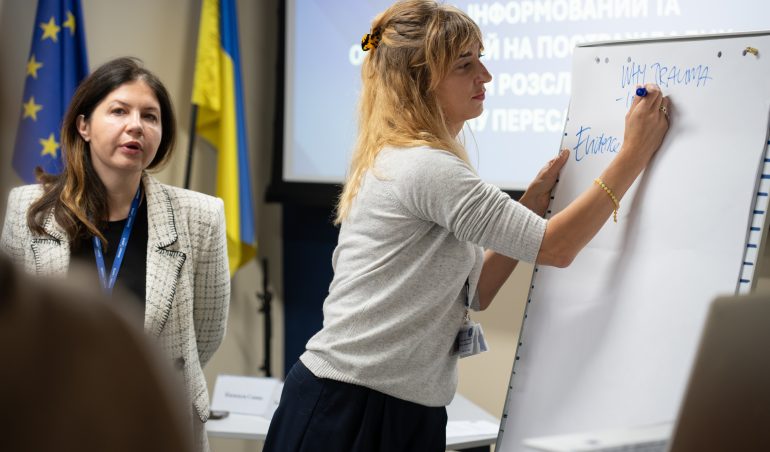
How can investigators, prosecutors and judges work with survivors and witnesses in sensitive criminal proceedings without causing further harm? How can a traumatic experience affect memory, behaviour and testimony? And how can a better understanding of trauma help criminal justice actors build stronger cases and support survivors on their path to justice?
These were the key questions explored during a series of EUAM Ukraine’s training activities on trauma-informed and survivor-centred investigation and prosecution held throughout the spring.
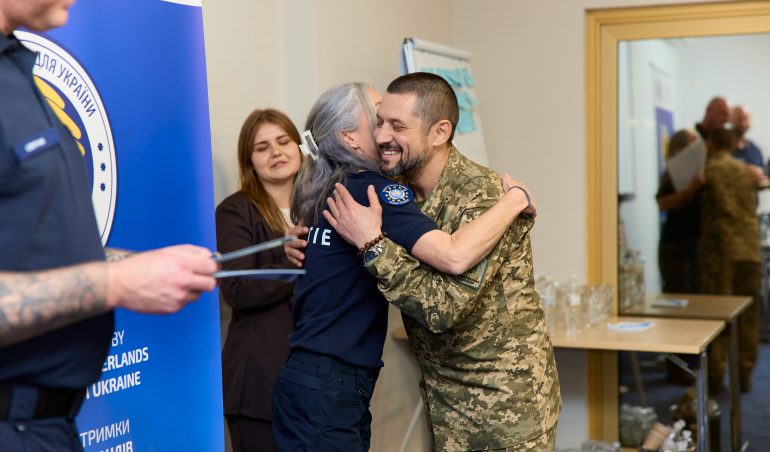
In March, EUAM held a three-day workshop in Mykolaiv for participants from the Kherson and Mykolaiv regions, bringing together investigators from the Security Service of Ukraine and the National Police, prosecutors, representatives of the Coordination Centre for Victims and Witnesses, judges, social services, and civil society organisations. A further edition took place in late April in Odesa for participants from the Odesa and Kirovohrad regions, followed by a one-day awareness-raising seminar for middle management from the criminal justice sector. In May, the series continued with a further event aimed at strengthening awareness and coordination among representatives of the criminal justice system.
For Oksana Zvenyhorodska, prosecutor at the Kirovohrad Regional Prosecutor’s Office, the training was directly relevant to her work on criminal proceedings investigated by the Security Service of Ukraine, including war crimes cases under Article 438 of the Criminal Code of Ukraine.
“For us, this training provides a practical tool for conducting pre-trial investigations in a way that does not retraumatise the victim,” she said. “It helps us seek justice in a way that is safer for everyone involved — investigators, prosecutors and, above all, the person who has suffered and whose testimony is often a key source of evidence.”
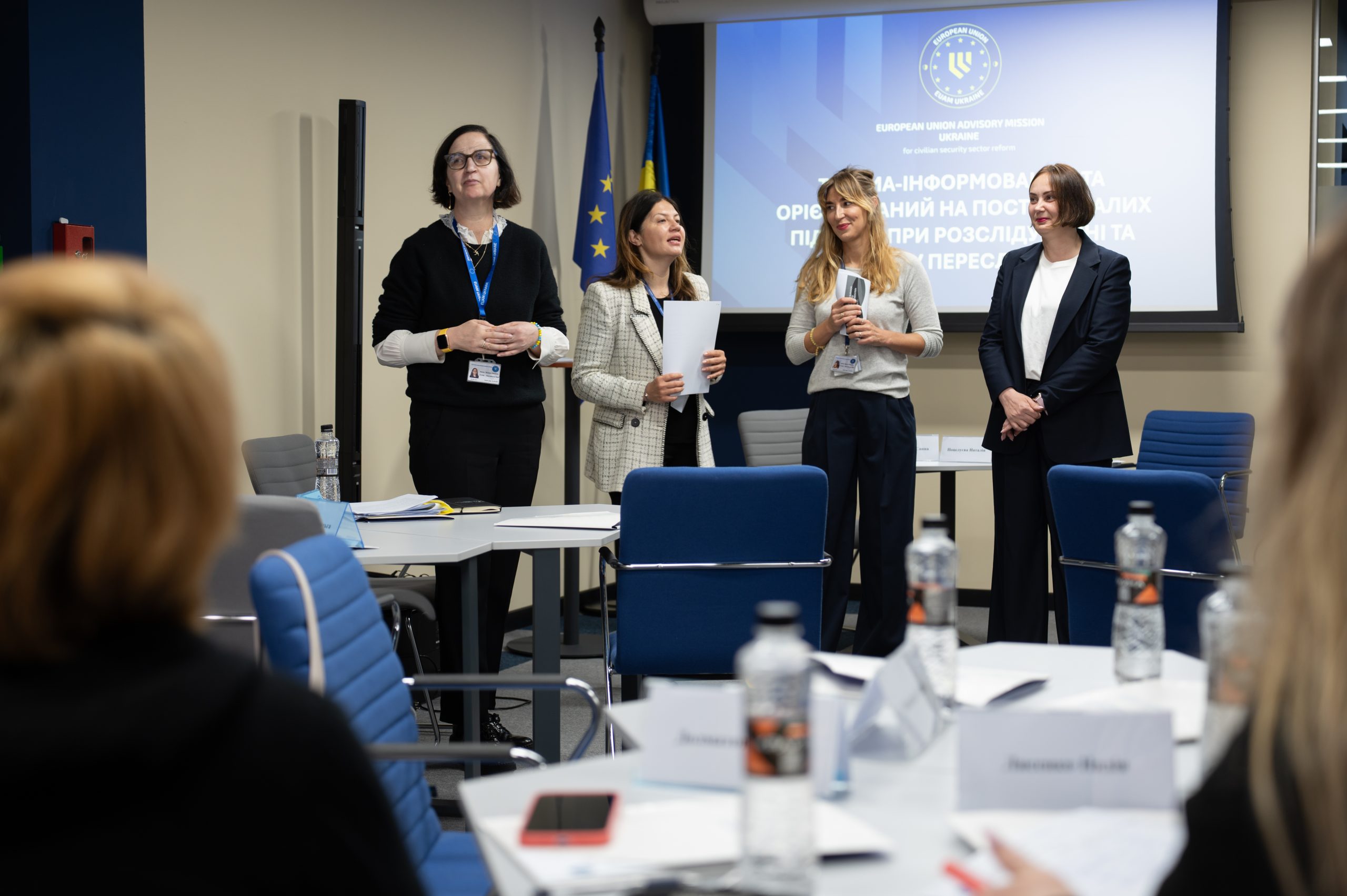
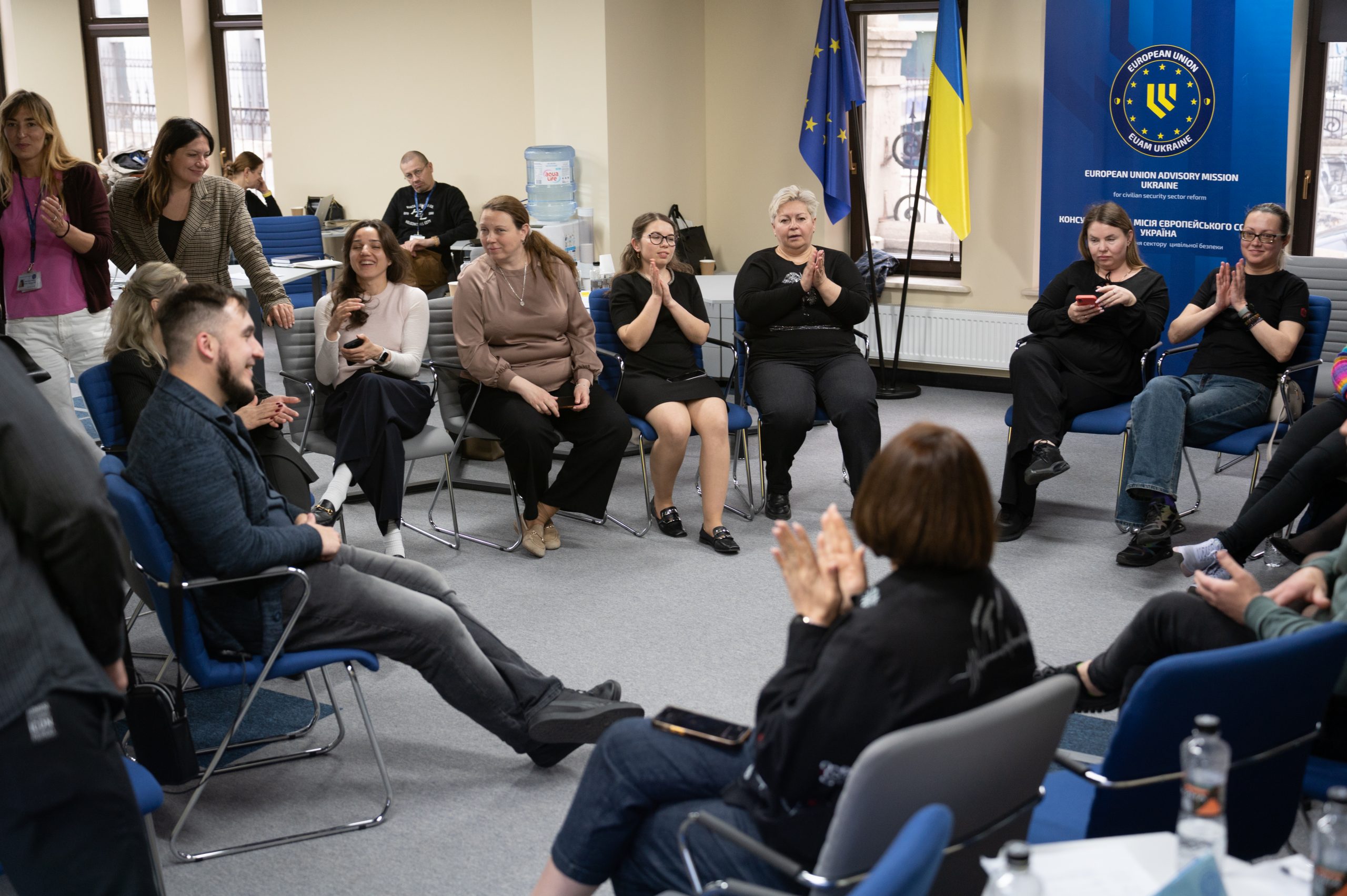
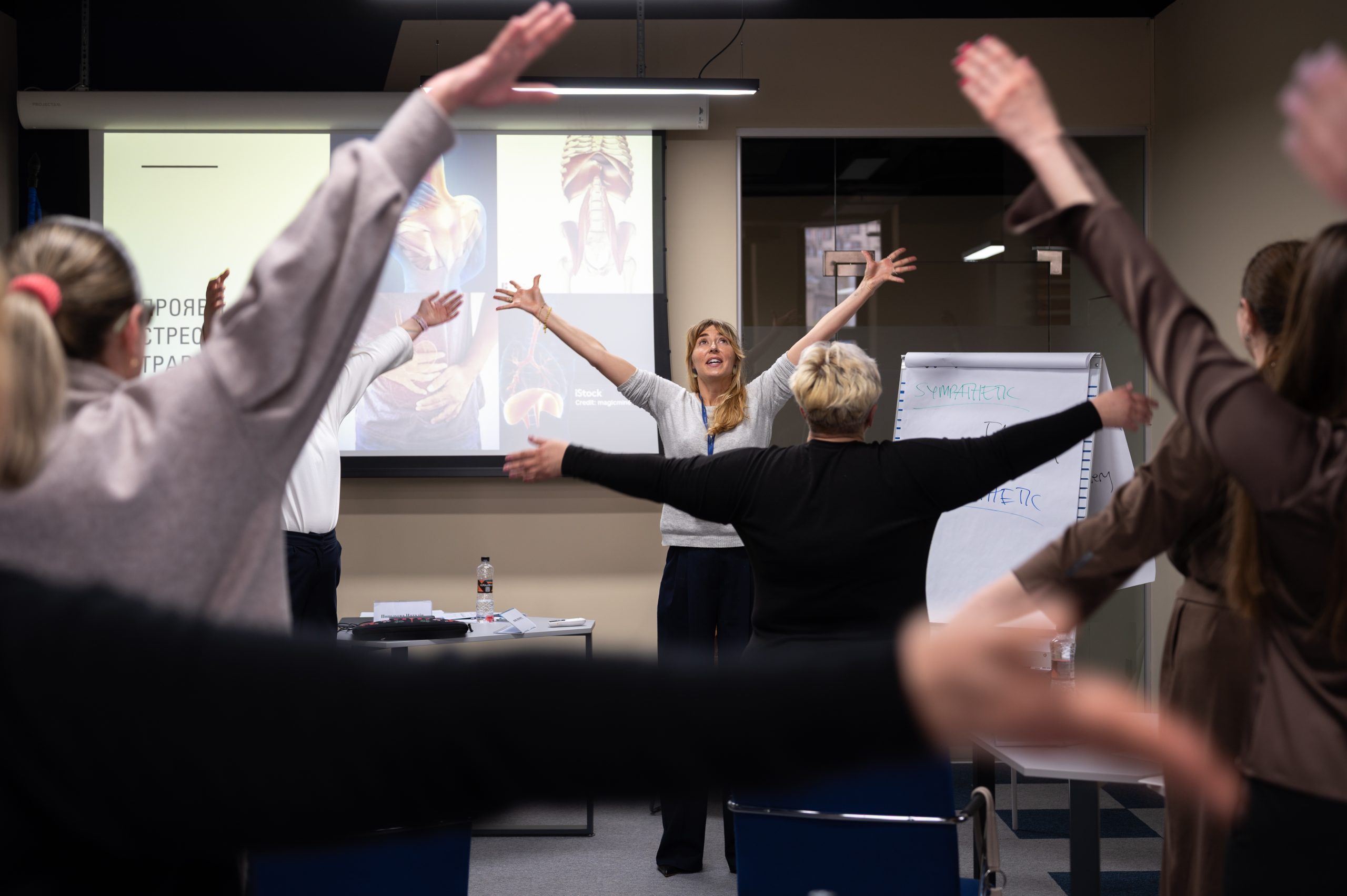
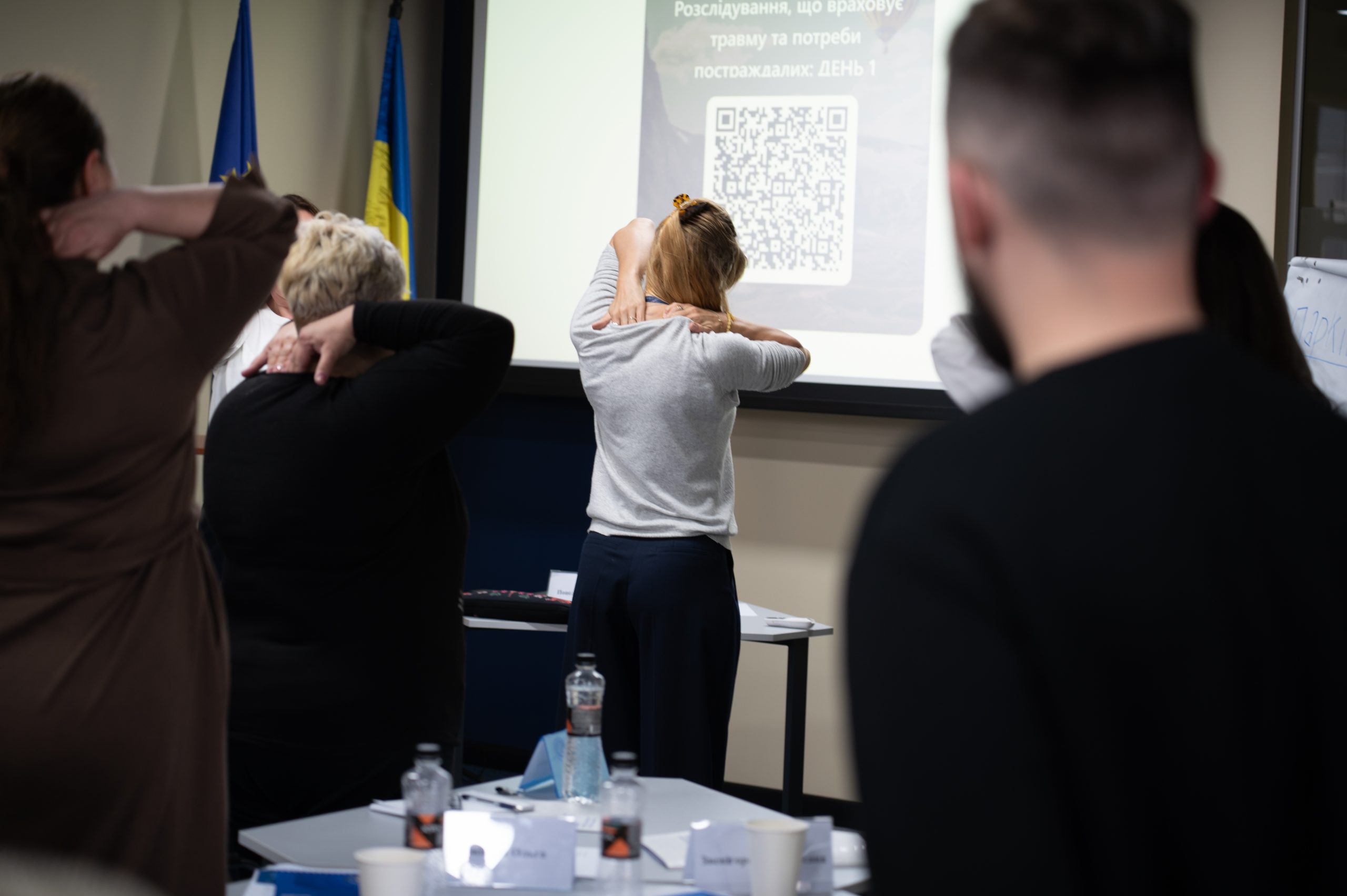
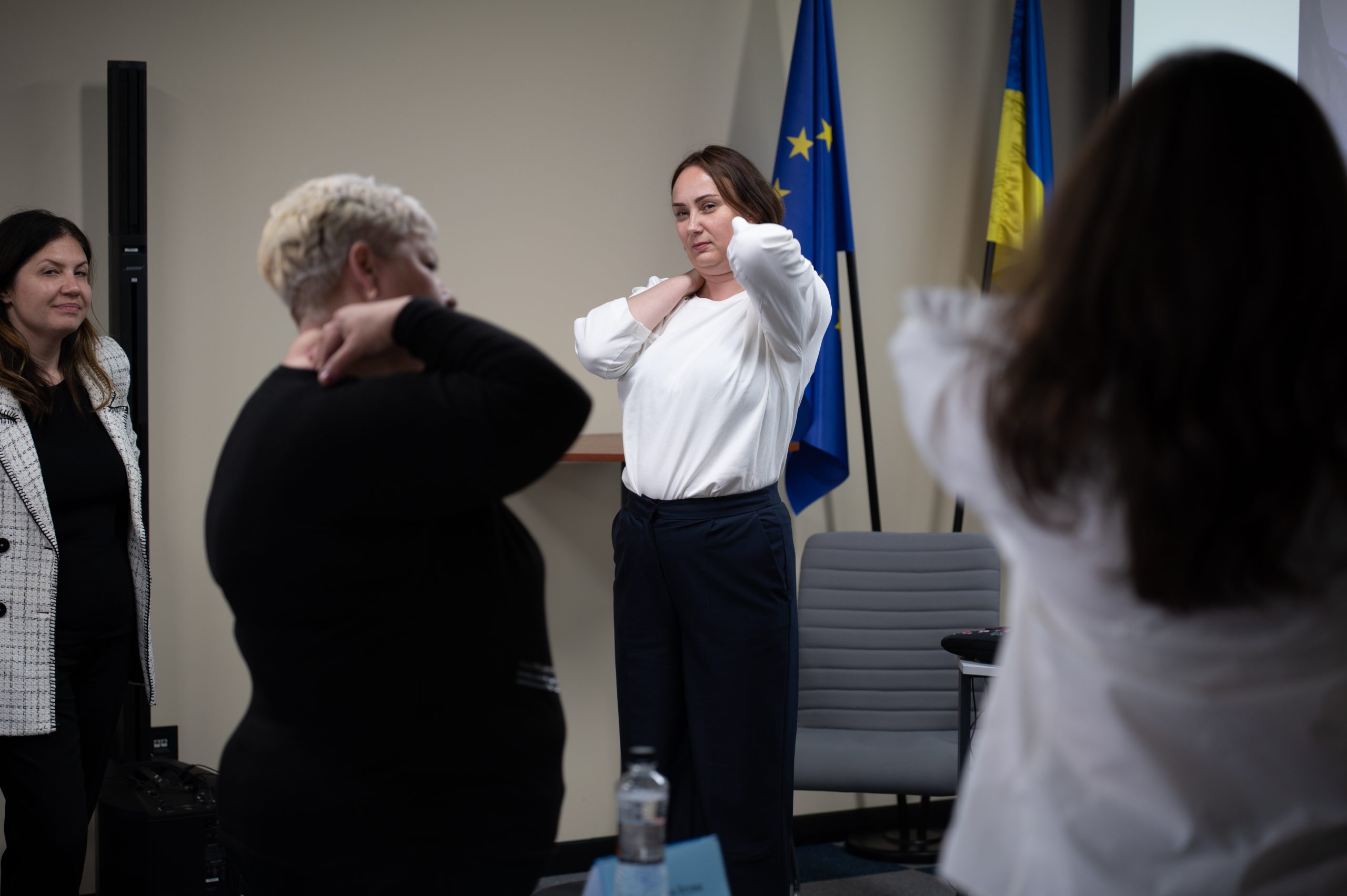
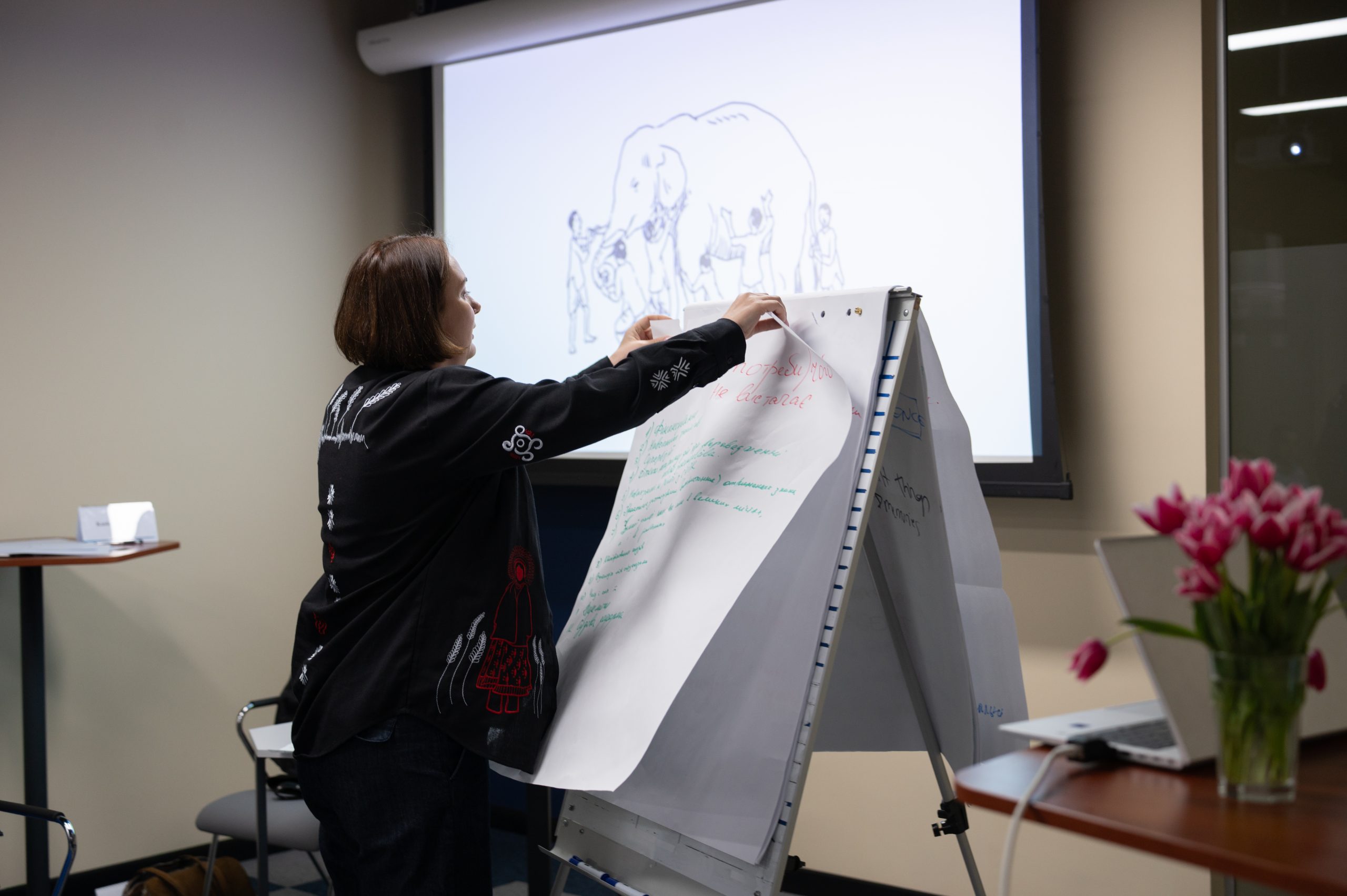
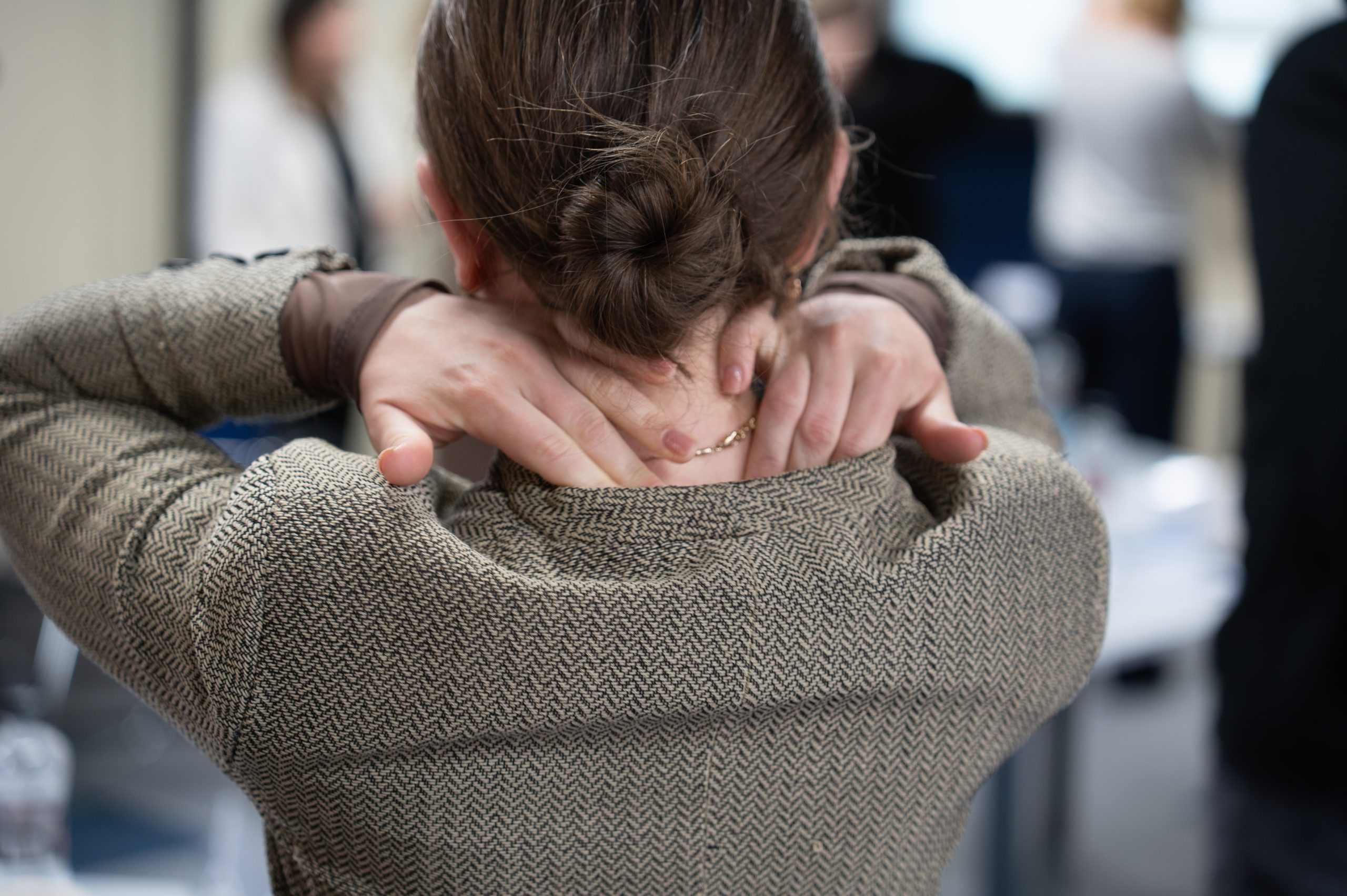
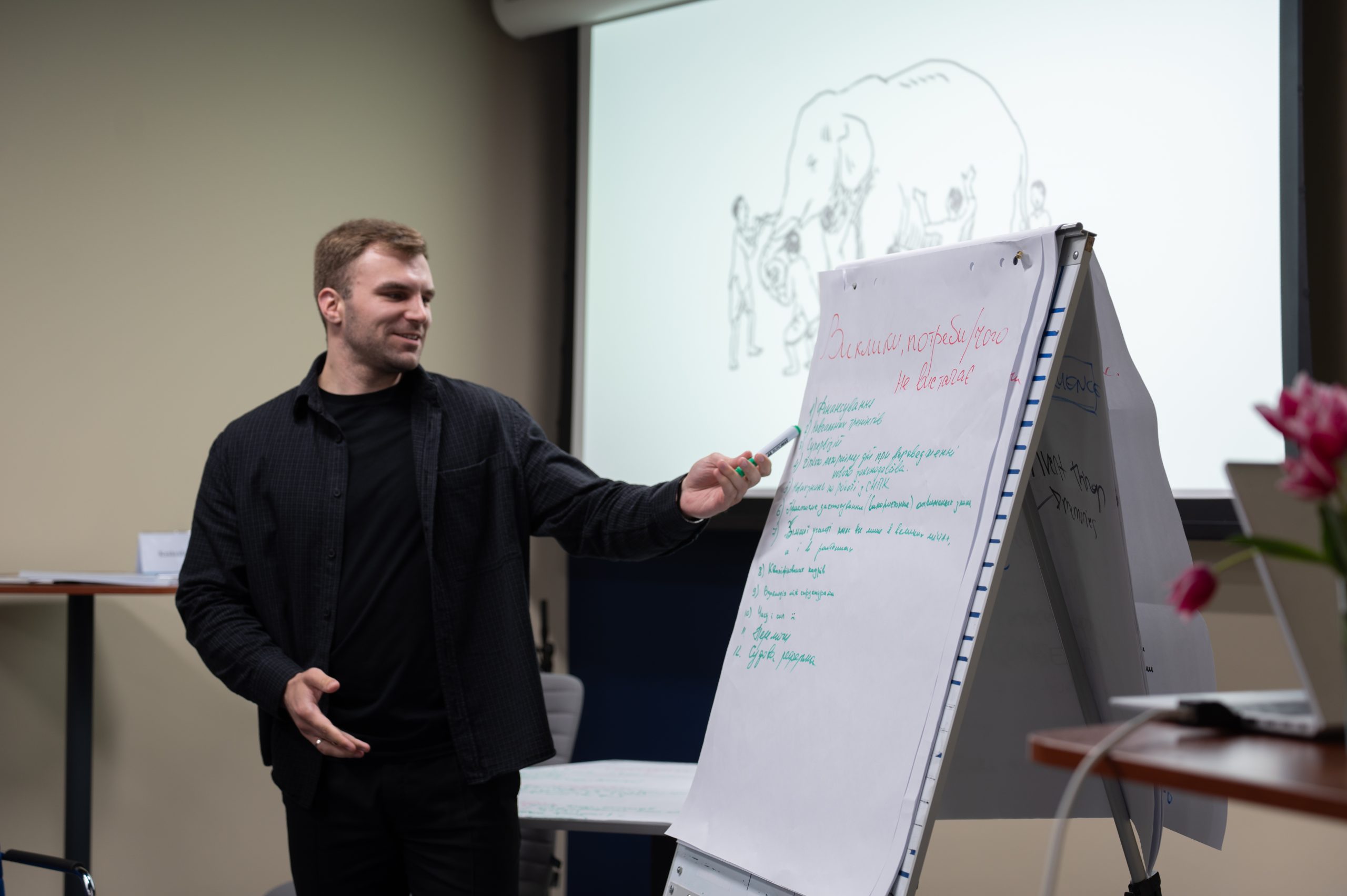
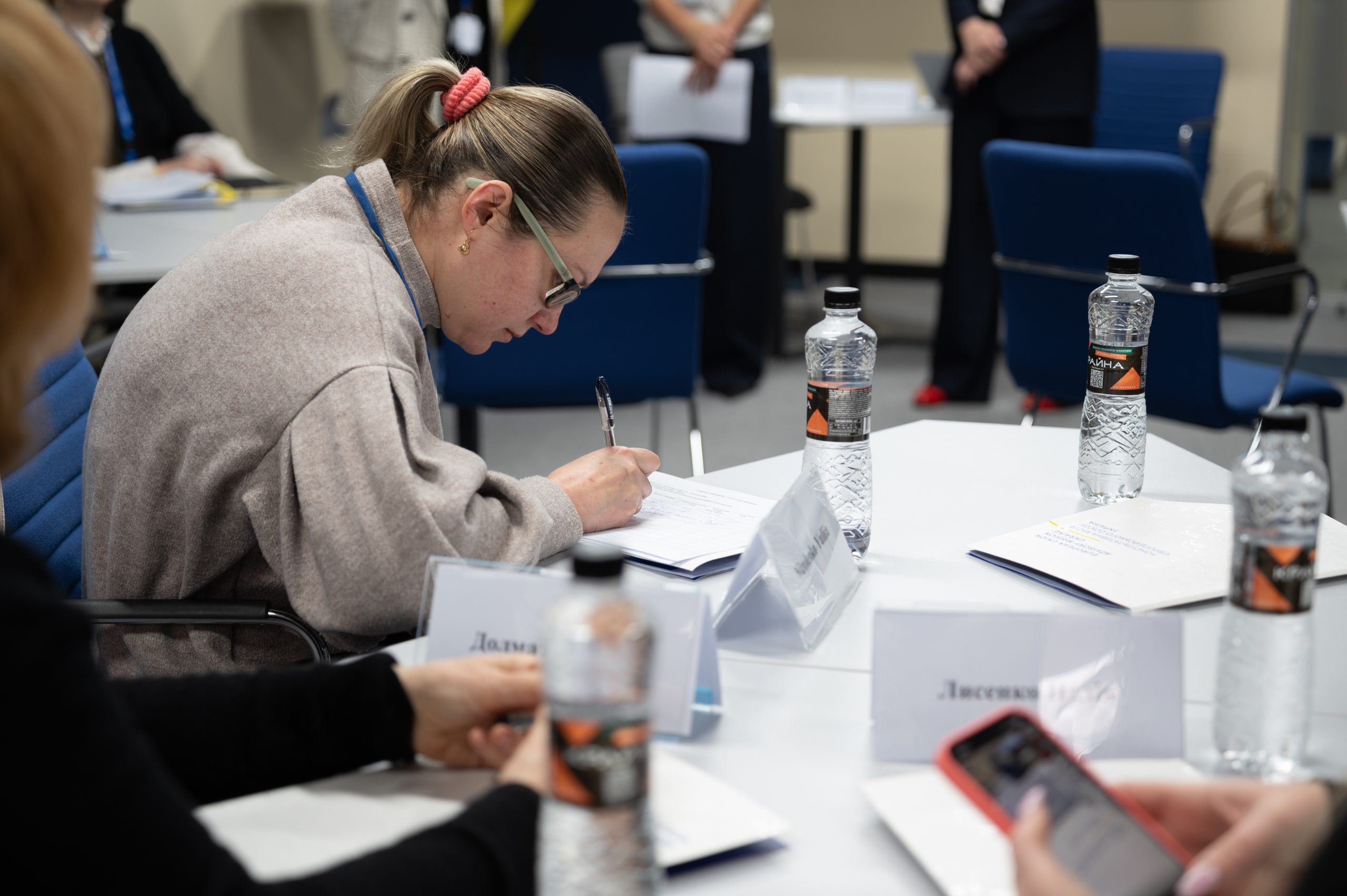
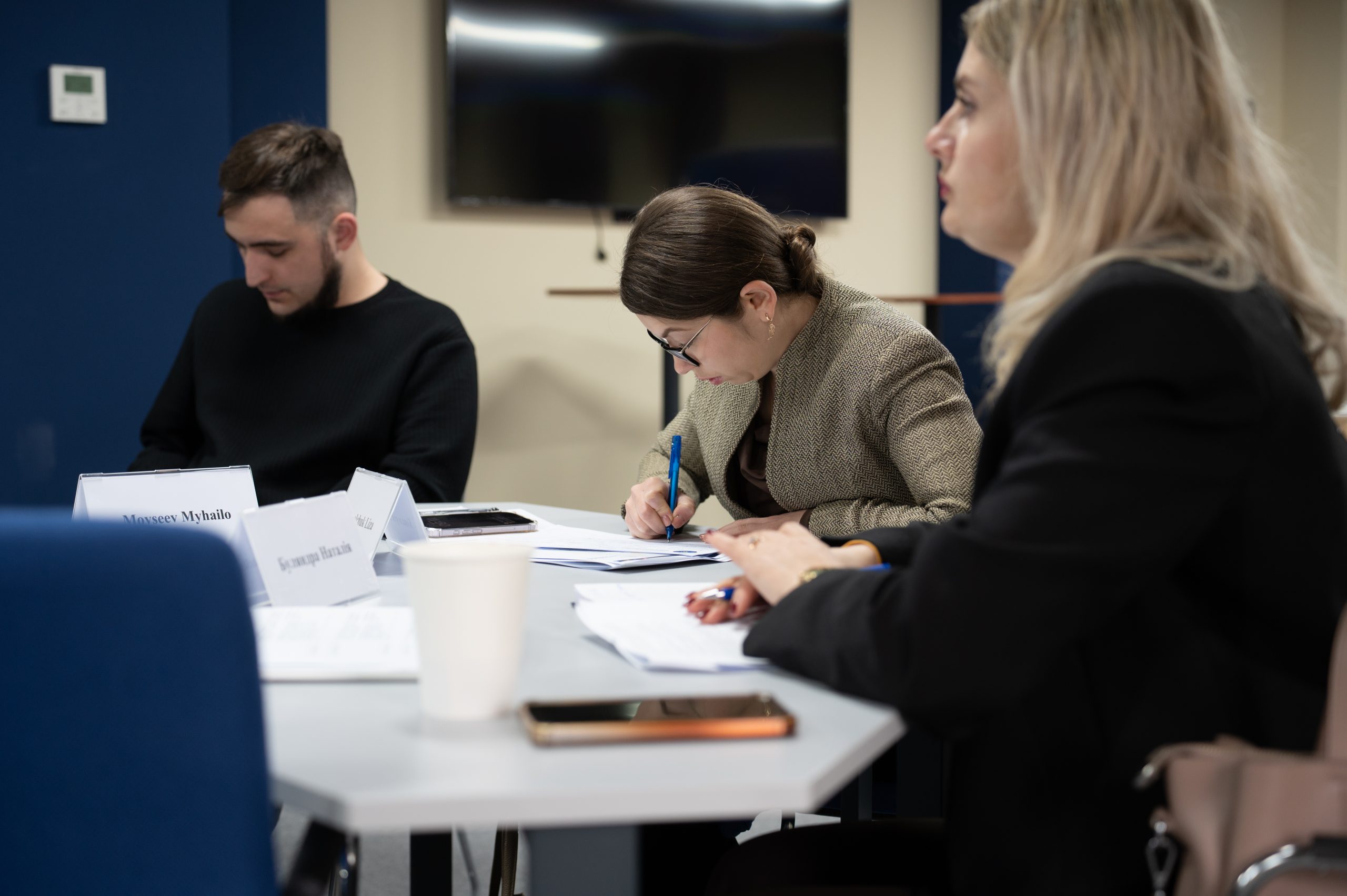
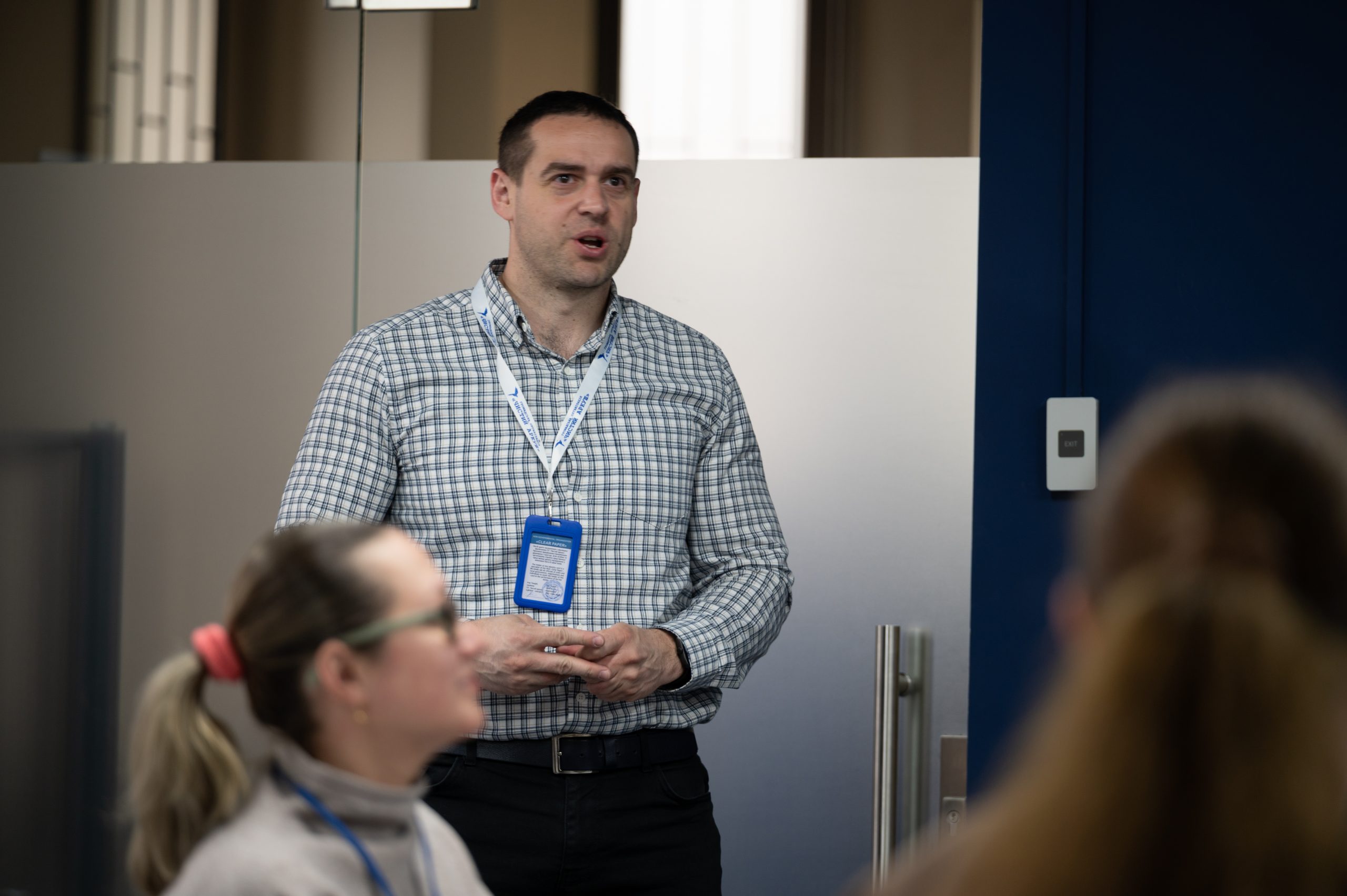
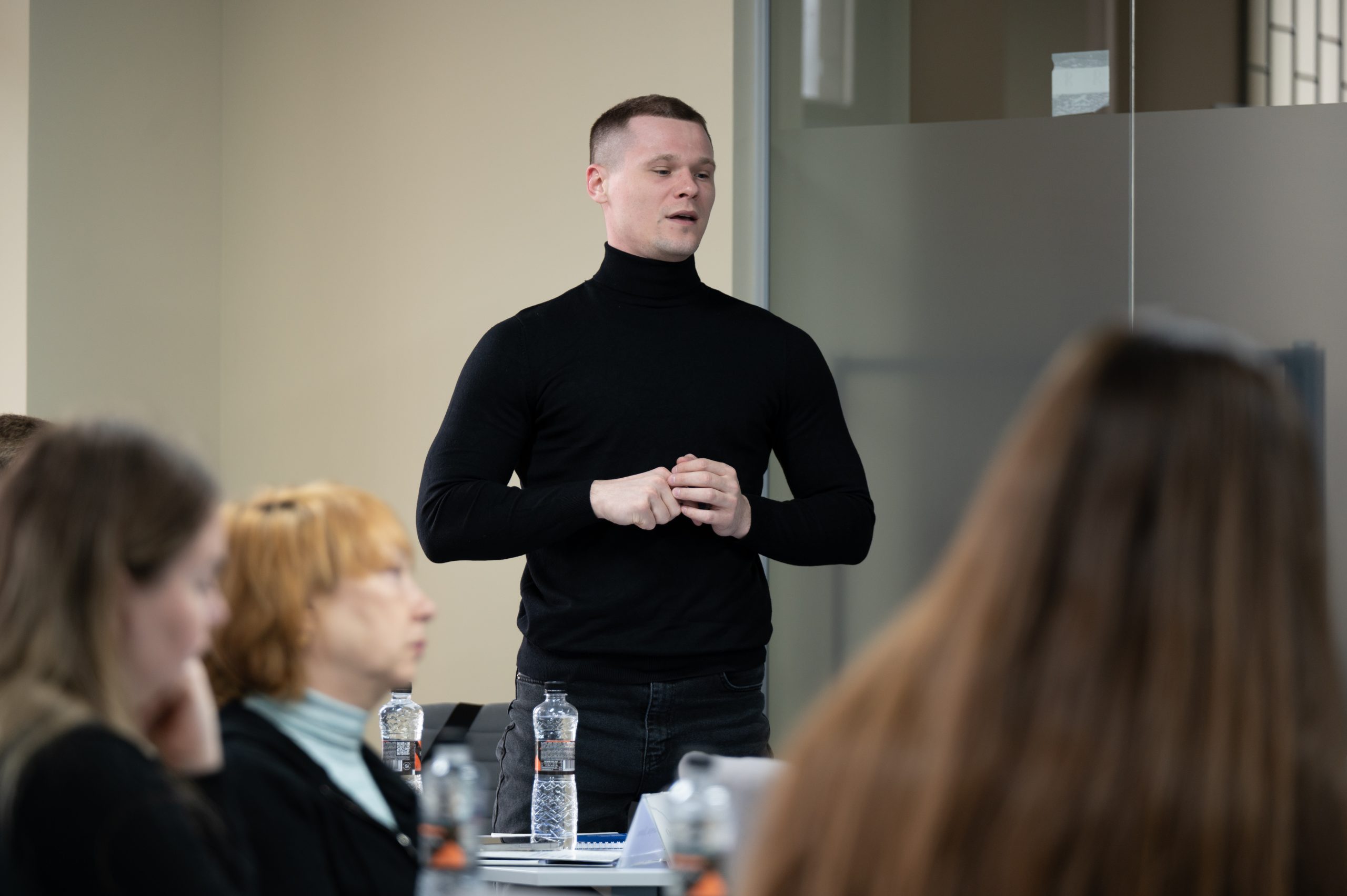
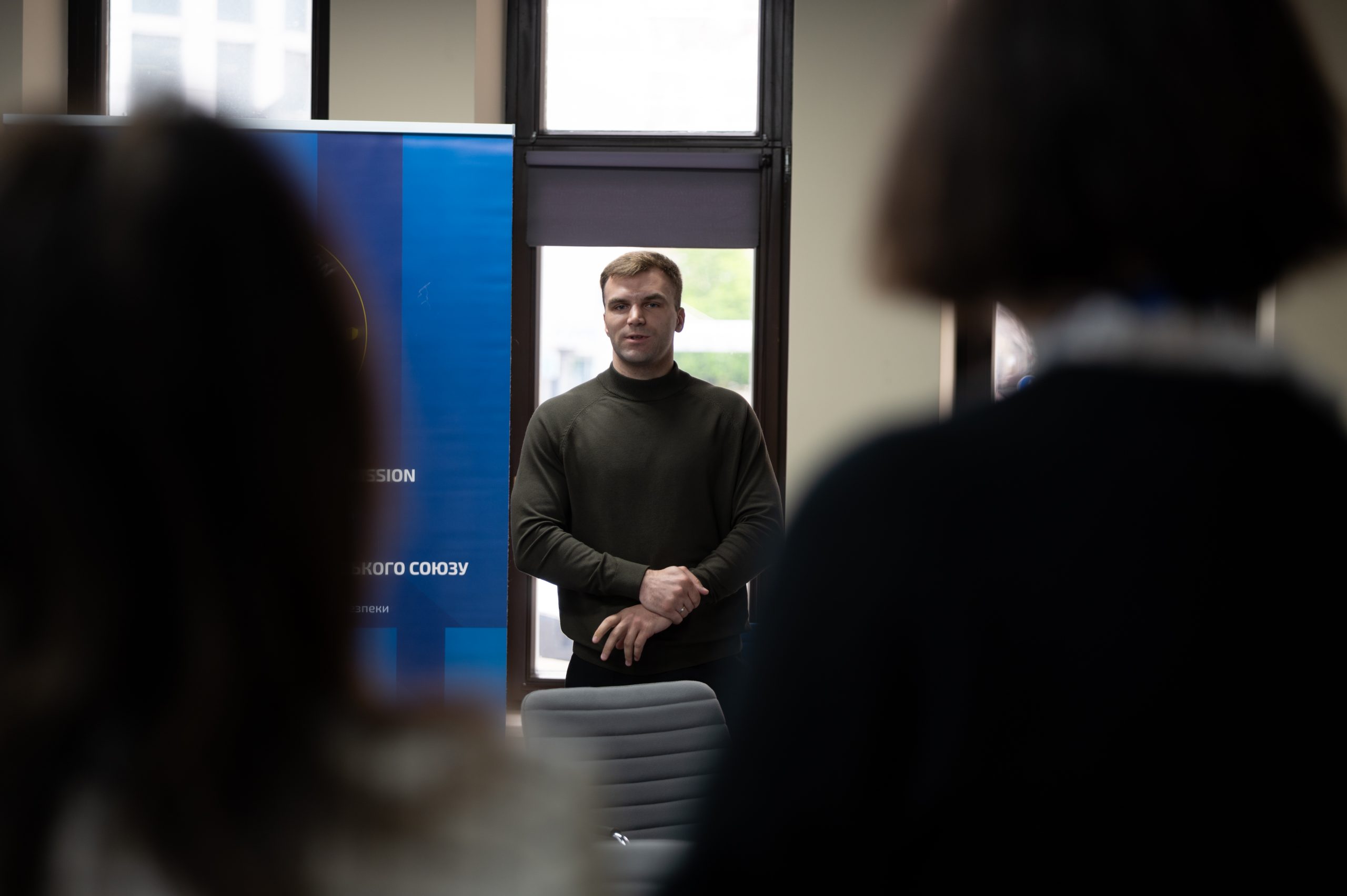
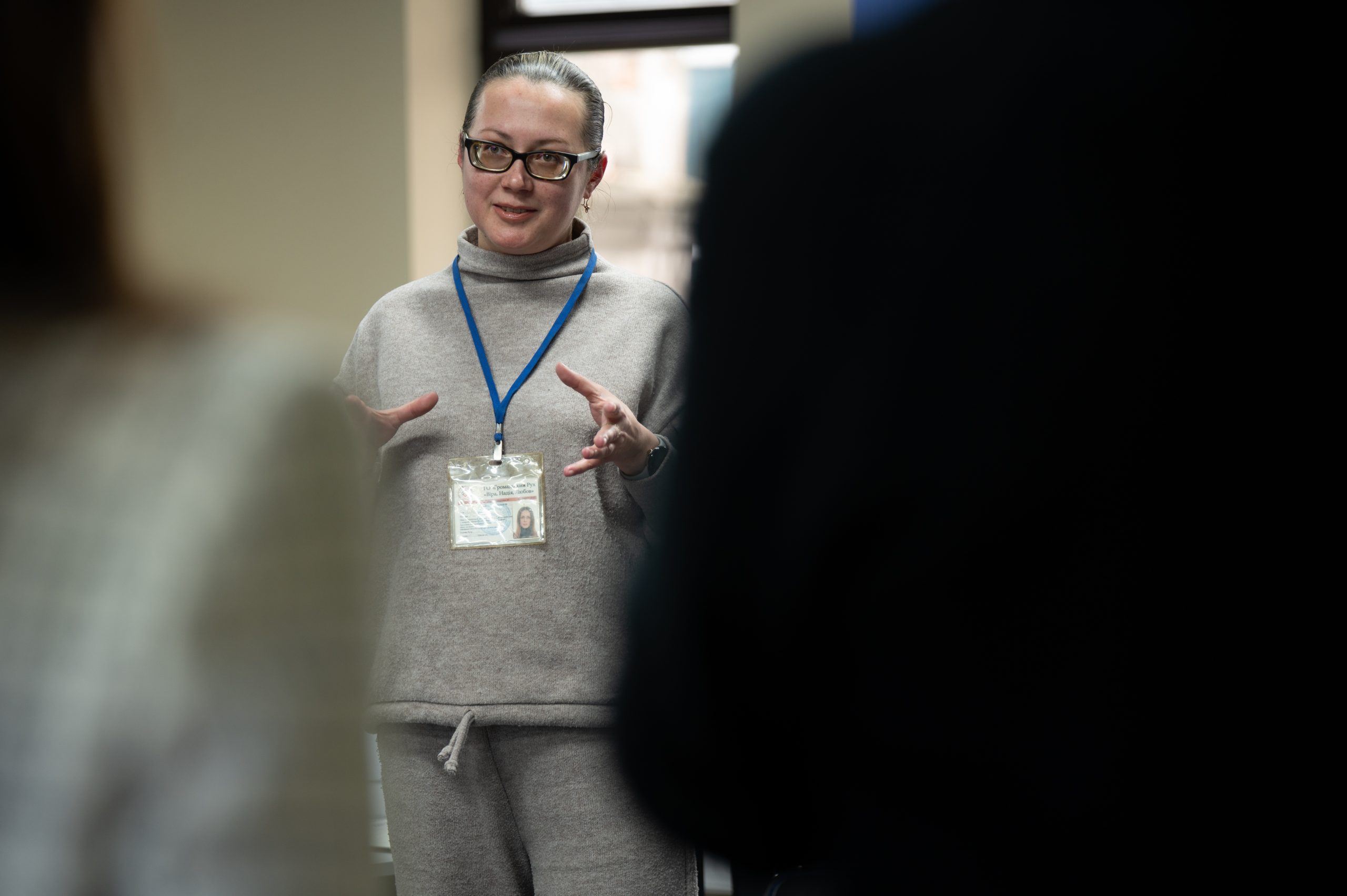
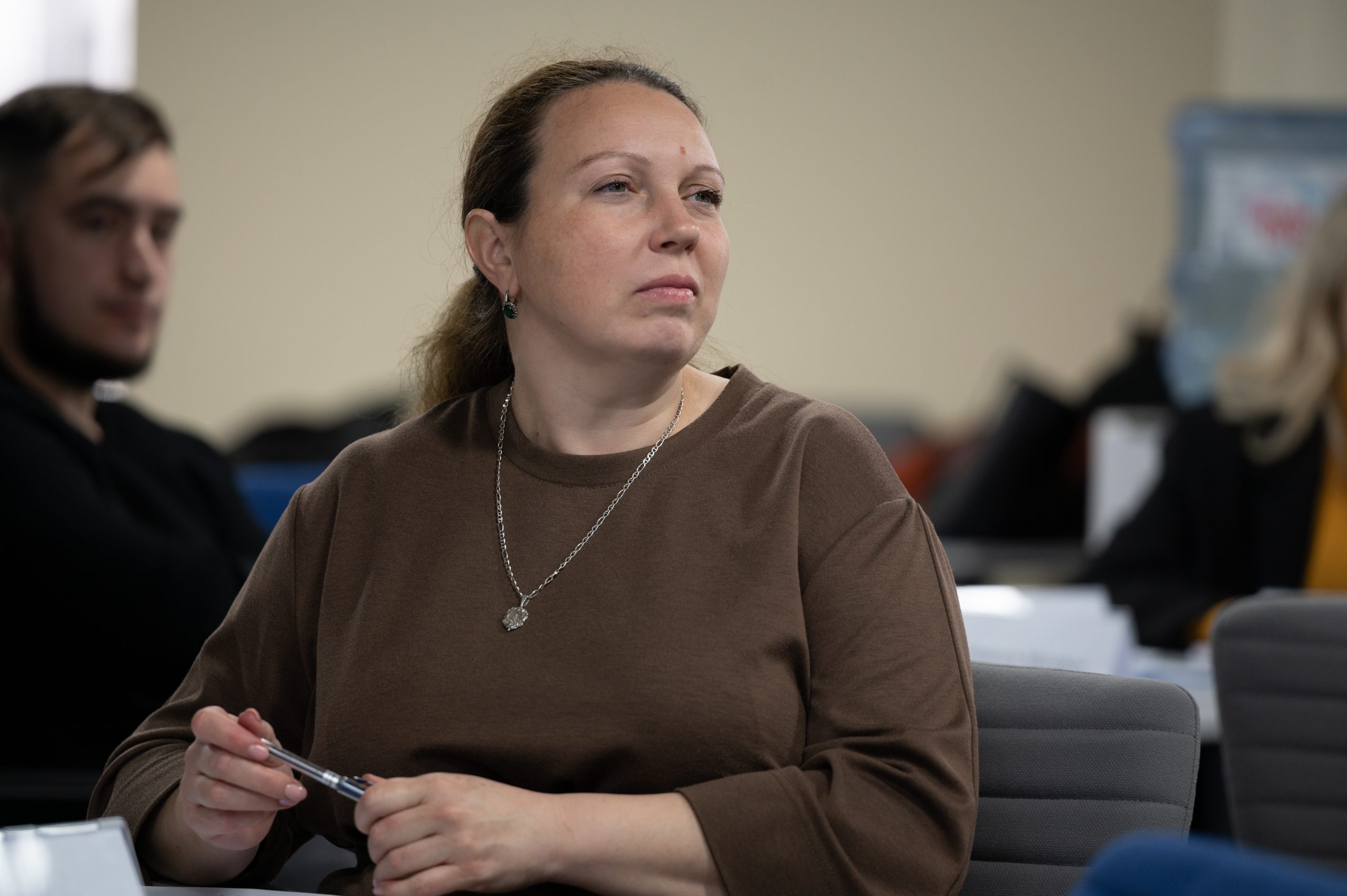
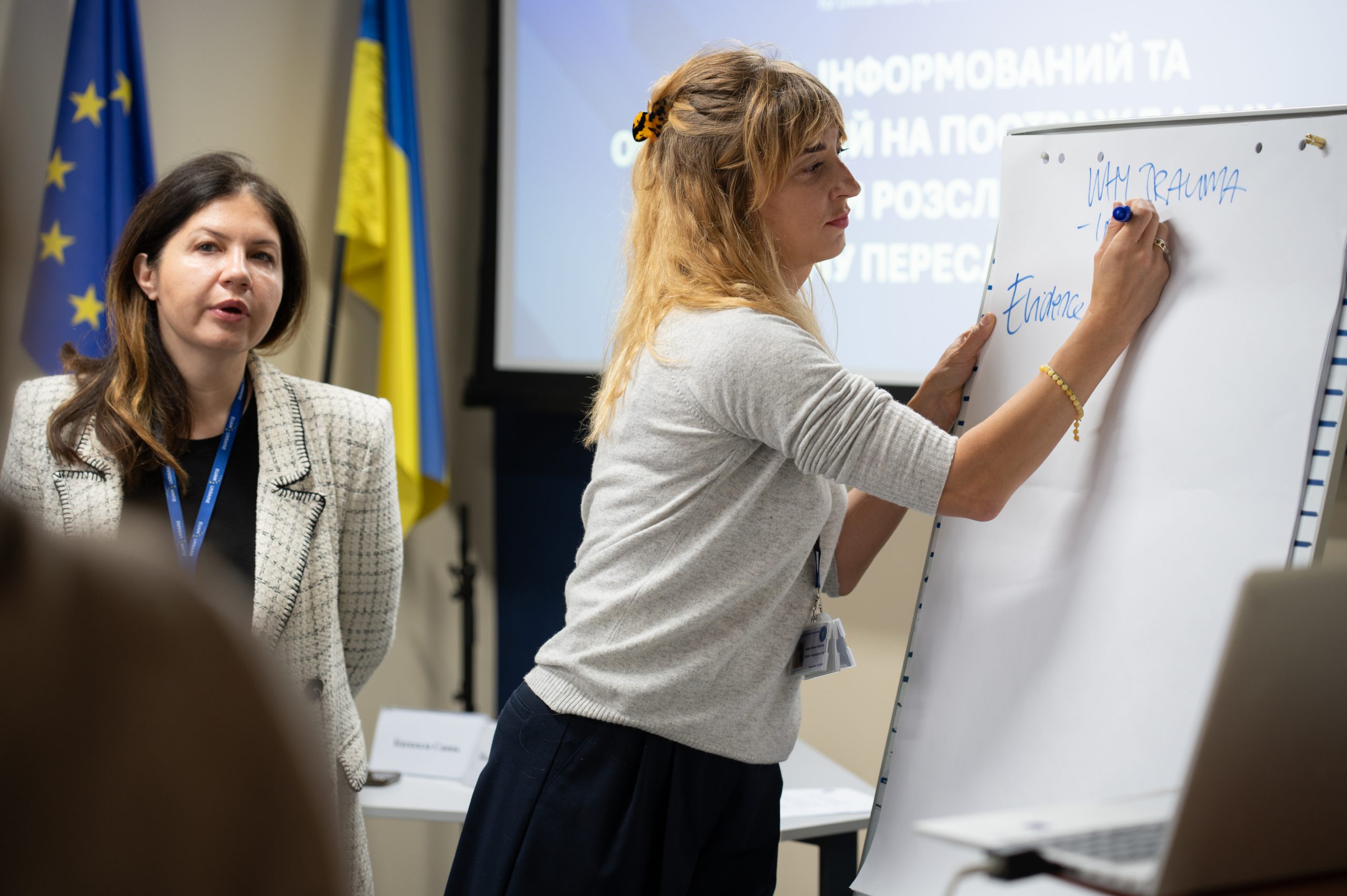
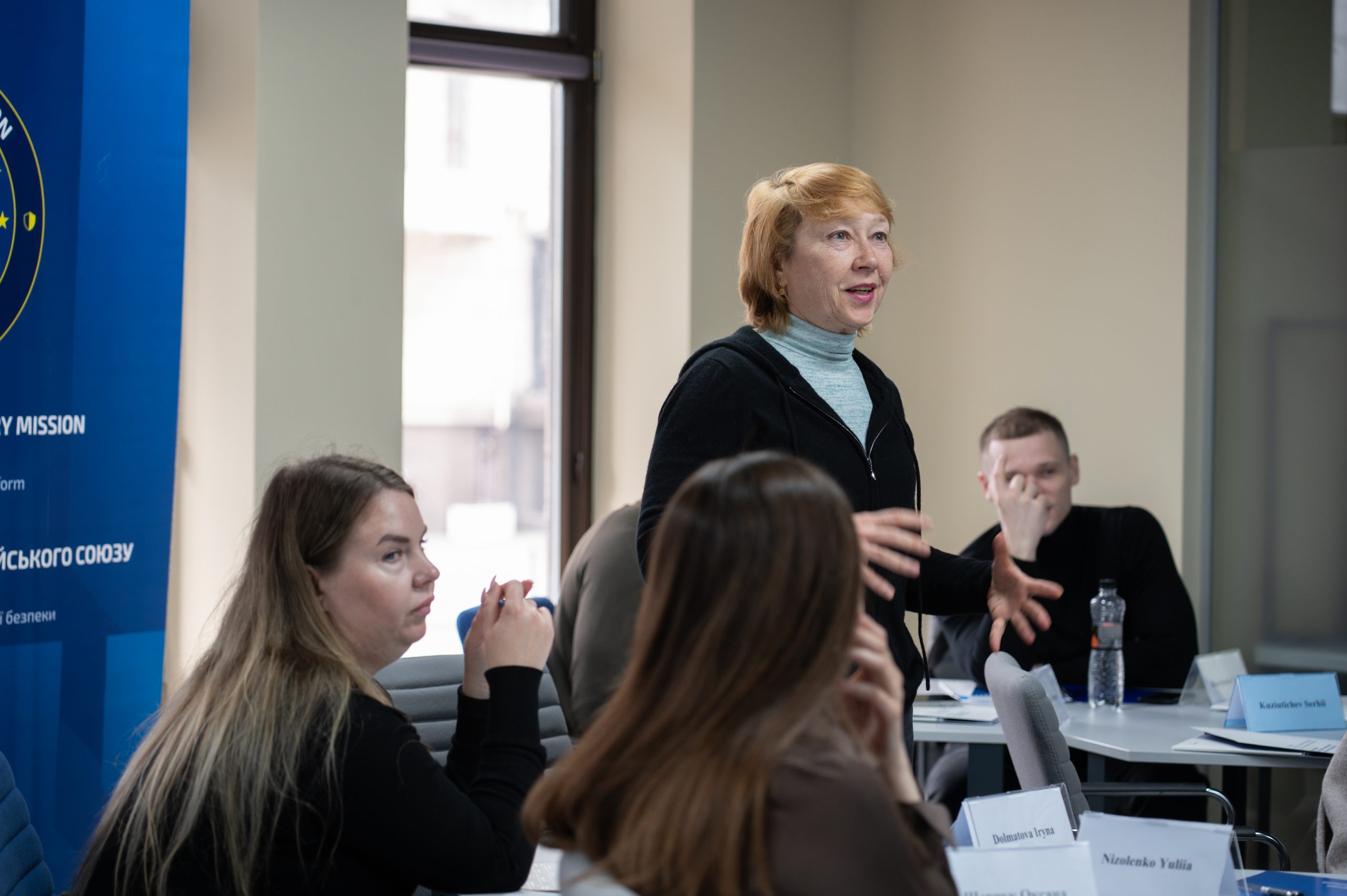
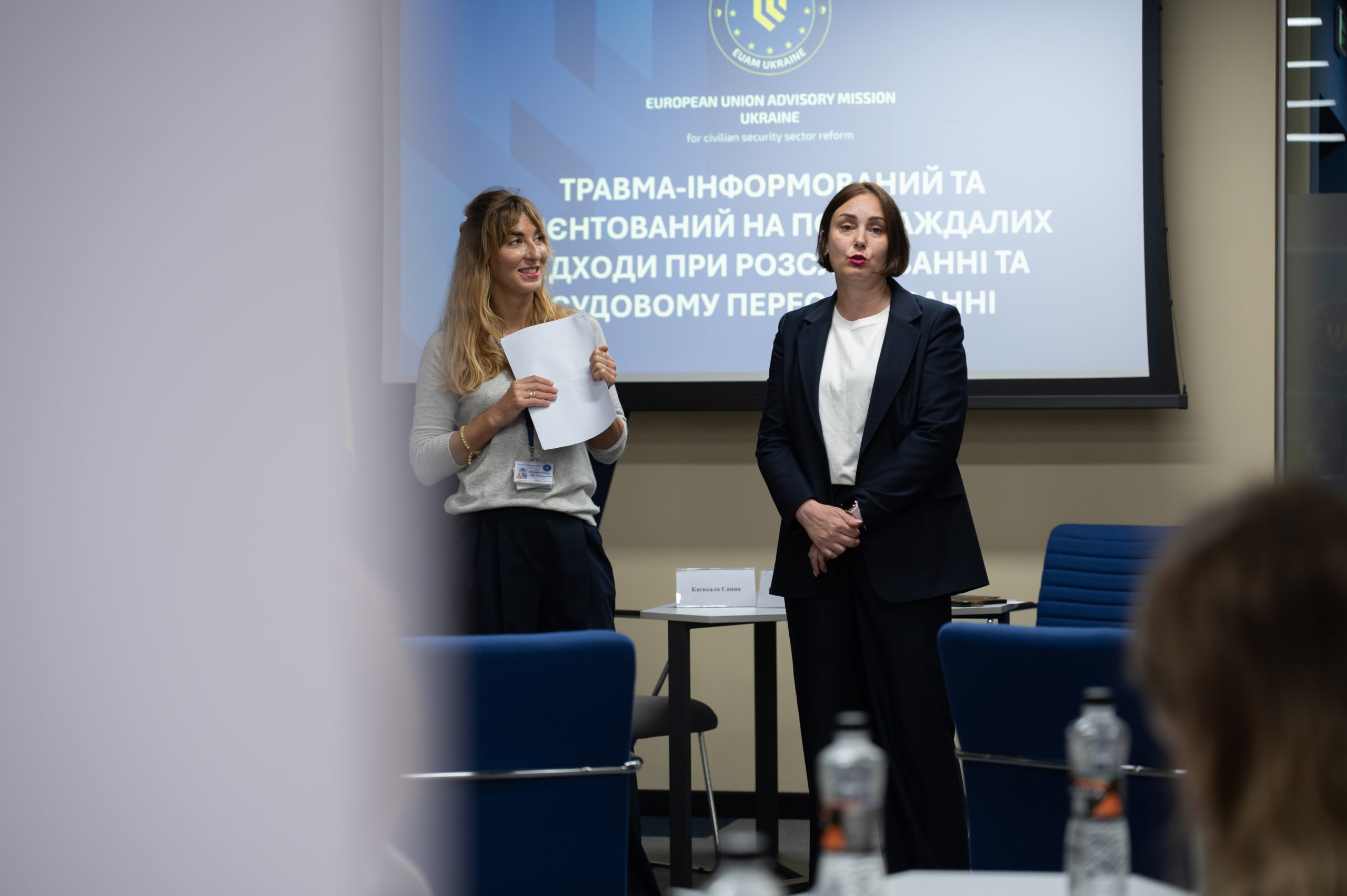
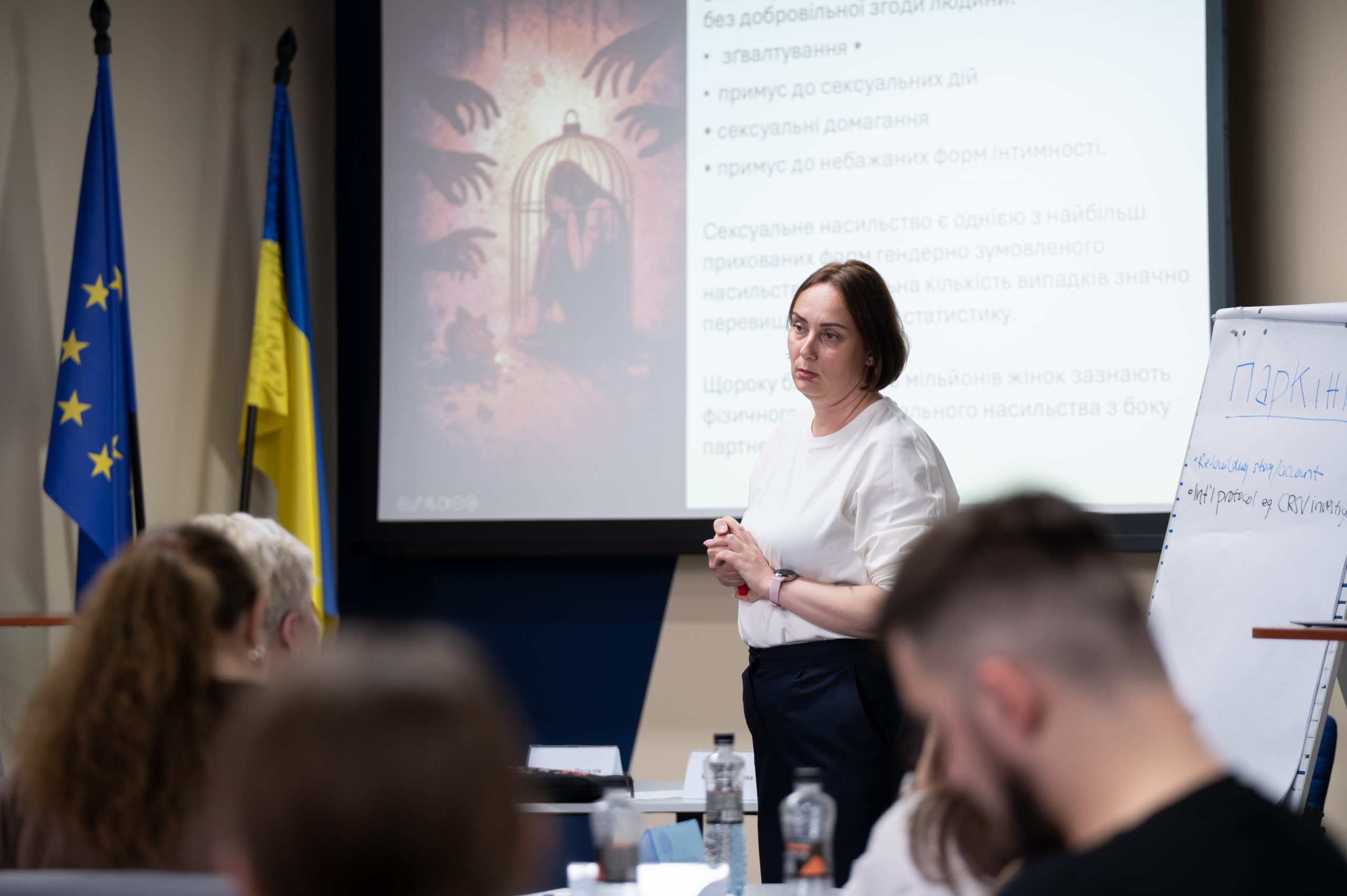
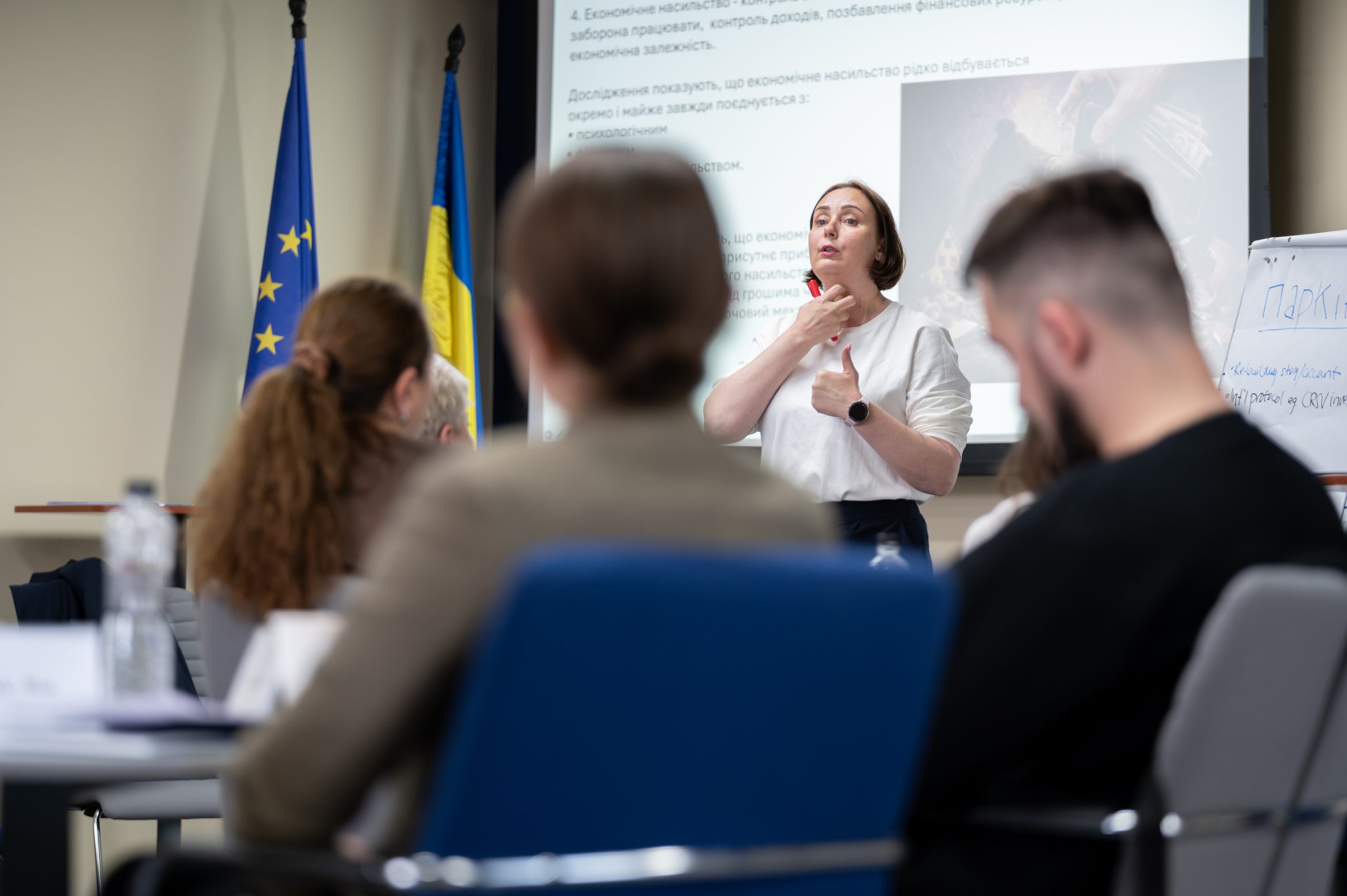
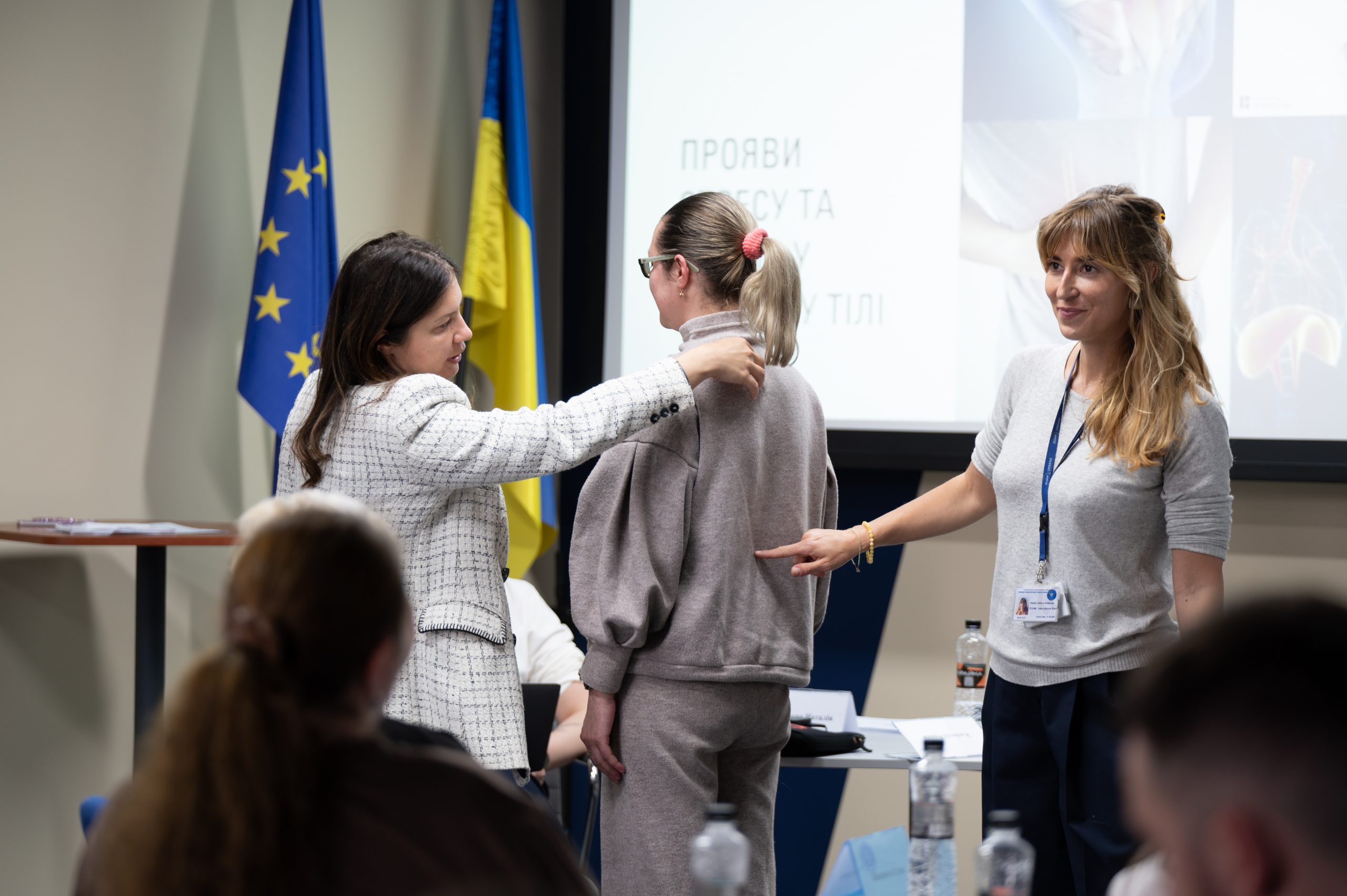
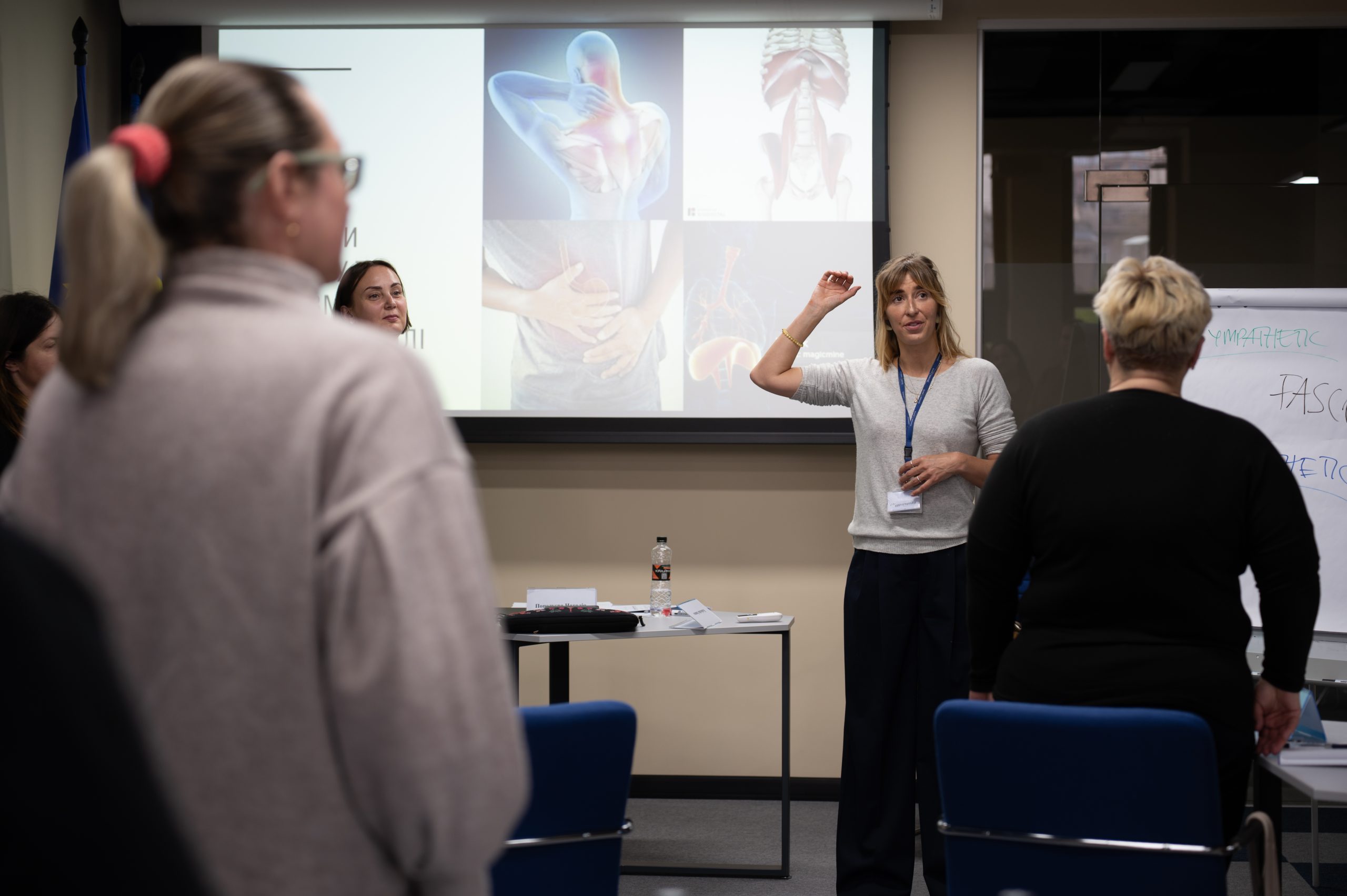





















During the training, participants examined the neurobiology of trauma, the risks of secondary and vicarious traumatisation, professional burnout and chronic stress. The practical part included mock interviews and role play based on real cases.
“This is not just theory on slides,” Oksana said. “Participants are given real tools. You can see your own work from the outside, analyse it together with professionals and understand what can be done differently. In daily practice, you do not always have that opportunity.”
The training also addressed the well-being of criminal justice professionals themselves — an issue of particular importance for those working with difficult cases under the pressure of Russia’s full-scale war. “If you are traumatised yourself, it affects the person in front of you as well,” Oksana noted. “Mental health is also essential for doing quality work.”
By bringing together investigators, prosecutors, judges, social services, psychologists and civil society organisations, the workshops helped strengthen coordination across the criminal justice chain. The activities form part of EUAM Ukraine’s support to a more gender-responsive, human-rights-based and survivor-centred approach to investigation and prosecution, helping Ukrainian counterparts pursue justice while protecting victims and witnesses from further harm.