
What EU accession means for Ukraine’s prosecutors and judges
October 16, 2026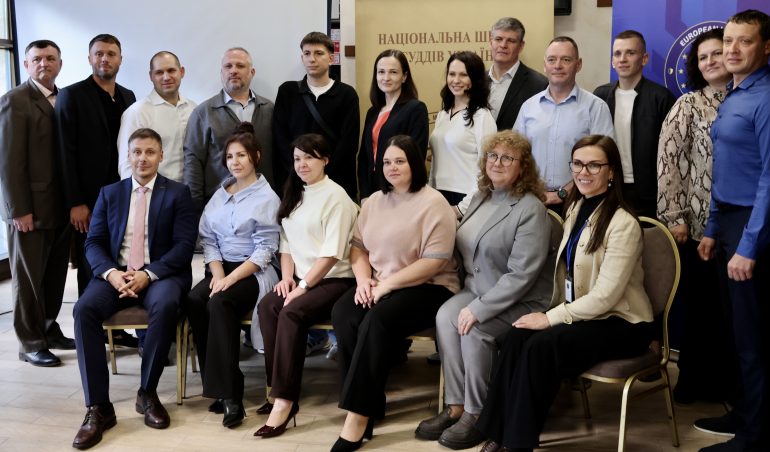
Ukraine’s preparations for EU membership span many dimensions. Ultimately, their success depends on prosecutors, judges and other practitioners understanding how broader institutional reforms apply to their daily work.
To bridge this gap, EUAM Ukraine’s Mobile Unit hosted three seminars in Dnipro and Poltava in September and October. More than 150 prosecutors and judges from Sumy, Kharkiv, Poltava, Dnipropetrovsk, Zaporizhzhia, Donetsk and Luhansk regions gathered to examine EU reform priorities and their practical implementation.
For practitioners in these war-affected regions, preparing for long-term changes comes alongside urgent daily demands. Surging war crimes cases, security threats, relocations of courts from occupied territories and combat zones, and severe staff shortages put heavy pressure on local justice institutions. While delivering swift justice remains an uphill task under these conditions, maintaining institutional independence and personal integrity remains an absolute necessity.
Organized in partnership with the Prosecutorial Training Center of Ukraine, the Dnipropetrovsk and Kharkiv branches of the National School of Judges, and the Agency for Legislative Initiatives, the seminars helped participants navigate the key criminal justice changes required for EU accession. Attendees looked at the primary frameworks driving these reforms – the Rule of Law Roadmap and the Overarching Strategic Plan (OAS) Action Plan – focusing on how priorities like integrity vetting, merit-based leadership selection, and institutional accountability are necessary to strengthen Ukraine’s justice system and build public trust.
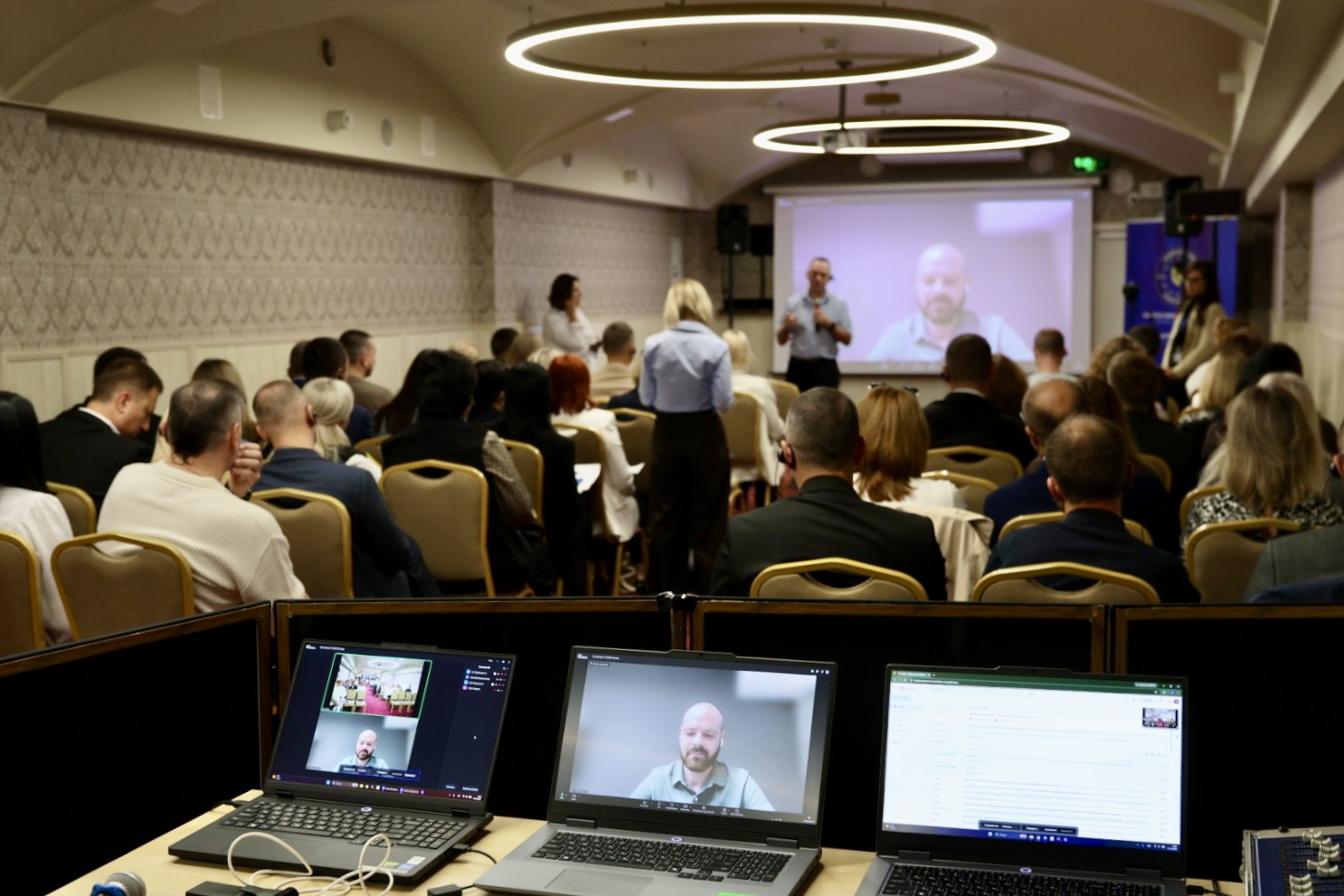
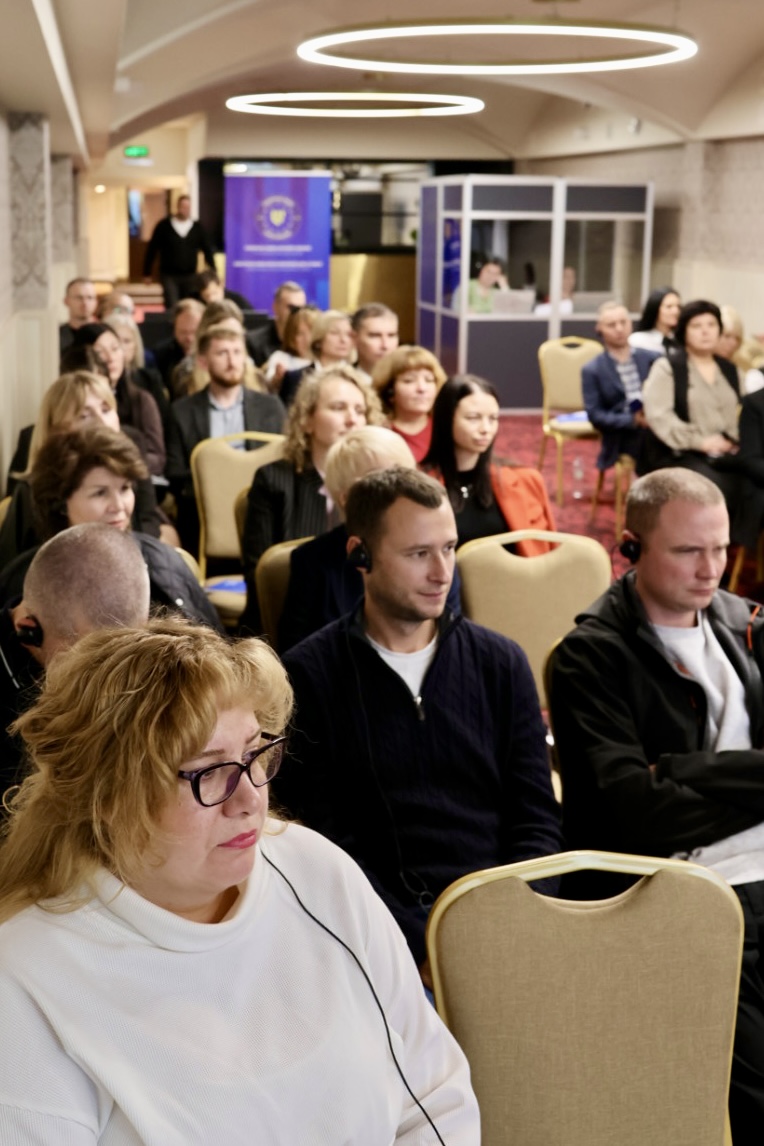
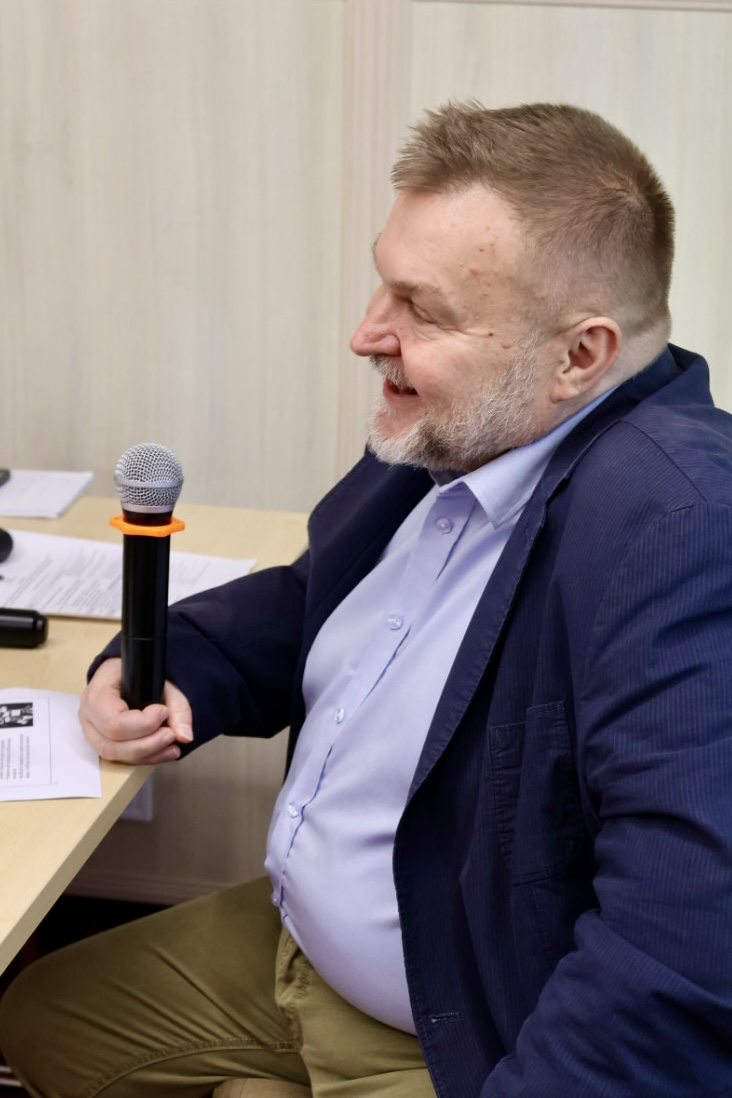
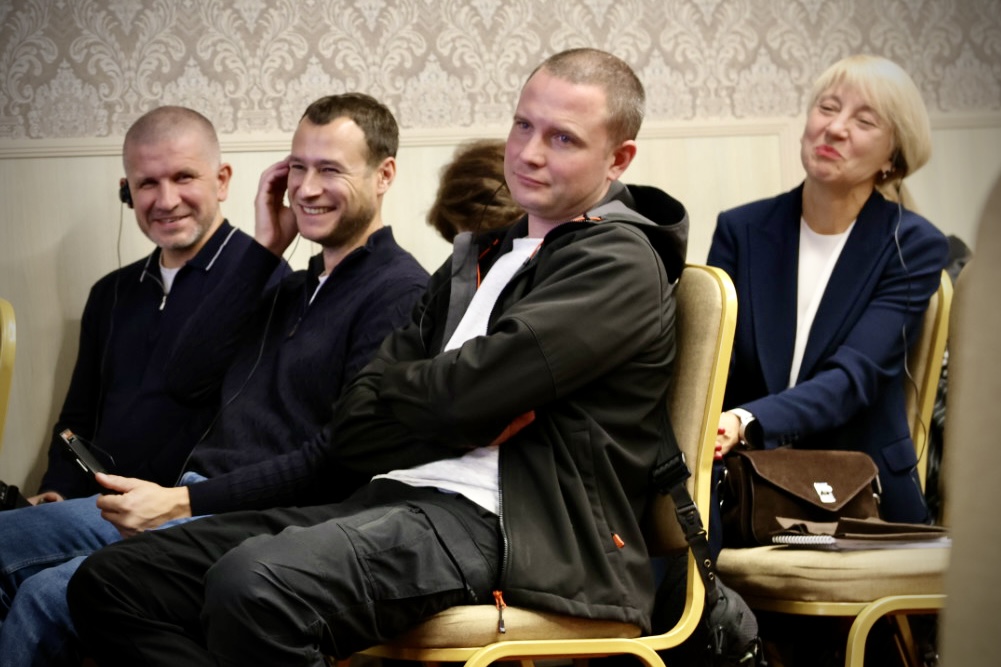
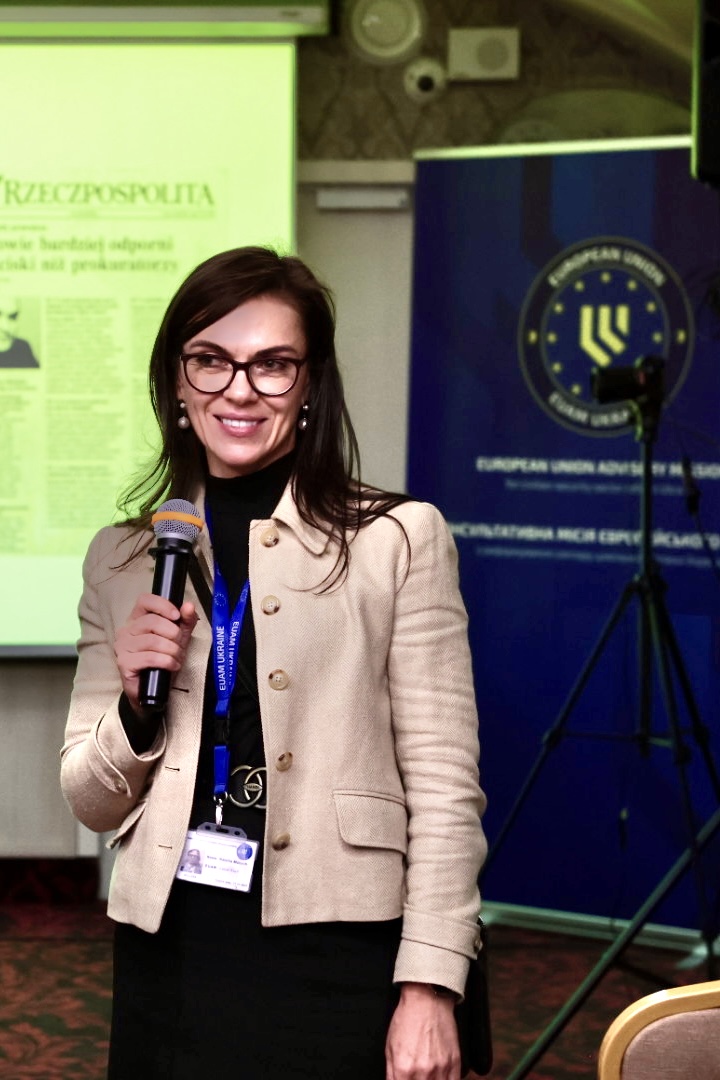
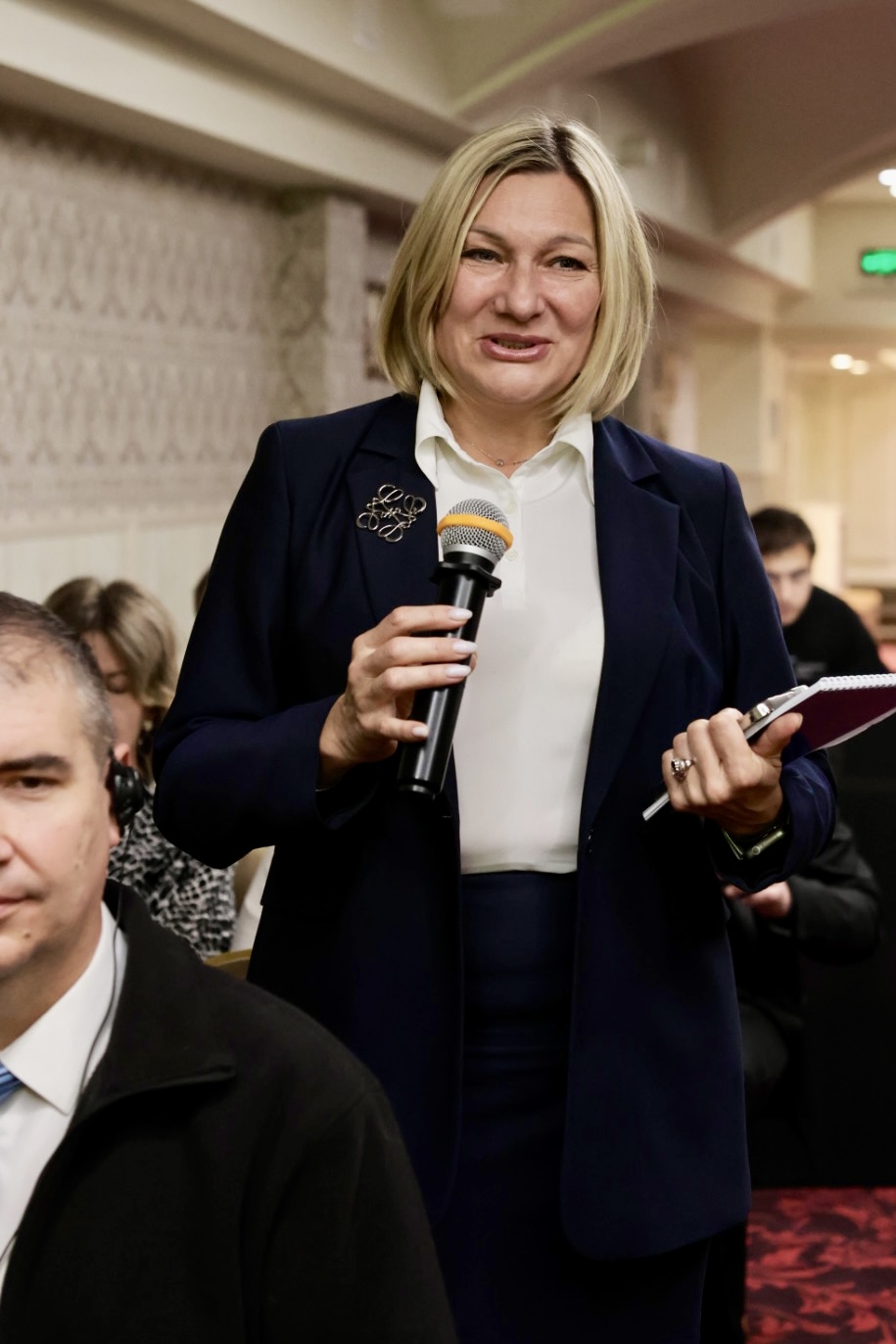
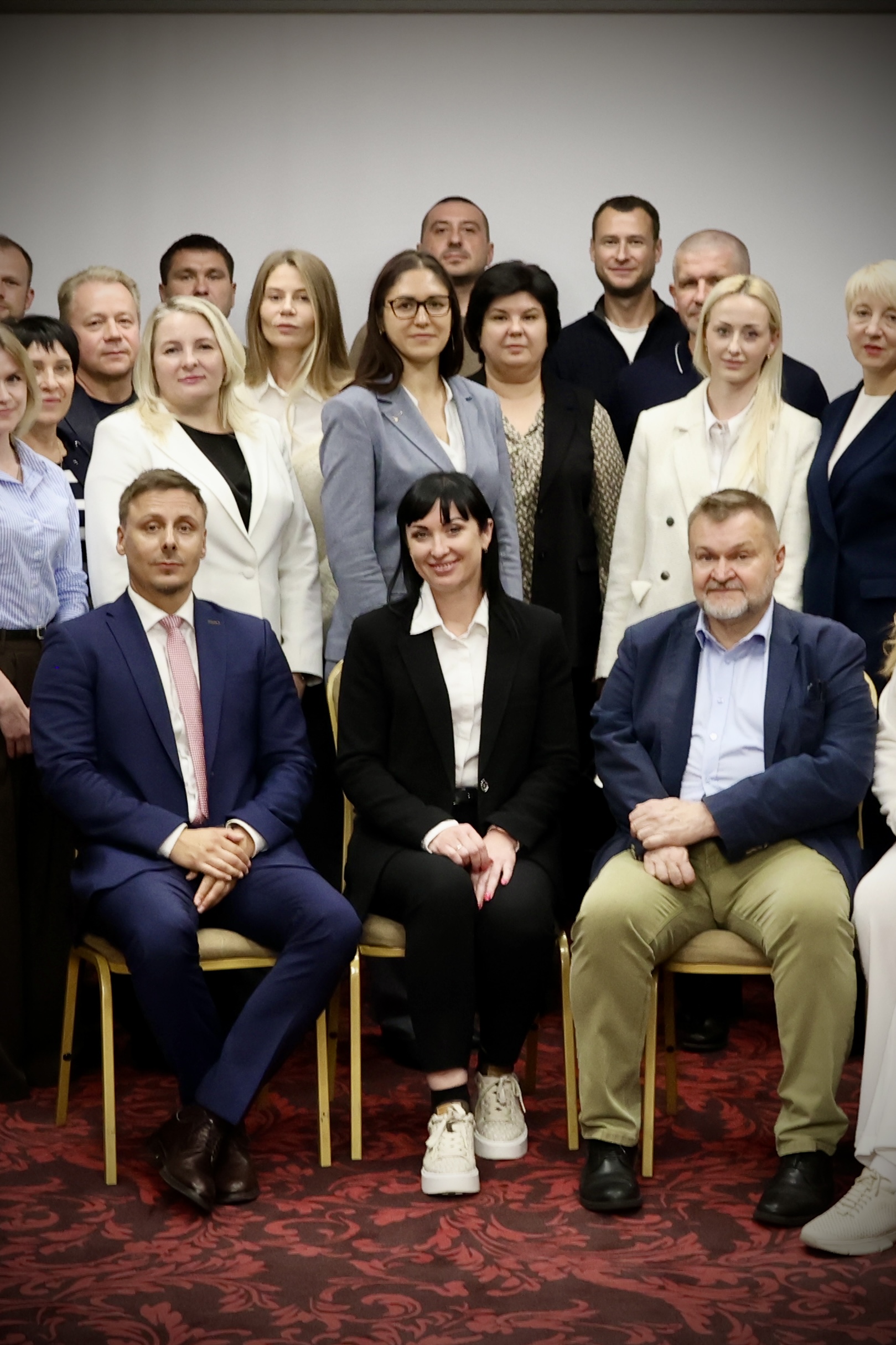









To provide comparative context, EUAM experts shared insights from the EU integration journeys of Poland, Lithuania, Finland, Sweden, and Ireland. These discussions focused on lessons learned from post-Soviet transformation processes in Poland and Lithuania and the recurring rule of law challenges faced across Europe. Participants also explored what EU integration practically demanded from the prosecution and judiciary in those countries, how they managed the transition, and the long-term institutional benefits – such as mutual recognition of judicial decisions and swift cross-border cooperation – they enjoy today.
Building on these comparative lessons, EUAM’s Senior Adviser on Prosecution, Henri Telkki, highlighted the importance of preparing local practitioners for the changes ahead.
“EU accession requires not only legislative reform but institutions that can put it into practice across regions,” Telkki stated. “Prosecutors and judges need to understand how European standards relate to their responsibilities and how the EU legal system works. While criminal law remains largely a national competence and practitioners will continue applying the Ukrainian Criminal Code, EU law will increasingly integrate into domestic practice. Prosecutors and judges and other legal practitioners must learn to interpret national legislation in light of EU law, understand EU Regulations and Directives, and account for the case law of the Court of Justice of the EU.”
This dual understanding is especially vital for tackling cross-border crime, where effective prosecution depends on utilising the EU’s tools for judicial cooperation. Furthermore, EU integration brings stringent requirements regarding fundamental rights and the rule of law, placing a critical responsibility on Ukrainian prosecutors and judges to ensure these standards are upheld in daily practice.
Through its Mobile Unit, EUAM continues to bring targeted advisory support directly to regional practitioners, helping them respond to the immediate demands of war while systematically preparing for Ukraine’s European future.
