
Strategic Communication as a Catalyst for Security Sector Reform: MoIA Communication Forum 4.0
May 20, 2026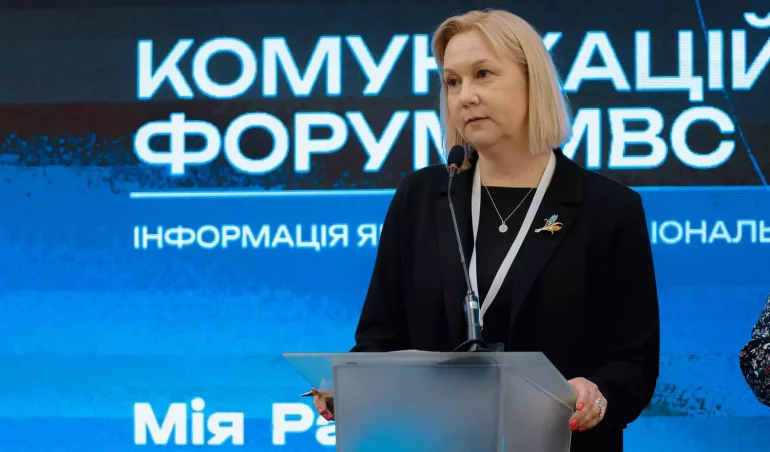
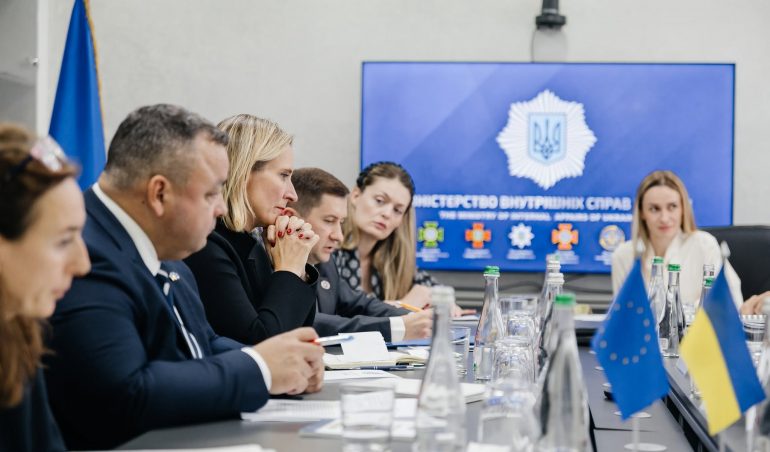
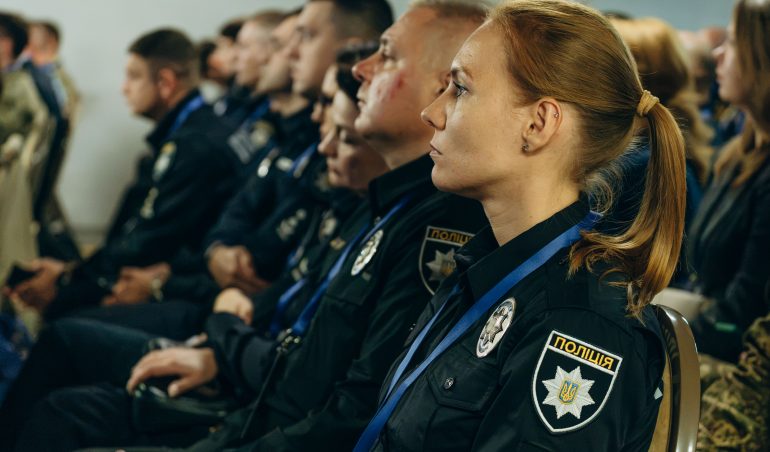
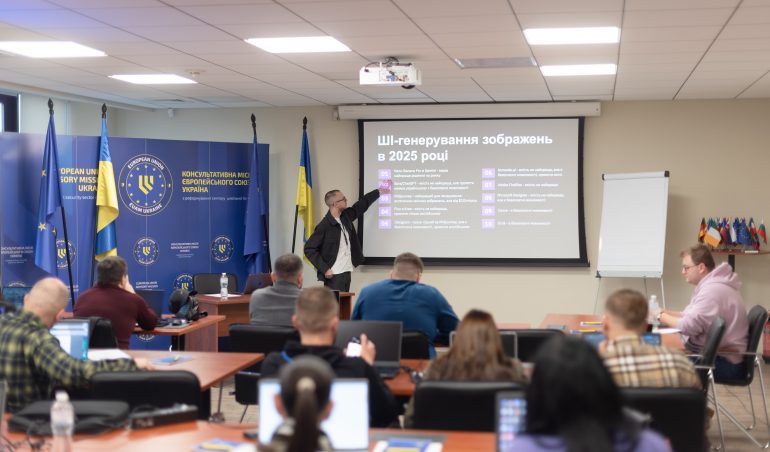
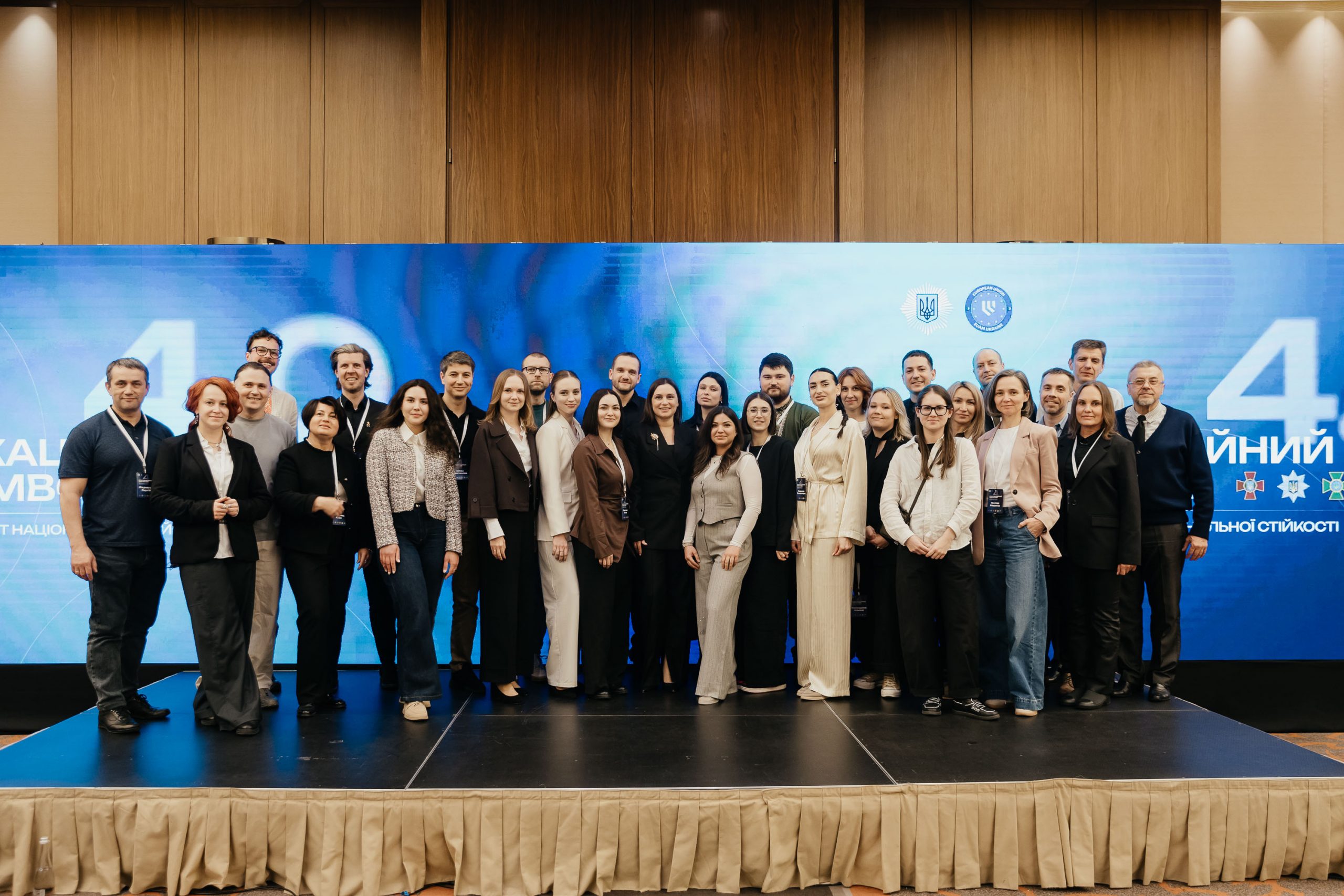
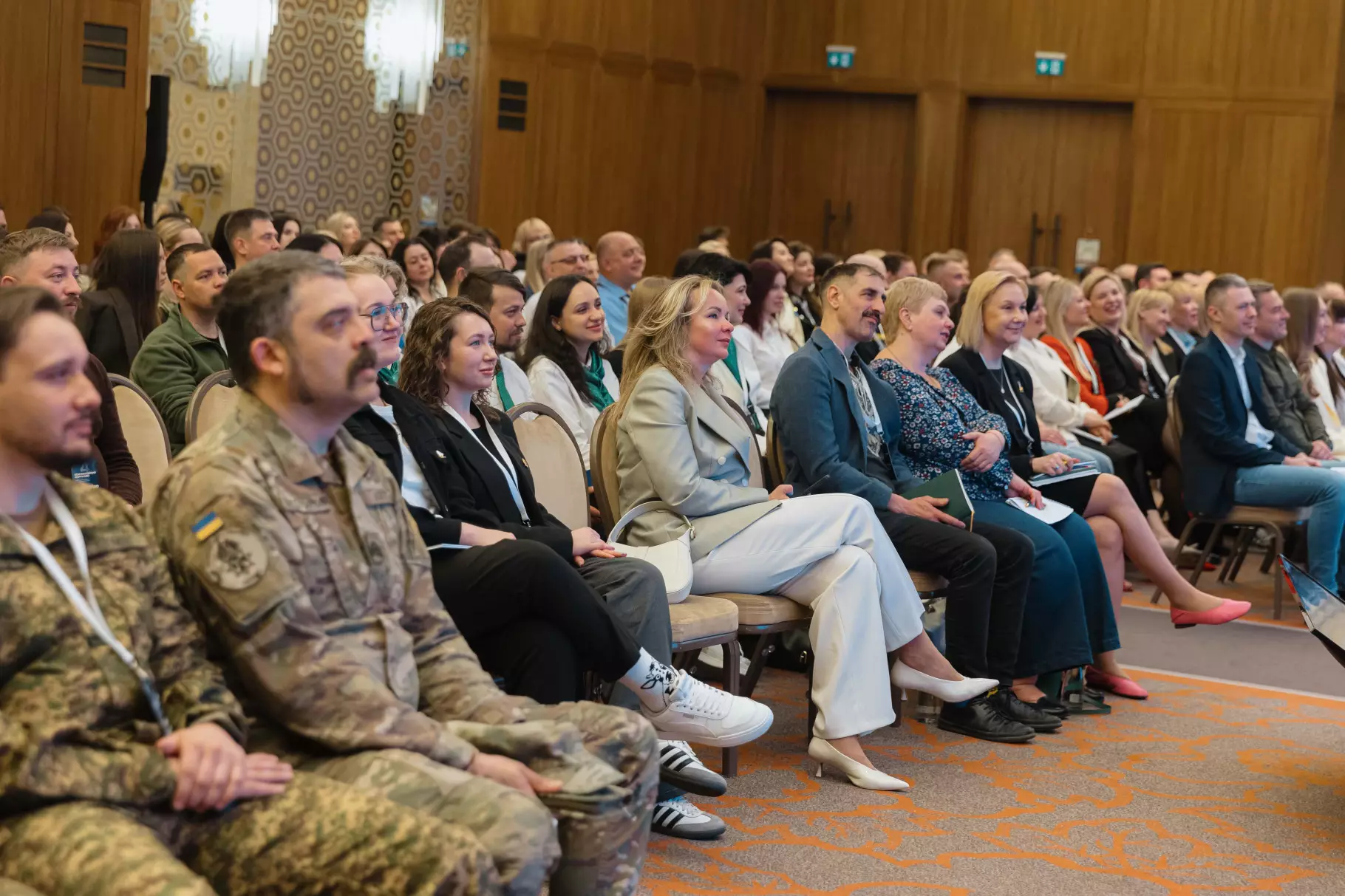
Effective civilian security sector reform is a comprehensive process that involves legislative changes and institutional restructuring that require earned public trust, accountability, transparency, and the ability to communicate changes effectively to citizens. The recent Communication Forum 4.0, hosted by Ukraine’s Ministry of Internal Affairs (MoIA) and supported by EU Advisory Mission (EUAM) Ukraine, underscored precisely this connection. The event brought together communications professionals across the MoIA and its agencies to explore how strategic communication serves as a cornerstone of national resilience and reform implementation.
The Forum offers a strategic platform for aligning communication efforts with reform priorities to implement the Overarching Strategic Plan for the Reform of the Entire Law Enforcement Sector (OAS) and its Action Plan, as well as other relevant reforms across the civilian security sector.
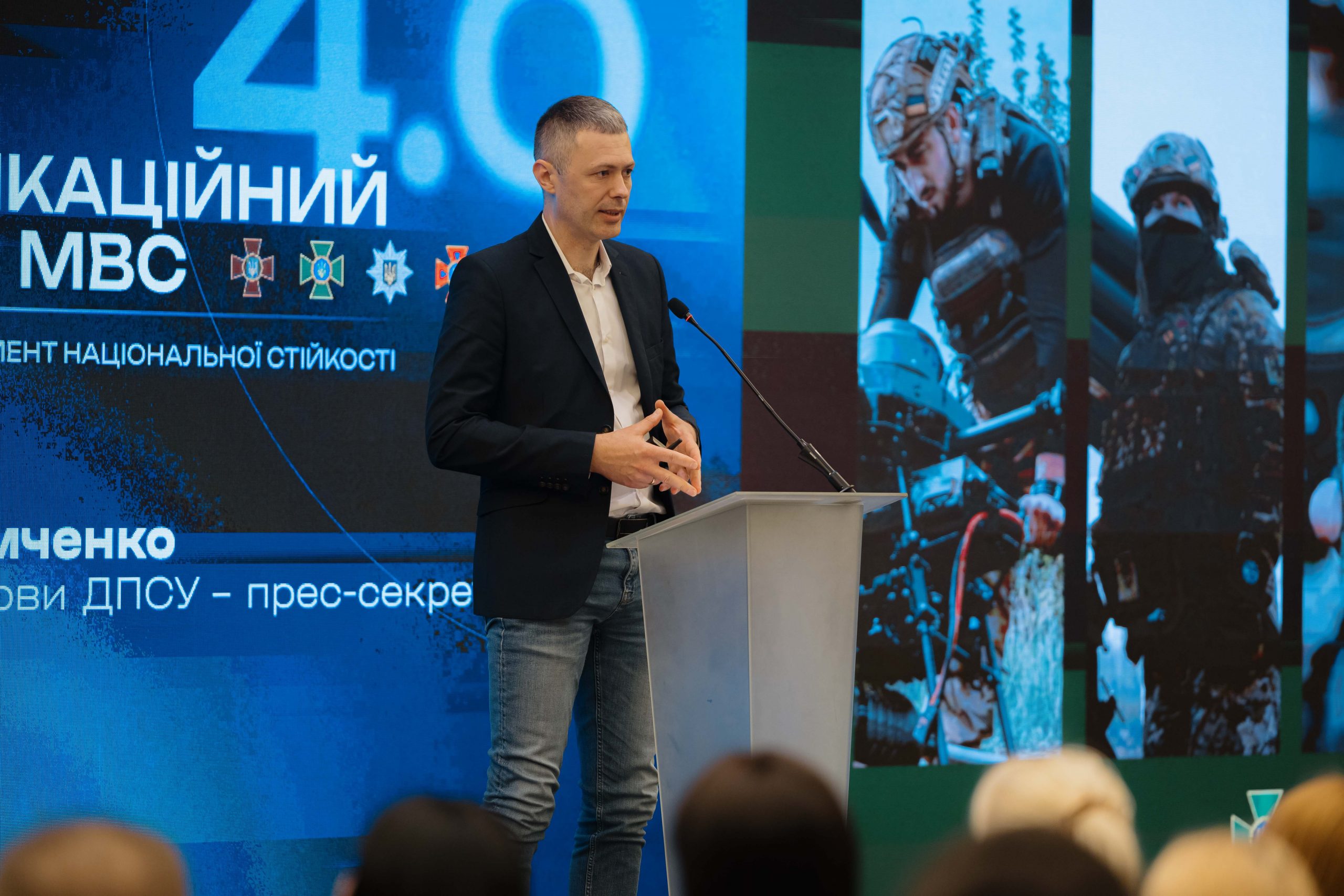
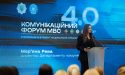
Opening the Forum, Mariana Reva, Director of the Communications Department at the Ministry of Internal Affairs of Ukraine, emphasised that strategic communications are currently an integral component of national security, as they make it possible not only to promptly inform the public, but also to counter hostile information influence while preserving societal unity and resilience.
She also underscored the key role of communications professionals in building public trust in state institutions amid the full-scale war, stating: “We clearly understand how important it is today to work with information, how it affects society, and through which channels it is disseminated. Communications professionals are now among those who help people navigate the information chaos.”
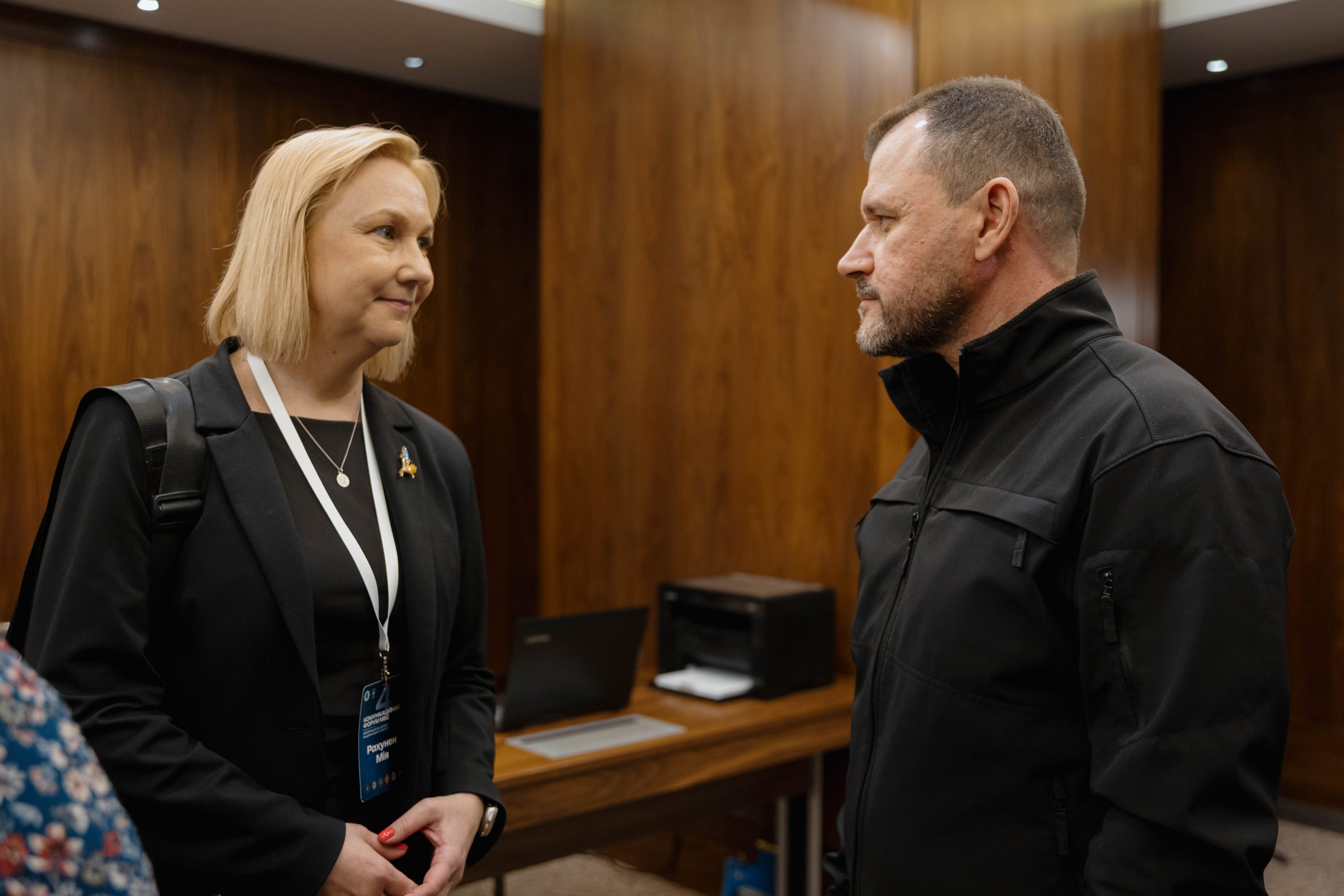
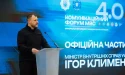
EUAM Ukraine Deputy Head of Mission Mia Rahunen, having met during the Forum with the Minister of Internal Affairs of Ukraine, Ihor Klymenko, reflected on the reform dimension with the MoIA and its agencies, stating: “The European Union Advisory Mission has witnessed remarkable progress in how Ukrainian law enforcement communicates with the public. This Forum demonstrates a mature understanding that transparency is not a vulnerability but a source of strength and resilience that builds public trust. When institutions communicate openly about their challenges and achievements, they build the social capital necessary for deep institutional change.”
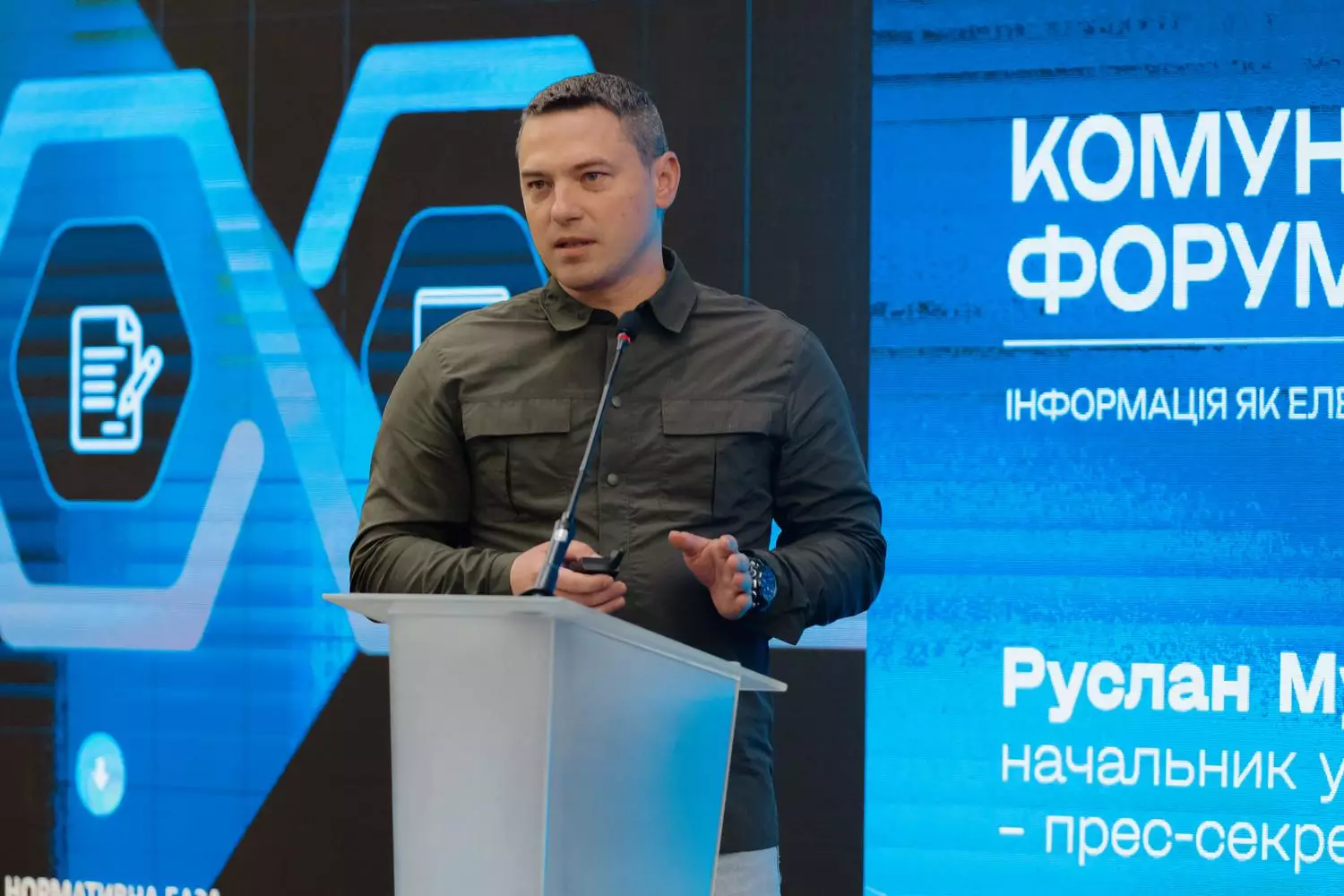
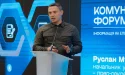
The Forum also stressed the importance of information security as a component of national resilience. Ruslan Muzychuk, Head of Communications at the National Guard of Ukraine, noted: “We operate in an information environment where hostile actors seek to undermine confidence in state institutions. Our response must be proactive, factual, and persistent communication that reinforces public trust and counters FIMI from hostile and malign actors. Resilience in wartime conditions means having the capacity to communicate truth effectively under pressure.”
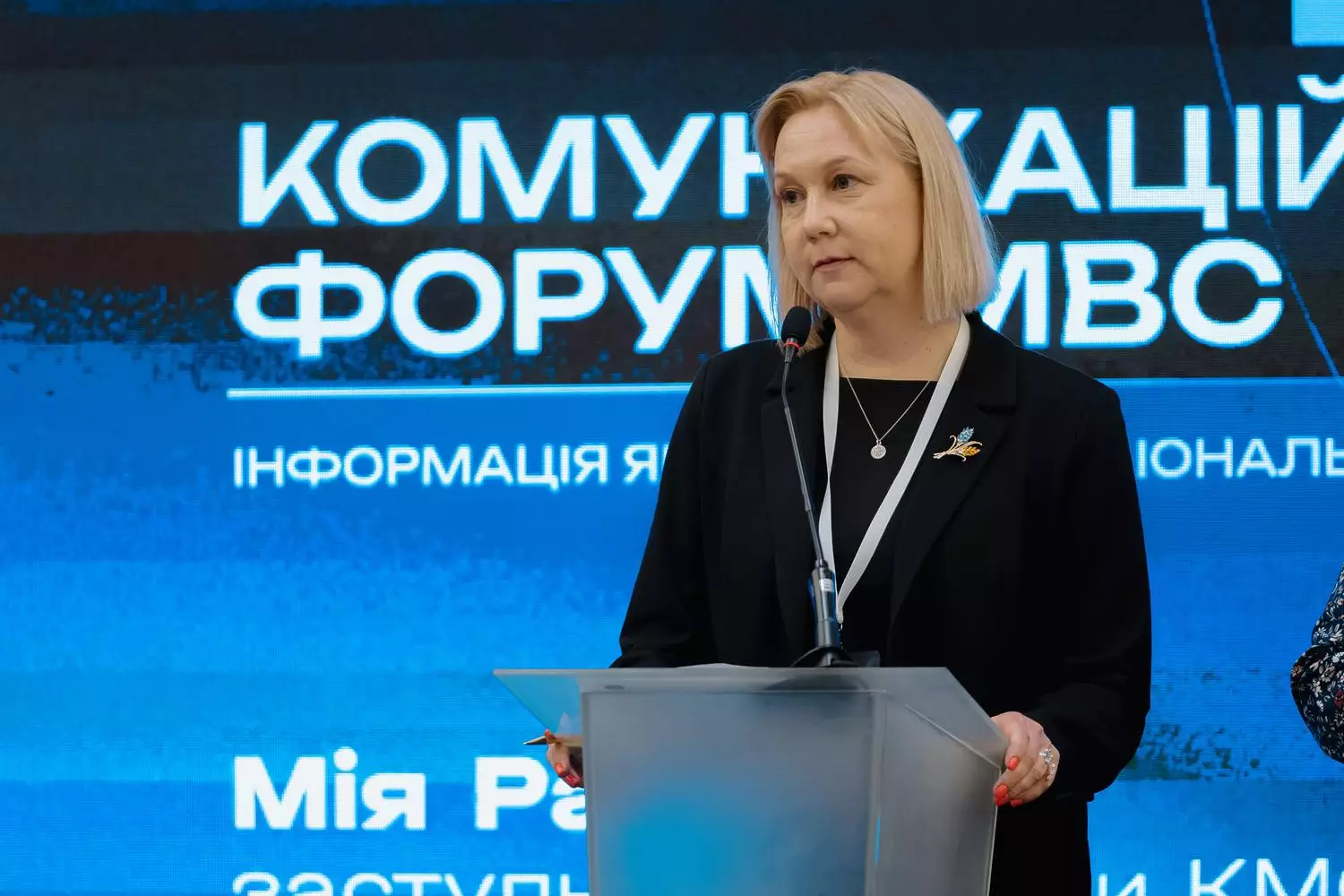
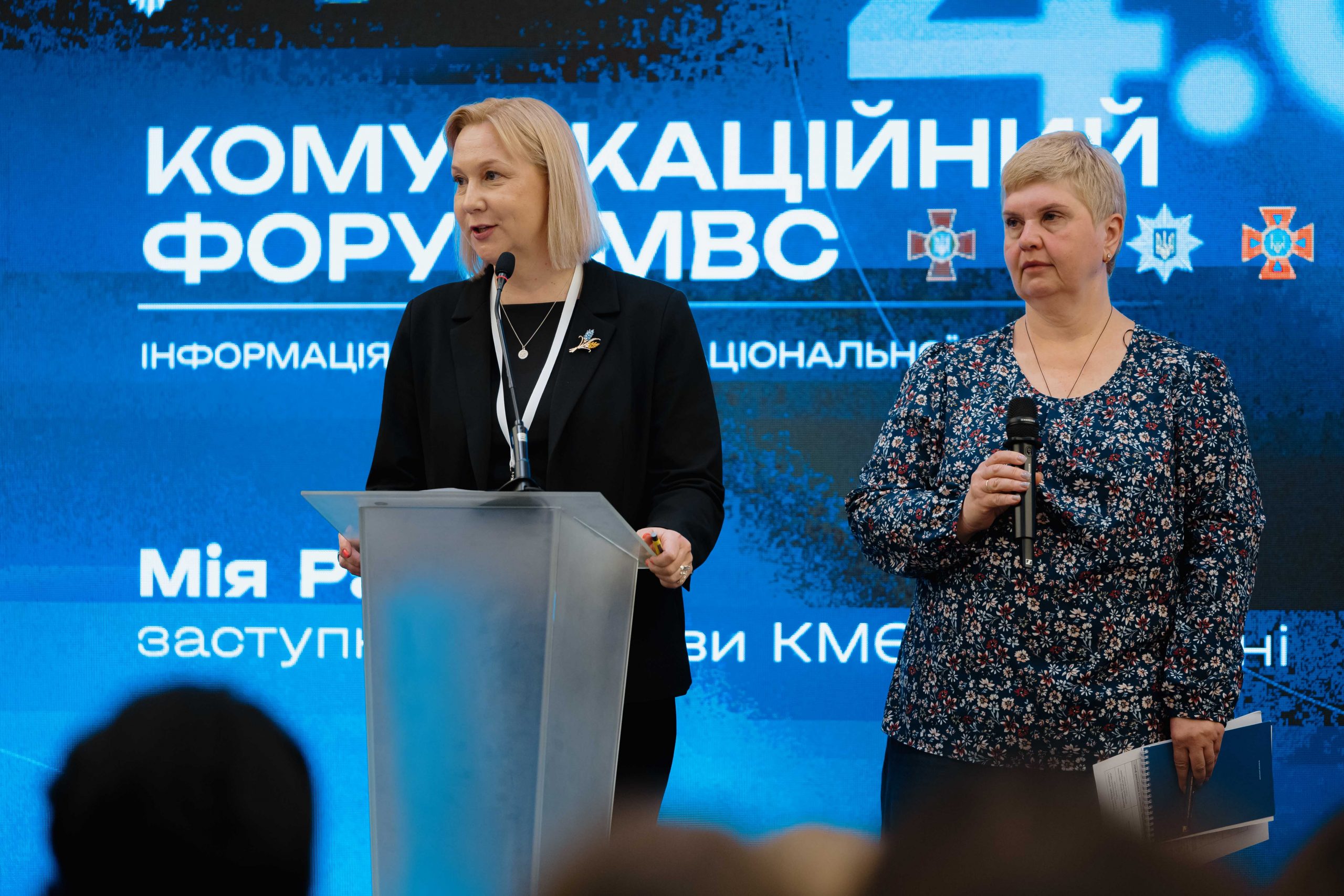
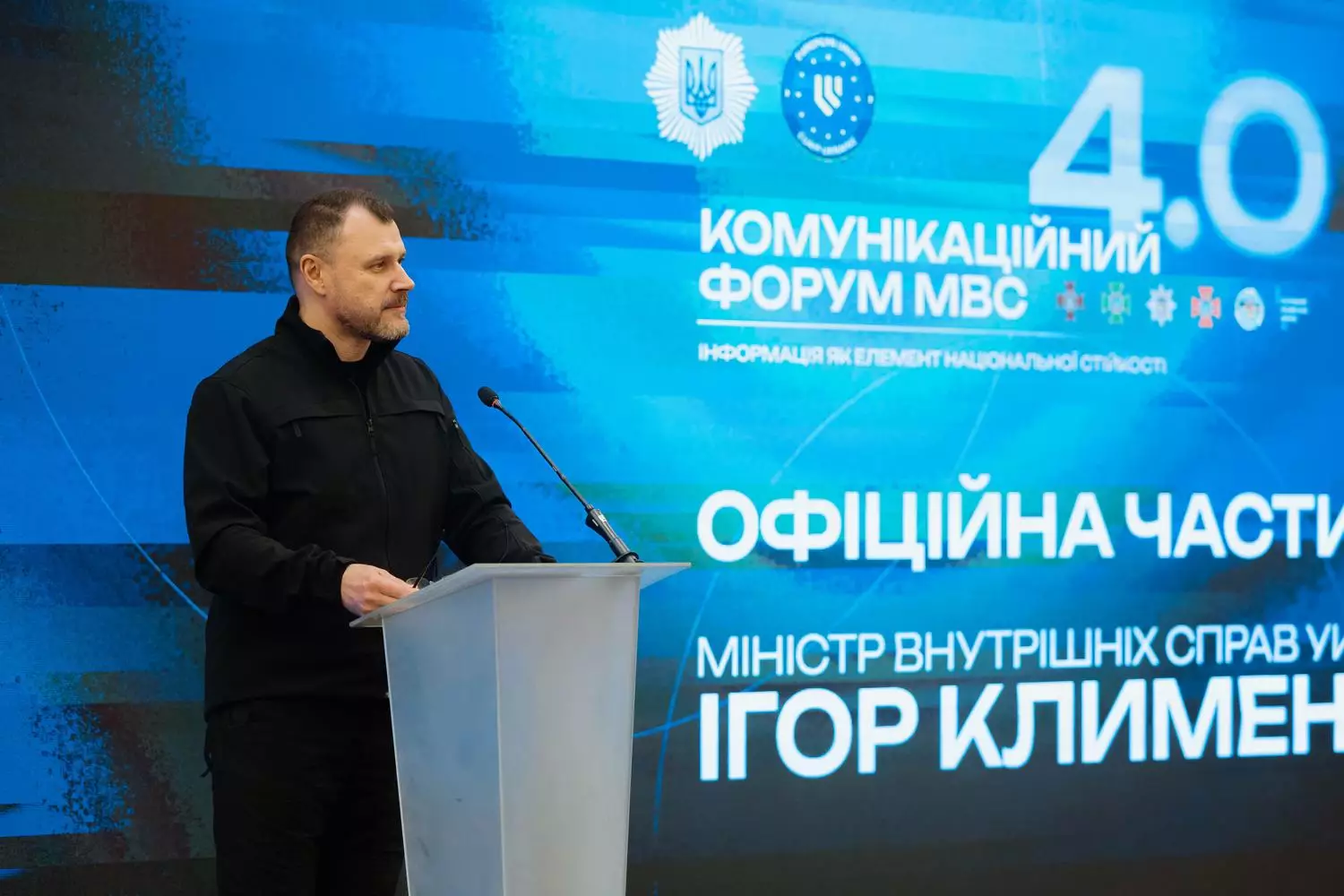
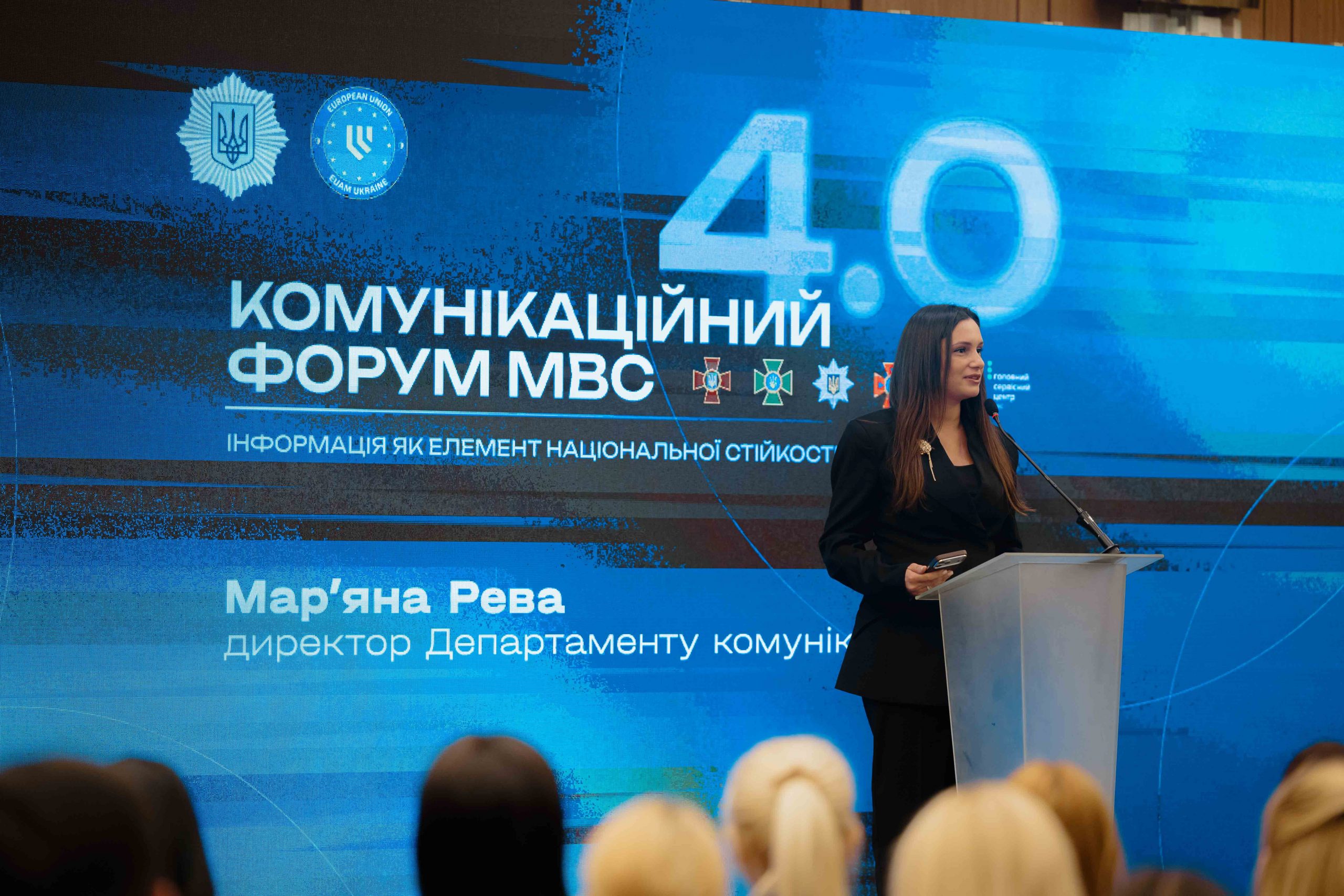

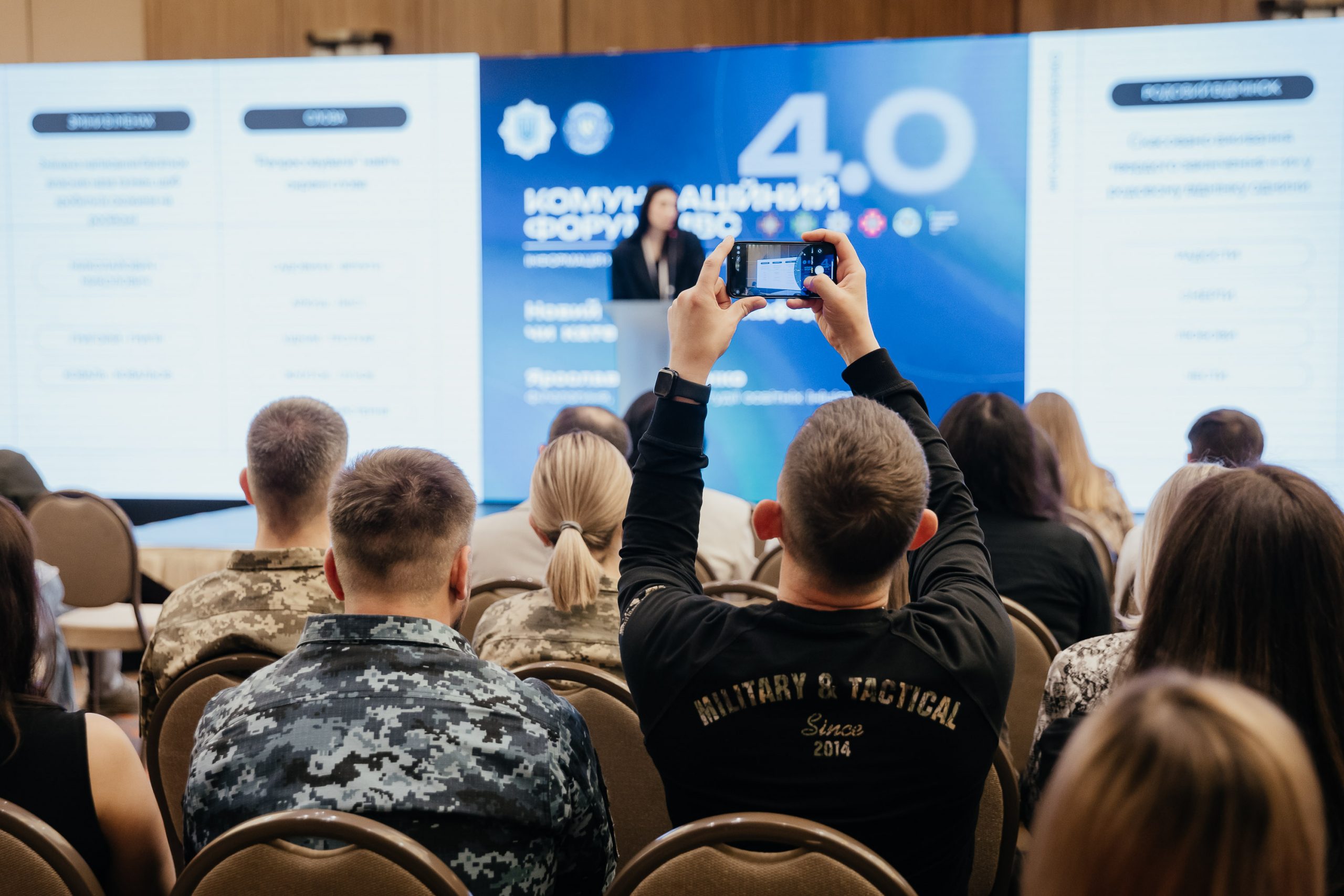
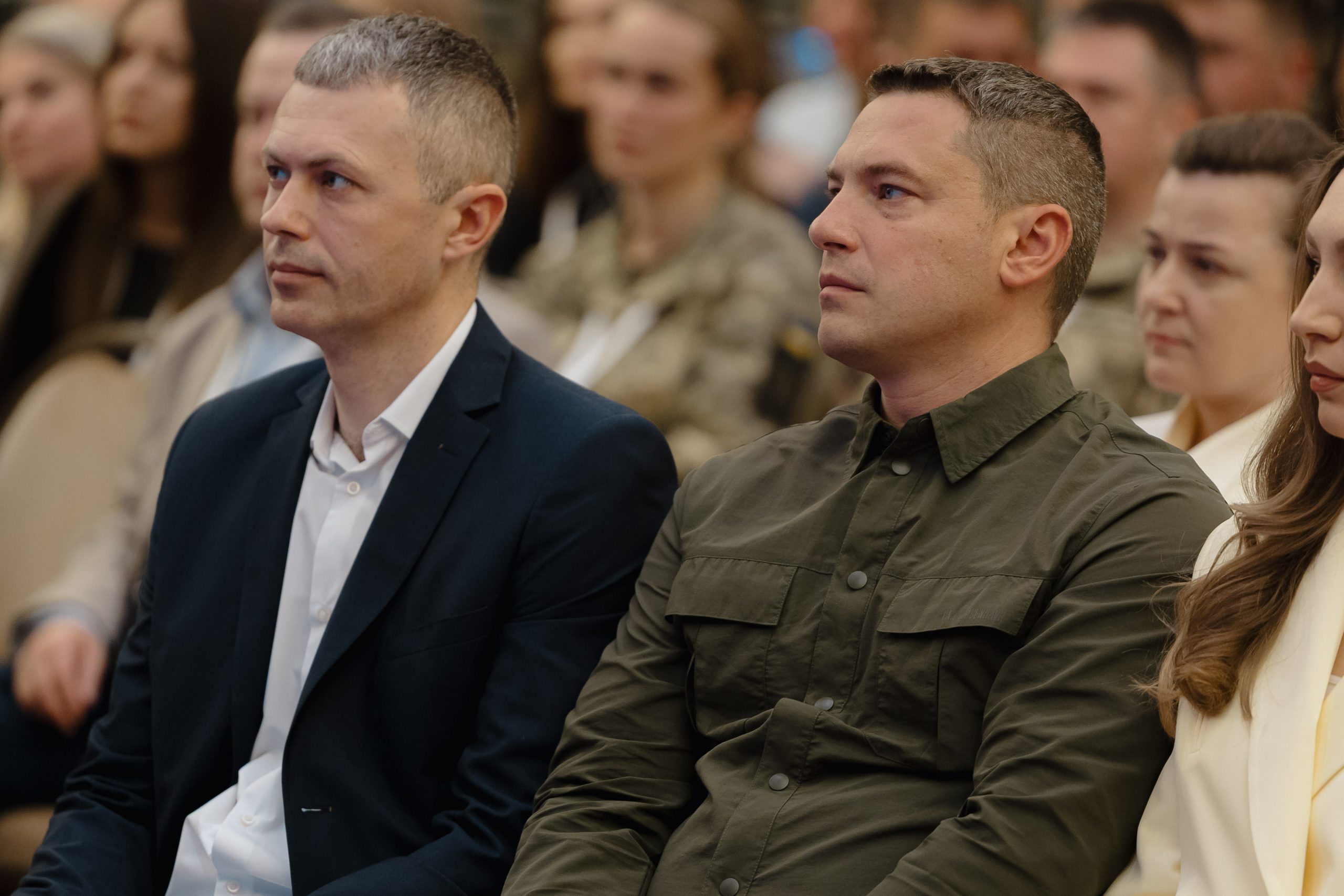
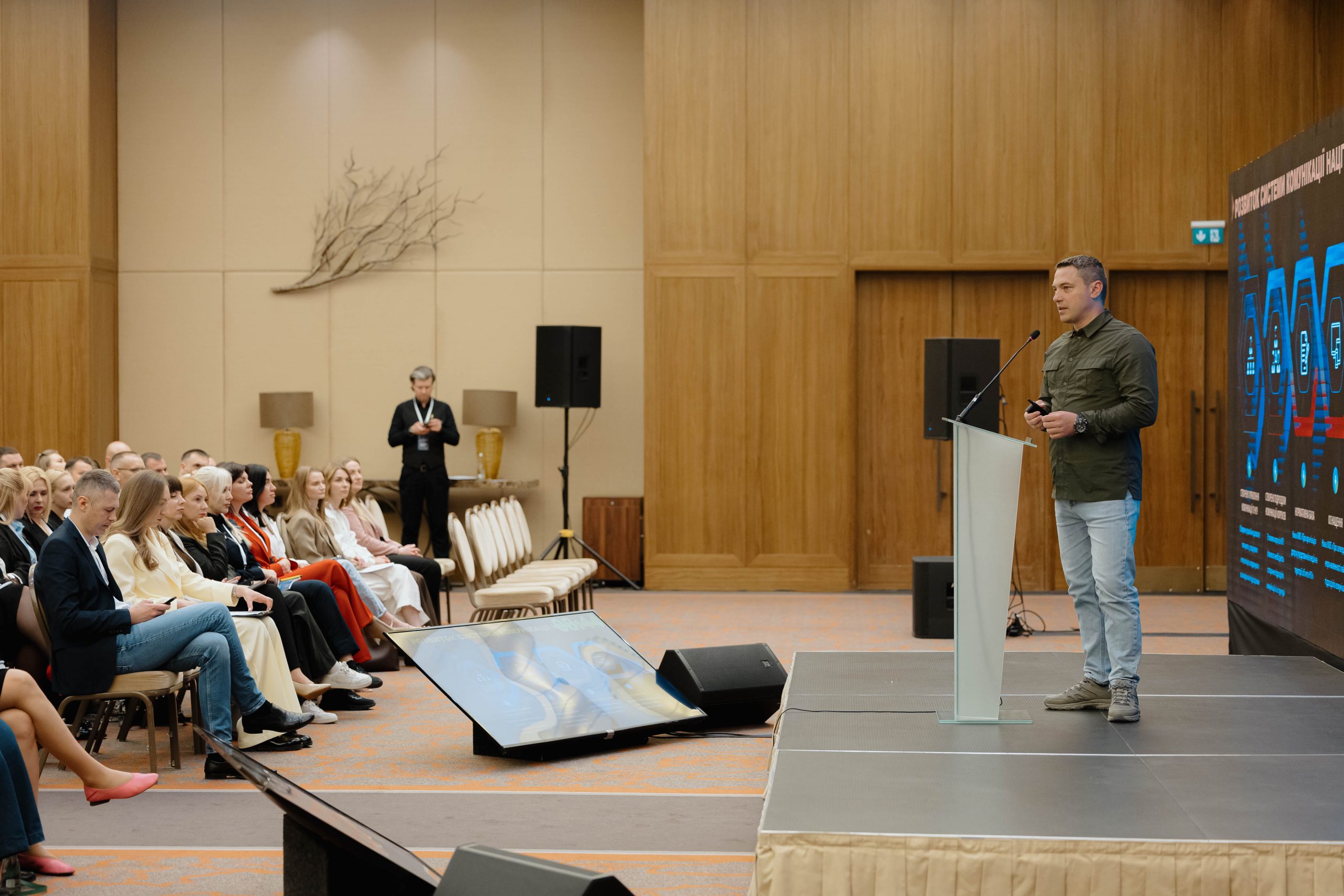
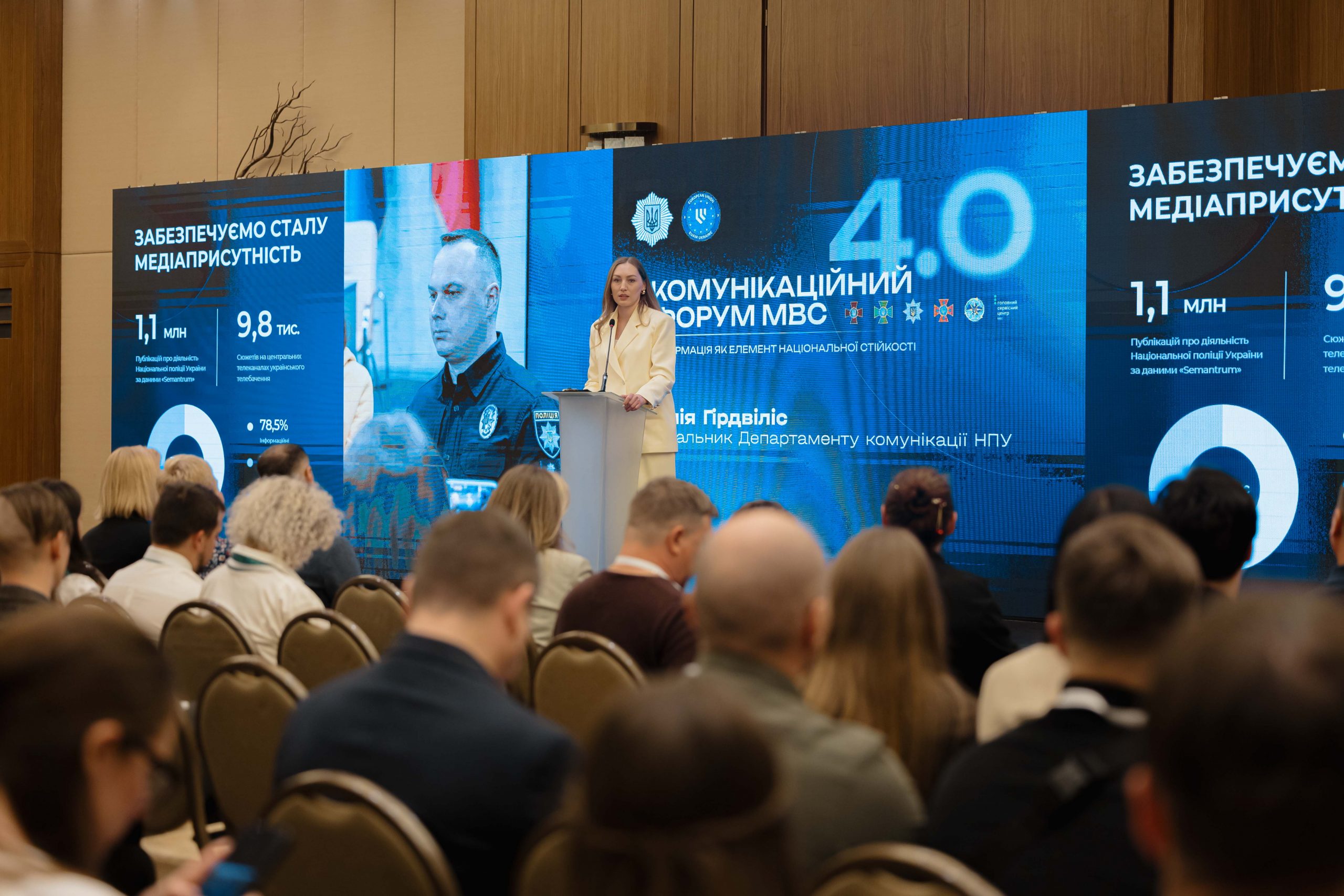









In times of crisis and transformation, communication becomes both operational and tactical. When the MoIA and its agencies introduce new standards of service delivery to reinforce liberated and adjacent territories, launch public safety initiatives to support frontline areas, or respond to wartime emergencies to save lives, the success of these efforts hinges on their ability to reach and resonate effectively with the public. Strategic communication bridges the gap between institutional change and public perception, ensuring that reforms are not only implemented but understood, accepted, and supported by the communities they serve.
The Forum thus illuminated how crisis communication capabilities, particularly in countering hostile Foreign Information Manipulation and Interference (FIMI), are integral to maintaining social stability while pursuing ambitious transformation agendas. As the MoIA and its agencies continue their path aligning with European Union standards, the ability to communicate proactively, transparently, and strategically becomes a force multiplier for broader reform efforts.
In reflecting on future priorities arising from the recently adopted Communication Strategy of the MoIA for 2026–2027, developed with EUAM Ukraine’s advice under the flagship Communication Strategy Development Programme (CSDP), Marc Liberati, Acting Head of Press and Public Information Division at EUAM Ukraine, emphasised that: “EUAM Ukraine remains committed to supporting the MoIA and its agencies in developing critical communication capacities and strategic capabilities. Through training, advisory support, and peer-to-peer exchanges with European law enforcement communications professionals, we will continue to strengthen the ability of the MoIA and its agencies to engage citizens as partners in reforms.”
The Head of Communication for the State Border Guard Service, Andrii Demchenko, shared insights on practical implementation at the ground level: “Our officers interact with citizens thousands of times every day. Each of these interactions is a communication opportunity to demonstrate that reform is real, that standards have changed, that the Border Guards serve the people. Strategic communication training has transformed how our personnel understand their role as ambassadors of reform.”
As Ukraine advances on its European Union path, the investment in professional strategic communications will continue to yield returns in public trust, institutional legitimacy, and ultimately, in the effectiveness of the security services that protect Ukrainian citizens.