
Judges in Dnipro examine clearer court decisions and consistent judicial practice
October 19, 2026
A judgment tells people what a court has decided. Its reasoning should explain why. For someone whose rights or liberty are at stake, that explanation matters, especially when they disagree with the outcome.
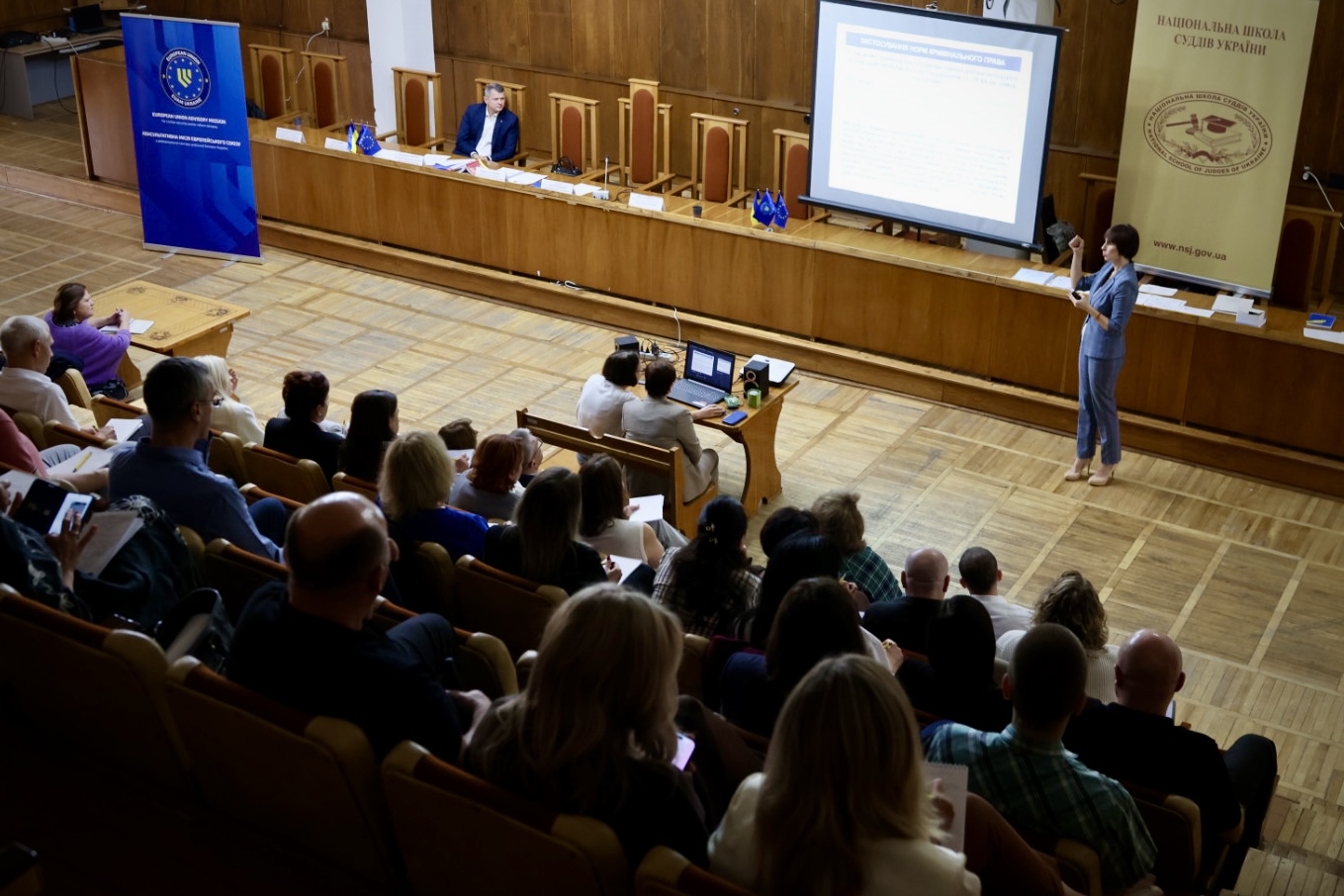
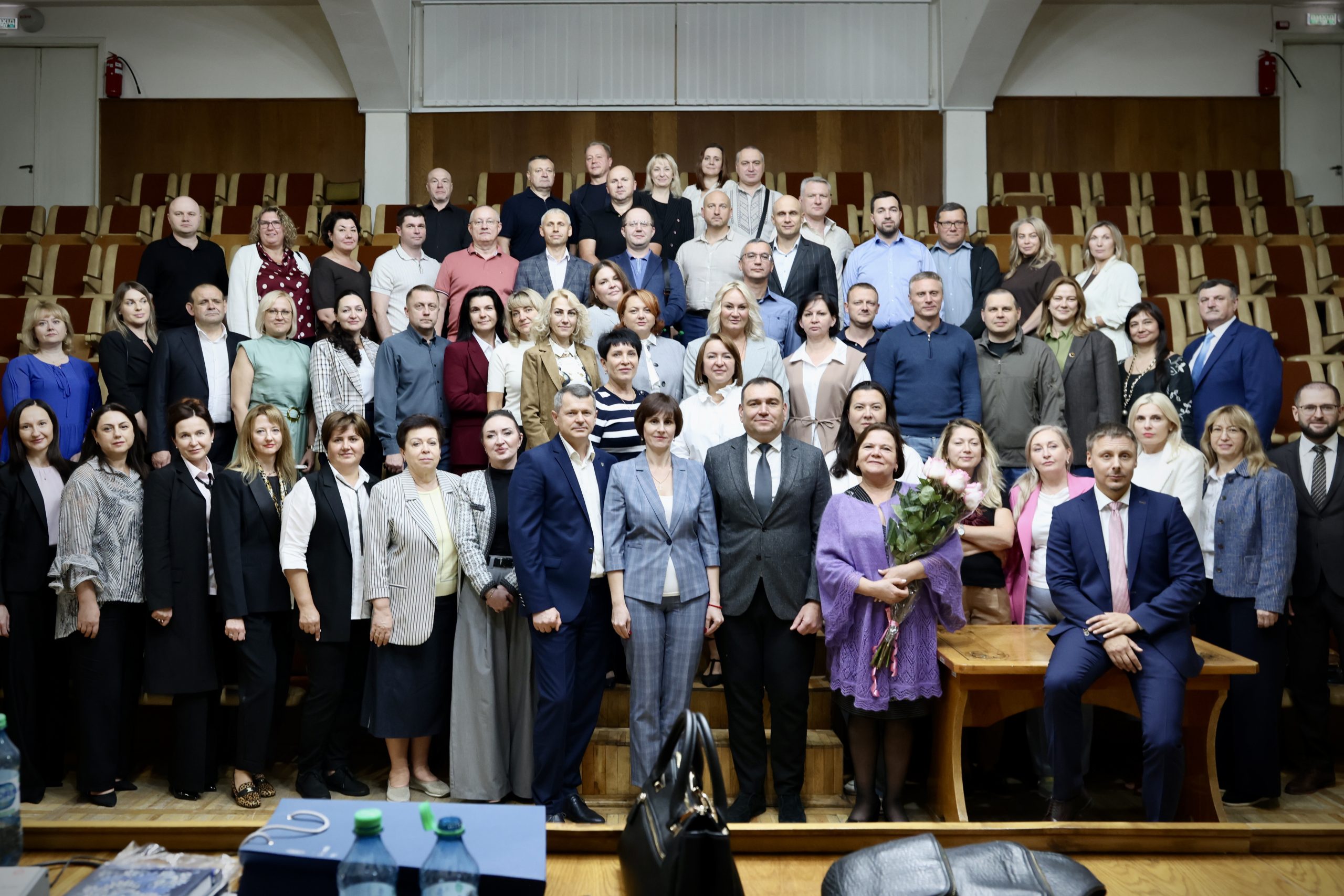
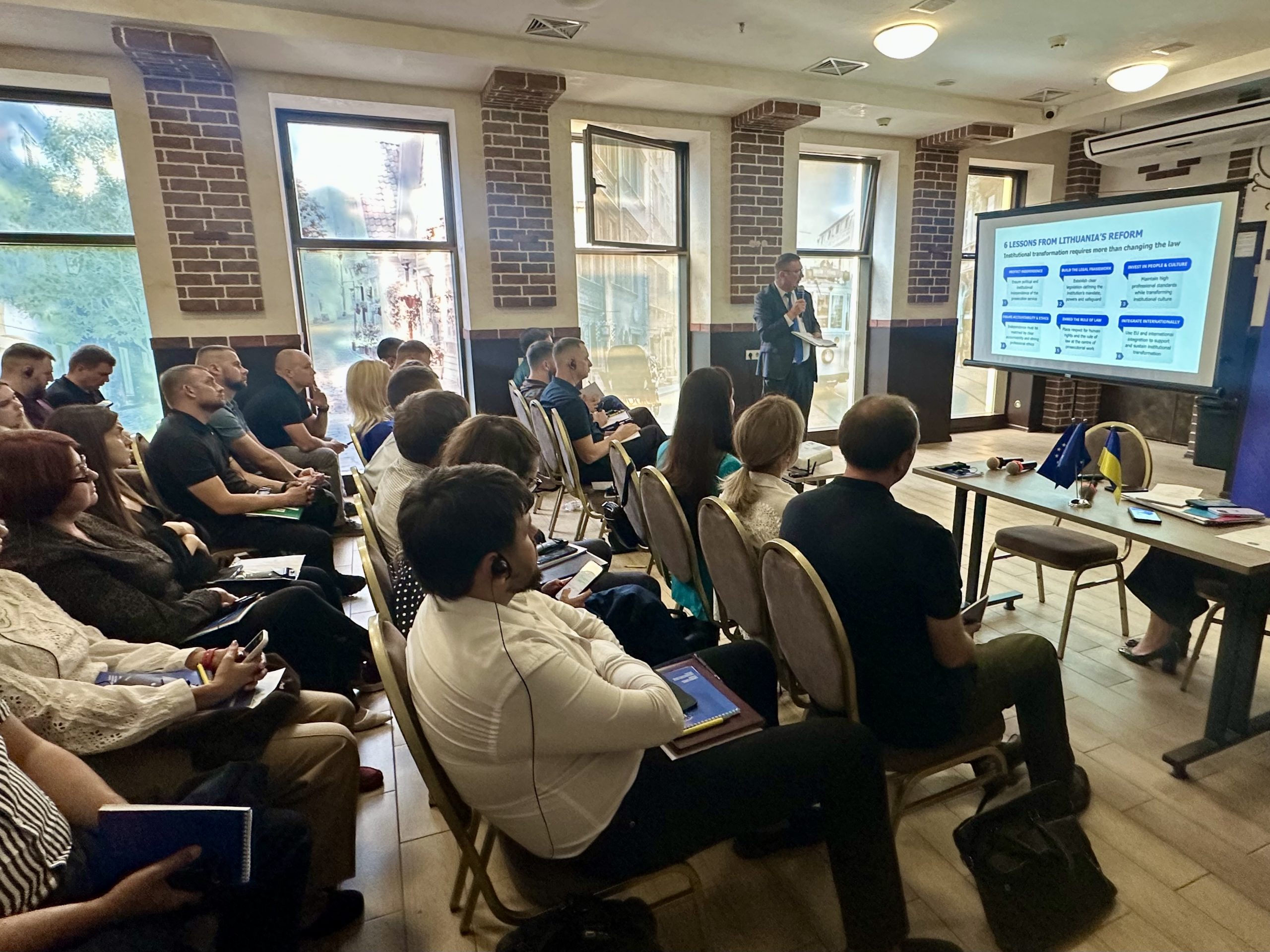
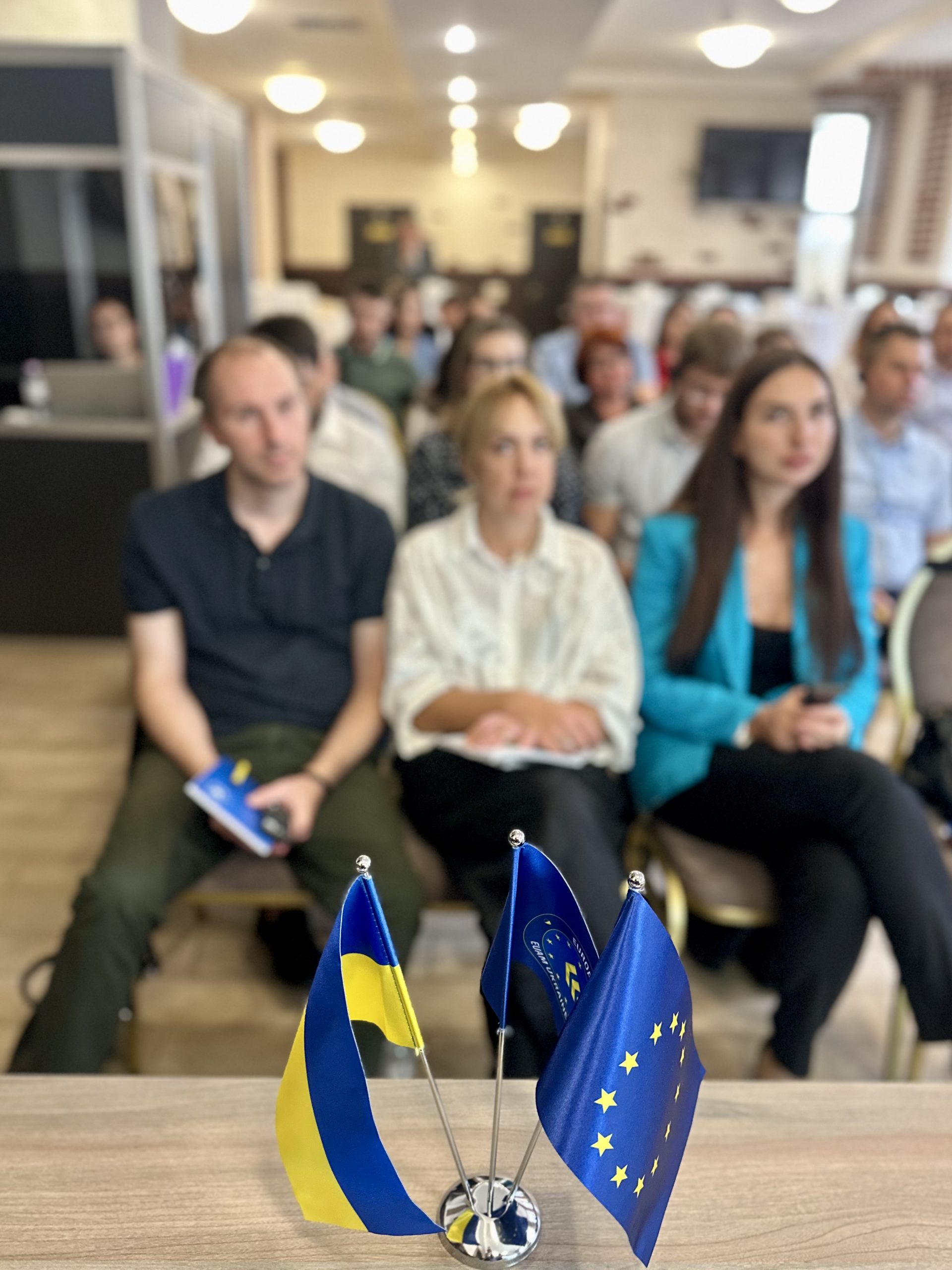
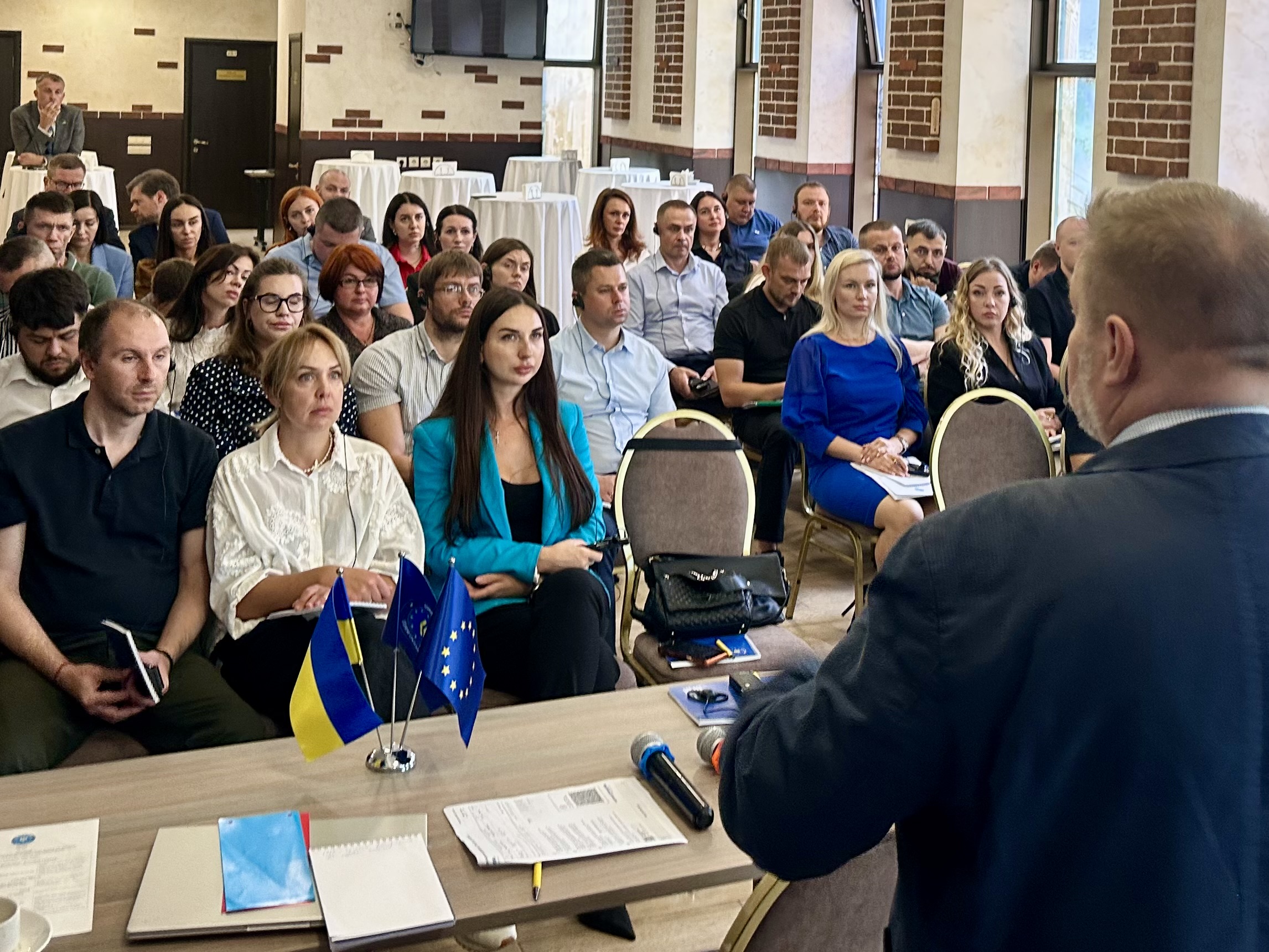
How to make judgments clearer and apply the law consistently was the focus of a seminar in Dnipro on 18 September. EUAM Ukraine’s Mobile Unit brought together judges from first-instance and appellate courts across seven regions with Supreme Court judges. The event was organised together with the National School of Judges of Ukraine and the Dnipro Court of Appeal.
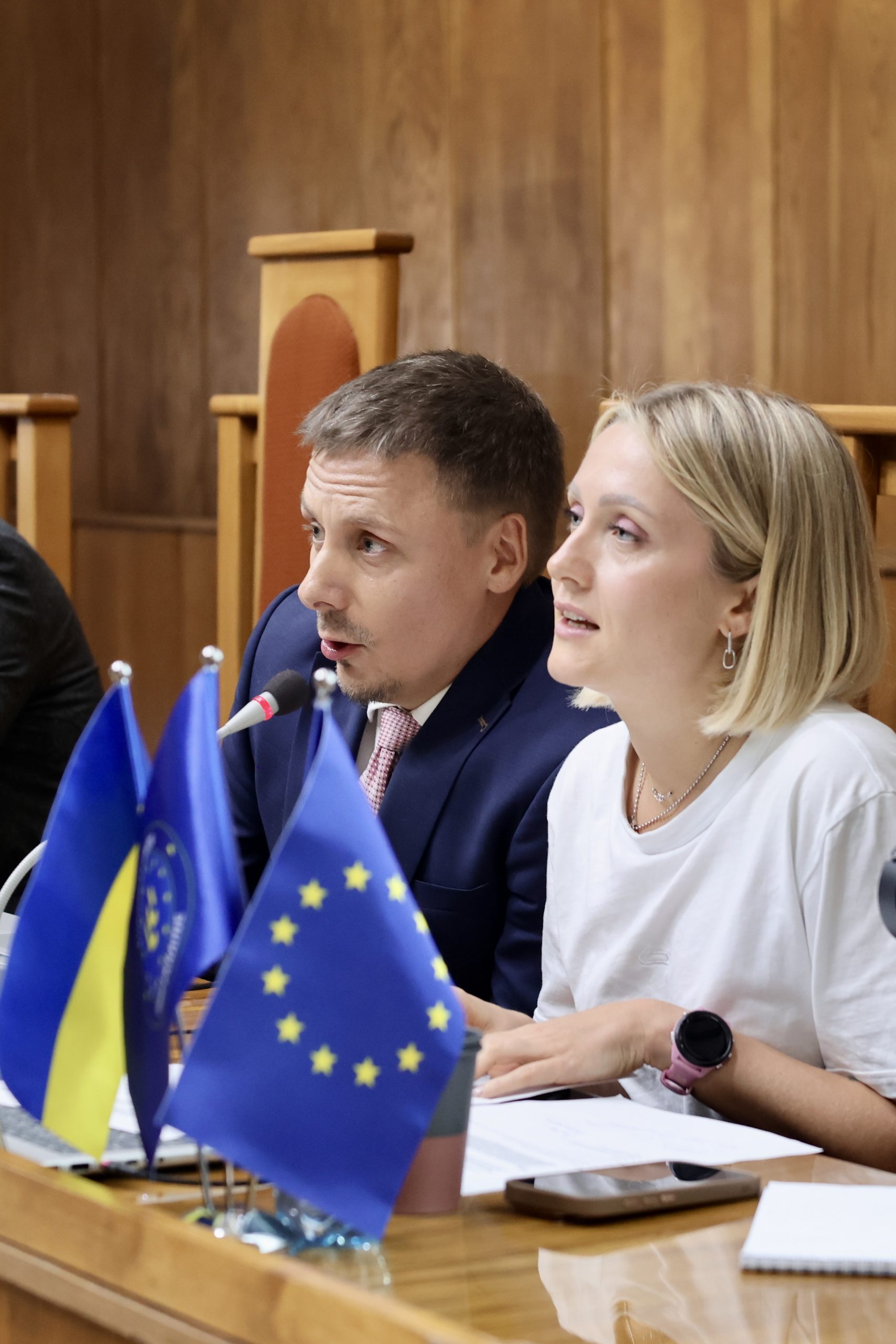
The exchange connected recent Supreme Court criminal case law with questions arising in courtrooms every day. Oleksandr Marchuk, head of the Supreme Court’s Cassation Criminal Court, and his deputy, Nataliia Antoniuk, examined challenges in preparatory proceedings and criminal trials. Participants worked through practical examples and discussed procedural errors that can affect the lawfulness and reasoning of judgments.
Participants examined how to identify the questions a court must resolve, address relevant arguments and explain the connection between the established facts, the applicable law and the conclusion. Discussions also covered the right to defence and the evaluation of evidence. The emphasis was on focused, logical reasoning that provides a complete explanation without unnecessary length.
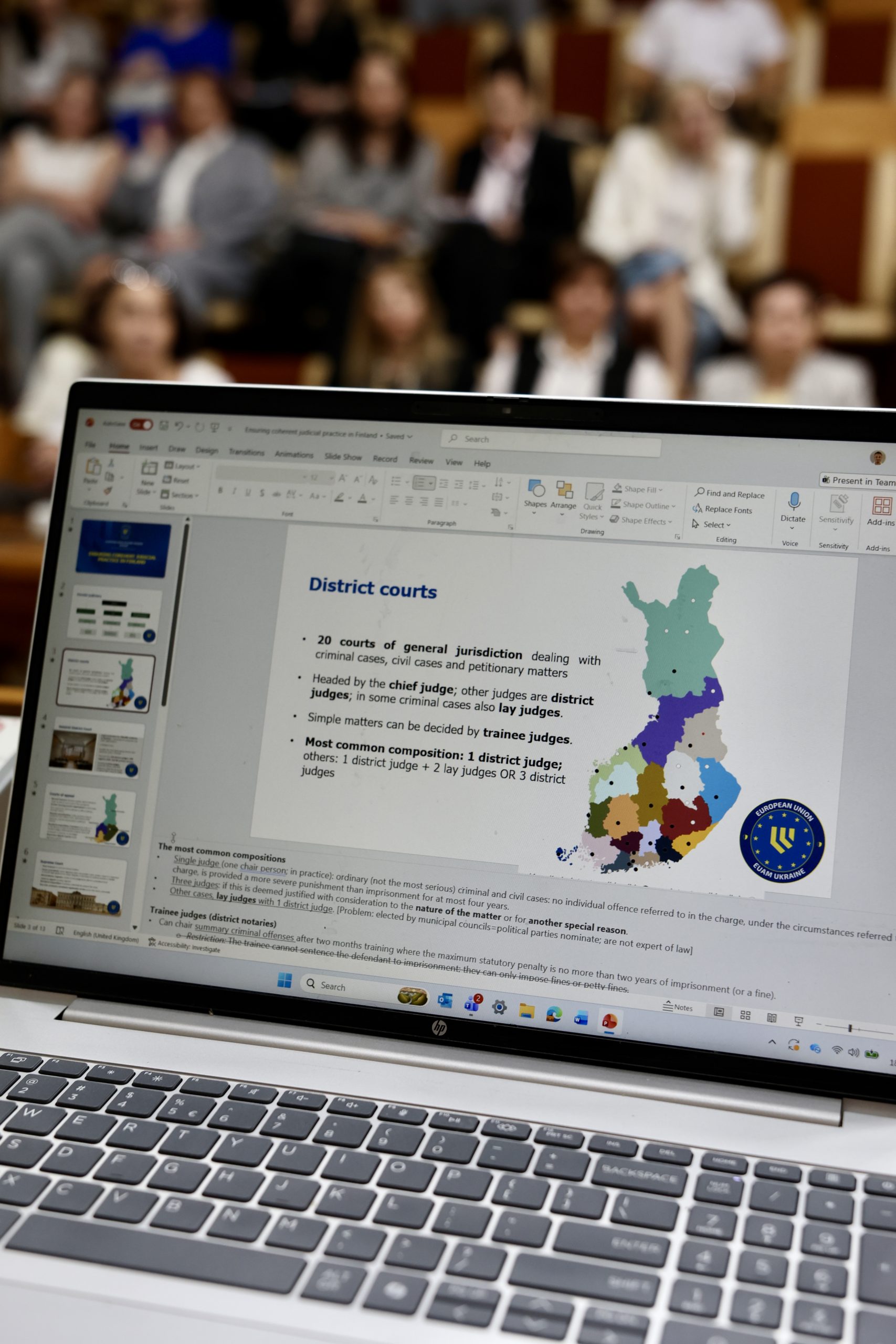
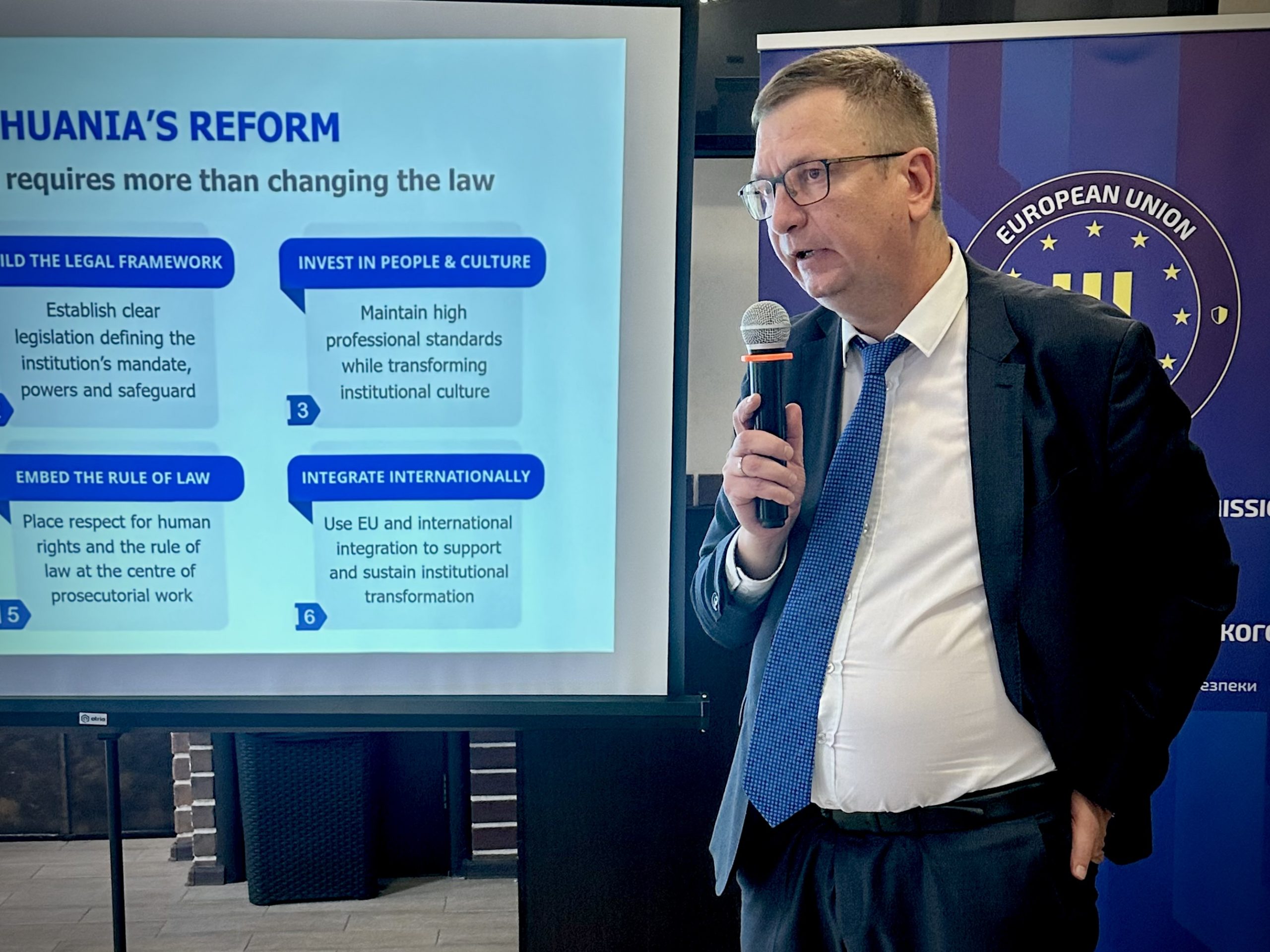
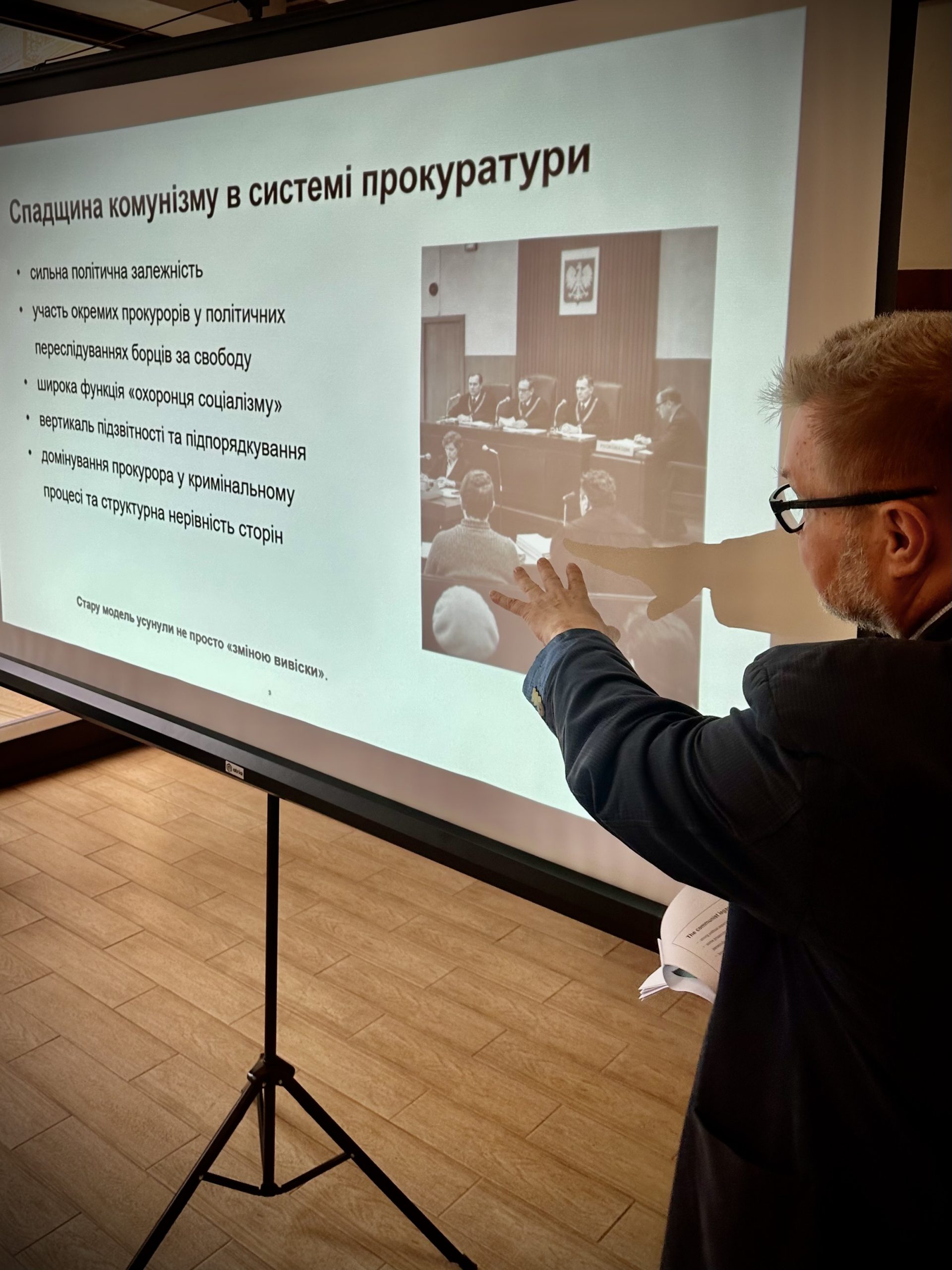
EUAM’s Senior Adviser on Prosecution, Henri Telki, contributed Finnish experience on consistent judicial practice and the use of European and international case law.











EUAM’s contribution also addressed how judges can find and use relevant judgments from the European Court of Human Rights and other international courts. Participants considered how this case law can inform decisions in individual cases, within the framework of Ukraine’s Constitution and international obligations.
“This matters for confidence in justice. Even when a person disagrees with a judgment, a clear and well-reasoned decision allows them to understand why it was reached, see that their arguments were considered and, where appropriate, make an informed decision about an appeal,” explains Henri Telki.
Participants also explored the EU preliminary ruling procedure, which helps ensure the uniform application of EU law across Member States. This mechanism will become relevant to Ukrainian courts upon EU membership.
For judges from Dnipropetrovsk, Zaporizhzhia, Kirovohrad, Kherson, Poltava, Kharkiv and Sumy regions, the seminar offered an opportunity to compare approaches and seek clarification directly from Supreme Court colleagues and EU expertise. The exchange supported their efforts to apply the law consistently and explain court decisions clearly.
