
The Mission expands Community Safety Dialogue to strengthen local cooperation on security
August 19, 2026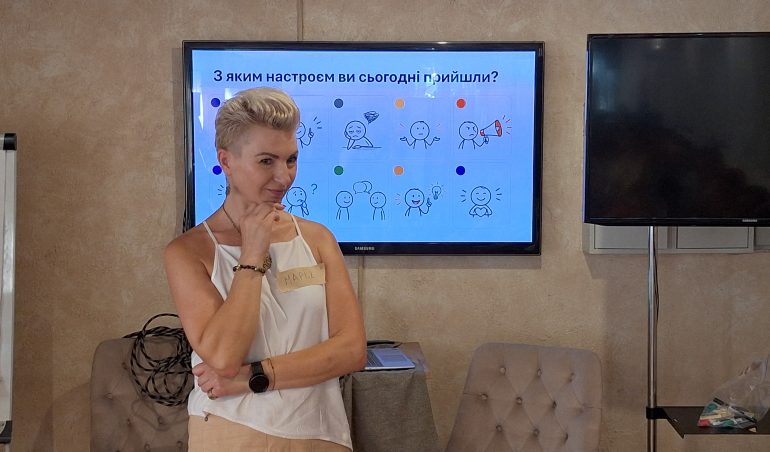
Community safety depends on more than the work of any one institution. It requires police, local authorities, public services and communities to share information, understand problems together and take joint responsibility for finding solutions.
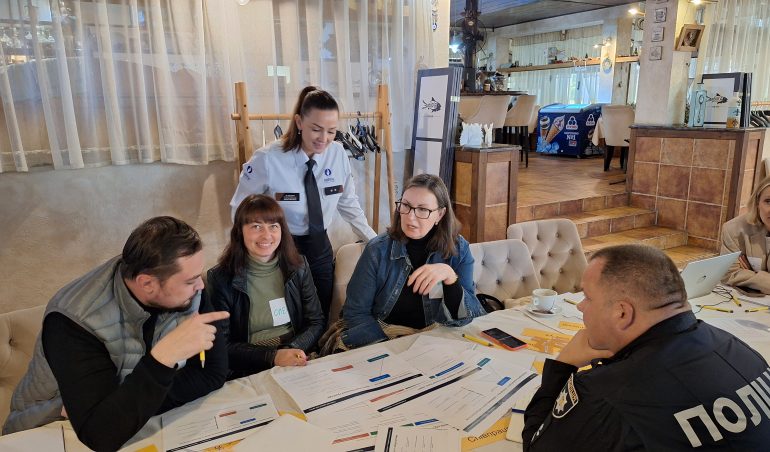
EUAM Ukraine continues to expand its Community Safety Dialogue (CSD) approach, helping local partners move from individual discussions to a more regular way of addressing safety challenges together. Recent CSD workshops in Boiarka, Kyiv Oblast, and Kamianets-Podilskyi, Khmelnytskyi Oblast, show how CSD is evolving from an open communication platform into a practical process for addressing local safety problems.
Police may hold information about incidents and crime, while municipalities, schools, social and health services, civil society organisations and residents may see other parts of the same problem. Bringing this information together helps communities build a fuller picture before deciding what action to take.
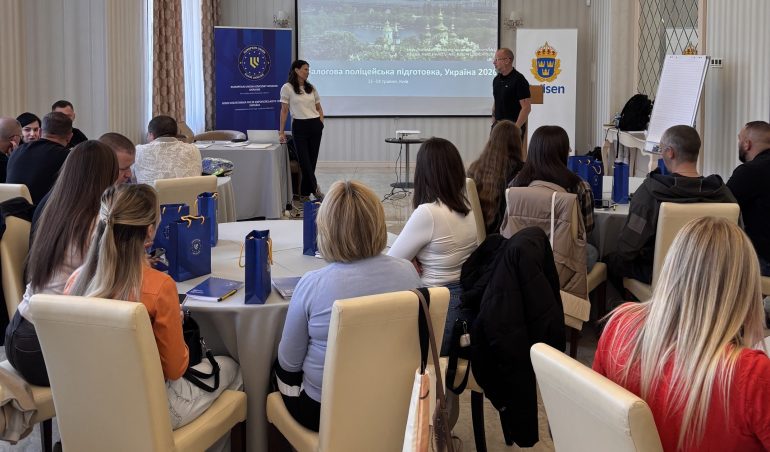
“I am confident that for Ukraine, the Community Safety Dialogue will be an effective mechanism, especially considering the challenges you are already facing and the ones that are already on the horizon,” said Carsten Twelmeier, Head of Strategic Reform Component at EUAM Ukraine, opening the workshop in Kamianets-Podilskyi. He stressed that the aim of the activity was to turn theory into practice.
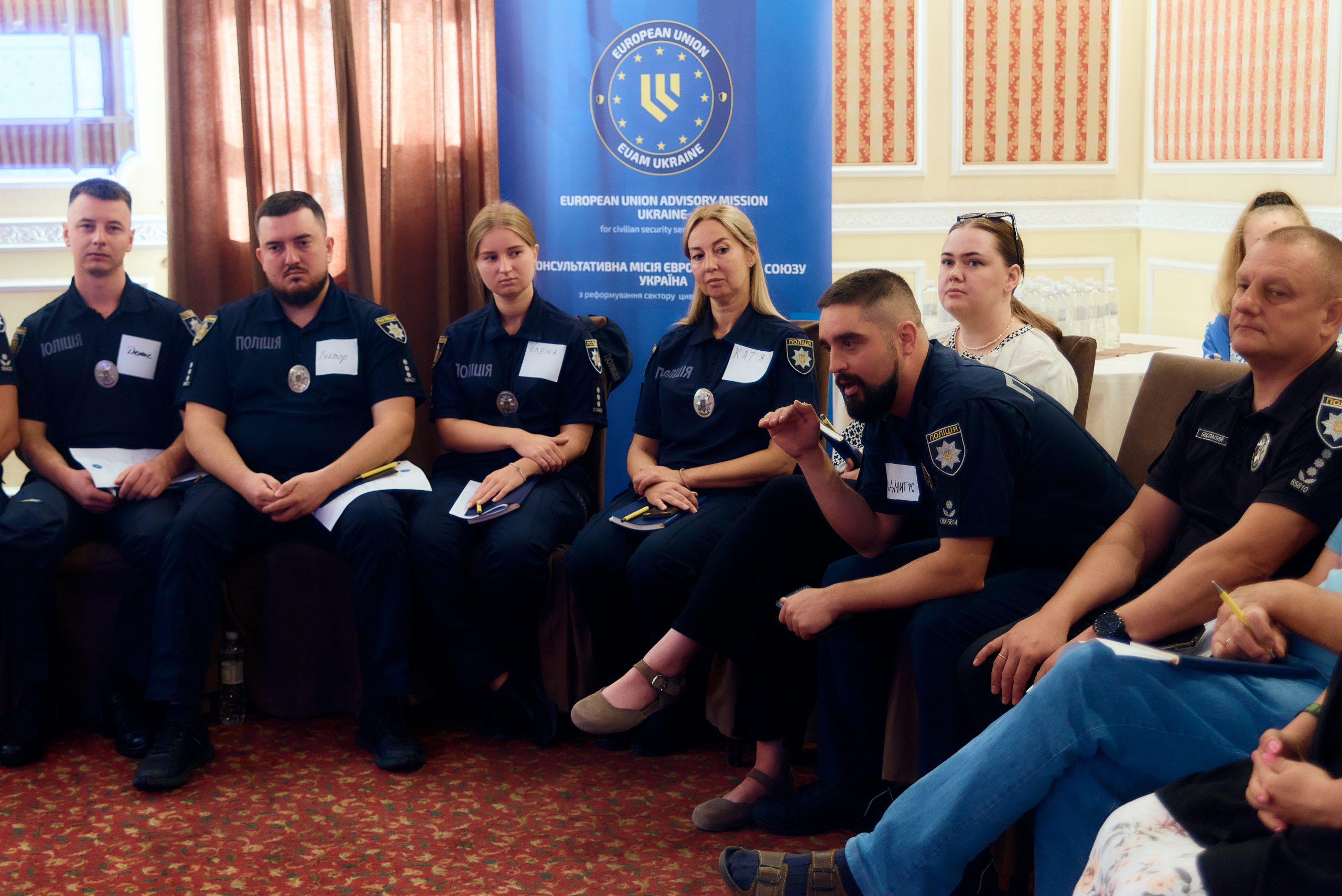
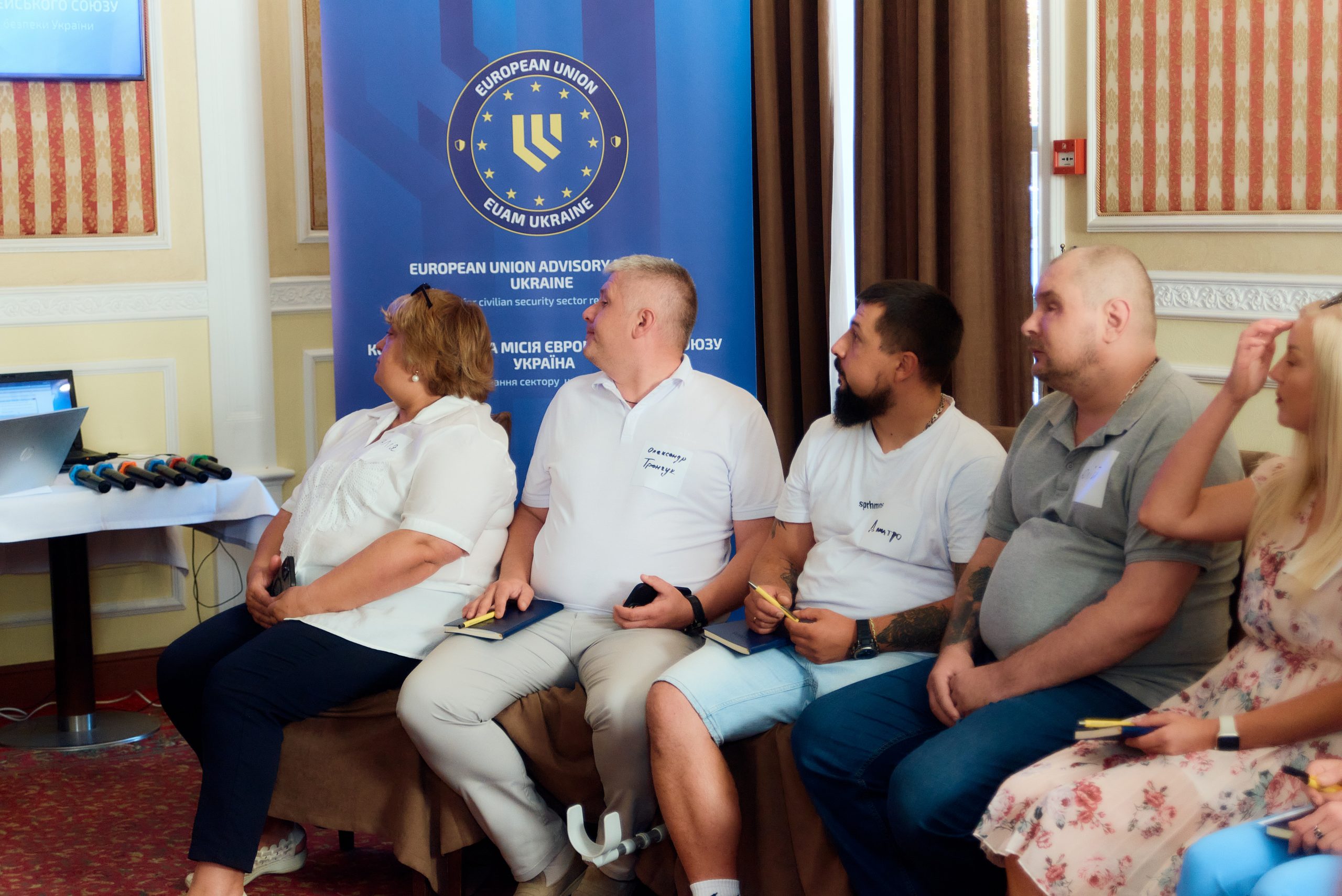
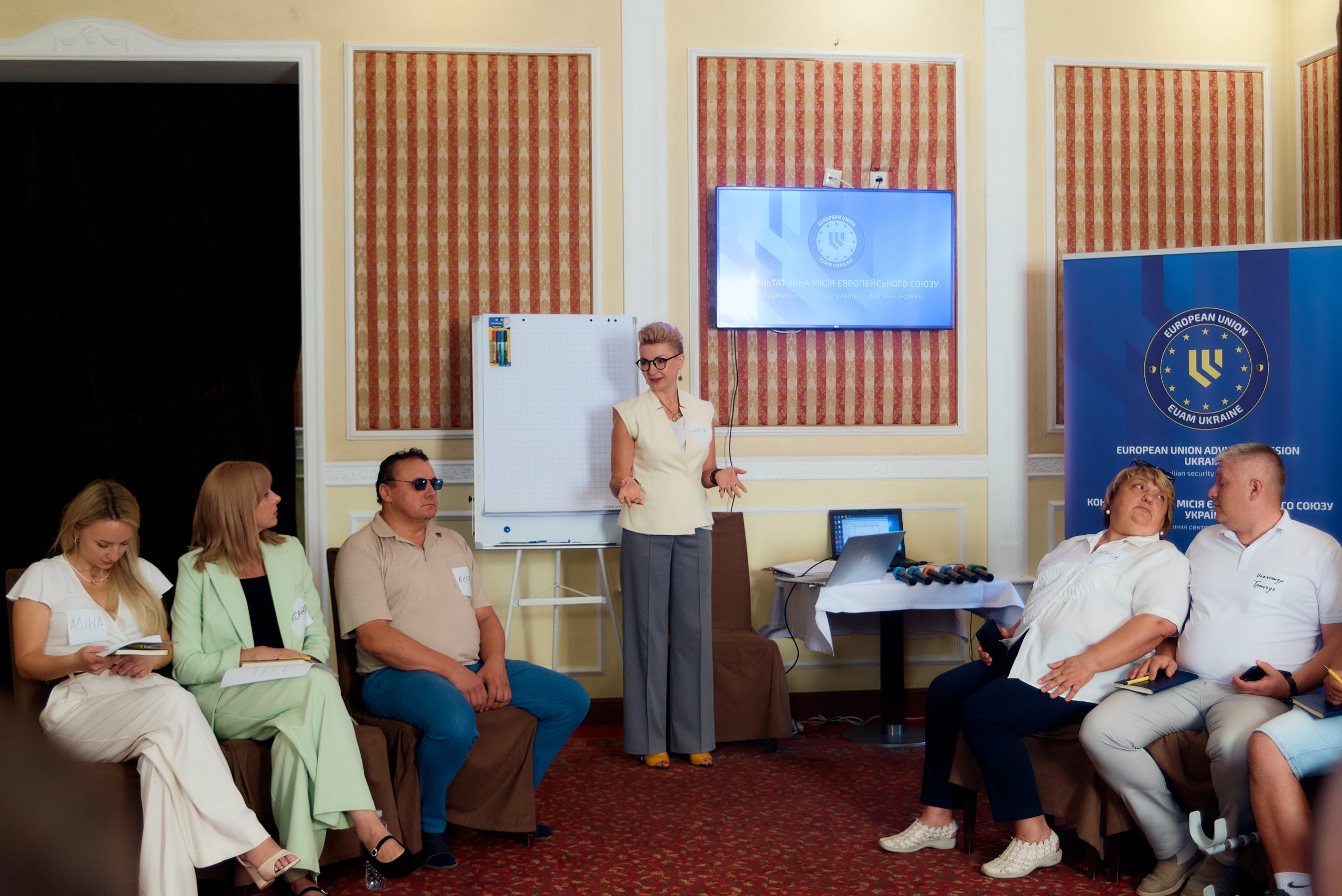
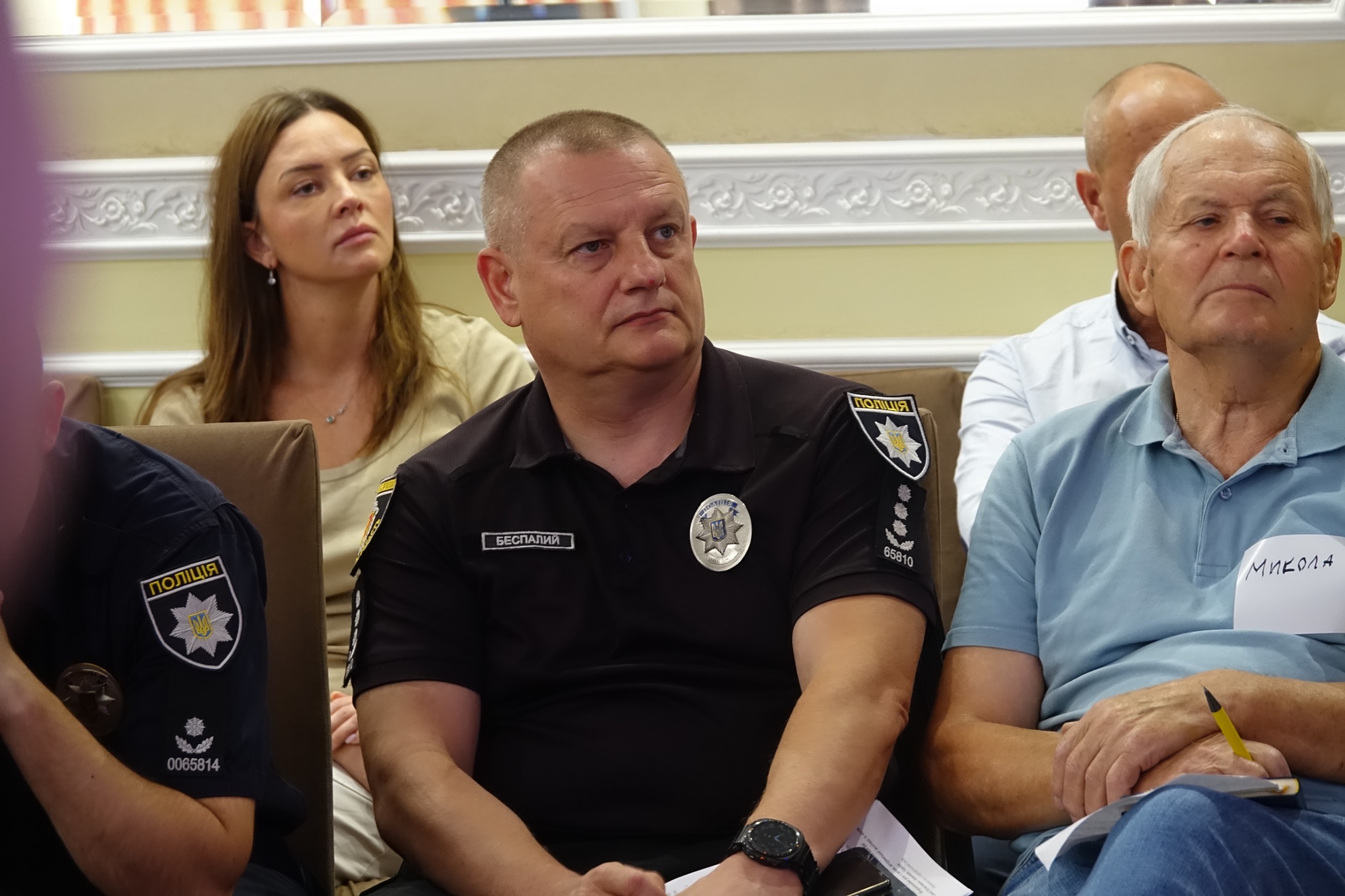
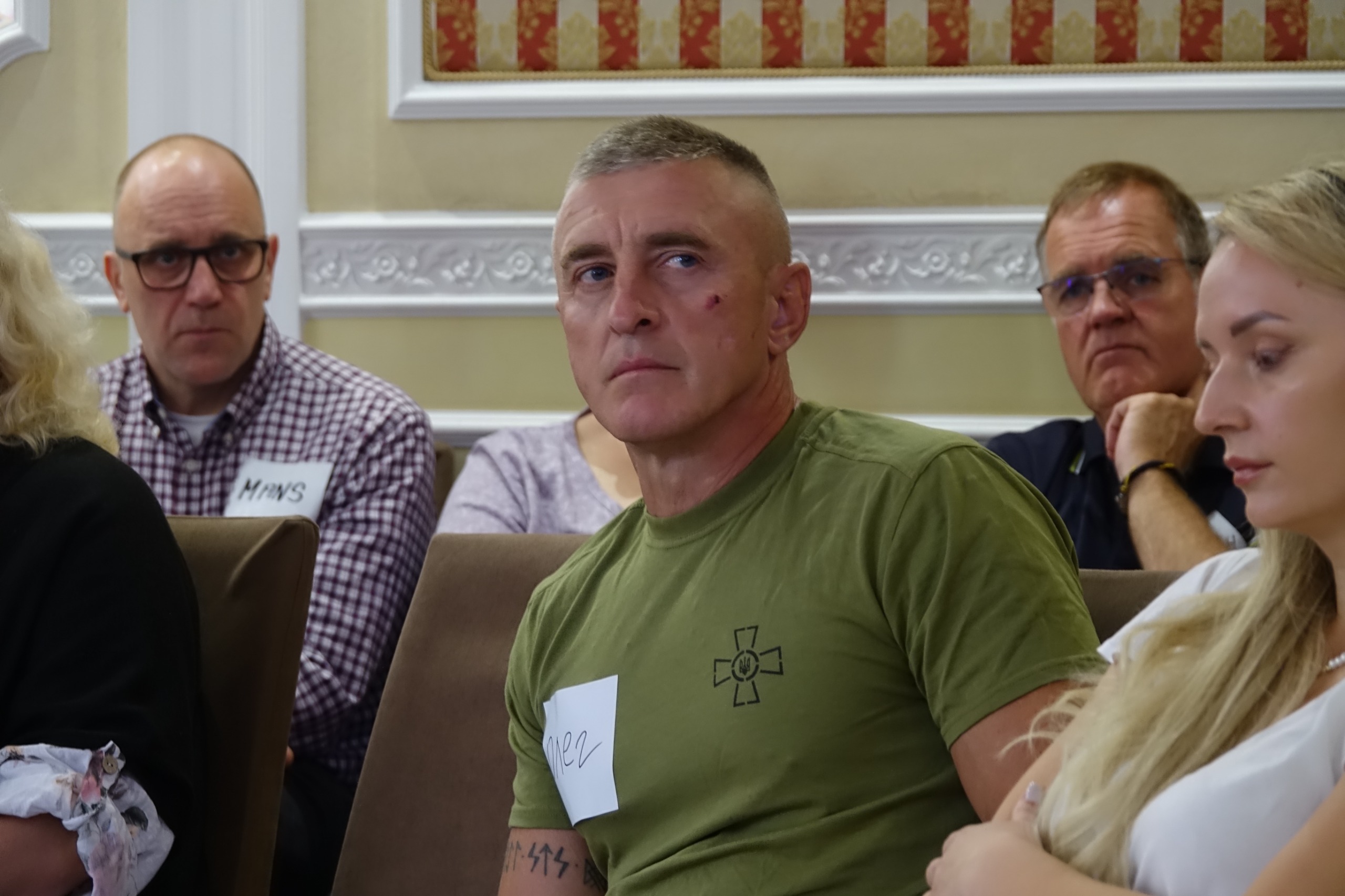
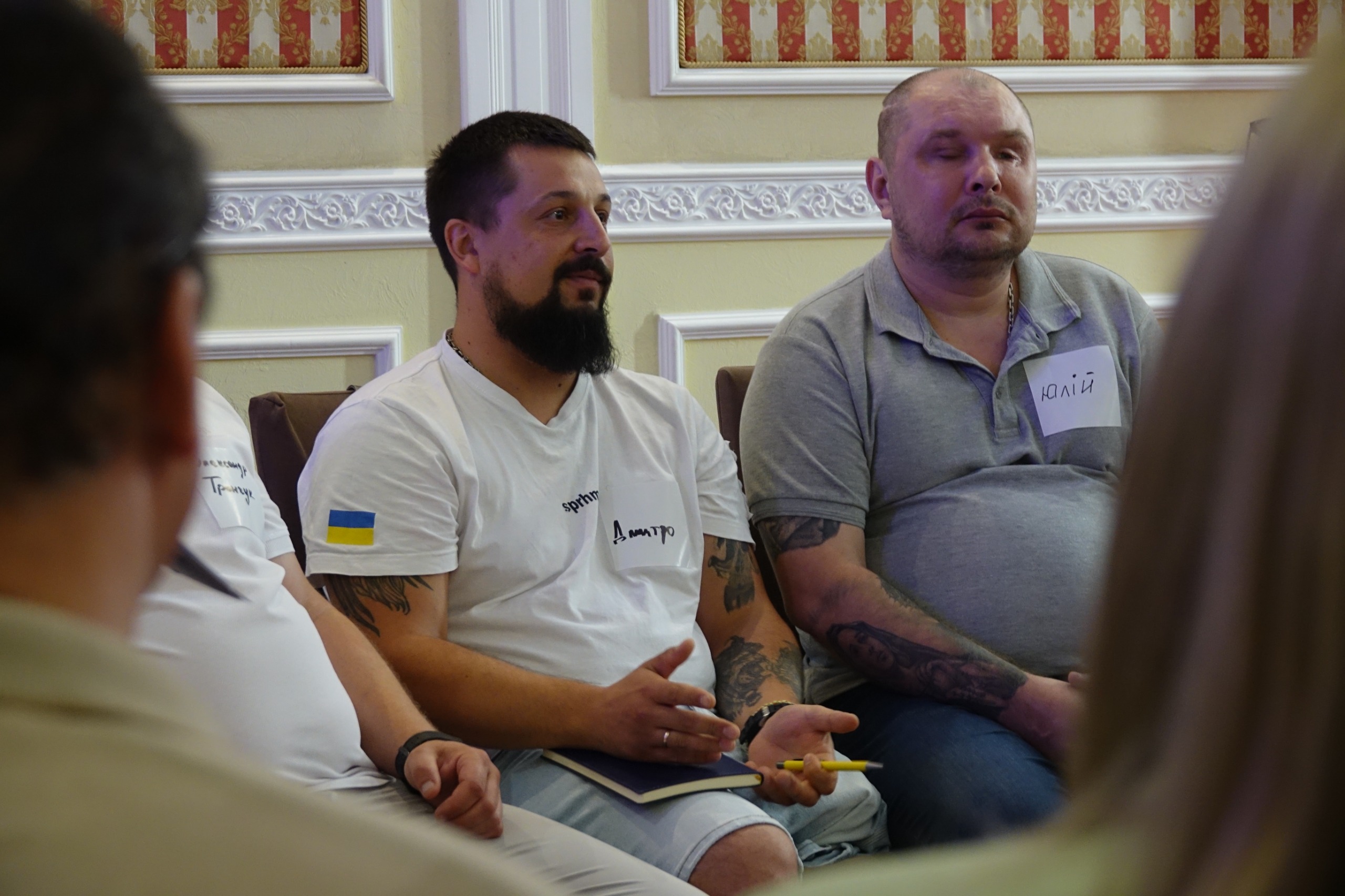
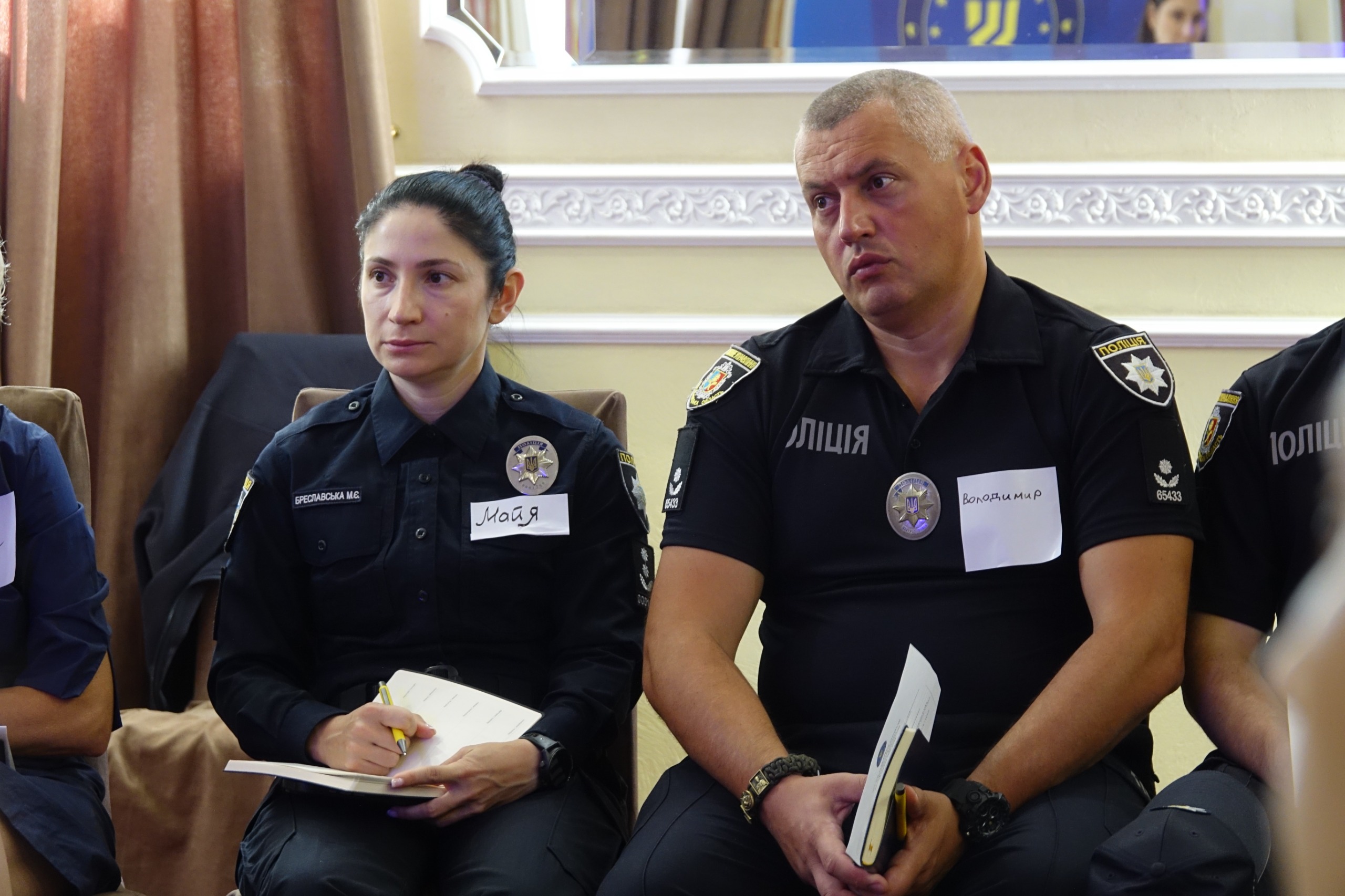
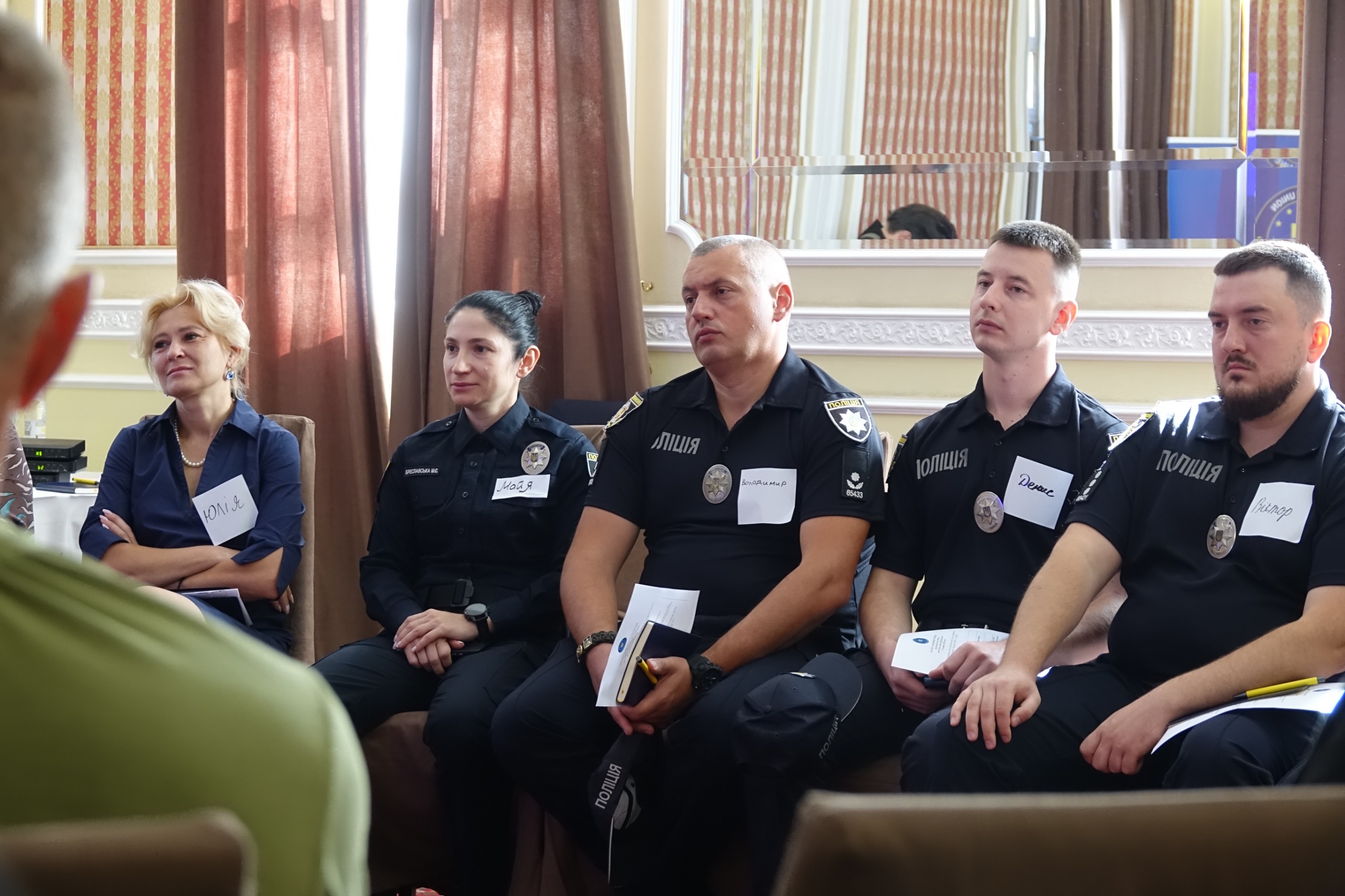
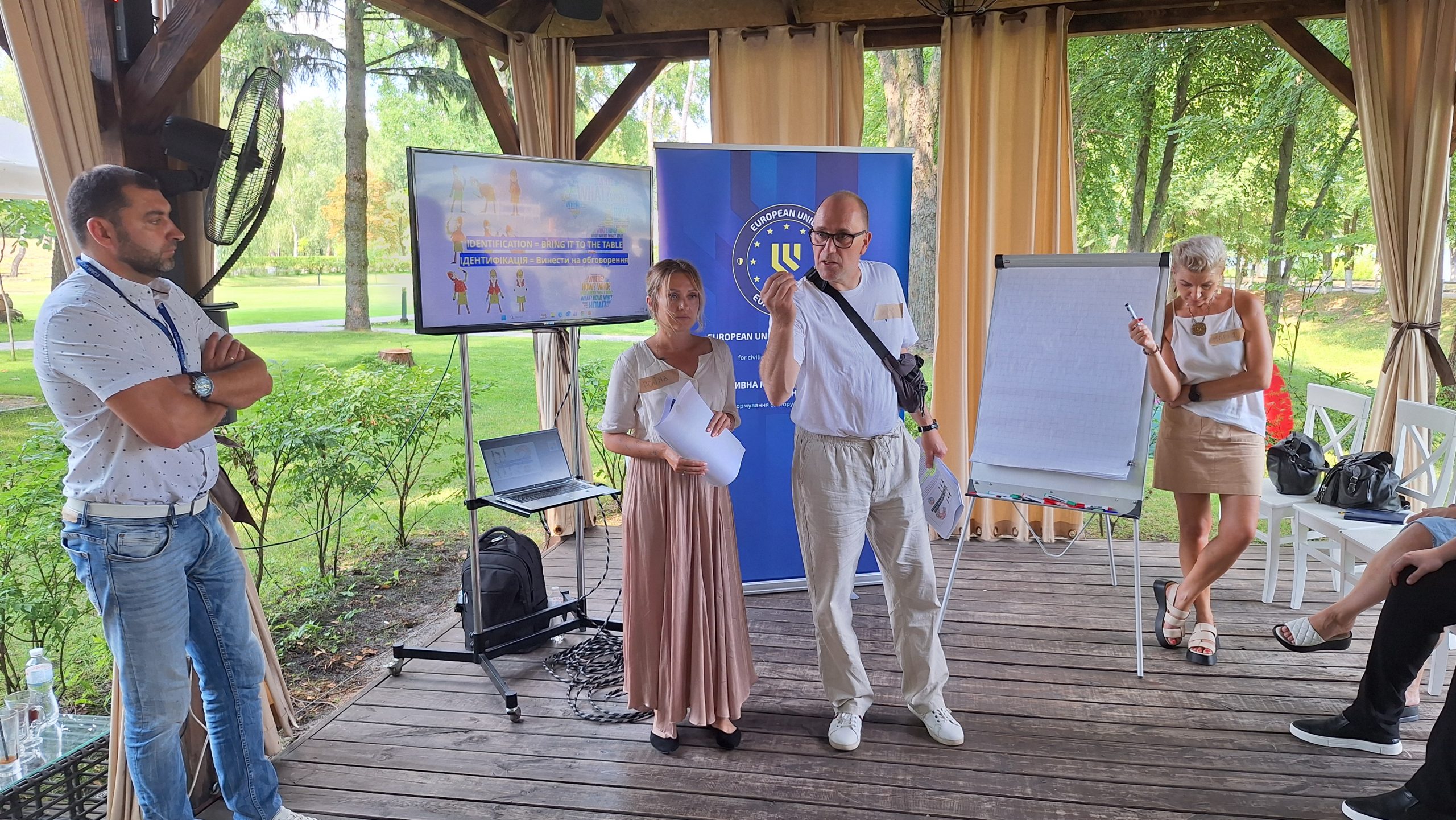


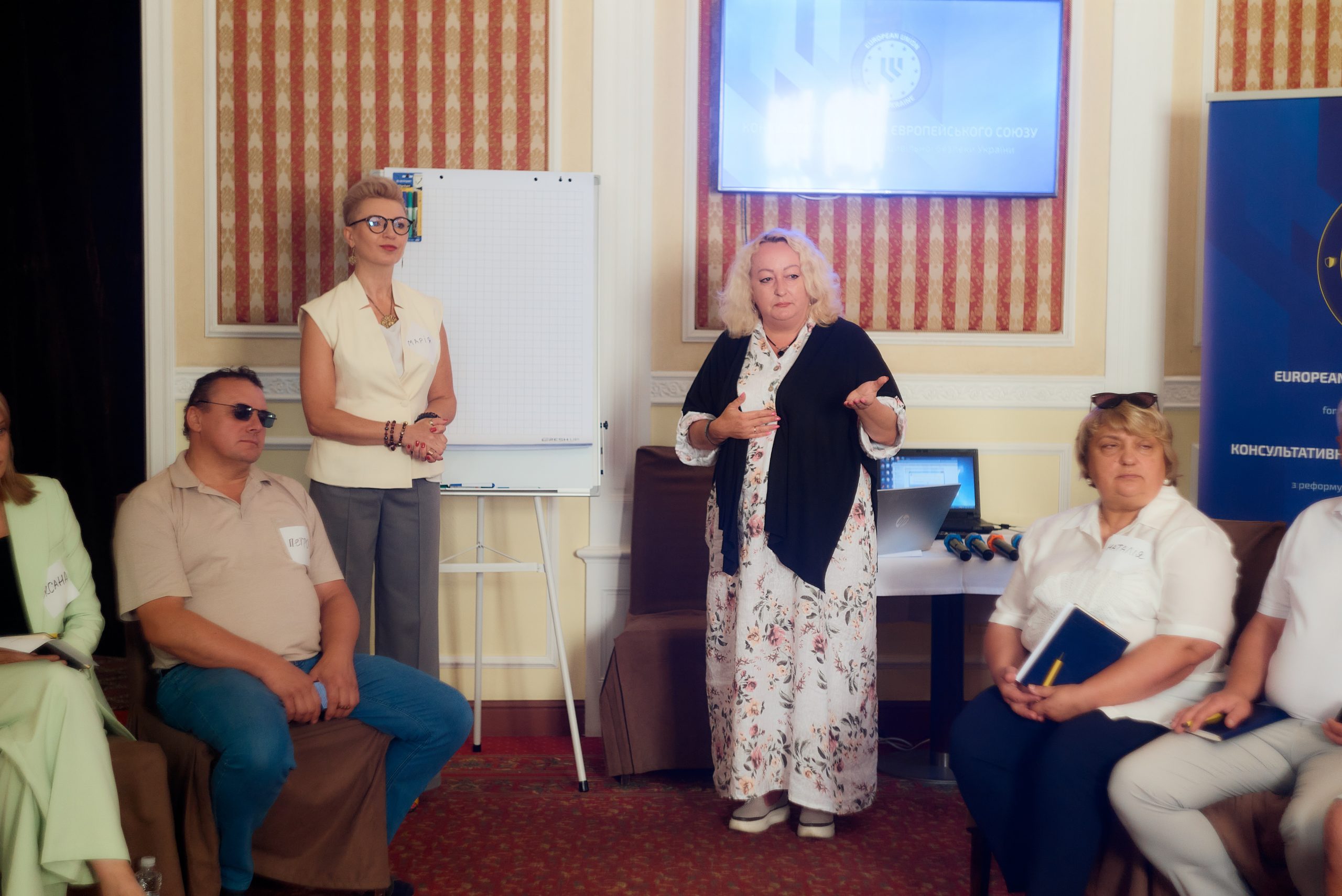
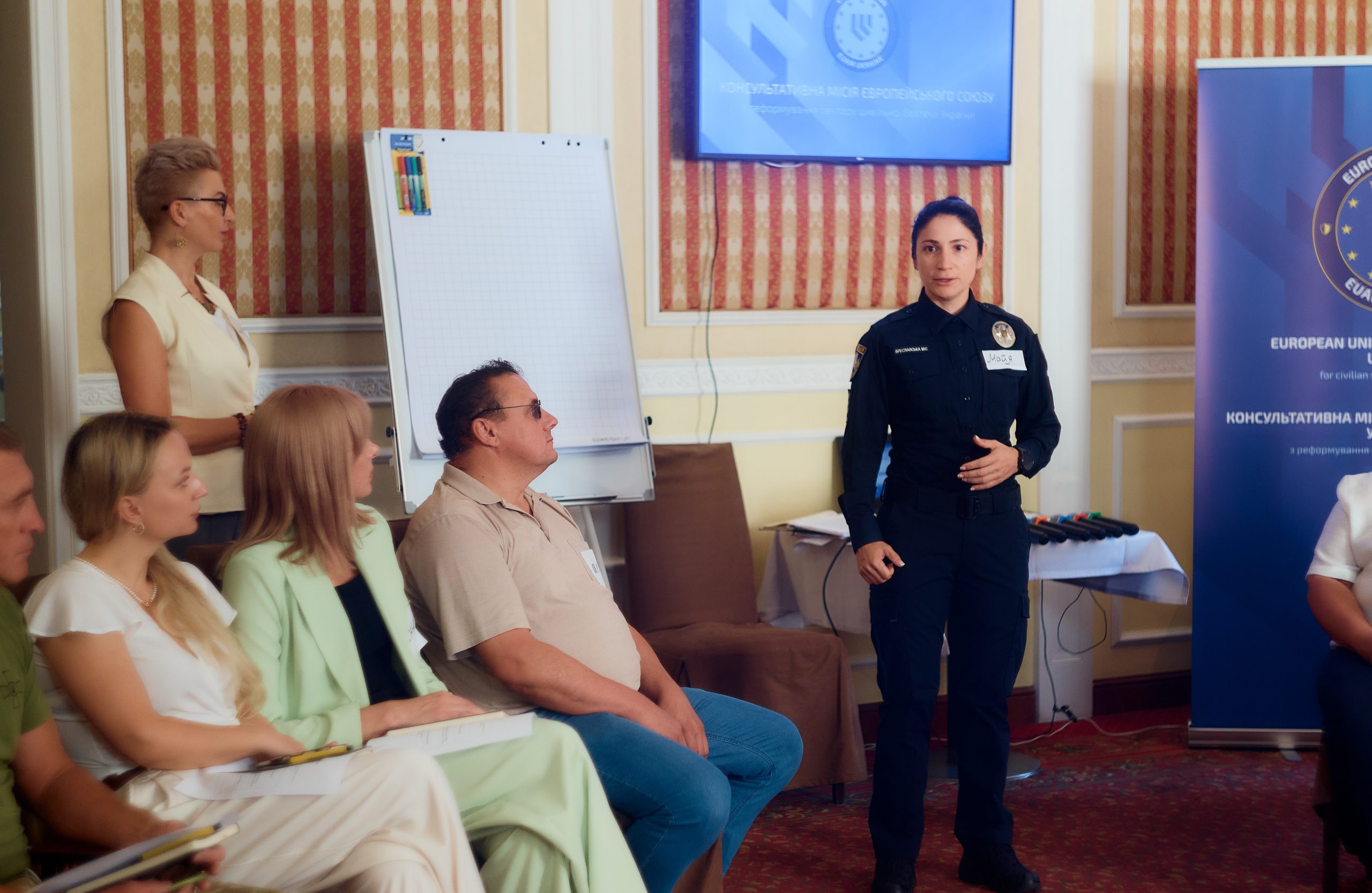

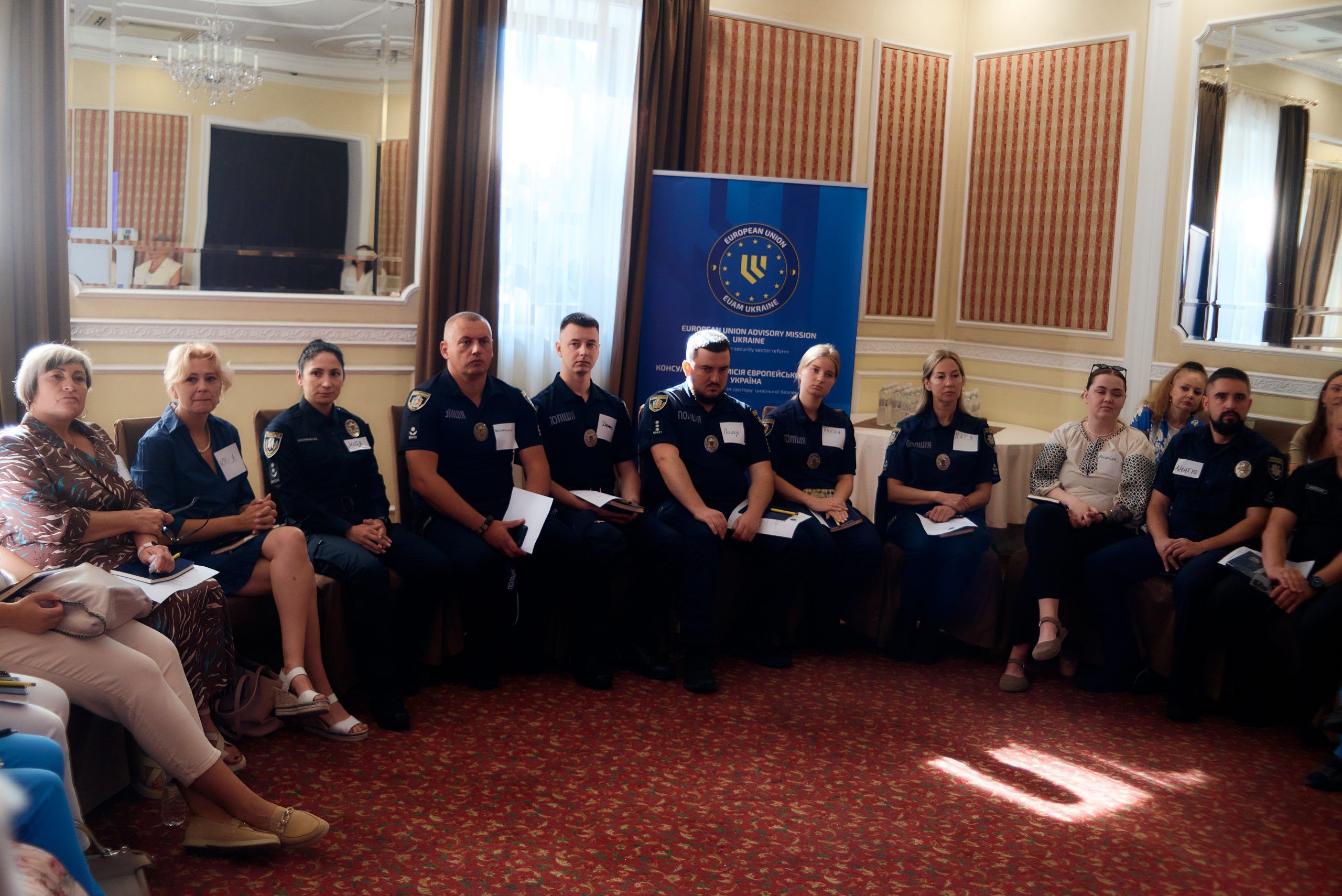


















In both Boiarka and Kamianets-Podilskyi, the Mission introduced the SARA problem-solving model – Scanning, Analysis, Response and Assessment – which helps partners examine a problem systematically rather than moving immediately to possible solutions. Participants began with the Scanning stage: defining recurring safety problems, identifying who is affected, separating facts from assumptions and considering what evidence and additional information are needed.
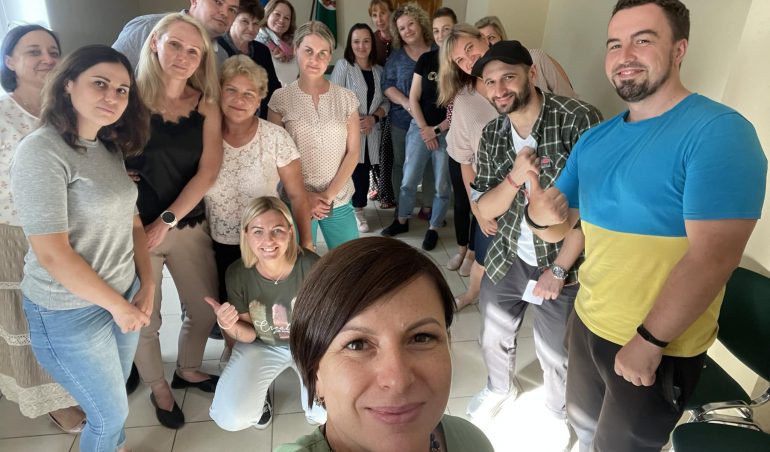
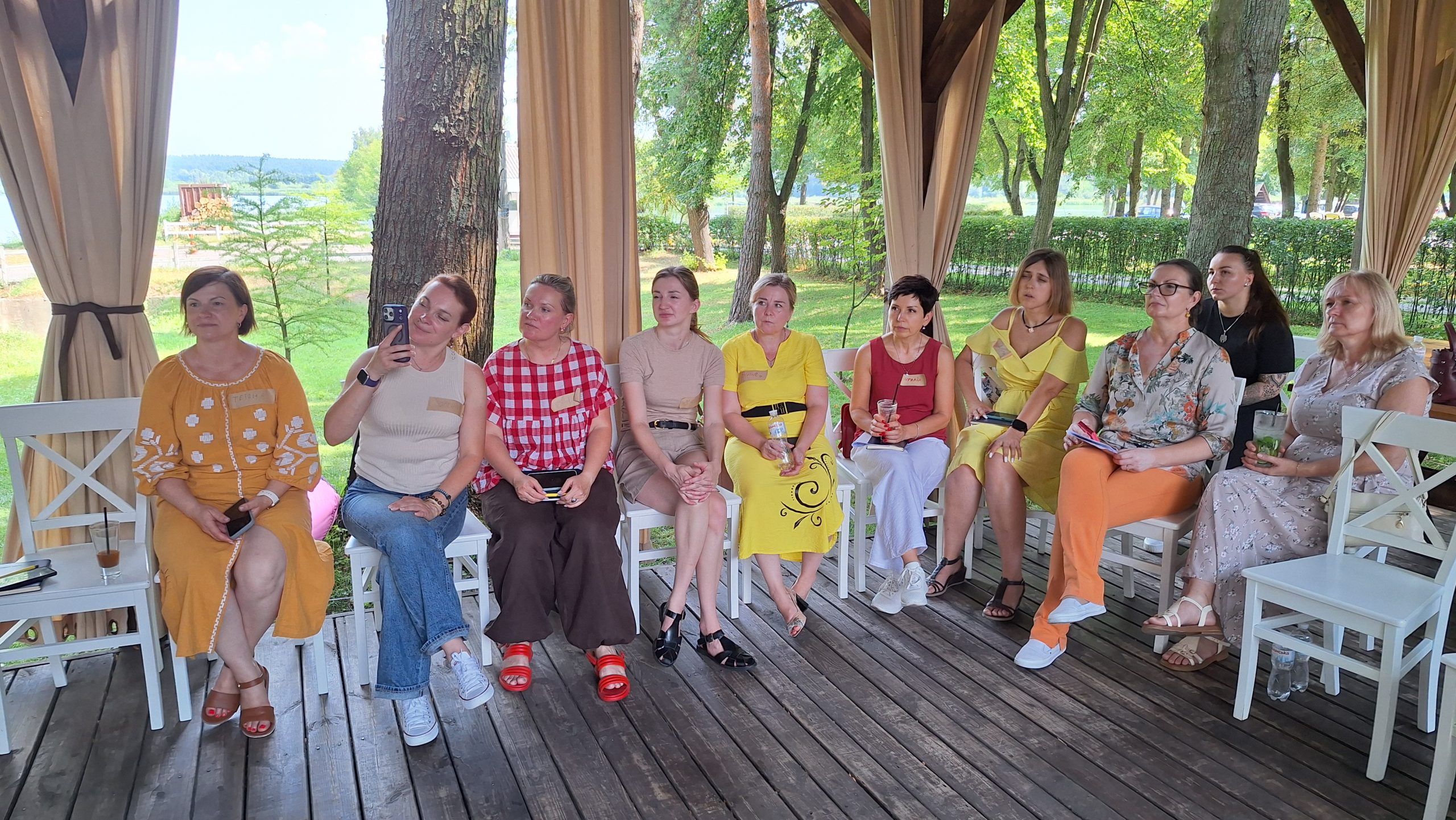
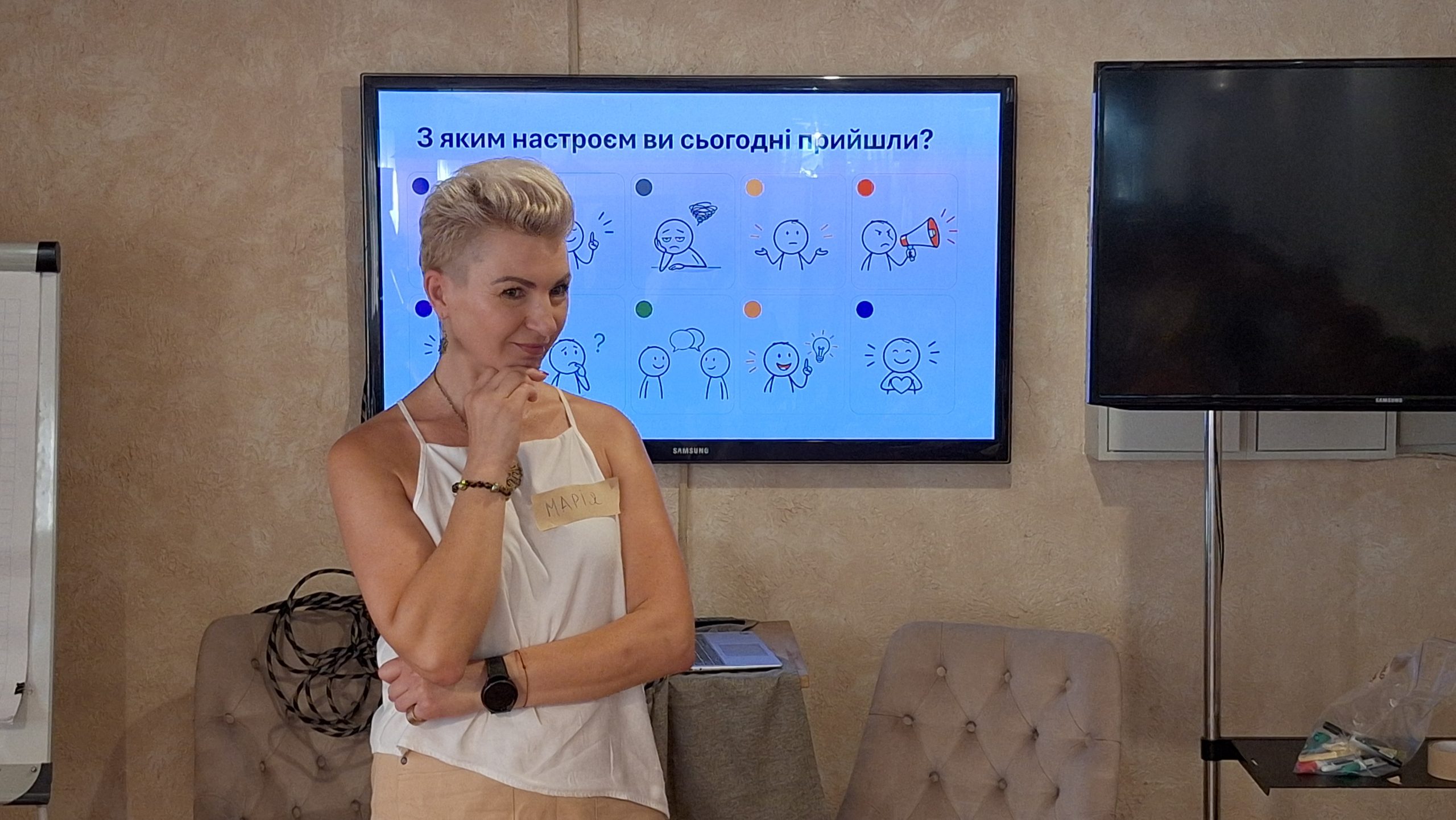
In Boiarka, the 6 August workshop continued the CSD launched earlier this year, bringing together representatives of local government, municipal security, the National Police, social protection and education services, veteran and internally displaced persons communities, the Youth Council and other local stakeholders. Alongside SARA, participants refreshed practical skills in constructive communication, preparing the group for further work on local safety issues.
A week later, participants in Kamianets-Podilskyi brought a wide range of local concerns into the process. Discussions included child and school safety, cyber threats and fraud, support for veterans and vulnerable groups, access to psychological services, weapons, social cohesion and the safety of professionals providing assistance. Rather than trying to solve all these issues at once, participants worked in groups to prioritise concerns and identify what information would be needed for further analysis.
The work will continue during the next CSD sessions in Boiarka and Kamianets-Podilskyi, where participants will move to the Analysis stage of the SARA model. Building on the priority issues identified during the workshops, they will examine their causes, available evidence and impact in greater depth before considering possible responses.