
“A strong and resilient community cannot be built without trust”
August 28, 2026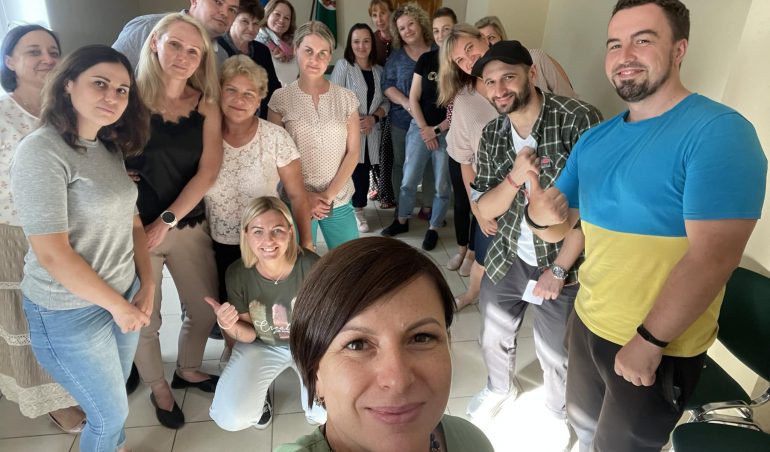
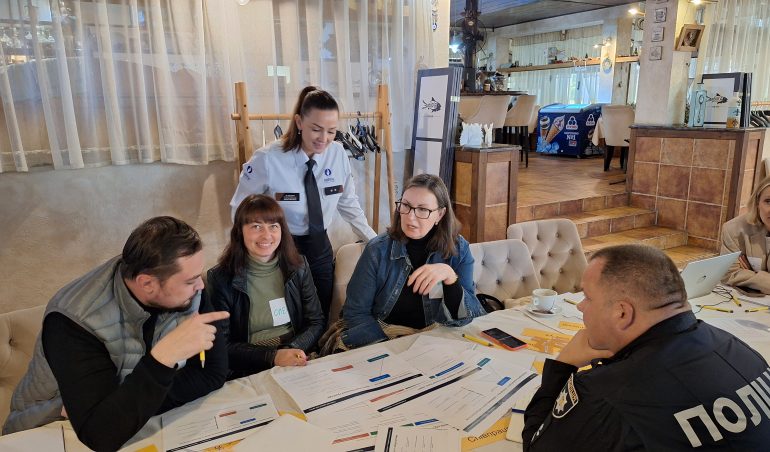
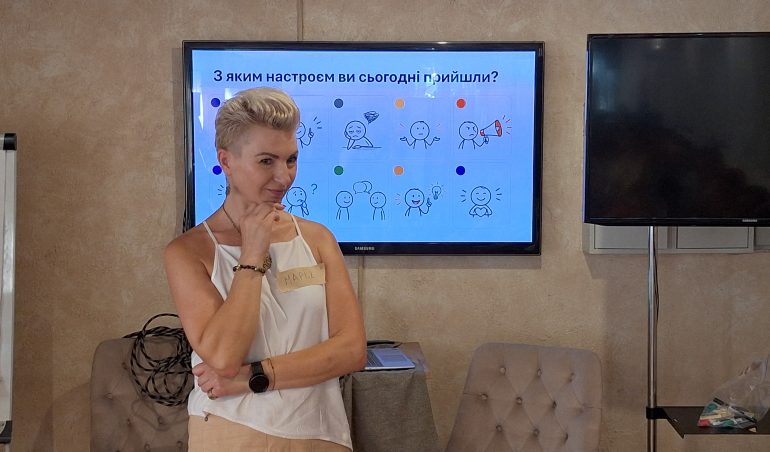
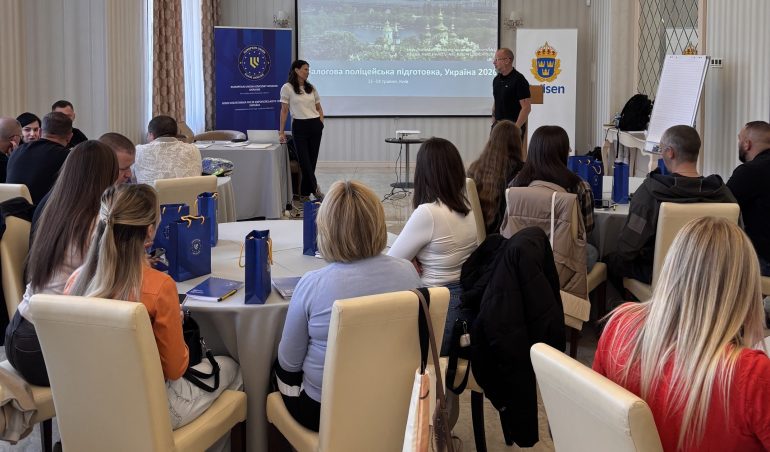
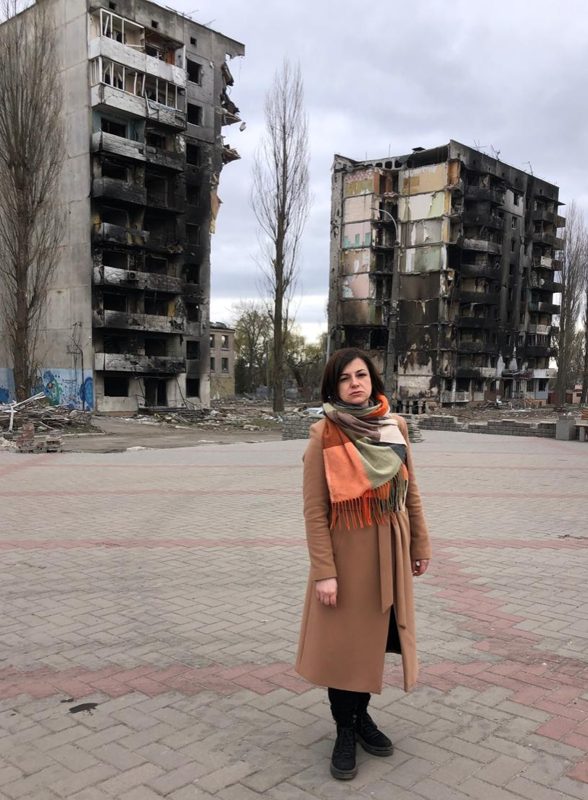
As part of its Agents of Change series, the European Union Advisory Mission (EUAM) Ukraine introduces people whose daily work is helping to transform Ukrainian communities. During the implementation of the Community Safety Dialogue project in Boiarka, we spoke with First Deputy Mayor Tetiana Kochkova about her professional journey, the challenges of the full-scale war, international partnerships, and the role of local government in strengthening community resilience.
FROM BANKING TO LOCAL GOVERNMENT
Ms Kochkova, could you tell us about your professional journey? How did you come to work in local government?
I am a banker by education. I was born and raised in Kyiv. After getting married, I moved to Boiarka, where I continued working in the banking sector and later became head of a local bank branch. During the banking crisis, I was invited to become involved in local politics.
At first, I declined because I simply could not see why I would need it. But one of my clients said to me: “Tetiana, what do you have to lose?” That made me think, and I decided: why not give it a try?
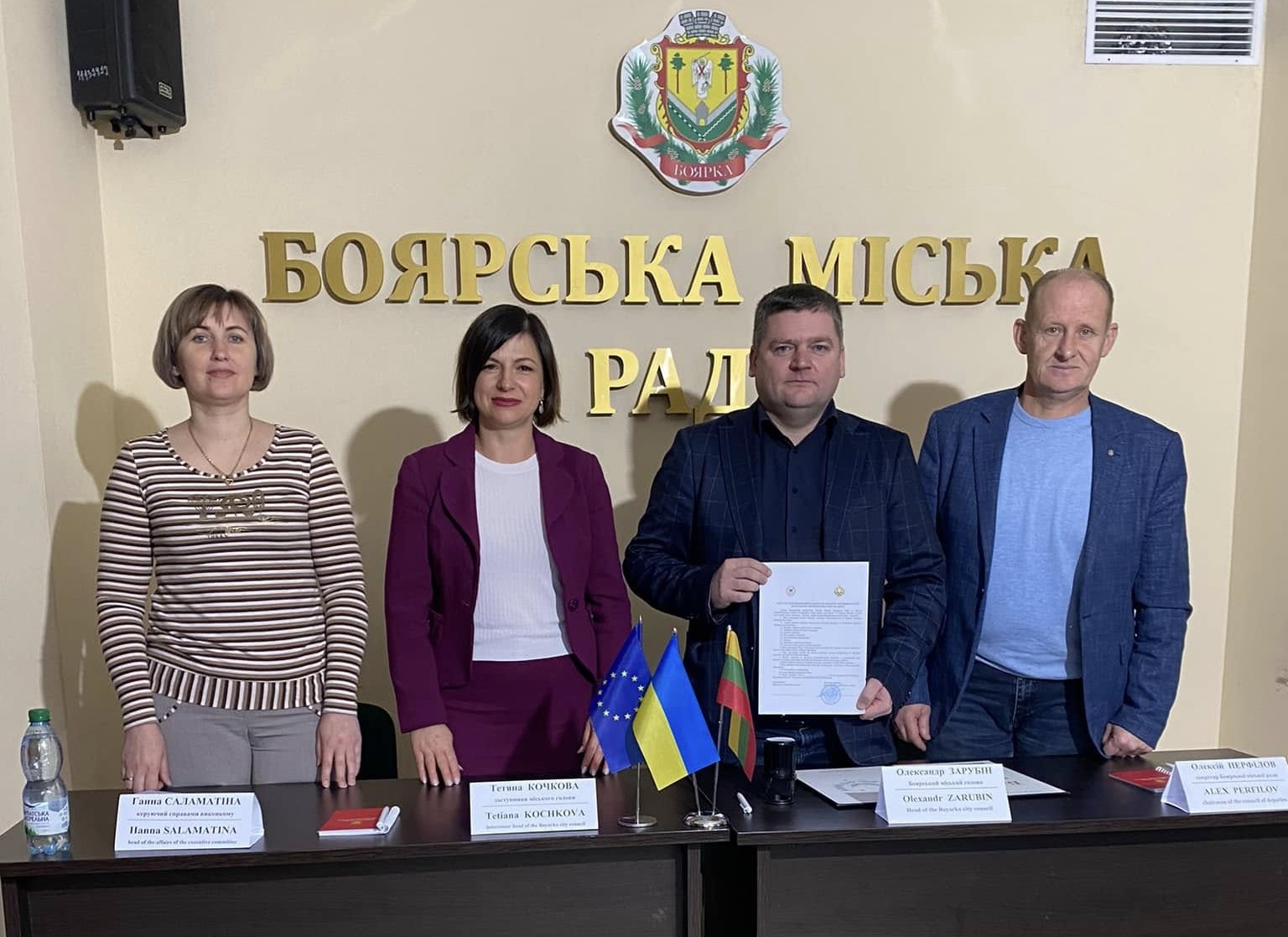
That is how I met the team of the future mayor, Oleksandr Zarubin. For me, it was a completely new world. We were selected for the first School of Mayors programme at the Kyiv-Mohyla Business School. Three months of training and a two-week study visit to Poland gave me a much deeper understanding of what modern local government could look like.
After the elections, the newly elected mayor offered me the position of Deputy Mayor, and I accepted. It was not easy: I had to learn everything from scratch. But that was how my journey in local government began.
You entered local government in 2015. In your view, how has the role of women in leadership positions changed since then?
Women’s leadership is extremely important today. Women are taking on more and more responsibility — for their families, their work and their communities. Just a few years ago, leadership positions in local government were still mostly held by men. Today, the situation is very different. Women serve in the military, work as drivers and enter professions that until recently were seen as traditionally male.
At the same time, it is very important for women to support one another. When there is mutual understanding, trust and a shared desire to change the country, even the most difficult challenges can be overcome.
What were the most difficult moments when you first started working in local government?
There were certainly difficult moments. When we began introducing changes in the community, not everyone welcomed them. After one of our initiatives, I started receiving threatening text messages, and later unknown individuals set fire to my car. It was a real shock. I certainly had not expected events to take such a turn.
Still, I have never regretted my decision. When you see changes gradually becoming a reality, you understand that all the effort was worthwhile. One advantage of working in a small town is that you can see the results of your work quite quickly. That is what gives you the strength to keep moving forward.




THE WAR
What do you remember about the morning of 24 February 2022?
On 24 February, I woke up to the sound of explosions. My husband had served in the Anti-Terrorist Operation since 2016, so on 25 February 2022 he returned to his military unit. Our daughter was 14 at the time. At first, she stayed on her own, but later we managed to move her to a safer place. That gave me some peace of mind. At the same time, my parents were effectively trapped in Chernihiv Oblast and were unable to leave.
I was even advised not to spend the night at home, as it was already clear that the Russians had information about where people lived. They called the mayor, threatened him and demanded that he surrender.
New tasks kept emerging one after another. For example, on 24 February, we had to transport a newborn baby whose parents had given up their parental rights from the maternity hospital to the regional hospital. At times, I felt like a robot: you work, work and work, sleep for a few hours if you are lucky, manage to eat something, and then go straight back to work.
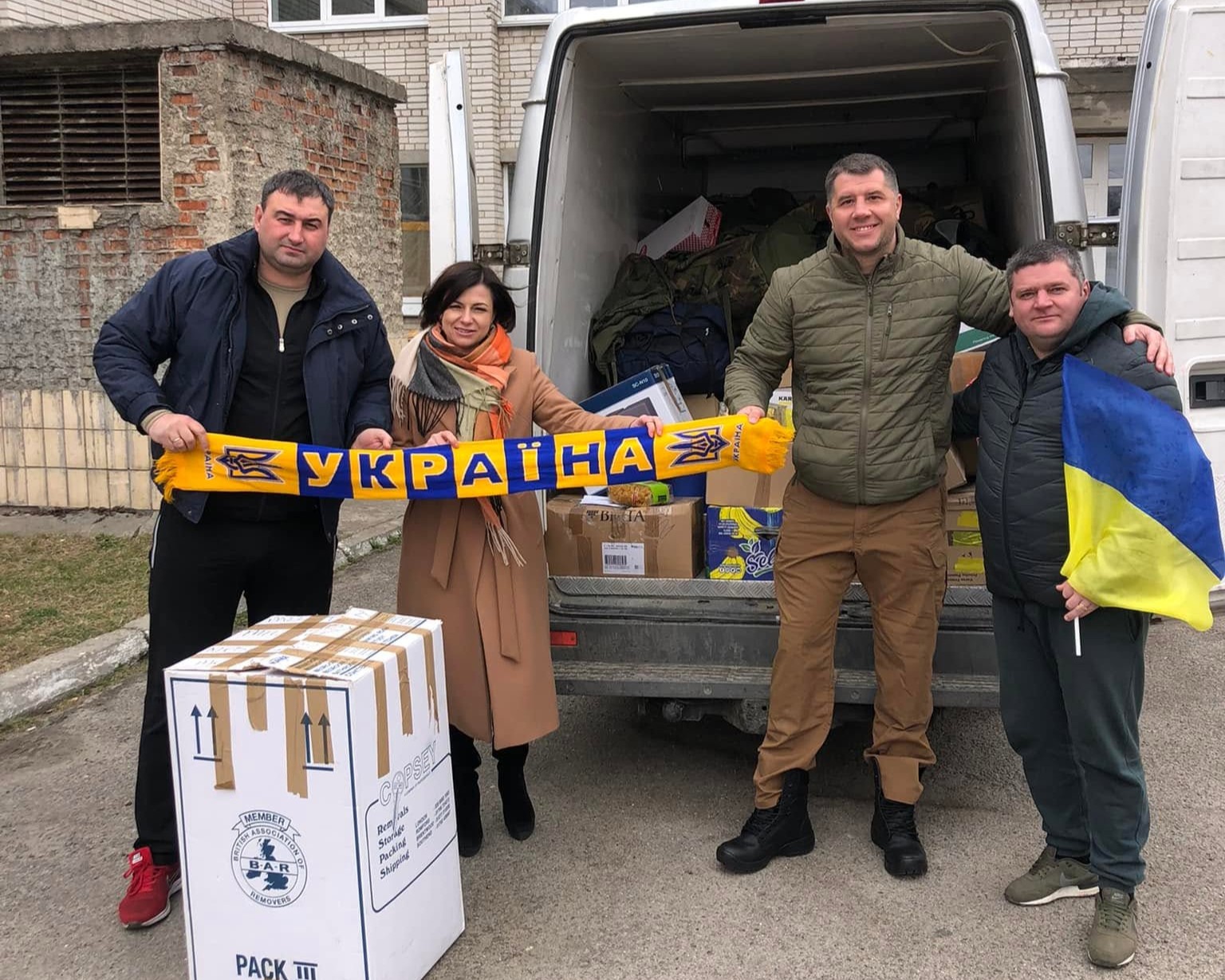
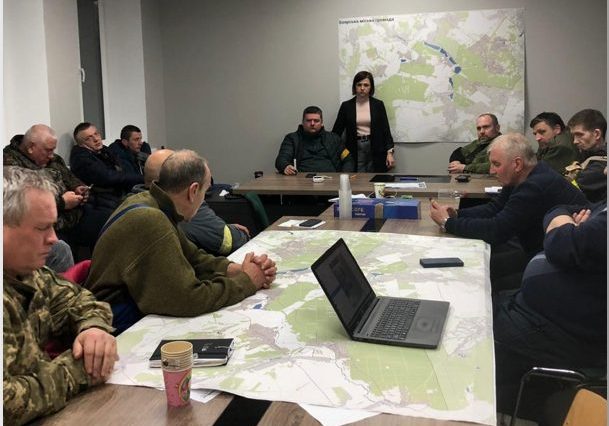
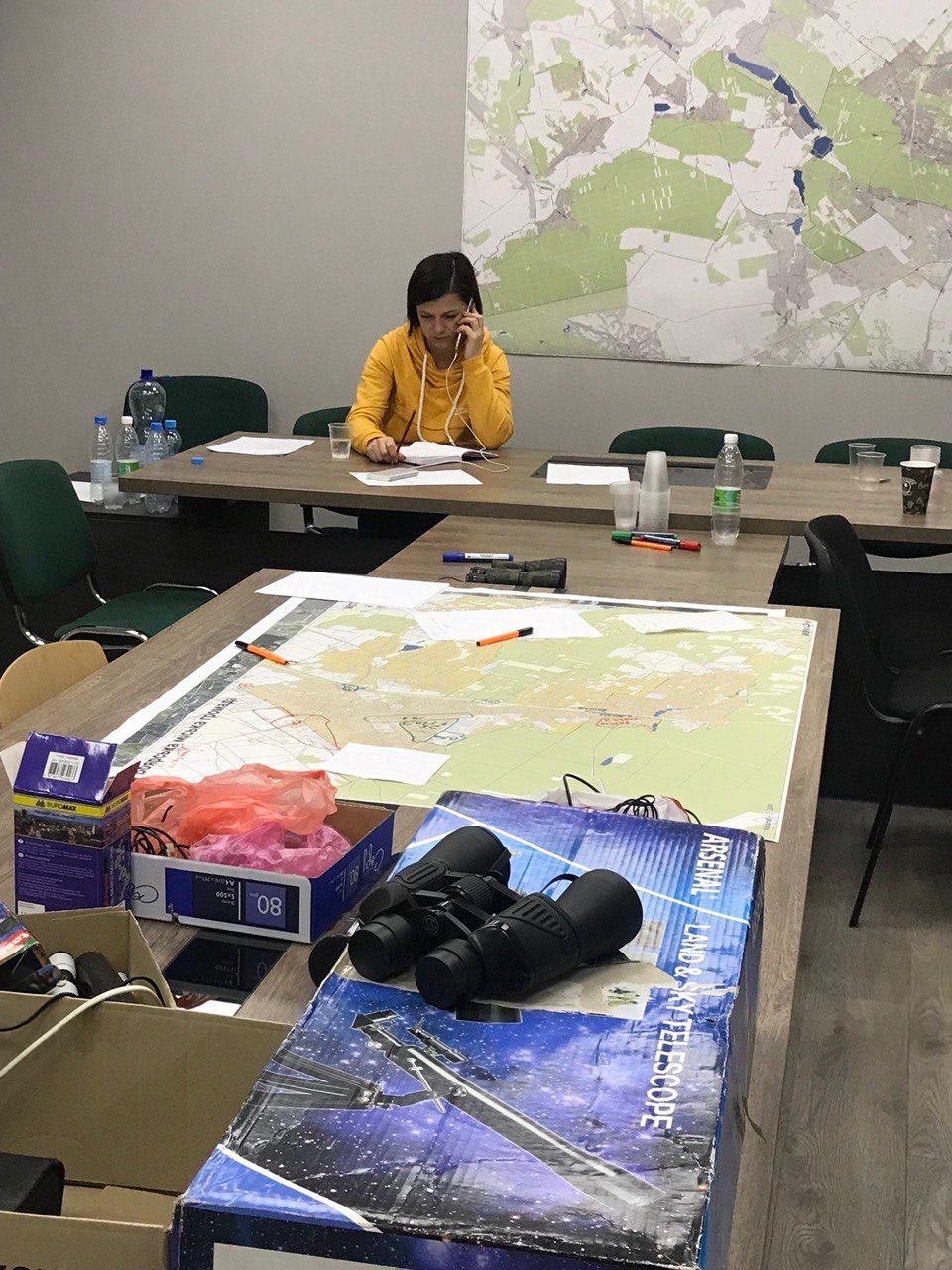
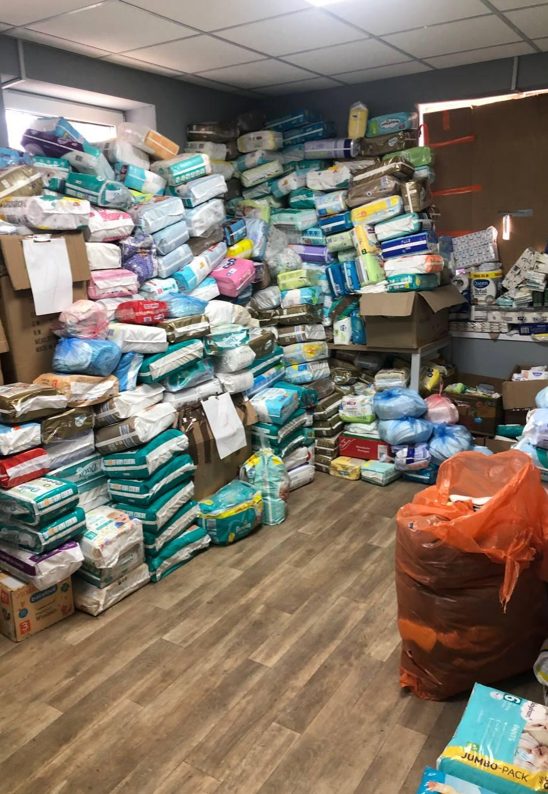
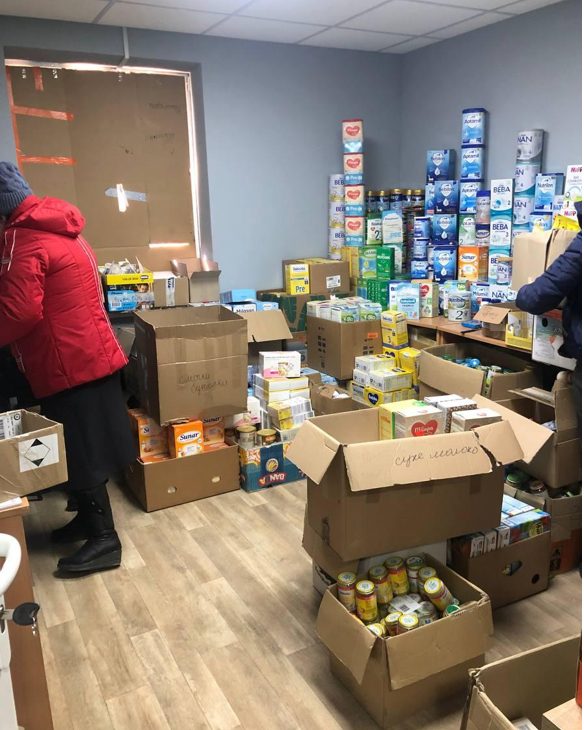
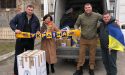
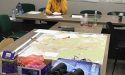
A humanitarian crisis developed very quickly. Shops were closed, pharmacies were not operating, and even bread was in short supply. I took charge of the humanitarian coordination centre. The problems with bread and medicines had to be addressed immediately. We remembered a local bakery that had produced bread in the past, and together with its staff and volunteers we managed to restart production.
At the same time, we formed a team of volunteers to handle international communication. They wrote letters, contacted partners abroad and coordinated humanitarian assistance. As a result, we were able to organise deliveries of medicines and essential goods from Europe. Pharmacists sorted the medicines by active ingredient, and we then distributed them to the people who needed them most.
It was a joint effort by the entire community. People were remarkably united. We only had to say that help was needed, and very quickly people came forward to support us. None of the city’s leadership left.
When did you realise that life in the community would never be the same again? Were you afraid?
I cannot say there was one particular moment when I realised that life had changed forever. When you are responsible for keeping a community functioning, there is simply no time for such reflection.
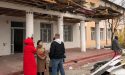
Of course, there were times when I was afraid. Especially when reports began to emerge of torture in neighbouring communities, of people going missing and later being found dead. It was truly frightening. But my sense of responsibility would not allow me to leave the community and go elsewhere.




COMMUNICATION WITH THE COMMUNITY
How did you maintain communication with people amid constant uncertainty?
Even before the full-scale invasion, I was responsible for the community’s information policy. When we began working with the mayor in 2015, I created the official social media pages of Boiarka City Council. So we already had an established basis for communication.
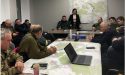
After the full-scale invasion began, we used these channels to provide people with timely updates. Every day, I went live to address residents, report on the day’s developments and explain our plans. The number of followers grew very quickly because people needed to know what was happening. Many residents had left the community but still wanted to stay informed and connected.
We used these channels not only to share news, but also to communicate the community’s needs. Very often, this helped us quickly find the supplies or assistance we required.
Were there situations when you had to persuade people to accept unpopular but necessary decisions? How did you approach this?
The hardest thing was convincing people to evacuate. When the military informed us that fighting could break out along the Irpin River and that people needed to leave urgently, no one was prepared for it.
We asked people to take only the essentials and either bring their pets with them or let them go rather than leave them tied up. We explained that buses would be waiting to take them to a safer place. But it is extremely difficult to persuade someone to leave their own home when they do not know whether they will ever be able to return.
PERSONAL REFLECTIONS
The war has changed the life of every Ukrainian family. How has it changed yours?
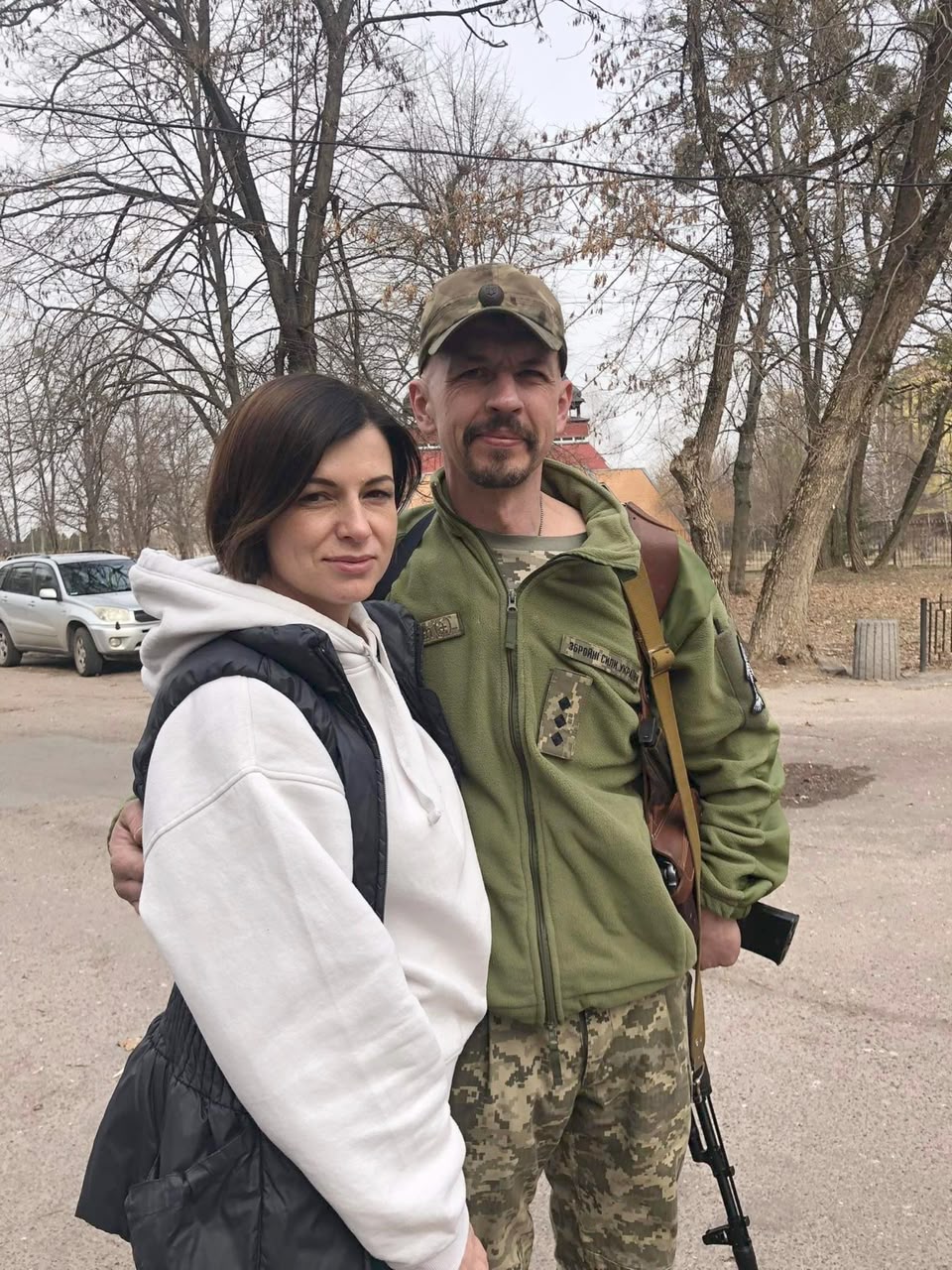
My husband and my brother are both defending Ukraine. My father passed away last year, so today there are effectively no men at home in our family. You become the head of the household and take responsibility for elderly parents, your child, everyday life and work. Very often, you simply do not have the option of being weak.
Every military family has its own story, but there are experiences that unite us. When my husband comes home on leave, he says: “I will never be the same person I was before the war.” In ten days, he barely has time to adjust because the war remains with him.
The war remains with all of us. We are all having to learn again how to live in these circumstances, how to build relationships differently and how to support one another.
My husband often says to me: “I have my service, and you have yours.” Each of us has to do everything we can to bring victory closer.



ABOUT THE COMMUNITY
What has helped the Boiarka community withstand the challenges of the war and continue to develop?
International partnerships have played a major role. We began developing them even before the full-scale invasion, but after 2022 this work became much more intensive. We reached out to municipalities and international partners, asking them to support Ukraine. Some of these partnerships grew out of personal contacts.
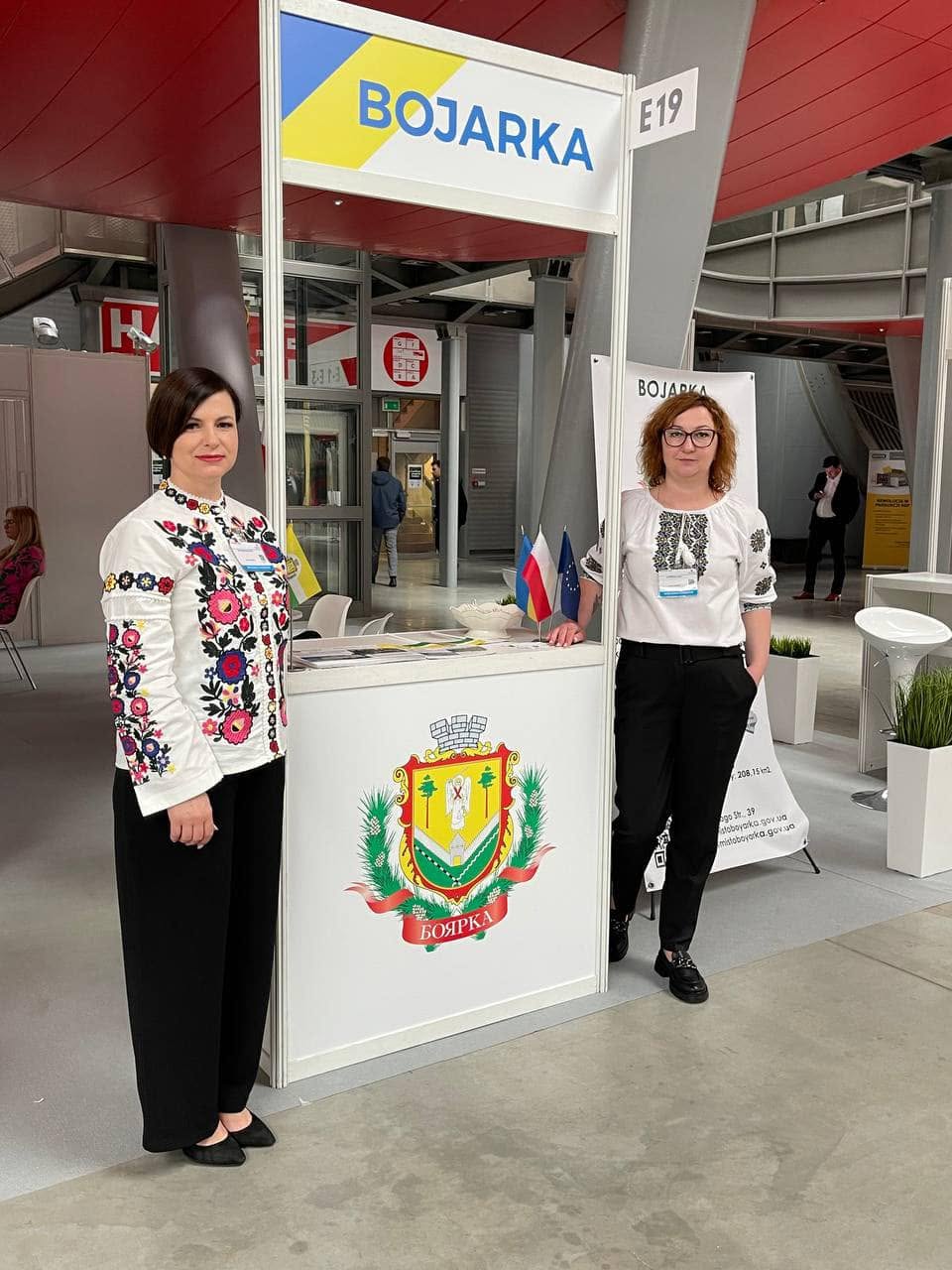
Today, the Boiarka community has 11 formal partnerships, although in practice the number is much higher. Cooperation does not always require a signed agreement — what matters most is the willingness to help.
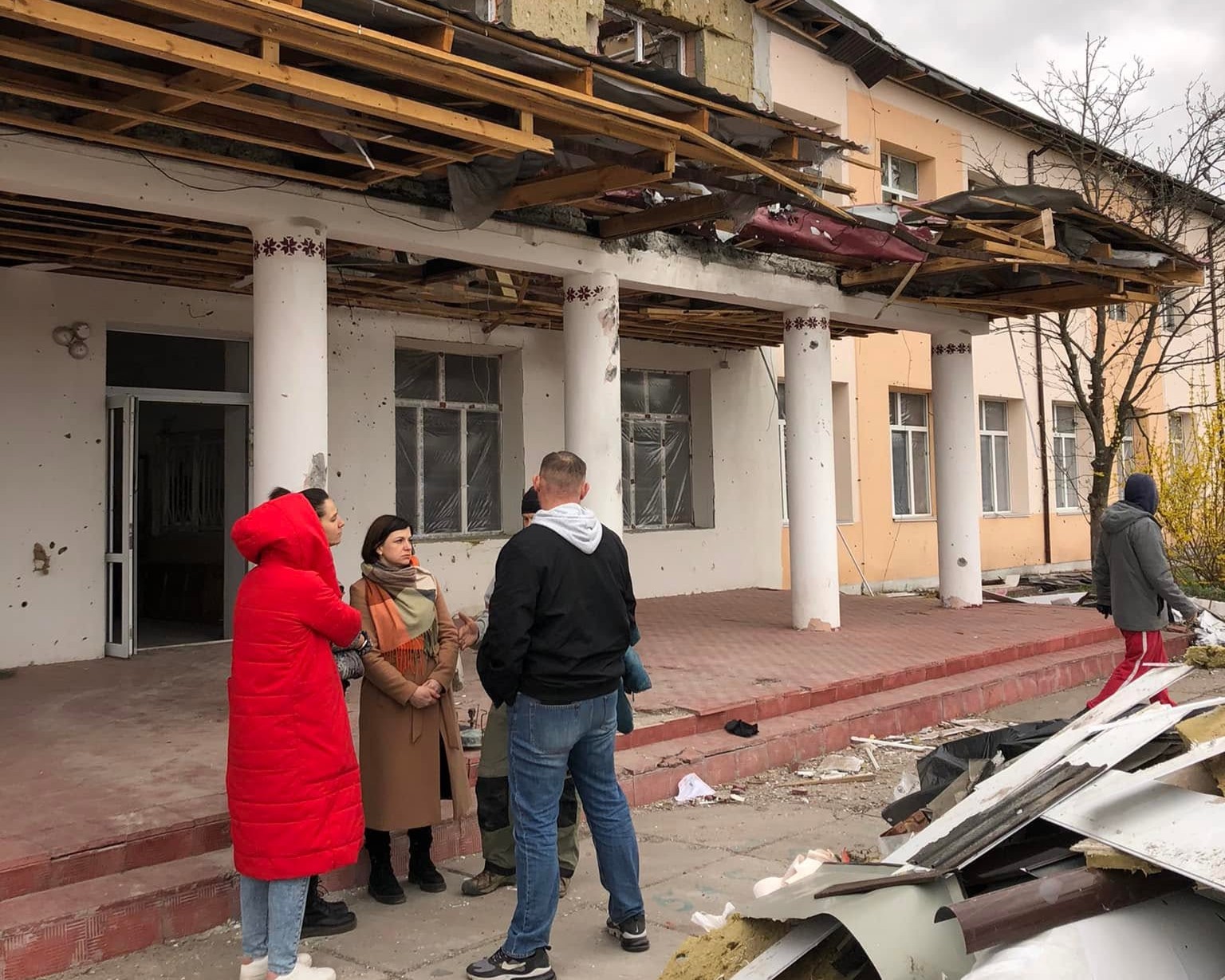
Thanks to international support, we have received generators, vehicles and municipal equipment, implemented social projects, built shelters, modernised the water supply system and renovated the hospital’s admissions department.
Today, our task is not only to attract support, but also to build long-term partnerships. Competition for international resources is very strong, so communities need to be open, professional and trustworthy.
In your view, what do Ukrainian communities need most today?
At the beginning of the full-scale invasion, there was a very strong sense of unity. People are tired now, and that is natural. We can see that society is gradually becoming more divided.
I believe that today we all need to learn again how to talk to one another, to be more attentive and tolerant, and to be willing to listen to others.
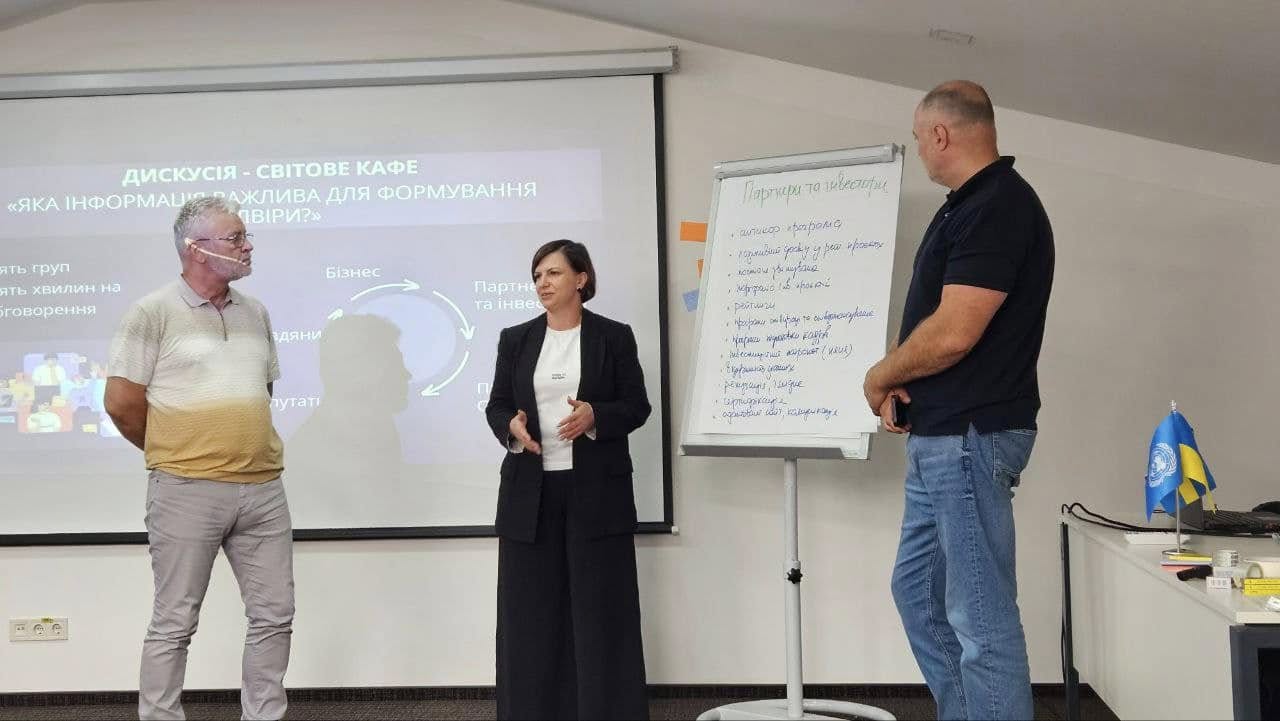
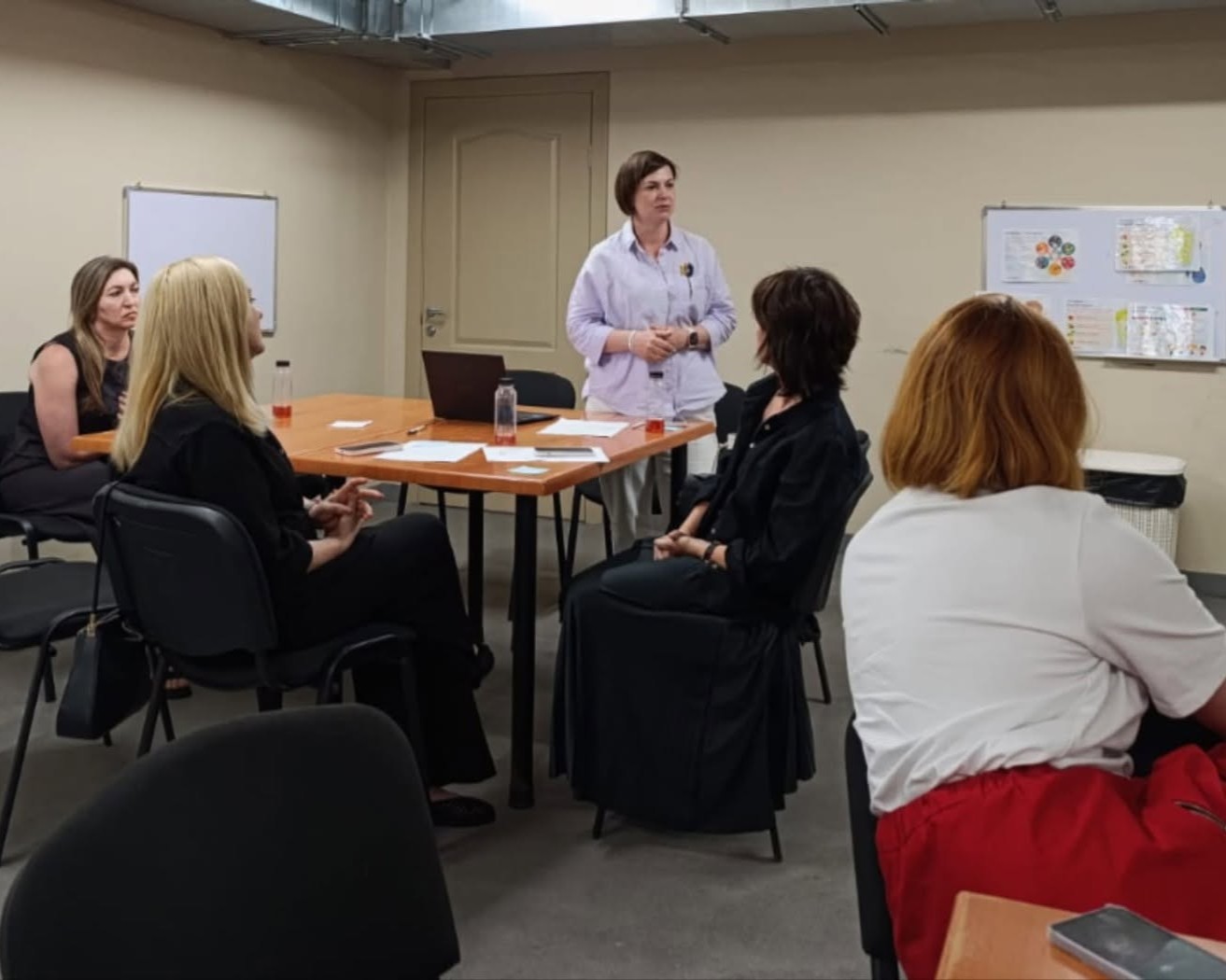
That is why initiatives such as the Community Safety Dialogue, which we are implementing together with EUAM, are so important. Of course, one dialogue alone will not change everything. But when it is combined with other initiatives, trust can gradually grow. And without trust, it is impossible to build a strong, resilient and safe community.
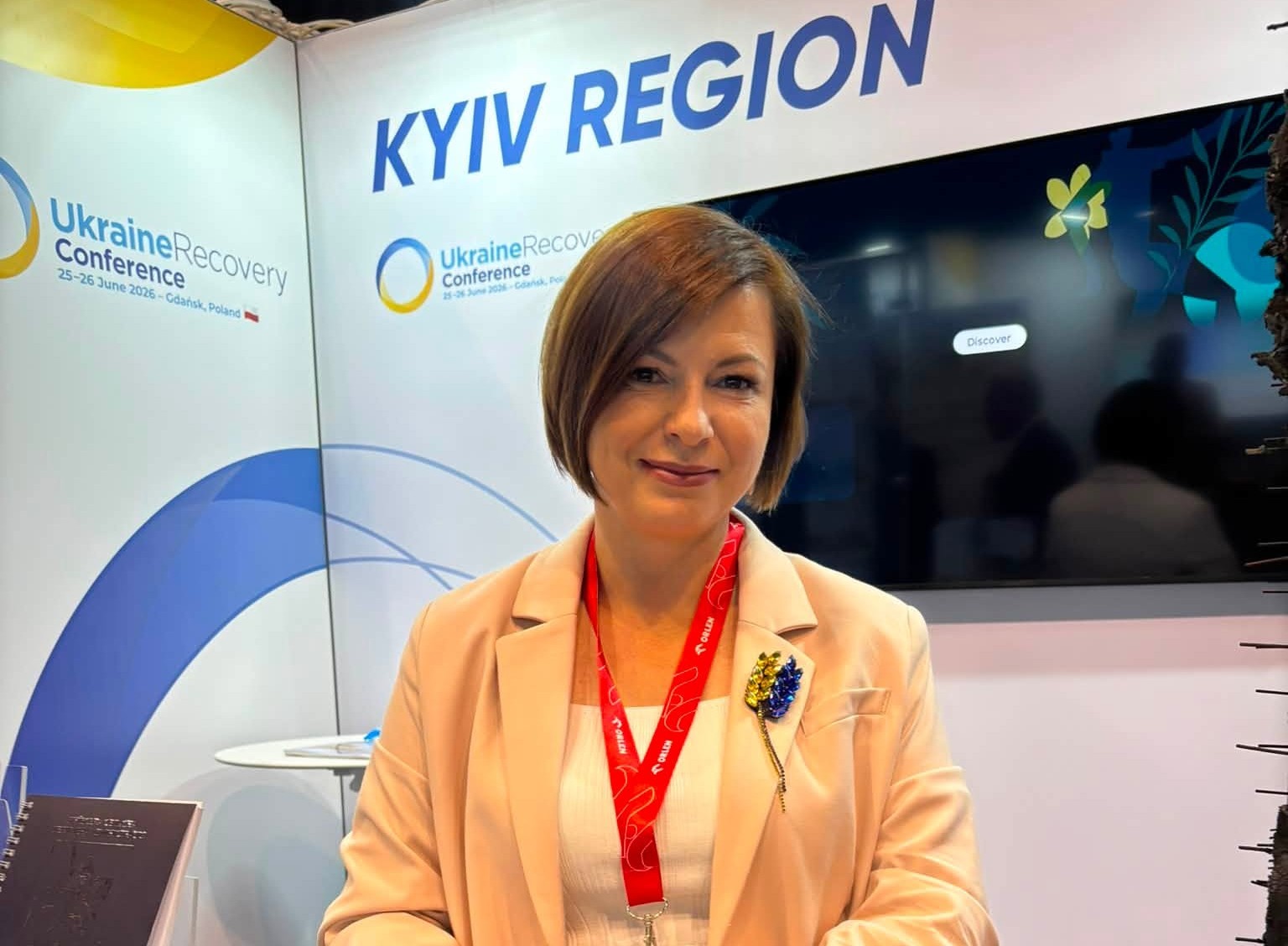
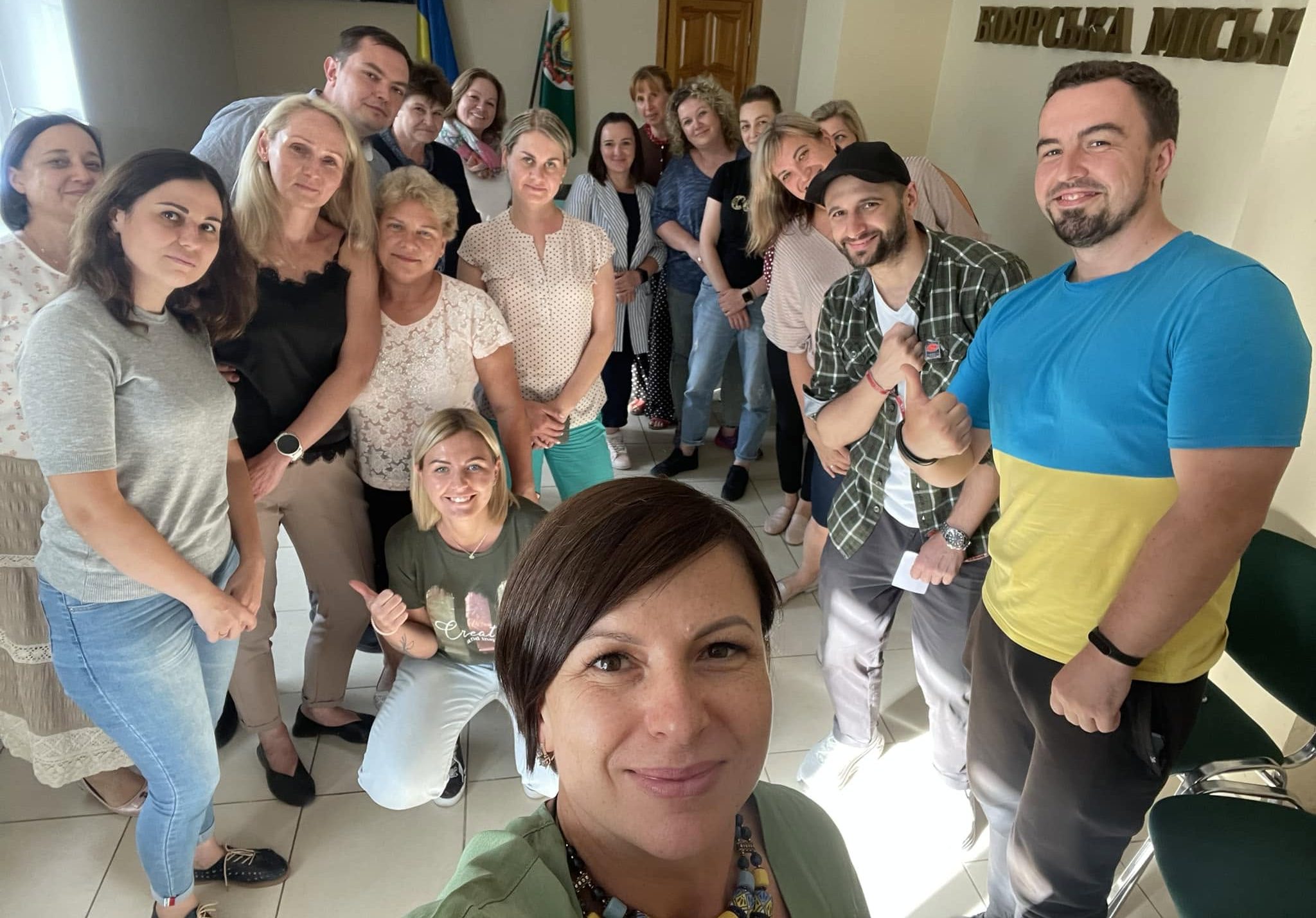
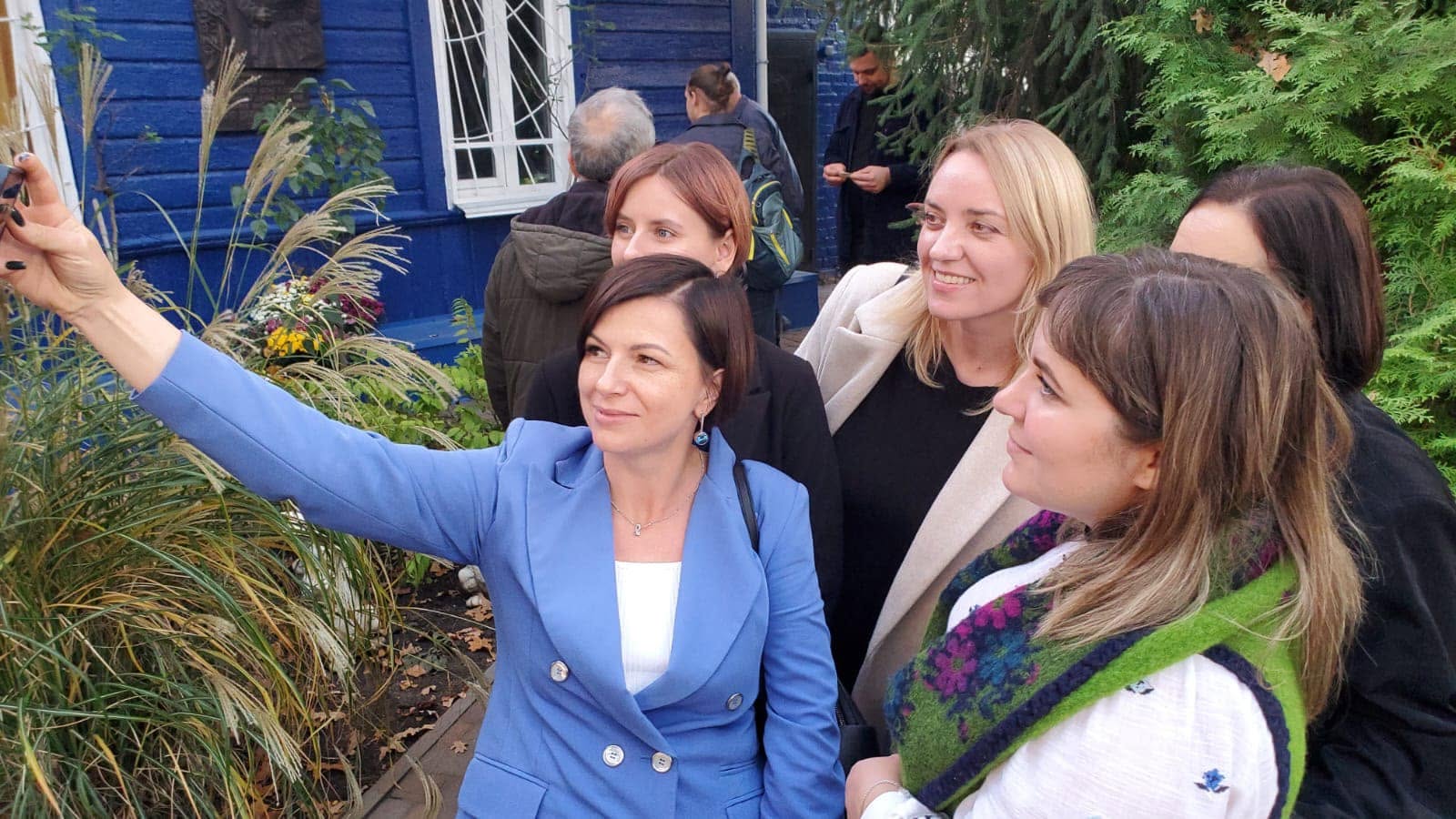
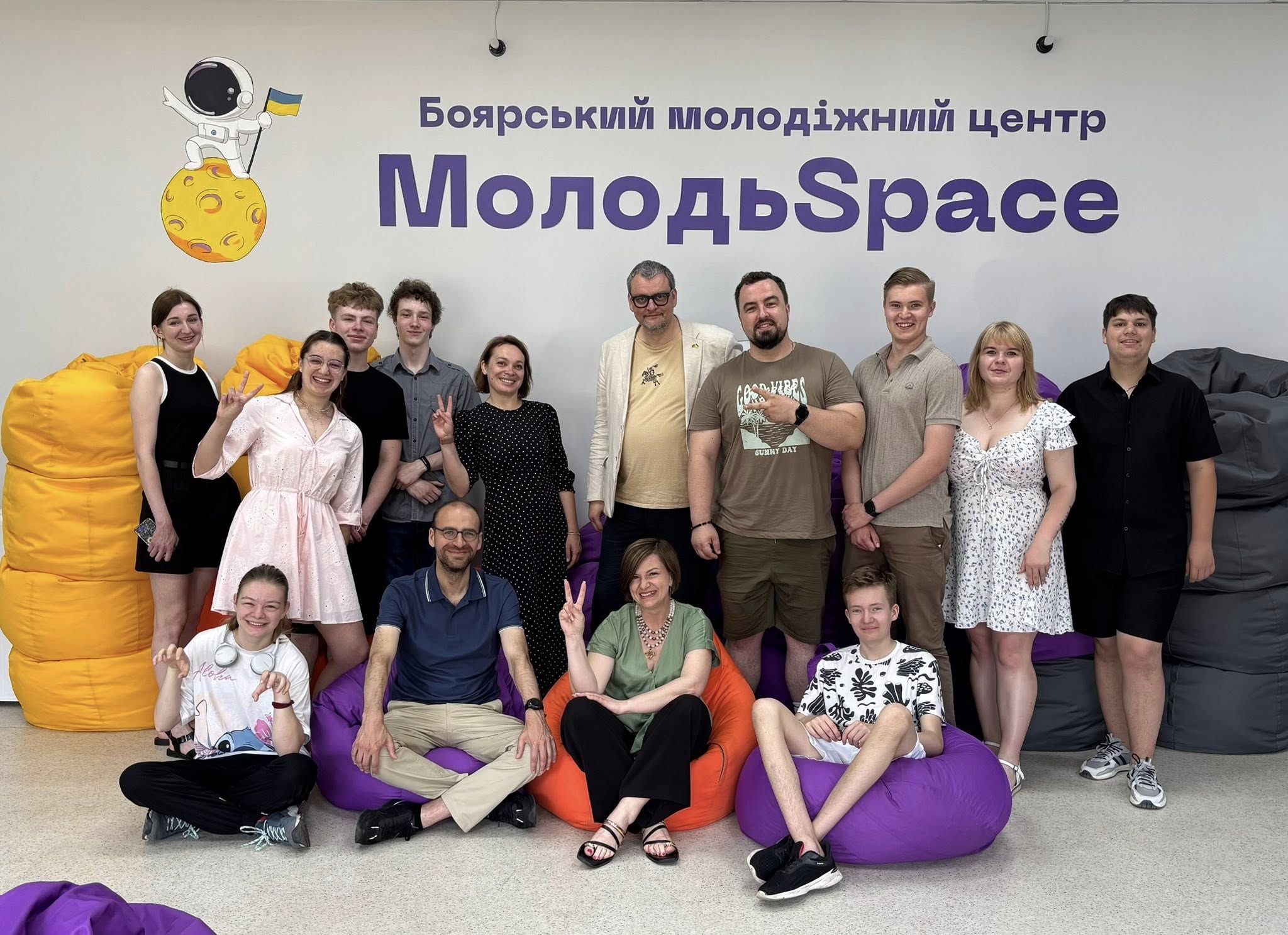
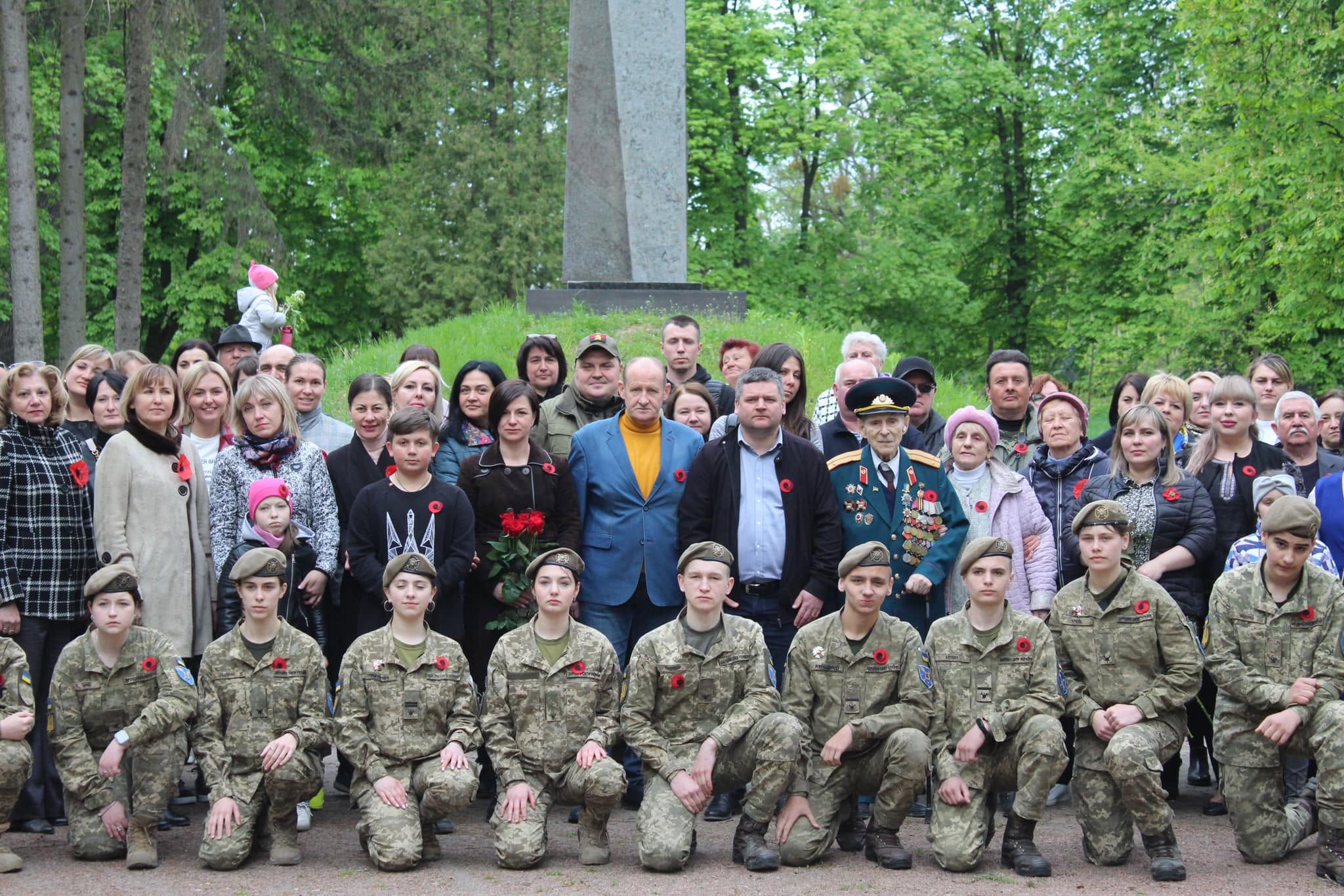
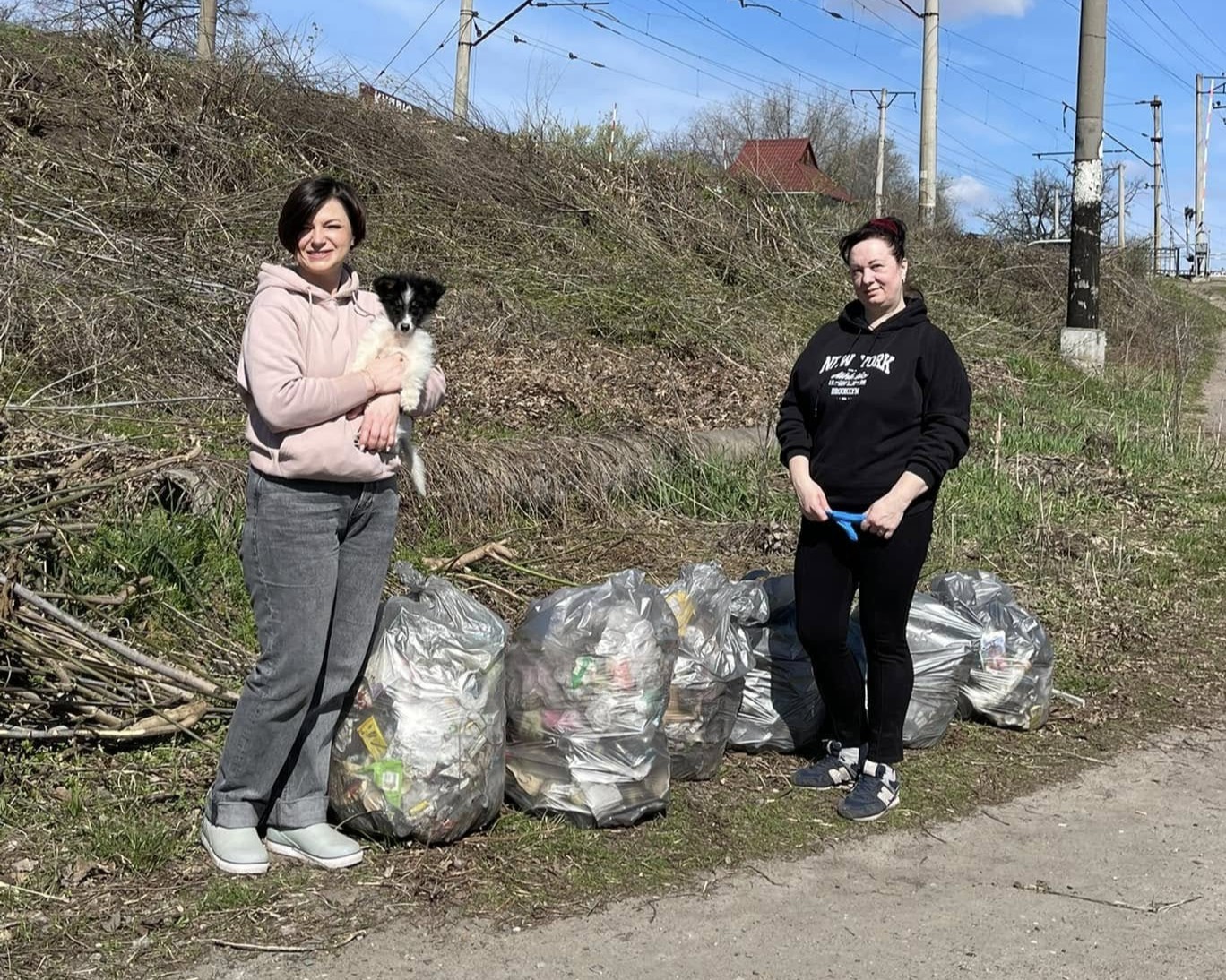
The photos are from Tetiana Kochkova’s personal archive and her Facebook page.