

Beyond School Gates: EUAM and Partners Strengthen Community Safety Cooperation
November 03, 2026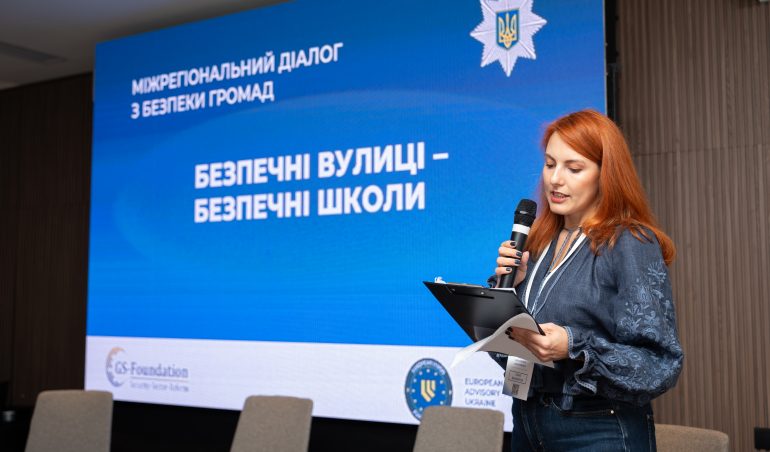
Keeping children safe requires more than securing school buildings. The routes children take to school, the challenges they face online and the relationships between schools, police and local communities all play a role in their safety. Addressing these challenges requires institutions to work together, identify risks early and coordinate their responses.
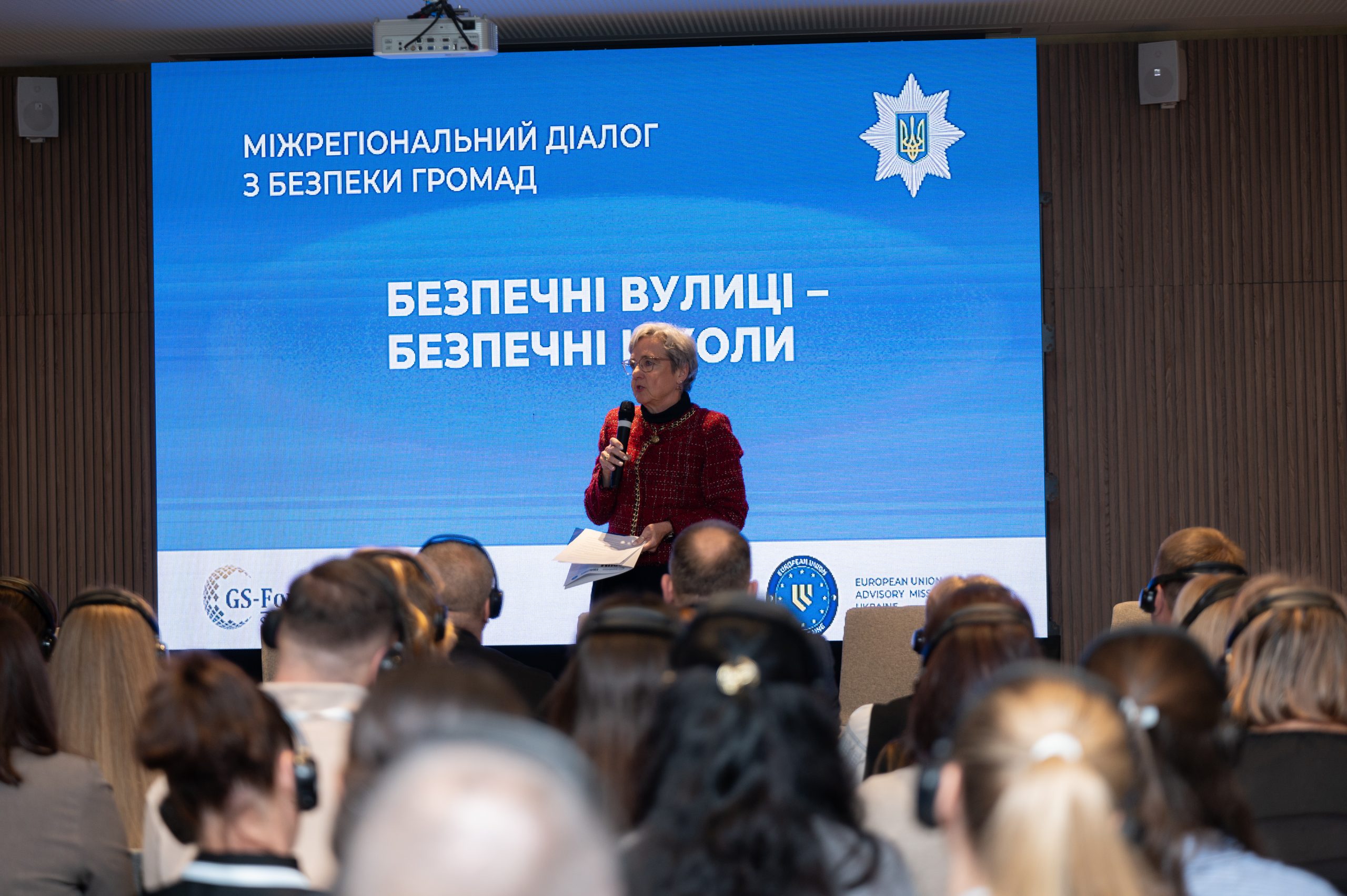
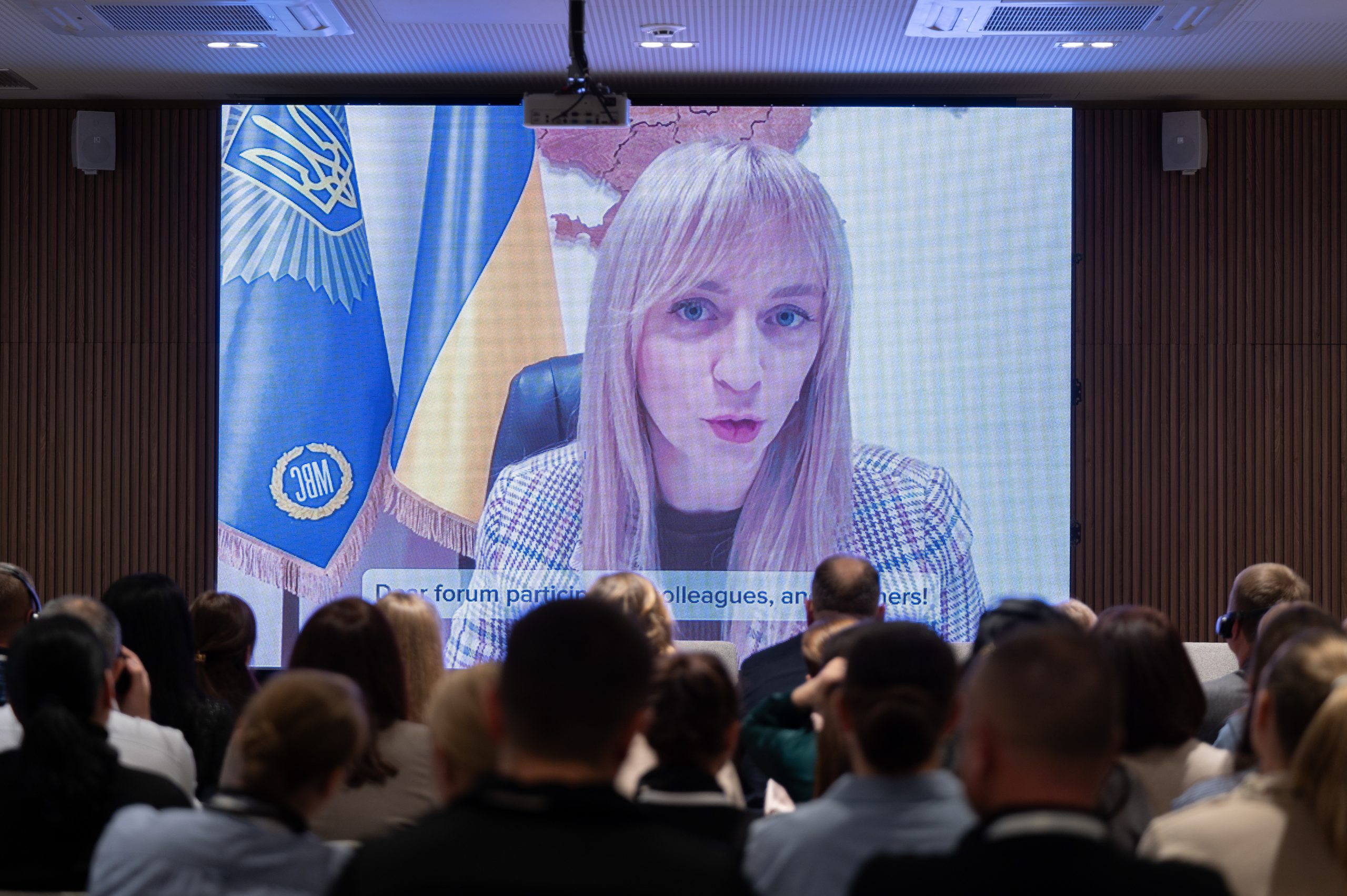
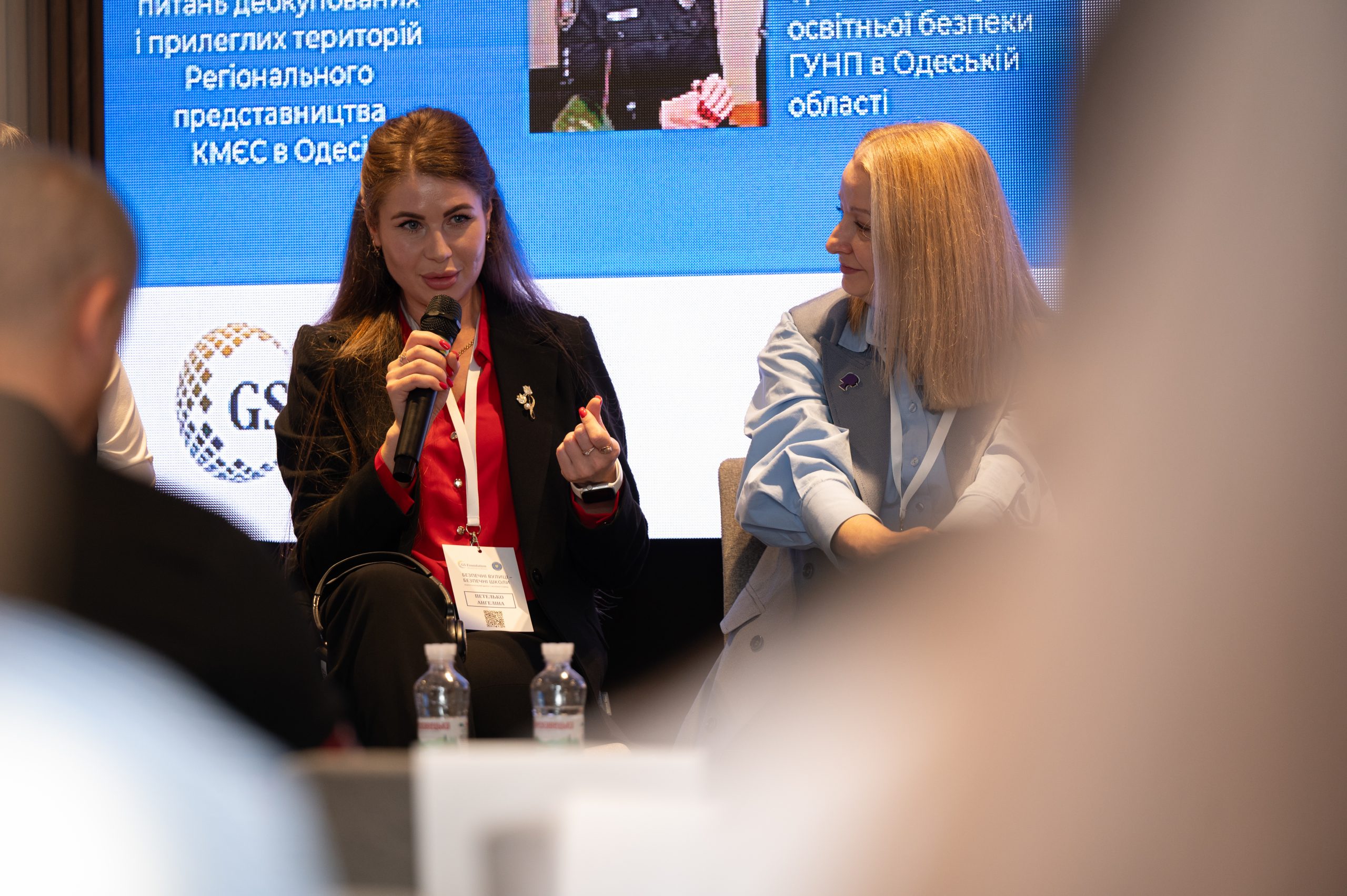
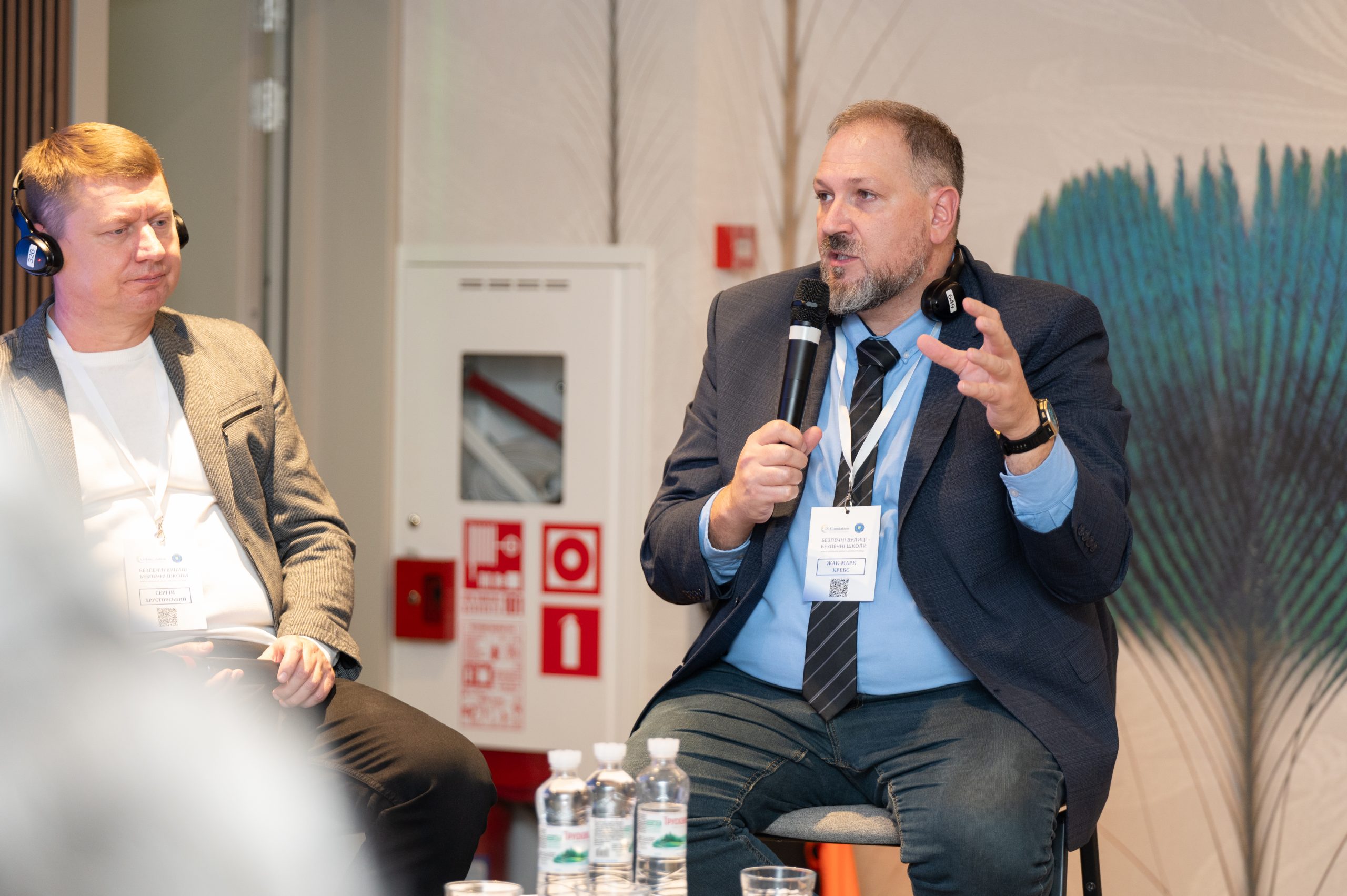
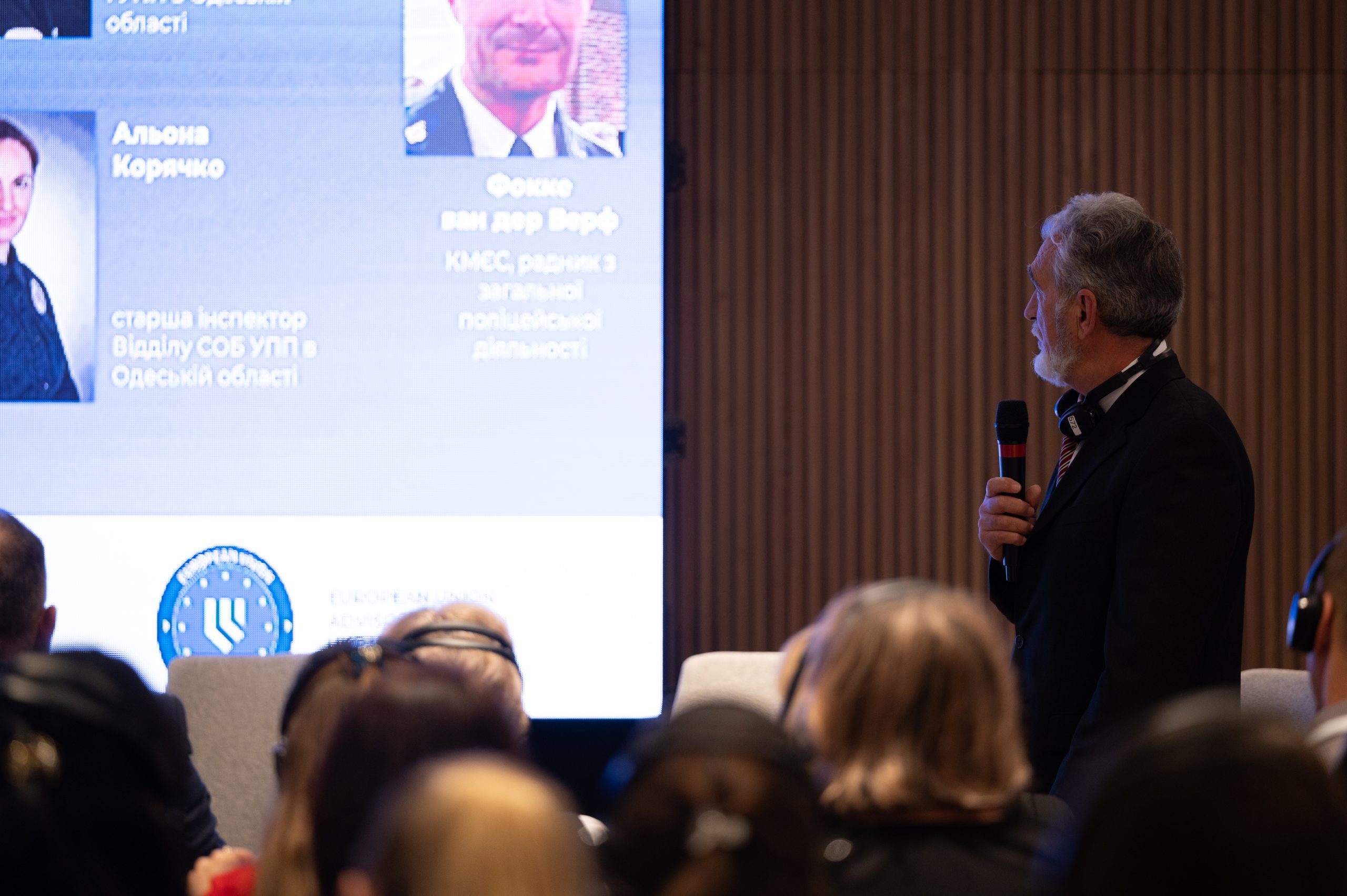
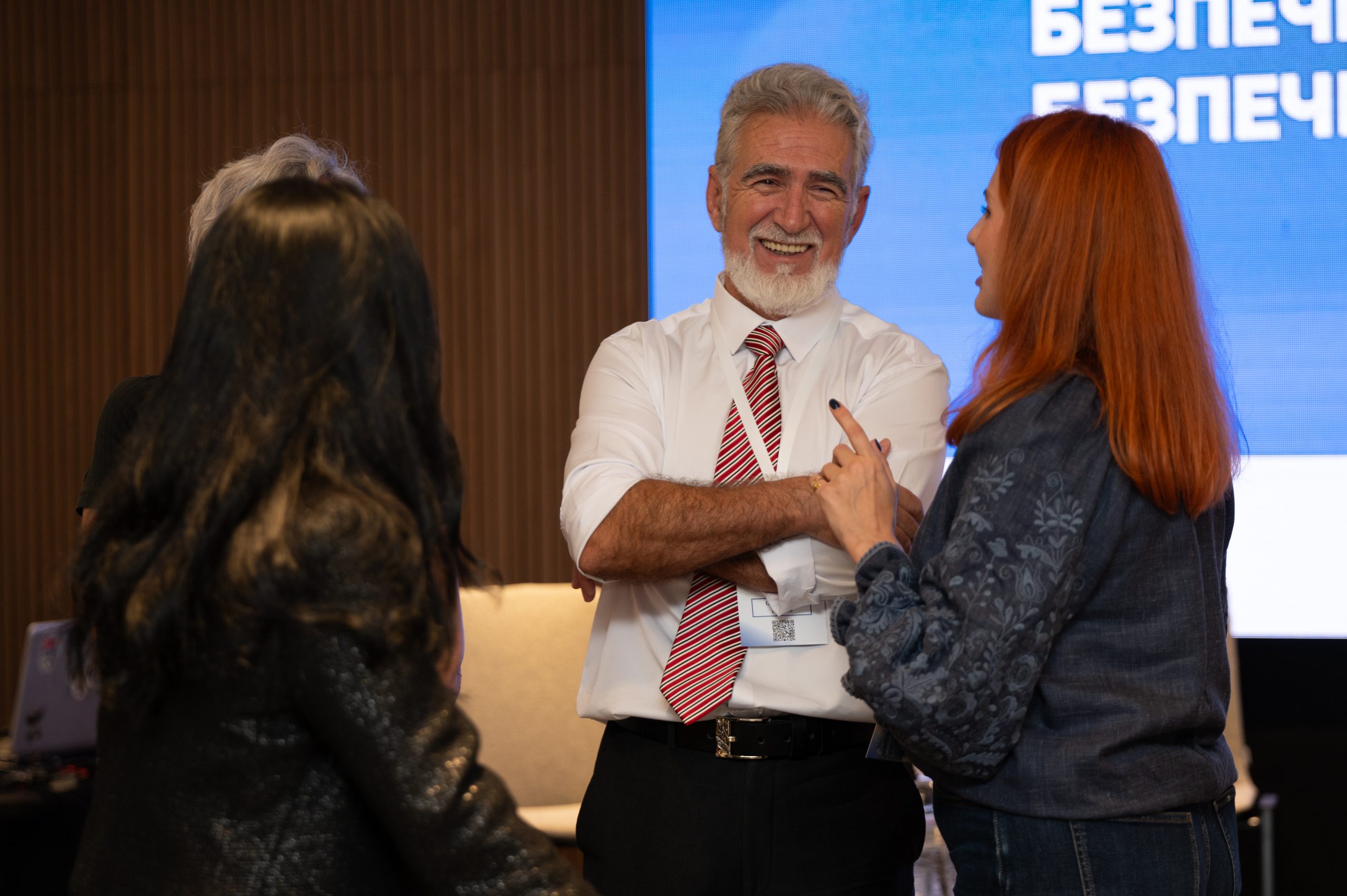
On 28 October 2026, EUAM Ukraine and GS Foundation, through its EQUALFORCE project, jointly organised the Safe Streets, Safe Schools: Inter-Regional Community Safety Dialogue Action Forum. The event brought together 50 participants, including senior representatives of the Ministry of Internal Affairs, National Police leadership, school security and community police officers, educators and local government representatives from Odesa, Mykolaiv and Kirovohrad regions.
One of the central messages of the forum was that school safety cannot be addressed in isolation from the wider community. Participants explored how stronger cooperation between police, schools and local authorities, including through Community Safety Dialogues, could help identify and address local safety concerns. Particular attention was given to coordination between school security officers and community police officers, as well as opportunities to involve veterans in youth and community safety initiatives.
For Nadiia Sytnyk, Head of the Educational Security Service Directorate of the National Police of Ukraine, the exchange offered valuable insights from those working directly with children and communities.
“It has been a long time since I attended a forum with such lively discussions, where everyone wanted to contribute. Hearing directly from officers working in schools and representatives of local communities gives us new perspectives and ideas,” she said.
Another focus of the forum was ensuring that knowledge gained through training continues to reach colleagues across police institutions. Participants discussed peer-to-peer mentoring, supervision and practical mechanisms for sharing expertise across regional police units, with the aim of making continuous professional development part of everyday police work.
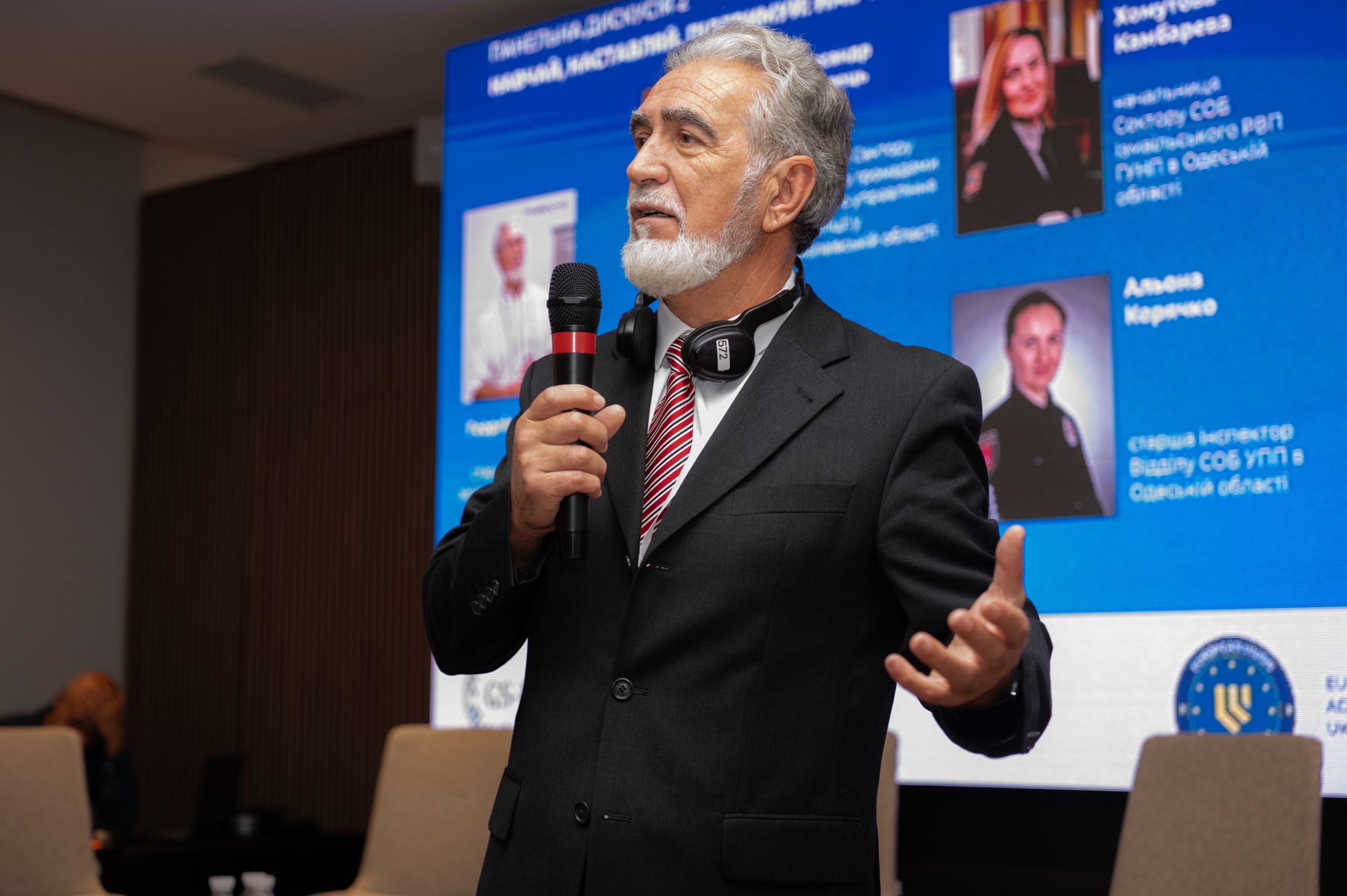
Georgios Pokas, EUAM Senior Adviser on General Policing, emphasised the importance of ensuring that the knowledge gained through training translates into lasting improvements in police practice.
“Training individual officers is an important first step, but its real value comes when the knowledge they gain becomes part of everyday police practice. This means creating opportunities for officers to share their experience, support their colleagues and apply new approaches in the communities they serve. The forum is an opportunity to discuss how we can make this process sustainable.”
The discussions also addressed a particularly important question: what happens after someone identifies a potential risk to a child?
From bullying and domestic violence to online recruitment and self-harm, different risks may first become visible to teachers, school security officers, psychologists or community police officers. Responding effectively depends not only on recognising warning signs, but also on knowing whom to inform, who takes responsibility and how the institutions involved should coordinate their actions.
Participants explored opportunities to improve information sharing, clarify responsibilities and strengthen joint preparedness, drawing on practical experience from Odesa and Mykolaiv regions.
The permanent presence of police officers in schools can also make a difference in preventing conflicts before they escalate. Unlike occasional preventive visits, having an officer regularly present in the school environment creates opportunities to recognise problems early, engage with children and help resolve conflicts before they develop into bullying.
As Sytnyk explained, school safety requires both capable personnel and adequate equipment, but also well-established procedures that can be put into practice when an emergency occurs. “We need to make safety a priority, develop different response procedures and practise them together as a team. We must be prepared rather than assume that an emergency will happen somewhere else and will not affect us,” she stressed.
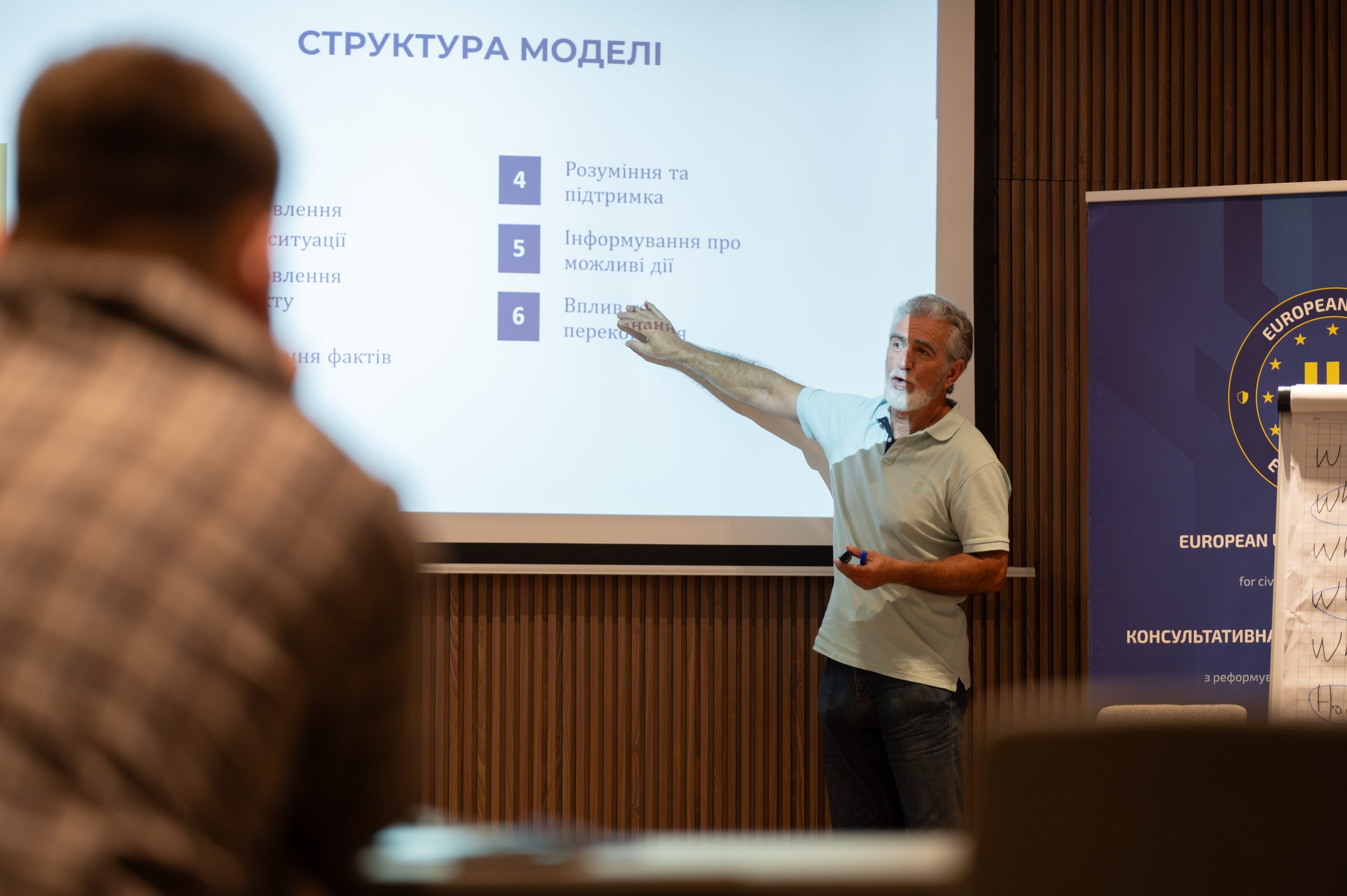
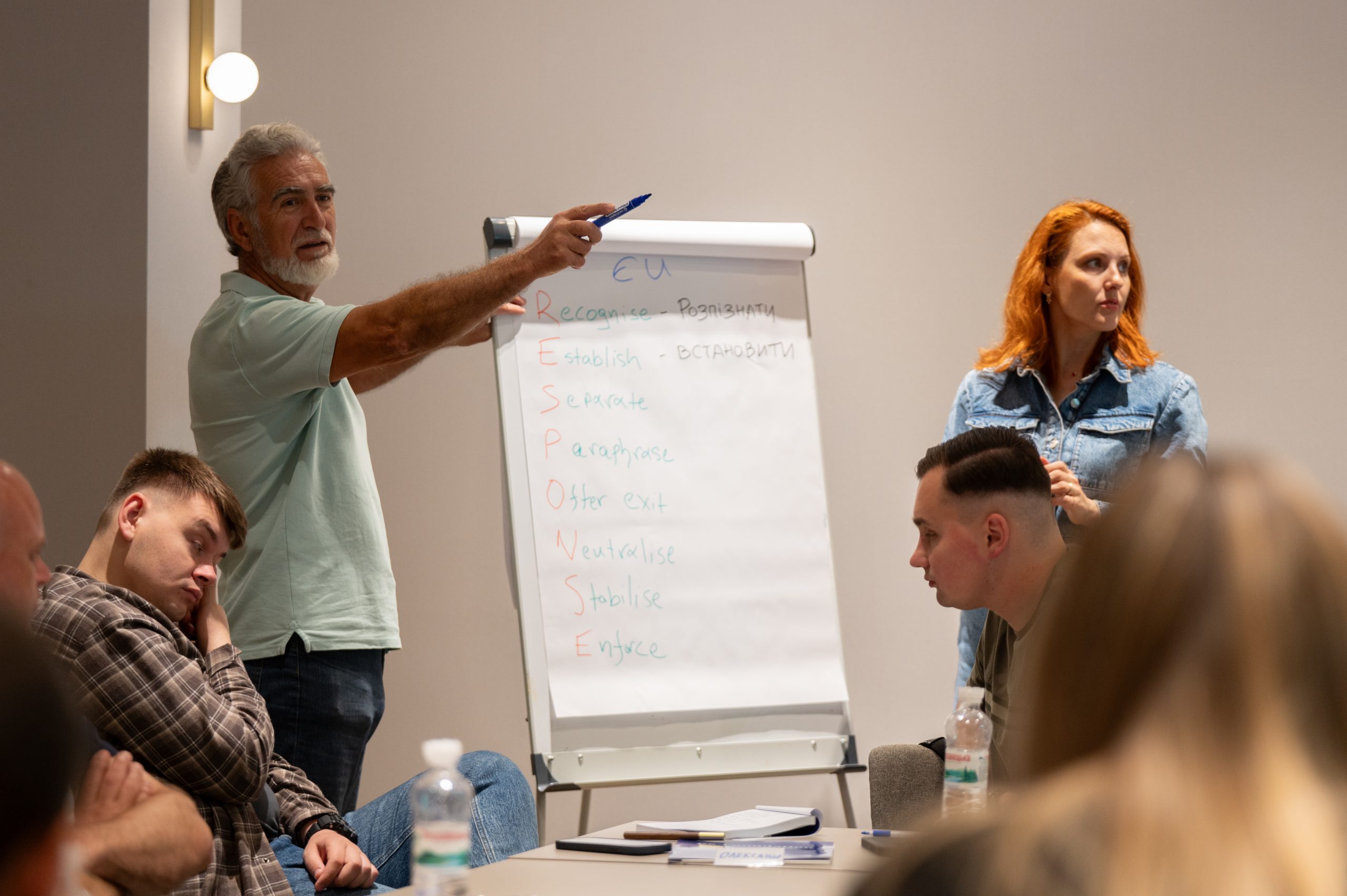

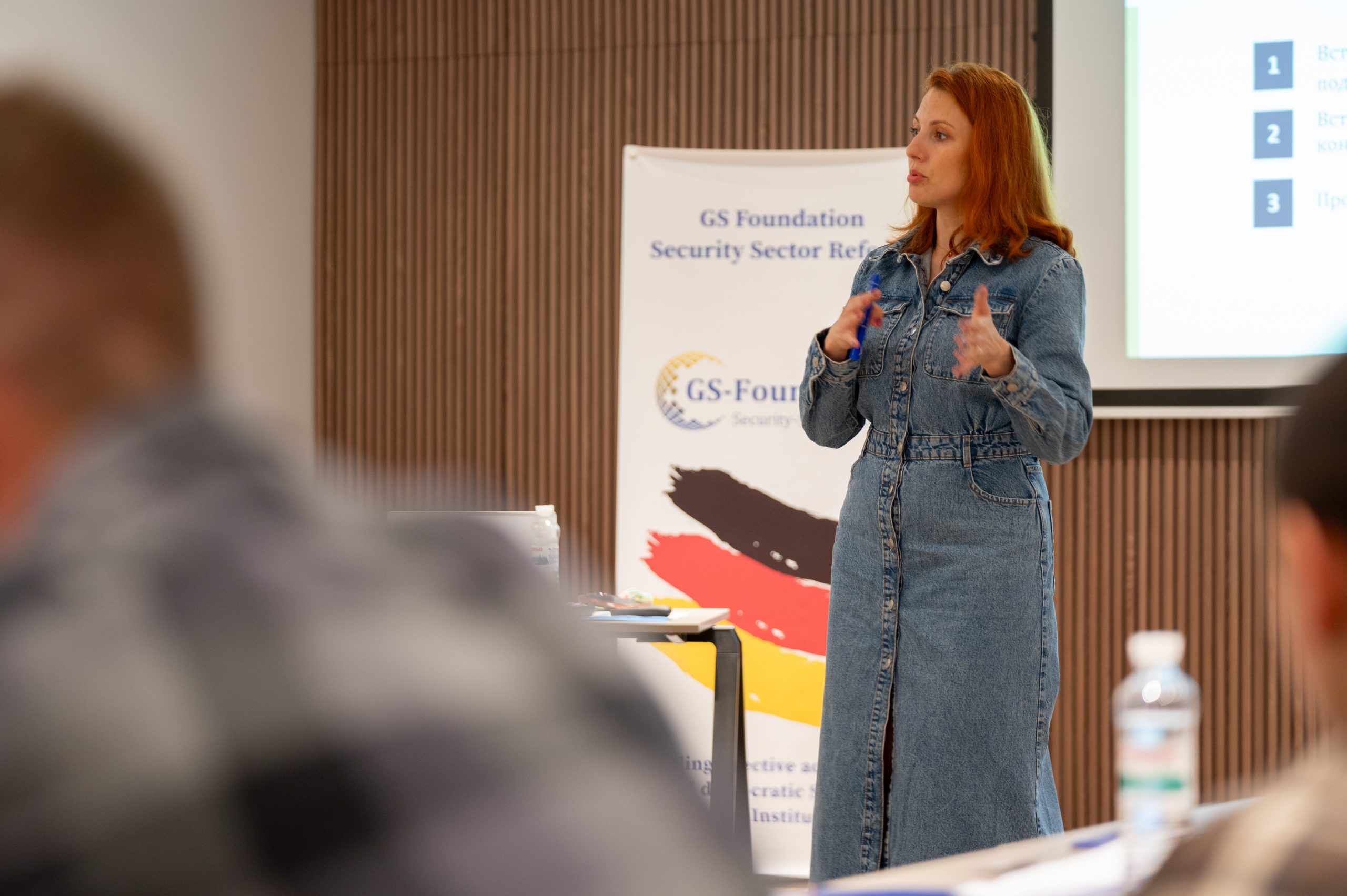

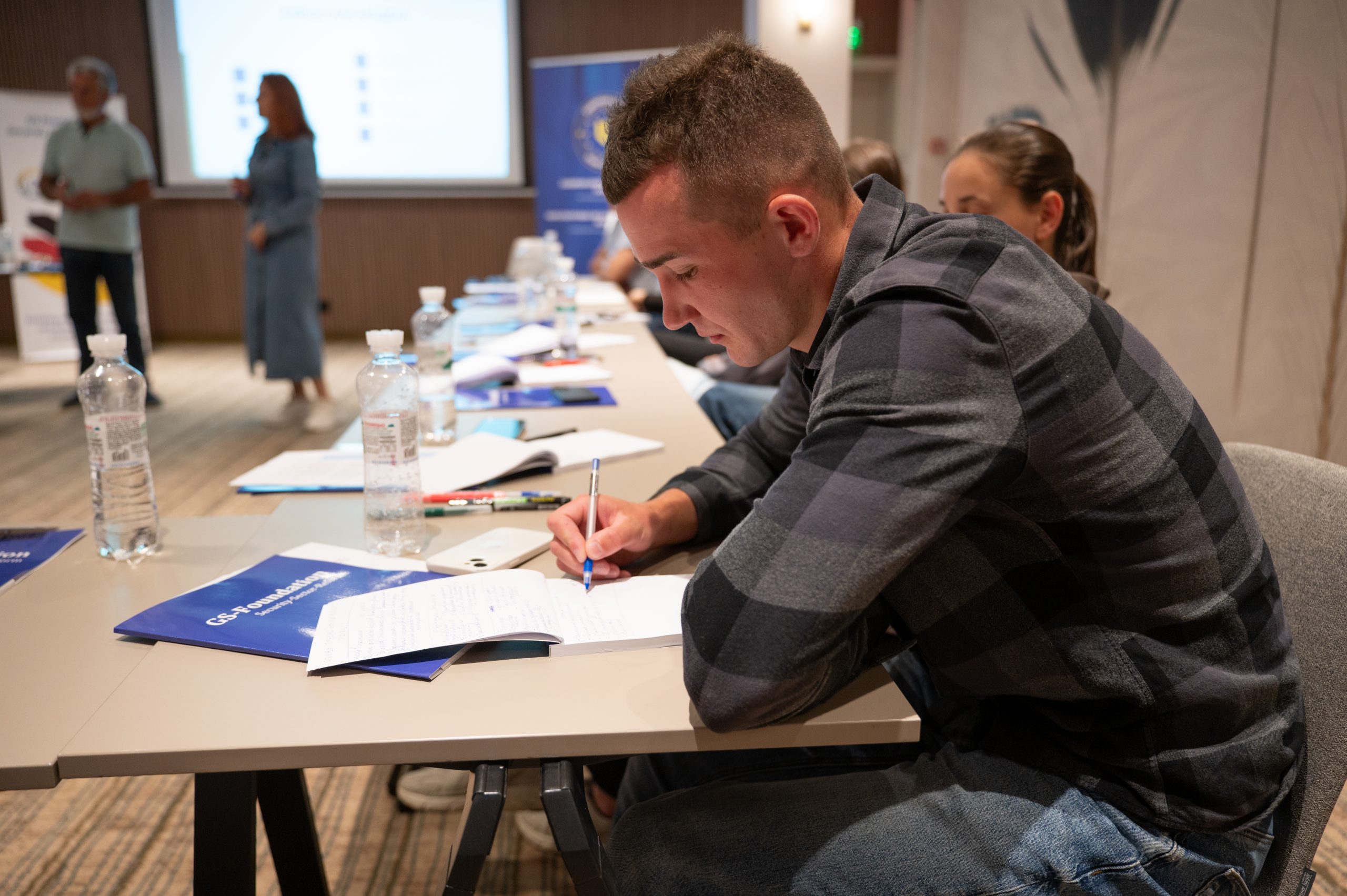
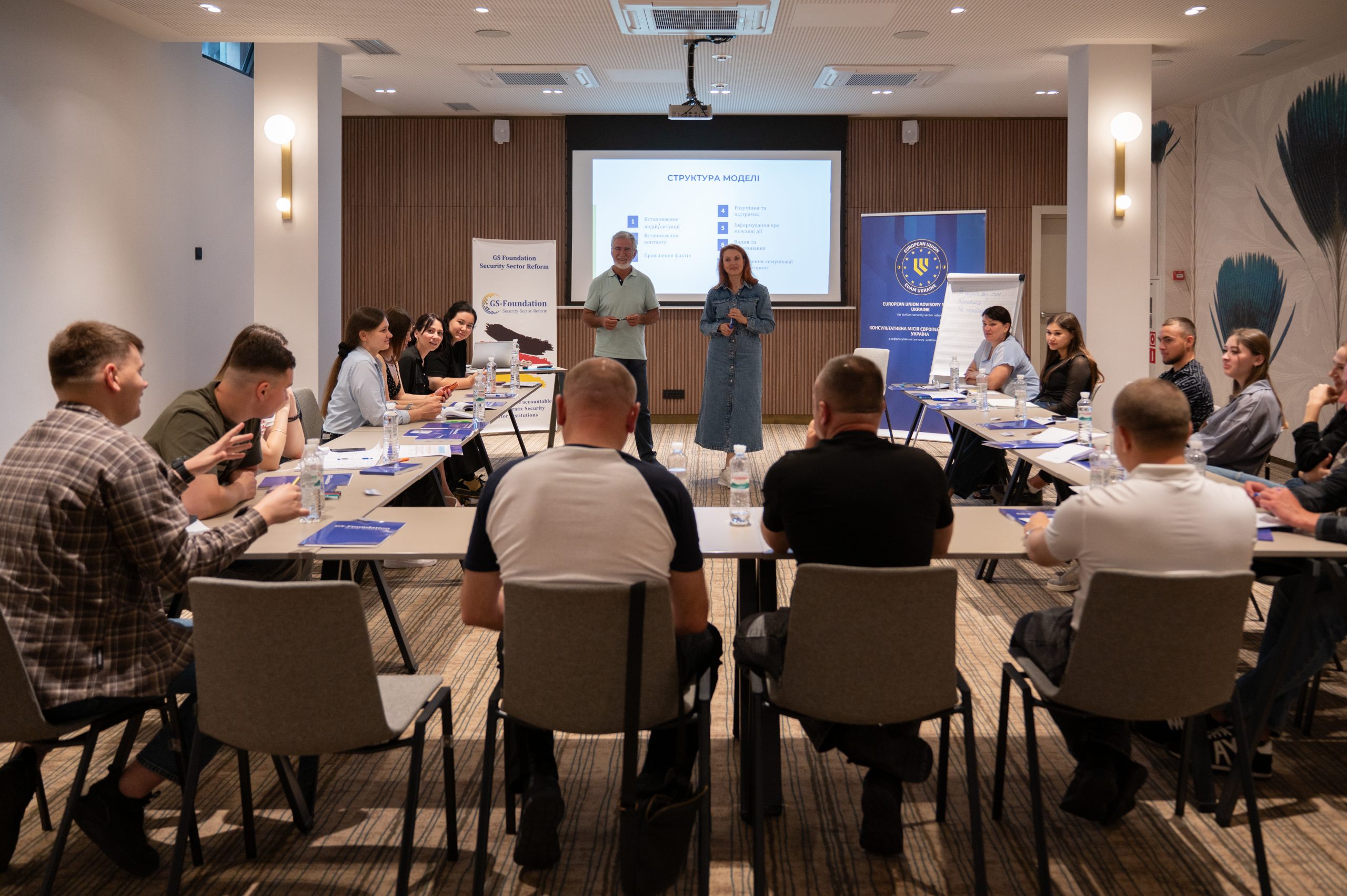
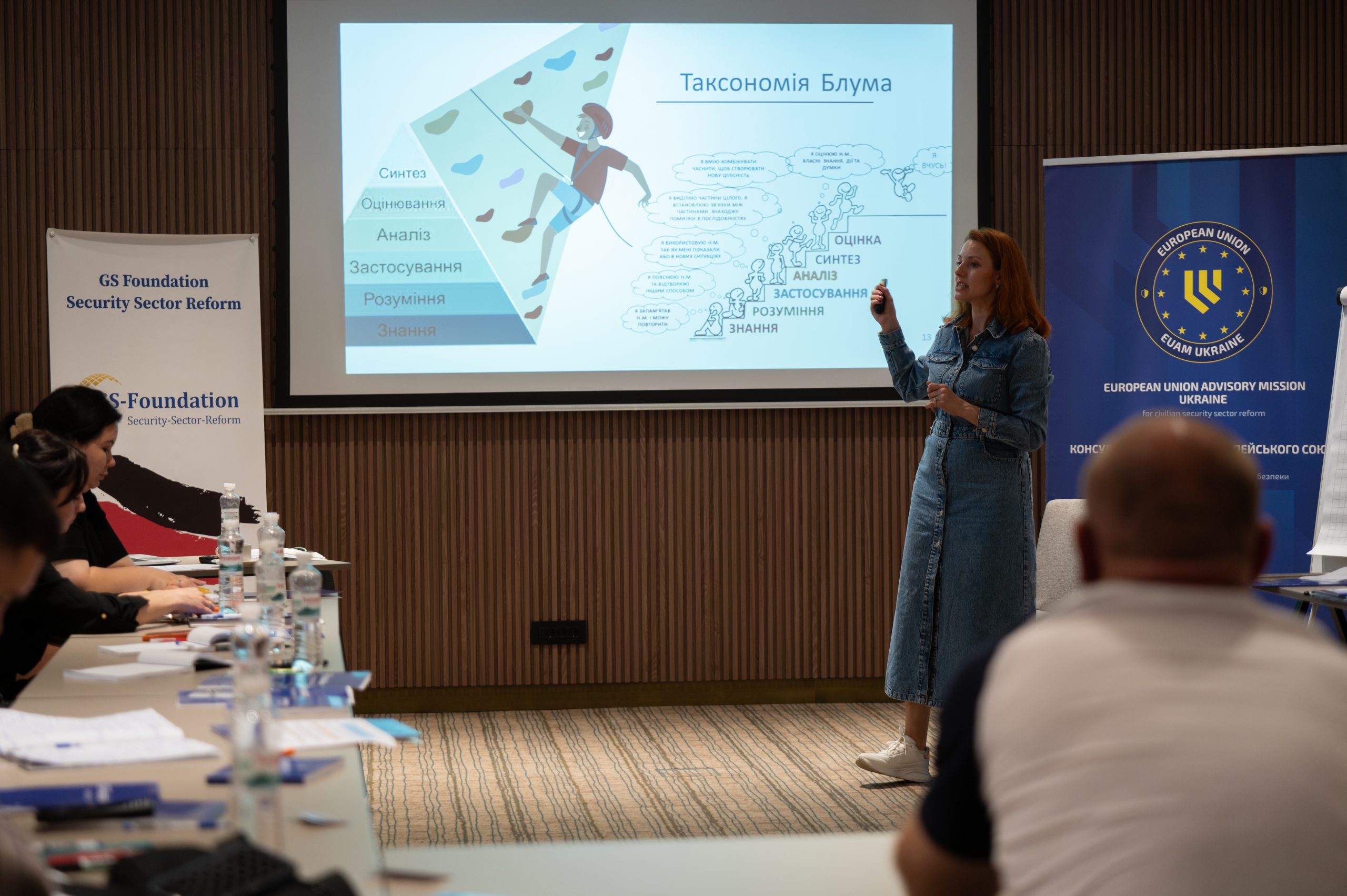

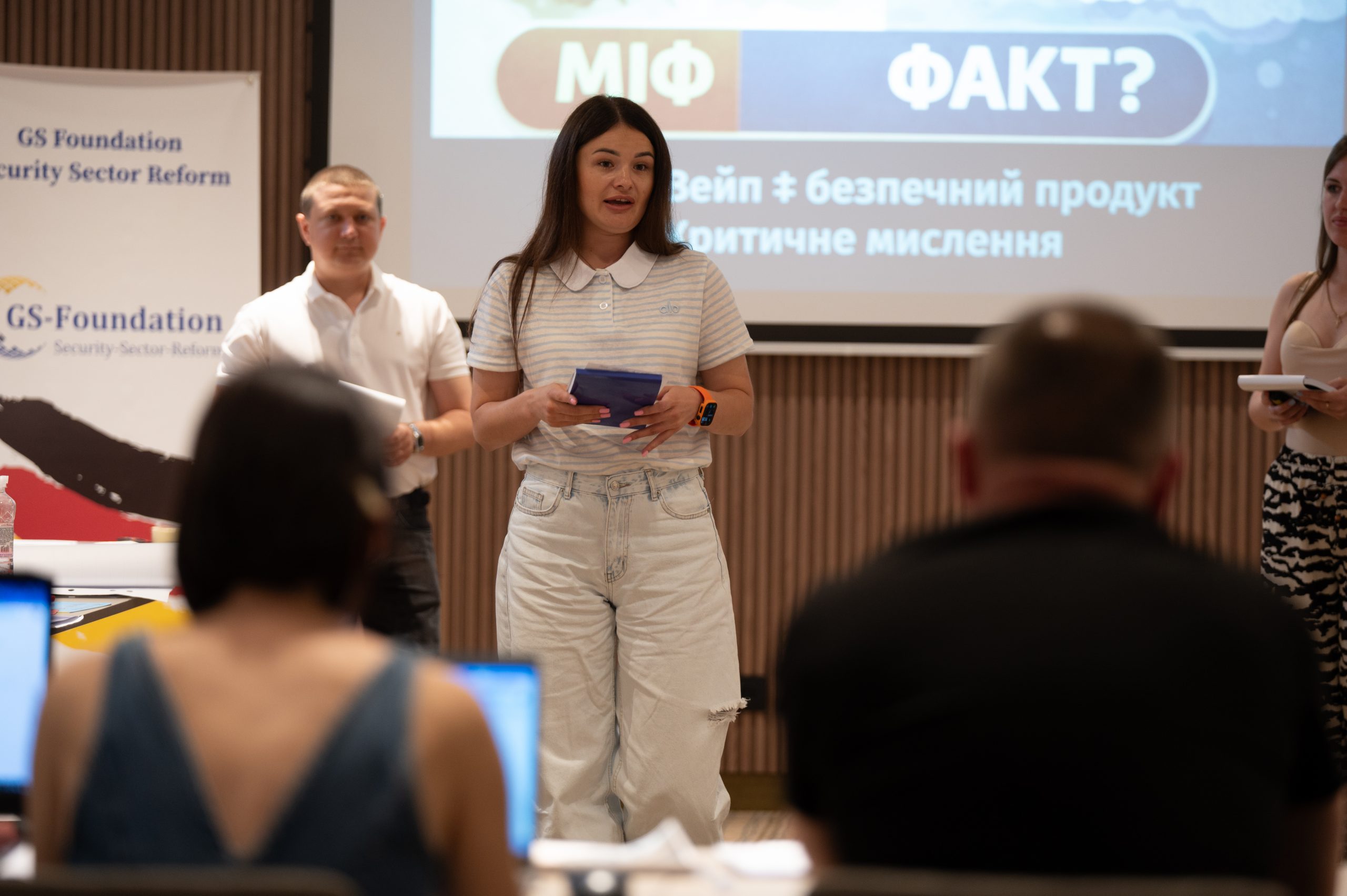
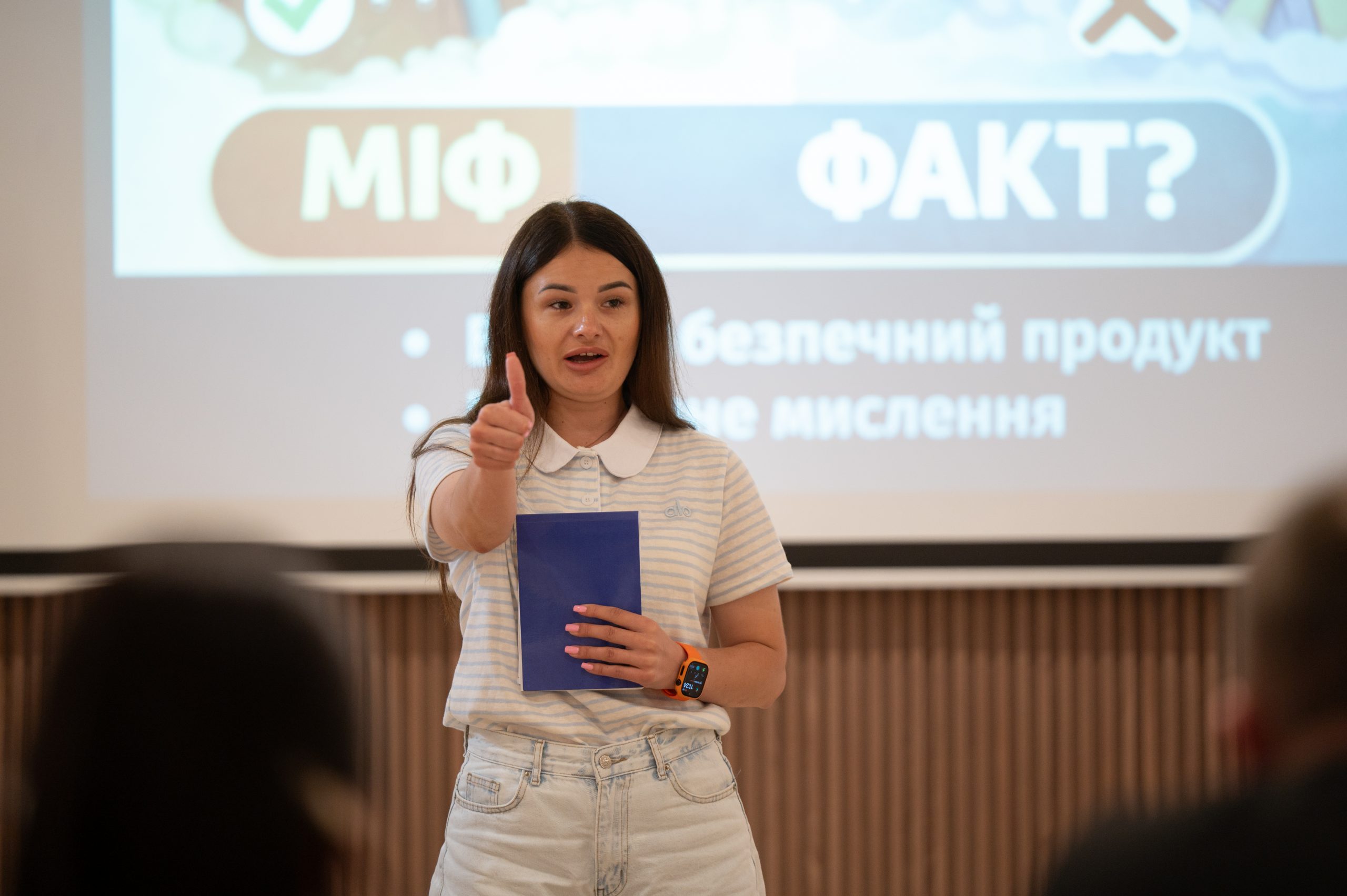
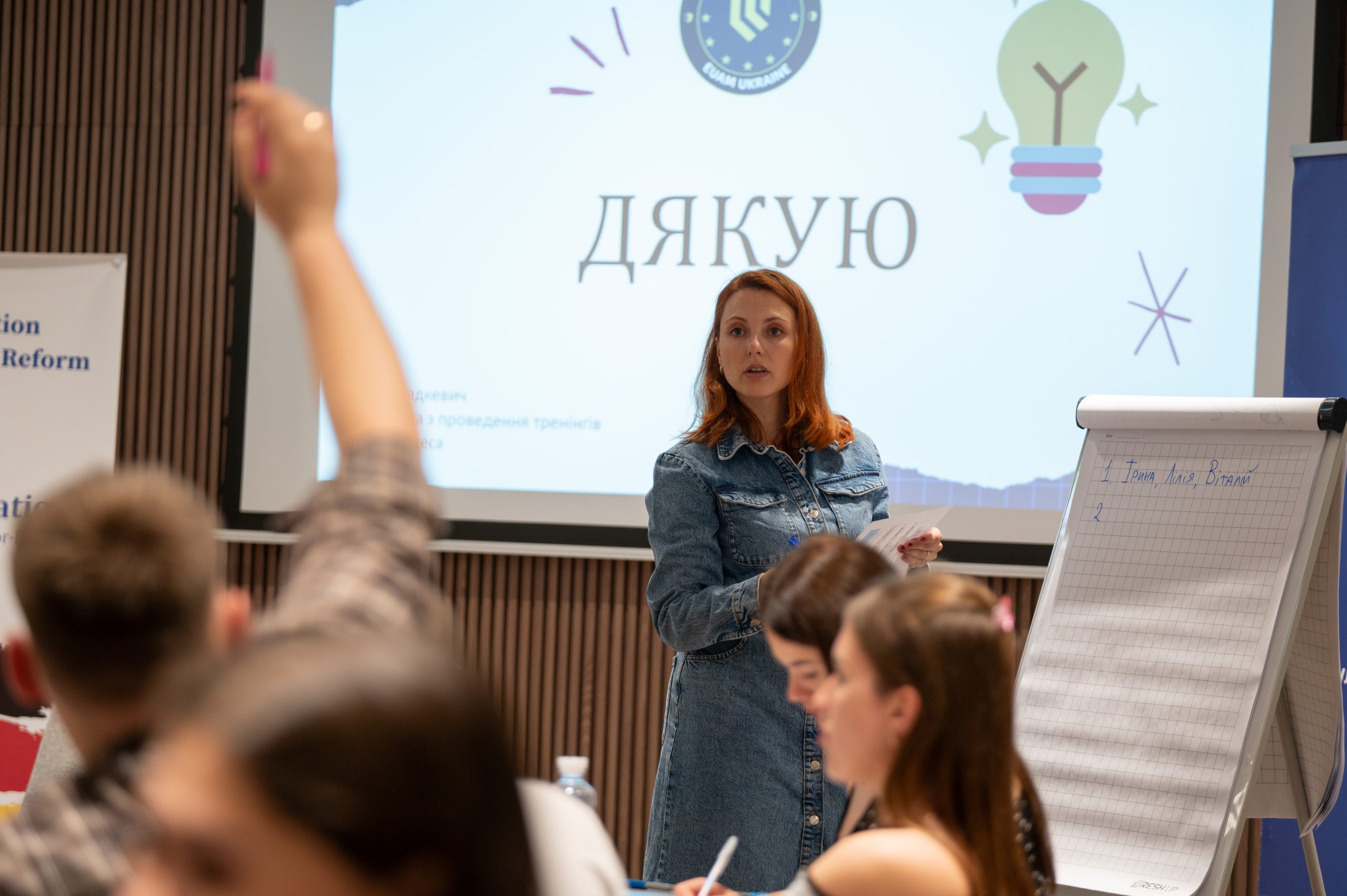



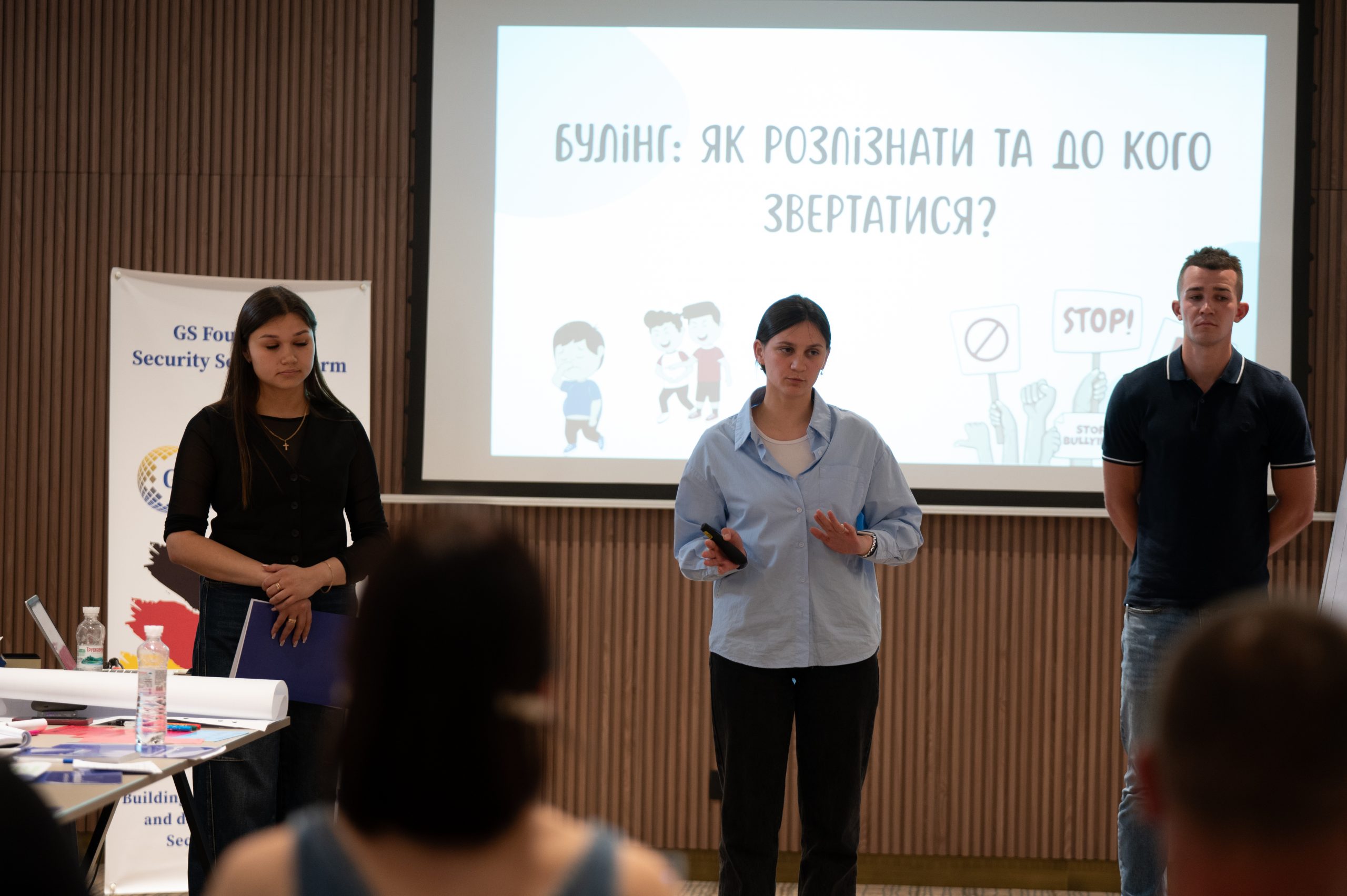




















Beyond exchanging experience, the forum encouraged participants to identify practical ways to strengthen cooperation between police, schools and local authorities. Discussions highlighted the importance of sharing successful local initiatives, learning from challenges faced by different communities and developing approaches that could be adapted and applied more widely.
The exchange also provided an opportunity for national-level decision-makers to hear directly from officers and community representatives working on the ground, helping connect local experience with broader discussions on school and community safety.
The forum built on a series of five regional Training of Trainers (ToT) sessions jointly implemented by EUAM and GS Foundation through the EQUALFORCE project. The trainings reached almost a hundred police officers from Mykolaiv, Kirovohrad, Kherson and Odesa regions, covering crisis communication, conflict management, de-escalation techniques, cybercrime and online recruitment, juvenile delinquency prevention and gender mainstreaming.




















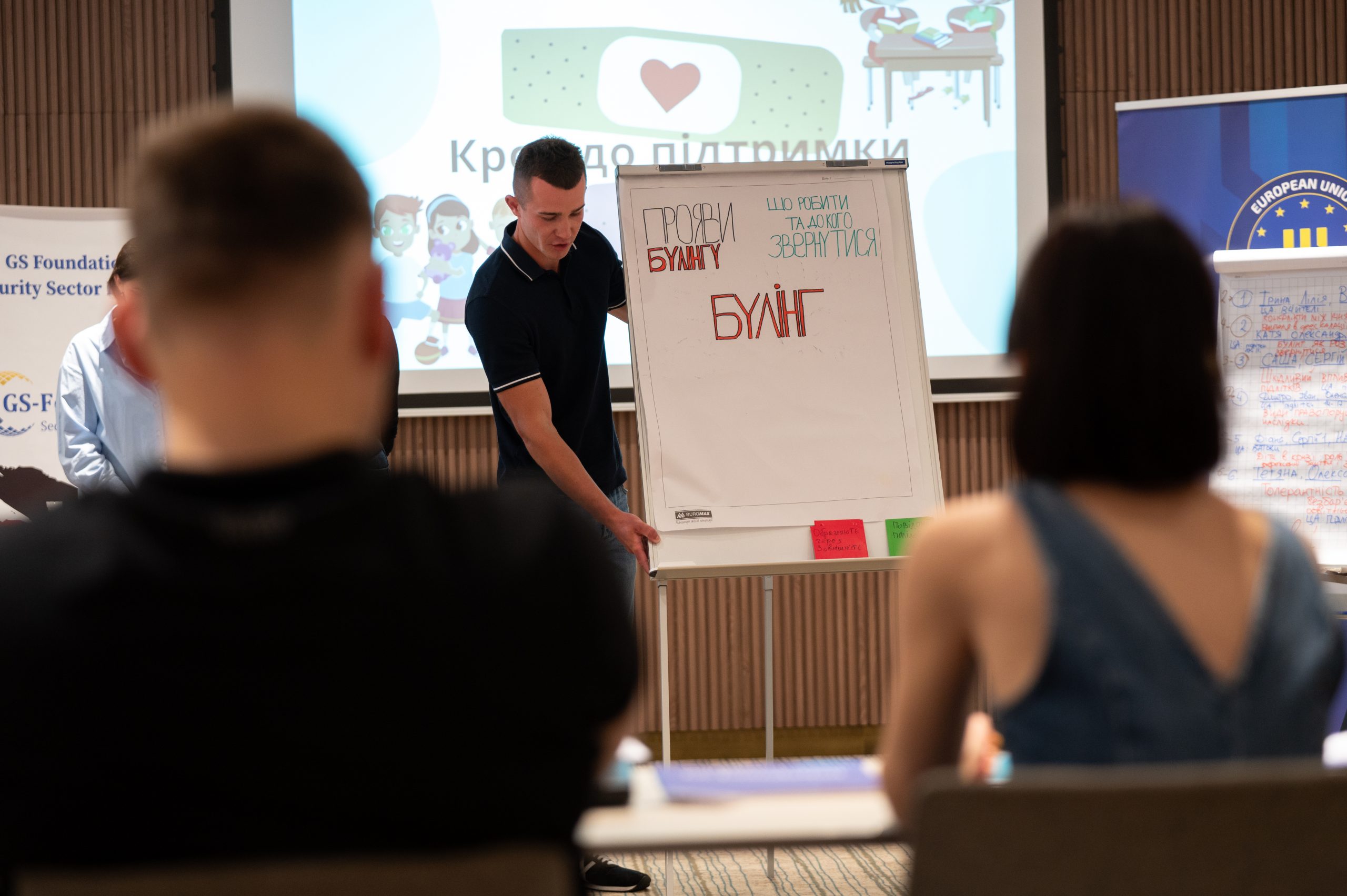
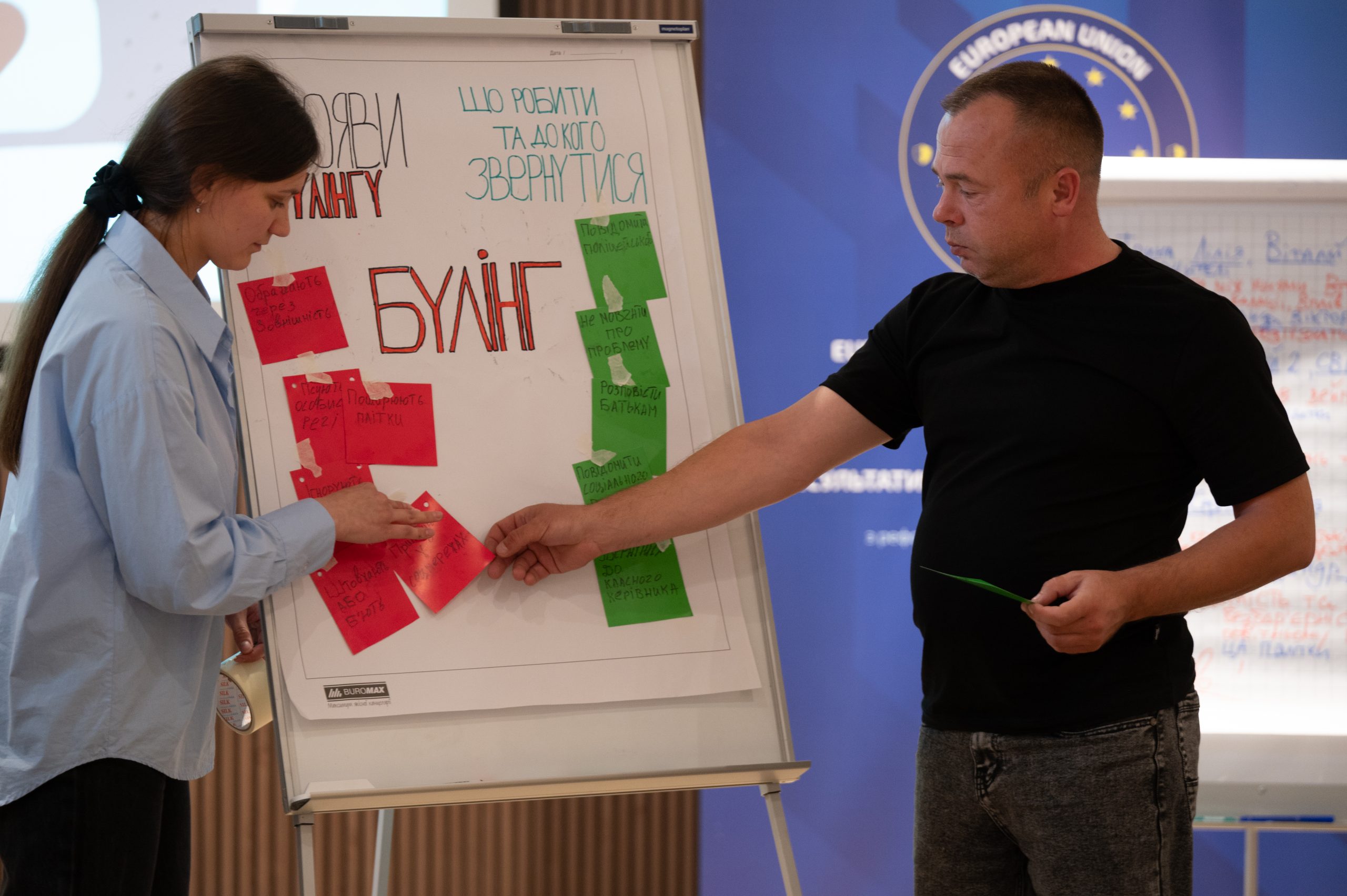
The training programme placed particular emphasis on practical learning and the ability of participants to pass their knowledge on to colleagues. Officers worked through practical exercises, practised communication and de-escalation techniques, and developed their own educational materials on issues they encounter in their daily work, including bullying, juvenile delinquency prevention and communication with children affected by war.
For officers working in schools, these skills are particularly relevant in the context of Russia’s ongoing war against Ukraine. Frequent air alerts, disrupted lessons and the psychological impact of attacks create additional challenges for both children and educators. School security officers are often involved not only in coordinating safety procedures but also in delivering preventive lessons, recognising early warning signs and working alongside school psychologists to support children.
The trainings also highlighted the importance of trust and two-way communication with children. Listening to their concerns, encouraging feedback and adapting communication to different age groups can help officers better understand the challenges children face and identify potential problems before they escalate.
By bringing together policymakers, police practitioners, educators and local authorities, the forum marked a further step in translating the training initiative into practical cooperation on the ground. EUAM and EQUALFORCE aim to support Ukrainian partners in developing sustainable approaches to school and community safety that extend beyond school gates and respond to the needs of the communities they serve.
The forum was jointly organised by EUAM Field Office Odesa and GS Foundation within the EQUALFORCE project, funded by the German Federal Foreign Office.
