
From open sources to stronger CRSV cases: EUAM supports OSINT training for investigators in Zaporizhzhia region
May 22, 2026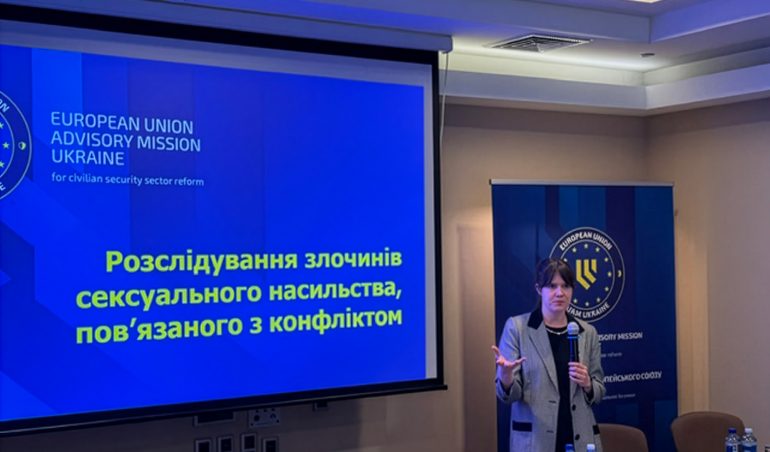
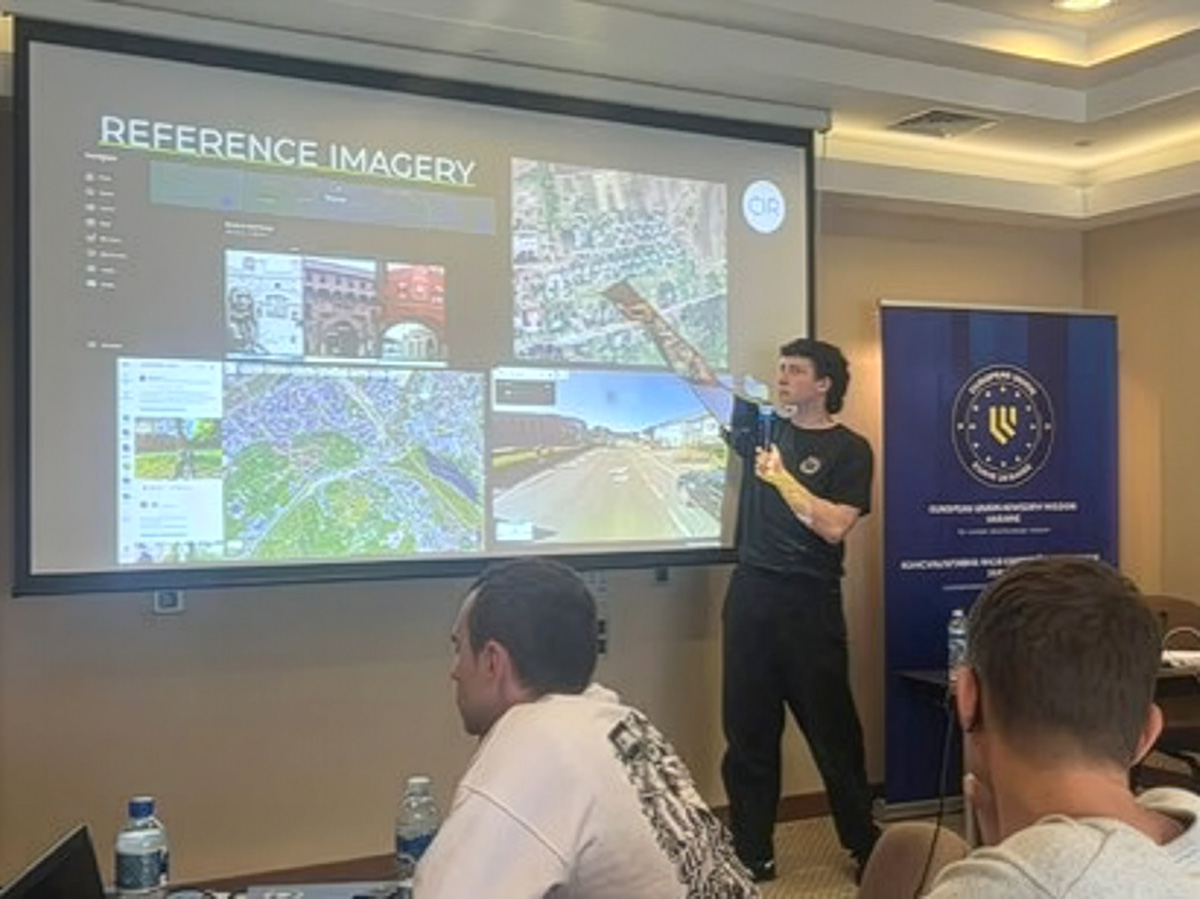
A street sign in the background of a video. A building, a road, a shadow, a digital trace left online. In any criminal investigation, such details can help establish where a crime took place, identify possible perpetrators and connect one case to a wider pattern. In conflict-related sexual violence (CRSV) cases, open-source intelligence (OSINT) and digital tools can be very valuable, helping investigators work faster, detect links that might otherwise be missed, and build stronger, evidence-based cases.
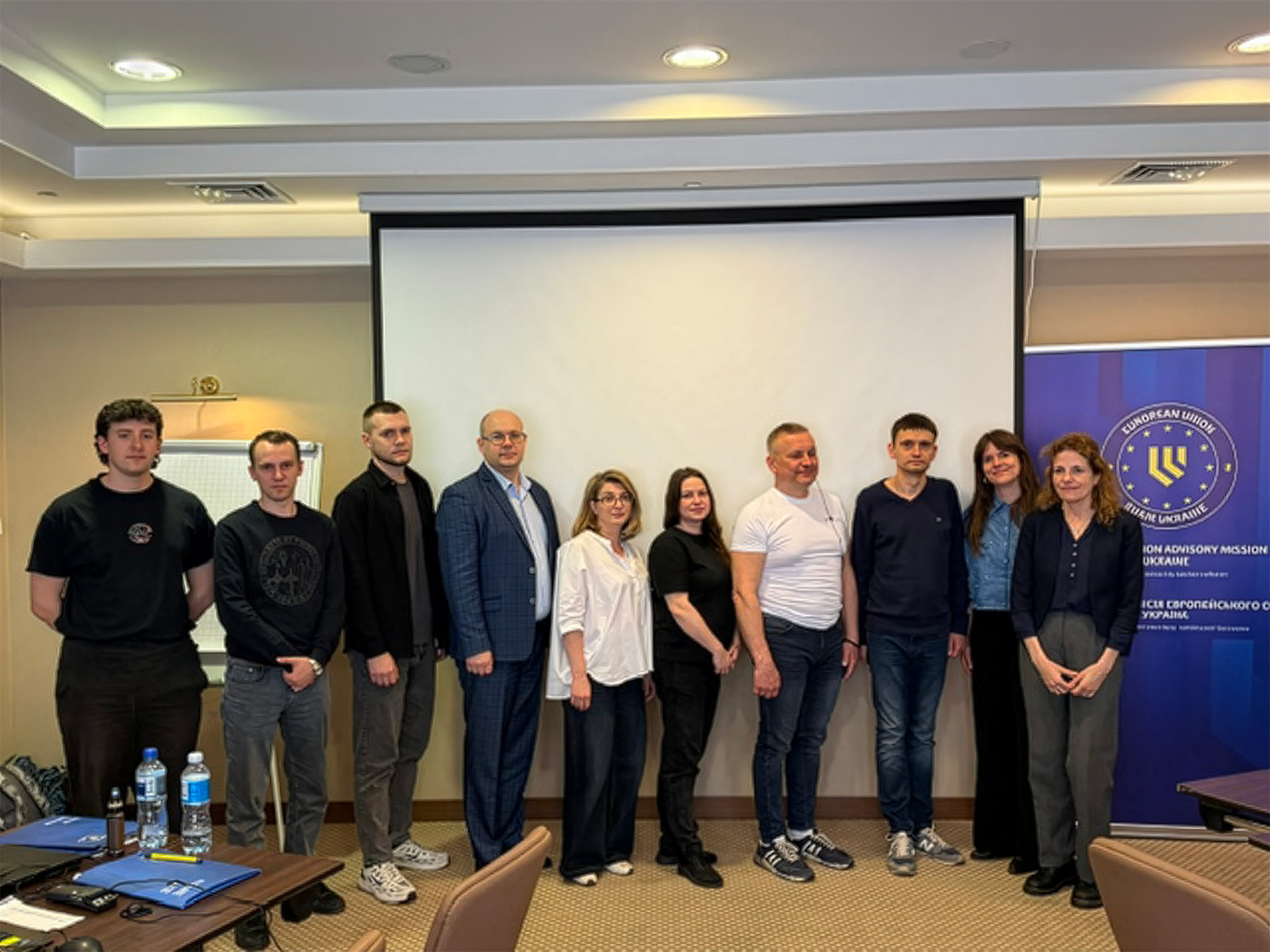
On 13–14 May, EU Advisory Mission (EUAM) Ukraine and the Centre for Information Resilience (CIR) brought this practical approach to prosecutors and investigators from the Zaporizhzhia region, where CRSV-related cases are increasingly handled at the regional level.
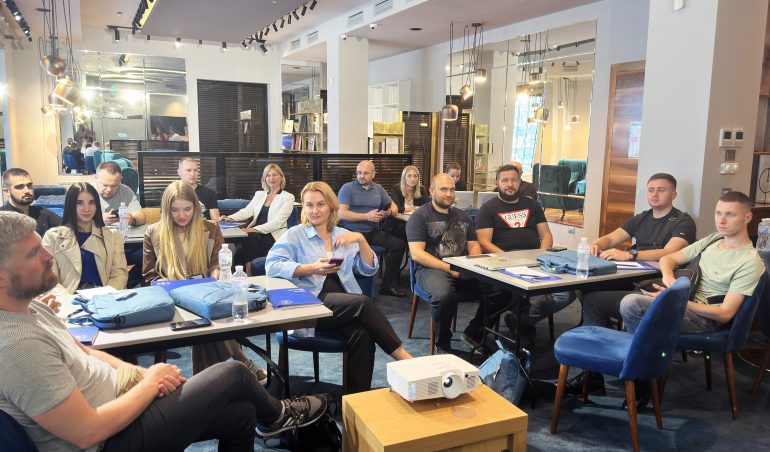
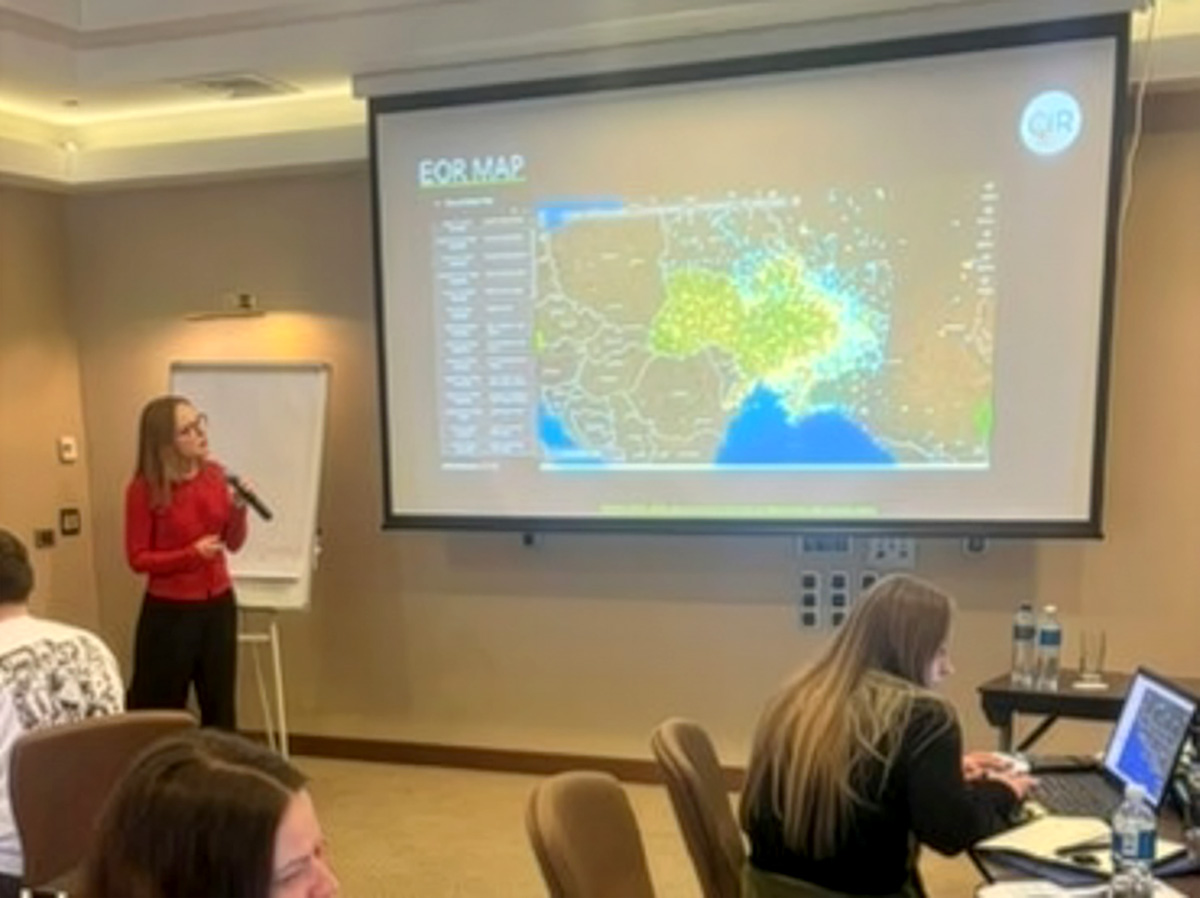
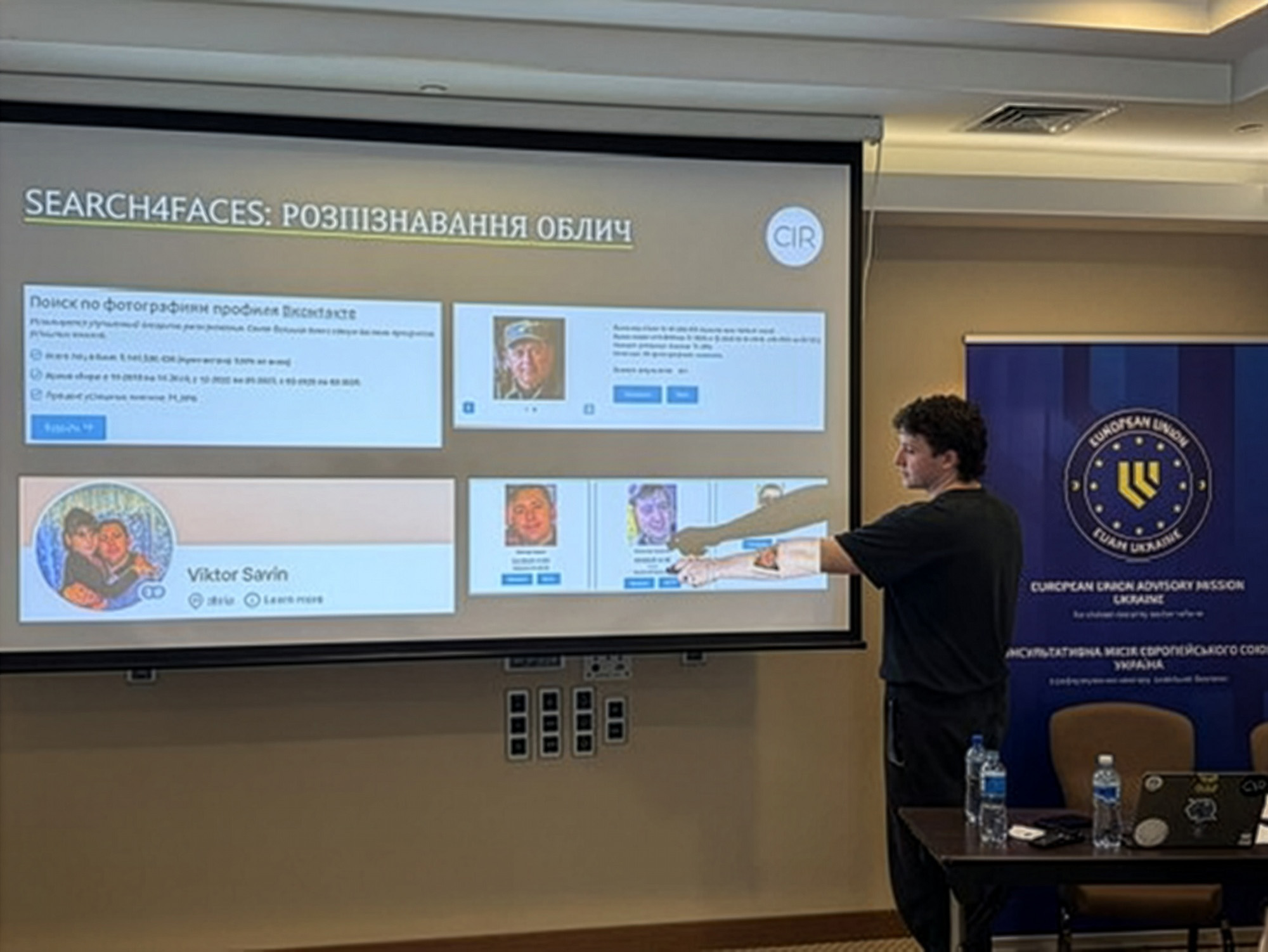
The two-day workshop focused on OSINT, criminal analysis and the safe, ethical use of digital evidence in sensitive investigations. Participants from the Regional Prosecutor’s Office, the Security Service of Ukraine and the National Police of Ukraine from the Zaporizhzhia region worked through practical exercises in geolocation and profiling, using mock cases to test how online material can support real investigations.
The training also addressed one of the most difficult parts of CRSV work: recognising the crime in all its forms. EUAM experts discussed common misconceptions, including violence against men and boys and forms of CRSV that do not involve physical contact, such as forced nudity.
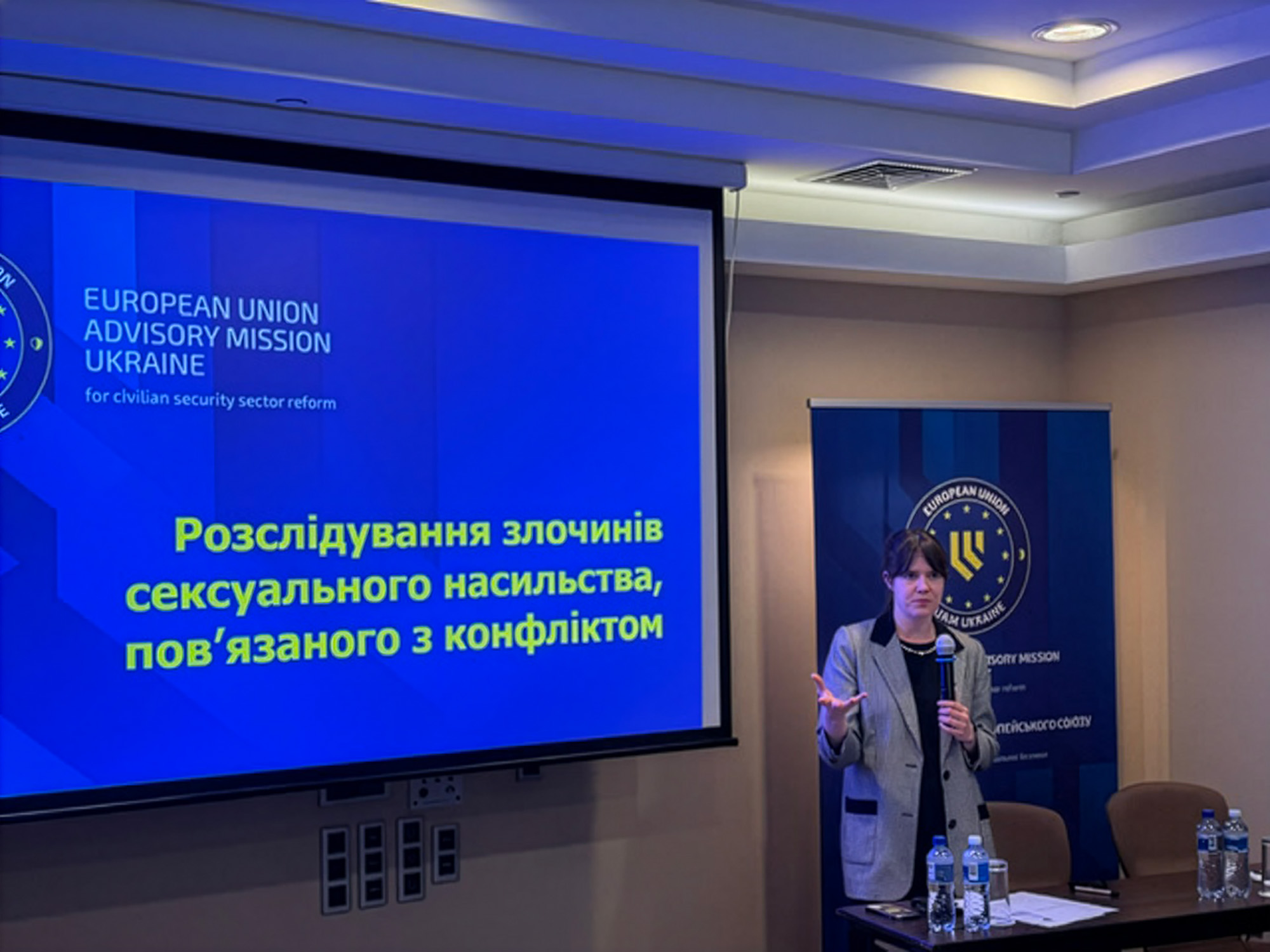

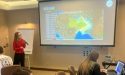


“OSINT and criminal analysis are key techniques that can help advance investigations of conflict-related sexual violence. At the same time, it is important that these investigations are conducted in a manner that is safe and upholds the rights of survivors,” said Pauline Brosch, EUAM Senior Adviser on Investigation of Conflict-Related Sexual Violence.
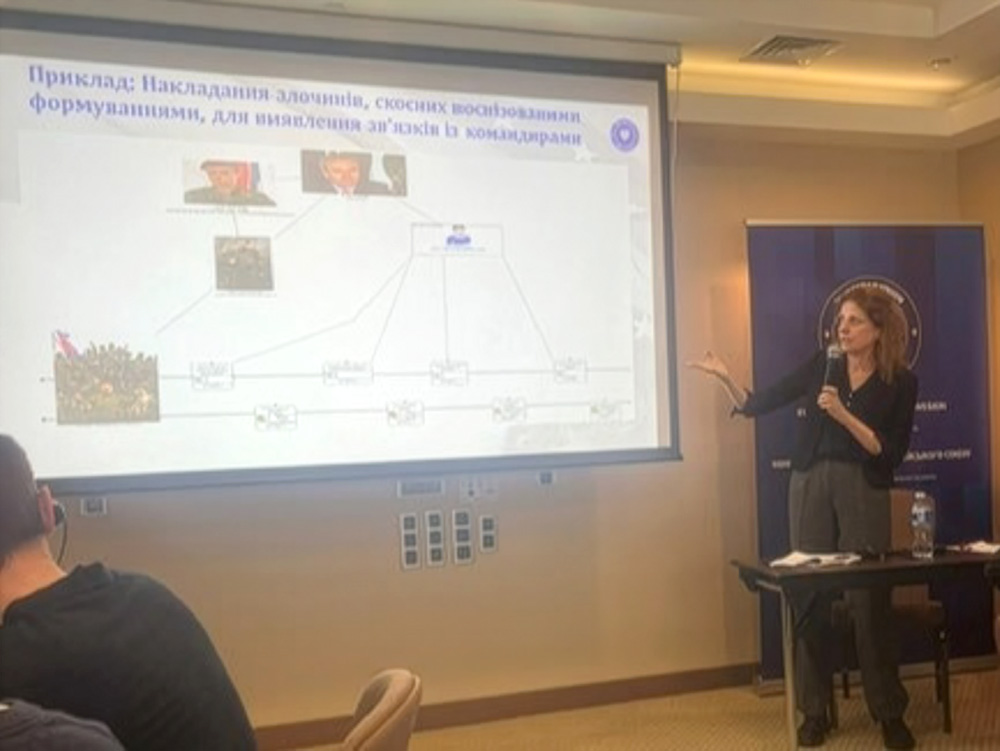
The workshop then moved from finding evidence to making sense of it. EUAM introduced criminal analysis tools used in international criminal cases, including actor mapping, timeline analysis and association analysis. These methods help investigators work with large volumes of information, identify gaps and connect individual criminal offences acts to command responsibility.
“In the building of cases against perpetrators of international crimes, especially those with command responsibility, having an ongoing critical assessment of the evidence, its strengths and weaknesses and detecting intelligence and information gaps plays an important role,” said Helena Habraken, EUAM Senior Adviser on Criminal Analysis.
For participants, the practical focus was particularly important, given the growing workload and pressure on regional investigators dealing with complex CRSV cases.
By combining OSINT, criminal analysis and a survivor-centred approach, the workshop helped strengthen the capacity of regional investigators to handle these cases more effectively, responsibly and with a clearer focus on evidence that can support accountability.