
Senior Leadership Course: Why Leadership Training Matters for Public Trust
February 04, 2026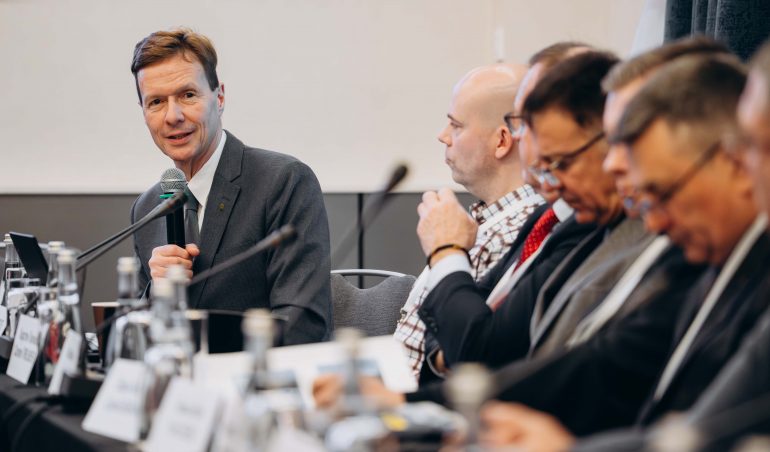
Law enforcement institutions are often judged by their most visible actions: how officers behave on the street, how crises are handled, and how openly institutions communicate. Less visible, but no less important, are the decisions taken at senior level. These decisions shape rules, set priorities, policies, and professional standards across entire organisations. Strengthening leadership at the top is therefore a prerequisite for predictable, professional, and accountable public service.
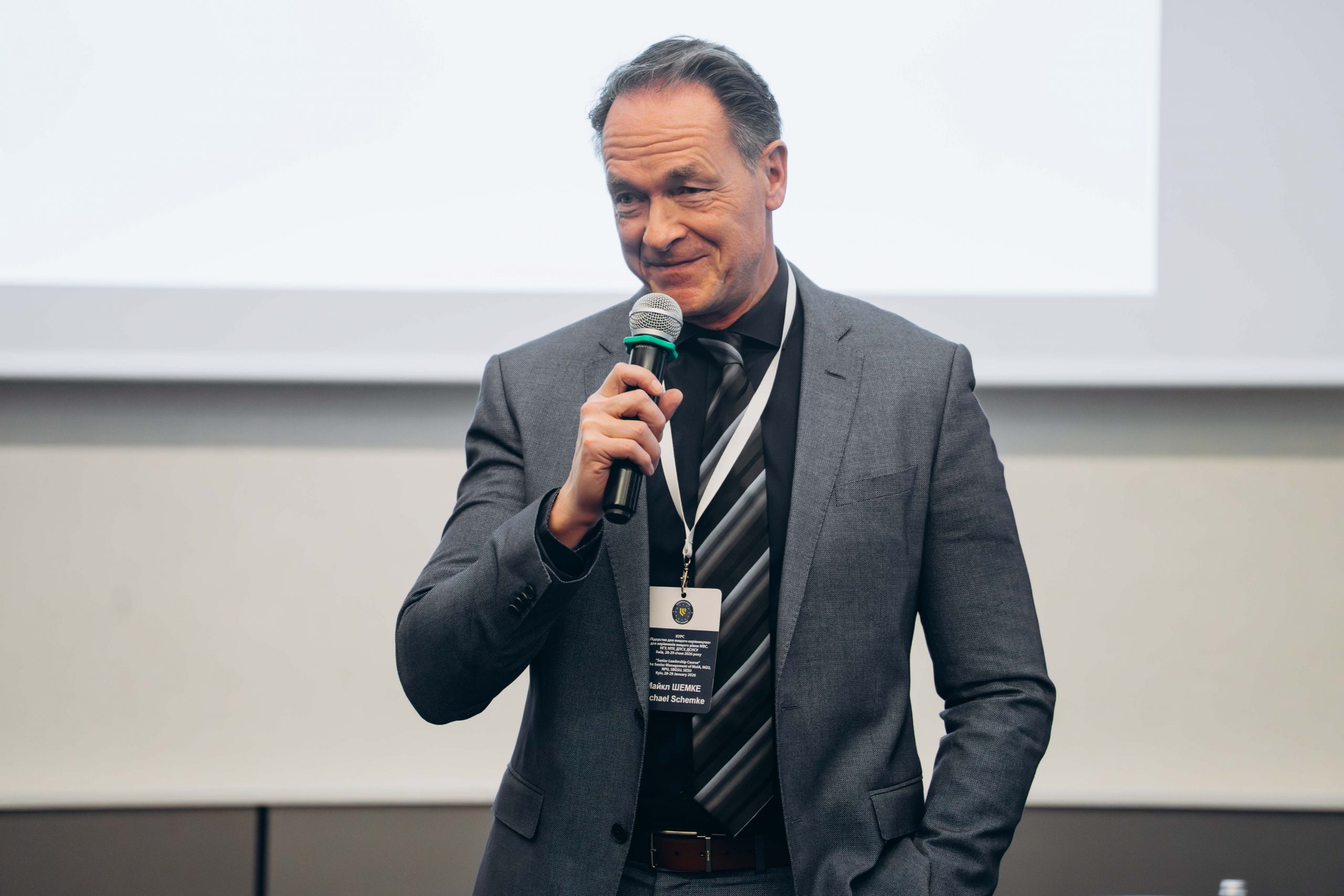
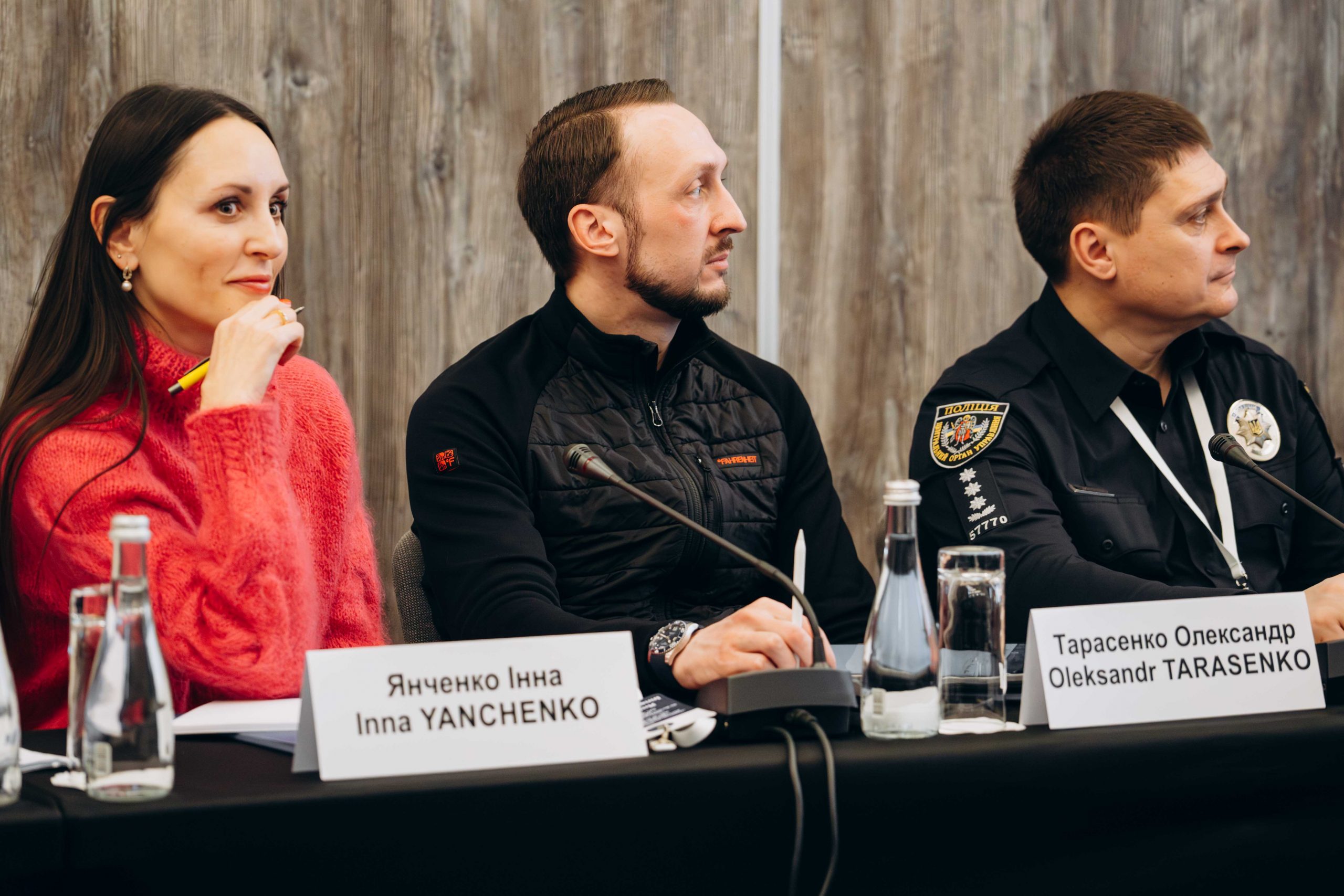
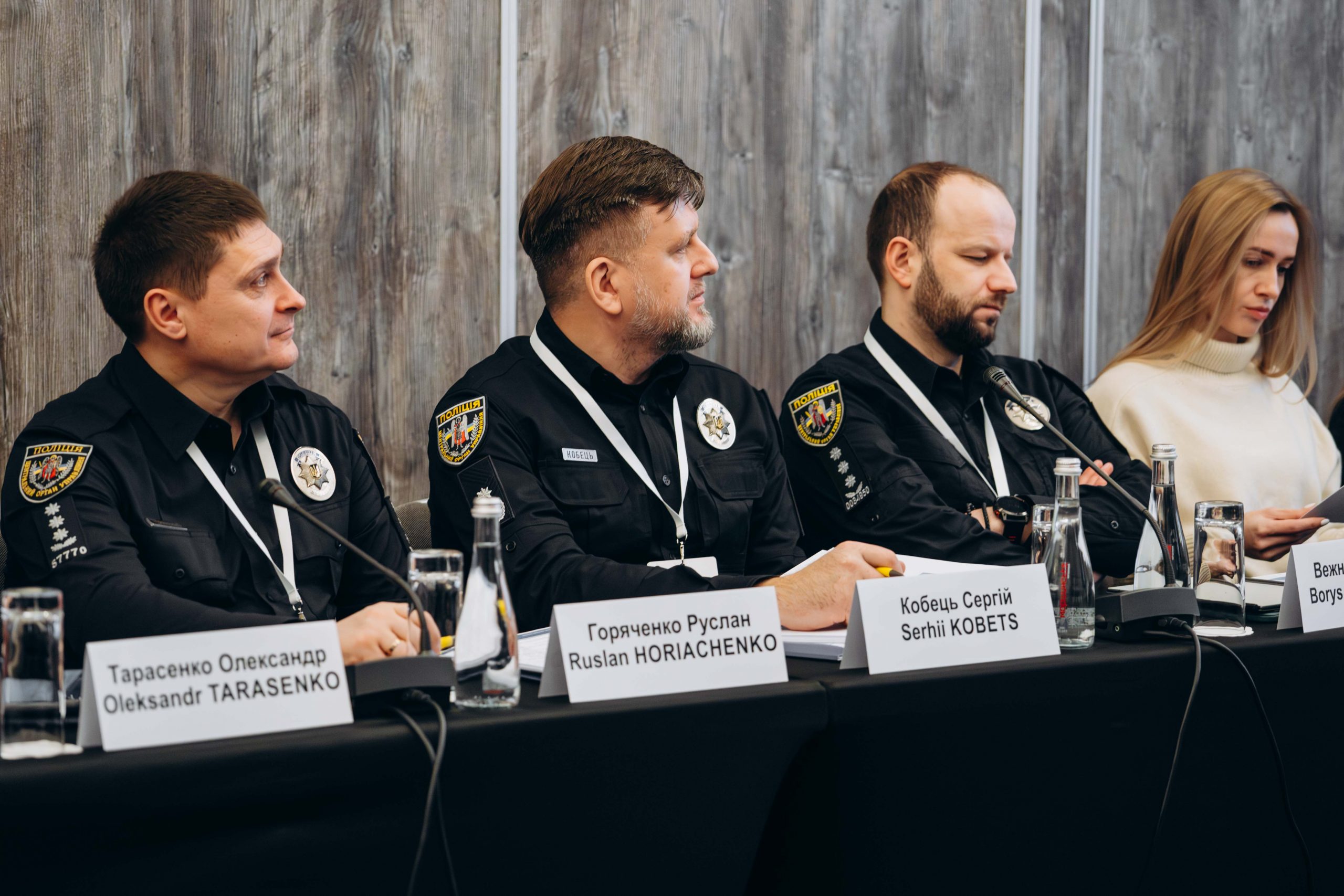
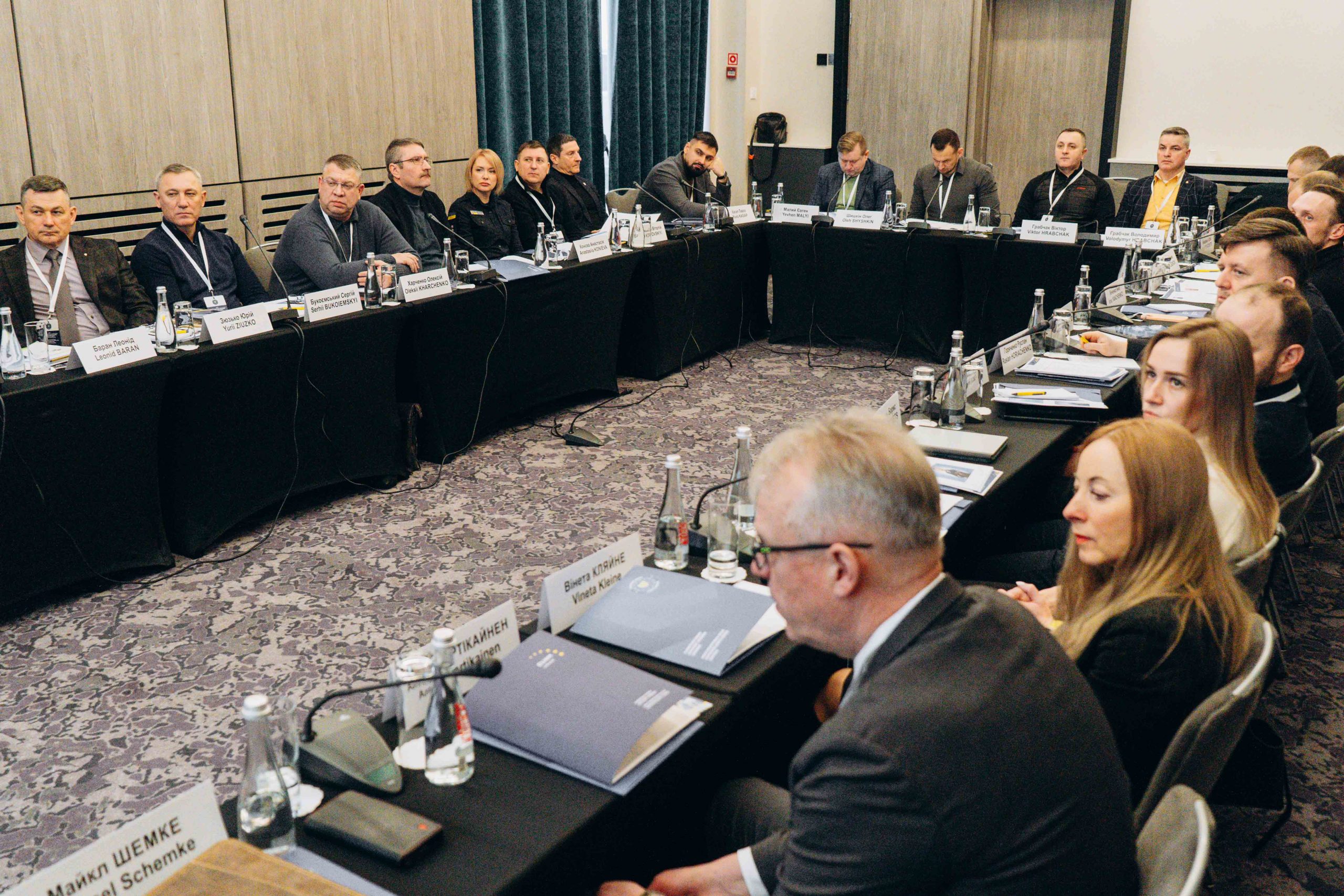
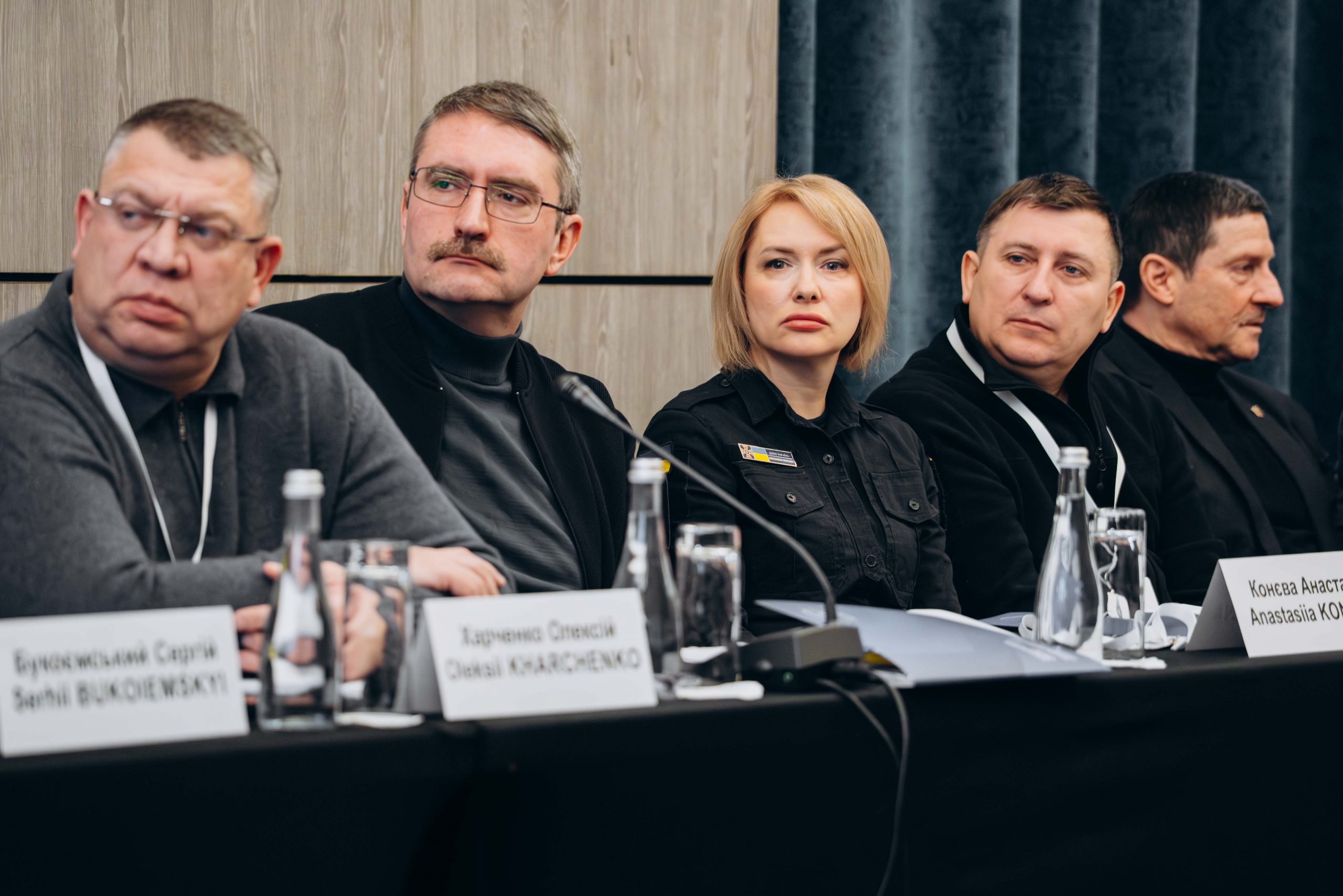
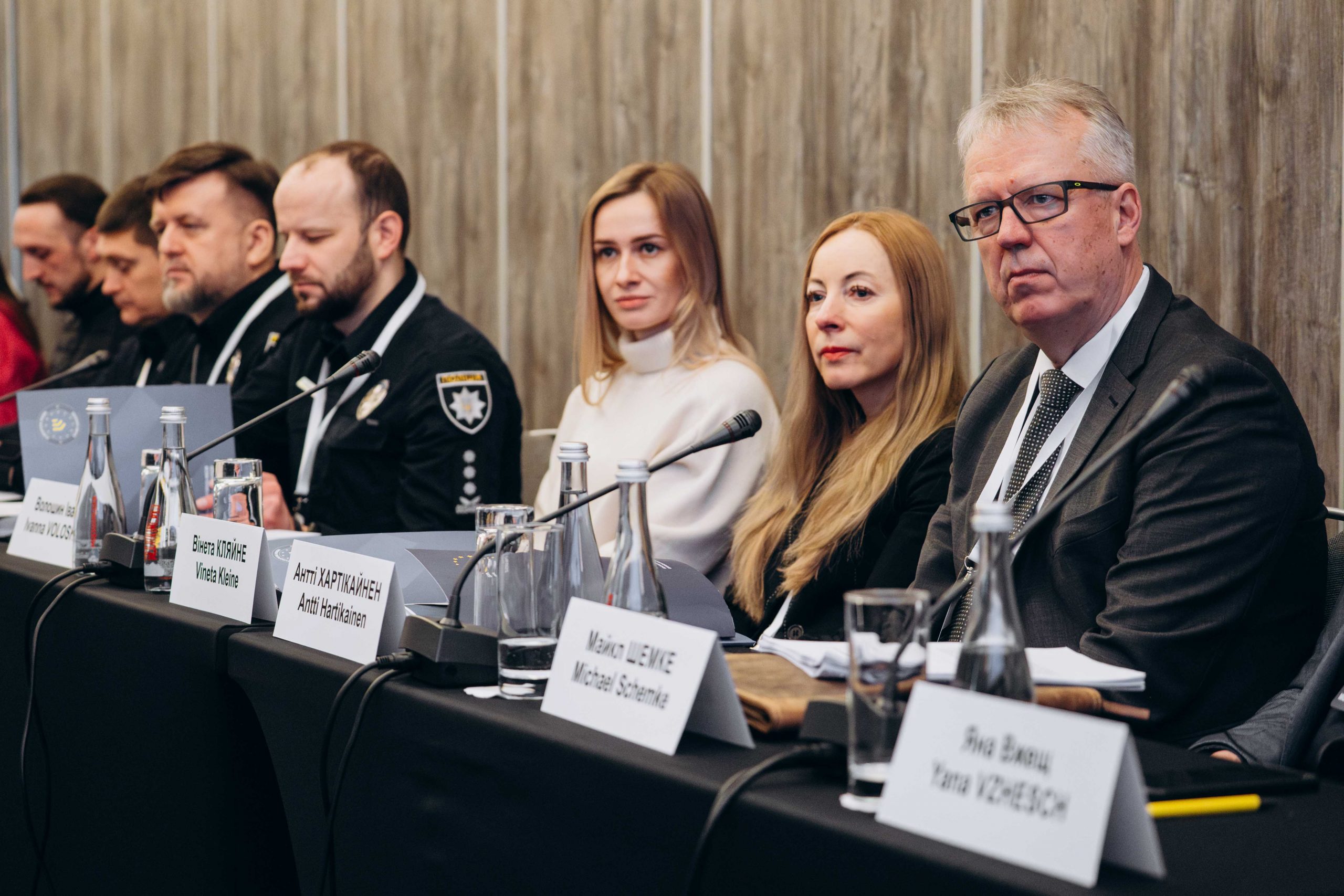
Last week, the EU Advisory Mission Ukraine launched the first of five sessions of a Senior Leadership Course (SLC) for senior management officials of the Ministry of Internal Affairs and its subordinated agencies: the National Police, National Guard, State Border Guard Service, and State Emergency Service. The course was jointly developed as advanced professional training at the request of the Ministry.
The SLC programme focuses on strategic leadership, management, critical thinking, emotional intelligence, and strategic planning. These are the tools that help leaders move beyond reactive decision-making and ensure consistency, proportionality, and professionalism across their institutions.
“Senior law enforcement leaders in Ukraine operate in an environment shaped by war, institutional reform as part of the EU integration process, and high public expectations. Decisions taken at this level affect ten thousands of personnel and millions of citizens,” explains Carsten Twelmeier, Head of Strategic Reform Component at EUAM Ukraine. “The Senior Leadership Course is designed to strengthen the ability of senior officers to lead organisations effectively in complex, dynamic, and ethically demanding environments”.
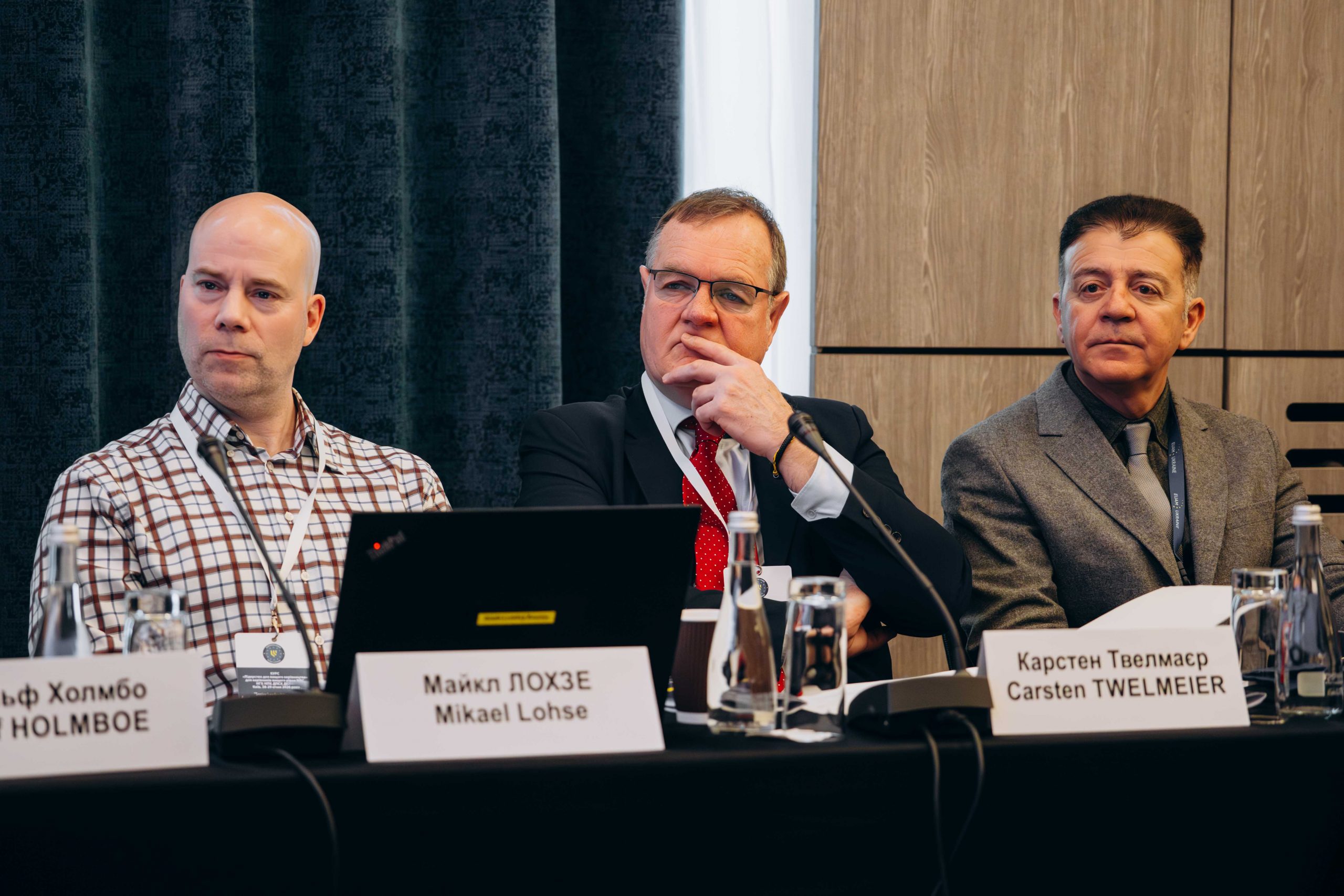
Another significant part of the course addresses oversight, transparency, and effective communication. These elements are essential for modern law enforcement, particularly in a society facing prolonged stress and uncertainty. Oversight and transparency were approached as leadership responsibilities, underlining the importance of internal and external controls, clear procedures, and accountability mechanisms as part of everyday management.
Clear and responsible communication reduces misunderstandings, supports internal discipline, and helps institutions interact with the public in a calm and respectful manner. This is why participants worked on strategic communication with subordinates, the media, and individuals affected by trauma.
The course also covered EU integration and international cooperation in law enforcement. The emphasis was placed on leadership standards common across European institutions: legality, professionalism, accountability, cross-border cooperation, and respect for human rights. These standards provide a practical framework for decision-making and institutional development.
“Leadership and management development is not a one-off solution. It is a long-term investment in how institutions function, how decisions are taken, and how responsibilities are exercised. Over time, this directly affects the quality of public service, institutional stability, and trust built through consistent professional behaviour. We strongly believe that respective curricula for all management levels must be enforced respectively drafted,” Carsten Twelmeier concluded.
The training was delivered by EUAM Ukraine senior management and advisers, with contributions from high-level experts from the GS-Foundation and the NATO Representation in Ukraine, combining international experience with practical relevance for Ukrainian institutions.
The outcome of the Senior Leadership Course lies in strengthened strategic leadership capacity within the Ministry of Internal Affairs and its agencies. By enhancing senior officers’ ability to lead effectively under pressure, the course supports more resilient, coordinated, and forward-looking law enforcement institutions that enjoy public trust. Therefore, all following courses are going to include senior management officials of all MoIA agencies operating in the oblasts.