
Seeing beyond the surface: practical training for border and customs officers
June 03, 2026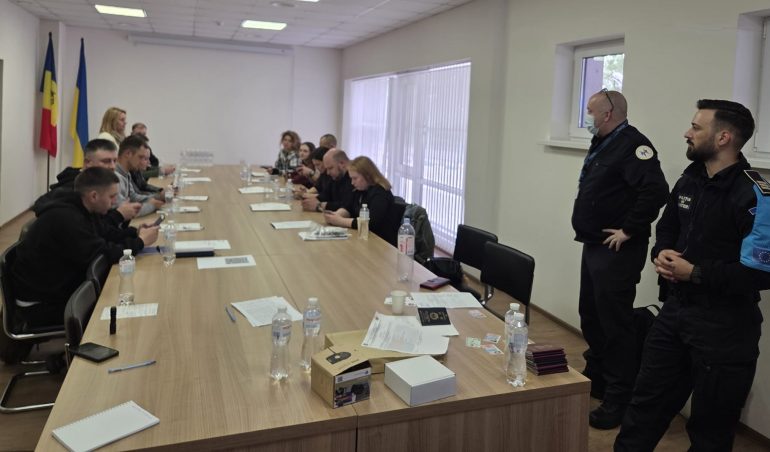
The European Union Advisory Mission Ukraine, in cooperation with FRONTEX, organised a two-day specialised training on document checks and vehicle examination at the Joint Border Crossing Point Palanca on the Ukrainian-Moldovan border.
The training brought together close to 30 officers from the State Border Guard Service of Ukraine and the State Customs Service. It was conducted by FRONTEX officers and trainers within the framework of the working agreement between EUAM and FRONTEX.
For officers working directly at border crossing points, the training provided a practical opportunity to strengthen their skills in detecting forged documents and identifying stolen vehicles during border control procedures. Participants discussed current trends in travel document fraud, including photo substitution and manipulation, impostor recognition, document security features and other indicators of possible forgery.
Particular attention was paid to practical work with documents. Participants had the opportunity to examine original and forged passport documents of EU citizens, permanent and temporary residence permits, as well as vehicle registration certificates. Following the theoretical part, they worked with practical examples to identify which elements of the documents had been altered or falsified.
“After the theoretical part, we moved on to practice, and it became clear what exactly was meant by photo or passport document forgery. We were given original and forged documents and had to identify where exactly the forgery was,” said Ivan Zakharchuk, Head of one of the units at the Orlivka Border Guard Service Division who took part in the training.
The second part of the training focused on vehicle search and examination. Participants were introduced to methods used to identify stolen vehicles, including how to check a VIN code and what information it contains about a vehicle, such as make, model, year of production and other details. The training also covered different concealment methods that may be used in vehicles during cross-border movement.
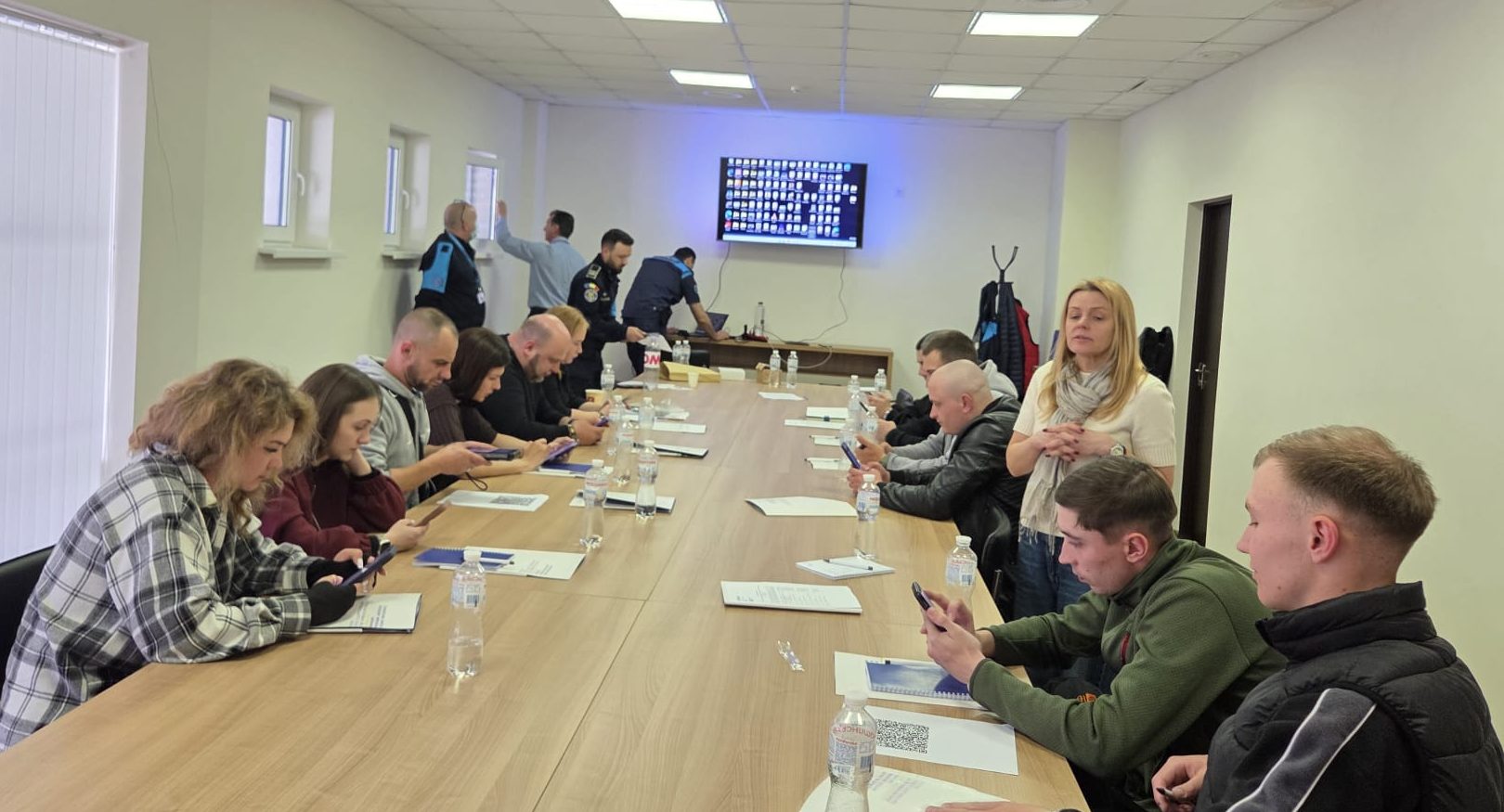
The practical format also allowed participants to work directly with original and forged documents and compare them against real cases encountered at the borders of the European Union. This hands-on exposure is particularly important for first-line officers, who may encounter documents from many different countries during daily border control procedures.
“Such trainings are very relevant to our work, as international border crossing points are used not only by citizens of neighbouring countries, but also by people from many other states. Thanks to such training, we can better identify forged documents,” Ivan Zakharchuk noted.
By bringing FRONTEX expertise directly to officers working at the Ukraine-Moldova border, the activity supported the further integration of EU practices into daily border and customs procedures. It also contributed to strengthening the operational capacity of customs posts in Odesa region and border control units of the Southern Regional Directorate of the State Border Guard Service of Ukraine.
