
Noses on guard: Ukrainian customs K9 teams sharpen their skills in Romania
October 08, 2026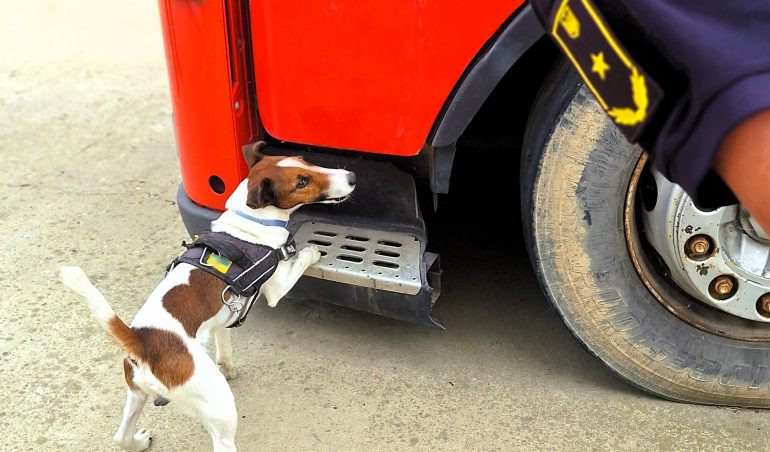
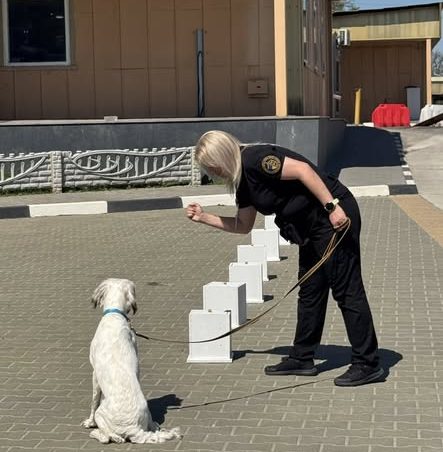
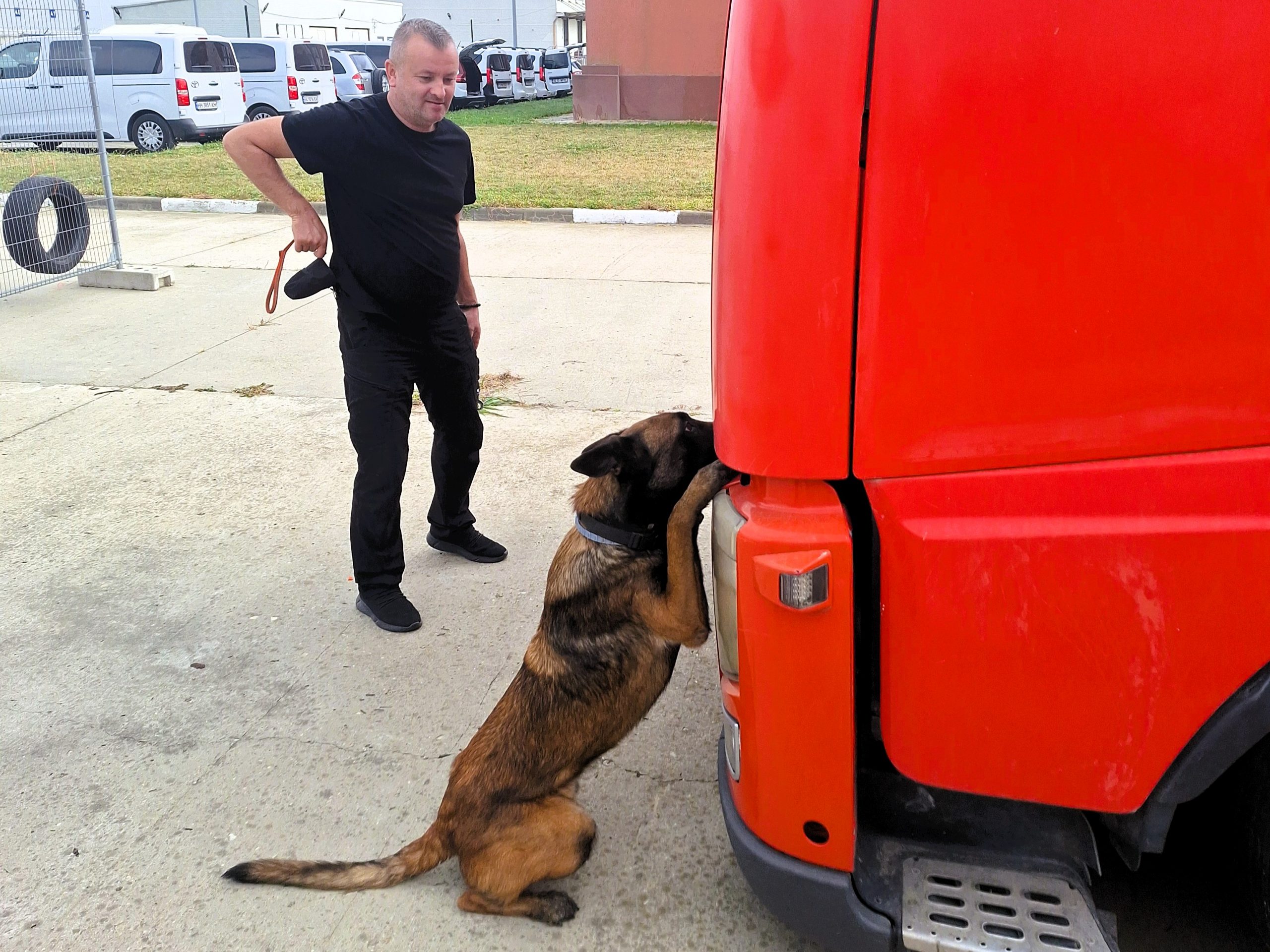
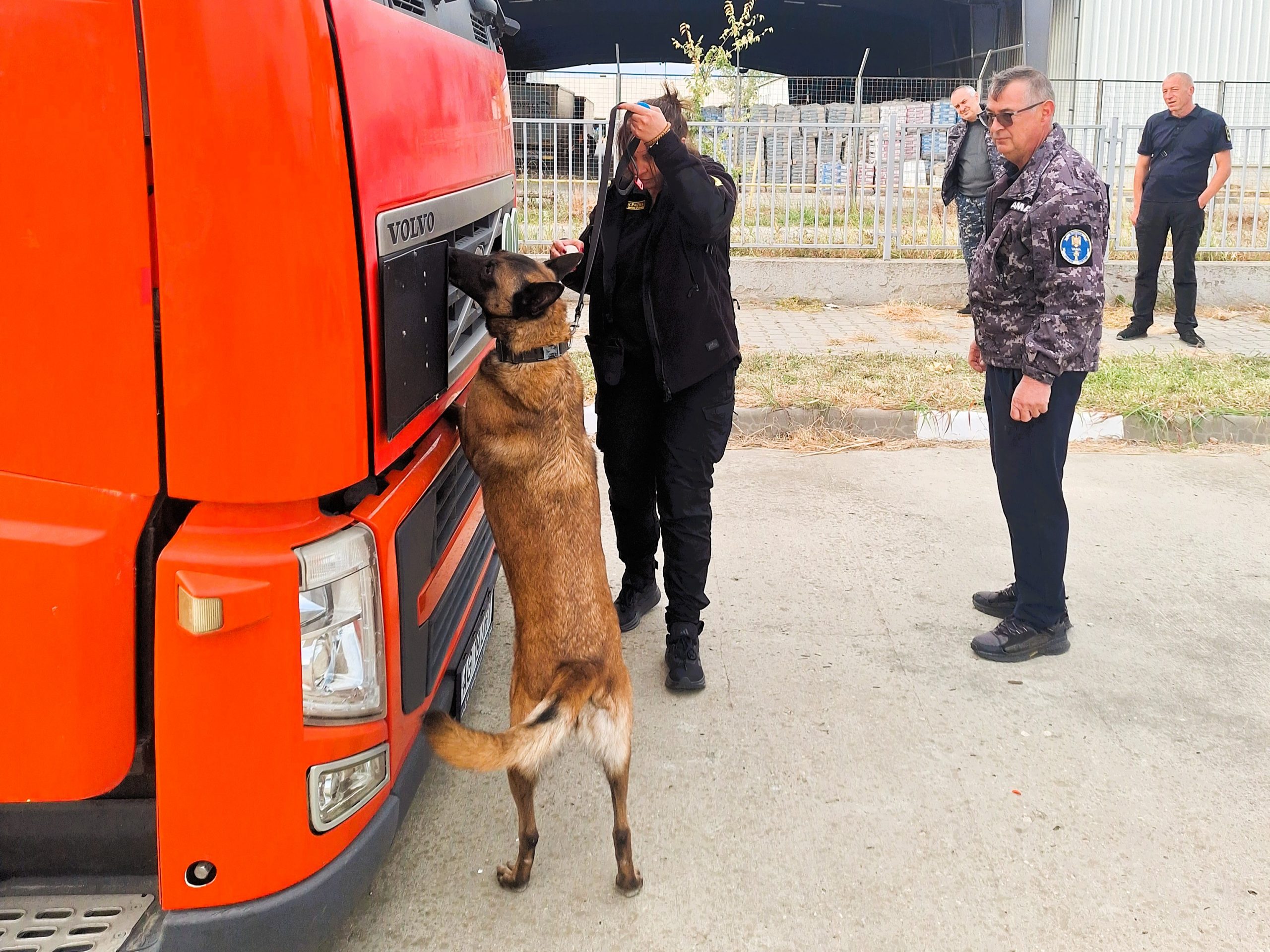
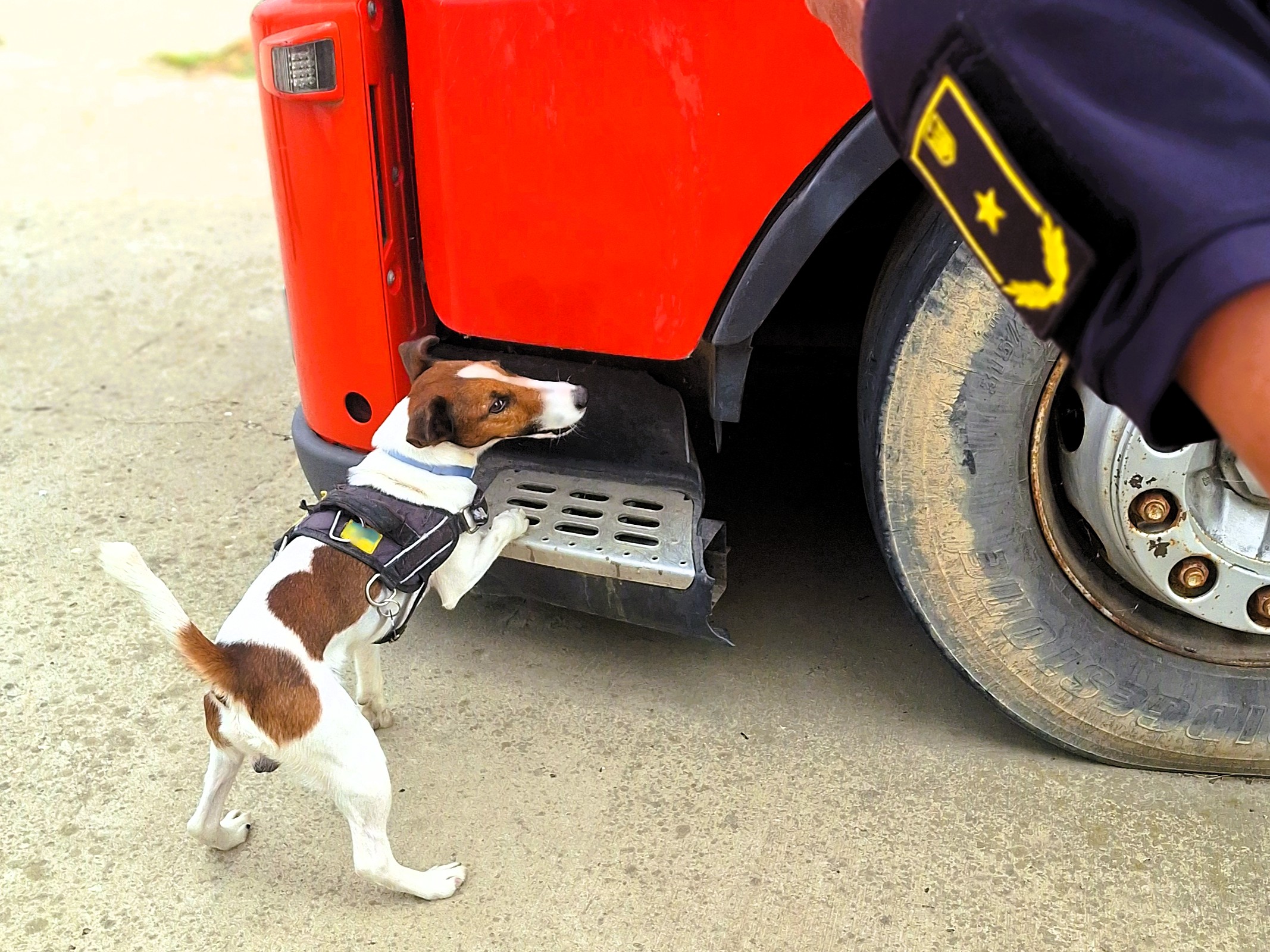
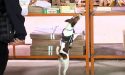
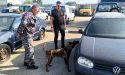
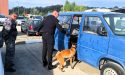
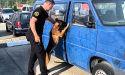
Joker, a fox terrier from Odesa, and Nike, a Belgian Shepherd Malinois from Lviv, may look very different, but during a two-week specialised training in Romania they had the same job: to find what others could not. A hidden package in a truck, illicit substances concealed in a container or cigarettes tucked away in a vehicle – detecting all of them requires more than a sharp nose. It takes a well-trained dog, a skilled handler and a strong trustful partnership.
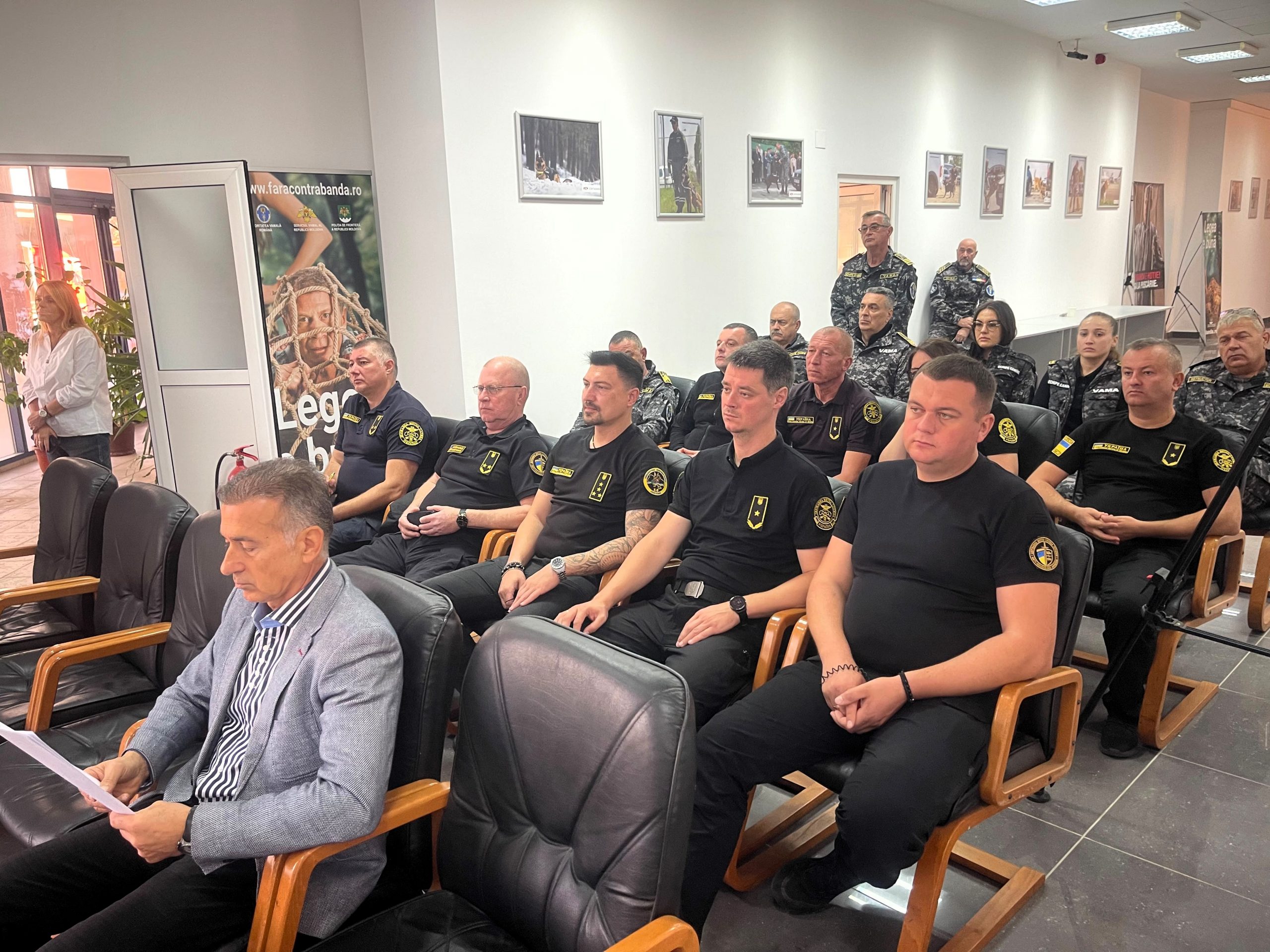
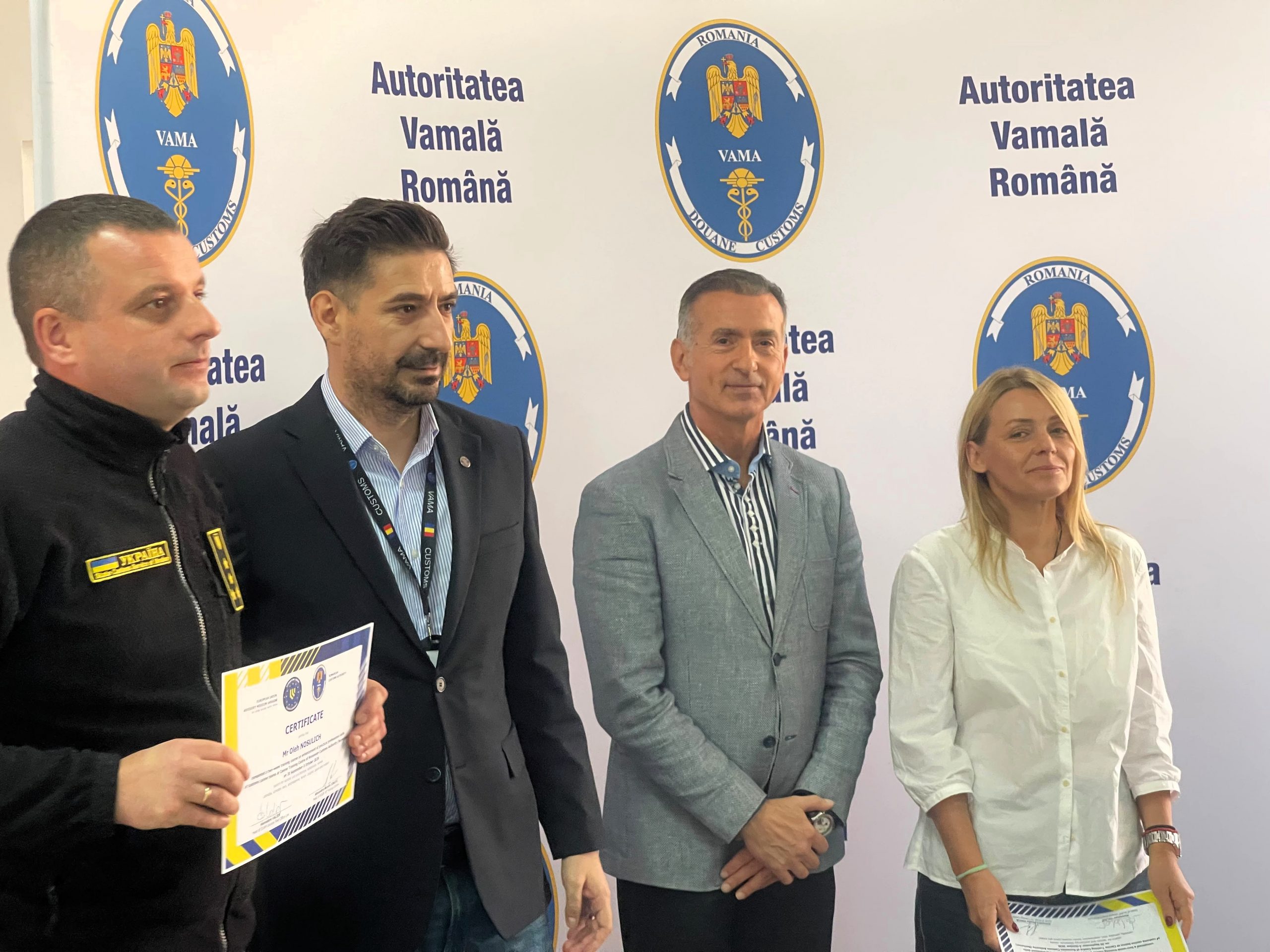
To enhance these capabilities, from 20 September to 03 October, EUAM Ukraine facilitated a two-week specialised training for nine canine teams from the Odesa, Lviv and Chernivtsi Customs of the Ukrainian State Customs Service delivered by the Romanian Customs Authority’s Canine Training Centre.
The teams developed their search skills in detecting a range of narcotic substances, including cannabis, hashish, heroin, cocaine, PVP and methamphetamine, as well as cigarettes and tobacco. The exercises covered different operational settings, like passenger cars, parking areas, trucks, containers, rooms and warehouses, helping handlers and their four-legged partners practice responding to a variety of search scenarios.
The training was designed not only to sharpen the dogs’ detection skills, but also to equip their handlers with techniques they can pass on to colleagues in Ukraine.
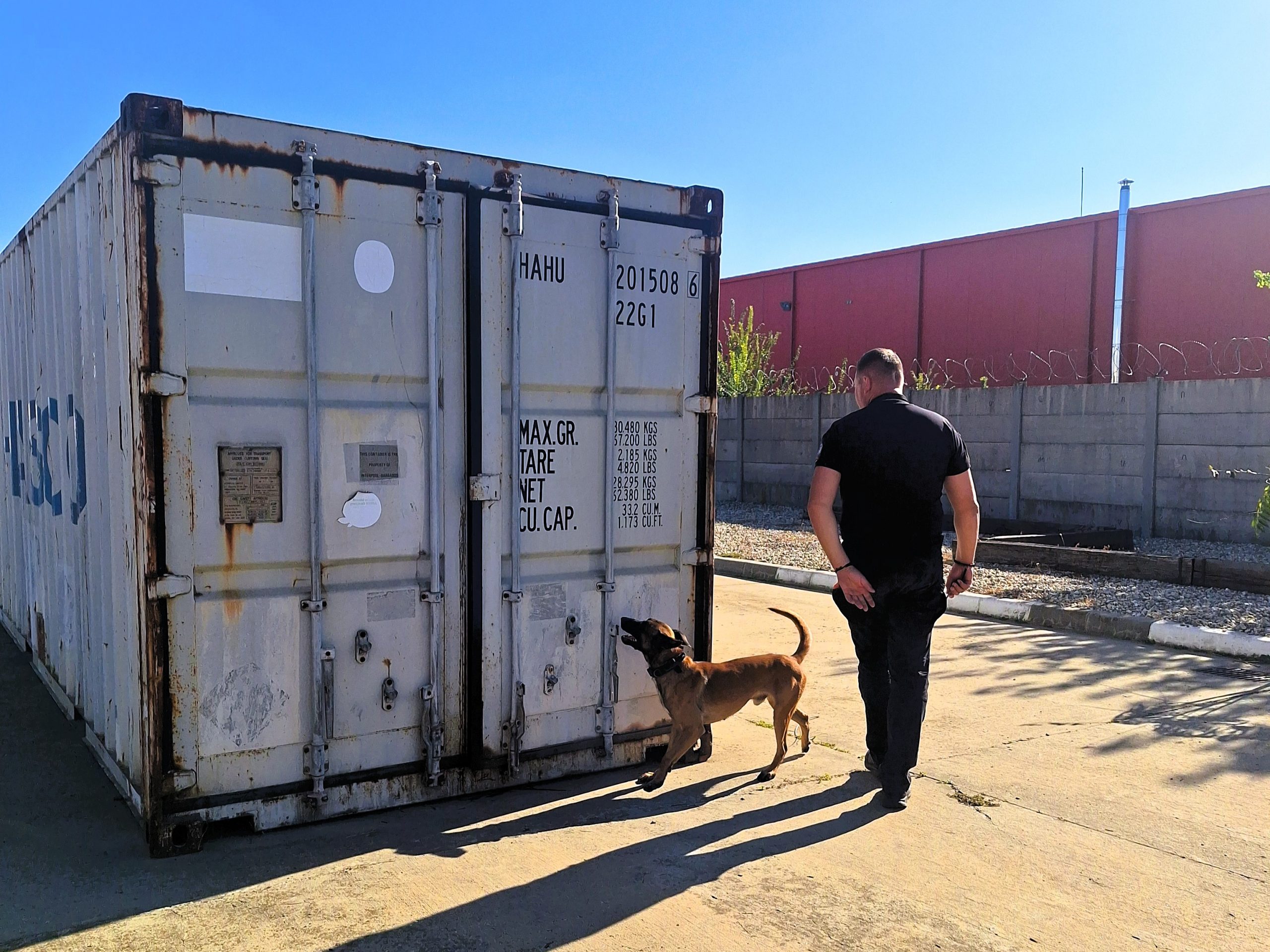
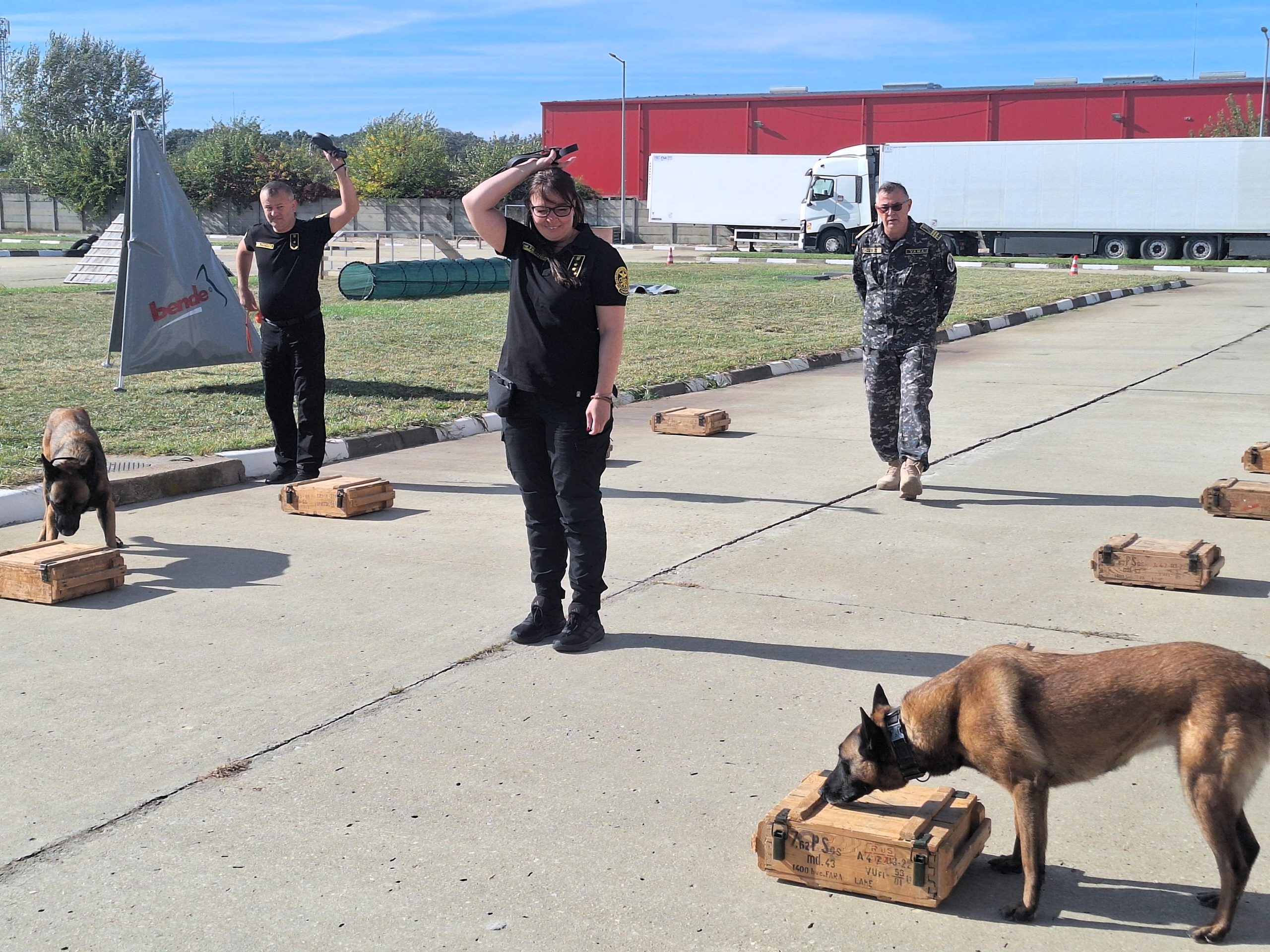
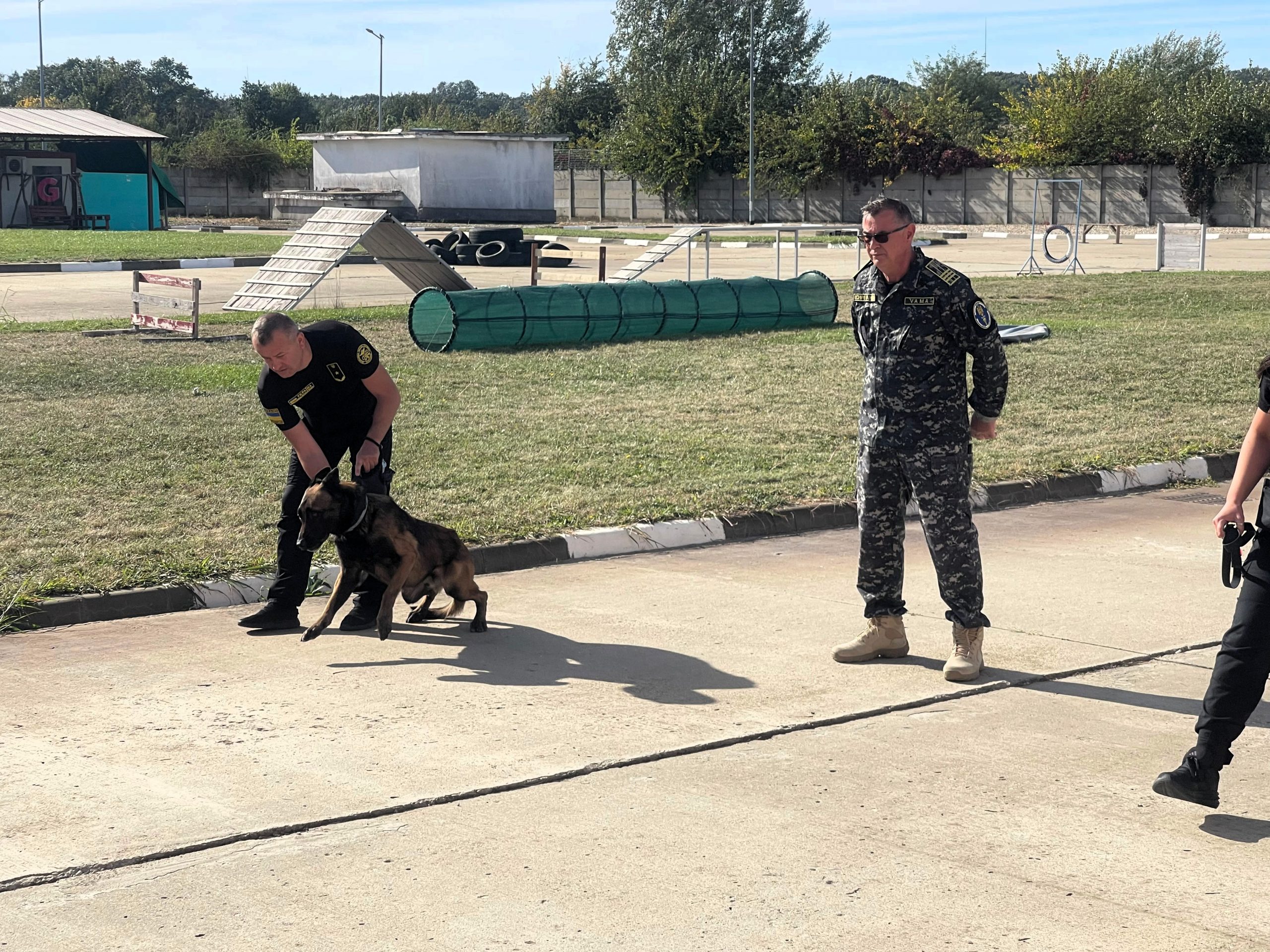
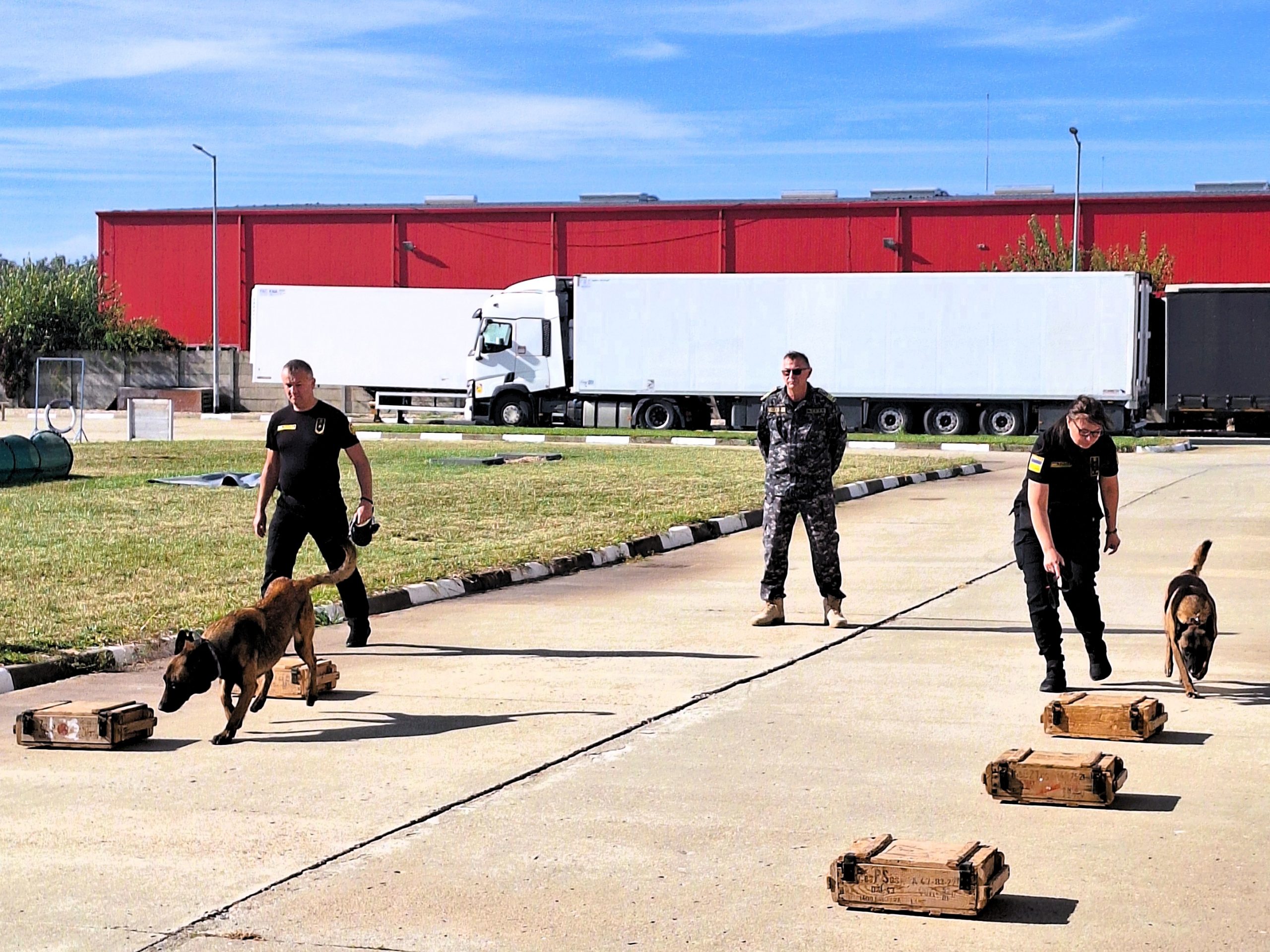
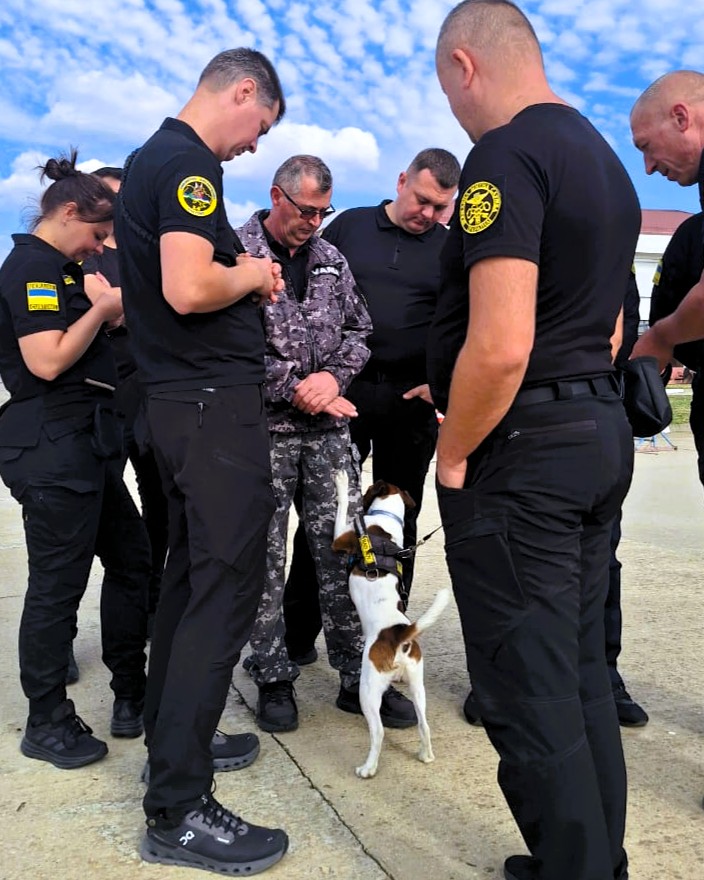
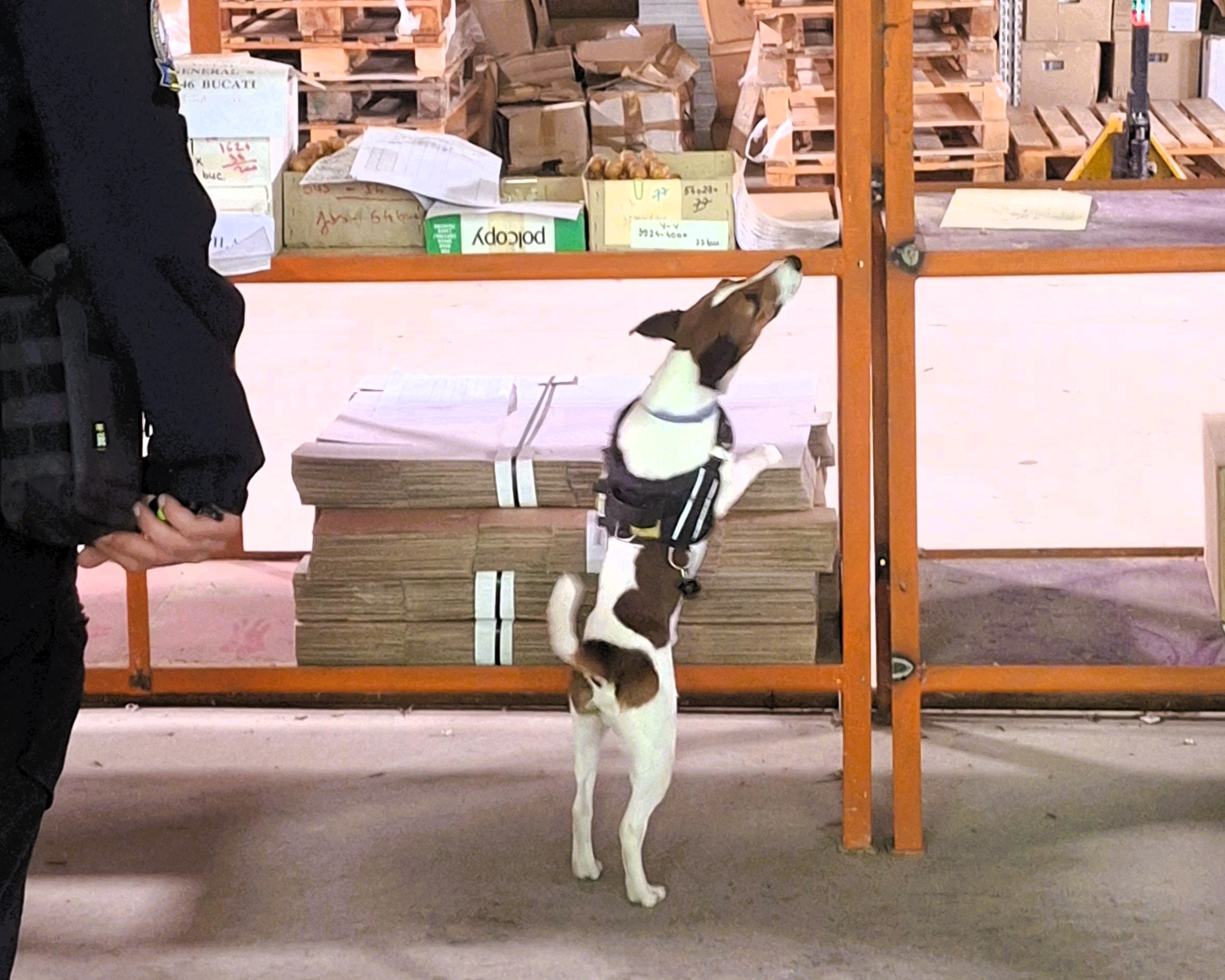
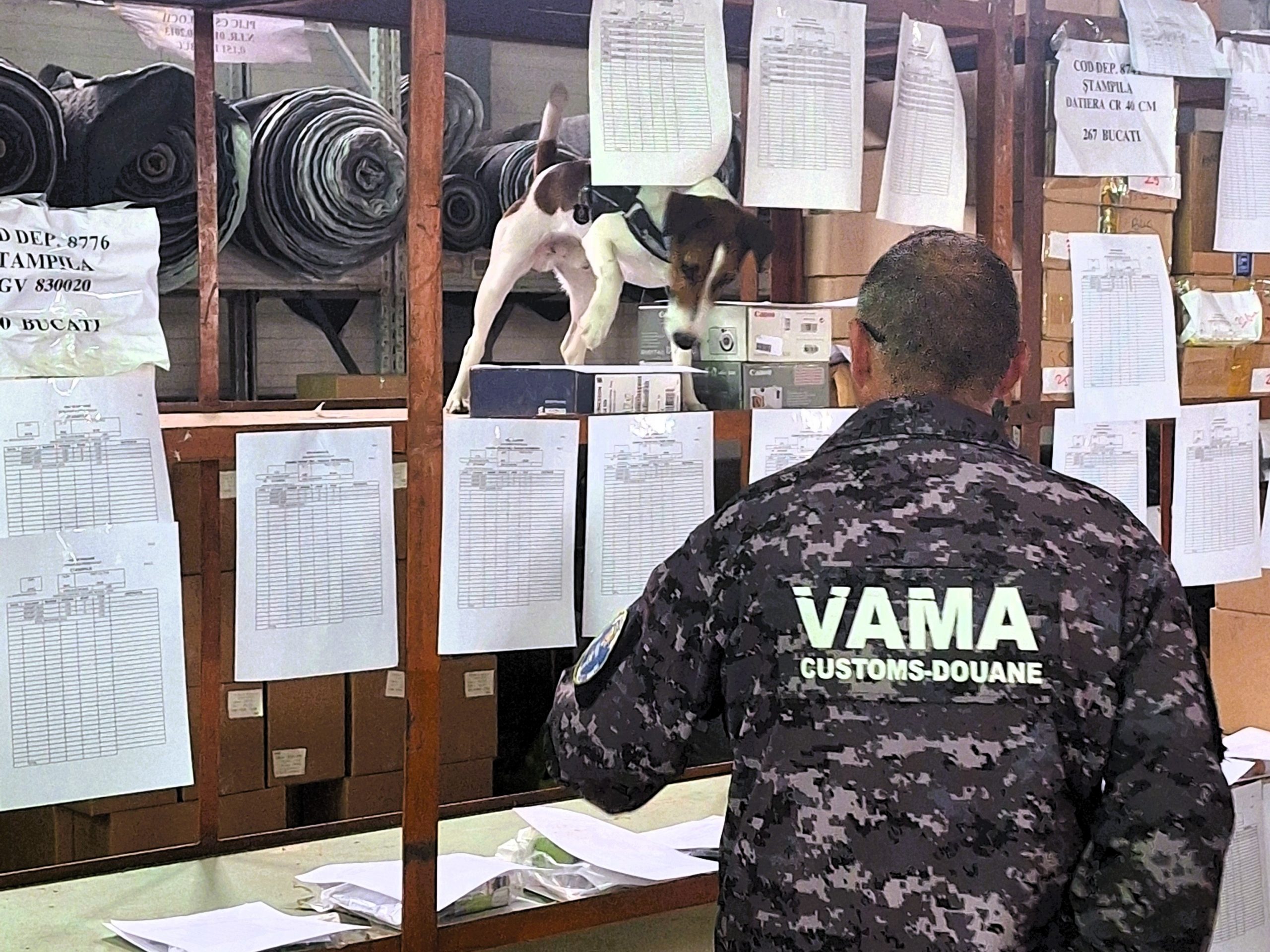
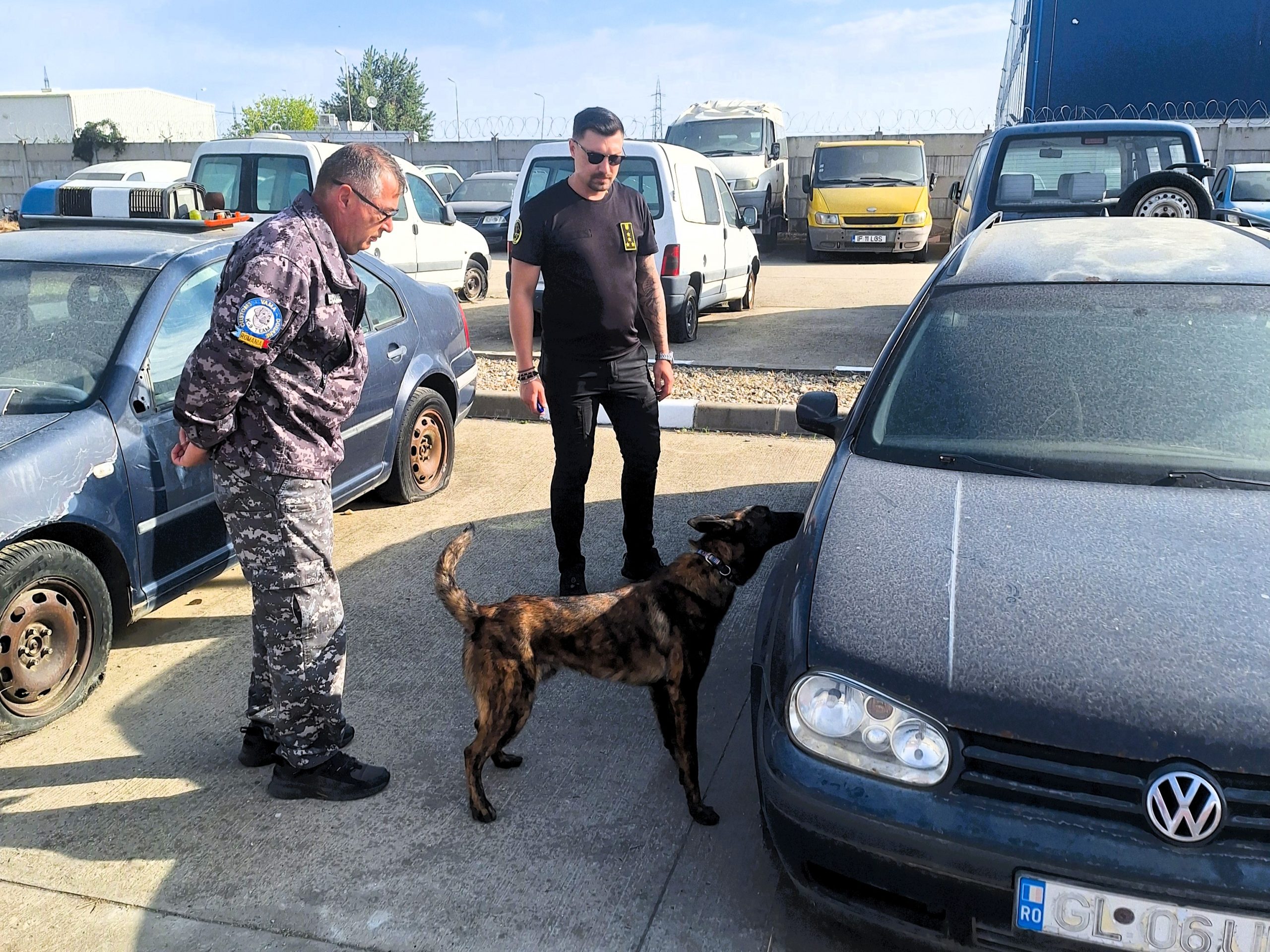
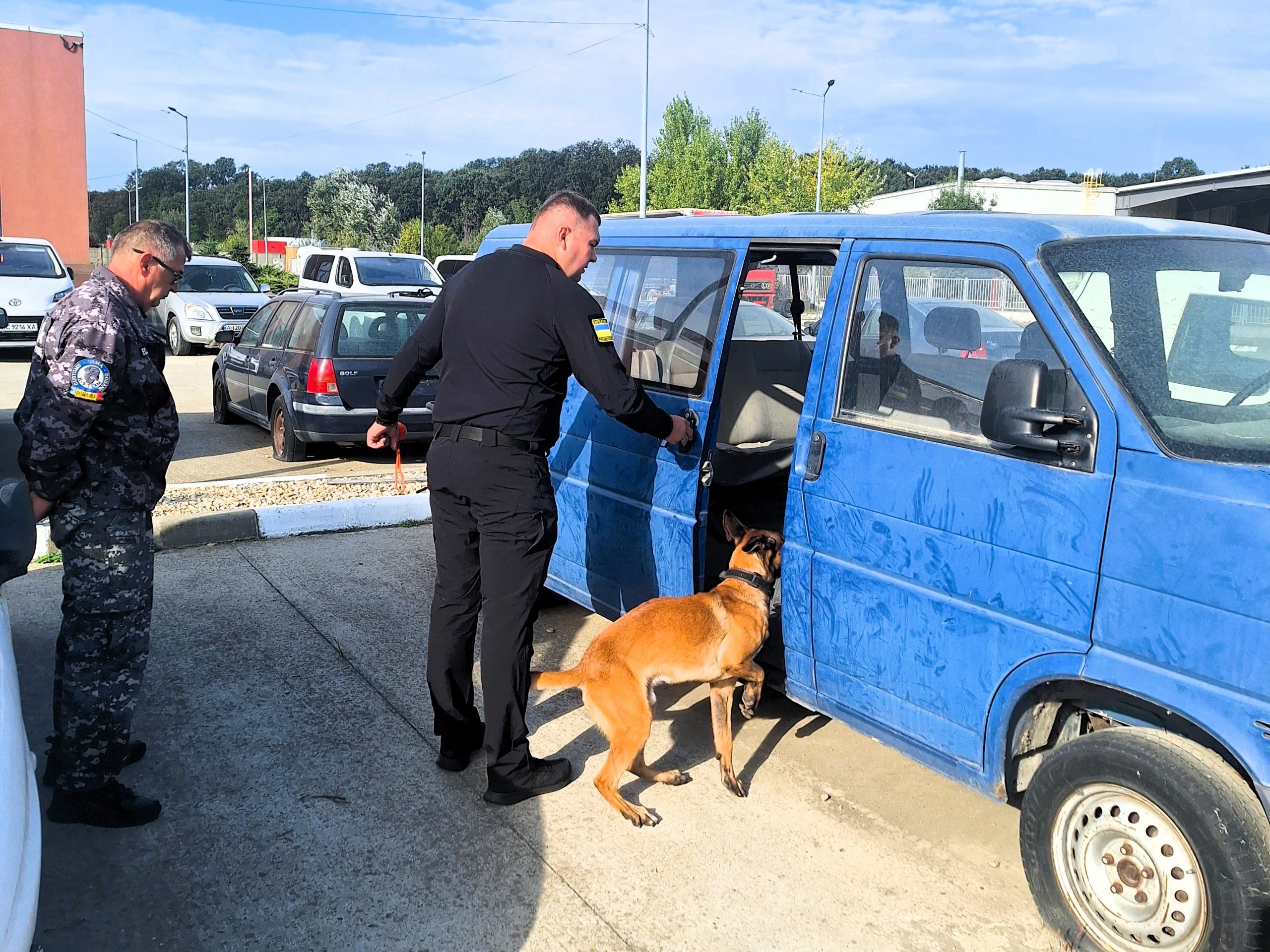
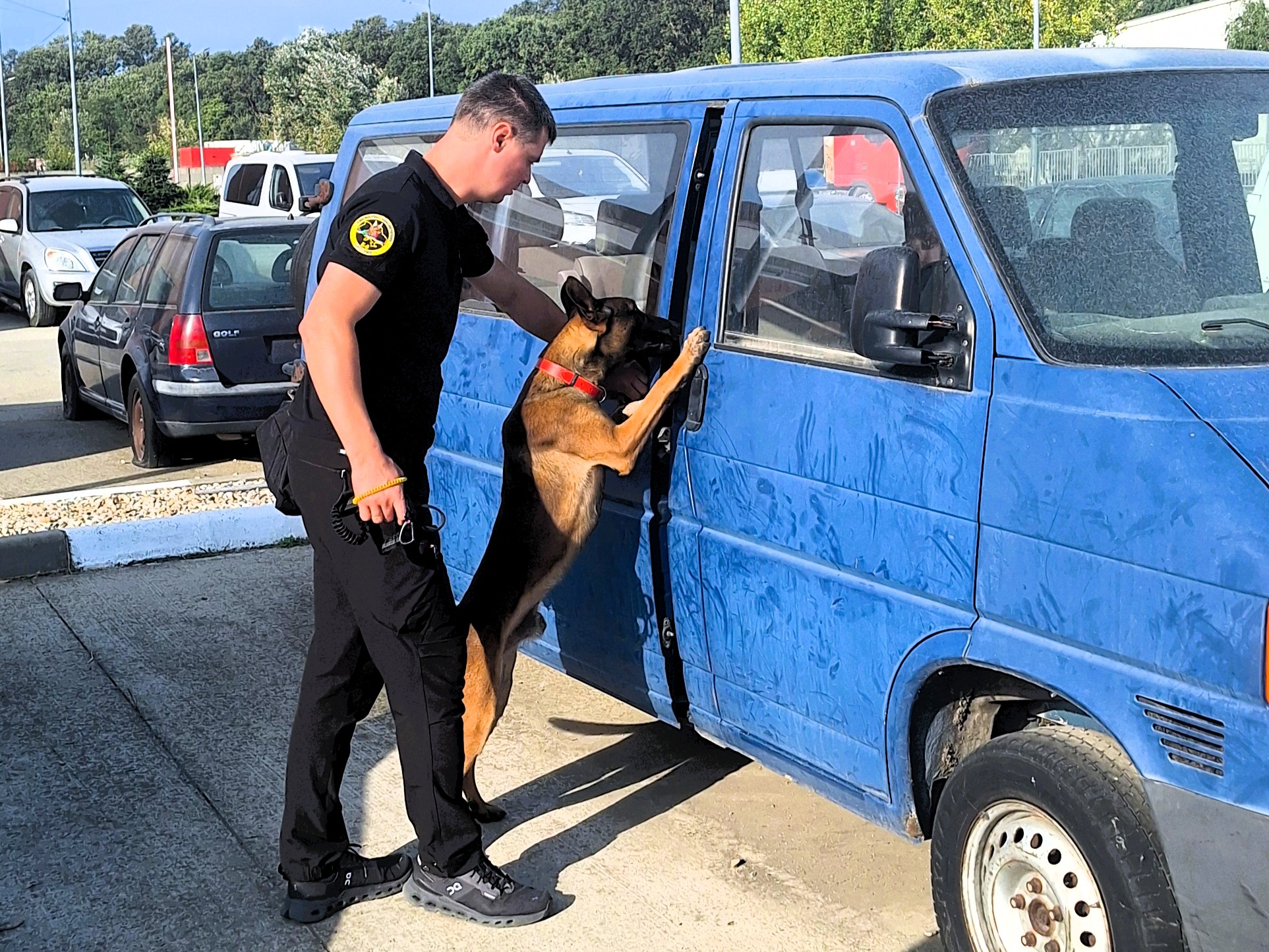
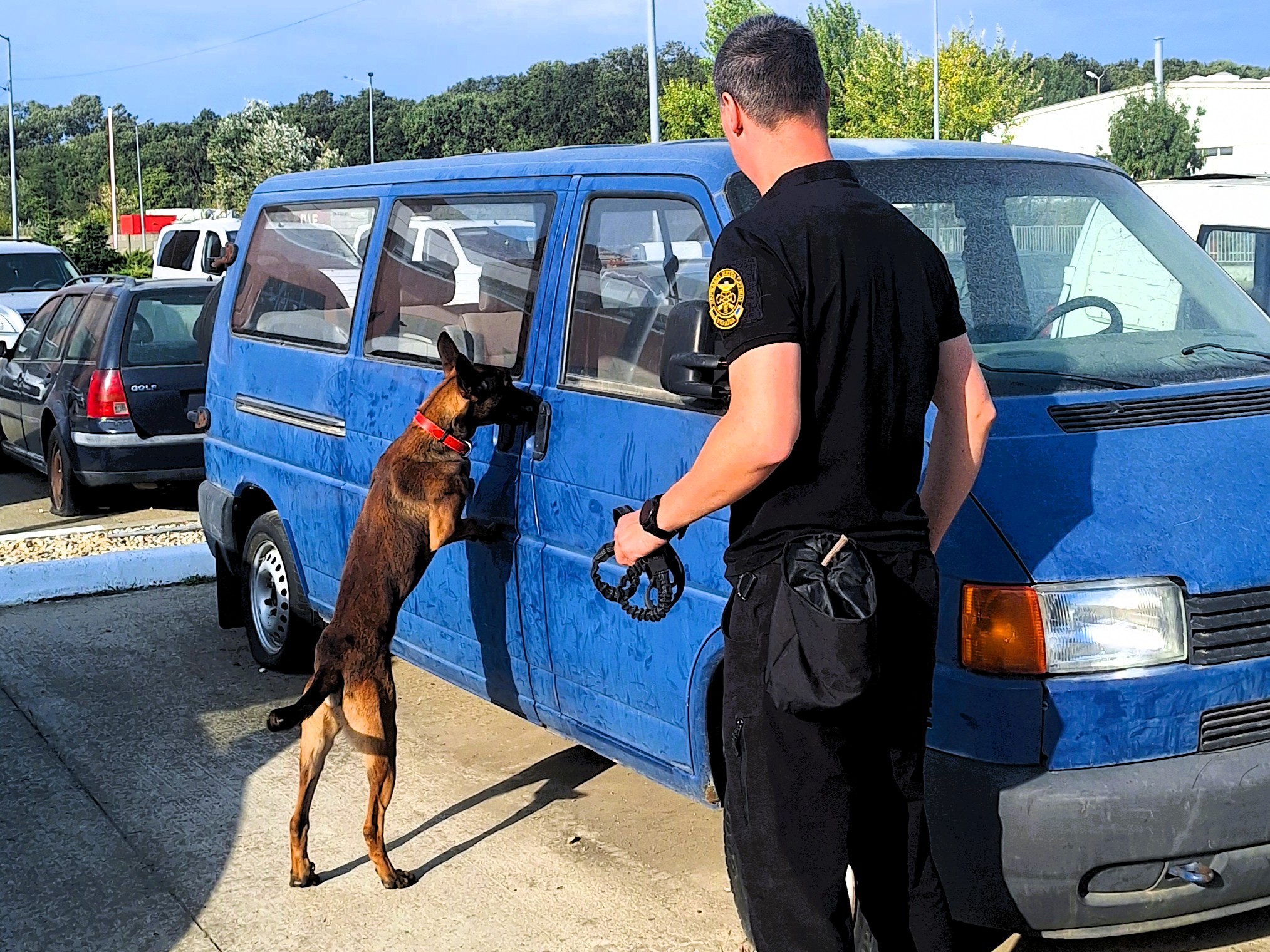
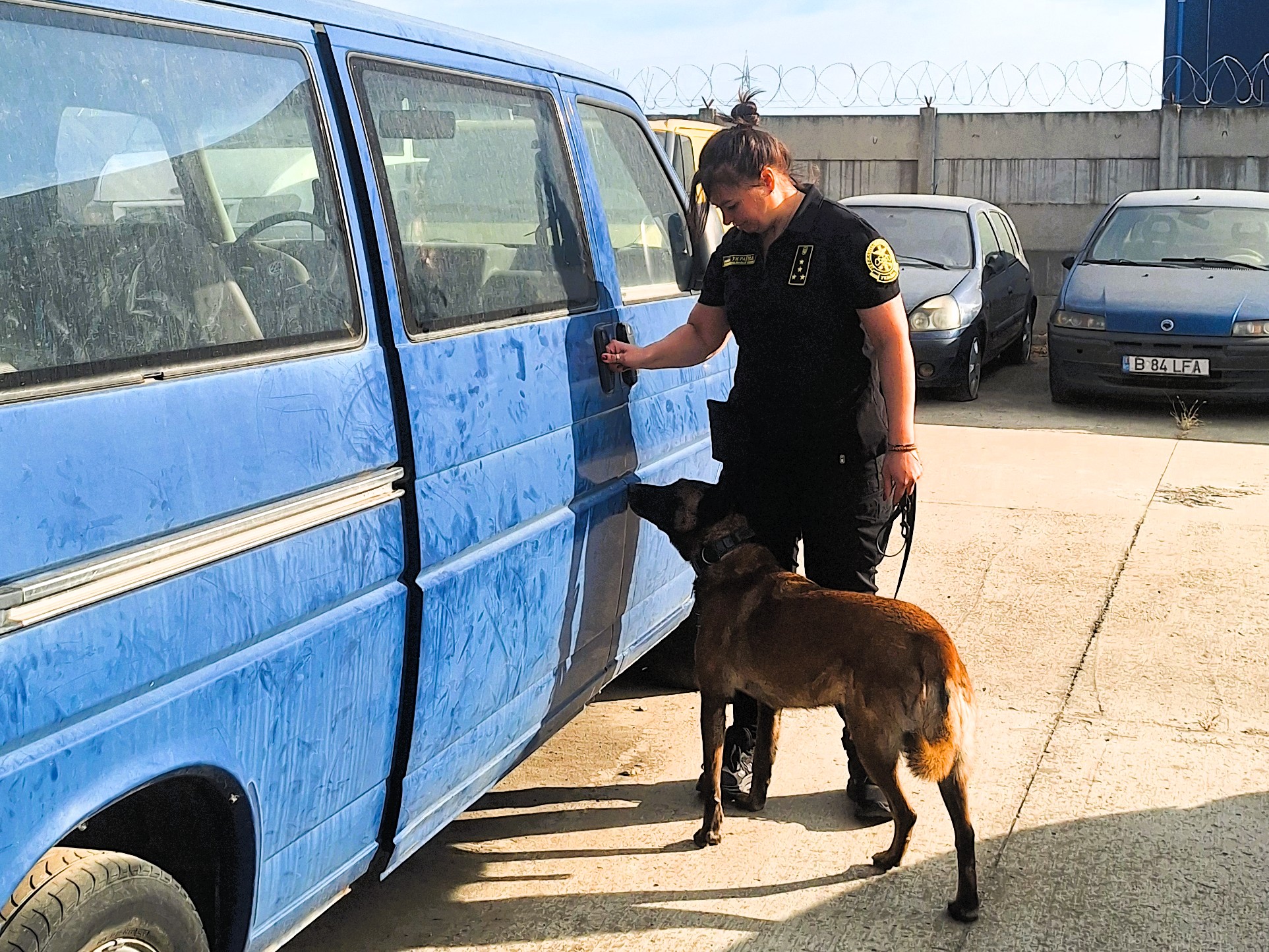
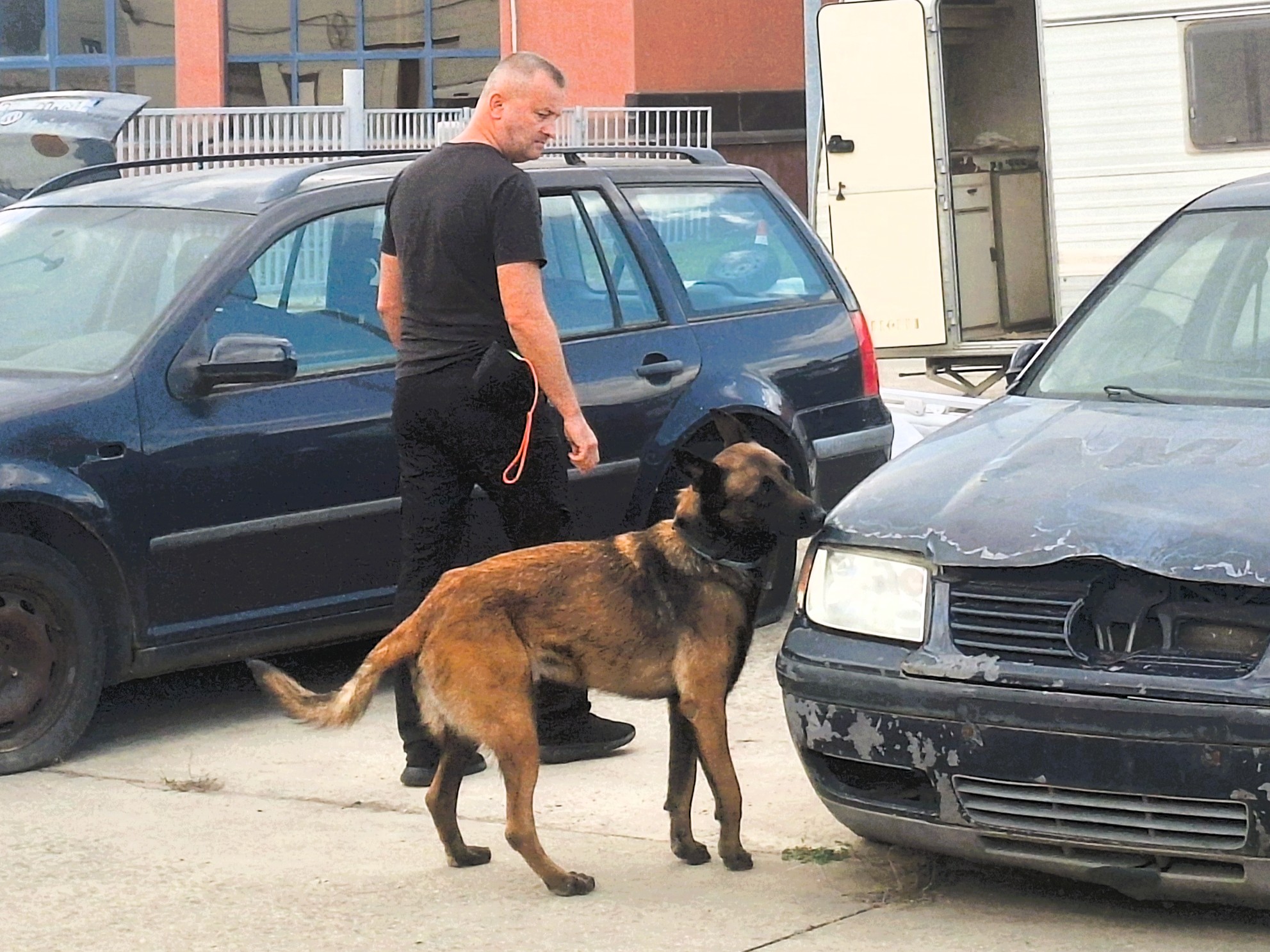
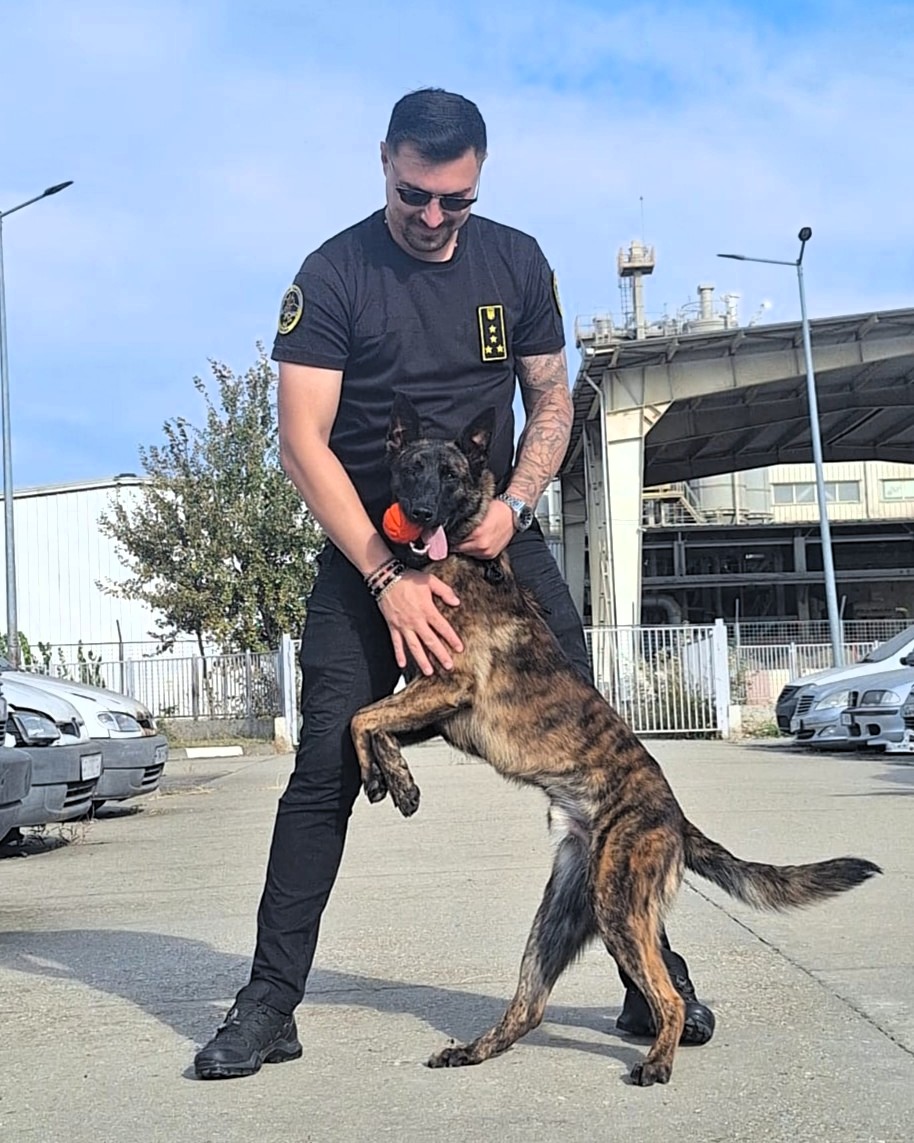
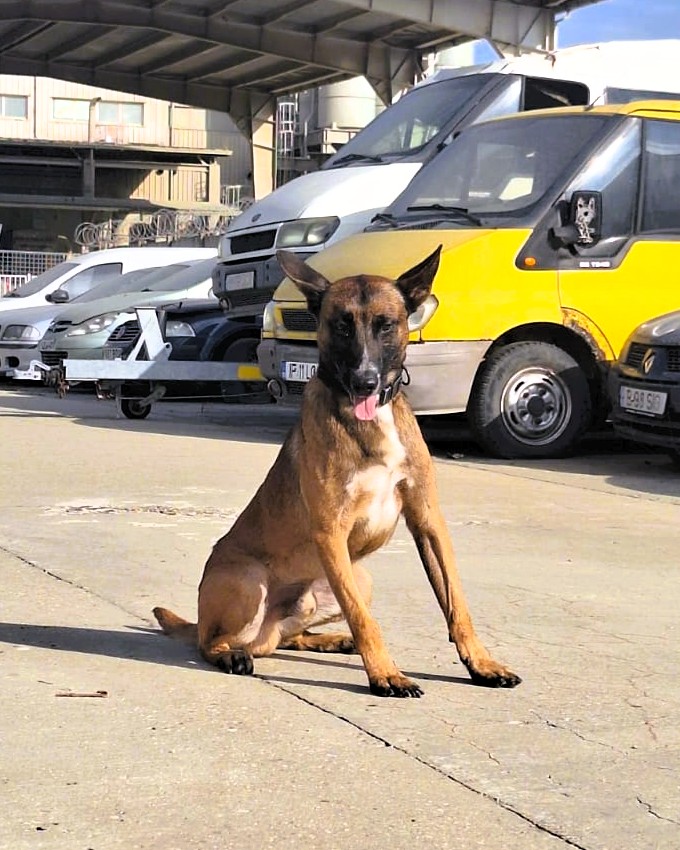
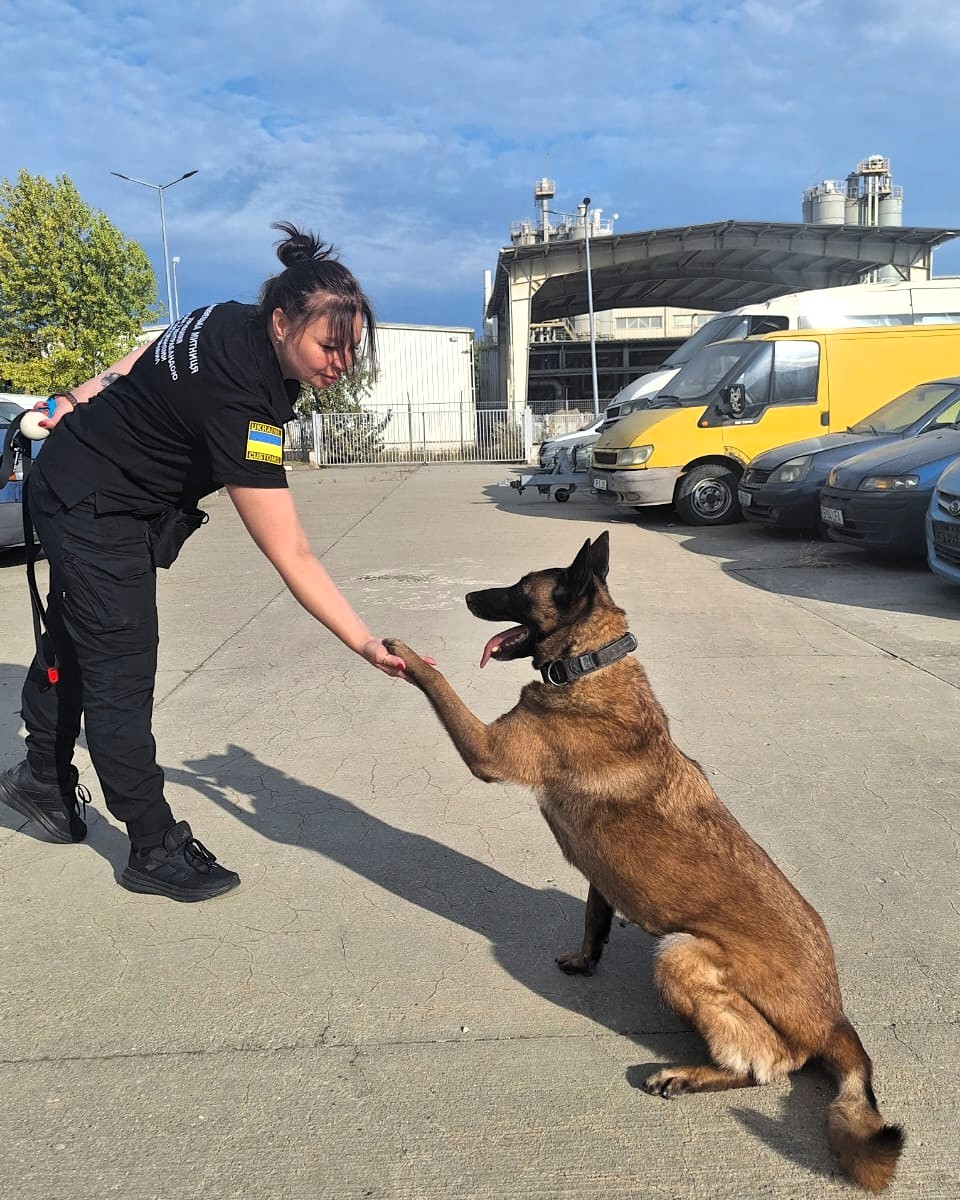
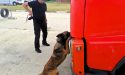
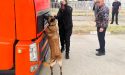
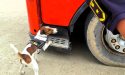
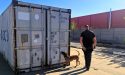
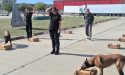
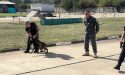
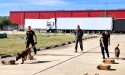

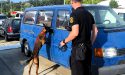
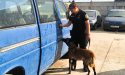
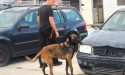
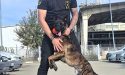
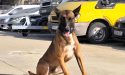
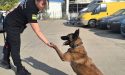
“We appreciated the creative approach of the Romanian instructors. Concealment places they came up with during some exercises were surprisingly unusual. This experience broadened our view on how to adjust the training environment back at home. We will take this methodology on board while training teams in Ukraine”, says Volodymyr Dobrovolskyi, Chief State Inspector-Canine Handler from Lviv.
The training also provided an opportunity for Ukrainian and Romanian customs colleagues to exchange practical experience and learn from each other’s approaches to work and broader expertise. For the Ukrainian teams, this engagement offered new techniques to take back to their units and share with colleagues, while the Romanian instructors gained a closer insight into the experience and operational realities of their Ukrainian counterparts. By strengthening links between Romanian and Ukrainian customs colleagues, the training contributes to a broader international effort to detect and prevent cross-border crime.
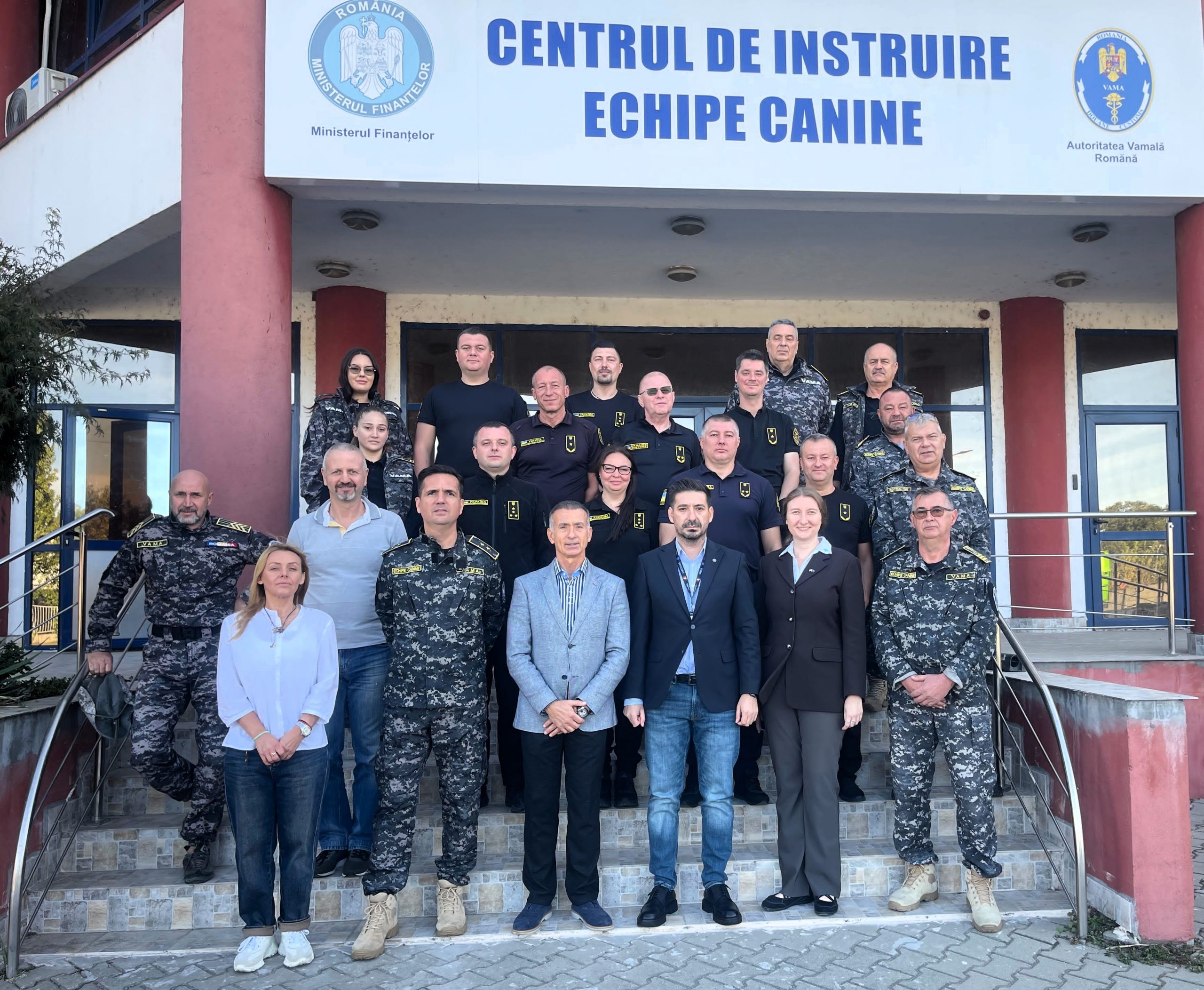
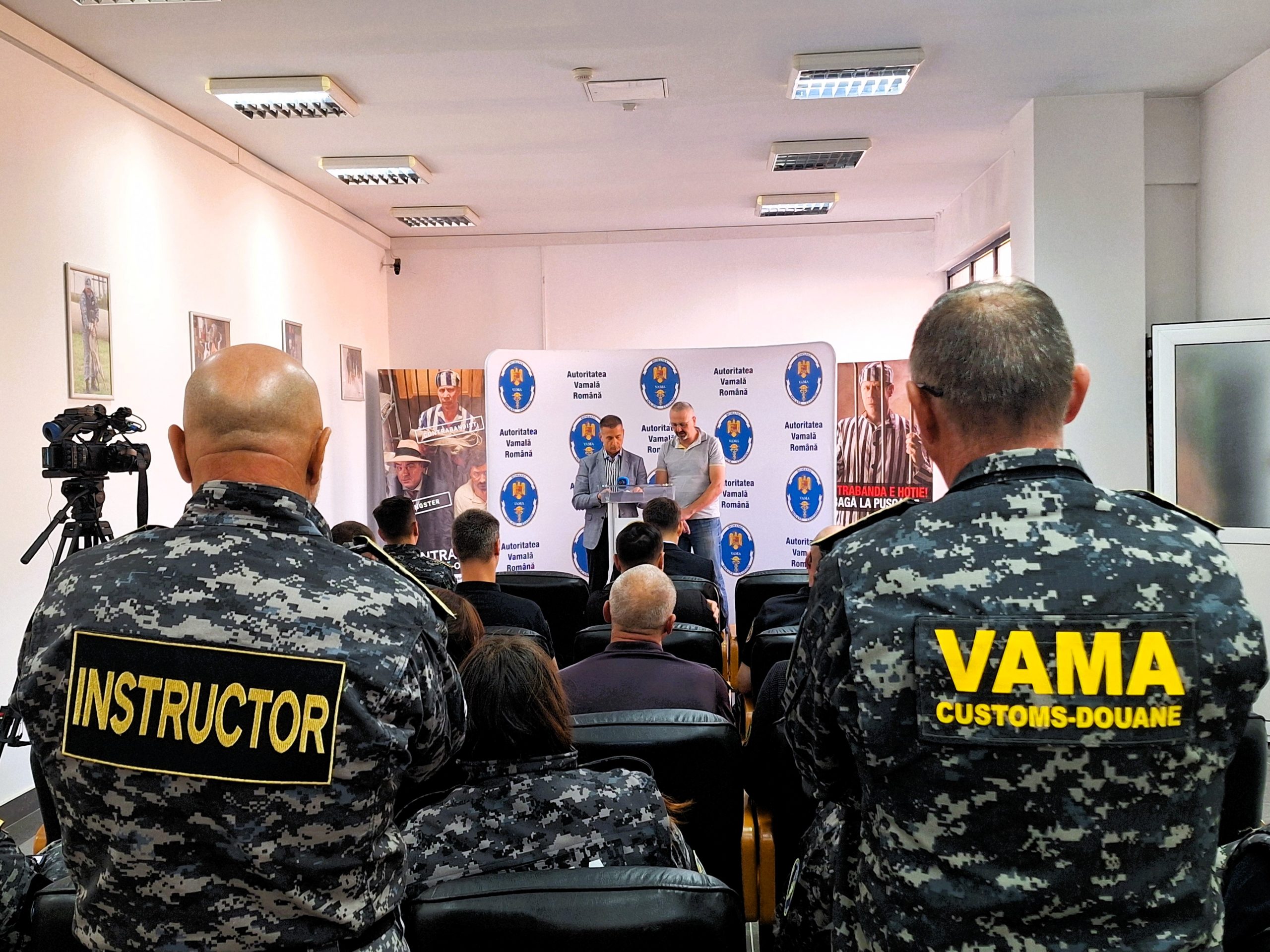



“There is no substitute for learning from colleagues who face the same smuggling challenges every day. Seeing how Romanian customs colleagues build realistic scenarios and train dogs to cope with different environments gave us practical ideas we can apply immediately. Learning directly from EU colleagues will help us raise the standard of our daily work, and consequently make our border safer,” said Viktor Hapon, Head of K9 Unit from Odesa Customs.