
Mental Health Is Also Armour: Peer Support Training Expands Across Ukraine’s Law Enforcement Agencies
June 26, 2026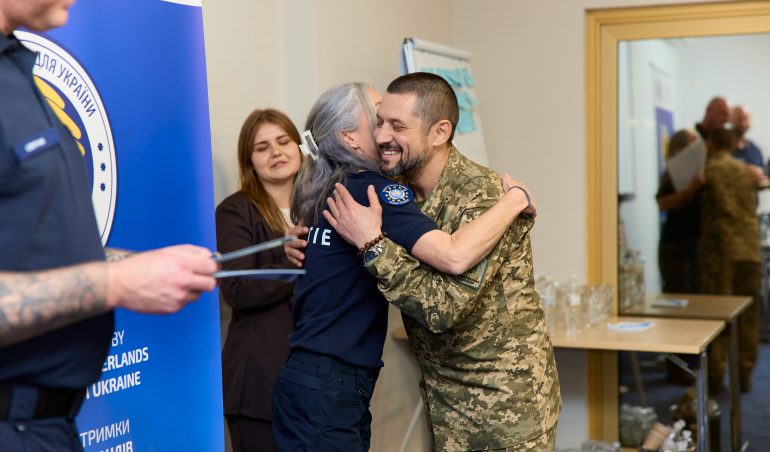
Law enforcement officers in Ukraine work under pressure that few institutions can fully measure. They safeguard public safety, respond to emergencies, serve near the front line and support communities affected by war, often while coping with traumatic experiences themselves.
In such conditions, mental health support cannot rest solely with professional psychologists. It must also be part of how teams work every day.
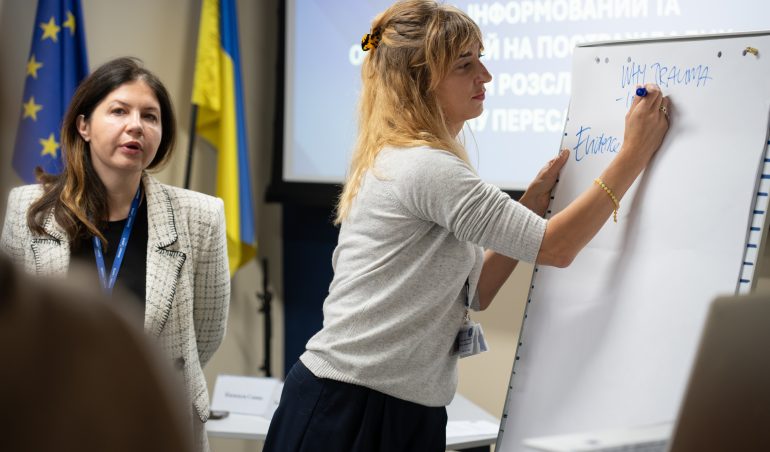
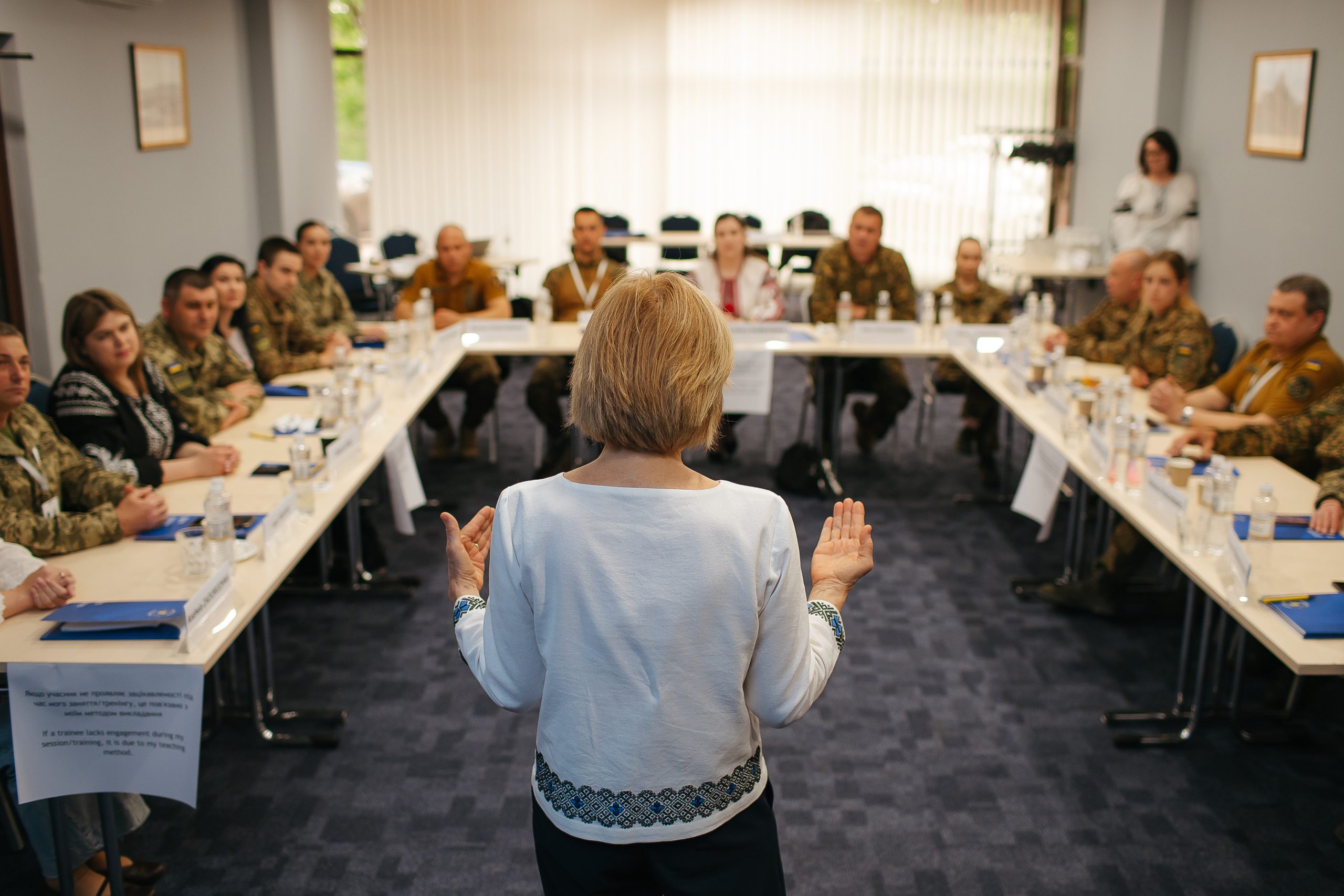
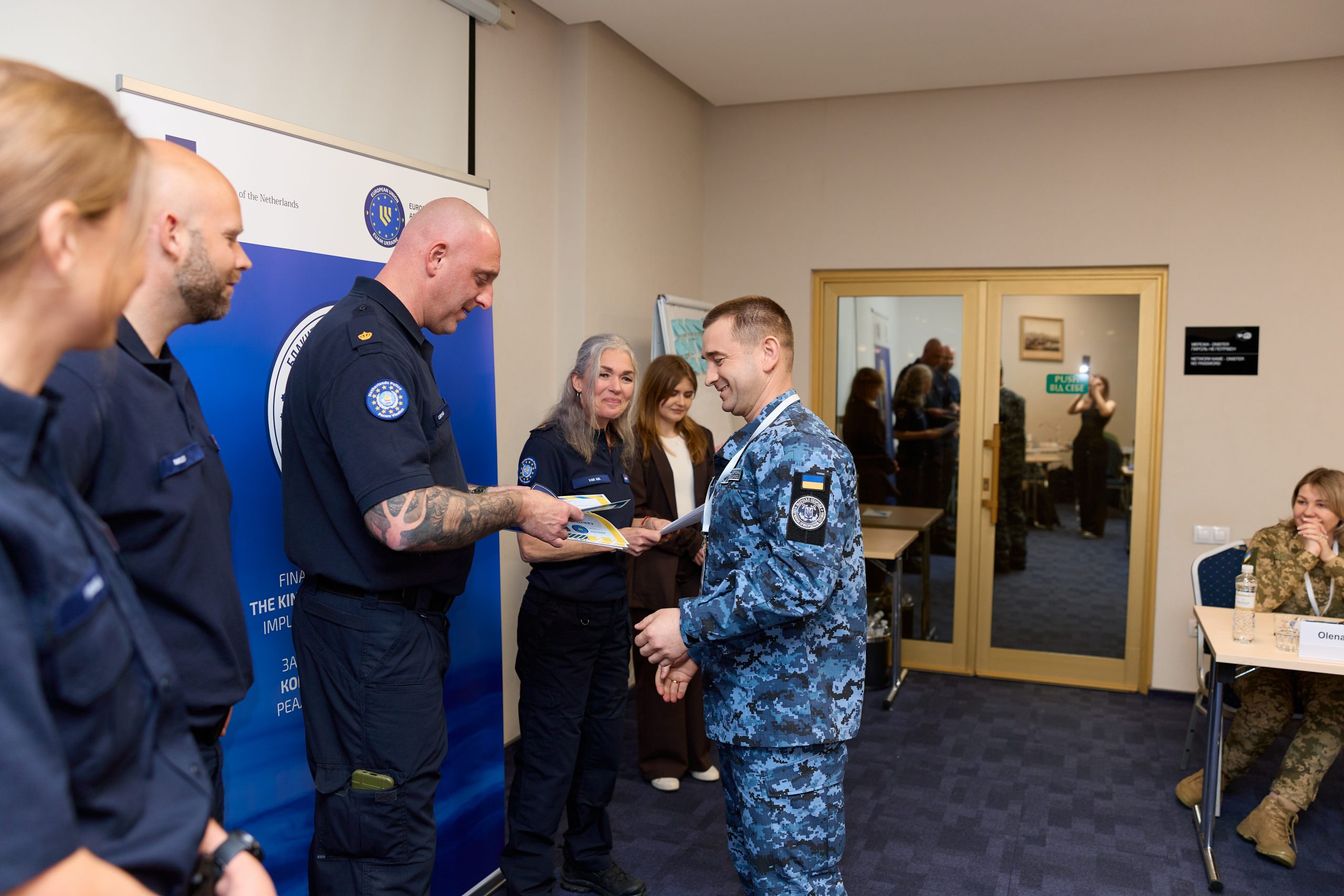
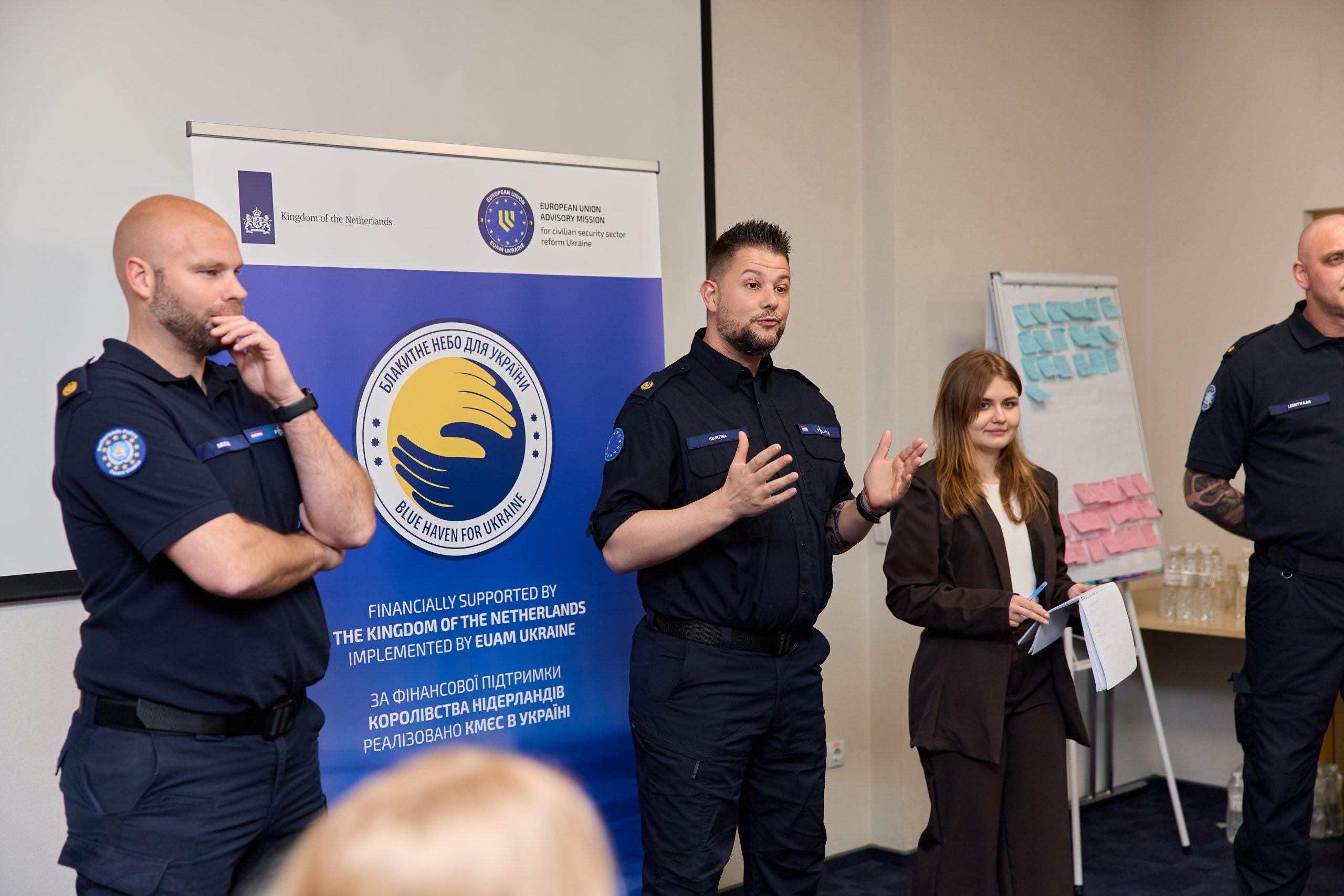
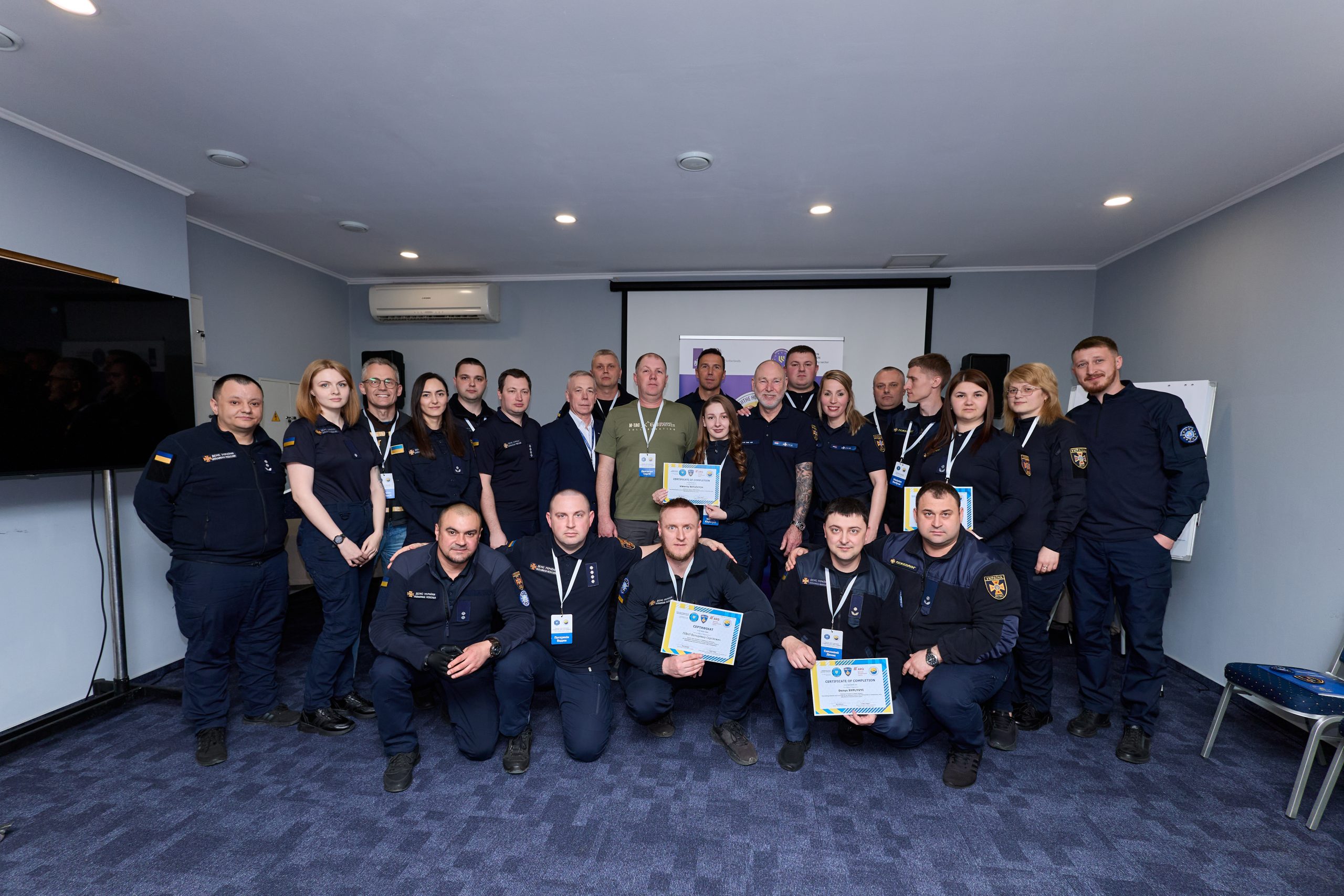
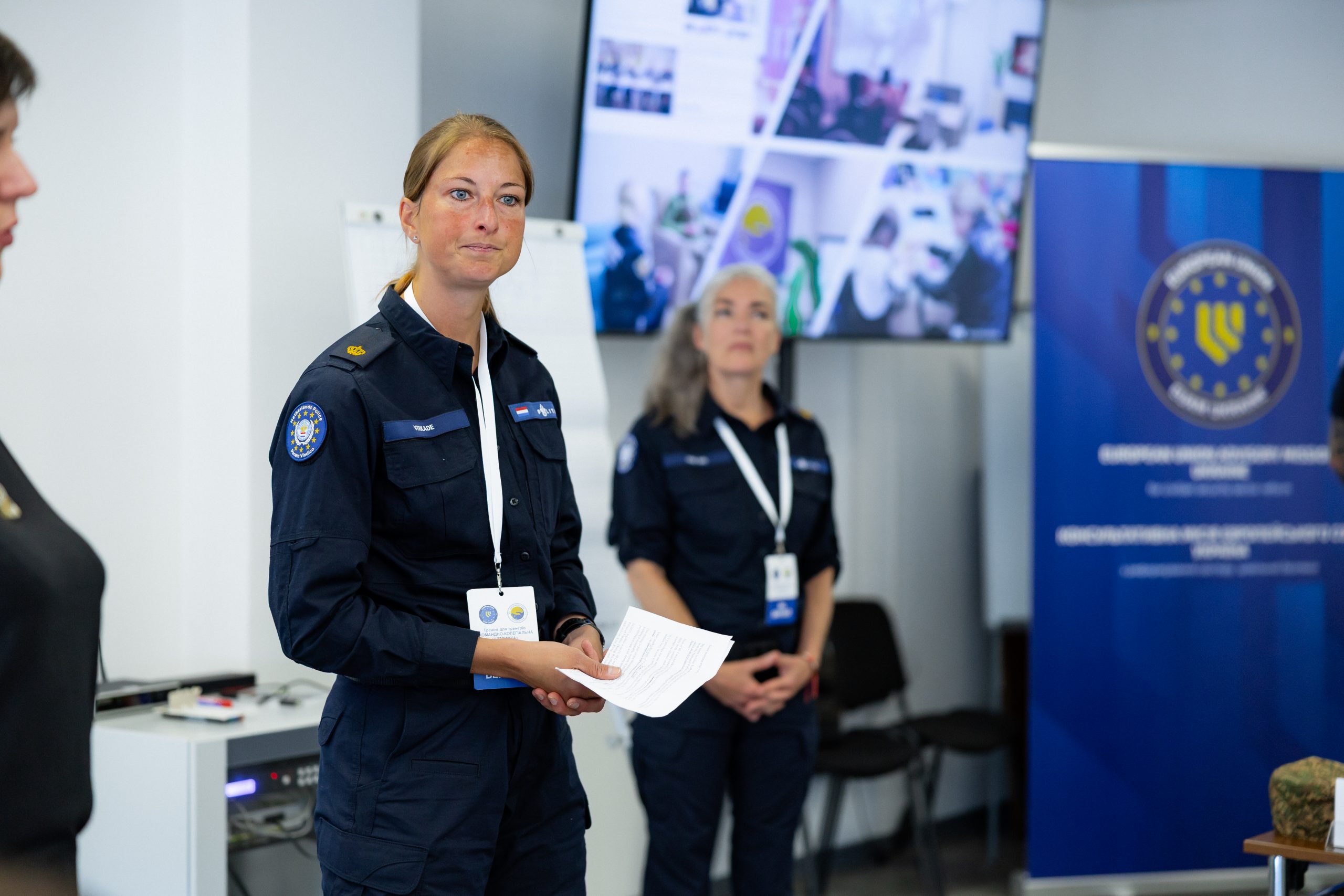
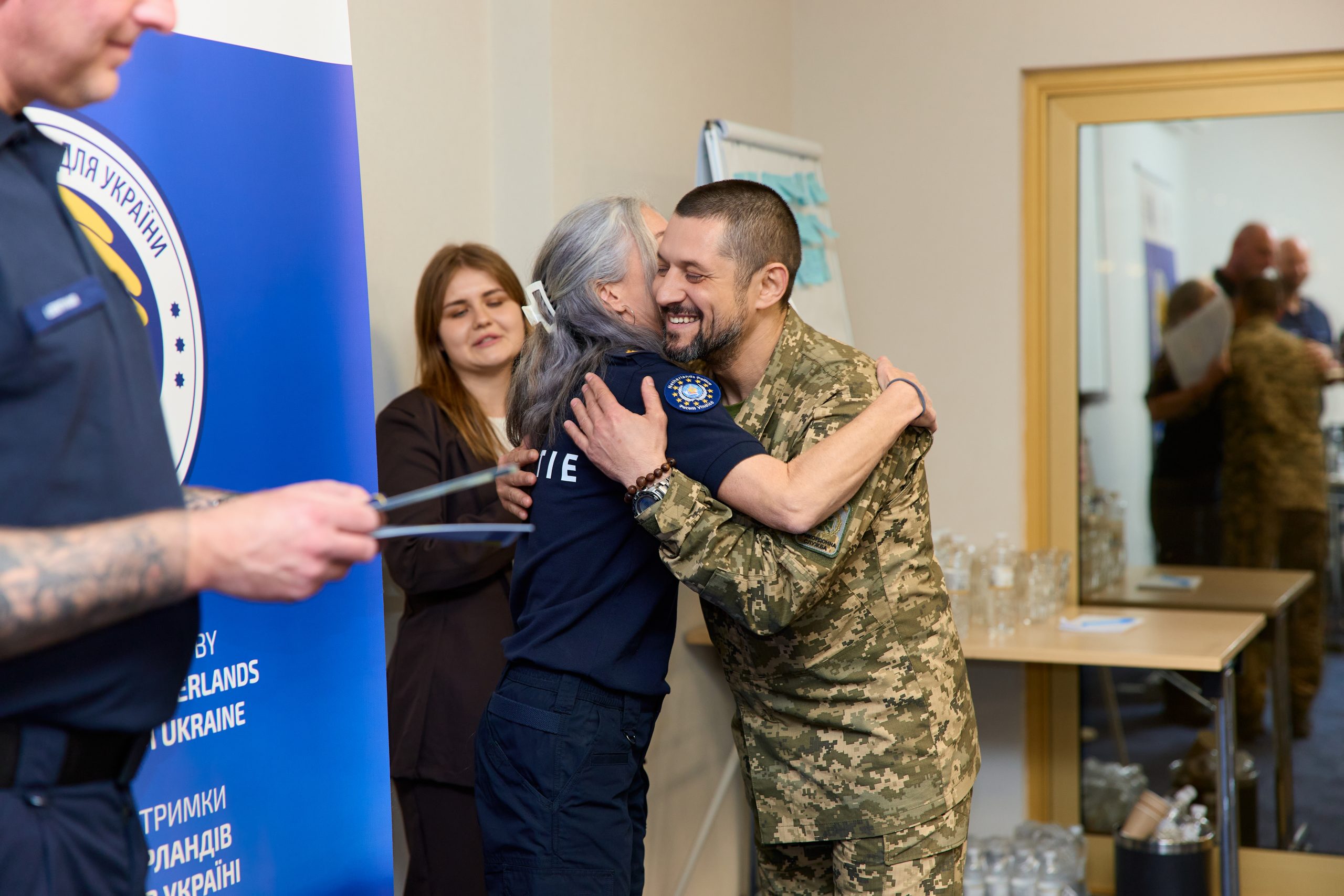
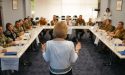
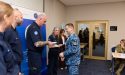
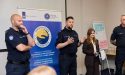
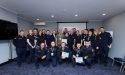
This is the focus of the Blue Haven for Ukraine project, Phase II, financed by the Government of the Netherlands and implemented by the European Union Advisory Mission (EUAM) Ukraine. In April and May 2026, more than 190 officers in Lviv completed training-of-trainers (ToT) courses in Buddy Support and Team Collegial Support.
“The participants gathered here during the Team Collegial Support and Buddy Support ToT sessions are more than trainees. They are future trainers, ambassadors and implementers of change within their organisations. Real and lasting impact can only come from within, through a shift in culture, mindset and leadership at every level of the organisation,” said Richard Reukema, Project Manager of the Blue Haven for Ukraine project at EUAM Ukraine.
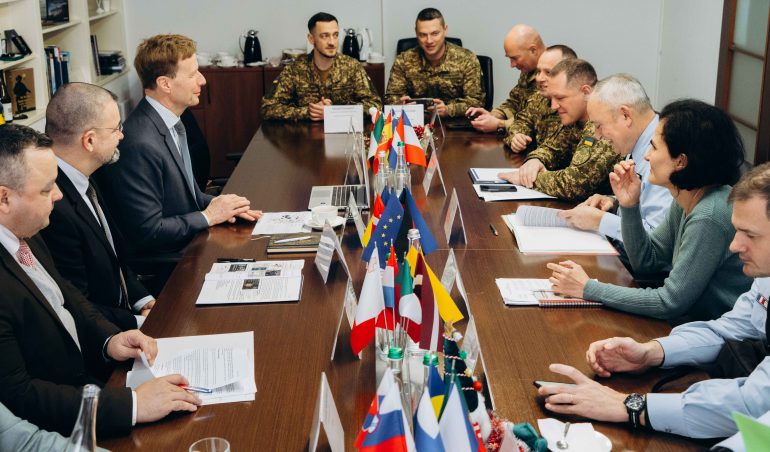
The training builds on a pilot phase implemented with the National Police of Ukraine last year. It has now expanded to include personnel from other Ministry of Internal Affairs agencies: the State Border Guard Service, the National Guard of Ukraine and the State Emergency Service of Ukraine.
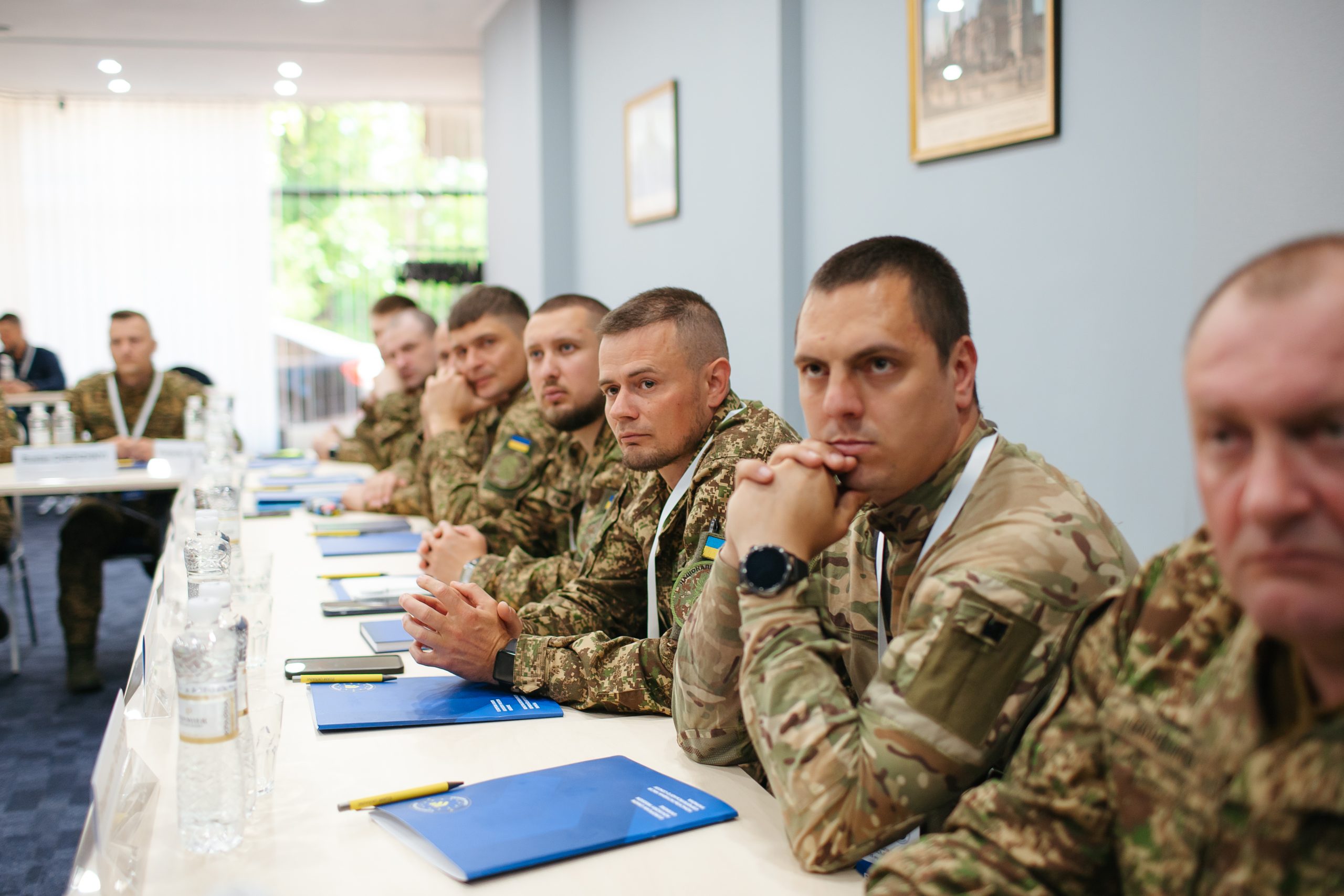
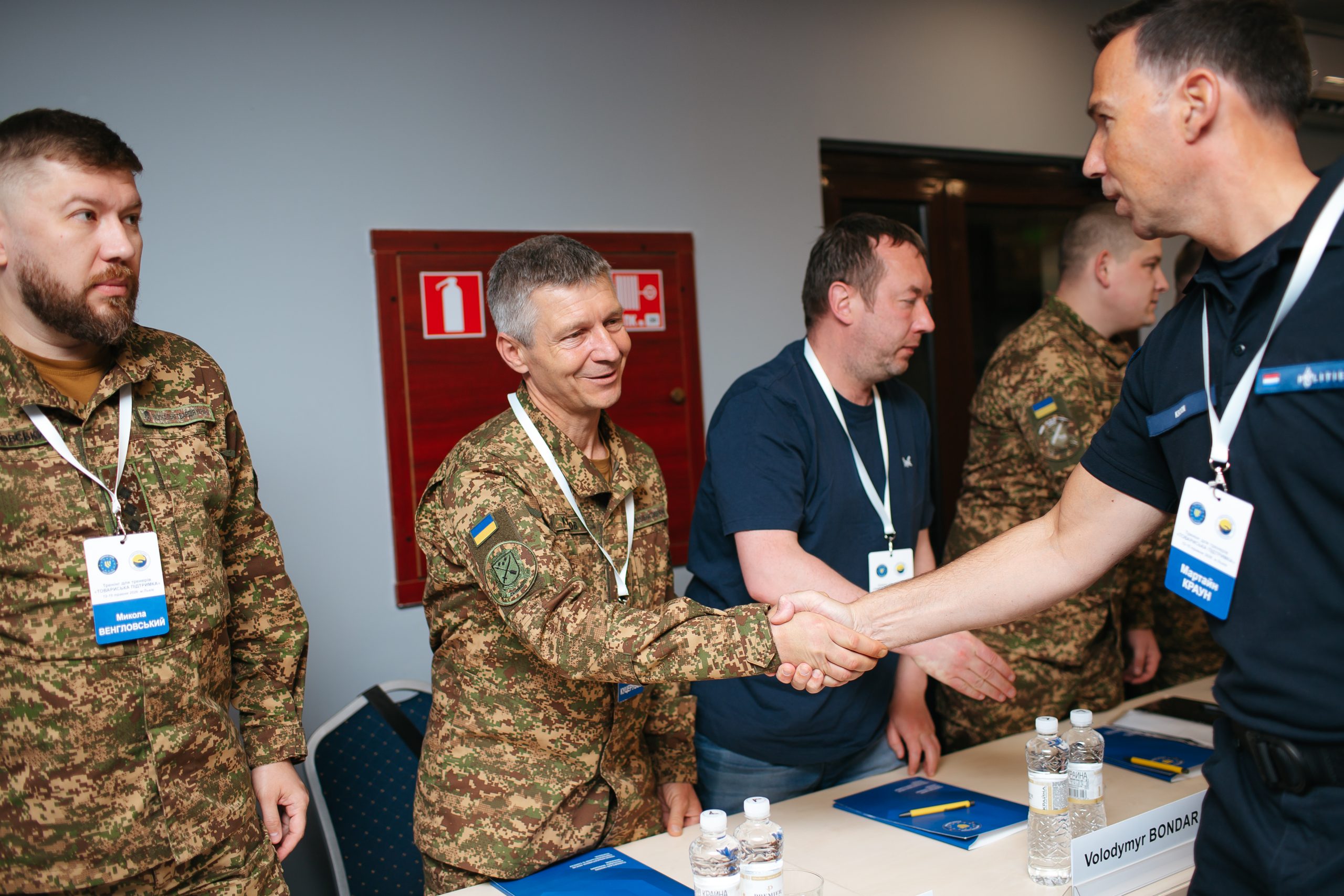
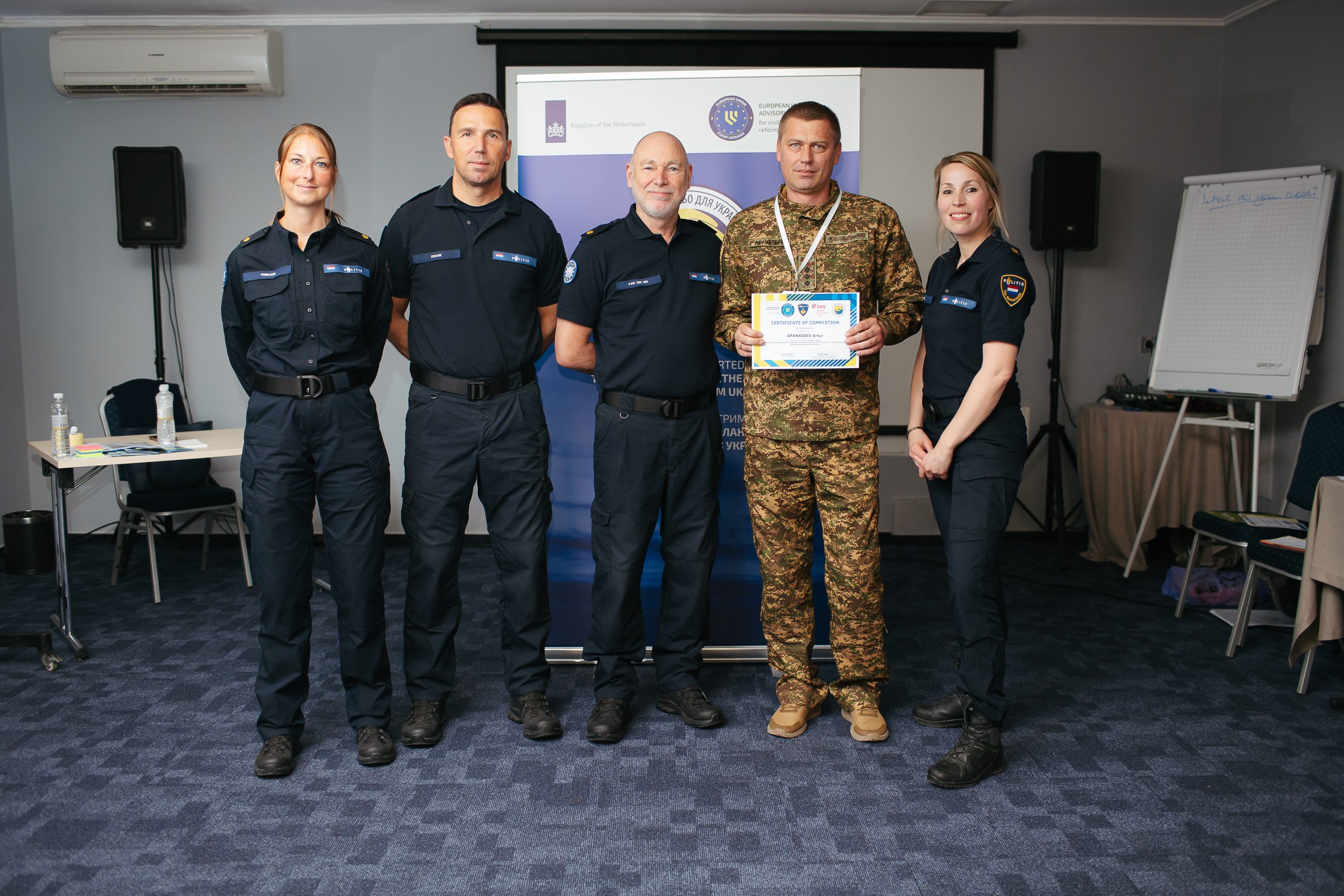
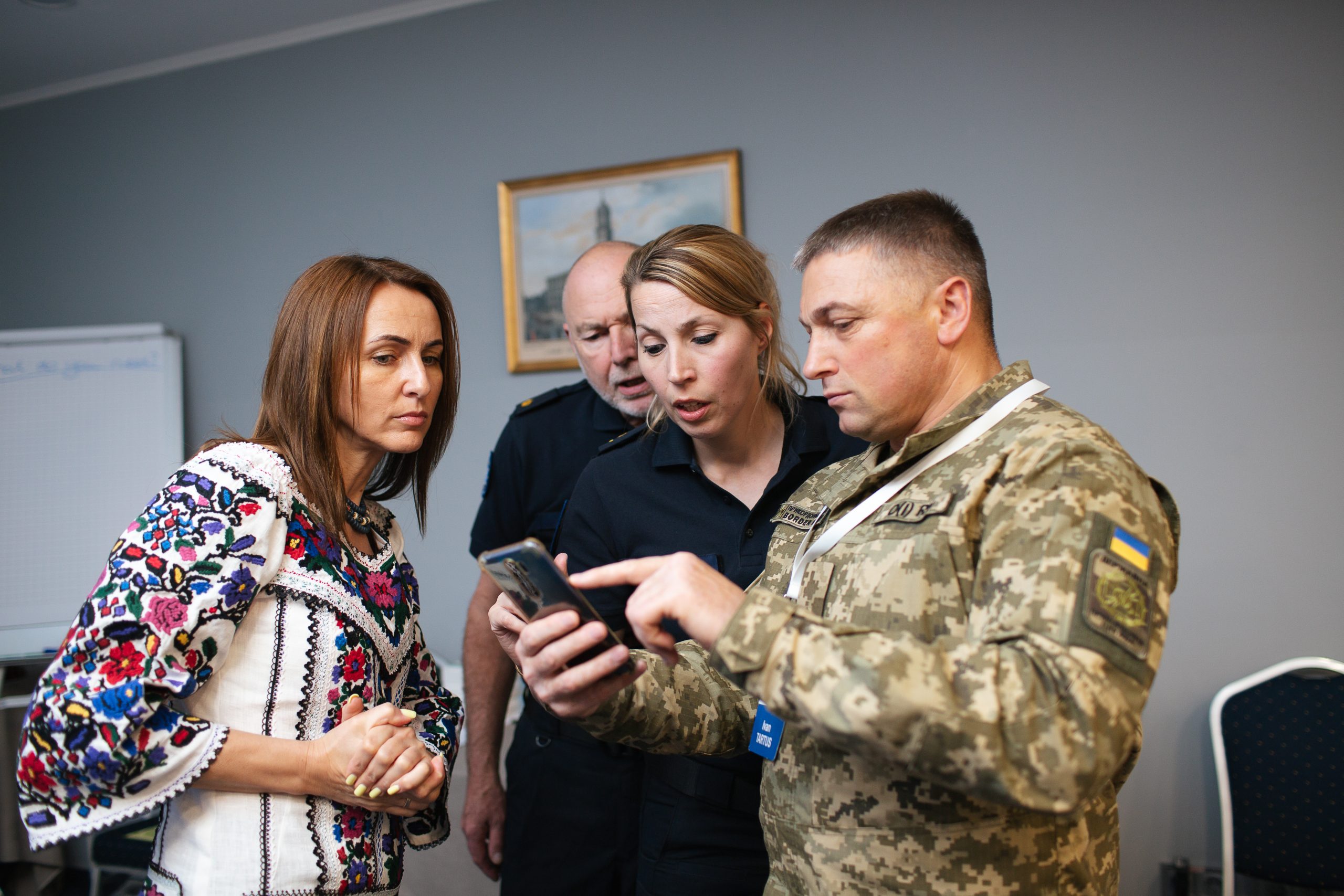
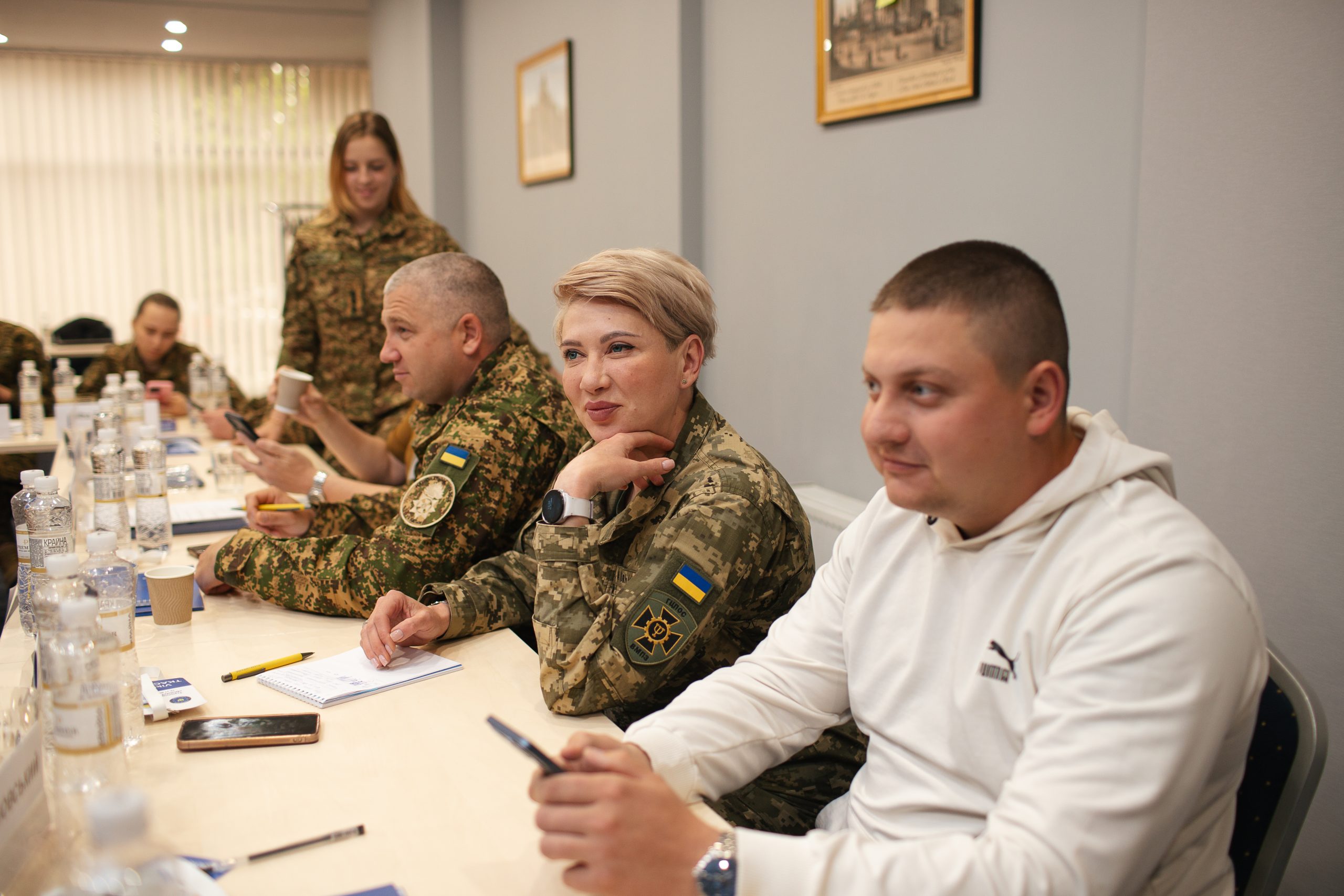
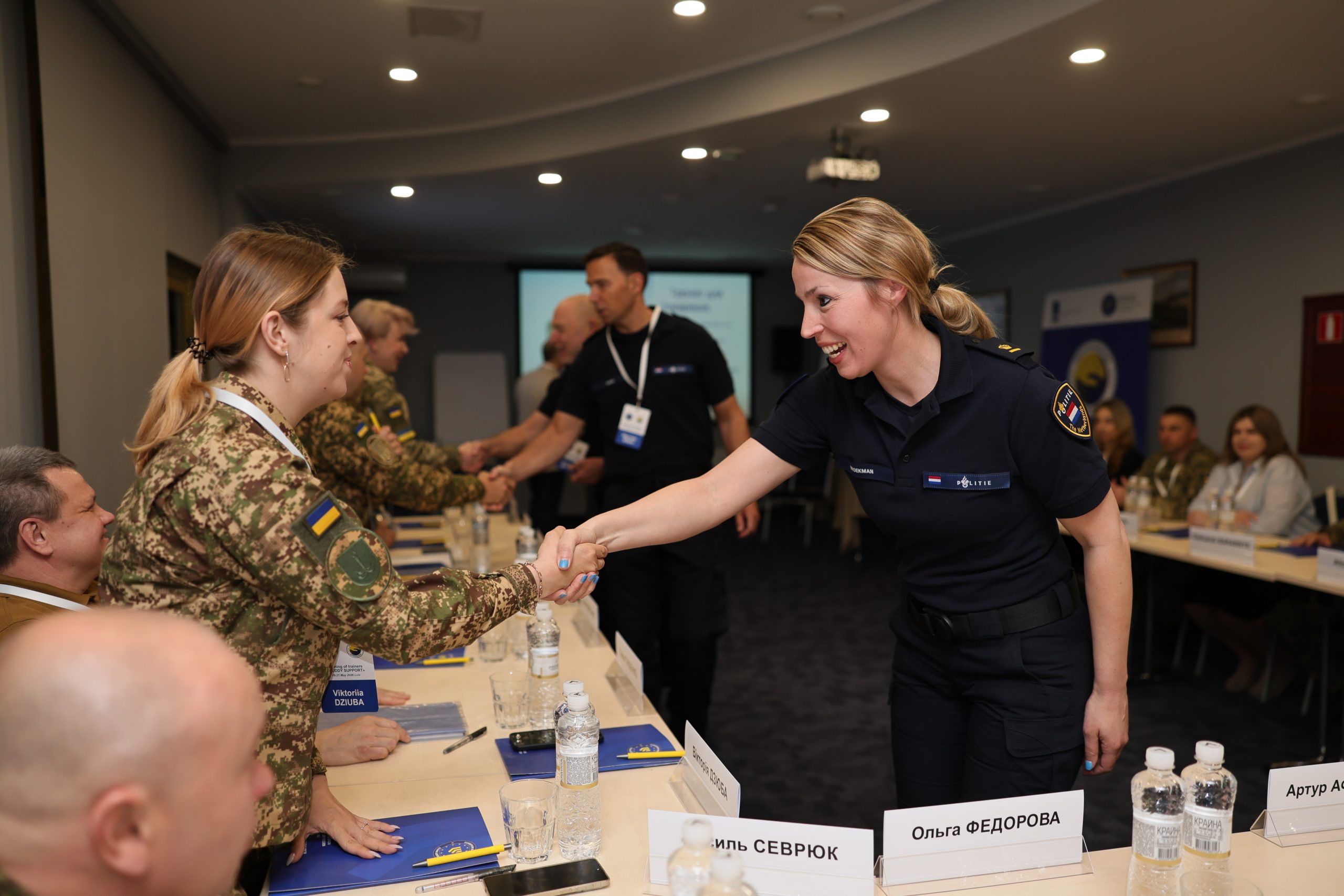
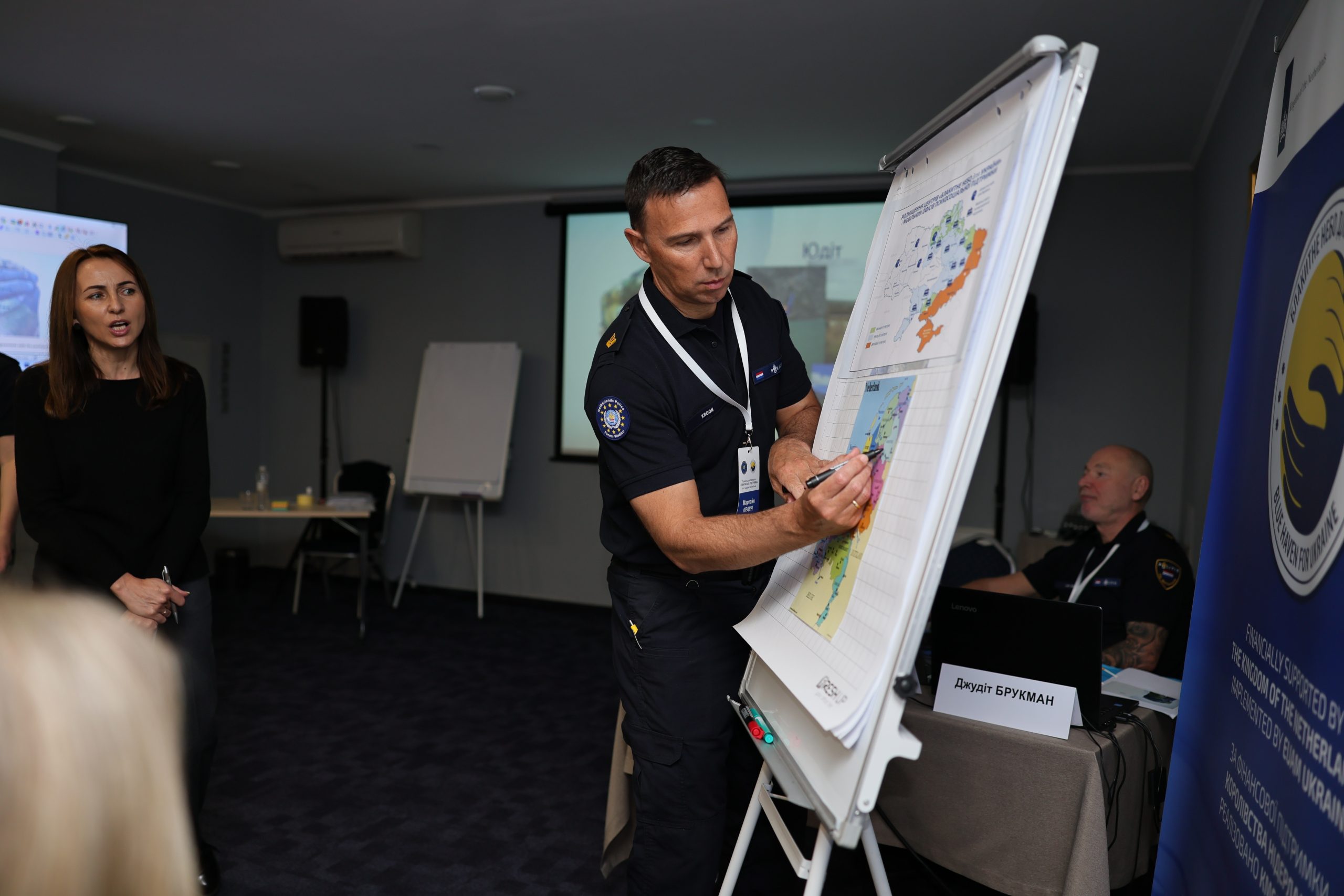
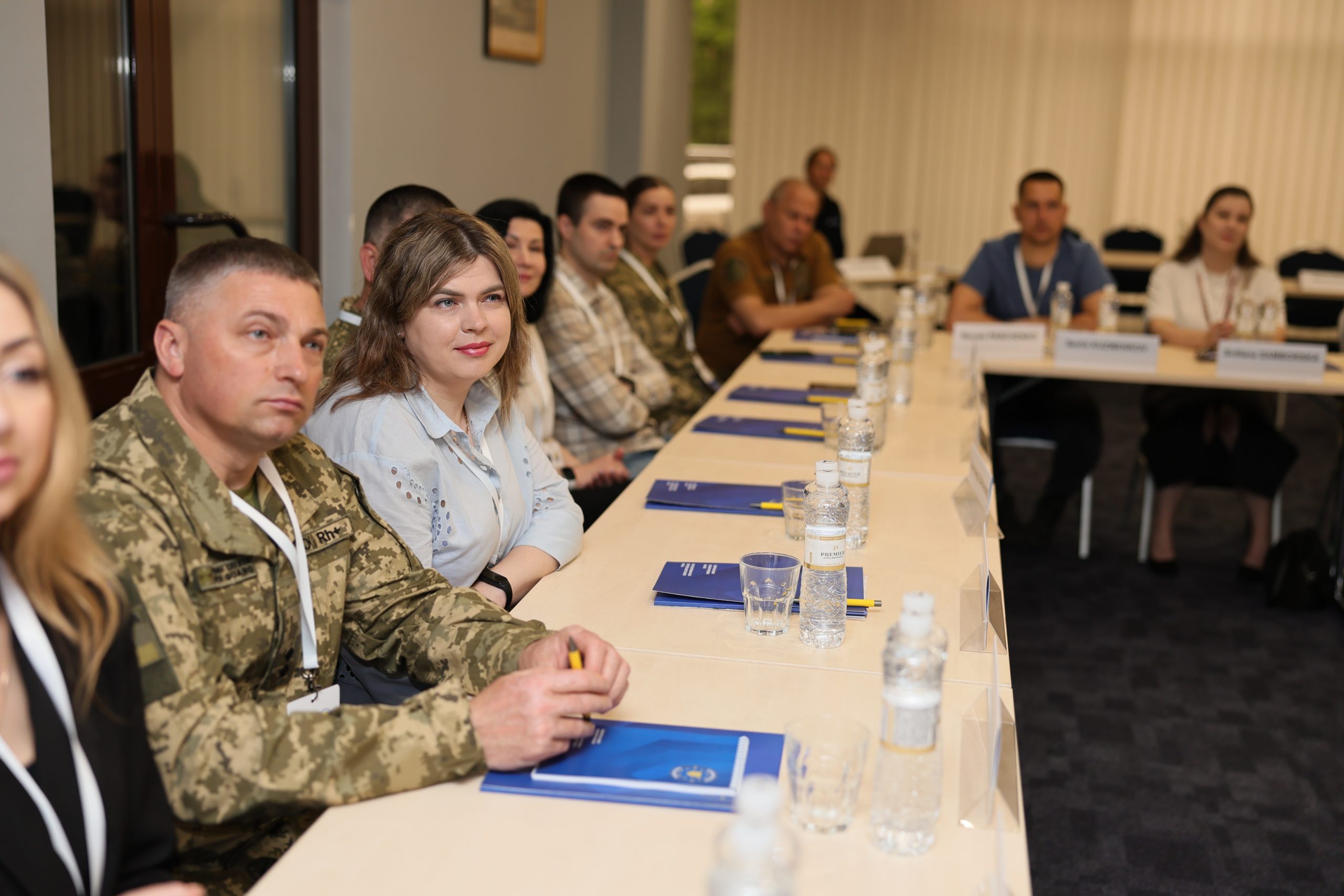
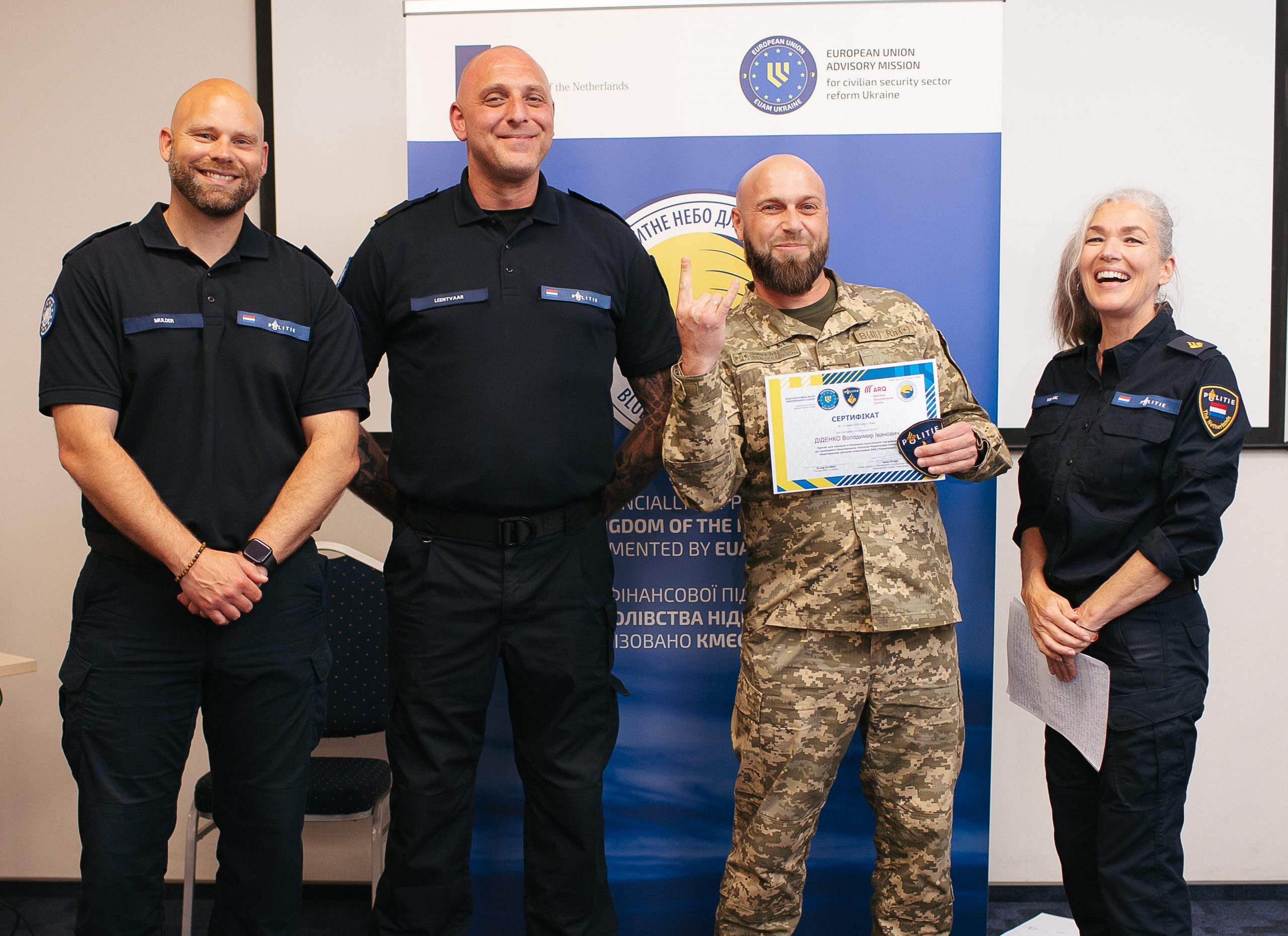
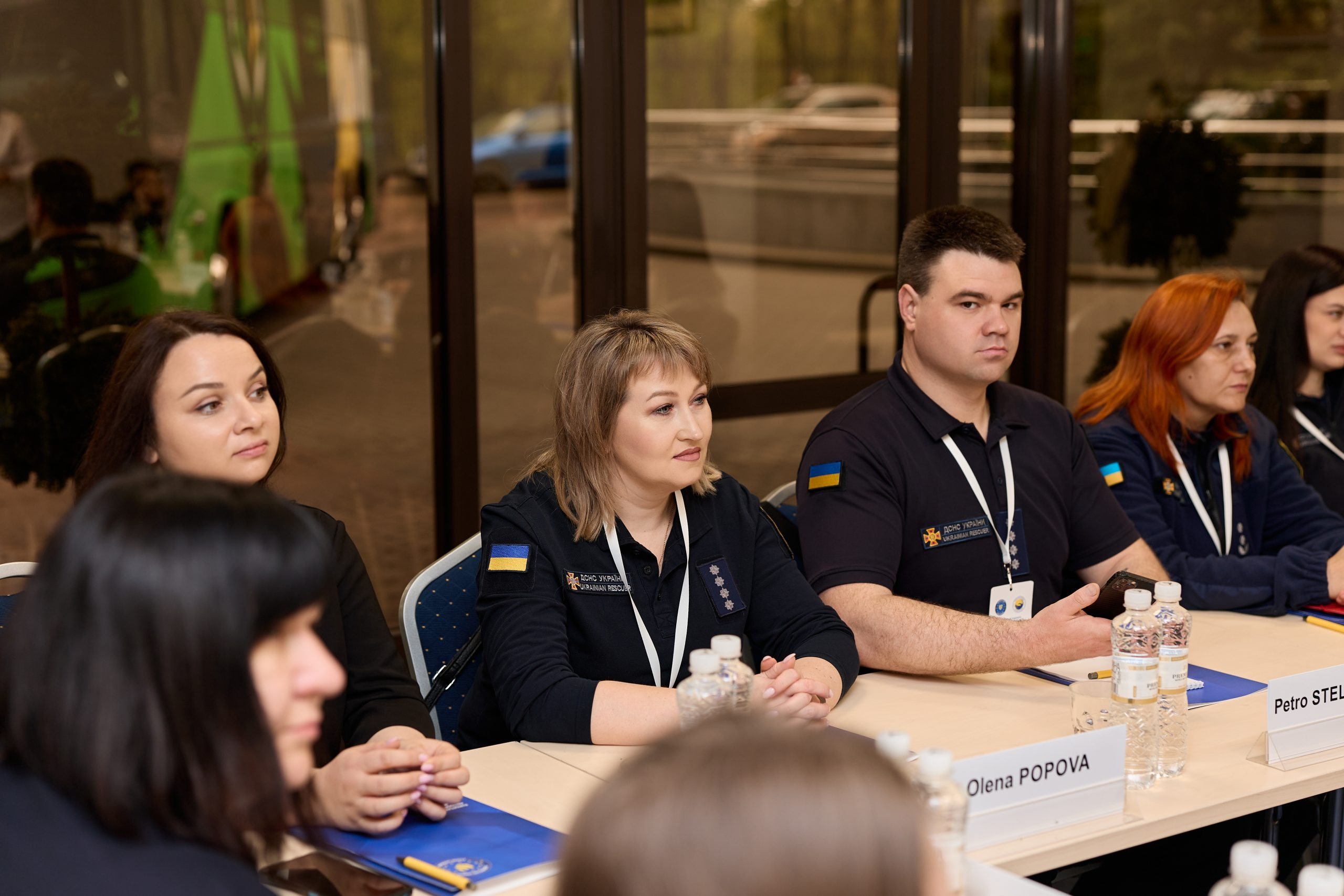
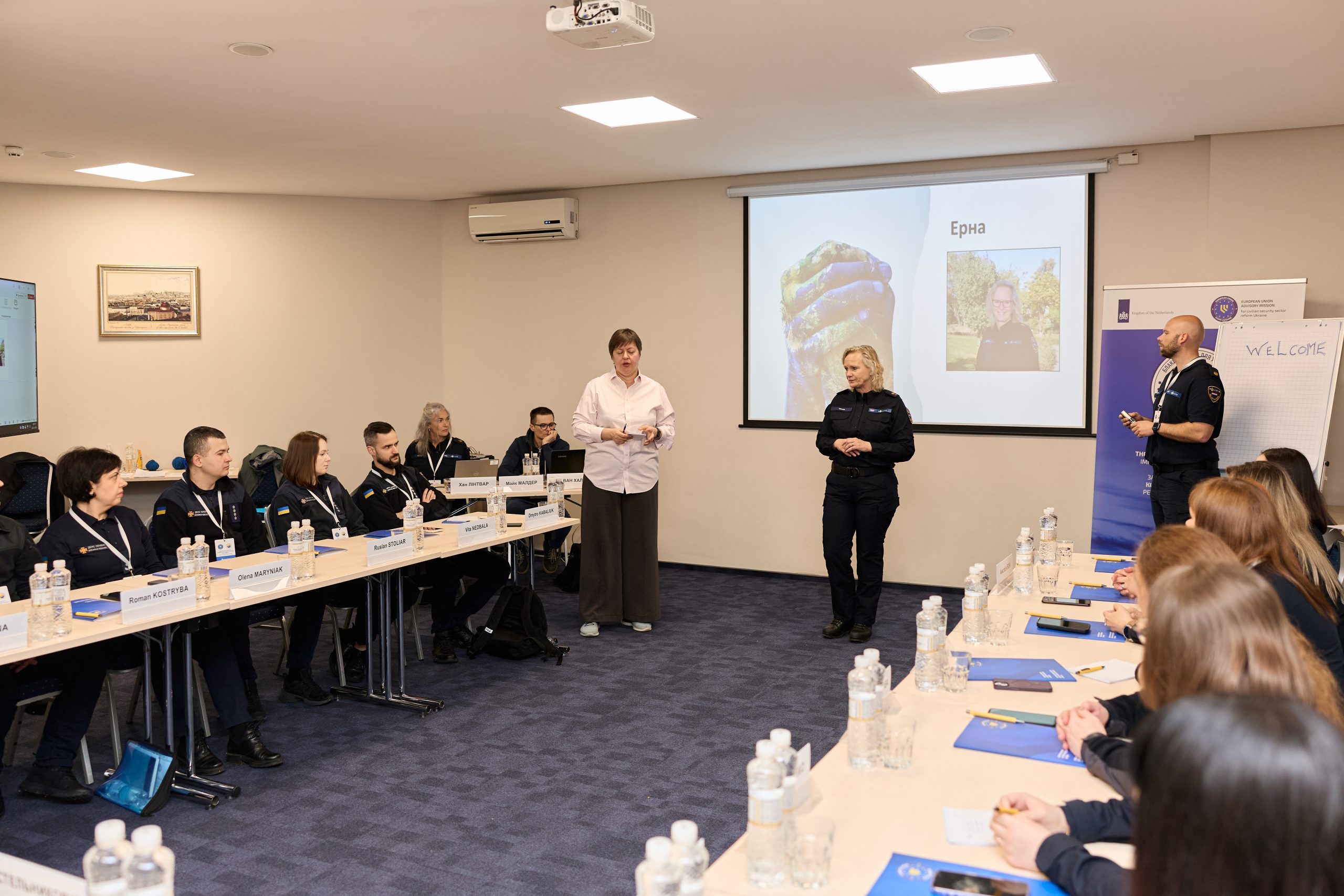
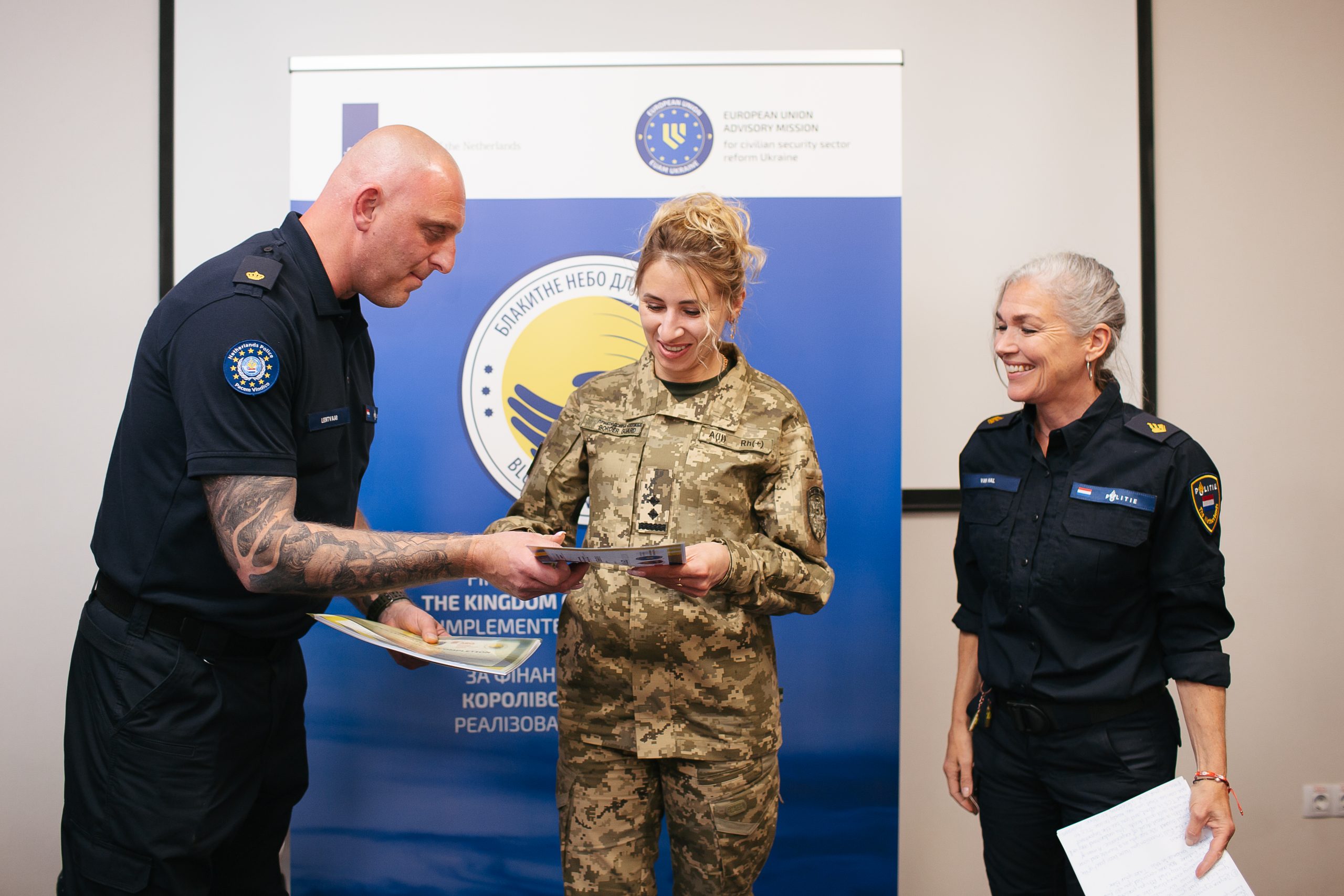
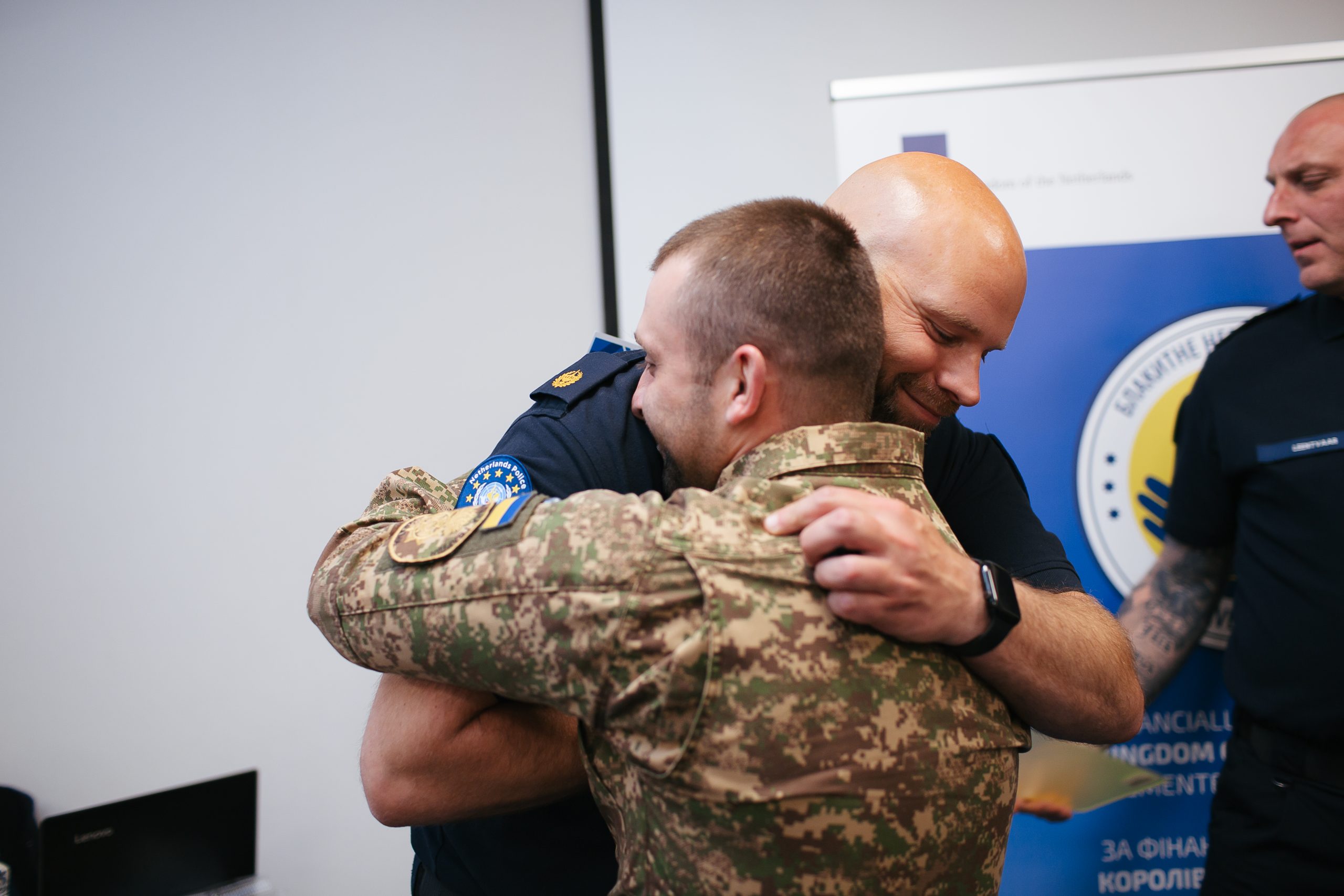
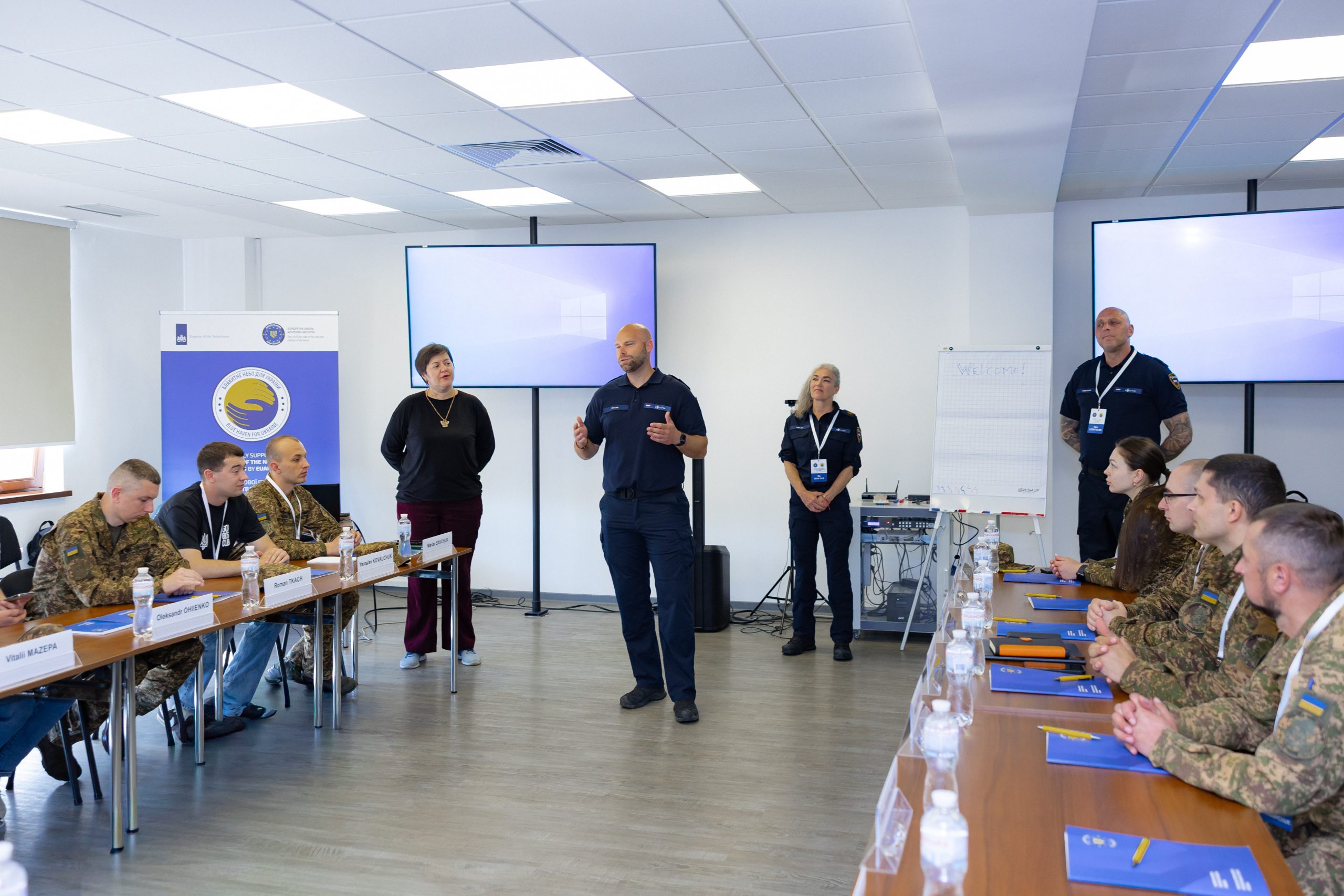
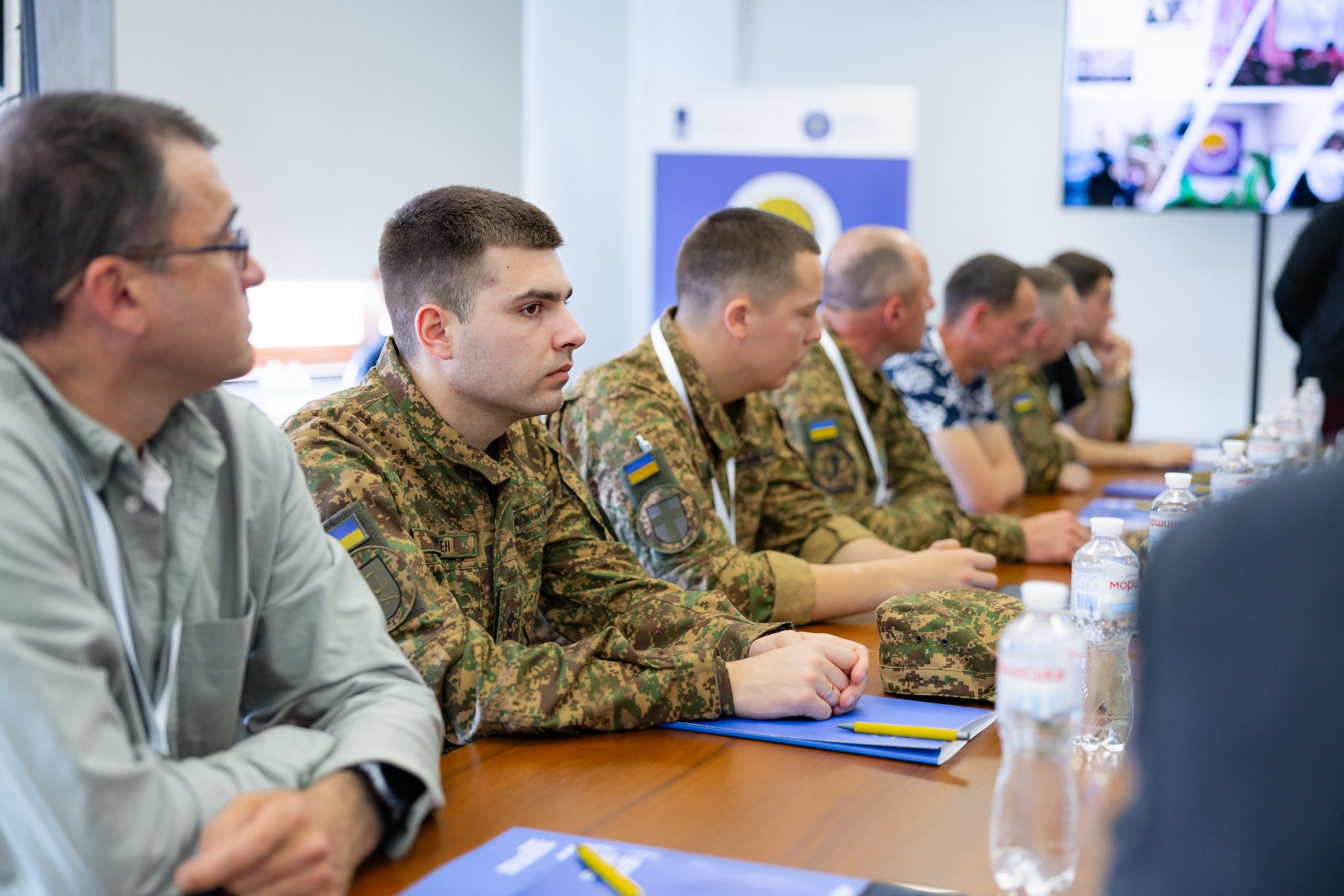
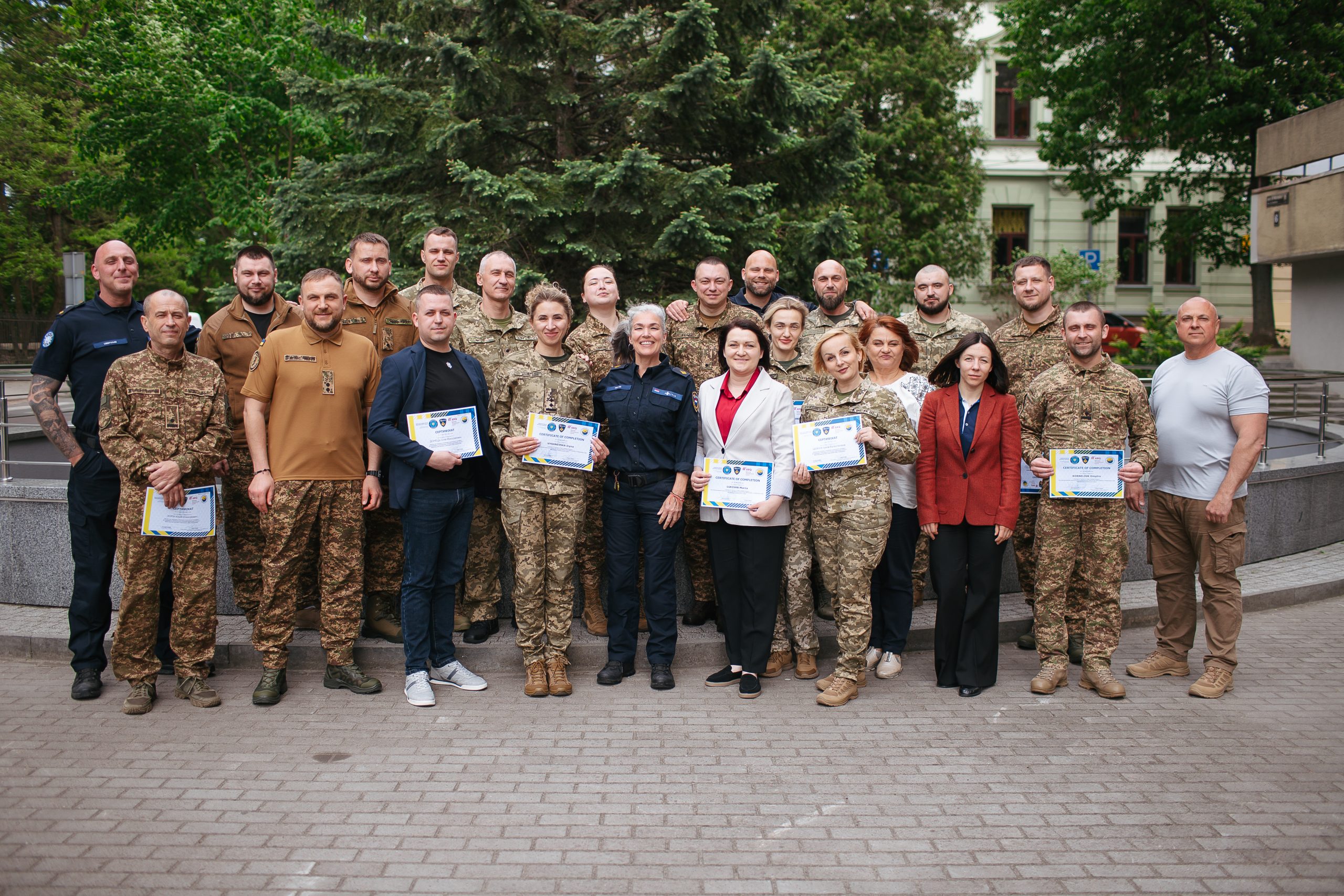
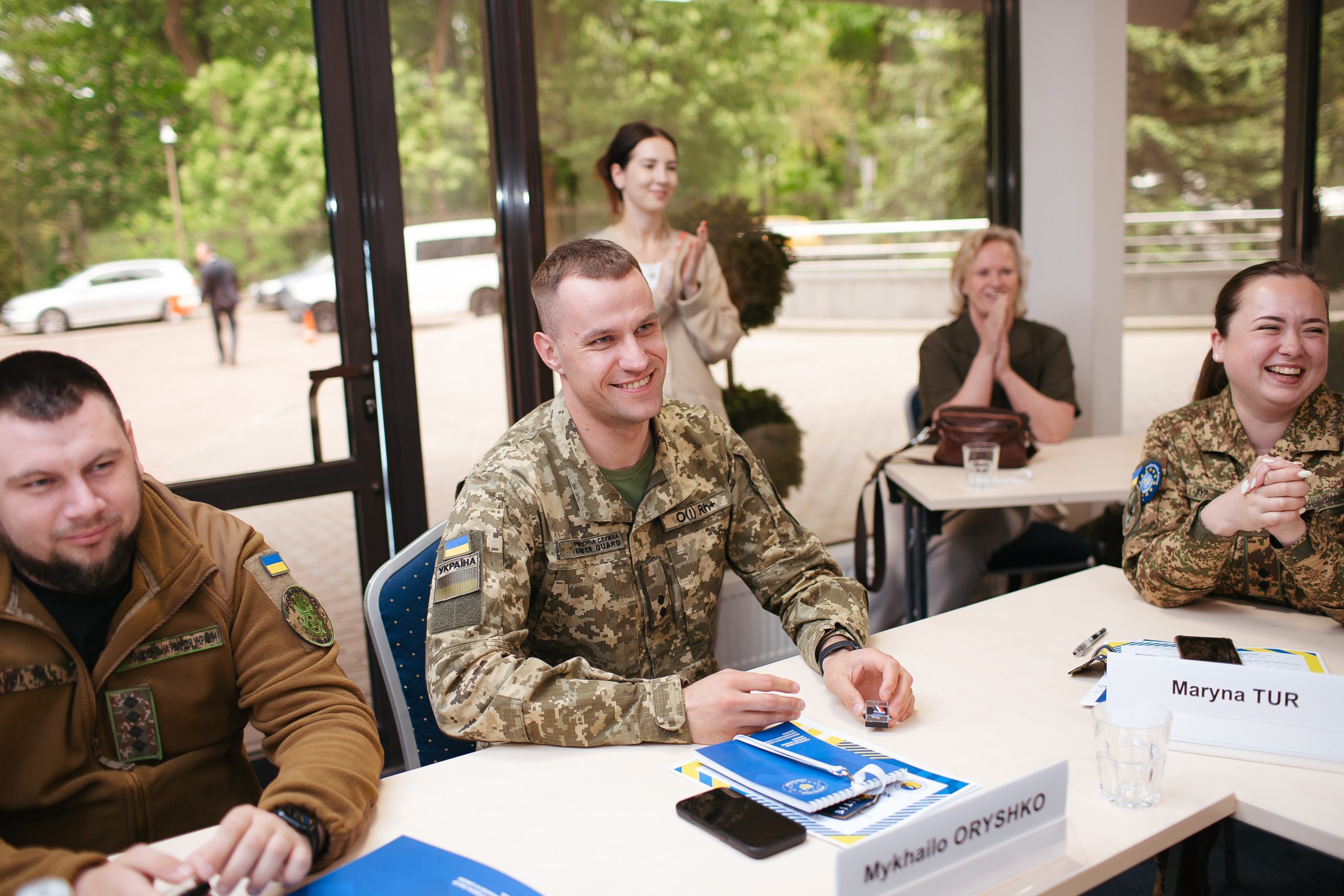
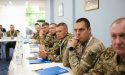
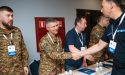
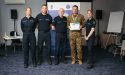

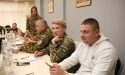
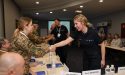

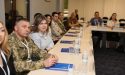


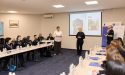
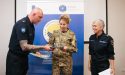
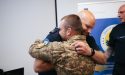
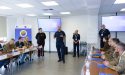
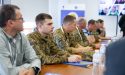
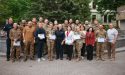
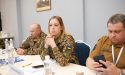
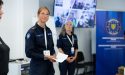
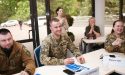
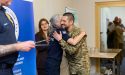
Mykhailo Oryshko, from the Psychological Support Unit of the State Border Guard Service, said this was especially valuable in the daily reality of service.
“The Team Collegial Support system is highly relevant, valuable, and necessary. It equips colleagues with essential psychological skills to recognise when someone may be struggling, provide support, and, as our colleagues aptly described it, ‘highlight the door’ through which a person can seek further help. First, this significantly reduces the burden on professional psychologists. Second, unlike psychologists, colleagues are present in day-to-day service and can provide immediate support when needed. Therefore, this system has a substantial positive impact on strengthening the moral and psychological well-being of personnel,” he said.
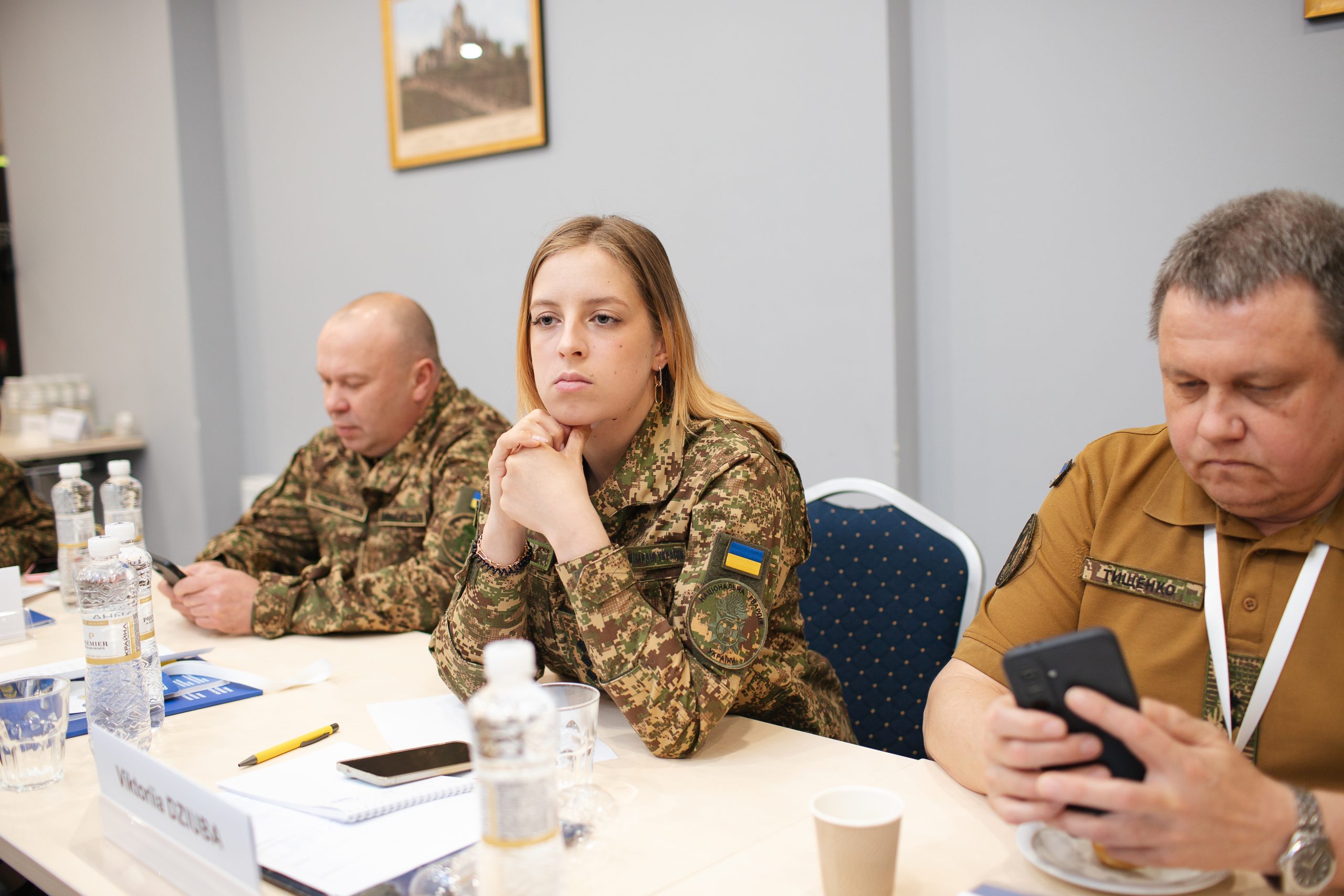
For Viktoriia Dziuba, a participant from the National Guard of Ukraine, the training was also about personal growth and practical skills.
“During this training, I realised the importance of continuous self-development, and this course helped me achieve exactly that. I gained a great deal of valuable knowledge, met new people, and I hope that, in the future, Buddy Support will be further implemented within our agency and actively used in the units of the National Guard of Ukraine, as well as across other agencies,” she said.
The training does not replace professional psychological assistance. Instead, it strengthens the link between colleagues and specialists when further help is needed. In wartime, such initiatives matter not only for individuals, but also for institutions. Stronger support inside teams helps protect those who protect others. It reinforces the message at the heart of the project, because mental health is also armour.