
Hybrid Warfare and Democratic Decision-Making: Lviv Hosts a Workshop on Hybrid Threats
June 16, 2026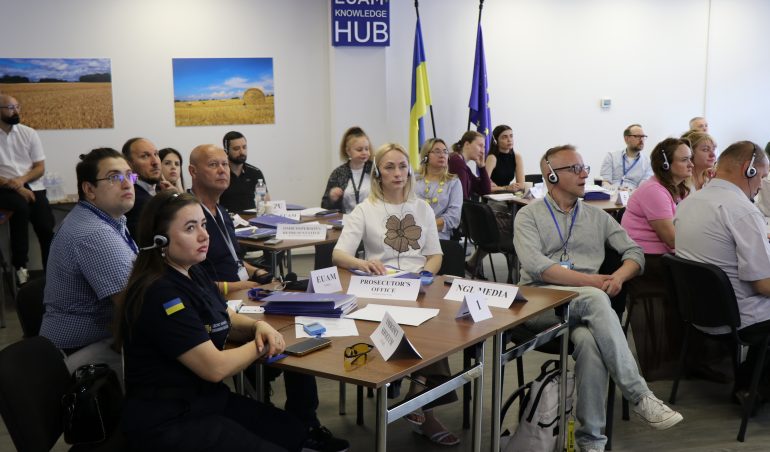
Should the government temporarily shut down social media platforms during an election if it detects a massive, AI-driven foreign influence campaign? Should the government mandate the collection of ethnic and religious data on all citizens to better identify and protect vulnerable groups from targeted foreign micro-targeting campaigns? Or should the police be granted the power to ban protests organised by marginalised groups if intelligence suggests that foreign actors plan to infiltrate them and incite violence?
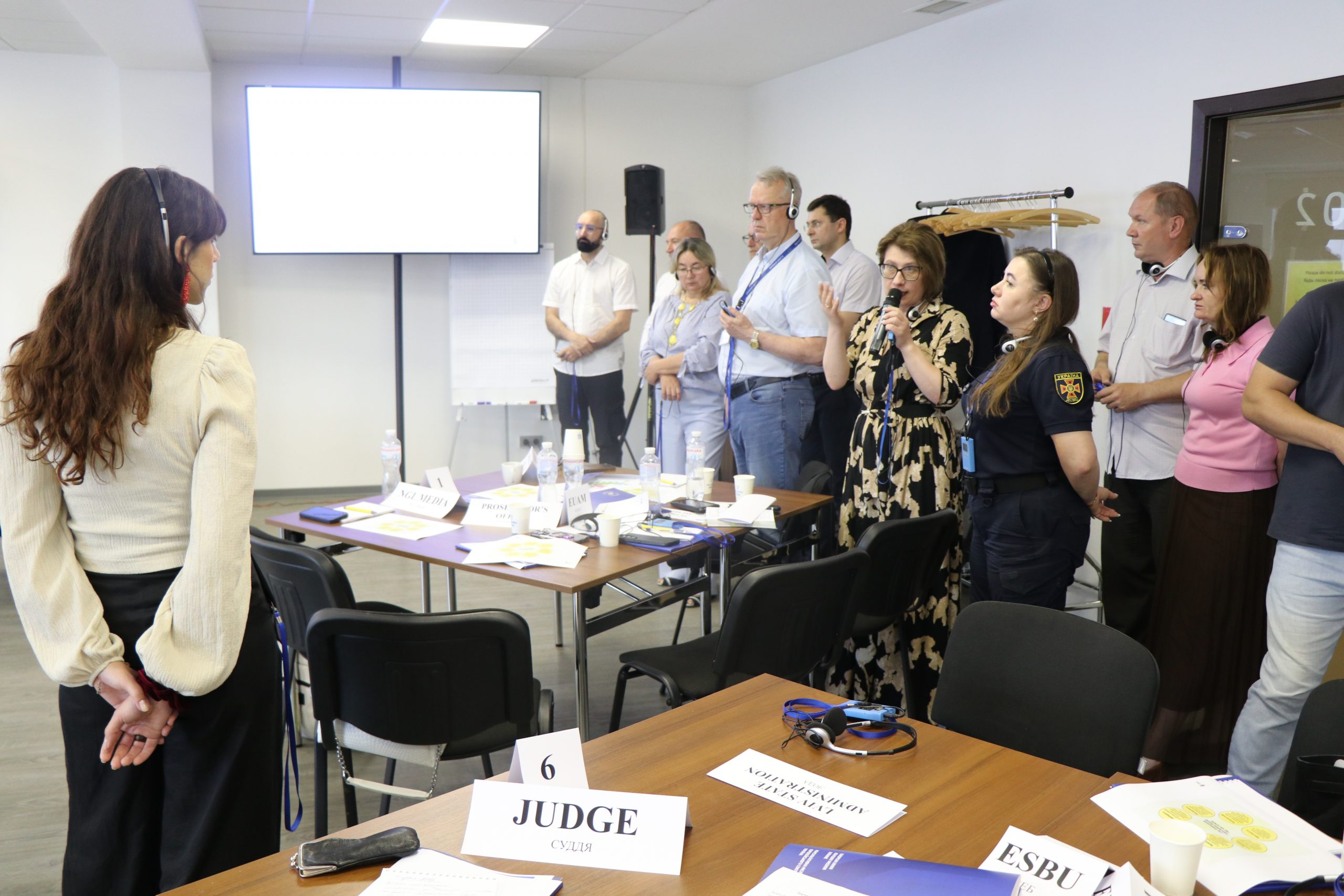
These and other dilemmas were addressed last week by participants of the workshop “Hybrid Warfare as a Strategic Threat Against Democratic Decision-Making”, organised by EUAM Ukraine’s Field Office in Lviv and the Folke Bernadotte Academy of Sweden.
“Hybrid threats are multifaceted and employ a range of tactics that can compromise democratic institutions by targeting social stability, challenging decision-making and diminishing public trust. That is why the Mission supports our Ukrainian partners in strengthening resilience, improving preparedness, and enhancing their ability to detect, prevent and respond to hybrid threats,” said Aimar Koss, Senior Border/IBM Adviser at EUAM Ukraine.
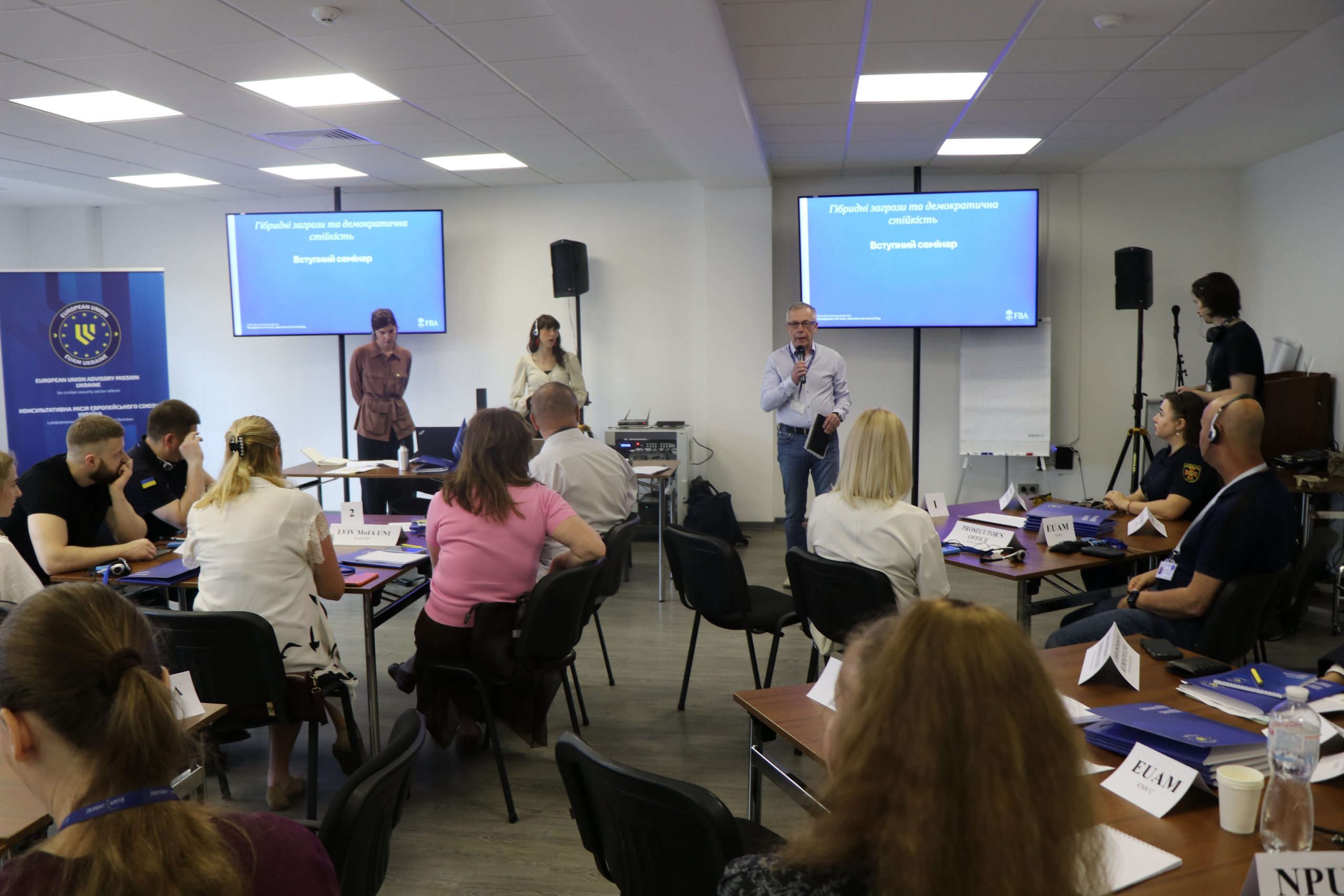
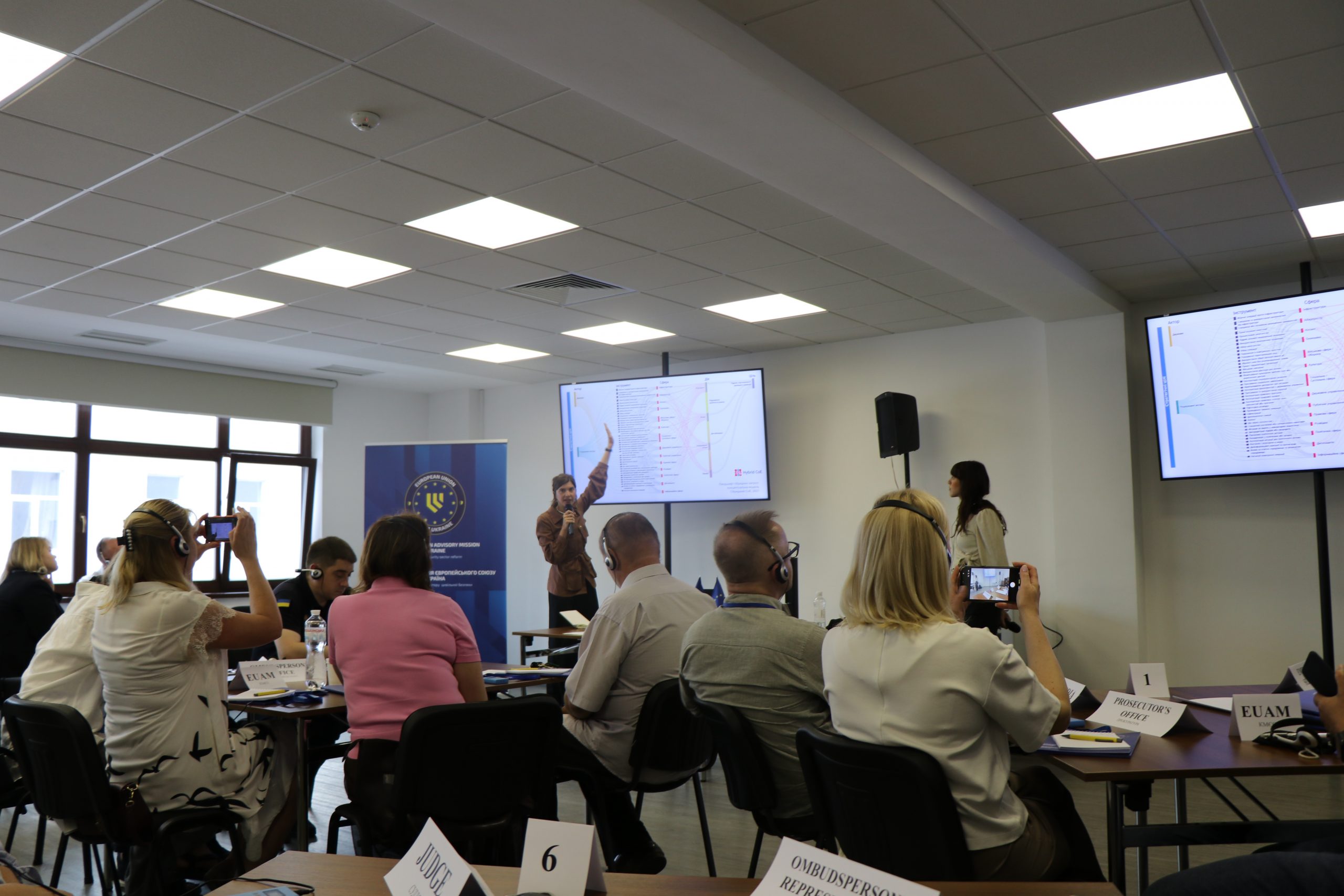
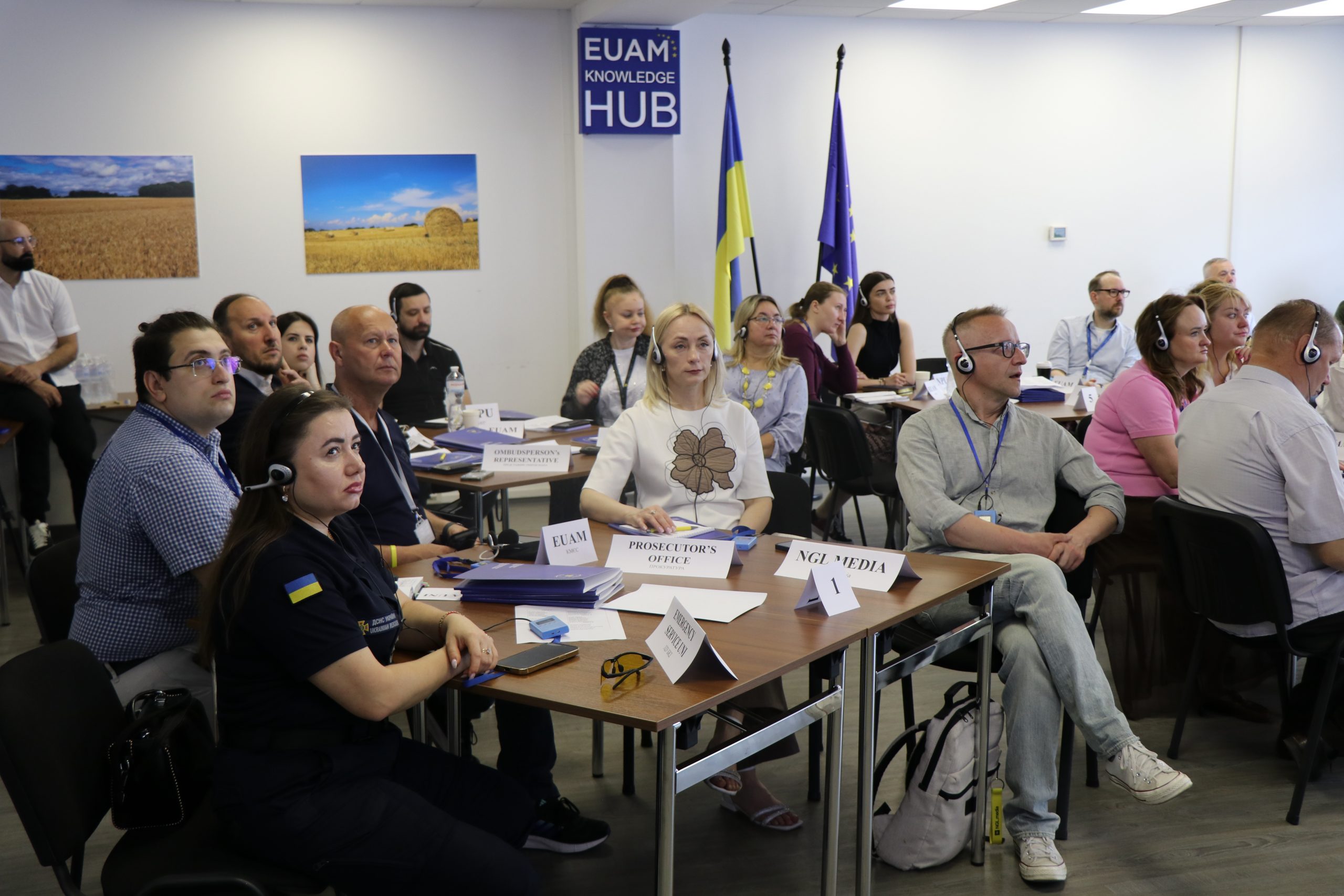
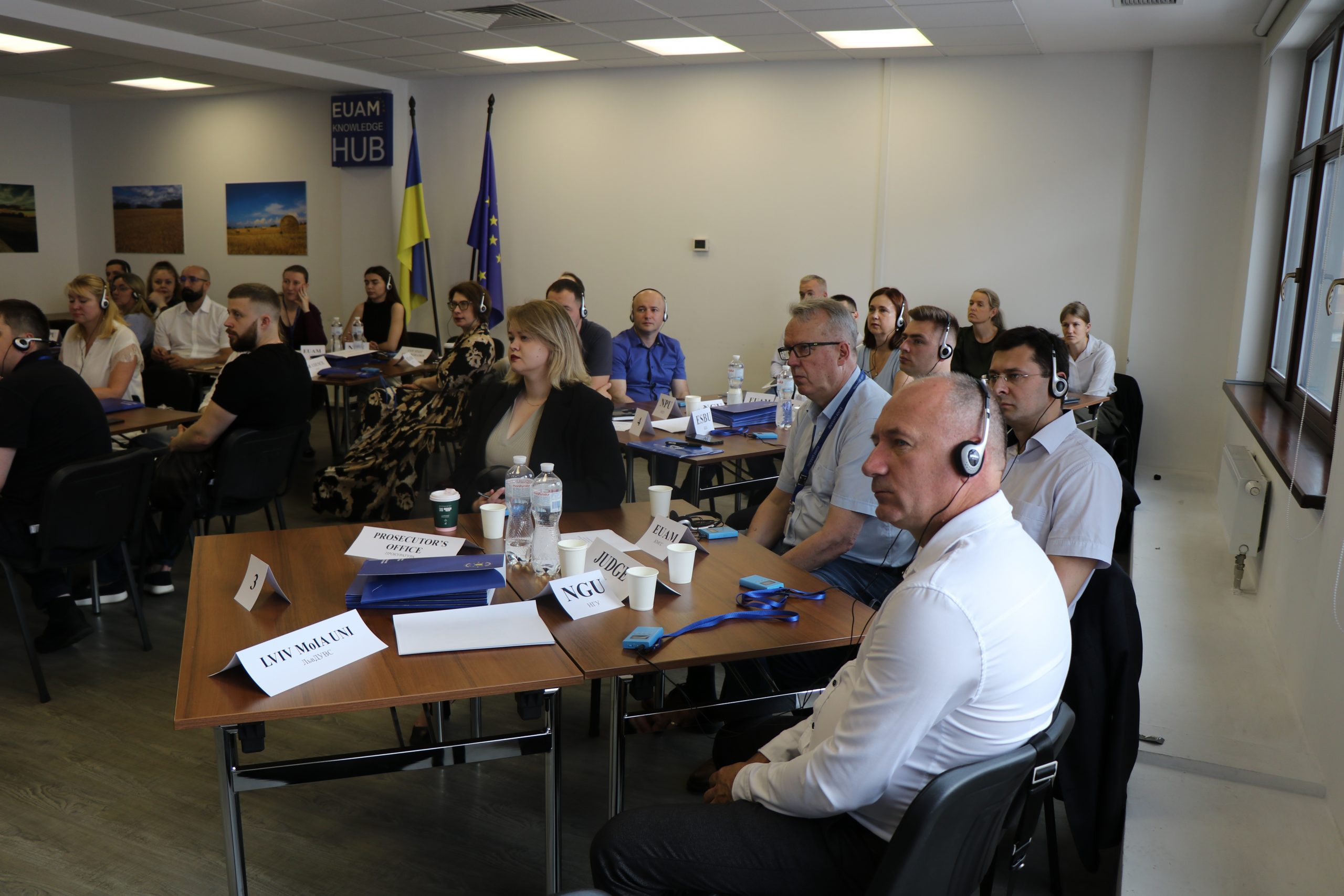
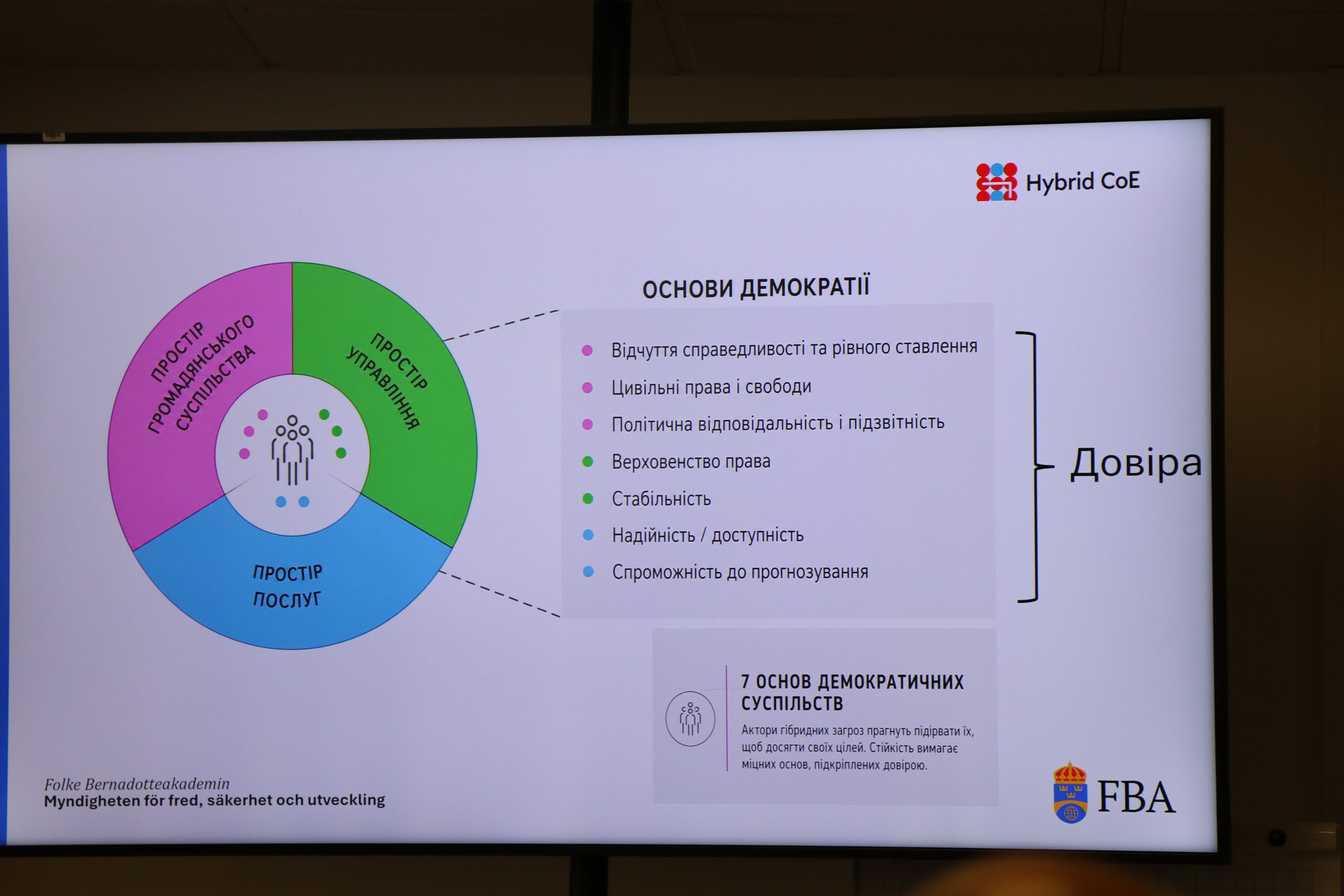
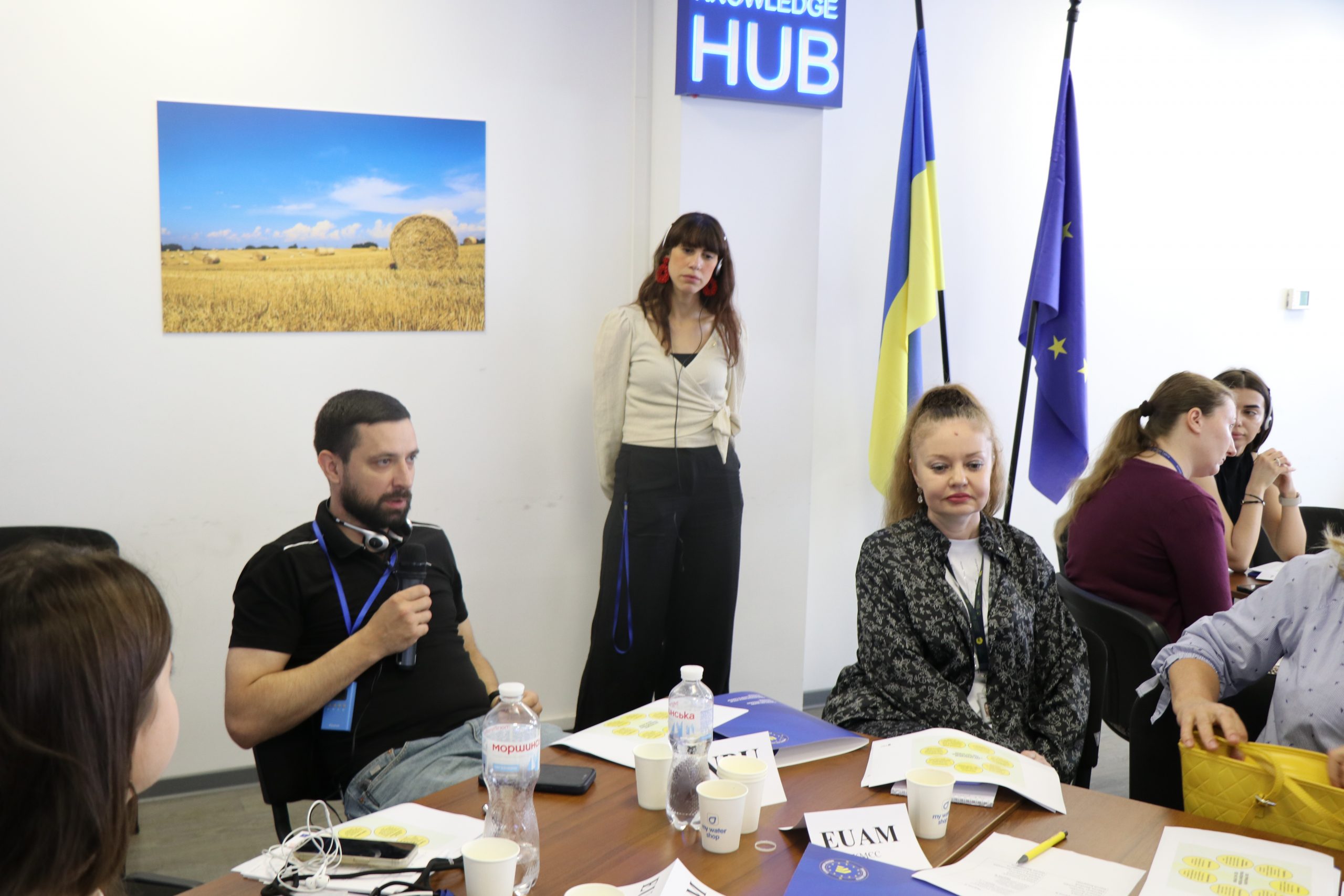
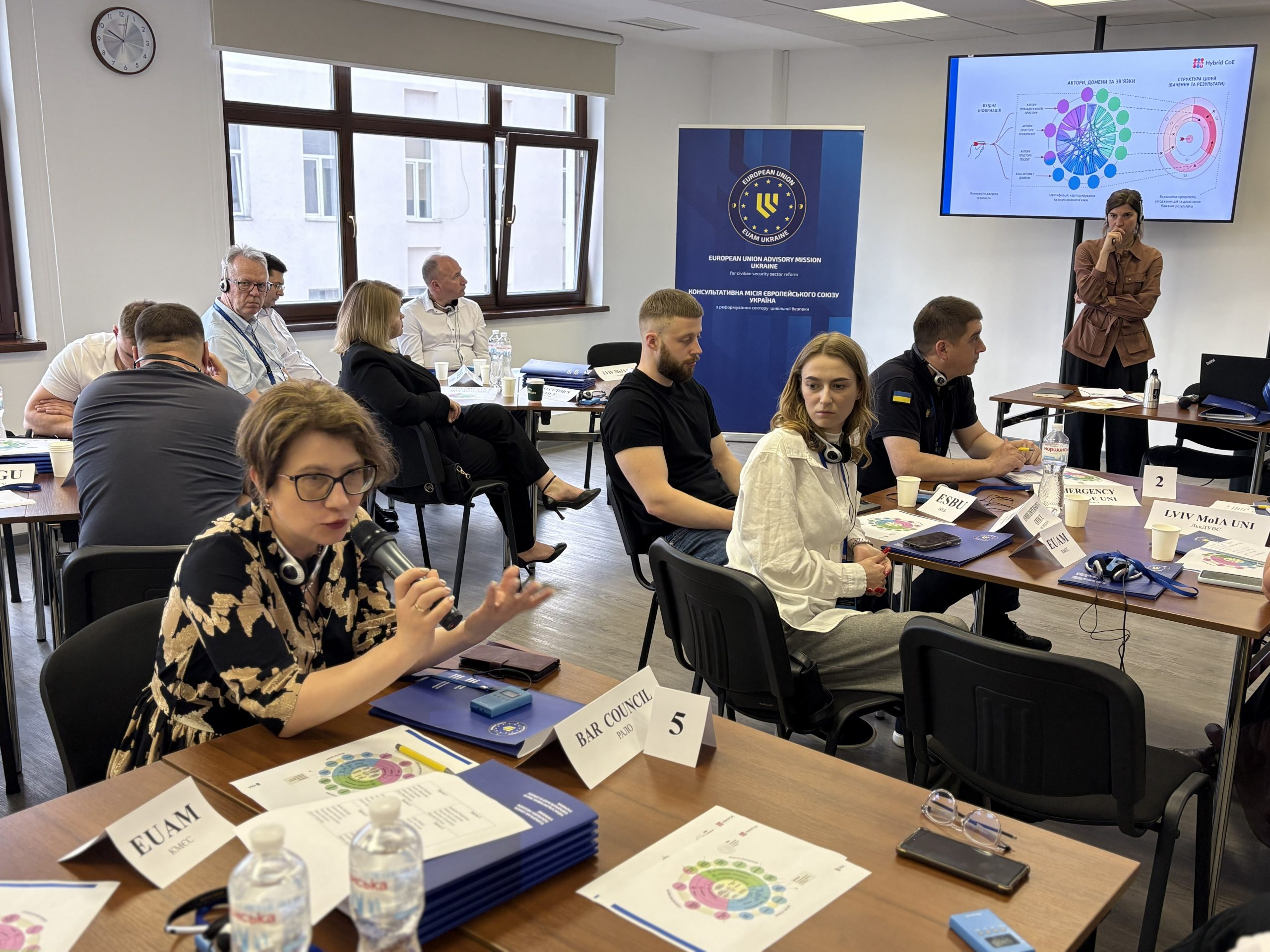










The activity focused on the Comprehensive Resilience Ecosystem (CORE) model, a systemic representation of democratic society as a whole. The model is used to analyse and counter hybrid threats that seek to undermine the integrity and functioning of democracies, influence decision-making processes and create cascading effects across institutions and society.
The session was led by experts from the Folke Bernadotte Academy: Filippa Almlund, Specialist in Hybrid Threats, and Emma Mihlzén, Desk Officer in Hybrid Threats. During their presentations, the trainers underlined that hybrid warfare is a direct attack on democratic integrity and decision-making. They also stressed that responding to such threats while safeguarding the rule of law and public trust requires discussion and coordination across sectors and institutions.
Participants, including representatives of law enforcement agencies, the judiciary, rule of law institutions, and universities of the Ministry of Internal Affairs and the State Emergency Service of Ukraine, reflected on the hybrid threats they observe within their sectors, identified vulnerabilities and considered possible responses.
“In the process of analysing and countering hybrid threats, a risk model of such attacks by the aggressor is developed. Working through the lens of this model enables a proactive approach, helping to protect critical infrastructure from disinformation, cyberattacks and acts of sabotage,” said Oleksii Kolesnyk, Head of the Criminal Analysis Directorate of the Main Department of the National Police in Lviv region.
The workshop also reflects the needs of Ukrainian counterparts at a time when hybrid threats are an increasingly important part of Russia’s war of aggression against Ukraine. Following a strategic review of the Mission, EU Member States broadened EUAM Ukraine’s mandate through a decision by the Council of the European Union. The revised mandate enables the Mission to support Ukraine in building capacities to counter hybrid threats. These include threats to critical infrastructure, cybersecurity risks, foreign information manipulation and interference, and Russia’s recruitment of vulnerable groups for subversive and terrorist actions.
