
From Lviv to Dnipro, Ukrainian institutions and organizations improve their response to CRSV
October 28, 2026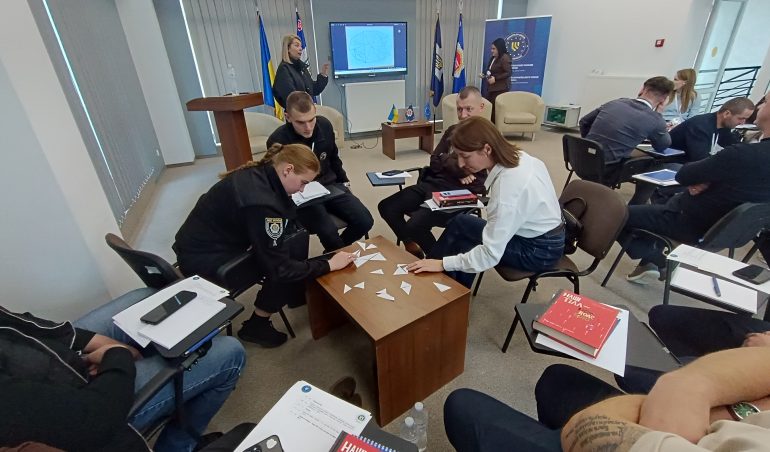
“While dealing with conflict-related sexual violence survivors it is very important, at any cost, not to harm them as they’ve already suffered a lot.”
This remark by a civil society representative at the workshop in Lviv captures one angle of many events the EU Advisory Mission (EUAM) Ukraine supports across the country aiming to make investigations and prosecutions of the CRSV cases more survivor-oriented and ensure alignment with European and international standards.
At least 1004 cases of conflict-related sexual violence have been documented by UN Office of the High Commissioner for Human Rights between 24 February 2022 and 31 July 2026 during Russia’s full-scale war against Ukraine. Yet these verified cases reveal only a small part of the scale of the crime. Many survivors never report the abuse they experienced.
For those who do, seeking justice can bring further distress. Repeated requests to recount traumatic experiences, uncertainty about available protection and poorly handled interviews can undermine trust and cause additional harm. Investigations that uphold the rights of survivors therefore depend on both specialist skills and cooperation between law enforcement agencies and organisations that survivors trust.
Two October workshops in Lviv and Dnipro addressed these connected needs, combining the development of professional education with dialogue between investigators, prosecutors, civil society organisations and survivor networks.
In Lviv, police education responds to wartime needs
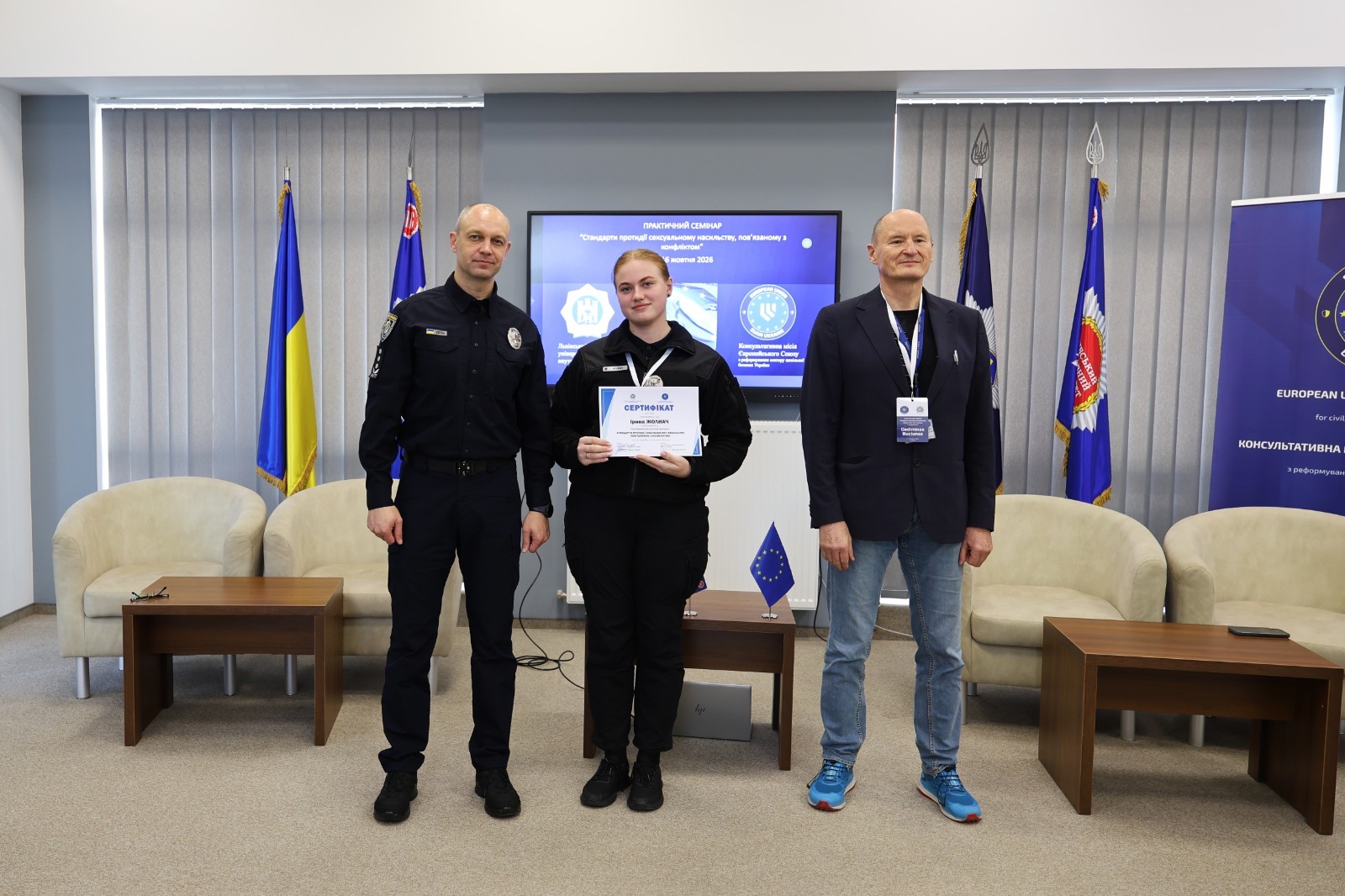
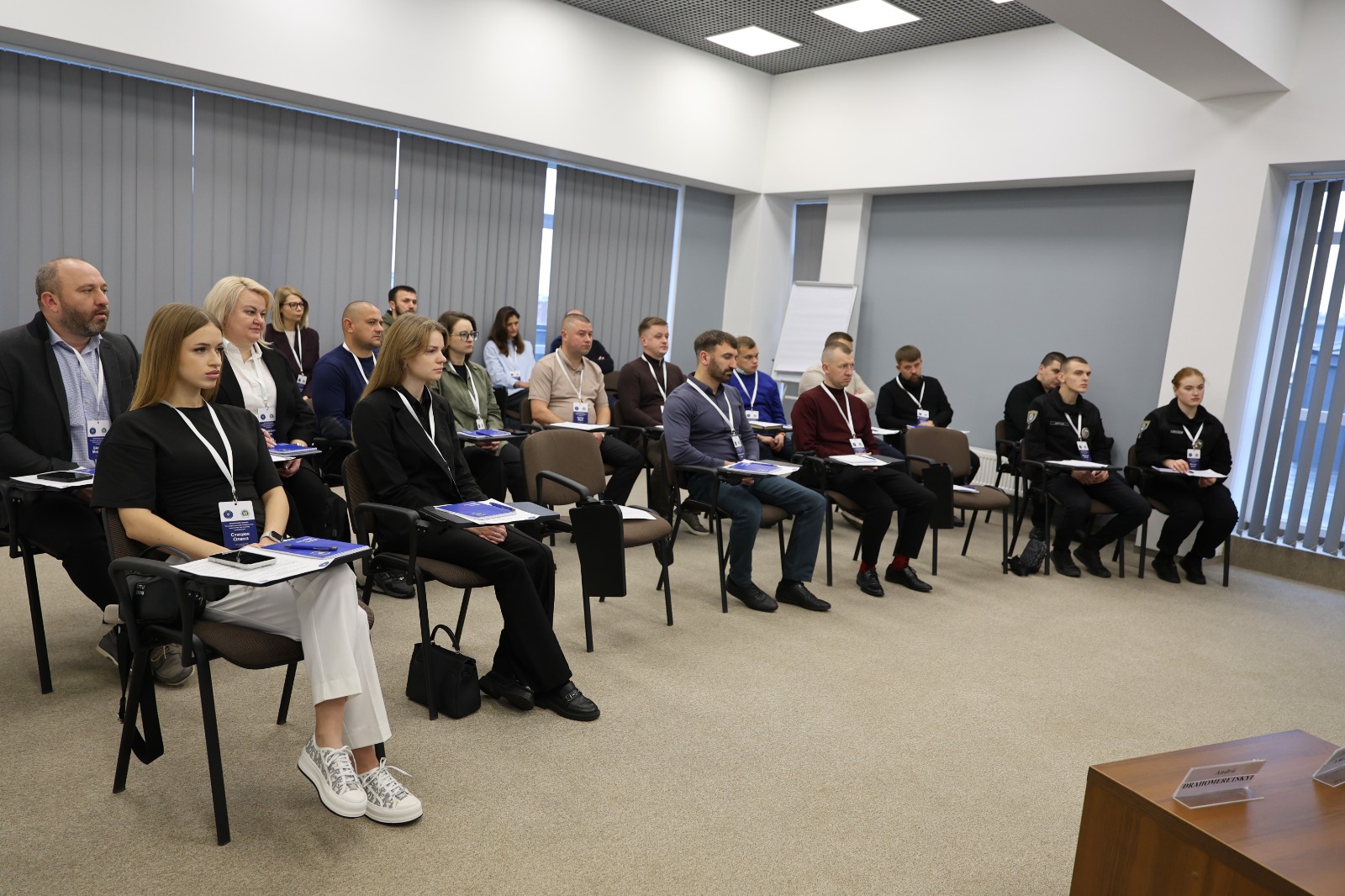
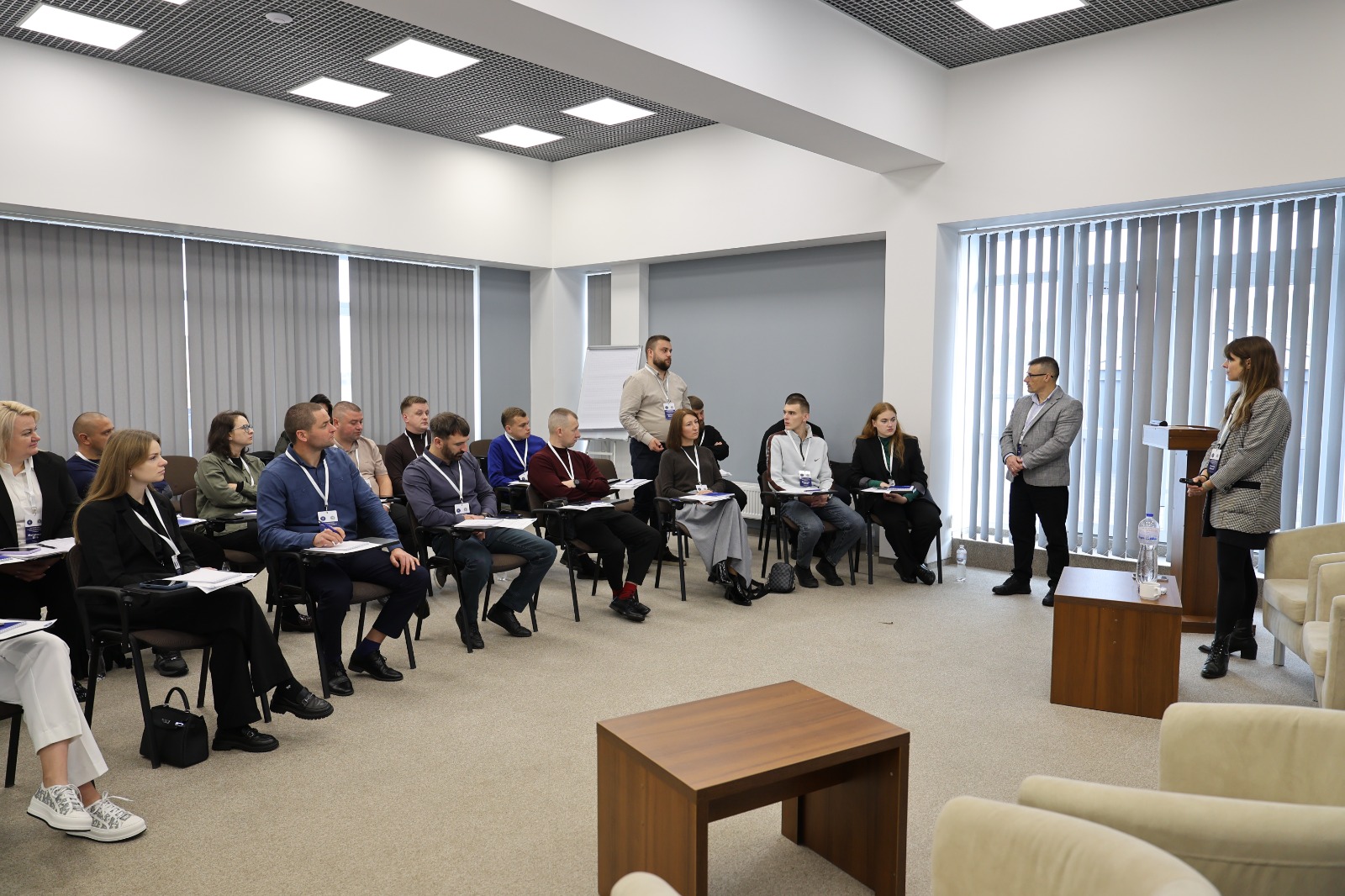
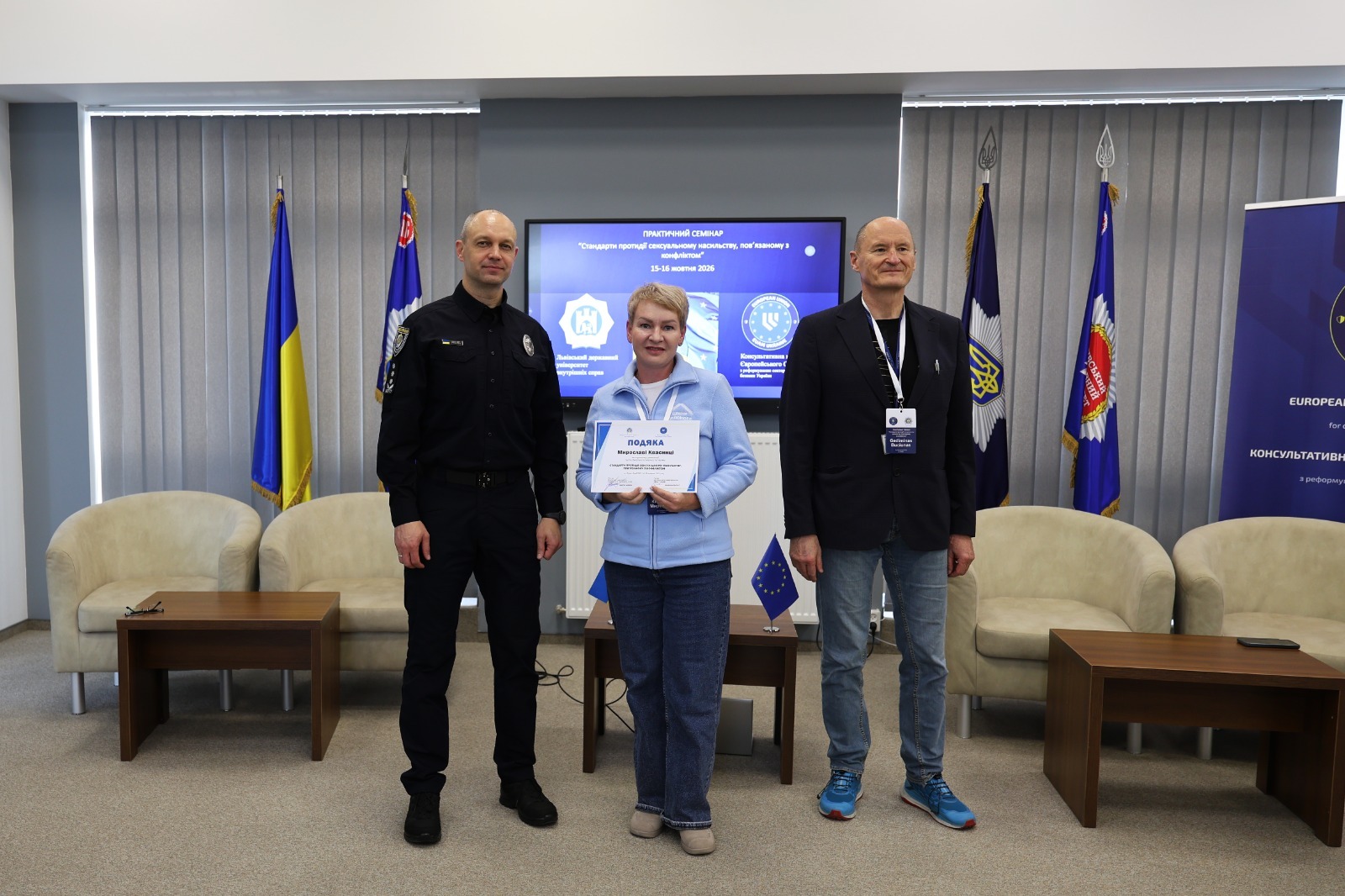
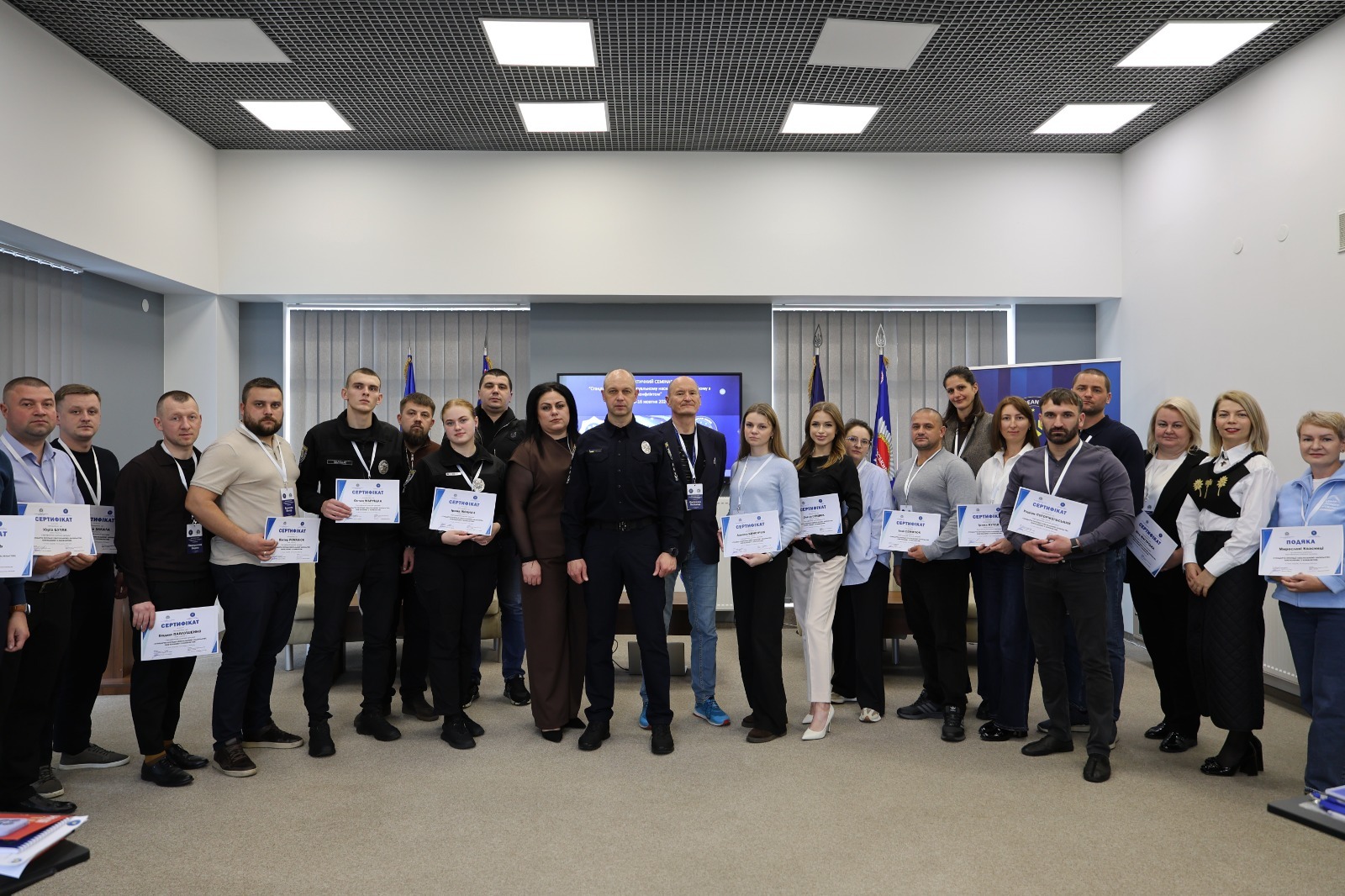
On 15–16 October, EUAM Ukraine’s Lviv Field Office and Lviv State University of Internal Affairs held a pilot workshop for criminal police officers and investigators from western regions of Ukraine. The workshop put into practice a certified educational programme previously approved by the University’s Academic Council. It also gave experienced practitioners an opportunity to examine how the curriculum can best prepare future investigators and prosecutors to handle CRSV cases.
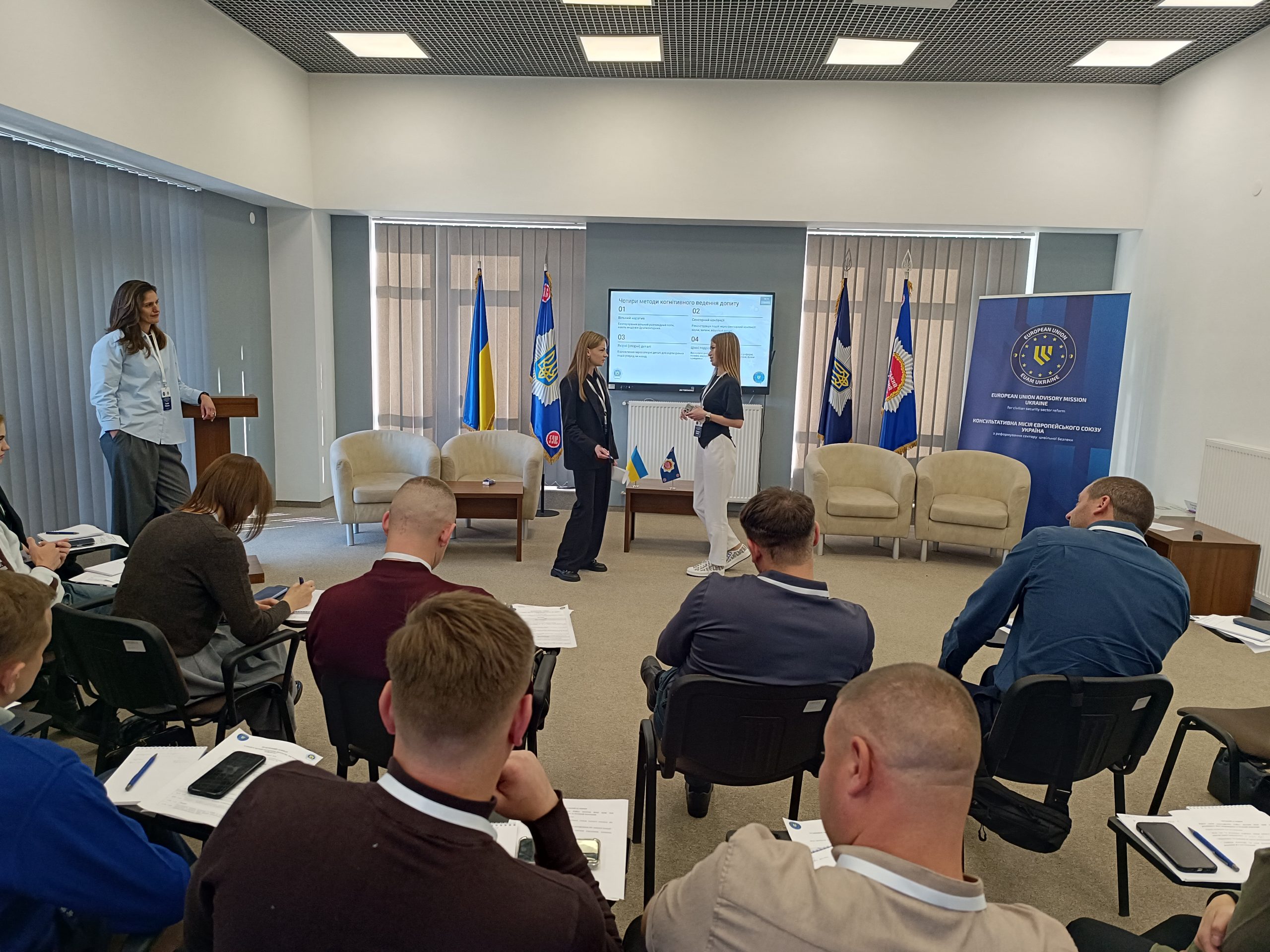
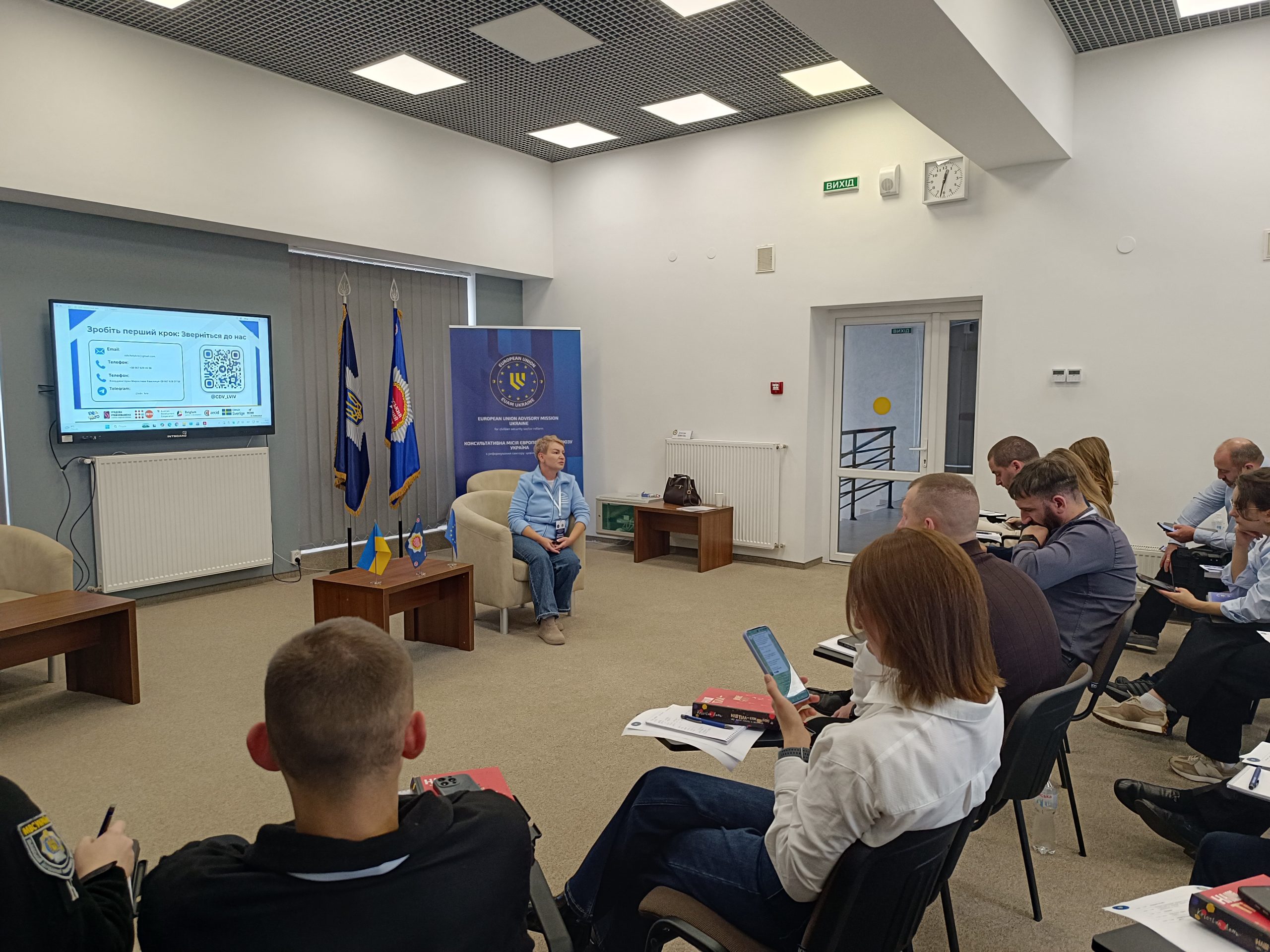
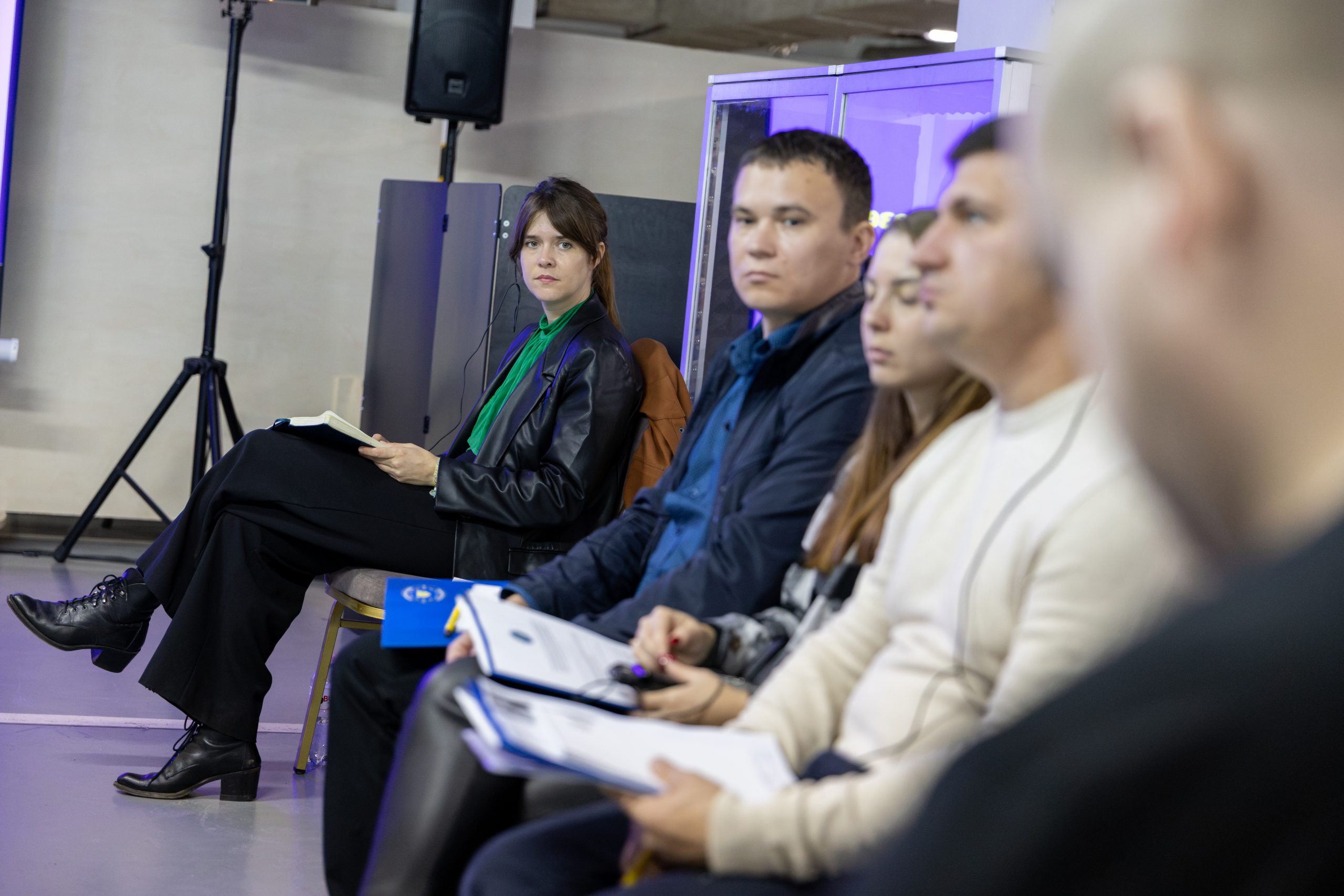
EUAM Ukraine’s experts, university lecturers and representatives of a local civil society organisation shared Ukrainian and international approaches to identifying and investigating conflict-related sexual violence. Particular attention went to trauma-informed interviewing, survivors’ rights, protection safeguards and ethical standards. Through group exercises, participants applied the approaches discussed and exchanged experience across regional police units, bringing practical insights to discussions on how these subjects should be taught.
Ukraine’s law enforcement universities and academies must adapt professional education to the demands officers face during the war. Investigating sexual violence requires preparation that combines legal knowledge with an understanding of trauma and survivors’ needs. A university-approved programme provides a basis for developing and sustaining that expertise within Ukrainian institutions.
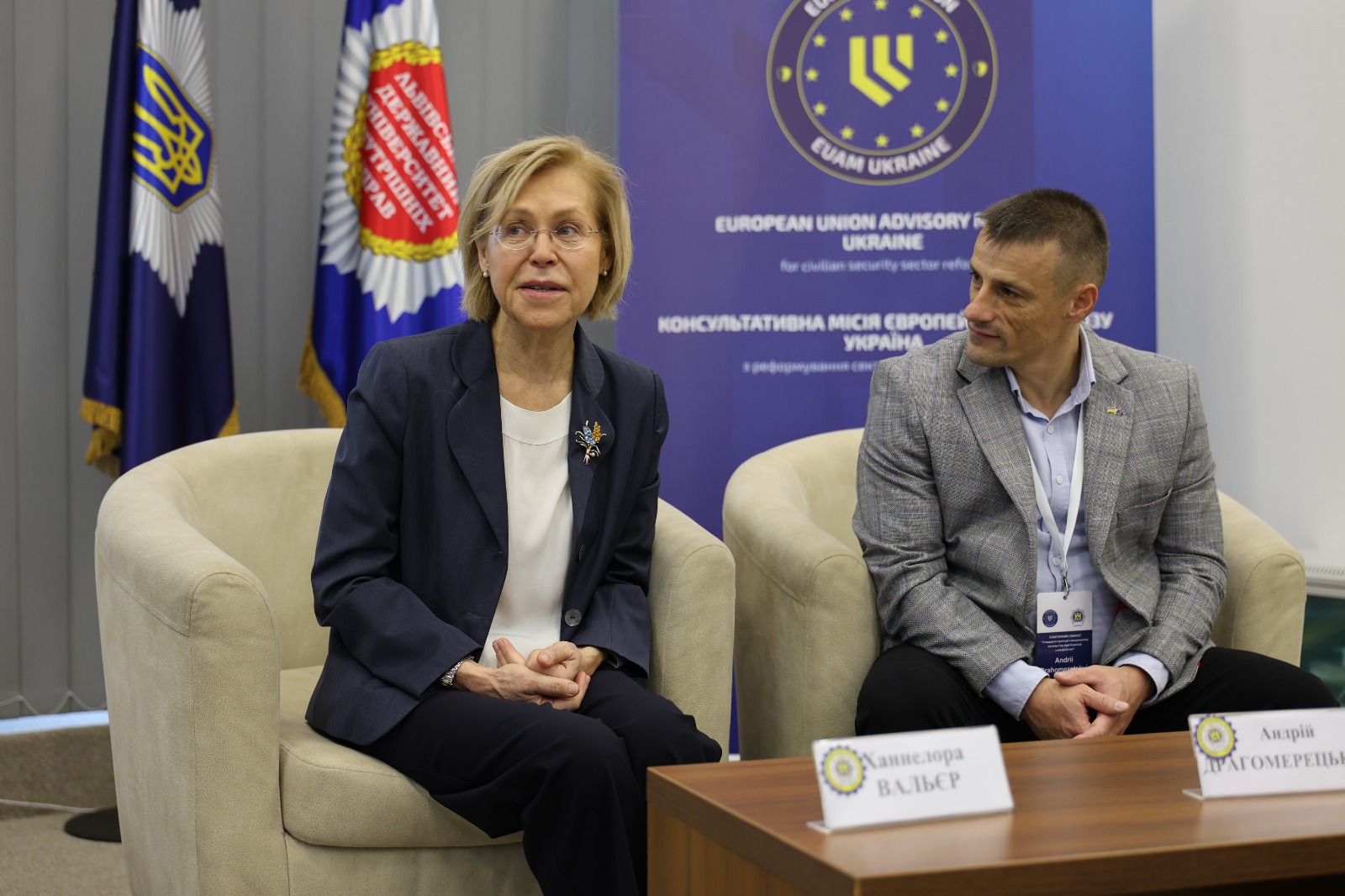
“Such a practical workshop will definitely be useful to Ukrainian law enforcement agencies as it will help to improve their professional response to complicated cases of CRSV during such challenging times,” said Hannelore Valier, Head of EUAM’s Lviv Field Office.
The workshop tested the programme’s content and teaching methods with serving officers, whose experience can help shape the education of future professionals. Participants welcomed the balance between theory and practical exercises. EUAM and the University will analyse their feedback before planning the next round, adjusting the content and delivery to practitioners’ needs. The University retains responsibility for developing the programme, supported by the Mission’s expertise.







In Dnipro, cooperation supports survivors throughout investigations
Even a well-prepared investigator needs trusted cooperation with other organizations. A survivor may first approach a civil society organization or survivor network, who can help them access legal assistance or contact the authorities. Prosecutors, police, security services and support organisations then need to understand their respective roles and how to work together.
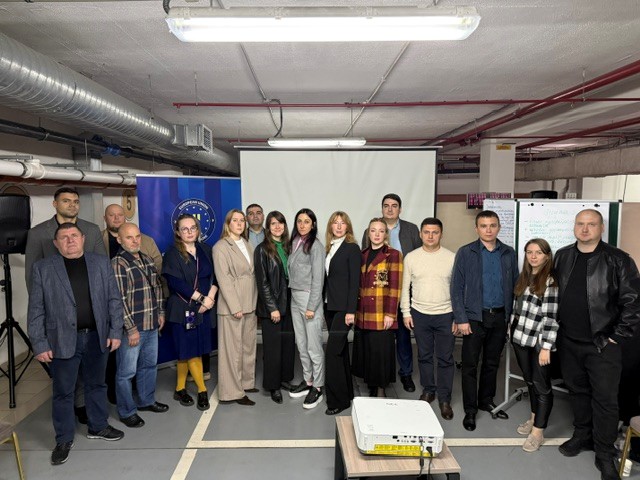
This was the focus of the regional workshop in Dnipro on 21 October, organised by EUAM’s International Crimes Component. It brought together representatives from regional prosecution offices, the National Police, the Security Service of Ukraine, civil society organisations and survivor networks from Dnipropetrovsk, Zaporizhzhia, Luhansk and Donetsk regions.
Discussions focused on concerns and priorities for survivors during CRSV investigations, referrals for assistance, information sharing and communication with survivors before, during and after investigative steps as well as cooperation with the Regional Units for Victims’ Support.
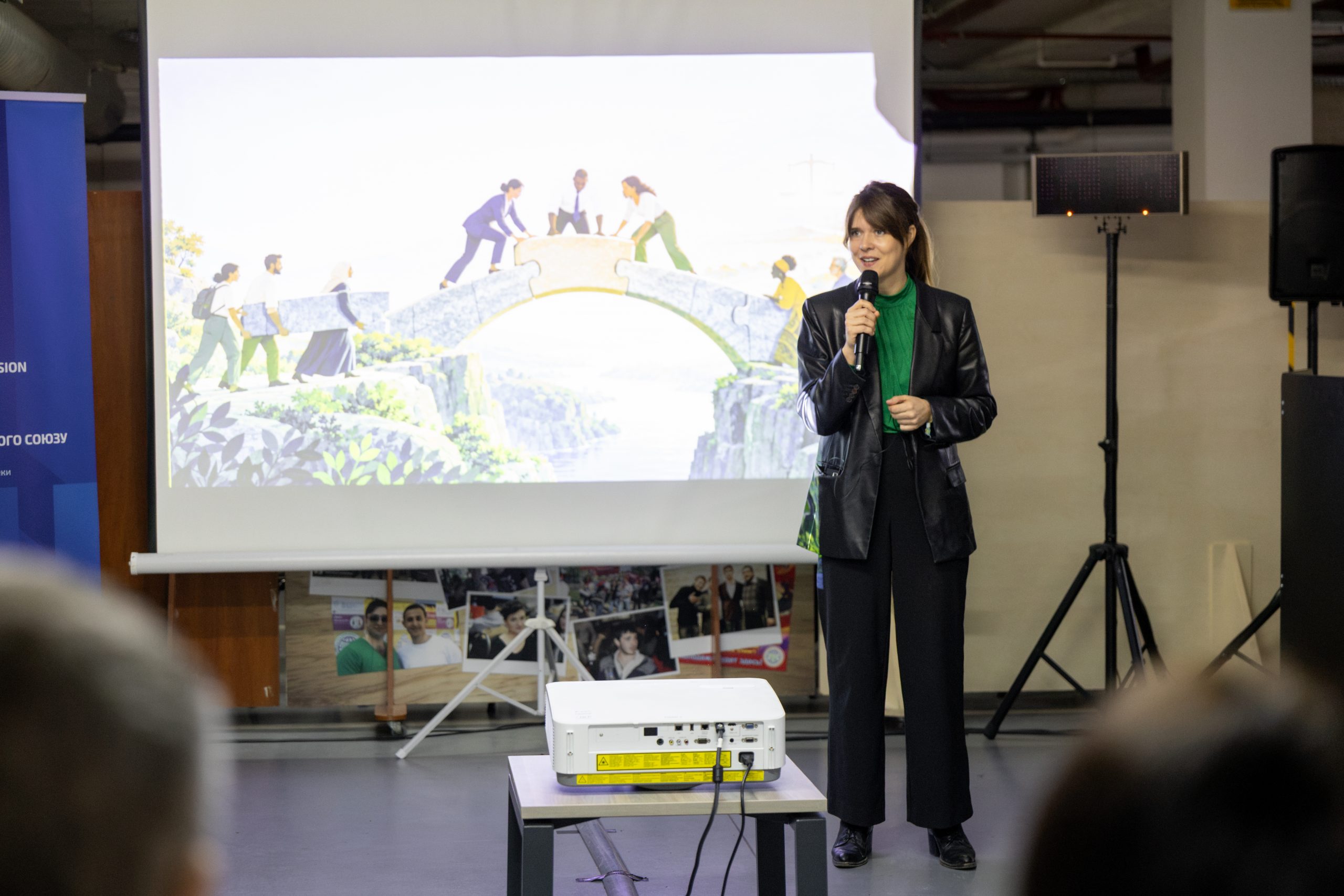
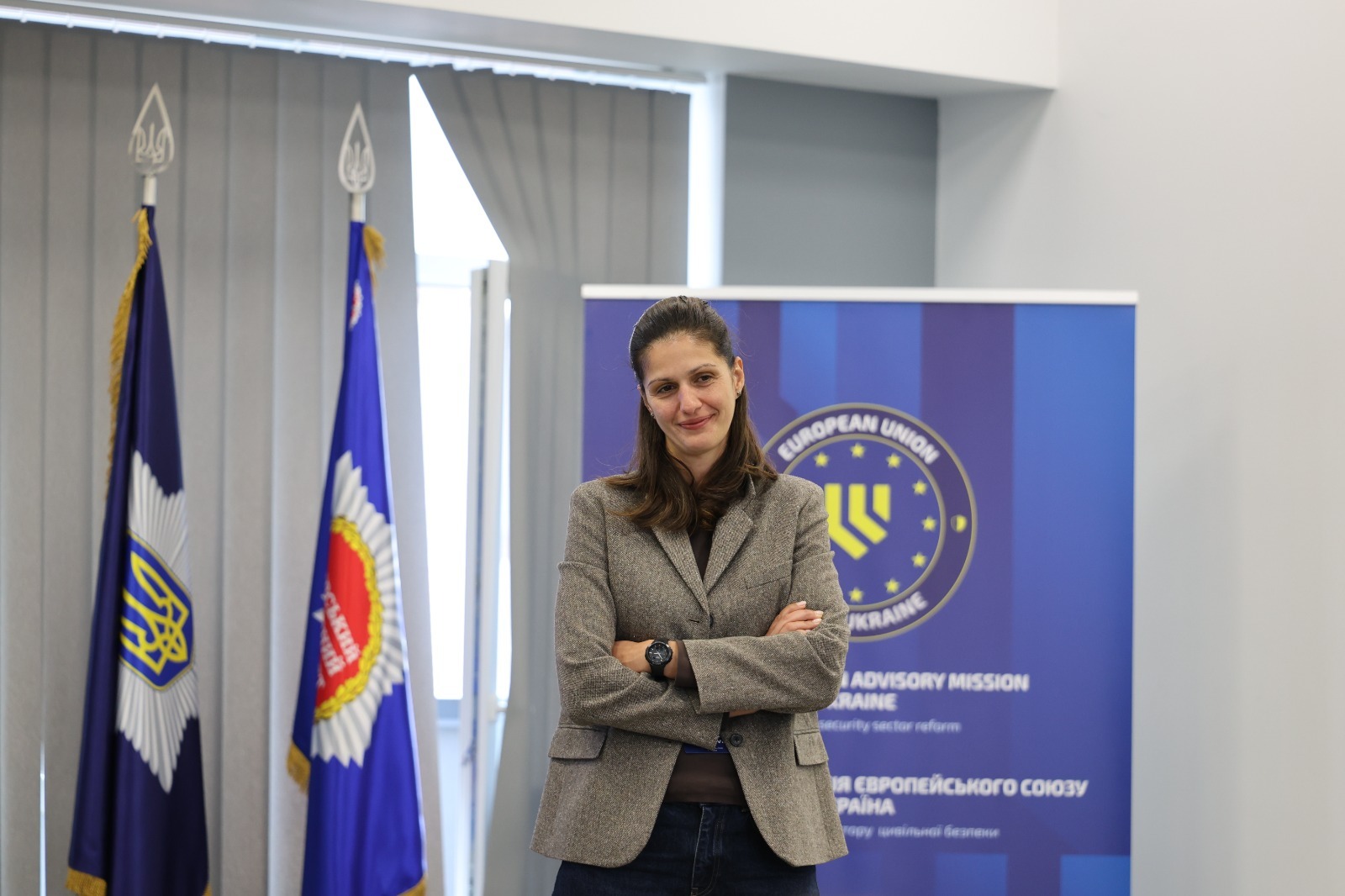
“Survivors should be able to rely on institutions and organisations working together. That requires us to understand each other’s roles, recognise gaps in cooperation and agree on practical ways to address them. This workshop gives representatives from law enforcement agencies and survivor support organizations from four regions a space to connect, to exchange experience and identify how they can better support survivors throughout an investigation,” said Pauline Brosch, EUAM’s Senior Adviser on Investigation of Conflict-Related Sexual Violence.
Participants appreciated the quality of communication, the opportunity to hear the perspectives of other stakeholders involved in CRSV investigations and the joint search for solutions. The approach of the workshop builds on a similar EUAM workshop held in Odesa last year for law enforcement agencies, civil society and survivor organisations from Mykolaiv and Kherson regions.
The aim is to build trust and make those professional connections useful beyond the meeting room. Clear referral arrangements and consistent communication can help survivors find support and reduce unnecessary repetition of traumatic accounts.
To deliver real results, consistency is key. It means supporting current professionals while also contributing to the education of future ones. Through this sustained support of Ukrainian counterparts, EUAM seeks lasting improvements in how people who have endured the worst are heard, protected and supported in their pursuit of justice.
