
EUAM helps Ukrainian institutions strengthen coordination against illicit firearms trafficking
May 25, 2026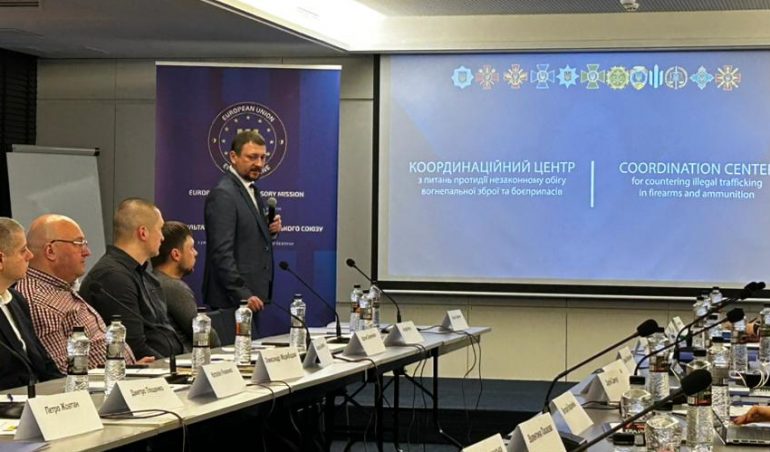
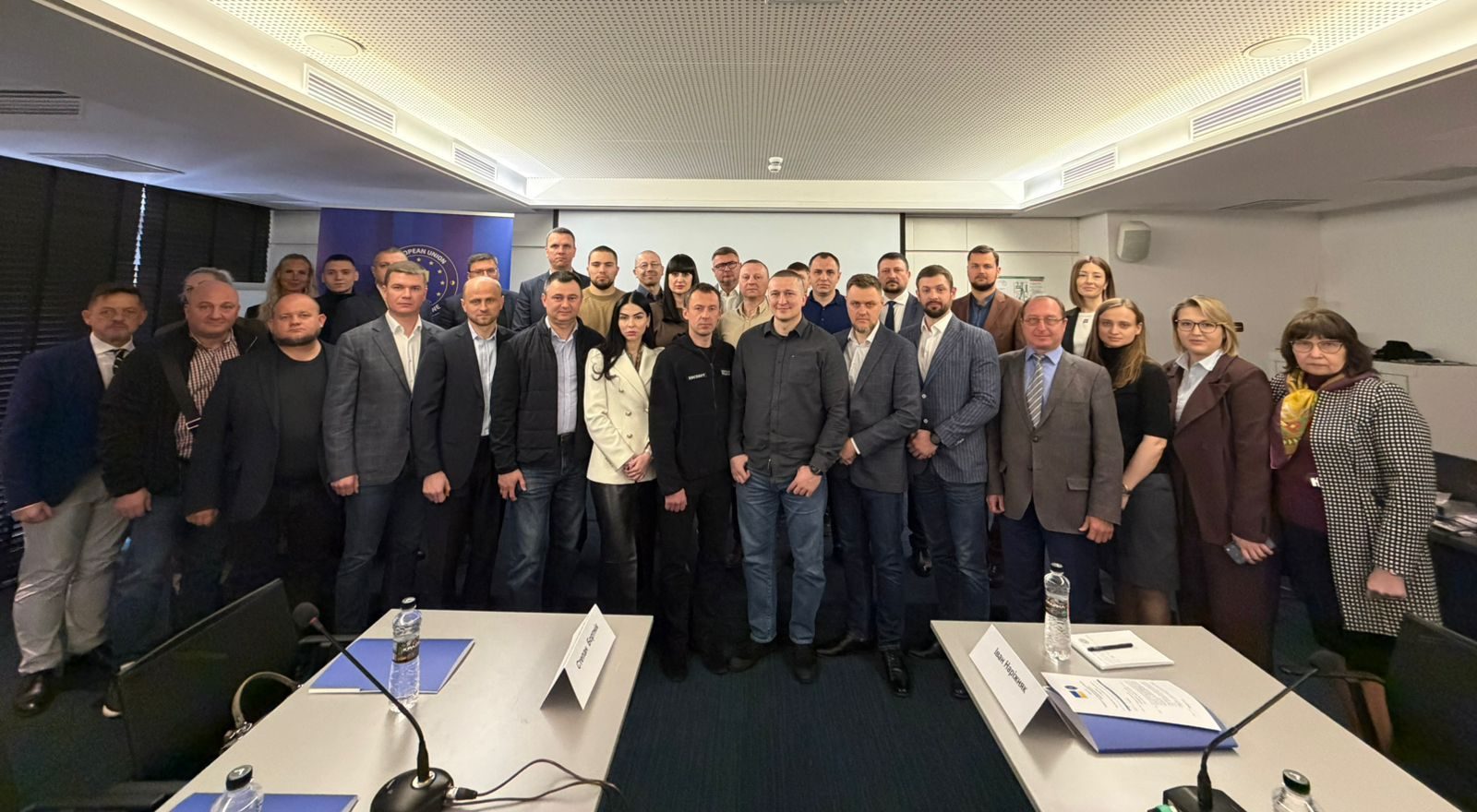
In early May 2026, the European Union Advisory Mission Ukraine organized a seminar in Odesa focused on countering illicit firearms trafficking, bringing together Ukrainian law enforcement and justice institutions, state authorities, forensic experts, international organisations and experts.
The two-day seminar, titled “Countering Illicit Firearms Trafficking: Legislative and Practical Challenges”, provided a platform to discuss how Ukraine can further strengthen its response to the illegal circulation of firearms, ammunition and explosives in the context of Russia’s ongoing war against Ukraine.
Participants discussed current legislative and practical challenges related to firearms control, including the improvement of legal regulation of civilian firearms circulation, the functioning of the Unified Firearms Register, inter-agency coordination and international police cooperation. Particular attention was given to practical aspects of pre-trial investigations and court proceedings in criminal cases related to the illegal handling of weapons, as well as to forensic examination, firearms deactivation and control over the movement of weapons across the state border.
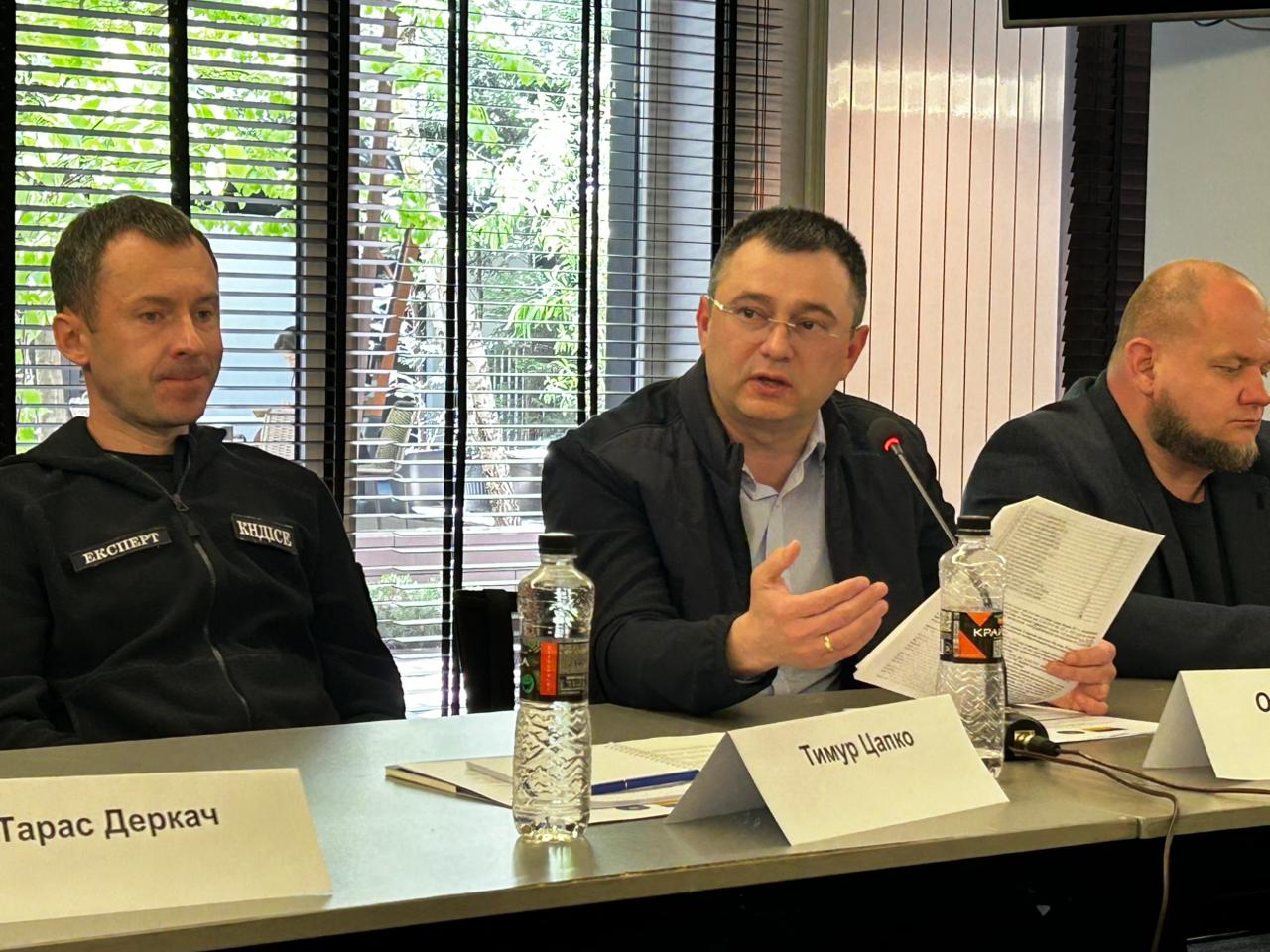
For forensic experts, the seminar was also an opportunity to better understand how their technical findings are used by investigators, prosecutors and other practitioners. As explained by Ivan Naryzhniak, Head of the Ballistic Records Sector of the Forensic Research Department at the Odesa Scientific Research Forensic Centre, such meetings help connect expert work with the practical realities of criminal proceedings.
“We usually work with the objects submitted to us for examination. But we do not always have the full picture of how this material was found, documented or used in the investigation,” he said. “This format allows us to speak not only within our expert community, but also with investigators, prosecutors and representatives of other institutions. It helps us understand how different services see the same issue and how our work connects with theirs.”
According to him, this practical exchange is particularly important because the full-scale war has significantly increased the number of firearms submitted for examination. He noted that before 2014, automatic rifles were rarely encountered in routine forensic work, while since the full-scale invasion they have become one of the most common objects of ballistic examination.
“Since the beginning of the full-scale invasion, the volume of our work has increased significantly. Today, a large share of the objects we examine are Kalashnikov-type rifles of 5.45 or 7.62 calibre,” he said. “This shows how much the situation has changed and why cooperation between different institutions is so important.”
Countering illicit firearms trafficking remains a critical issue for Ukraine’s security, particularly in the context of the full-scale war and the increased risks linked to the illegal spread of weapons, ammunition and explosives. Strengthening cooperation between law enforcement agencies, prosecutors, courts, customs, border authorities and forensic institutions is essential for a more coordinated and effective response.
Through expert, advisory and training support, EUAM Ukraine continues to assist Ukrainian partners in strengthening civilian security sector capacities, improving inter-agency coordination and promoting European approaches in the field of firearms control. This work contributes to Ukraine’s broader efforts to prevent illicit weapons proliferation and enhance public security during wartime and post-war recovery.
