
Justice for all: EUAM Ukraine supports investigations of international crimes targeting LGBTIQ people
November 06, 2026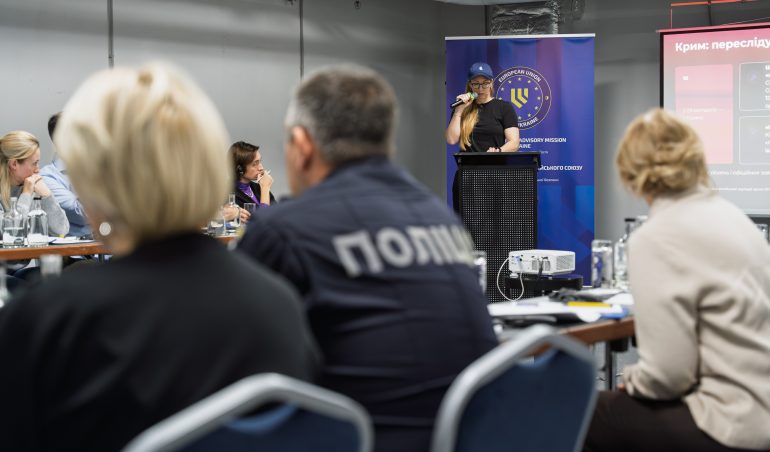
Every victim of an international crime deserves justice. But for some, seeking it can mean facing another fear: discrimination because of who they are, or who others believe them to be. For LGBTIQ survivors of Russia’s war against Ukraine, this fear can make it particularly difficult to report crimes and speak openly about what happened.
The United Nations and Ukrainian civil society organisations have documented alleged crimes committed by members of the Russian armed forces against people because of their actual or perceived sexual orientation and gender identity. These include torture, sexual violence, imprisonment or other severe deprivation of physical liberty. Ukrainian prosecutors have begun investigating such cases but establishing a discriminatory intent and gathering evidence that can withstand scrutiny in court present particular challenges.
To help Ukrainian authorities address these challenges, the EU Advisory Mission (EUAM) Ukraine brought together prosecutors, investigators, representatives from the Ombudsman’s office civil society organisations and international experts for a roundtable in Kyiv on 29 October.
Opening the roundtable, EUAM’s Head of International Crimes Component emphasised the importance of ensuring that the experiences of all victims are adequately recognised and that stronger cooperation between civil society and law enforcement is essential to overcoming barriers to reporting, improving investigations and ensuring access to justice.
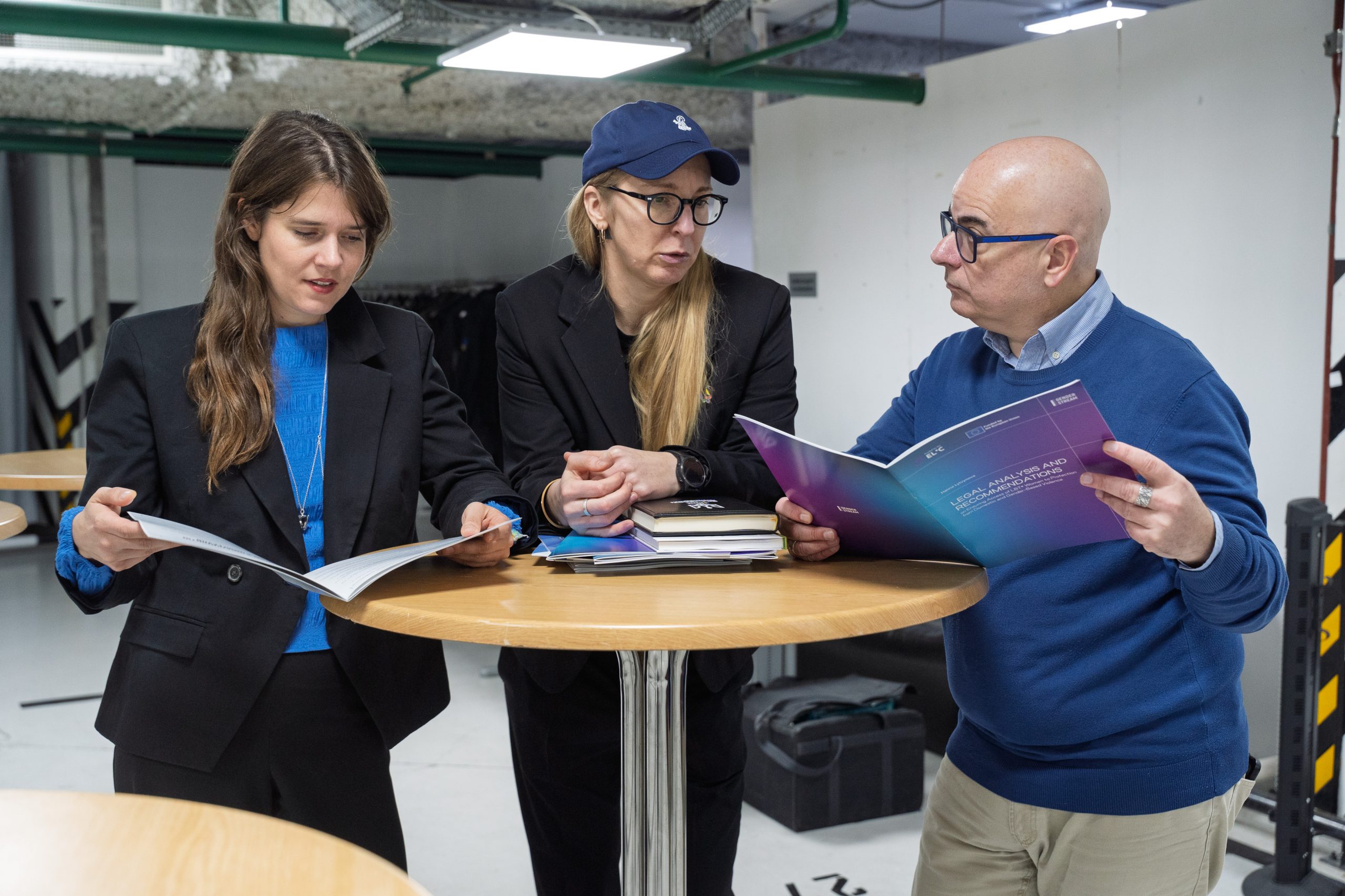
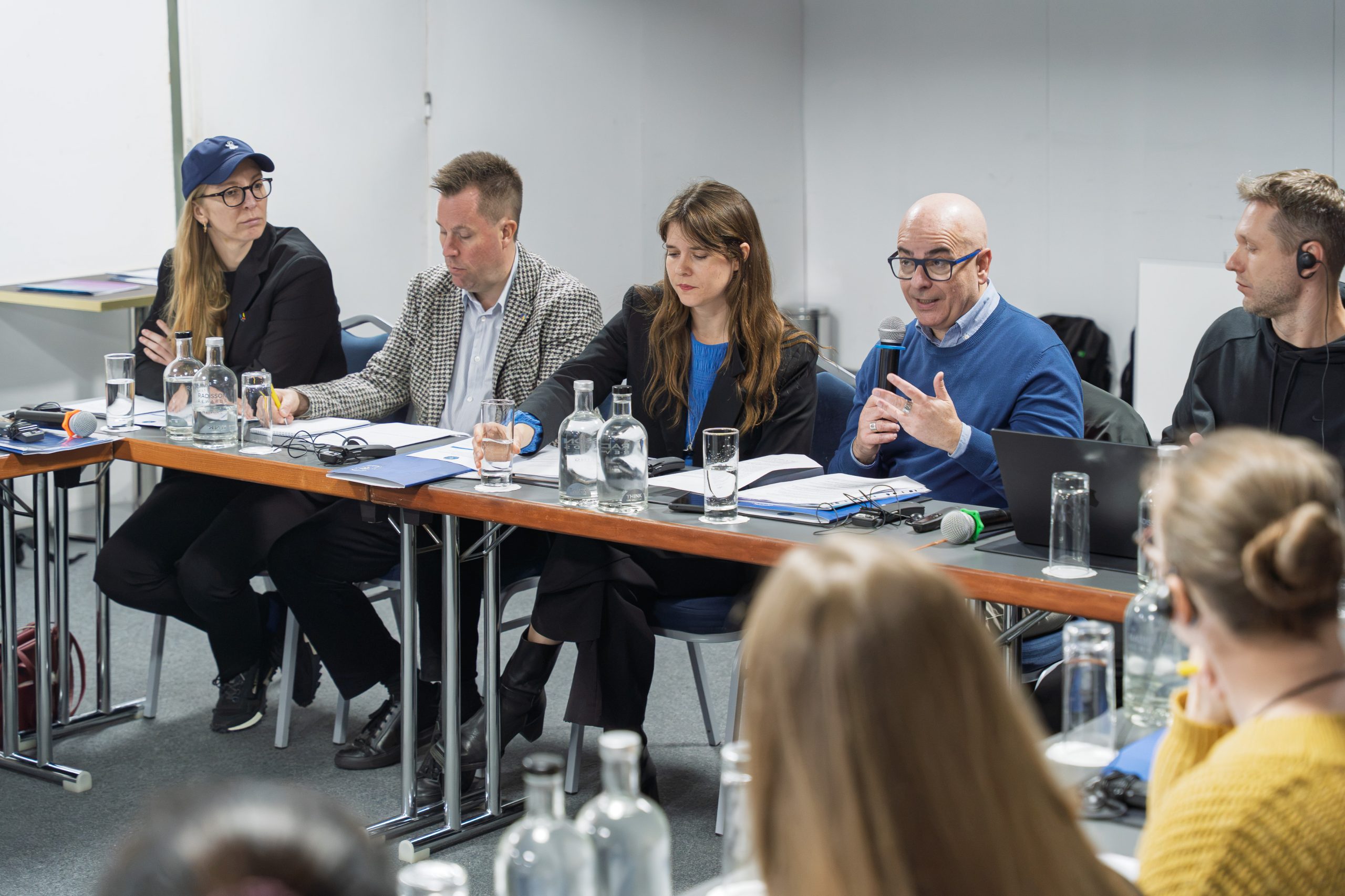
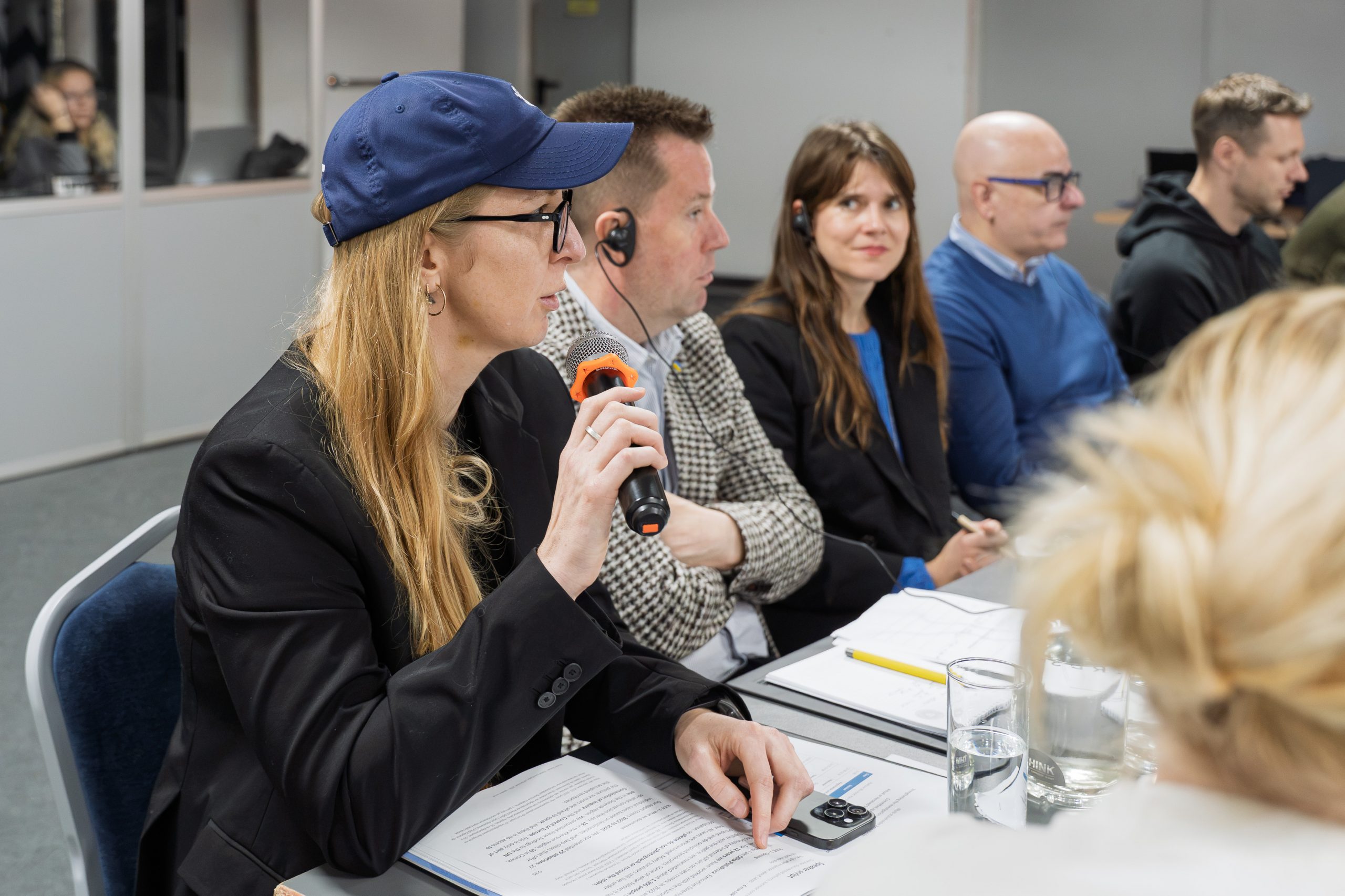
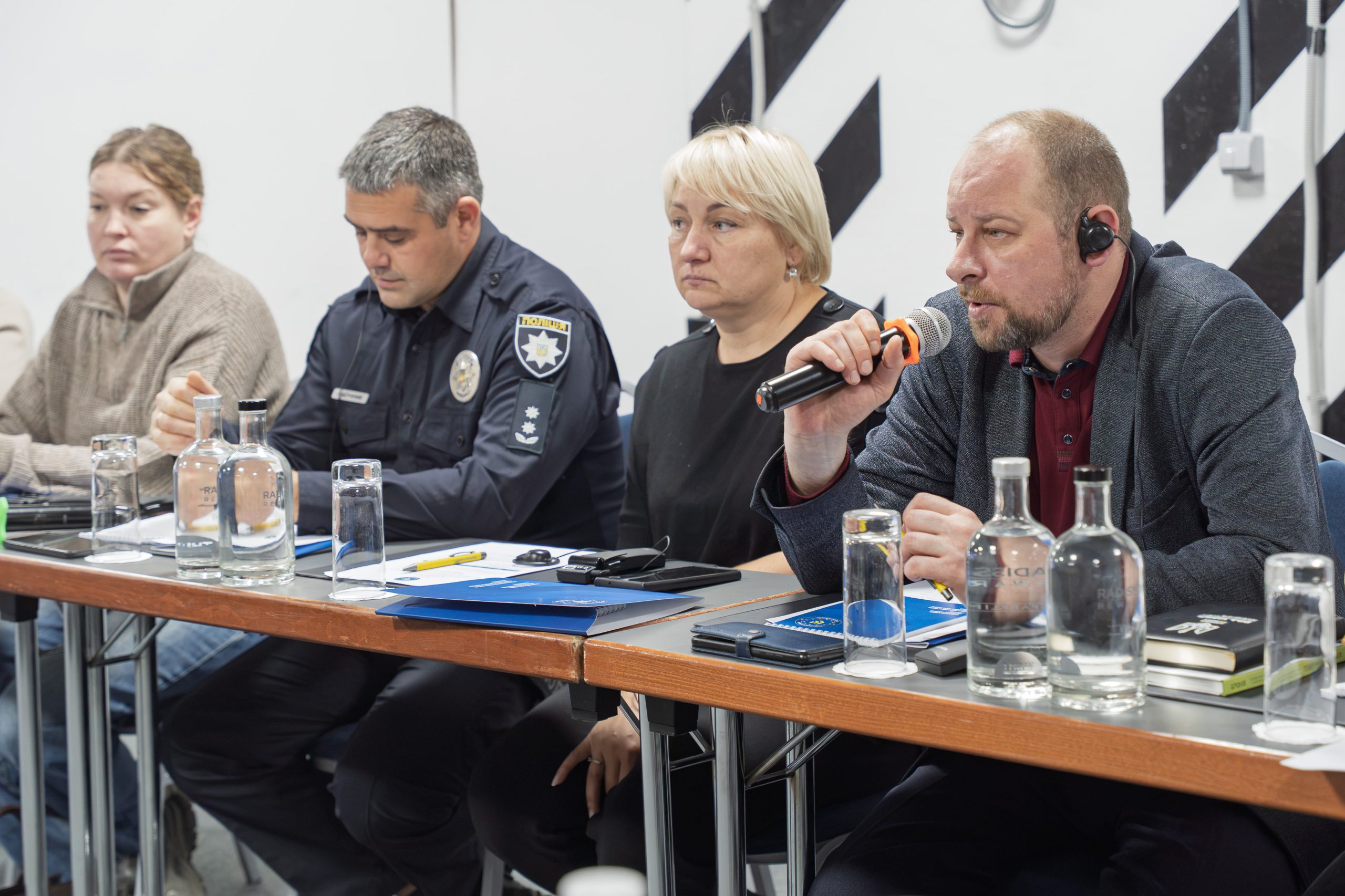
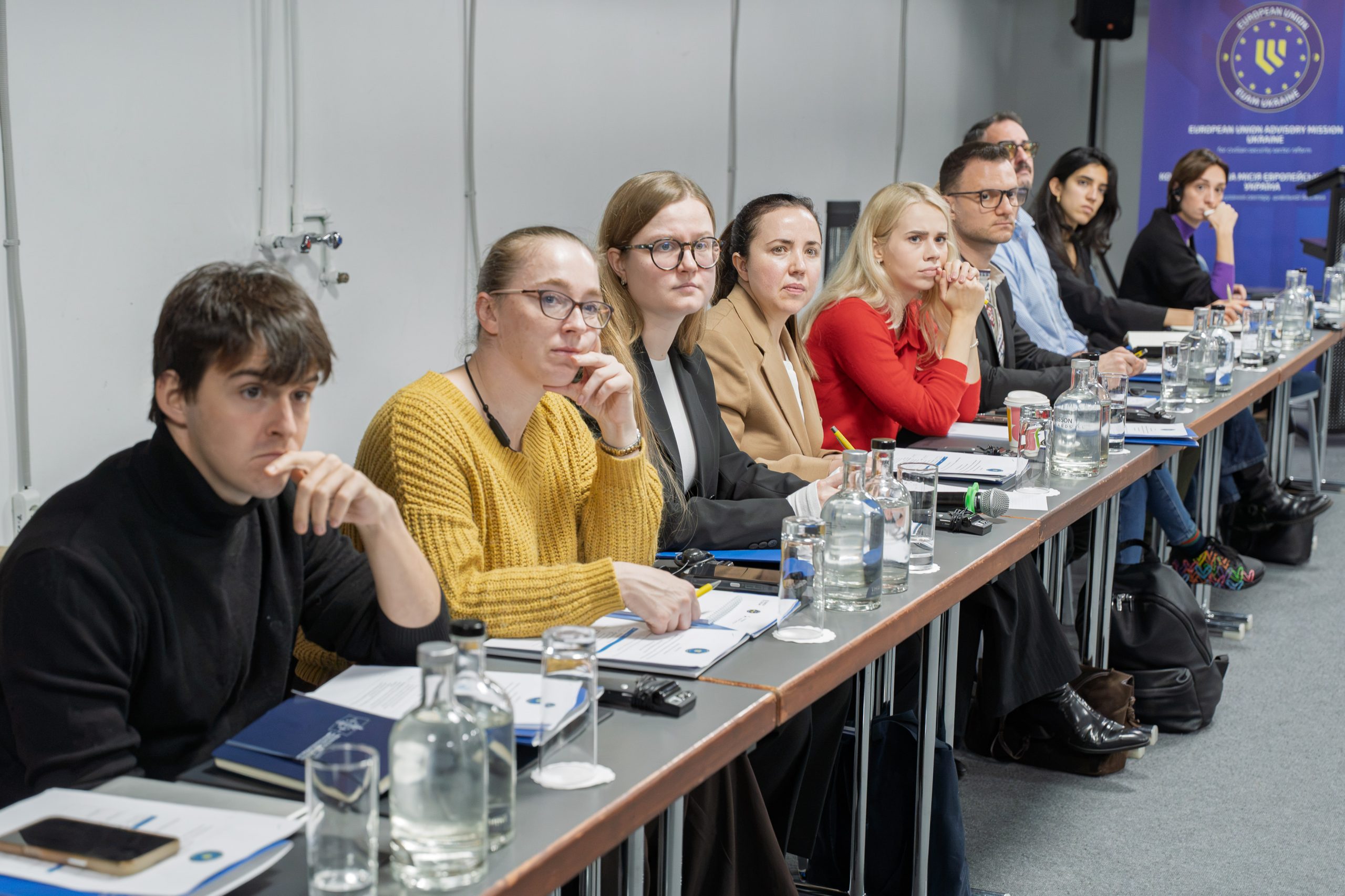
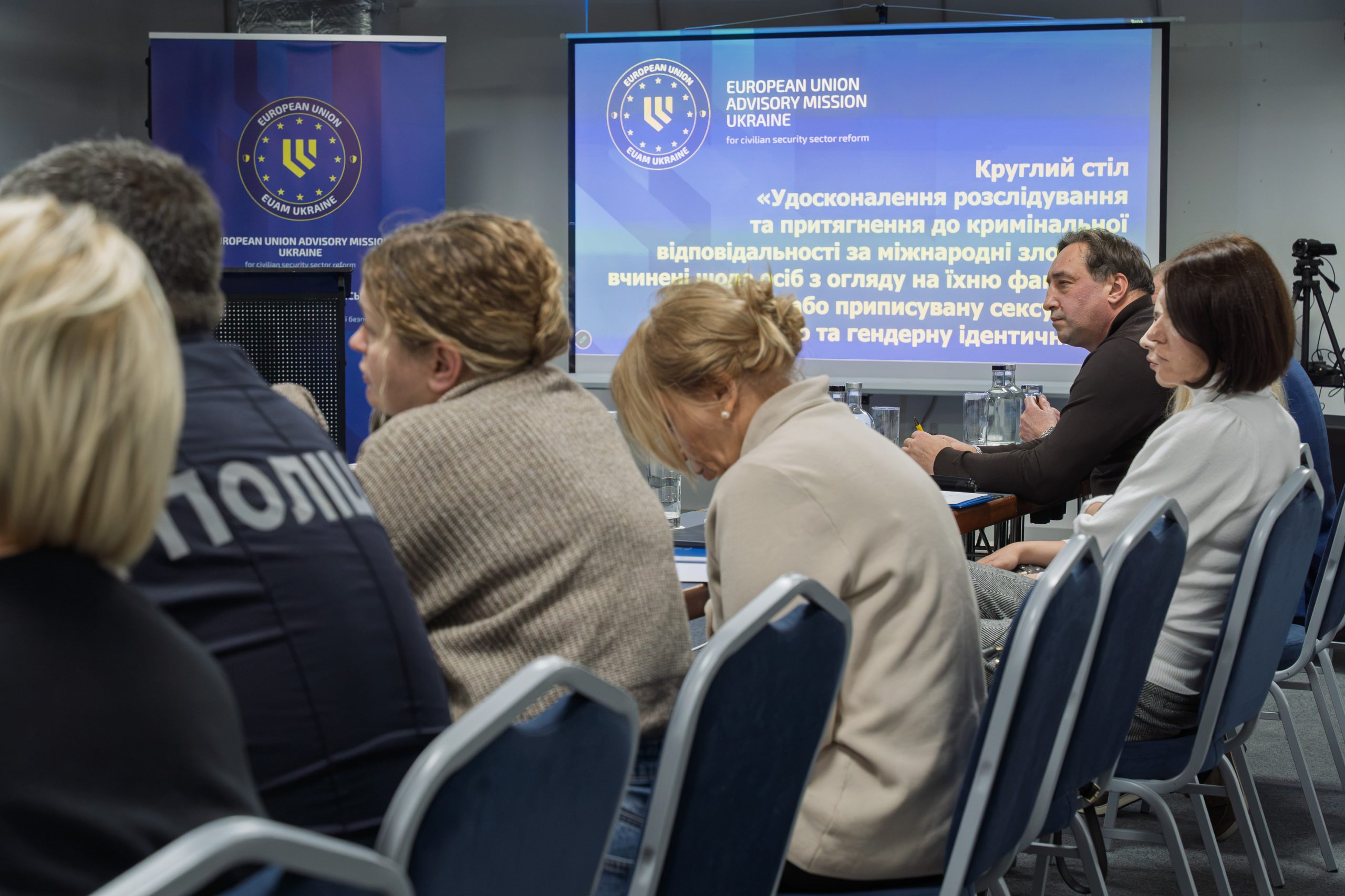
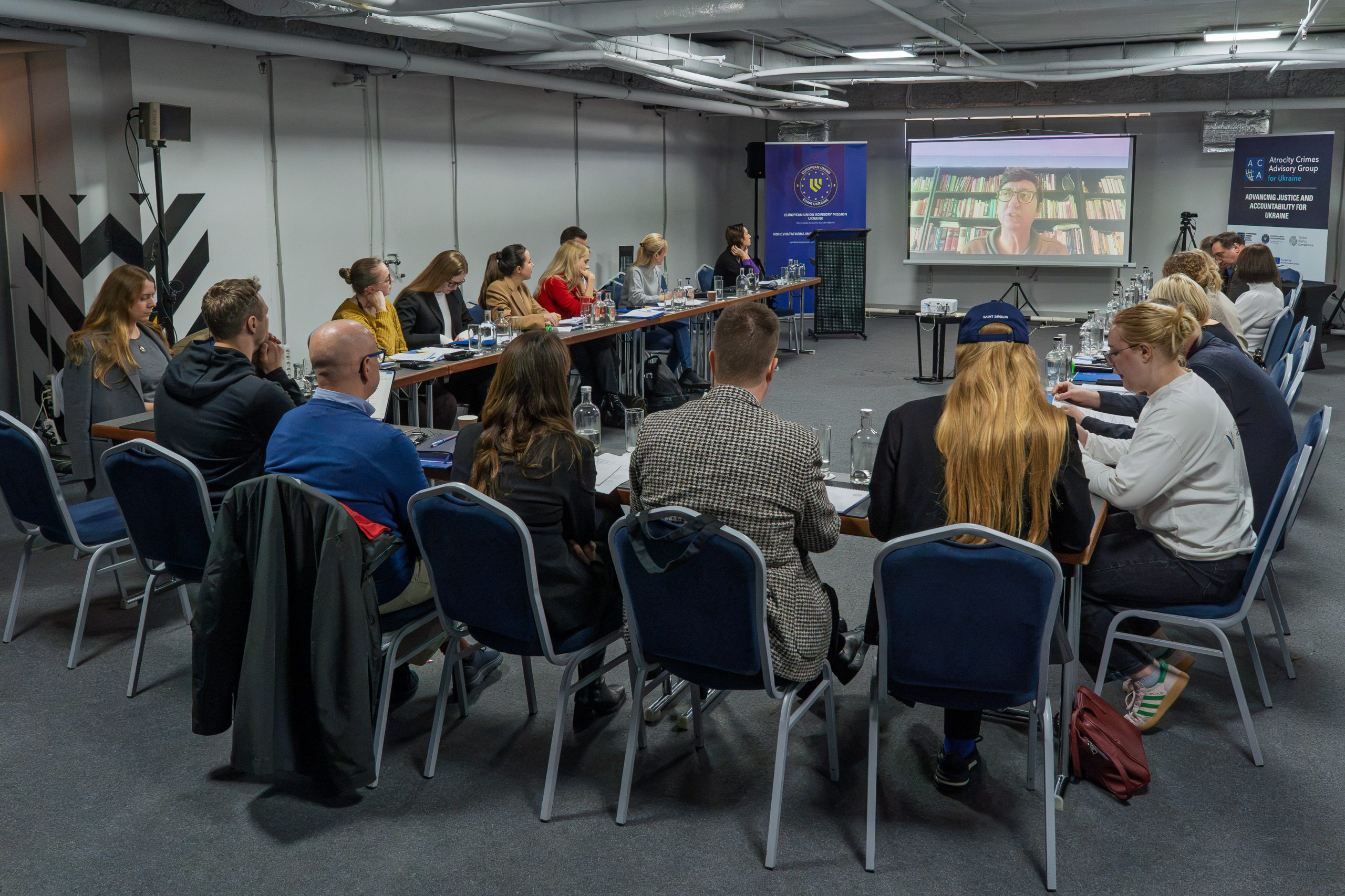
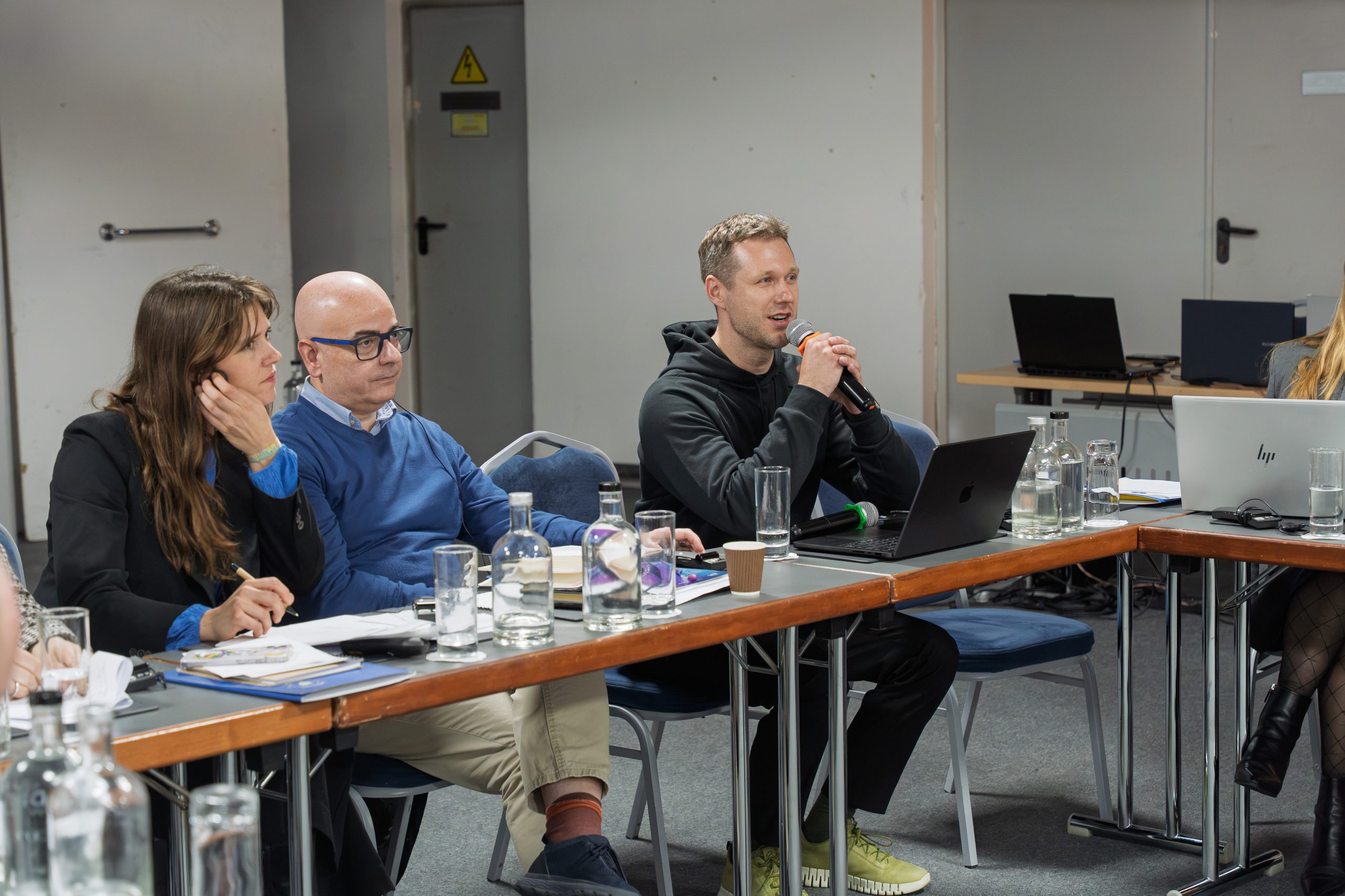








The discussions centred on a fundamental question: how can investigators recognise when a person’s actual or perceived sexual orientation, gender identity and expression or sex characteristics may be relevant to an international crime, and ensure that this dimension is not overlooked?
This is where cooperation with civil society becomes particularly important. Organisations working directly with affected communities may be the first to hear survivors’ accounts. Their experience documenting violations and understanding survivors’ concerns can help investigators identify potential cases and preserve relevant information. But turning that knowledge into evidence requires trust, clear communication and safeguards for survivors’ safety and confidentiality.
The roundtable explored how to strengthen this cooperation through clearer referral procedures and better information exchange between law enforcement and civil society. Participants also considered lessons from domestic hate crime investigations, where recognising prejudice and establishing discriminatory motives are important elements of investigative practice.
Understanding the broader context is equally important. Russia’s official rhetoric about so-called “traditional values”, including homophobic and transphobic narratives, may provide relevant to prove that an act was committed with discriminatory intent. However, any connection between such rhetoric and specific crimes must be established through evidence rather than presumed.
Recognising these connections requires investigators to look beyond individual acts of violence and examine the circumstances in which they occurred.
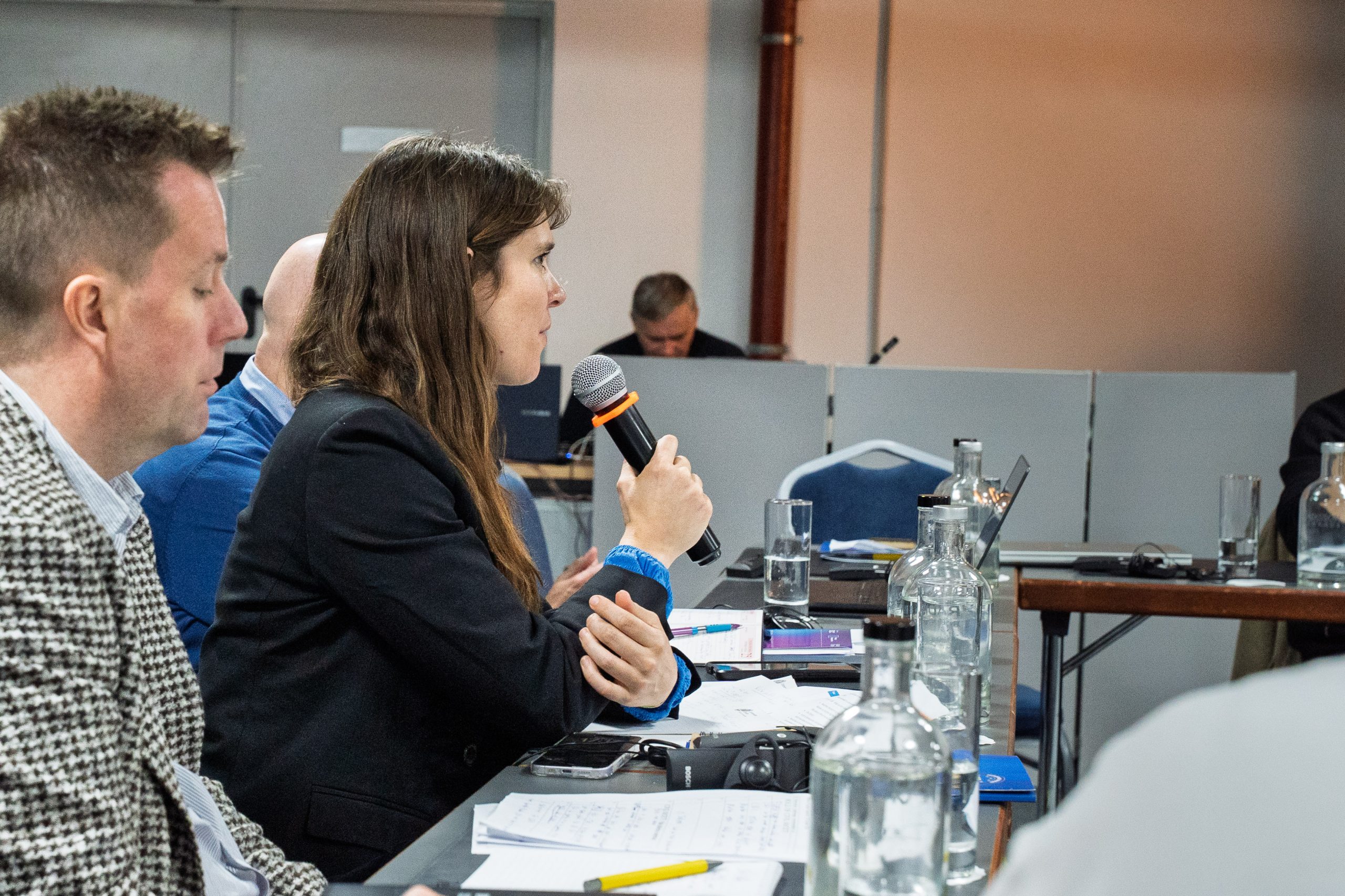
“Establishing what happened is only part of an investigation. We also need to understand why someone was targeted,” said Pauline Brosch, EUAM Ukraine’s Senior Adviser on Investigation of Conflict-Related Sexual Violence. “Evidence of discriminatory intent can be crucial to understanding the nature of a crime. And when survivors are afraid to approach the authorities, cooperation with civil society can make the difference between a crime remaining hidden and a victim finally being heard.”
Investigators and prosecutors also need appropriate guidance and specialist training to address these challenges. The roundtable provided an opportunity to examine existing initiatives, identify gaps and explore how available expertise could be used more consistently, without duplicating efforts.
For EUAM Ukraine, supporting accountability for international crimes means helping Ukrainian authorities strengthen their investigative and prosecutorial capacities while protecting victims’ rights. Every victim deserves to be heard. And no relevant aspect of a crime should be overlooked.
