
War and Reform: EUAM’s continues to support partners throughout Ukraine
October 09, 2026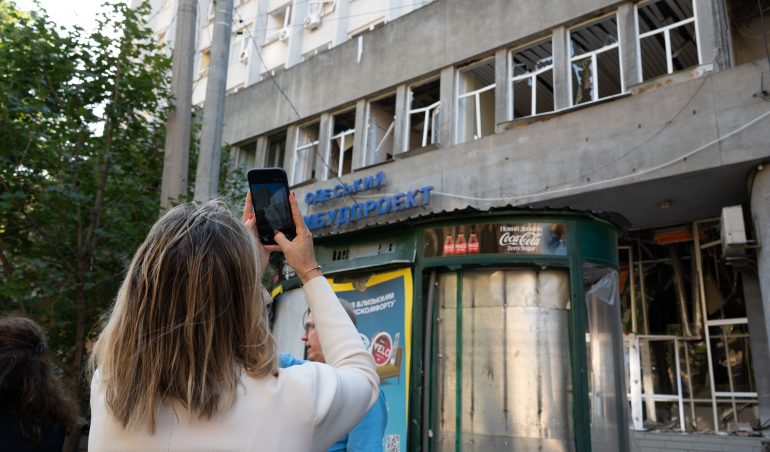
The war finds its way into every conversation. With prosecutors, it is about investigating attacks while another strike could put anyone at risk. With educators, it is about preparing future police officers for situations no textbook could once have anticipated. With veterans, it is about finding work and a place in civilian life.
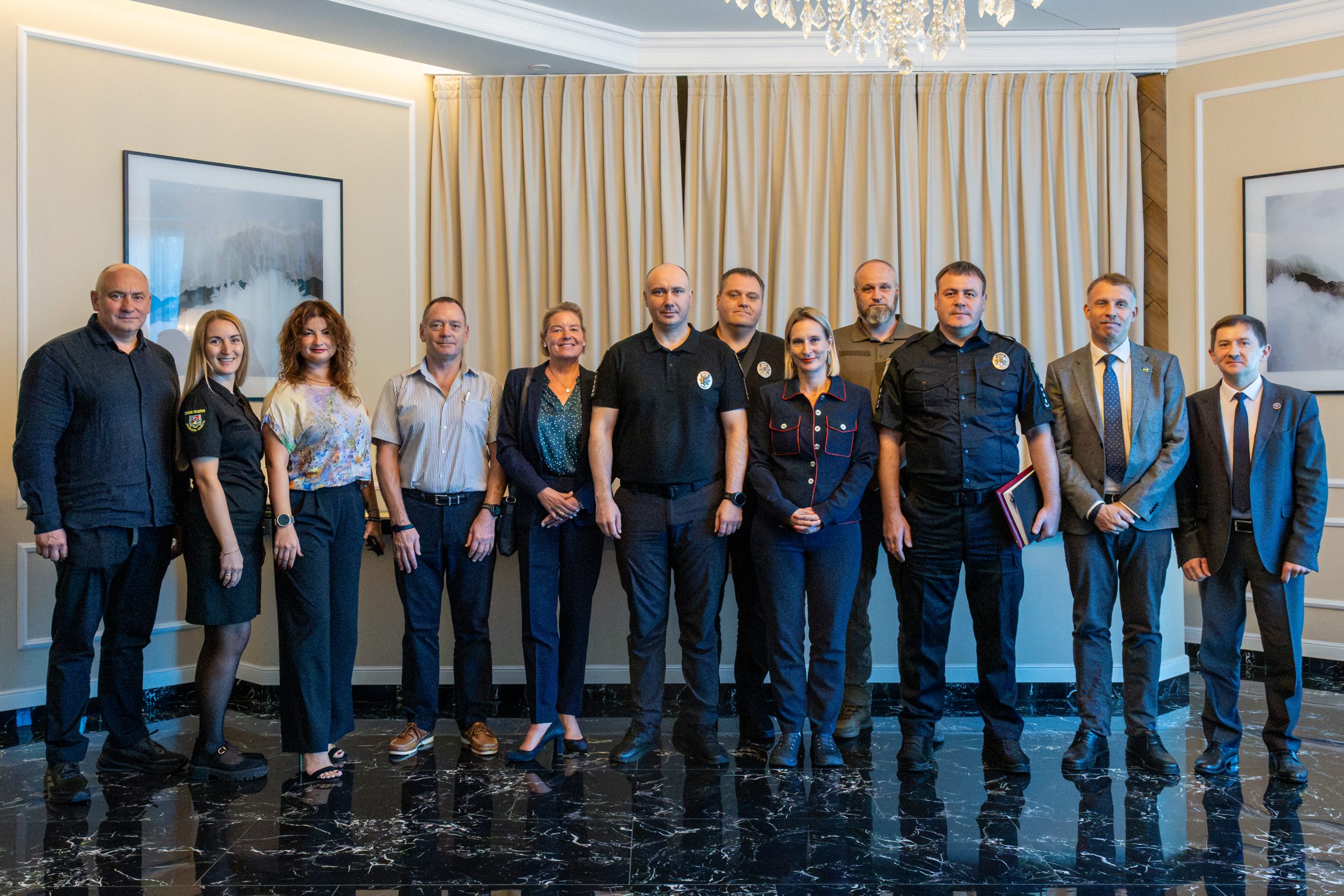
These were the conversations that accompanied Cornelia Taylor’s first visits to Dnipro and Odesa as Head of EUAM Ukraine in September. Dnipro was her first working visit outside Kyiv. She joined the Mission’s Mobile Unit on deployment in Dnipro and Field Office team in Odesa to meet the people behind its regional partnerships and understand the pressures on their daily work.
“Being here and speaking directly with our partners is essential to understanding not only the challenges they face, but also what is already working and where EUAM’s support can make the greatest difference,” she said.
In Dnipro, support put to work
Dnipro is also a hub for authorities relocated from Donetsk and Luhansk regions because of Russia’s occupation. From here, they continue working for communities whose lives have been uprooted by the war. EUAM’s cooperation in the city therefore reaches beyond the host region to partners working in liberated and adjacent territories across Dnipropetrovsk, Donetsk, Luhansk and Zaporizhzhia regions.
For police officers in Dnipropetrovsk region, a working day can mean evacuating civilians, documenting war crimes and responding to the aftermath of Russian strikes. In communities across Nikopol, Synelnykove, Kryvyi Rih and Pavlohrad districts, these duties continue under persistent attacks.
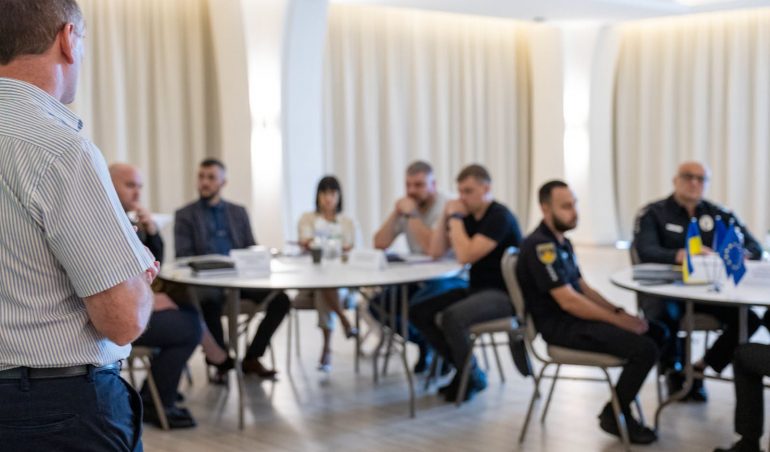
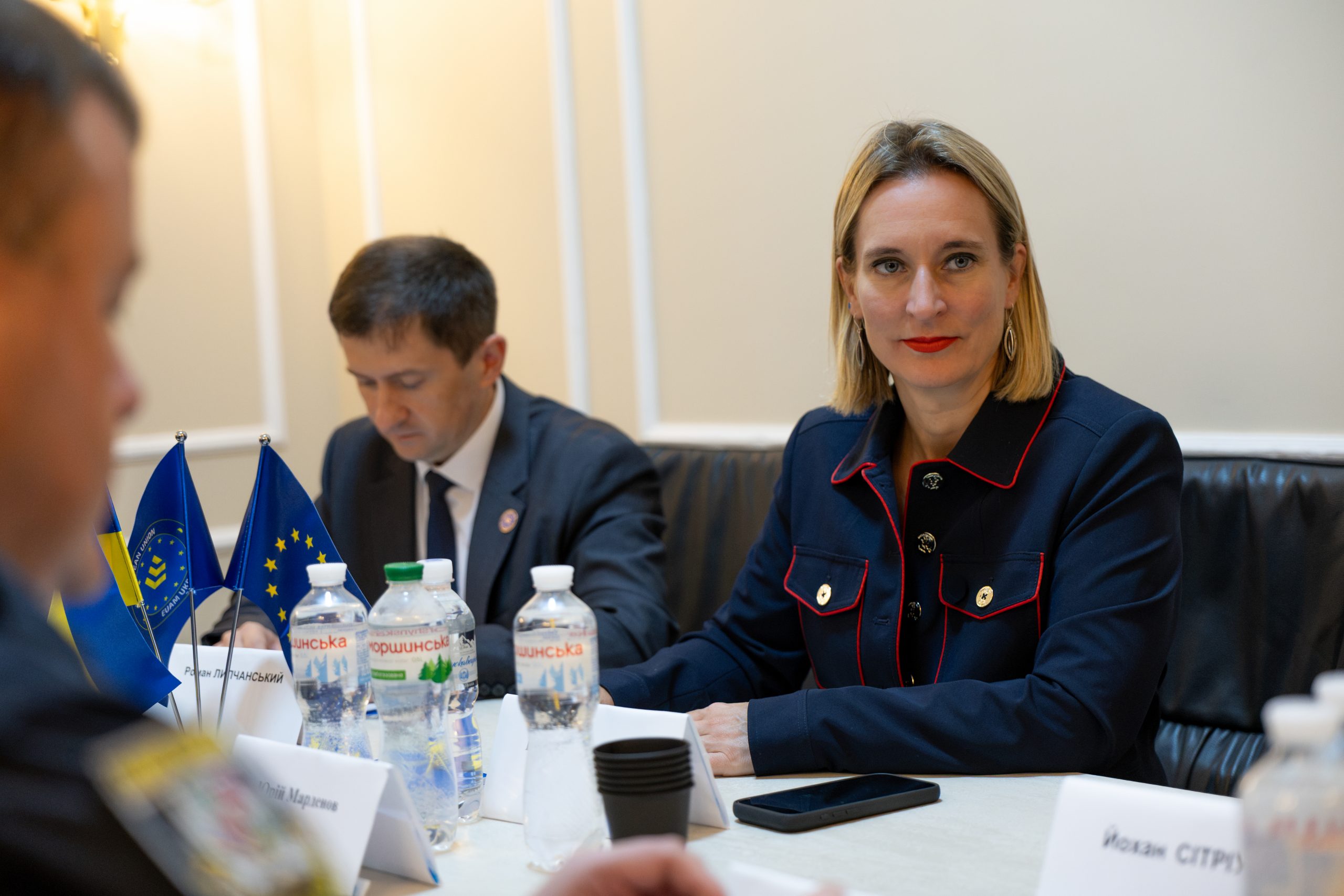
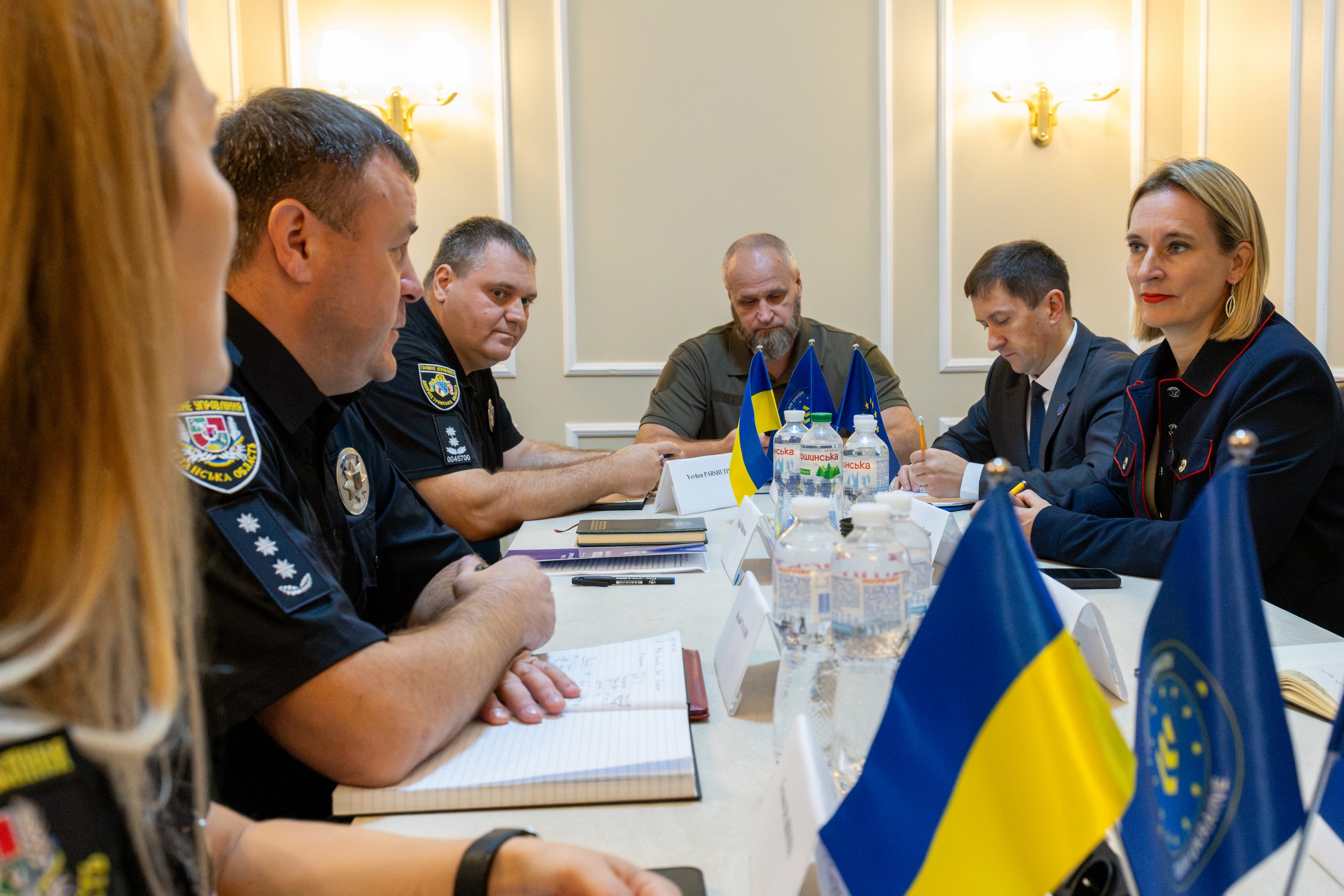
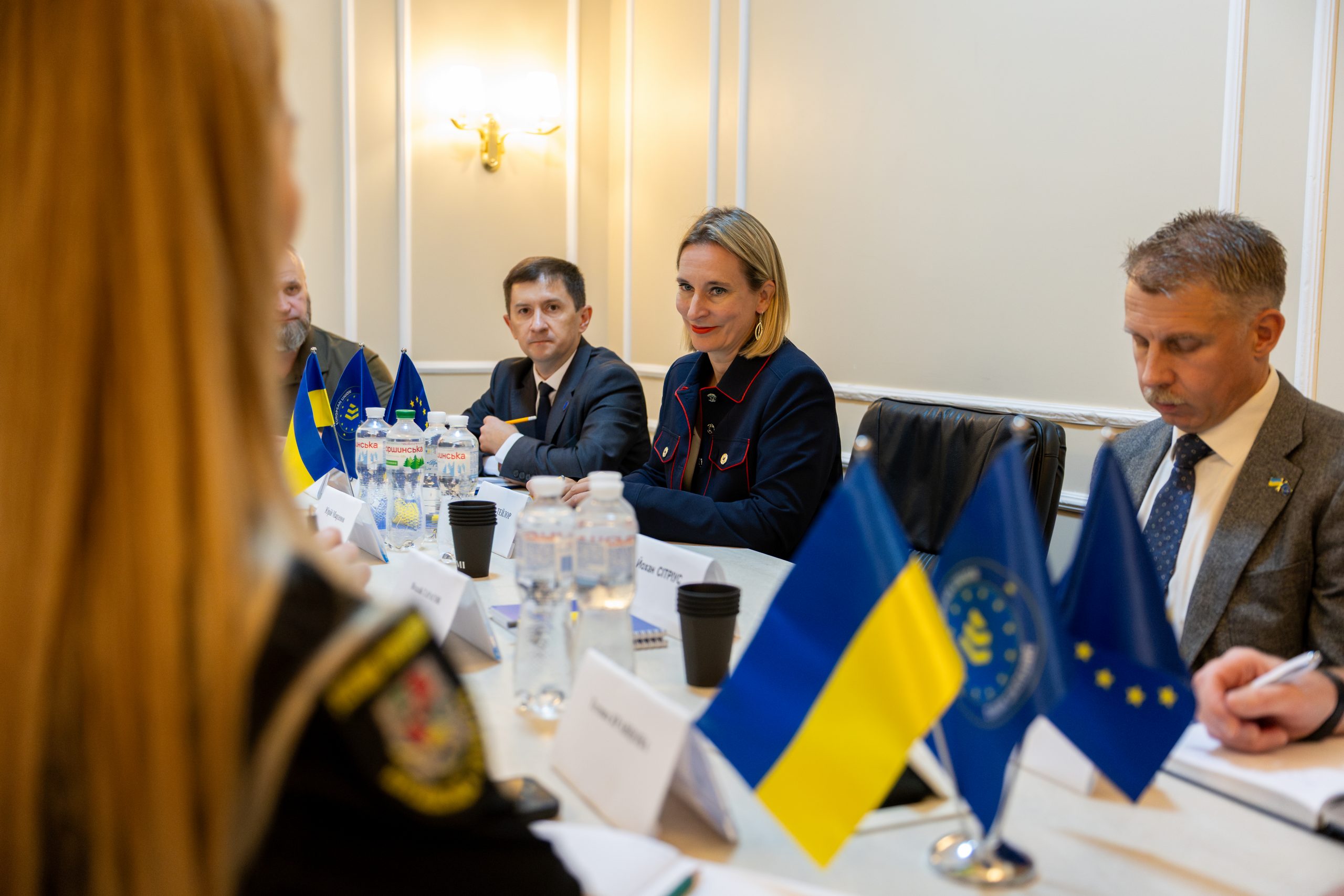
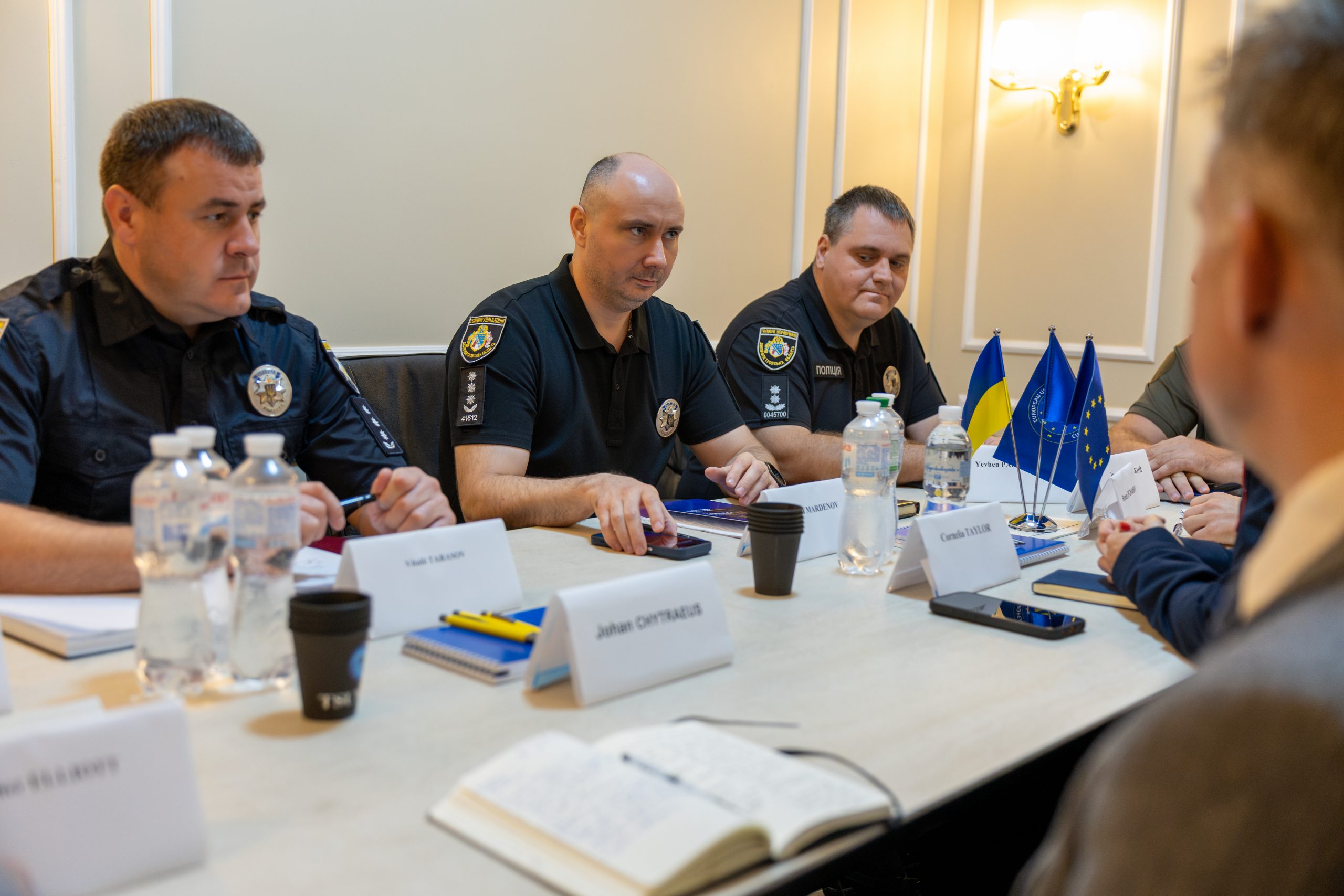
In meetings with police representatives from Dnipropetrovsk and Luhansk regions, the Head of Mission heard how EUAM’s support contributes to their daily work and where further cooperation is needed. Dnipropetrovsk regional police highlighted how equipment and professional training help them maintain operations, including during prolonged power cuts.
“We greatly value the consistent support of our European partners. For us, EUAM is a partner not only in technical assistance, but also in police reform and development, introducing modern approaches and international standards,” said Yurii Merdenov, Deputy Head of the National Police Main Directorate in Dnipropetrovsk region.



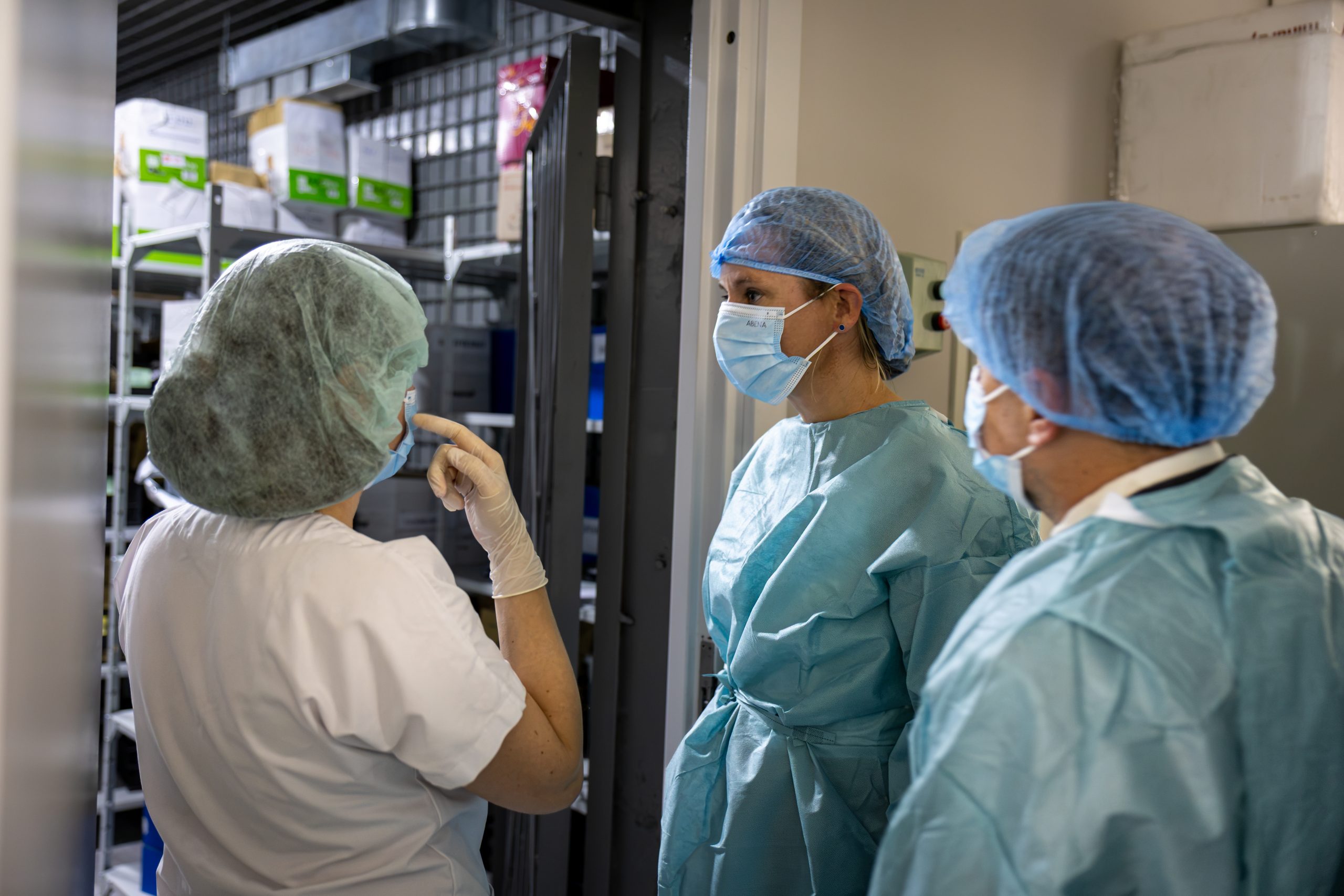
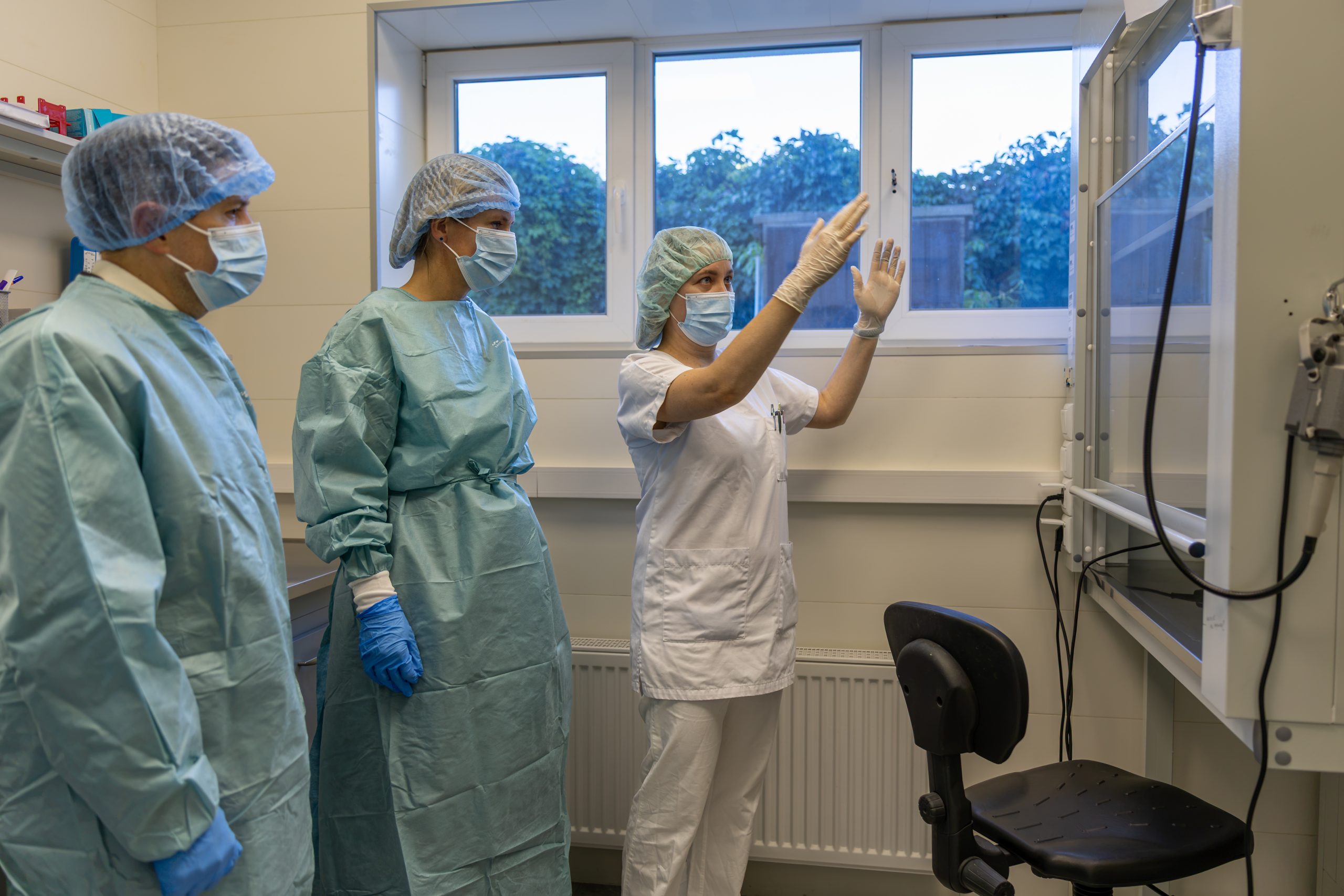
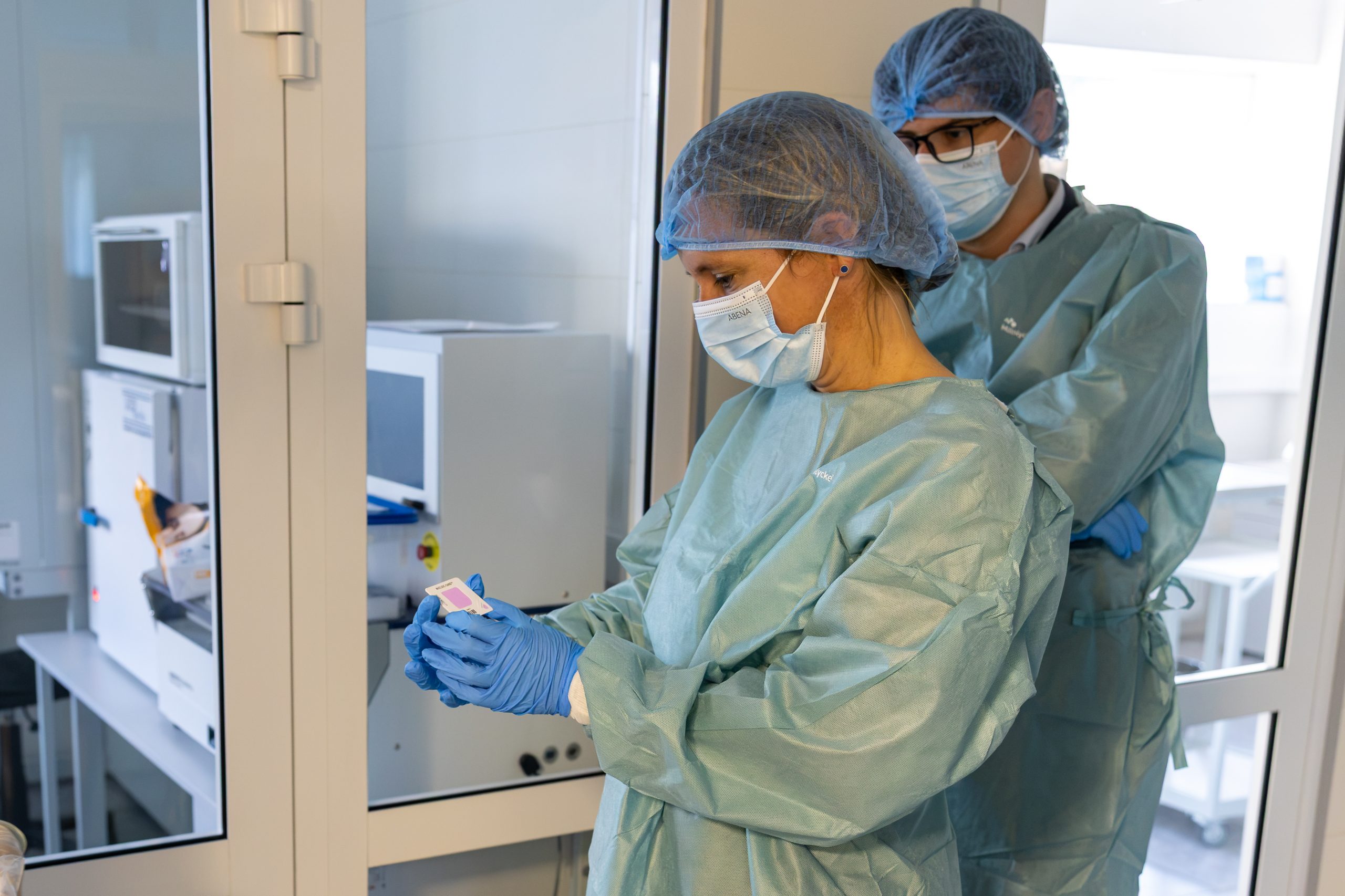
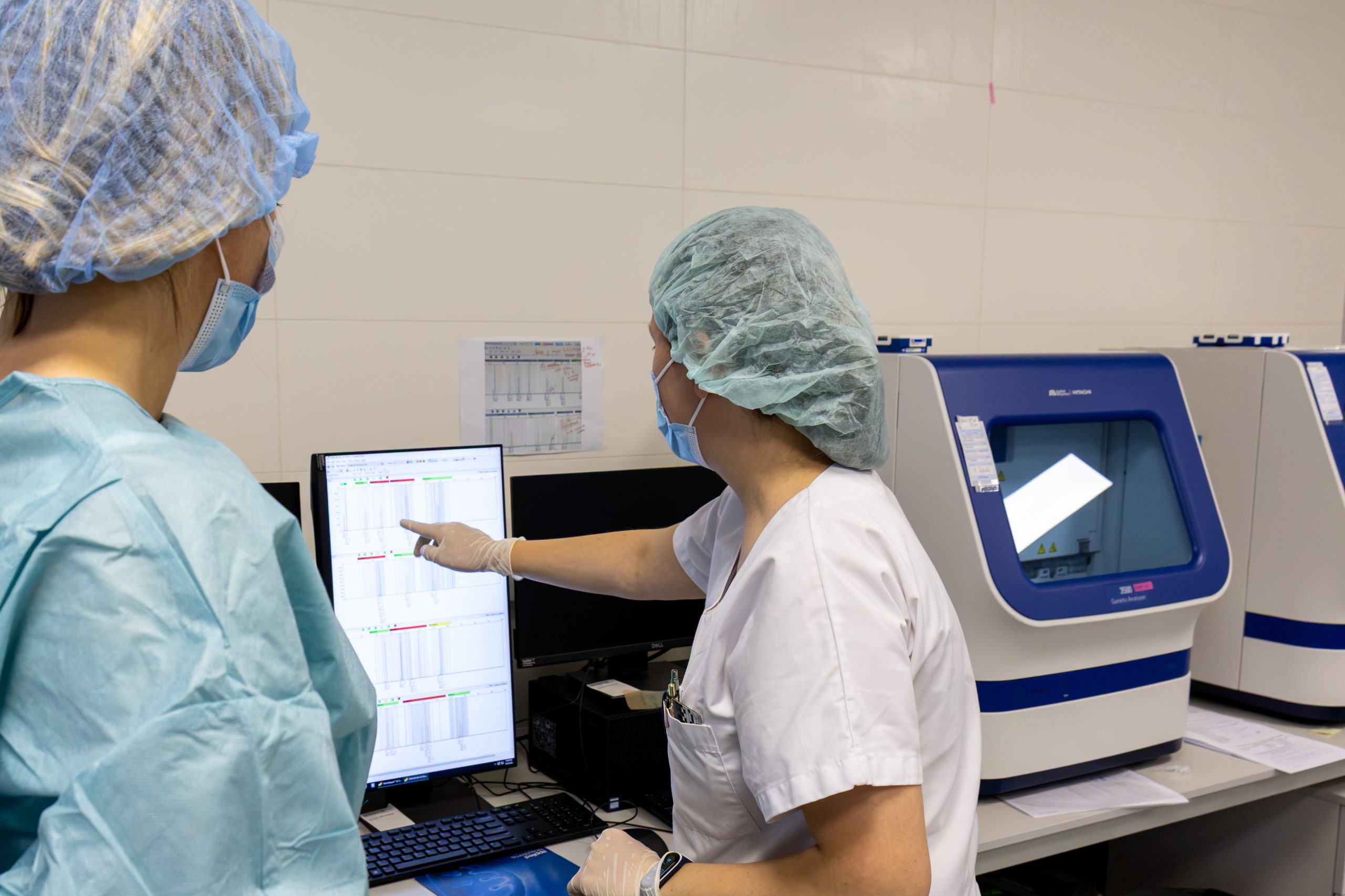
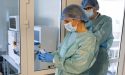
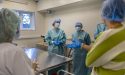
At the MoIA’s Dnipropetrovsk forensic centre, Cornelia Taylor saw another practical contribution. Specialists use equipment provided by EUAM in examinations supporting criminal investigations. They analyse missile and drone fragments and, using EUAM donated equipment, conduct DNA examinations, including those needed to identify deceased soldiers and civilians. For families, identification can provide answers about a loved one’s fate. The Head of Mission and the Mobile Unit also delivered printed stationery to support the centre’s daily operations, including journals for formally logging examinations and branded folders.
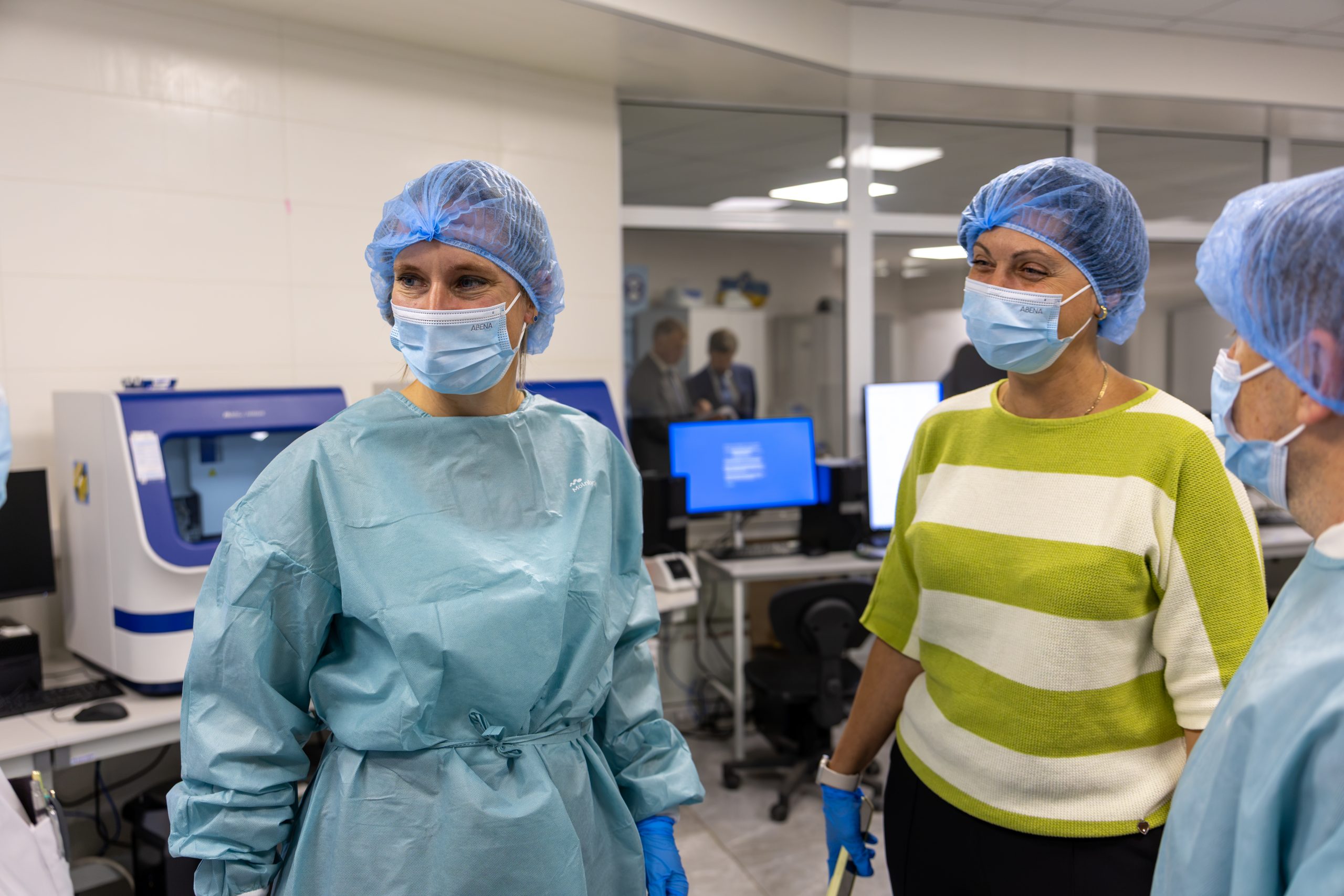
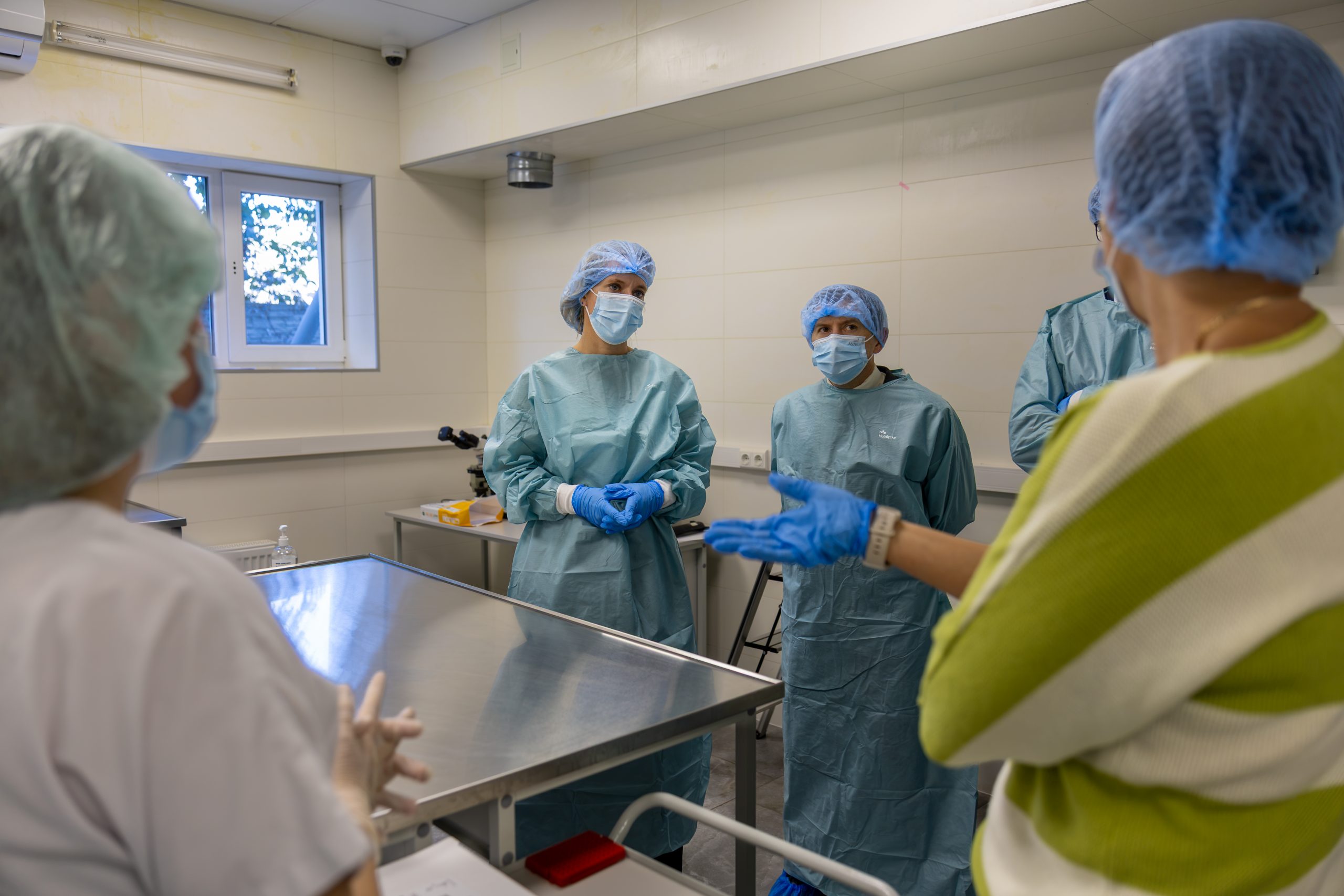
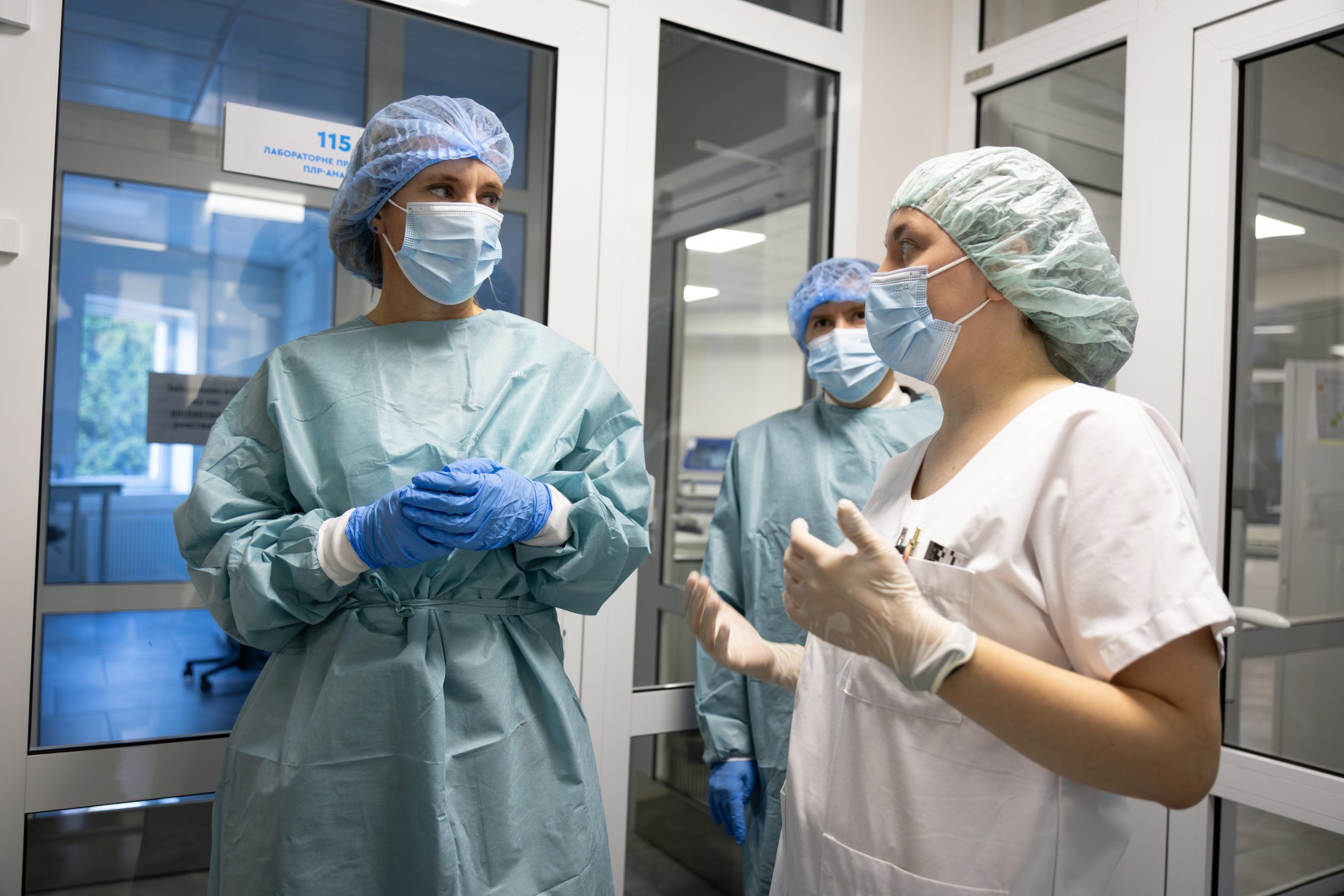
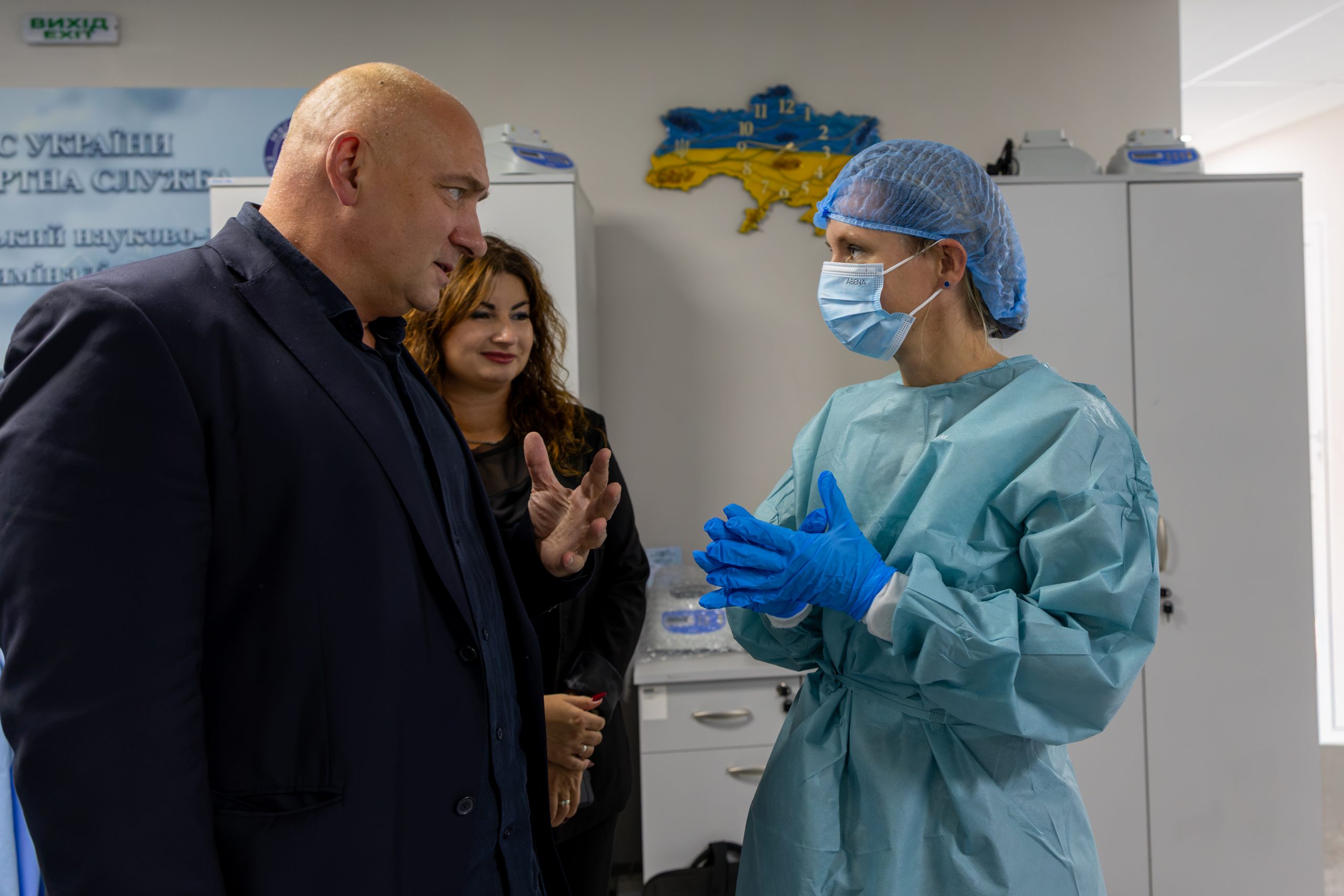






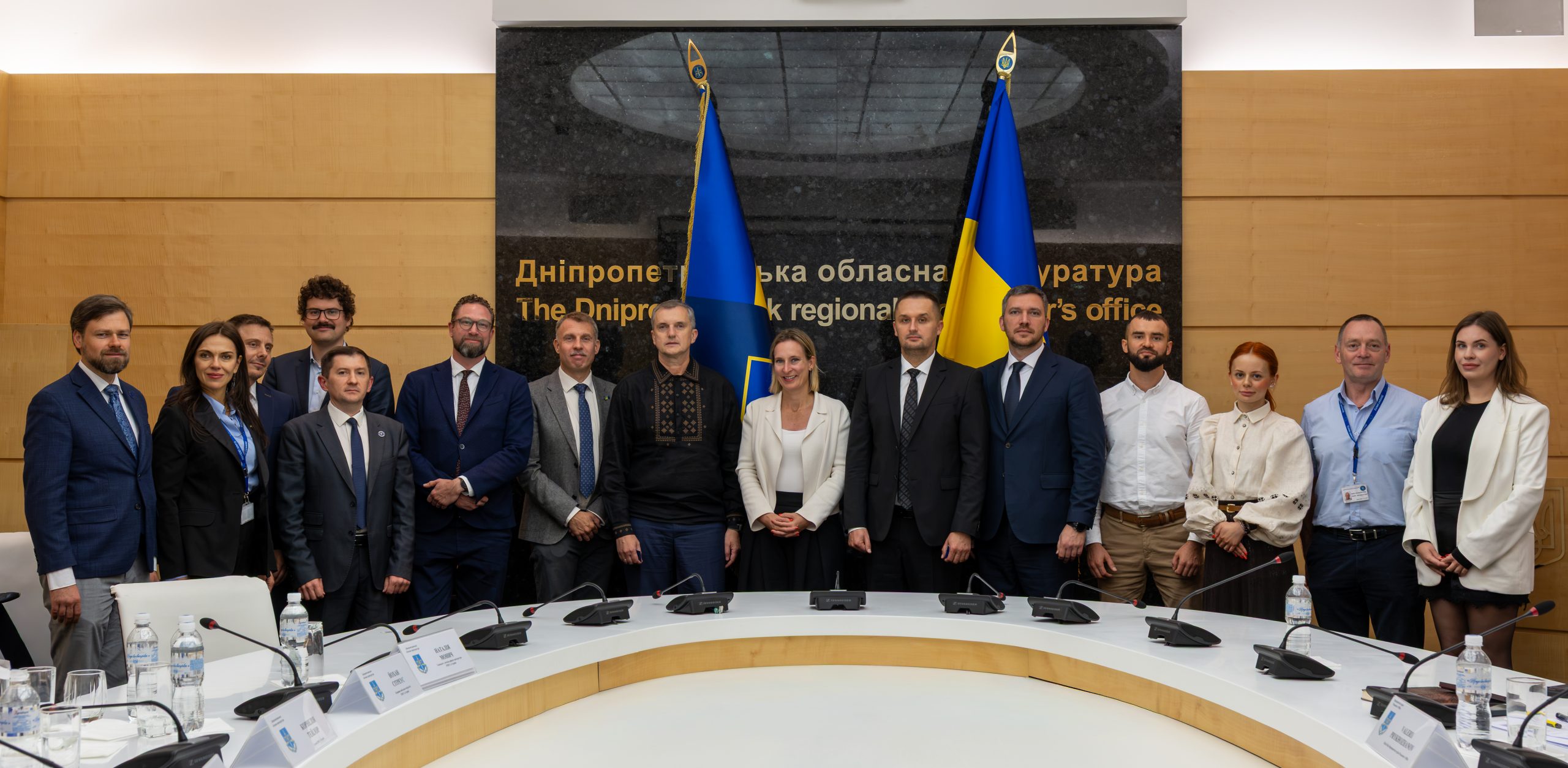
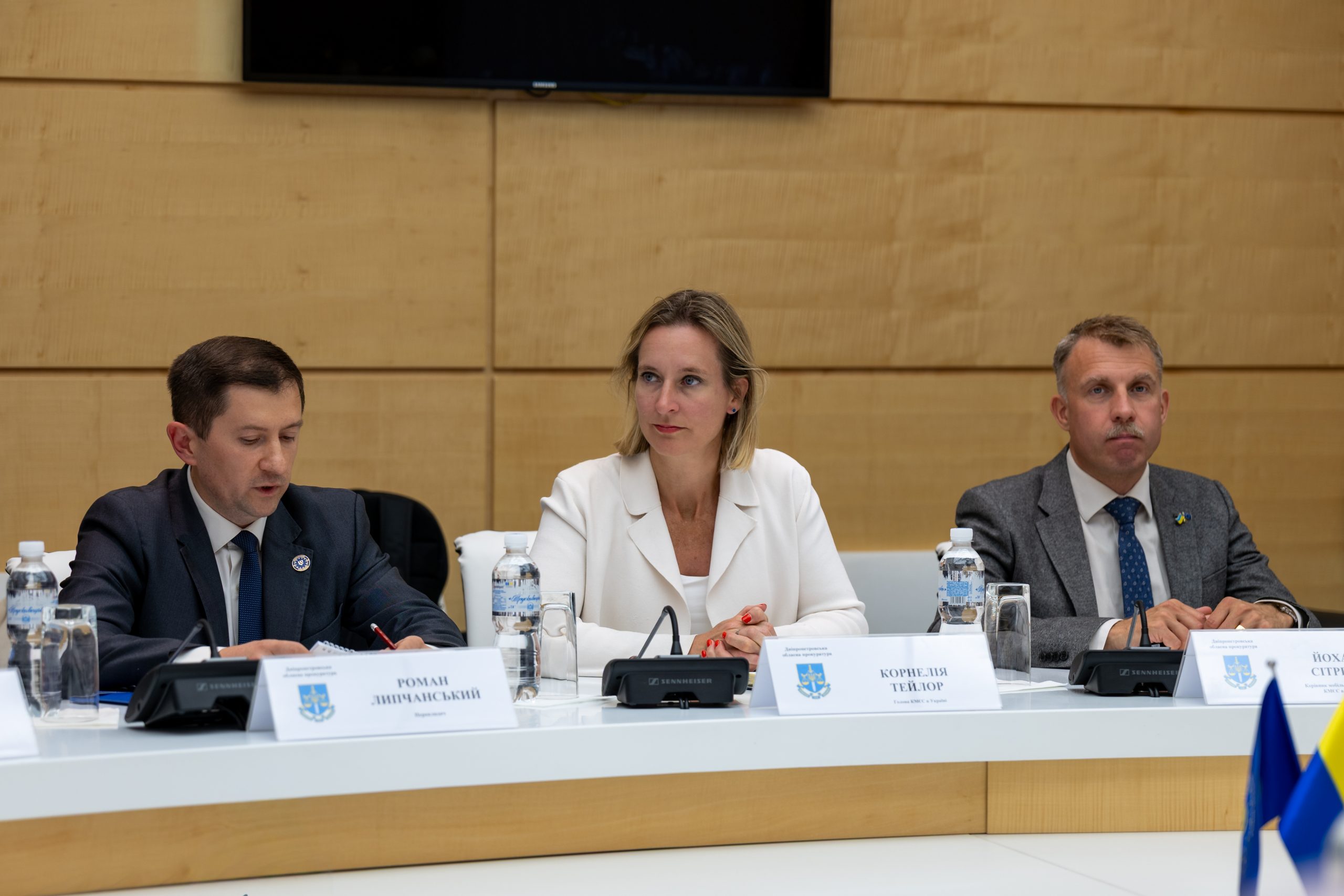
Meetings with the heads of the Dnipropetrovsk, Donetsk, Luhansk and Zaporizhzhia regional prosecution offices revealed the scale of the casework behind these investigations. The volume of international crimes cases adds to the strain on staff already working under difficult operational and security conditions. Partners highlighted the continuing need for specialist investigative expertise.
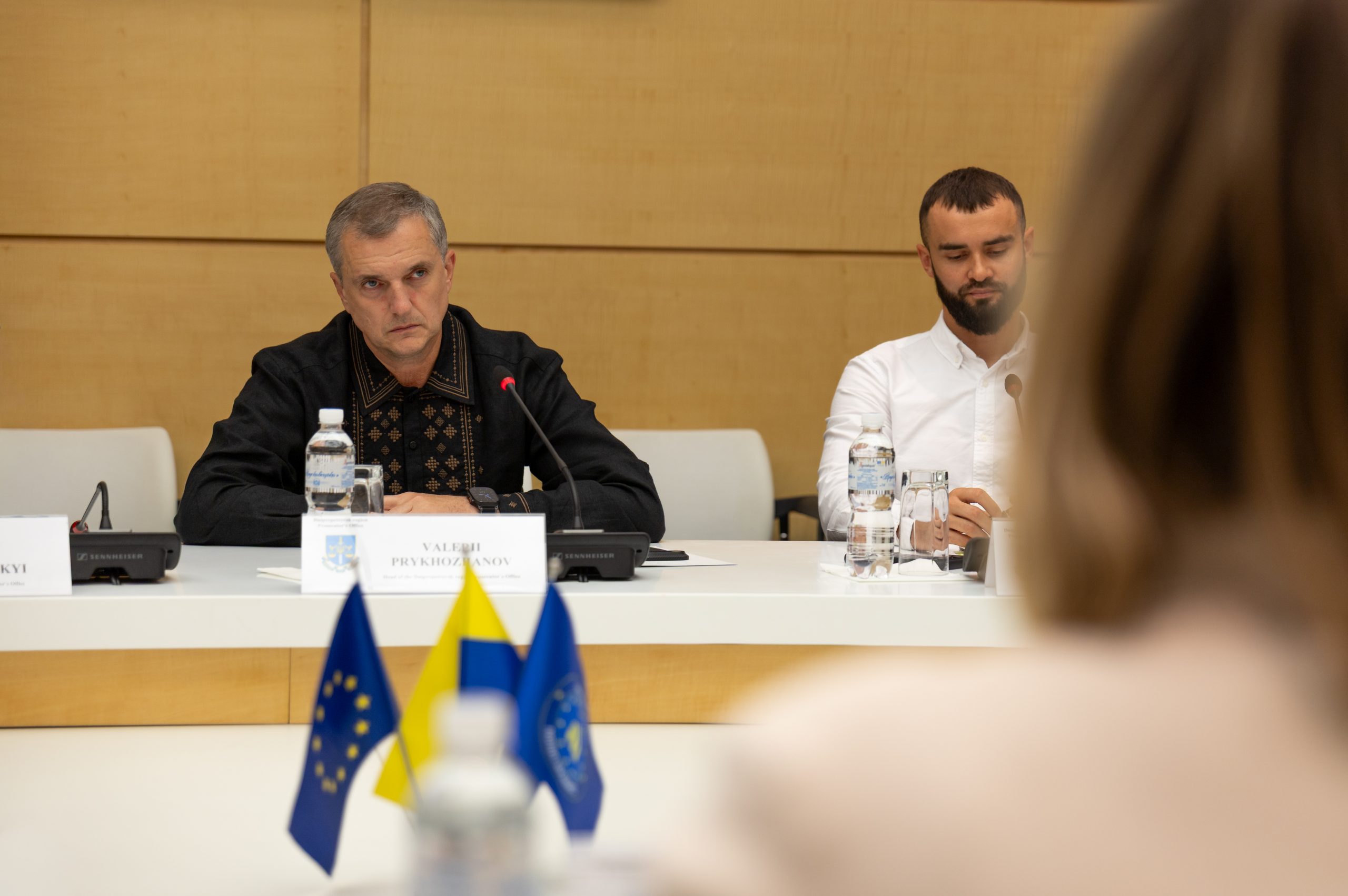
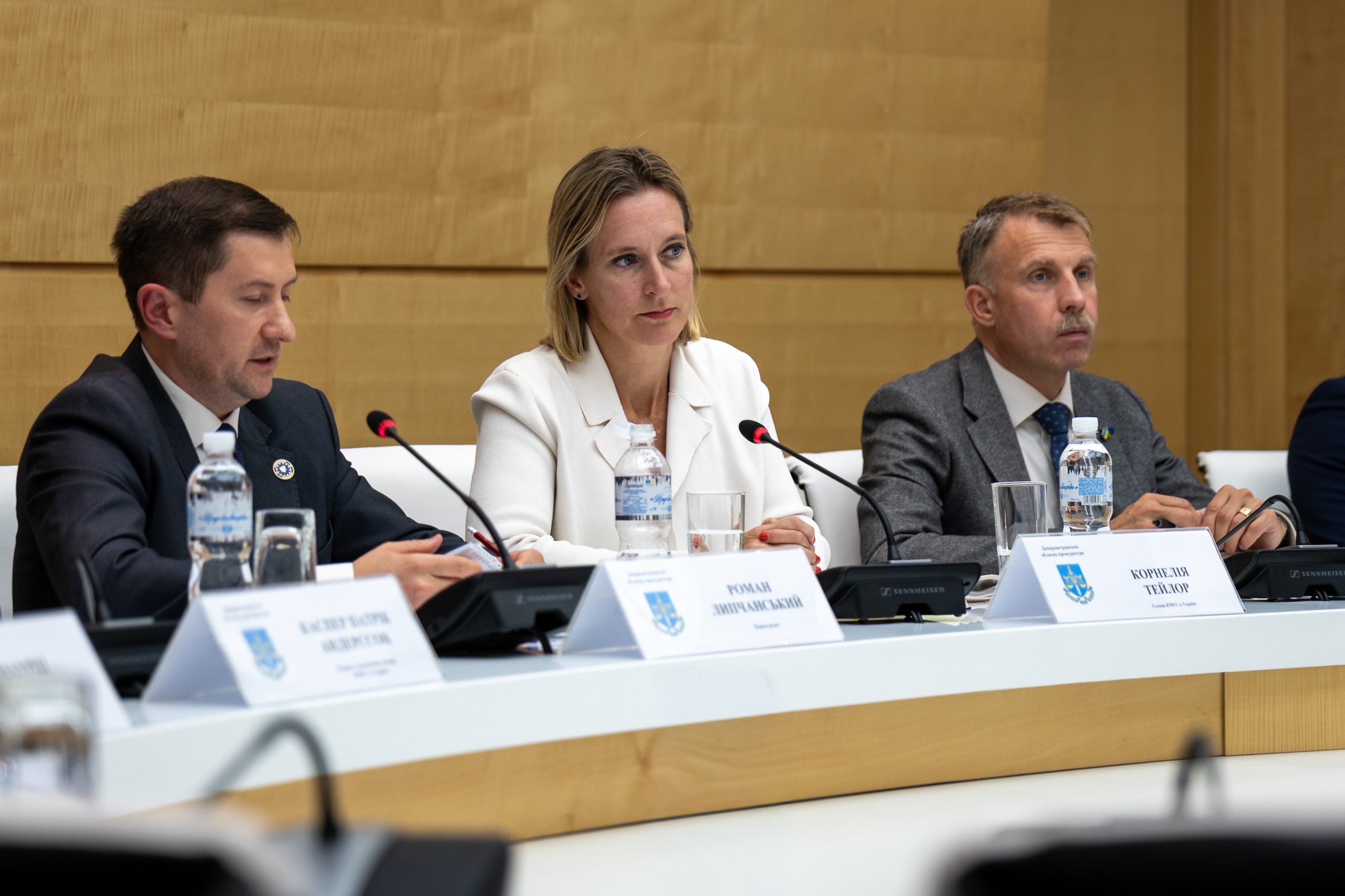
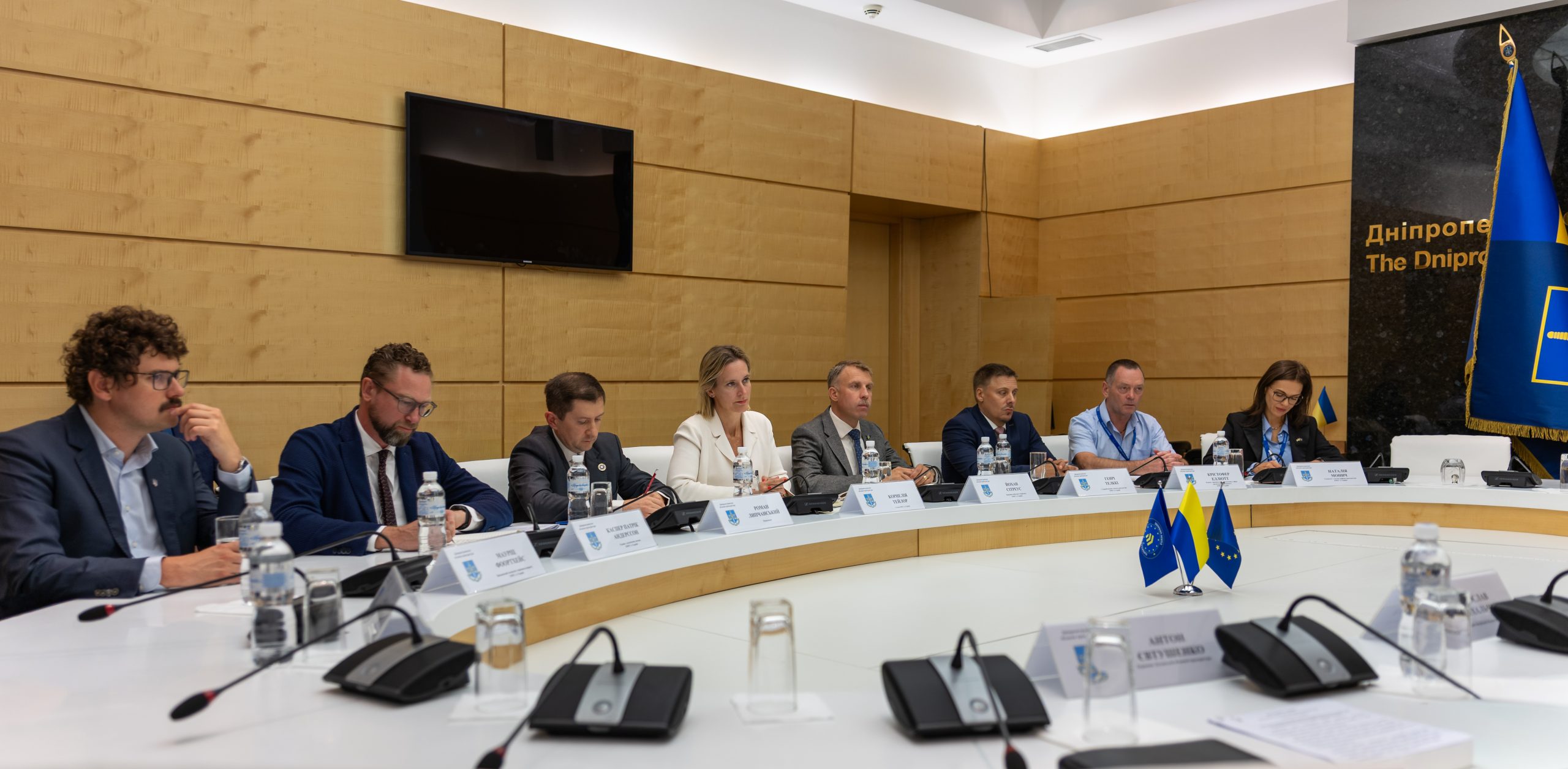
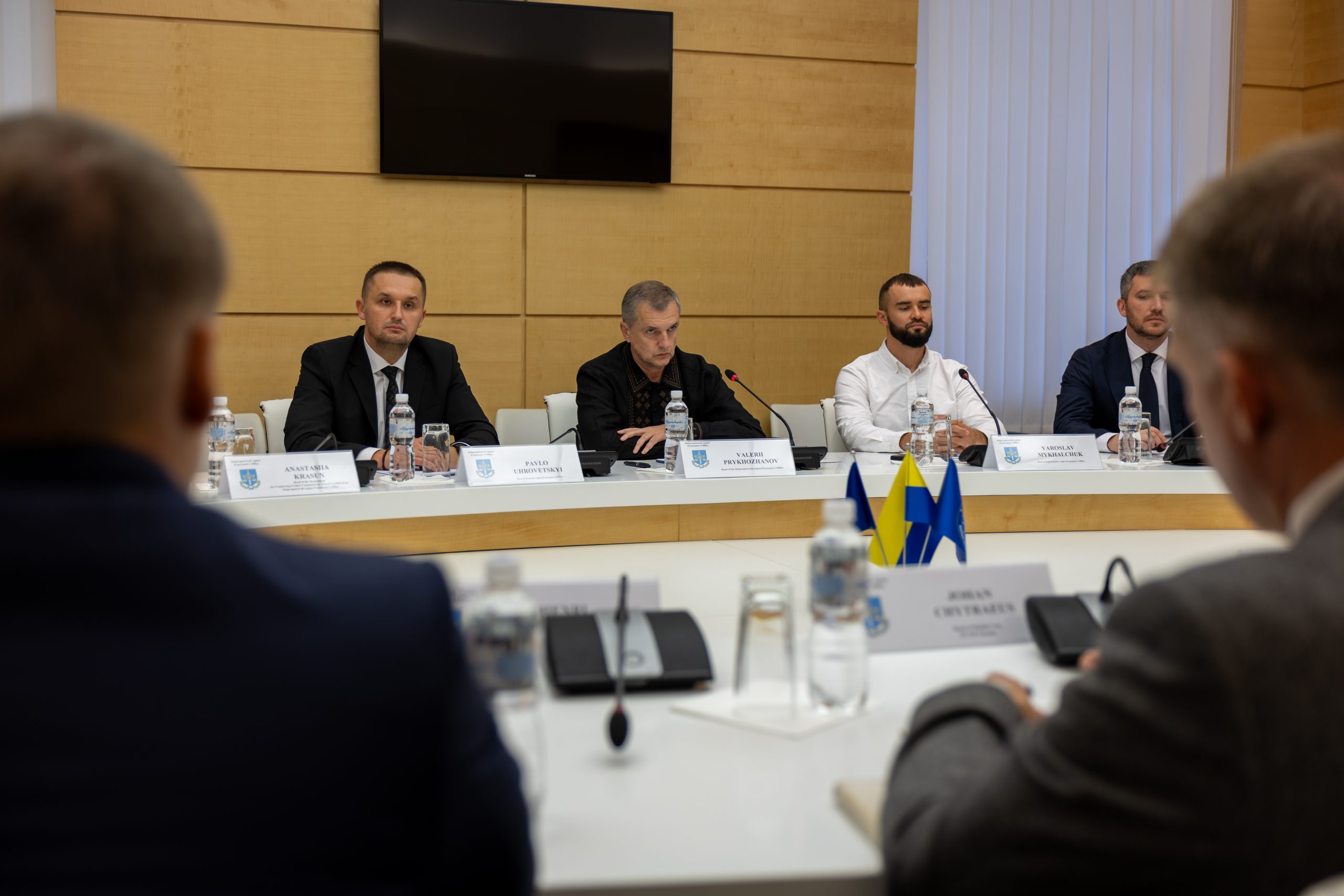
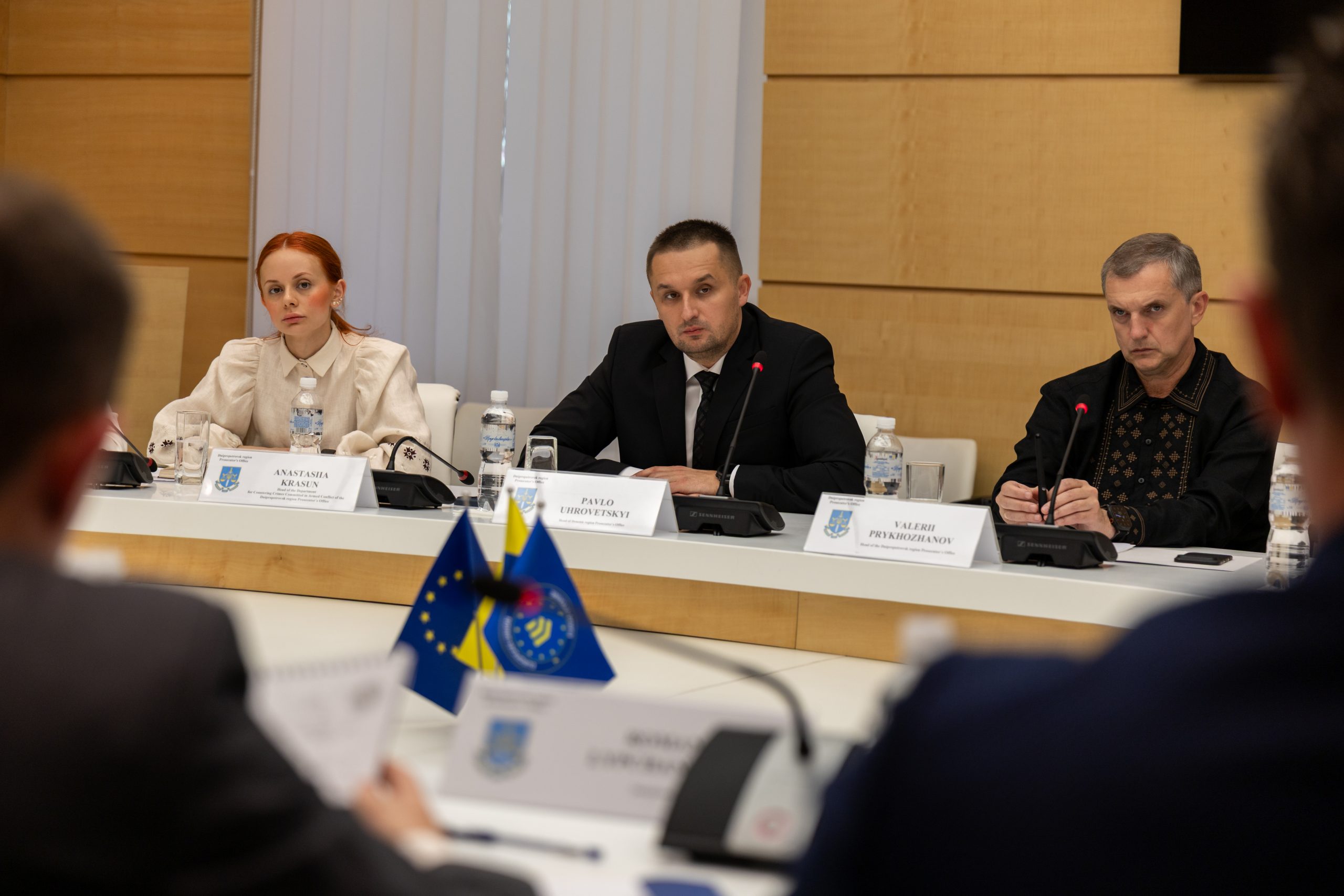



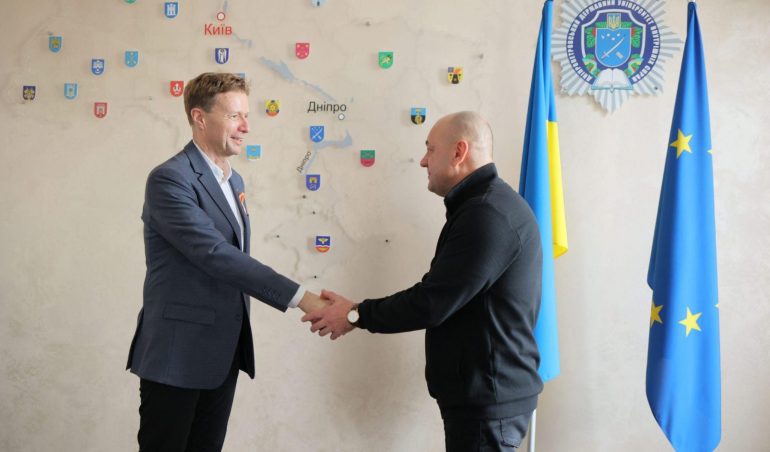
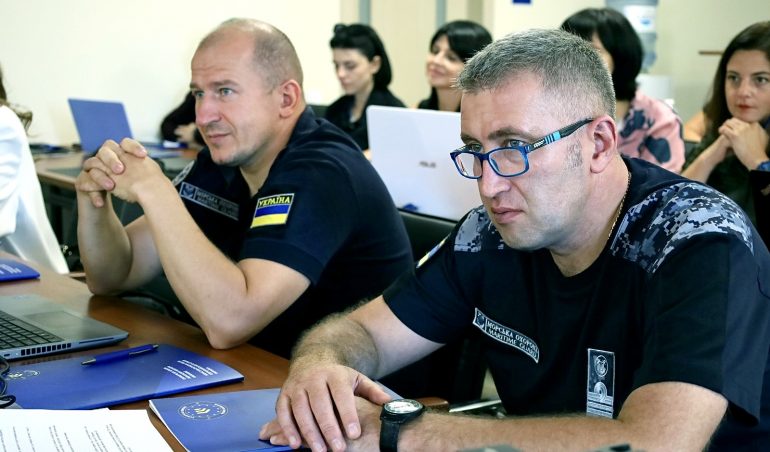
At Dnipro State University of Internal Affairs, the Head of Mission found an example of cooperation with the university taking root. Investigative interviewing, with particular attention to children, has become part of in-service police training following joint work with EUAM.
“Our cooperation on investigative interviewing shows what can be achieved when training becomes part of the system,” she reflected.
The result reaches beyond an individual course. Successive groups of officers learn methods that support reliable investigations and respect for the people they interview.
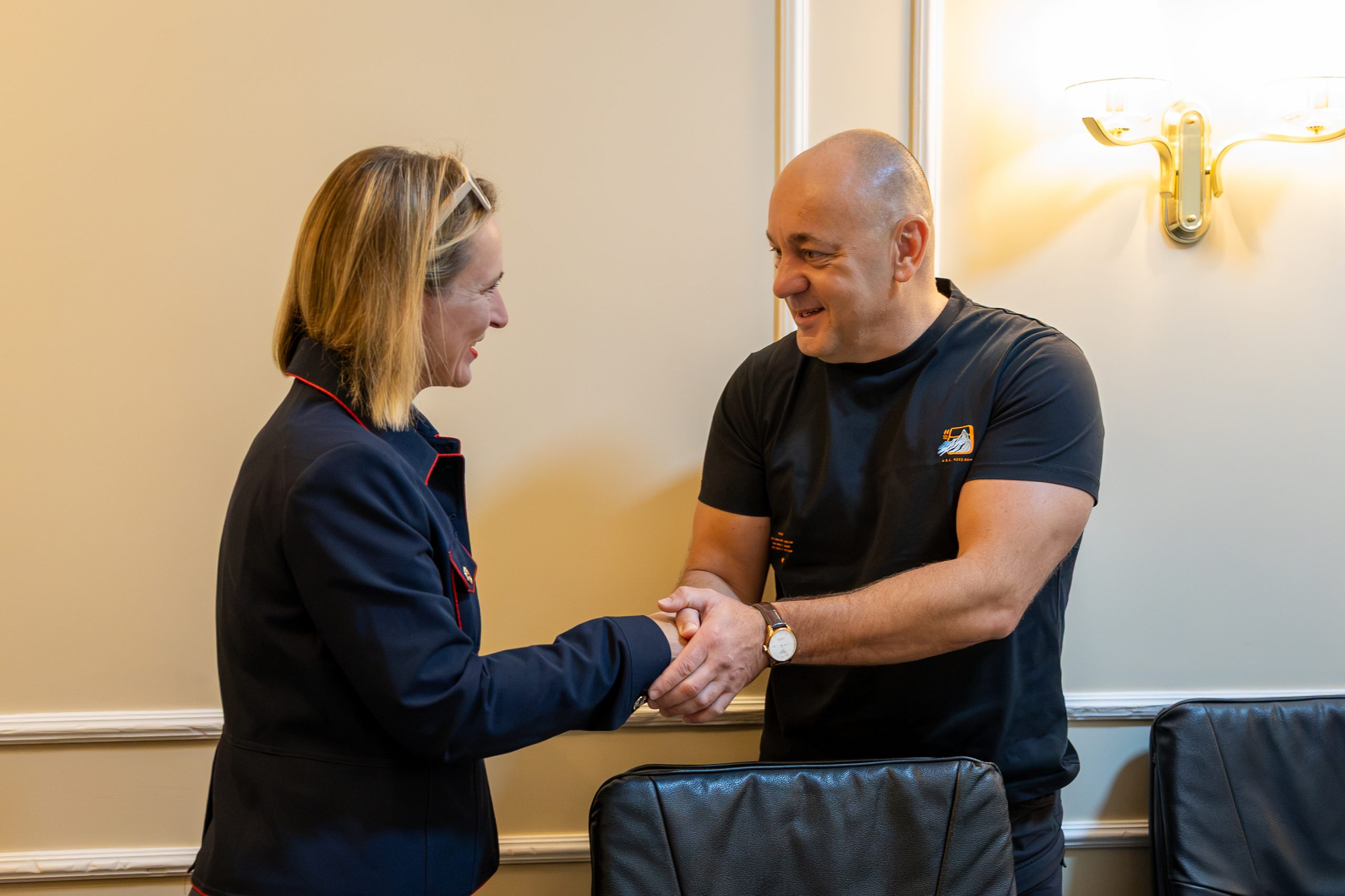
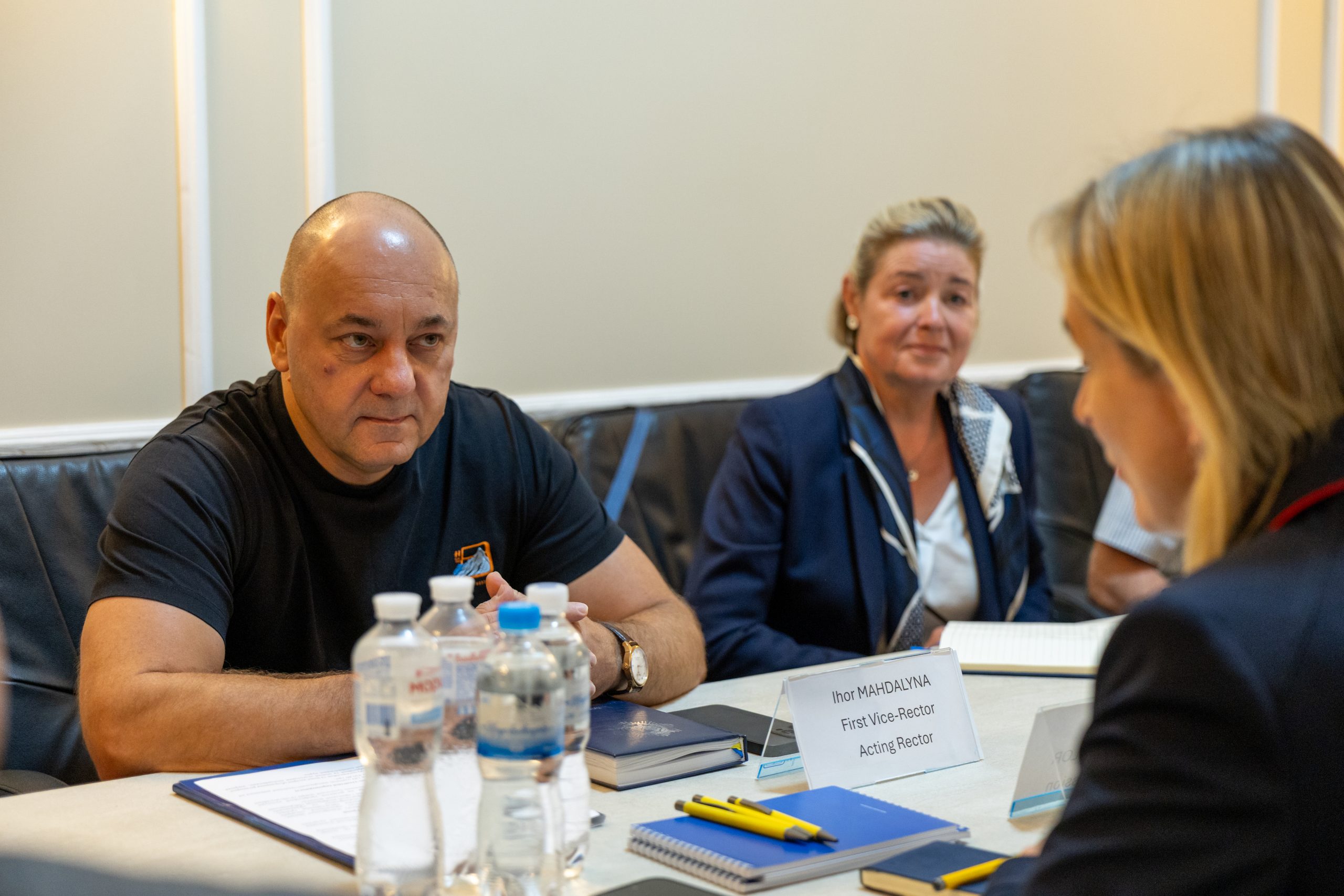
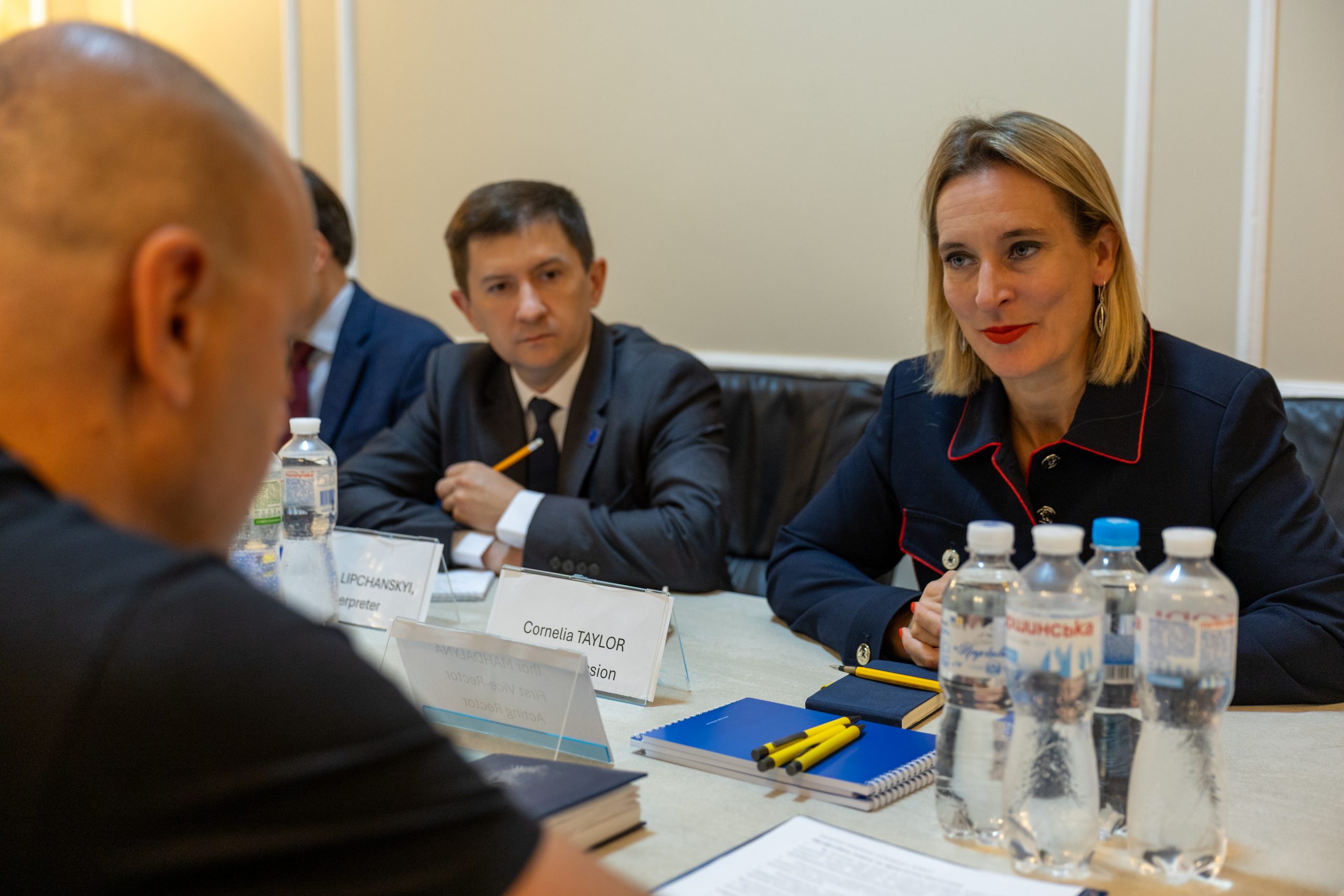
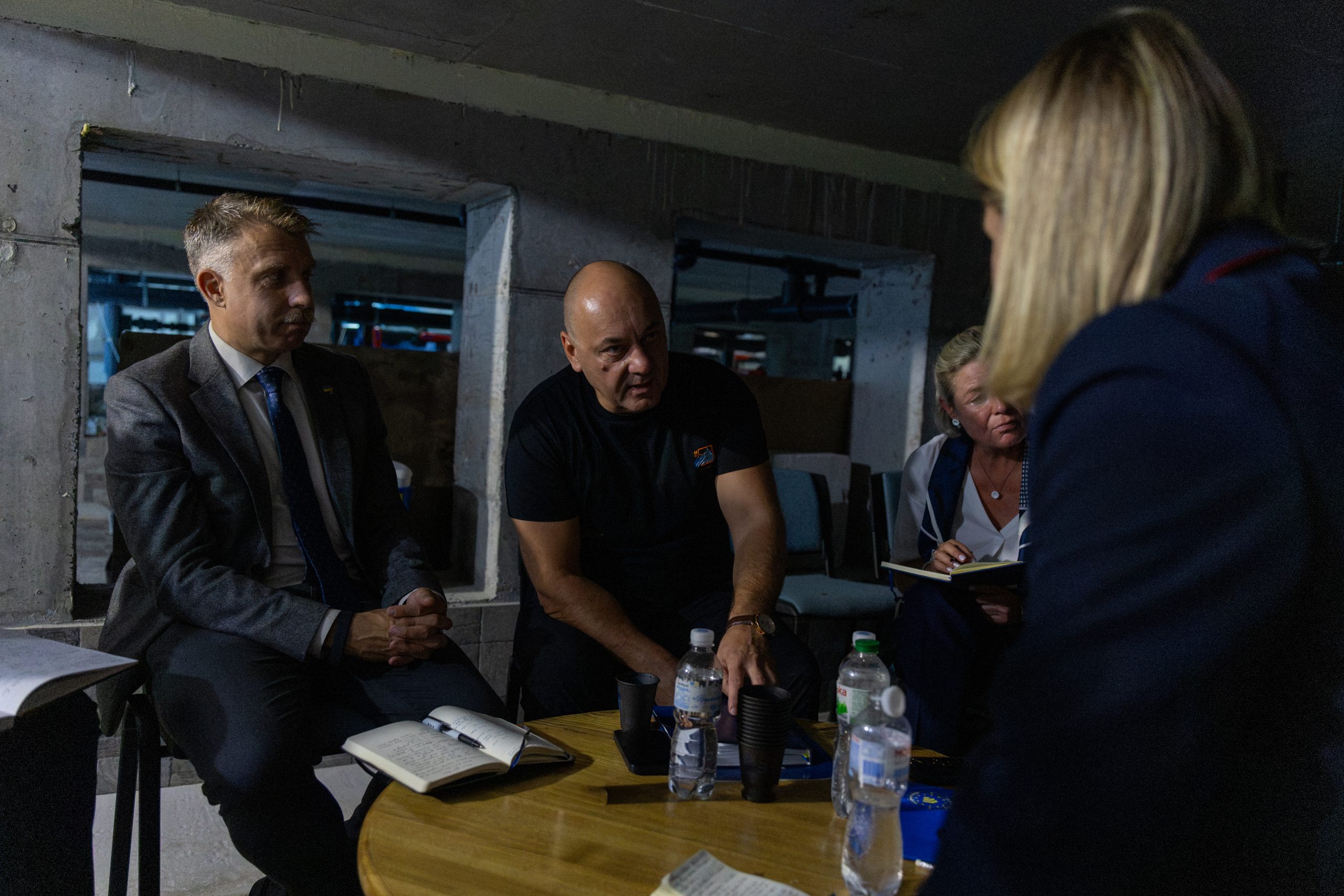
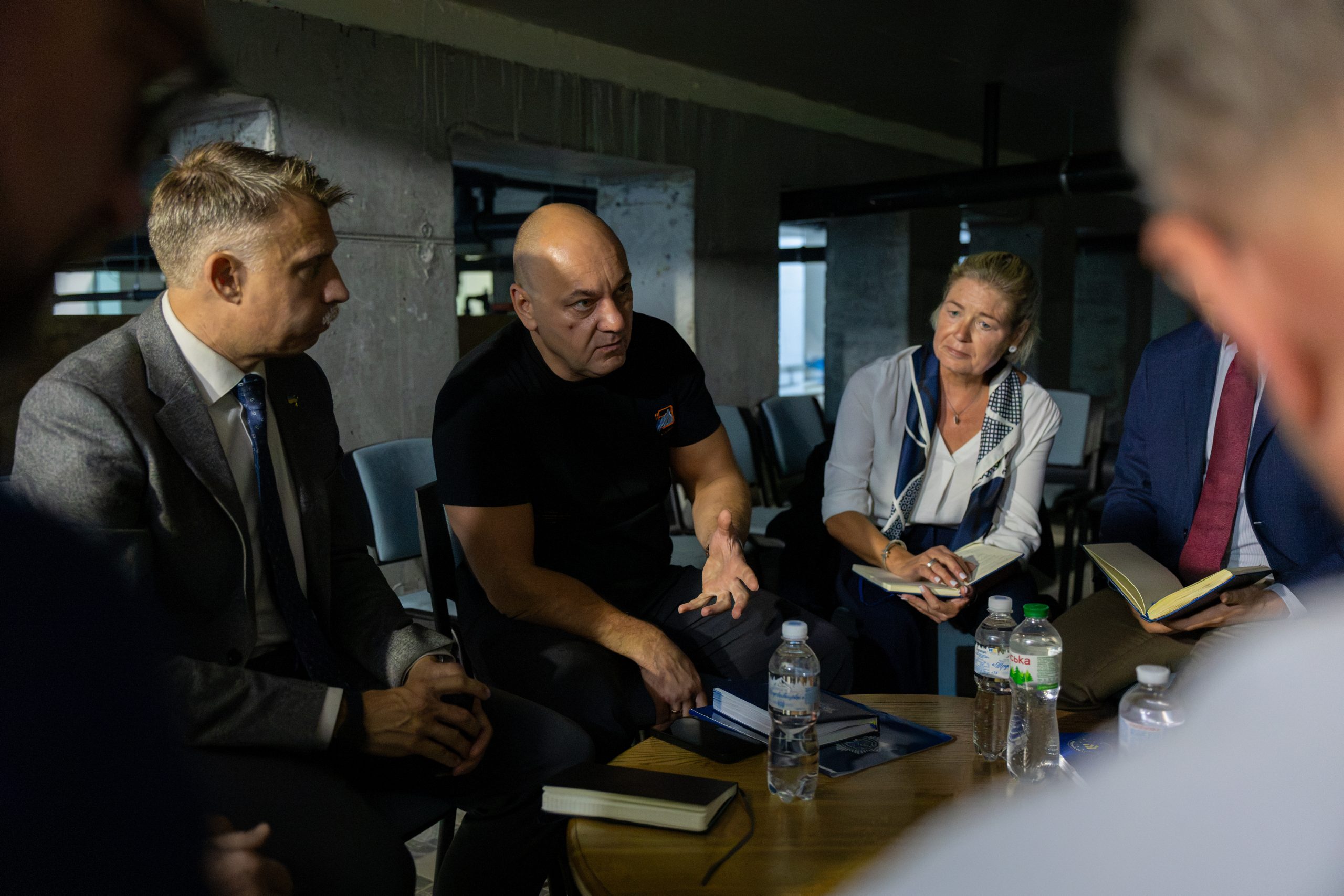





Cornelia Taylor reaffirmed the continuity of EUAM’s priority support to partners working in liberated and adjacent territories, with an added focus on veterans’ reintegration.
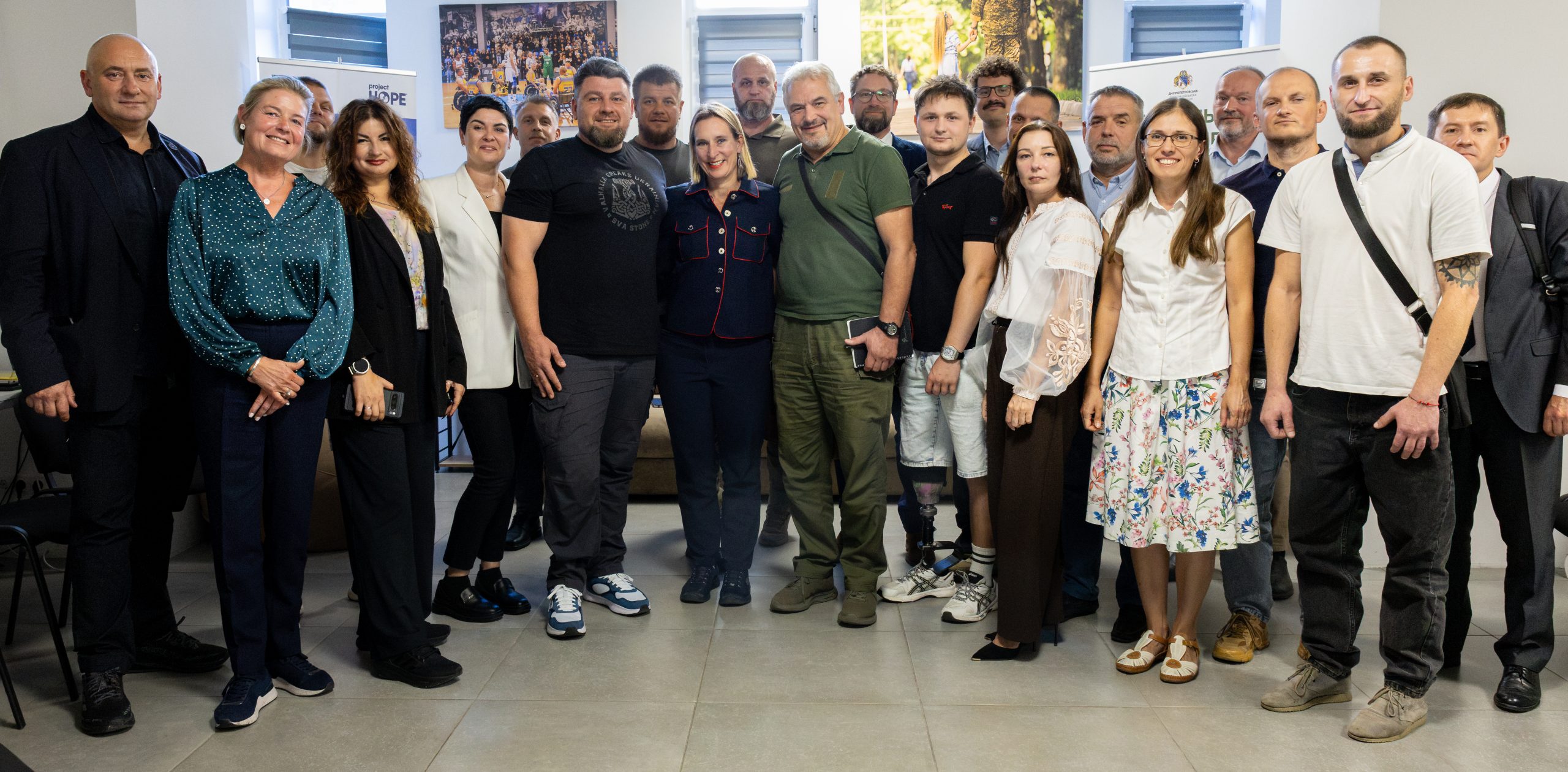
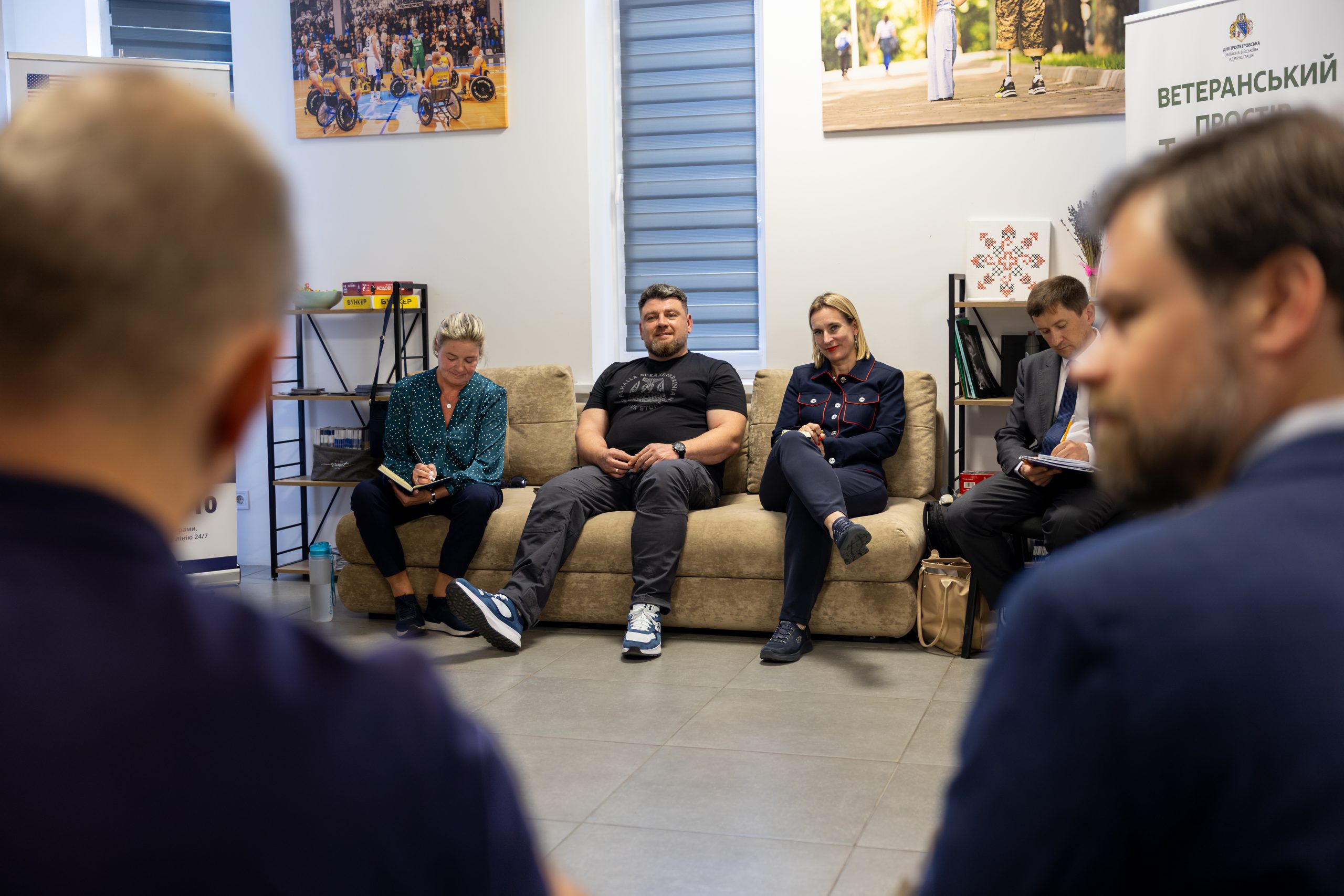
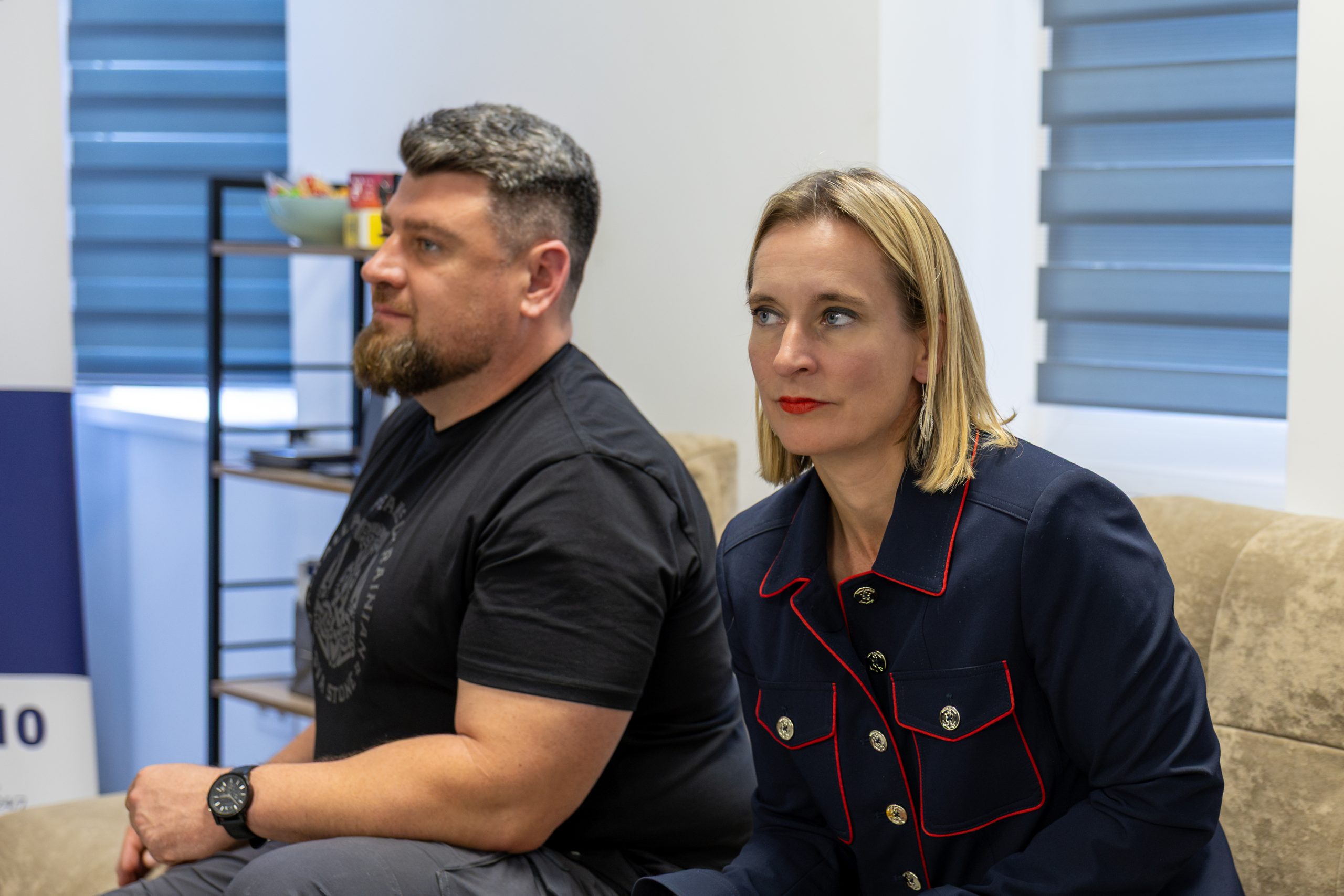
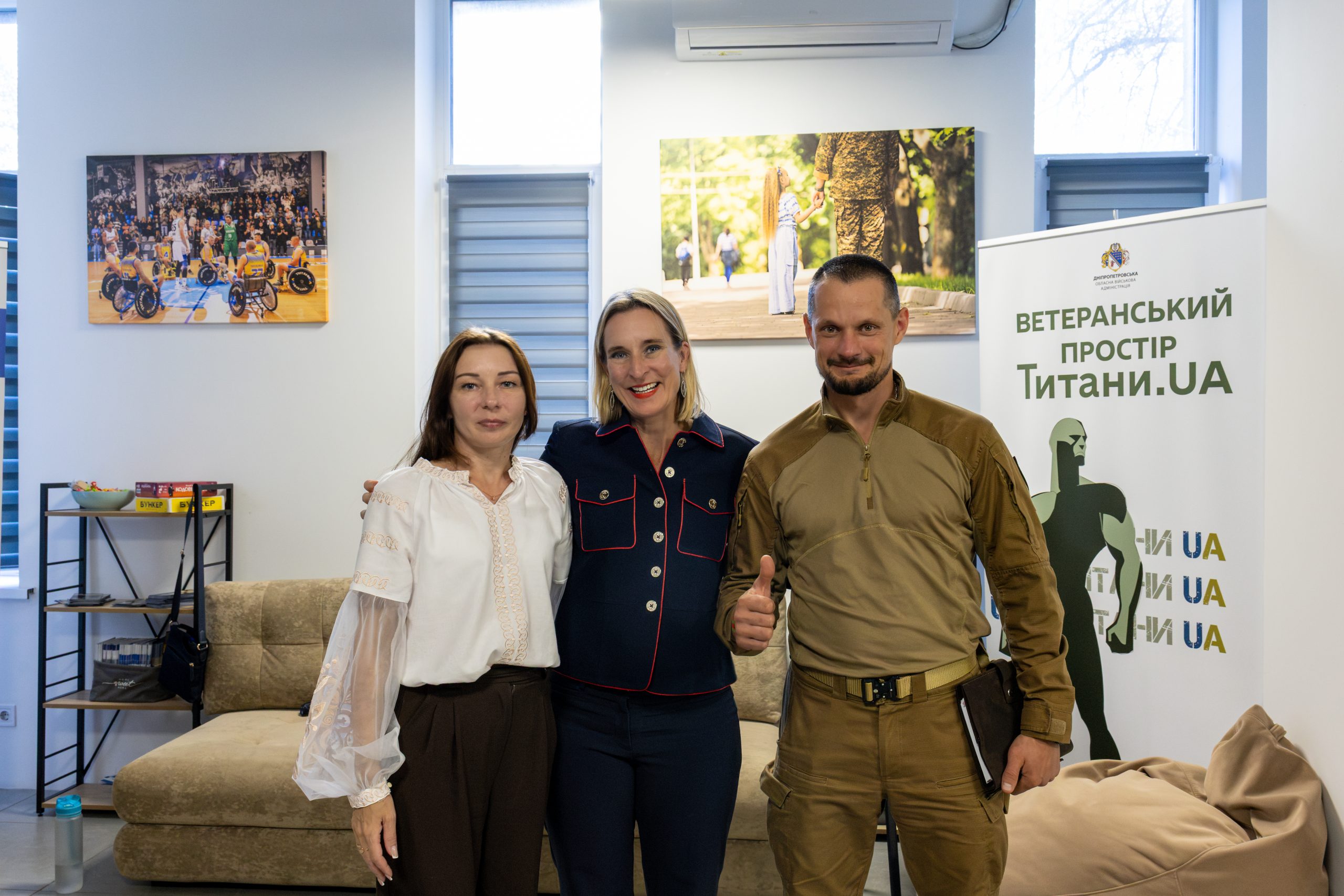
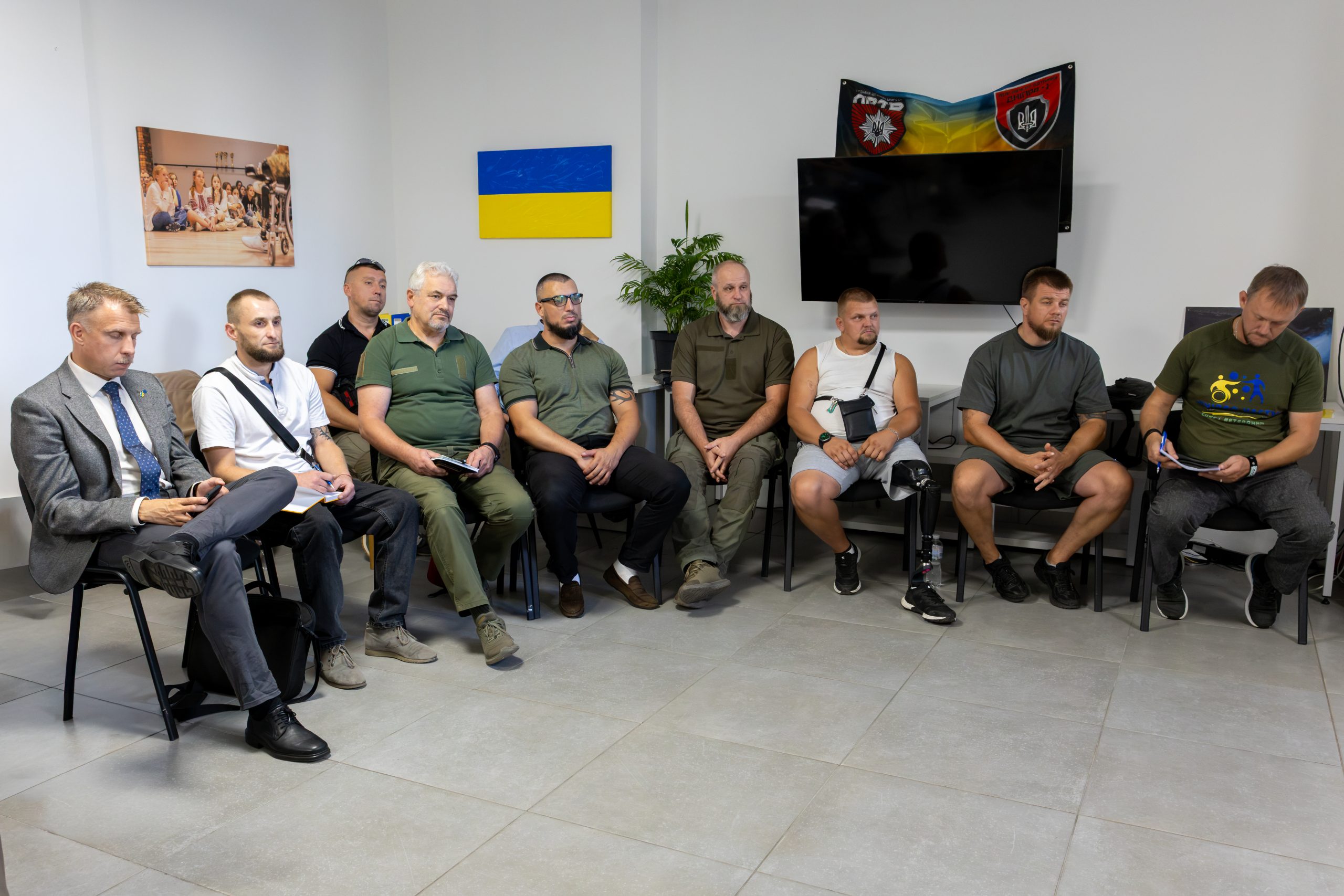
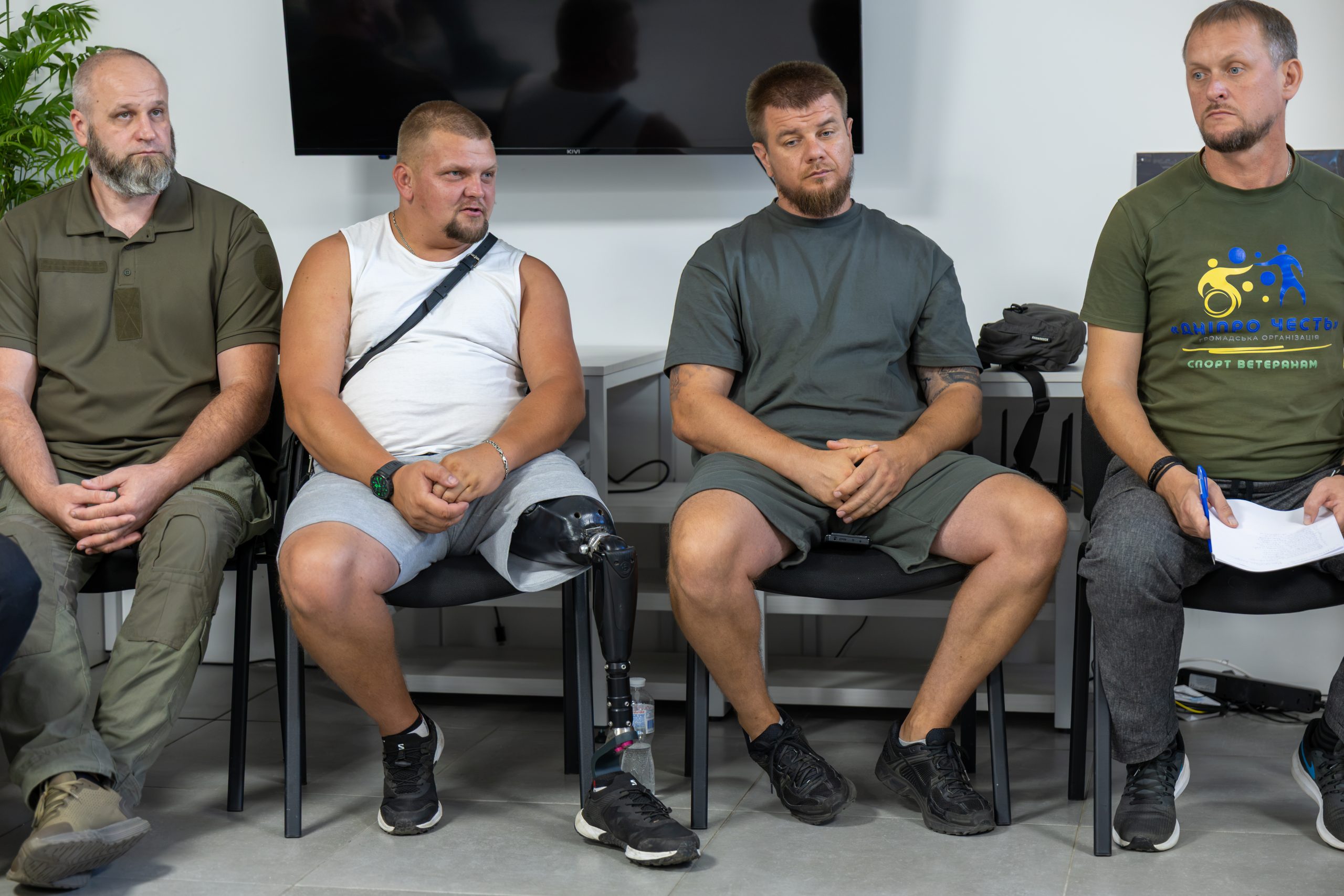
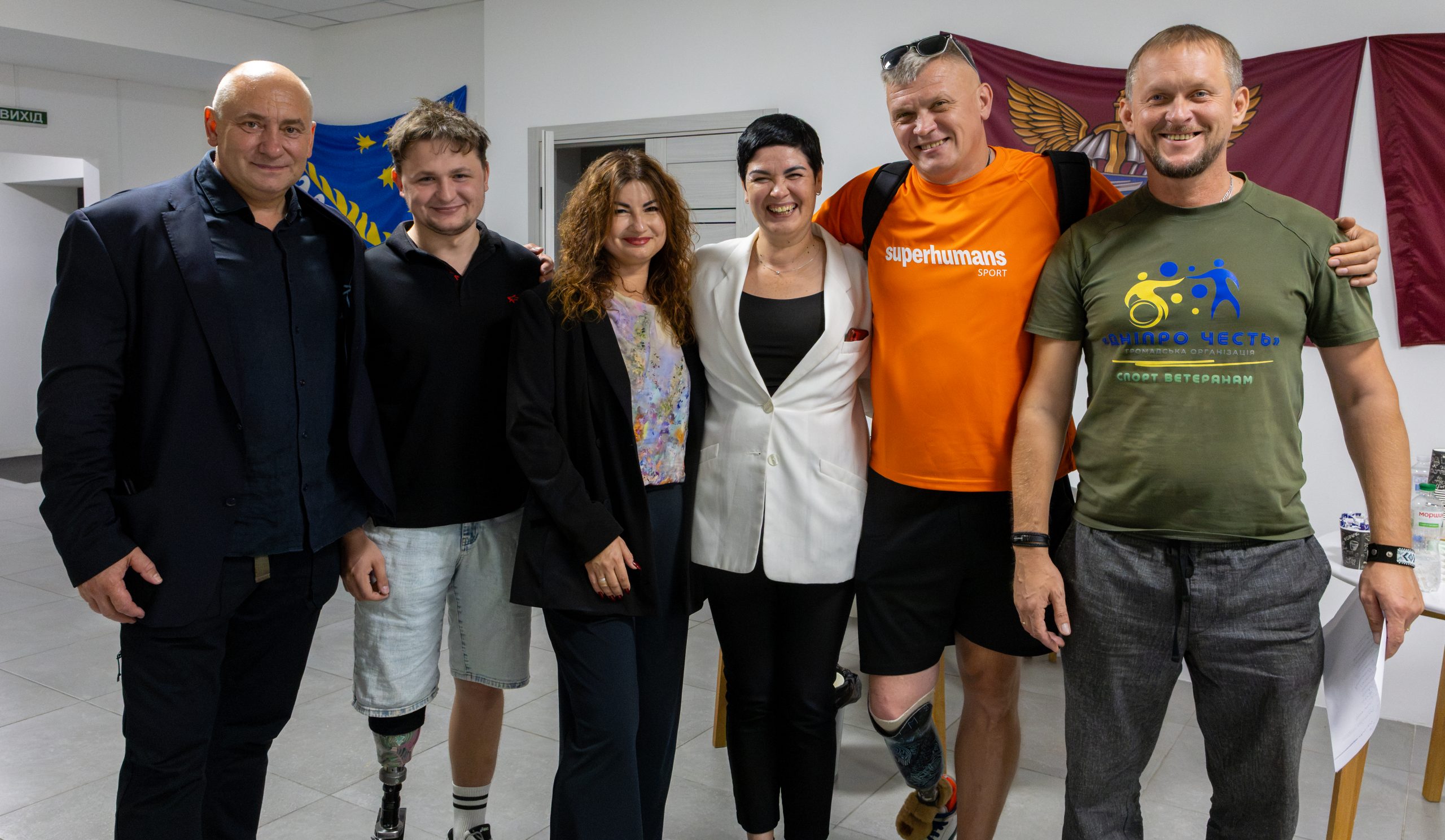
At the TitansUA Veterans Hub, run by the Dnipropetrovsk Regional Military Administration, Cornelia Taylor met veterans using its services and the staff supporting them. The conversation turned to employment, access to services and administrative procedures.
Their experiences showed what reintegration programmes need to deliver in practice. Partners called for advice and practical support in implementing those programmes, while participants from Dnipropetrovsk and Poltava regions compared approaches that could be shared more widely.






In Odesa, different pressures and shared determination
Odesa’s geography adds another dimension to the Mission’s work. The safety of its ports and transport links matters to local communities, Ukraine’s economy and connections with the EU and beyond. For the people keeping these routes open, investigating attacks and protecting communities, the war brings responsibilities that reach well beyond the region.
The Head of Mission’s first visit offered an opportunity to hear their priorities and see how EUAM’s Odesa Field Office can build on its established partnerships.
Along the Mayaki–Palanca/Starokozache transit corridor, passengers, cargo traffic and border personnel depend on a route under pressure from Russian attacks. Cornelia Taylor visited the corridor and discussed cooperation with the European Commission’s Service for Foreign Policy Instruments.
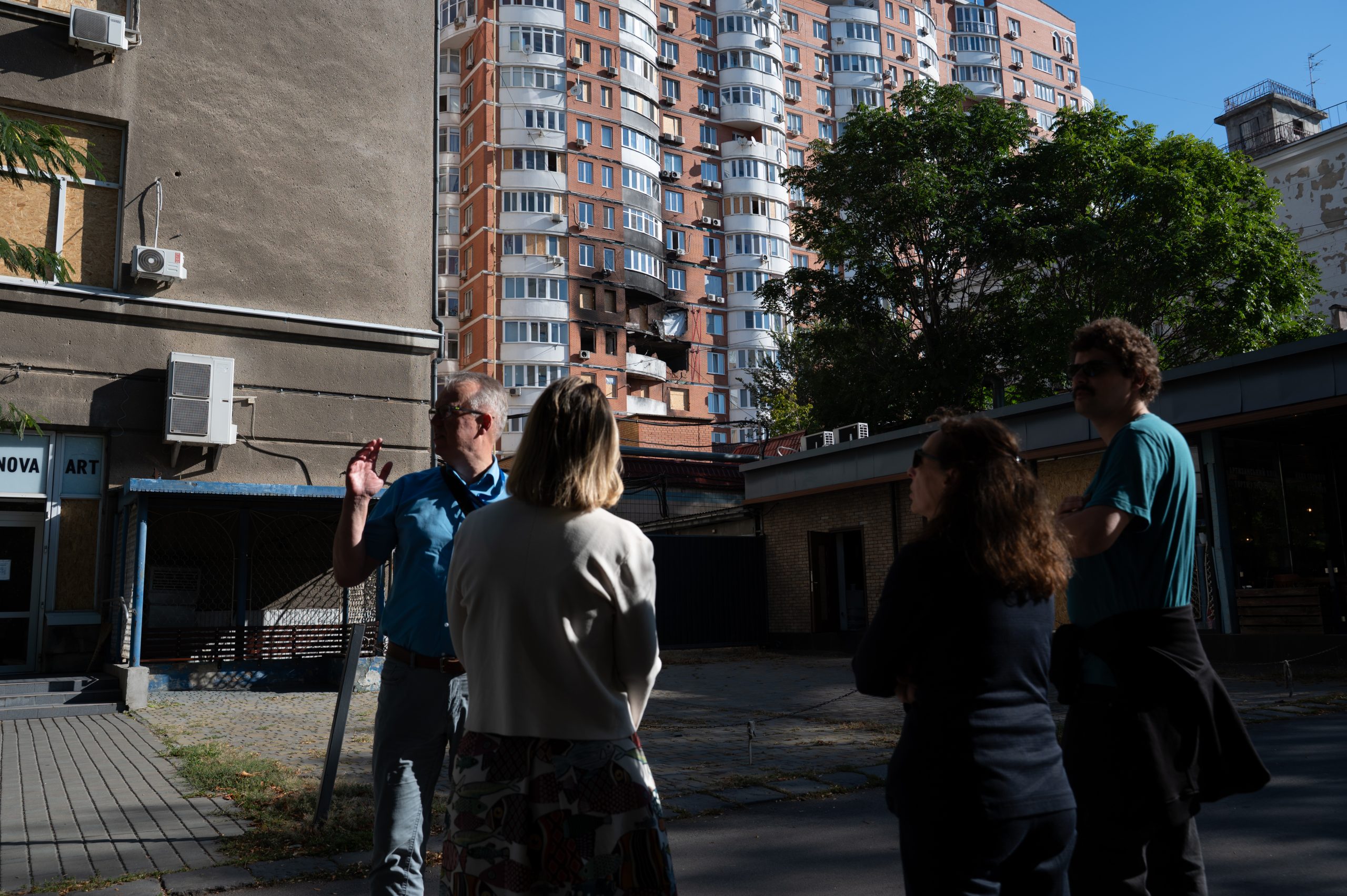
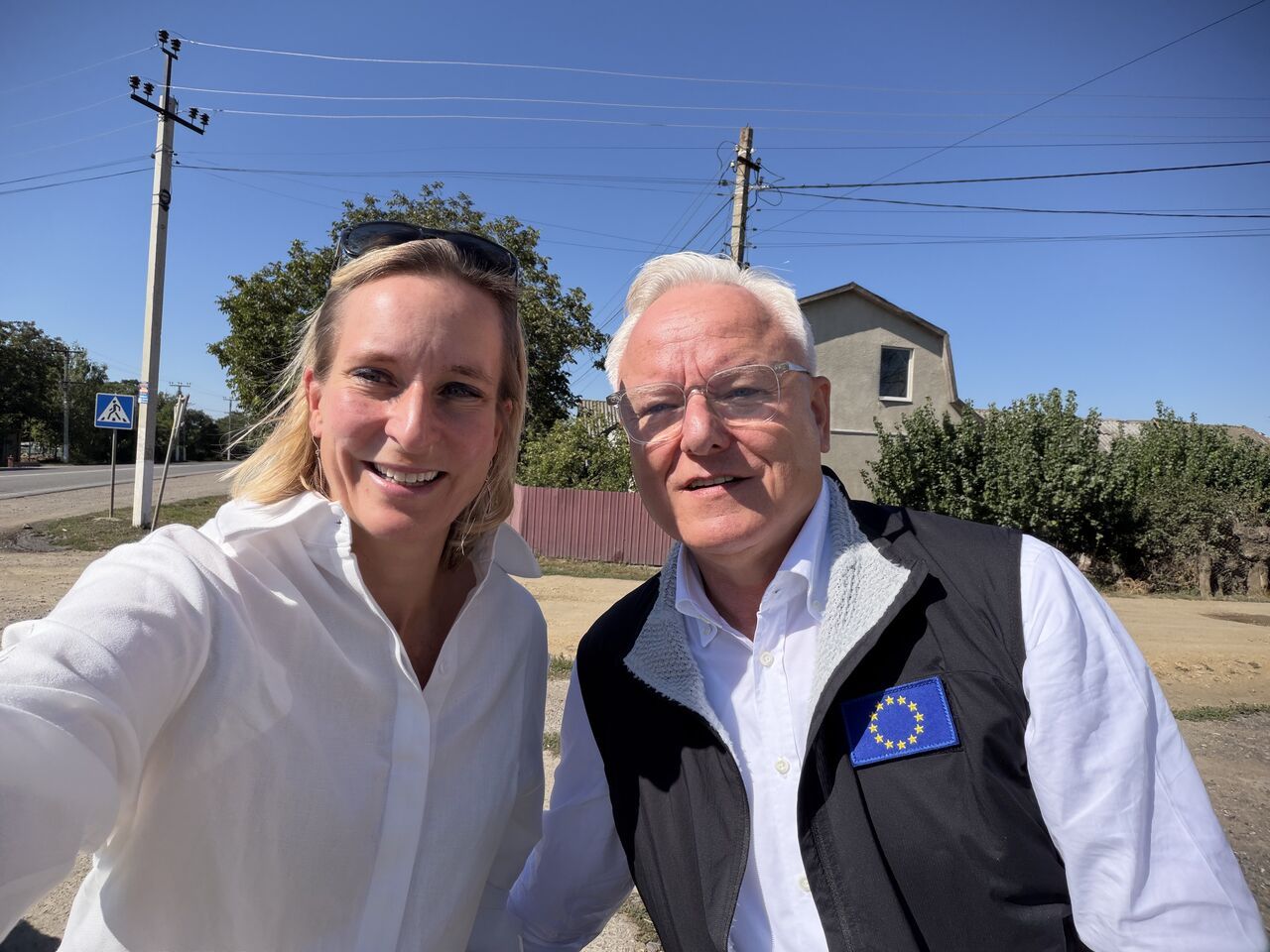
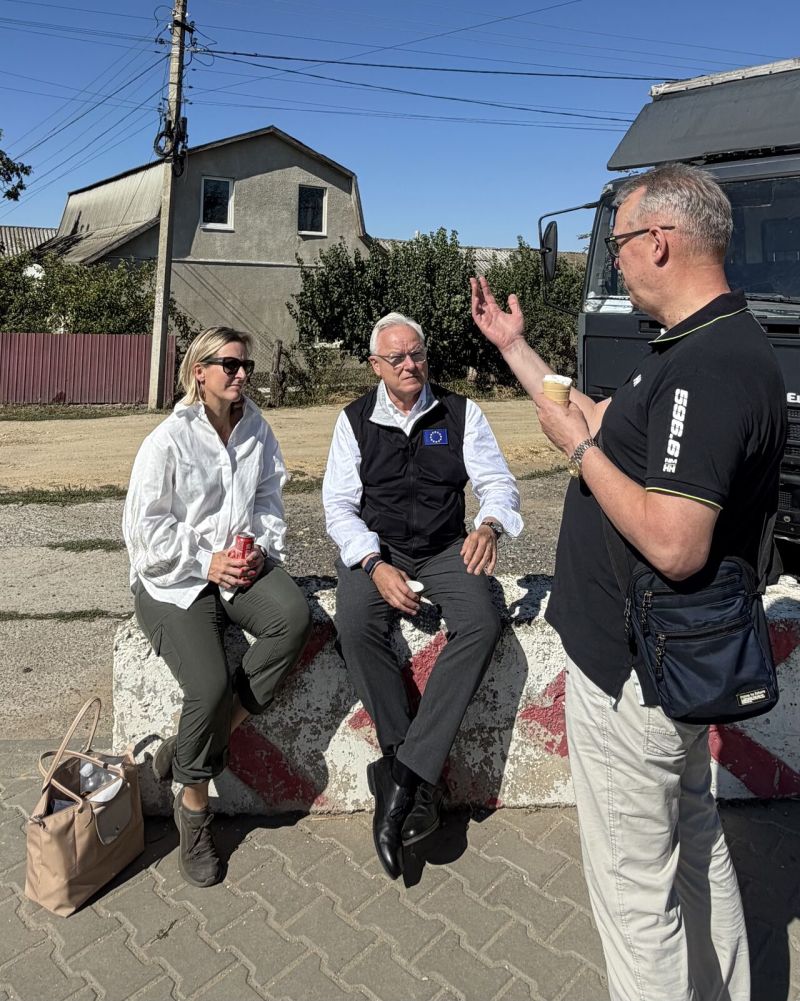





“EUAM Ukraine is working closely with all relevant EU actors, particularly DG MOVE and the EU in Emergencies / Service for Foreign Policy Instruments (FPI), on how we can support greater safety and resilience along this corridor — for those travelling through it, but also for the Ukrainian border management agencies whose staff continue to work at the crossing points under increasingly difficult conditions,” she said.
The Mission’s cooperation in the region also includes maritime security, where coordination between agencies is important both for responding to wartime threats and countering crime.
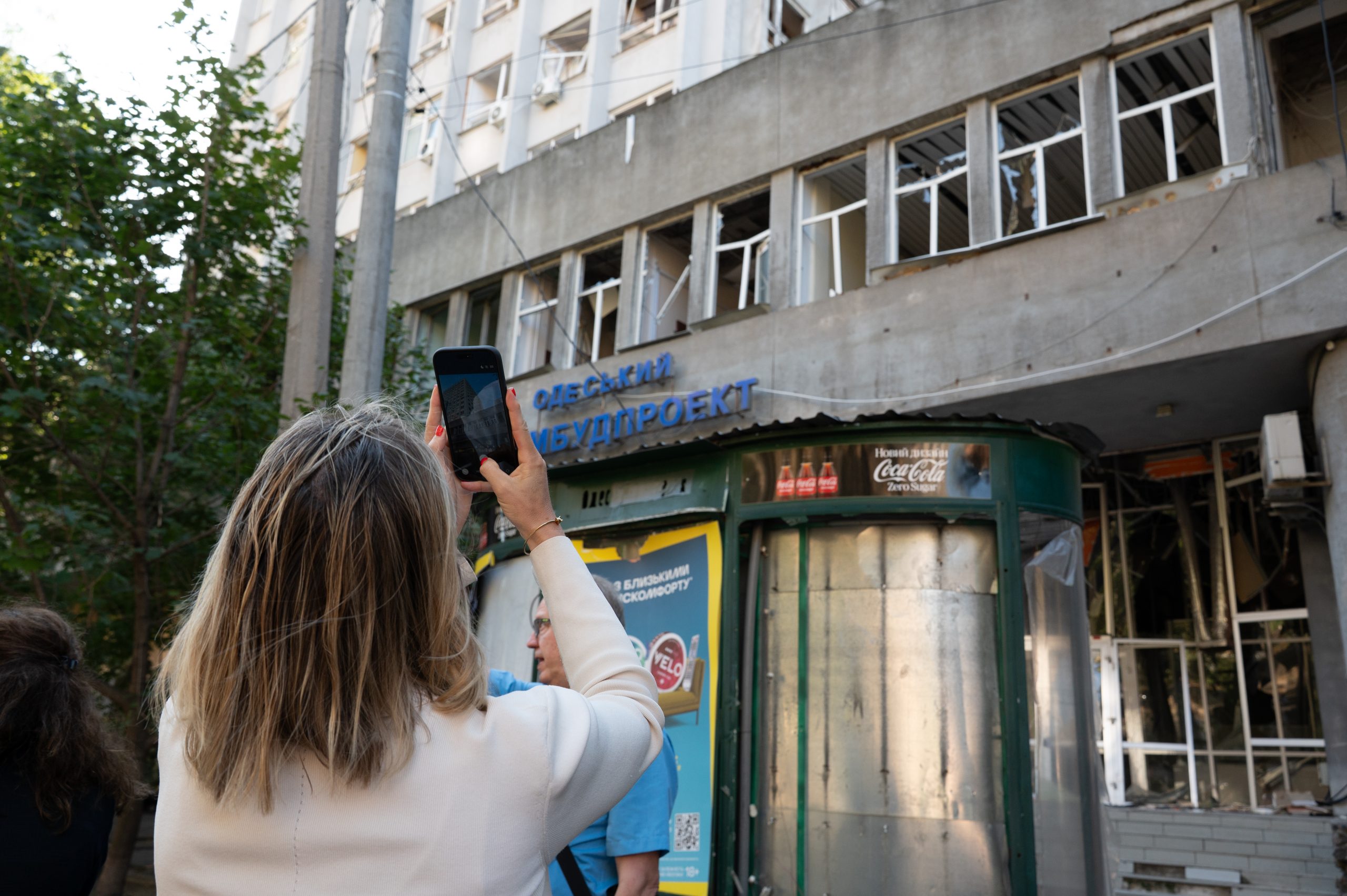
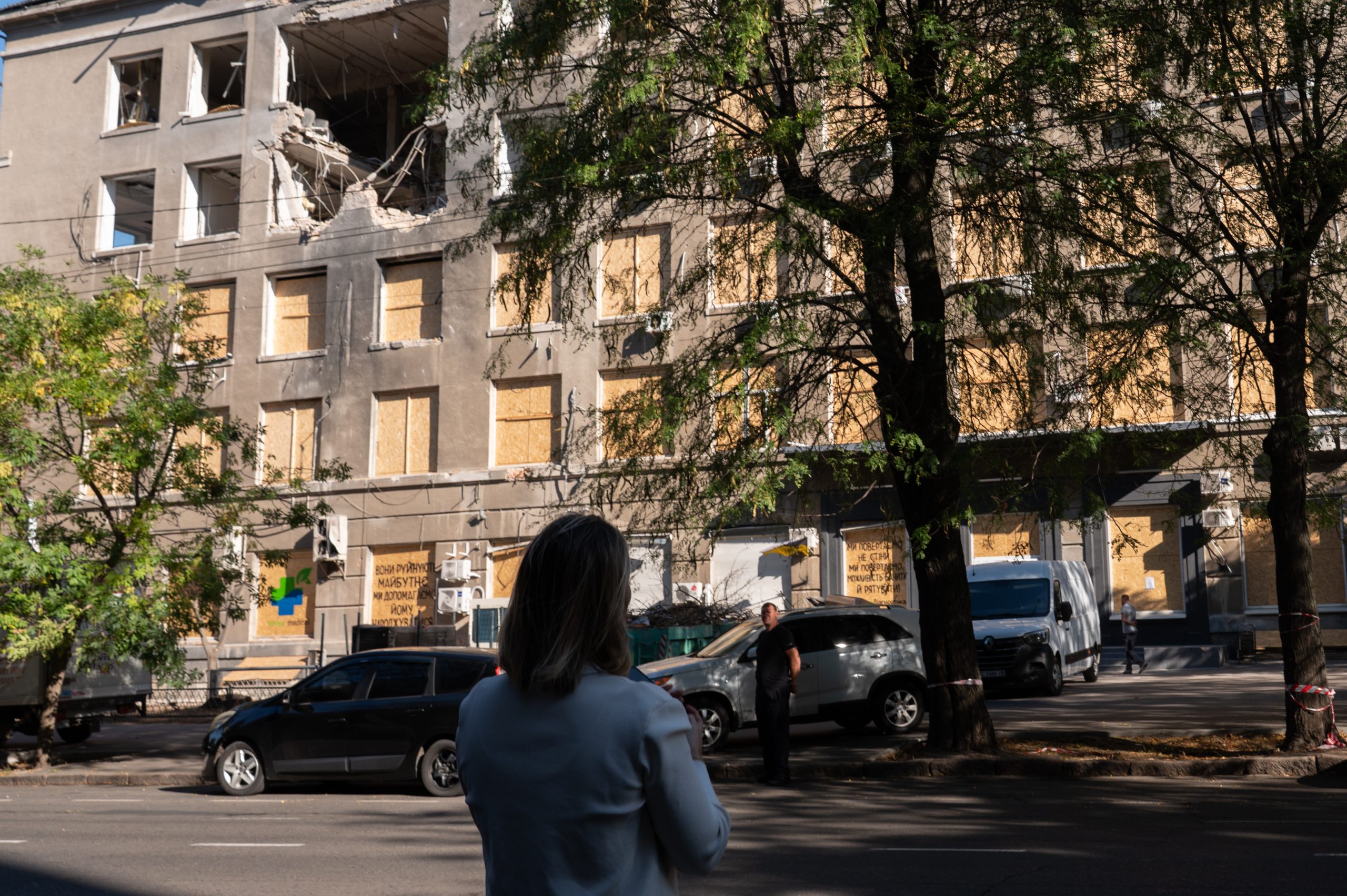
The consequences of Russian attacks also extend into the work of prosecutors seeking to establish responsibility. In her meeting with Odesa’s regional prosecution office, the Head of Mission heard about the difficulty of identifying those who carried out missile and drone strikes and the commanders who ordered them. Repeated strikes at the same location also threaten investigators and emergency teams working at the scene. Discussions explored where further EUAM cooperation could be useful, including open-source intelligence, financial investigations and cultural heritage protection.
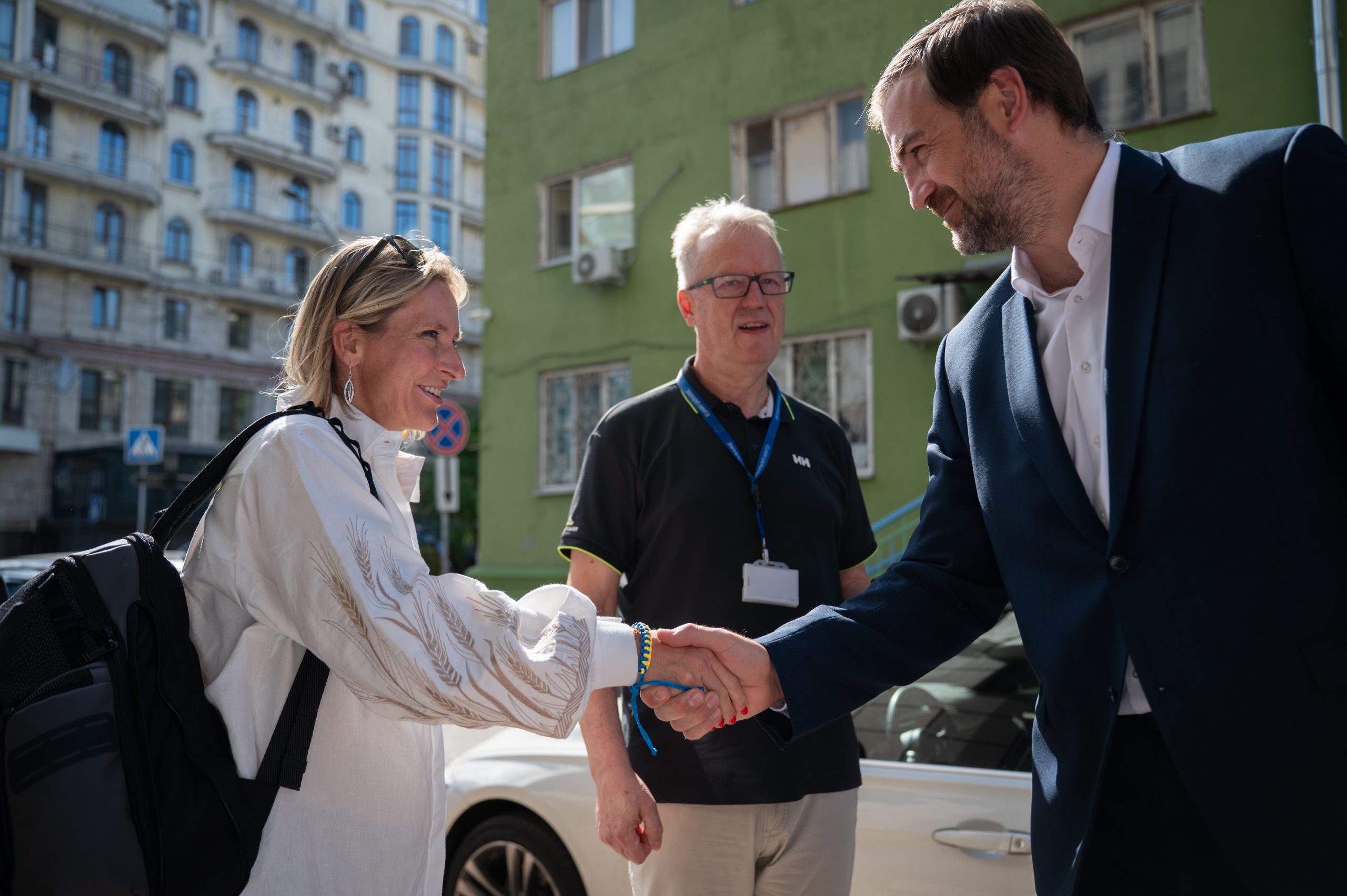
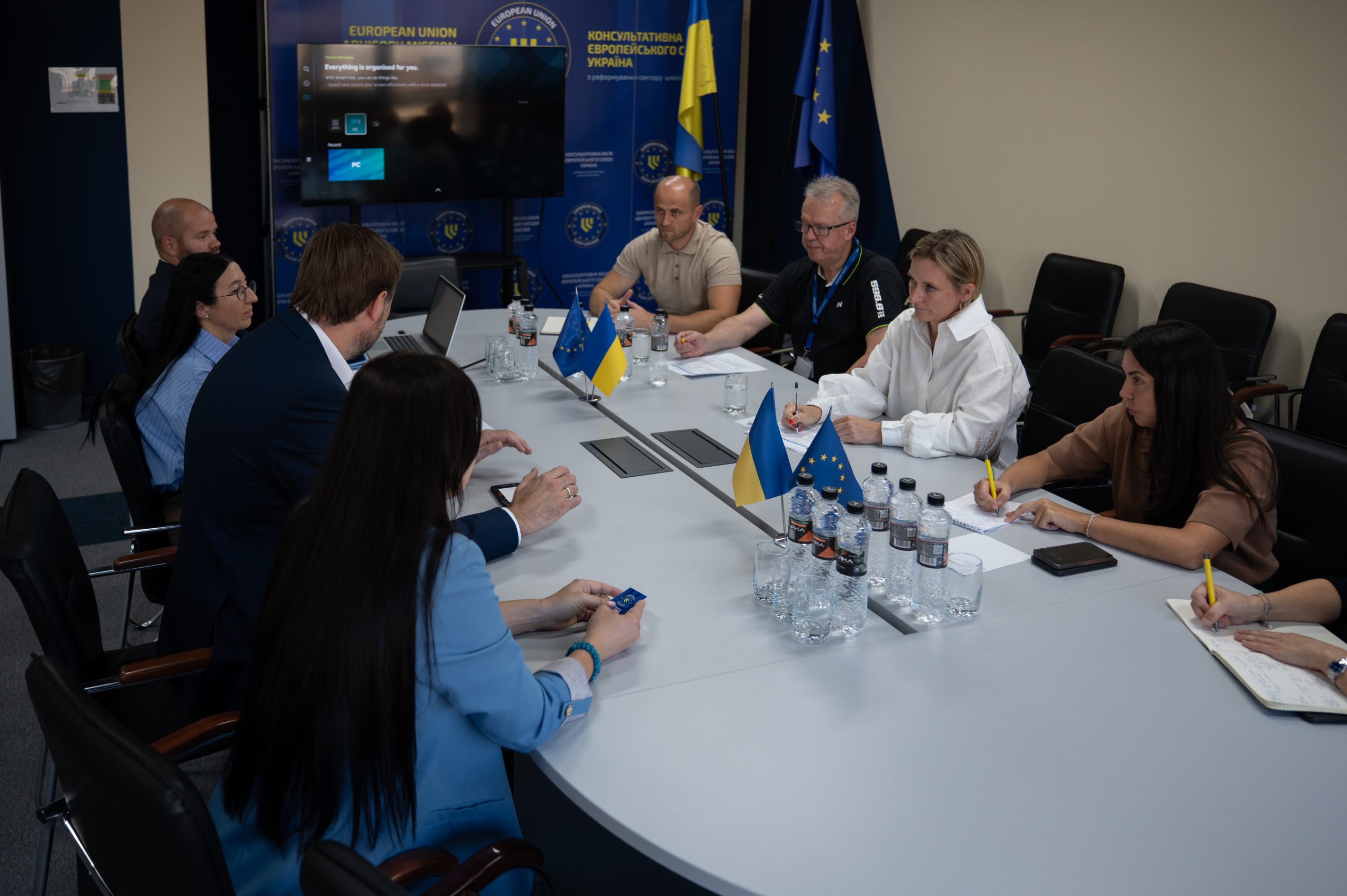
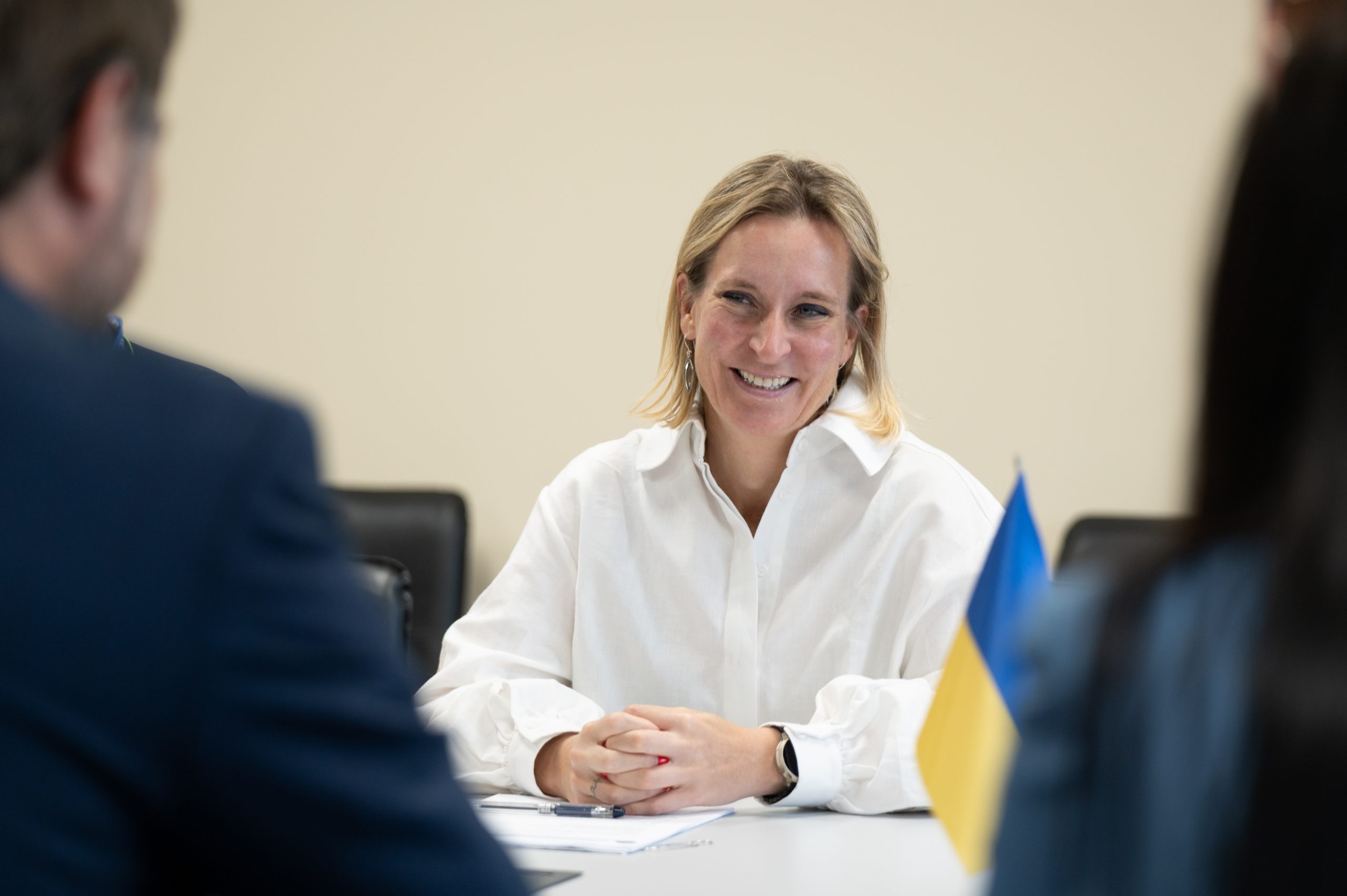
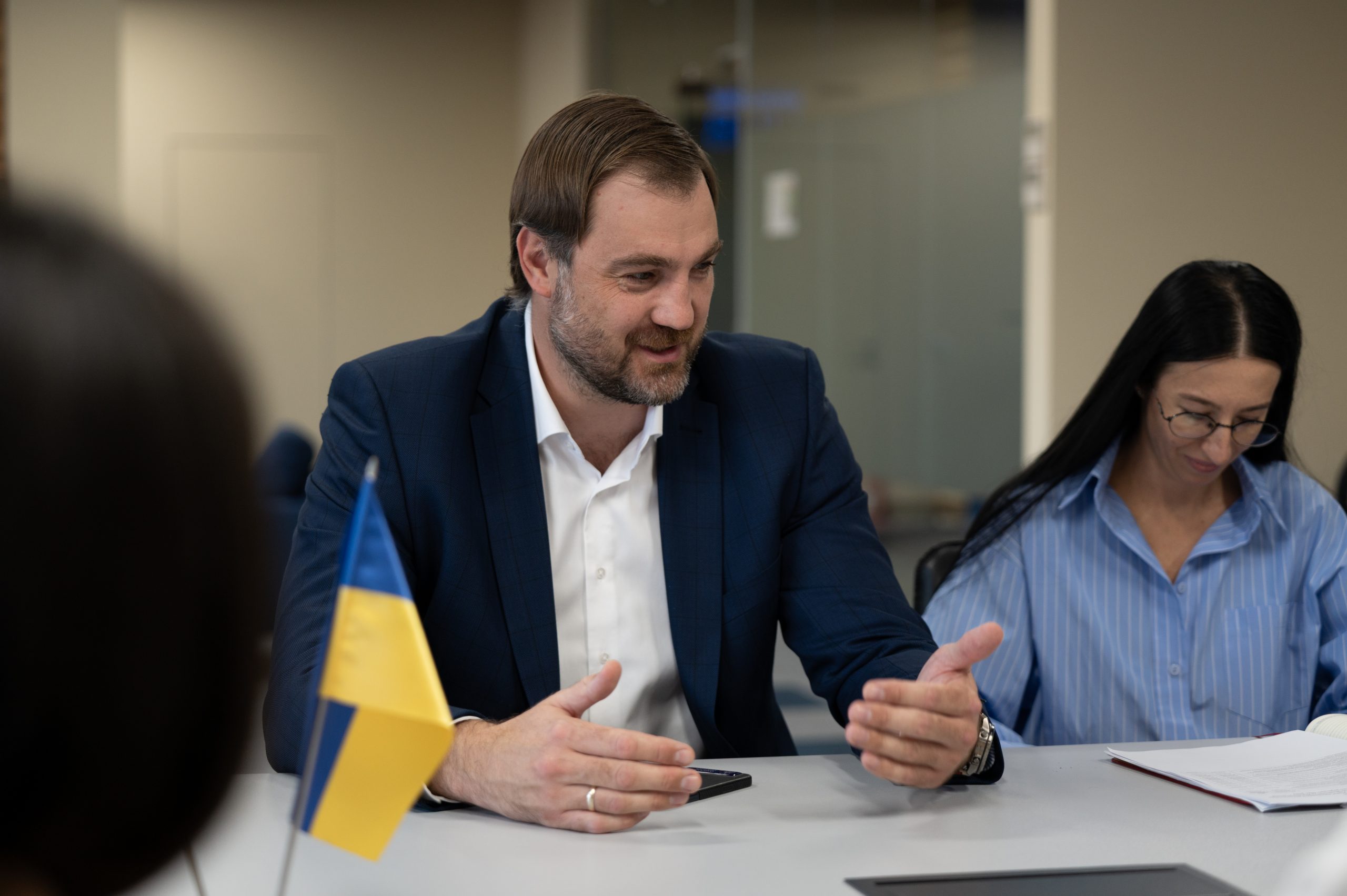
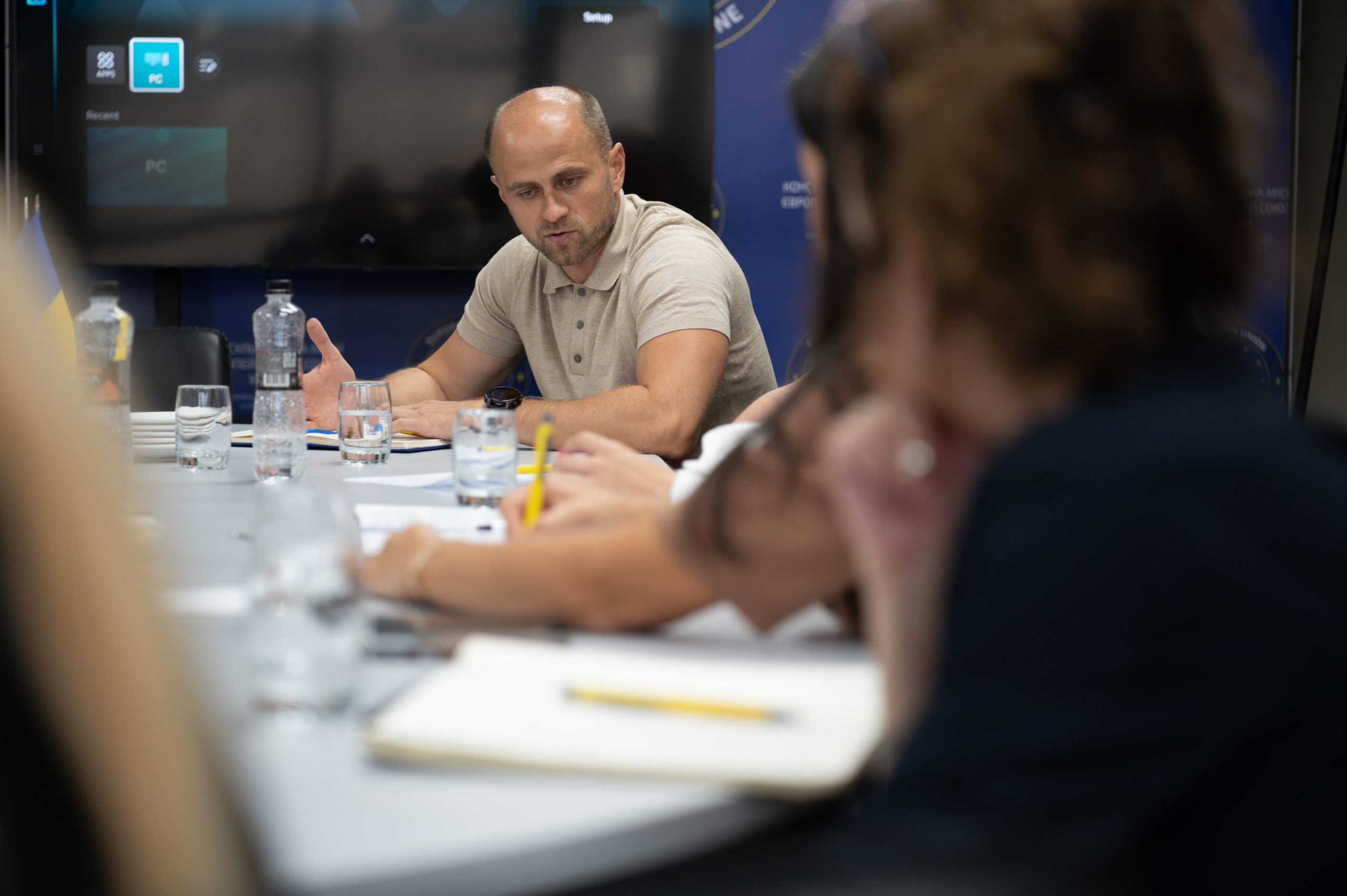





For regional police, responding to attacks comes alongside the daily responsibility to protect communities and tackle crime. Cornelia Taylor’s meeting with Odesa regional police covered community policing, drug trafficking, illicit firearms and the need for protective equipment for explosive ordnance disposal teams. These specialists put their lives at risk dismantling drones and other explosive devices.
The conversation also turned to officers returning from the front and their families. Some officers need support with injuries and their return to professional life; others have become instructors, bringing their experience into police training. Together, the Head of Mission and the police discussed where further EUAM support could make the greatest difference.
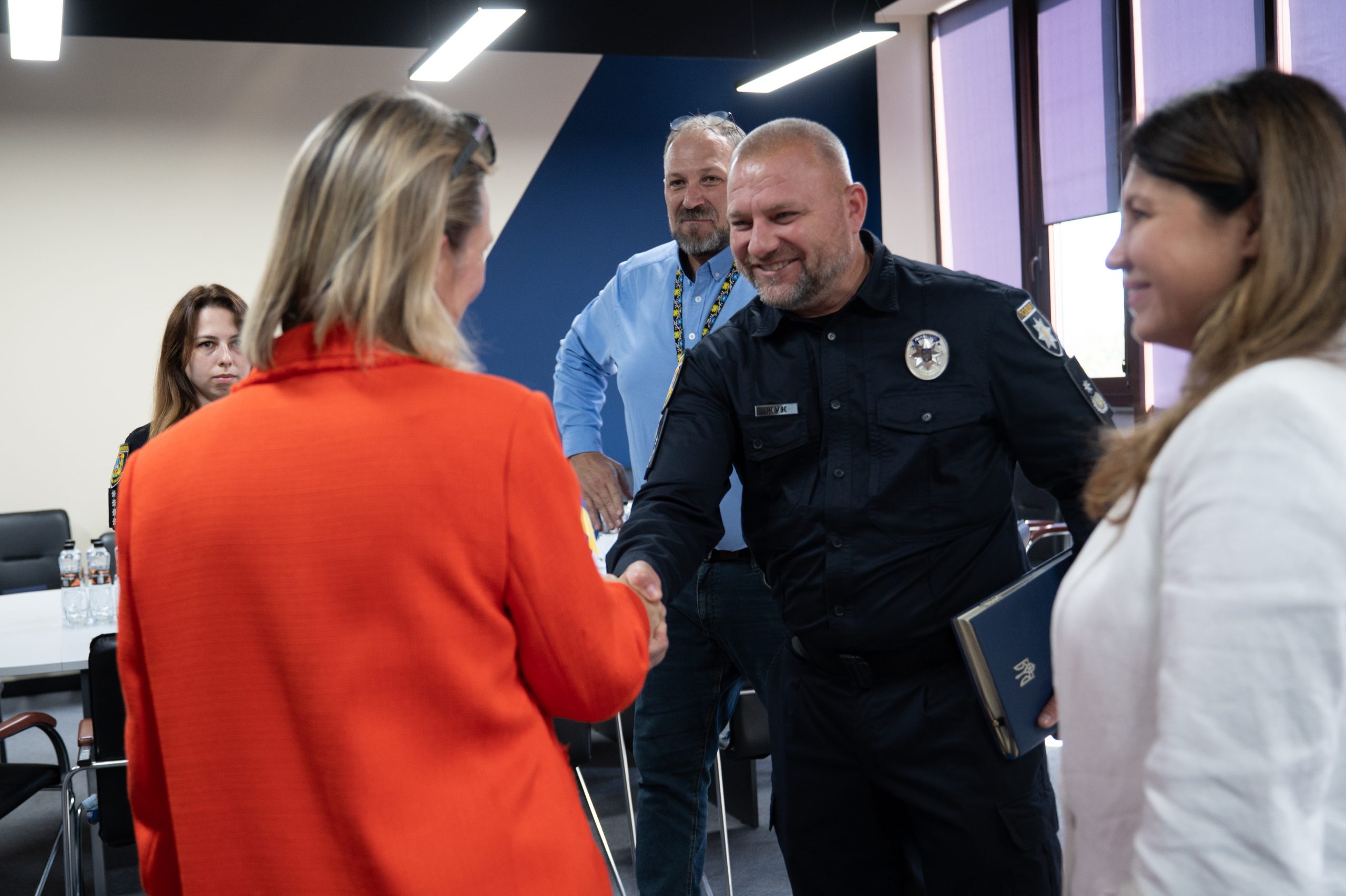
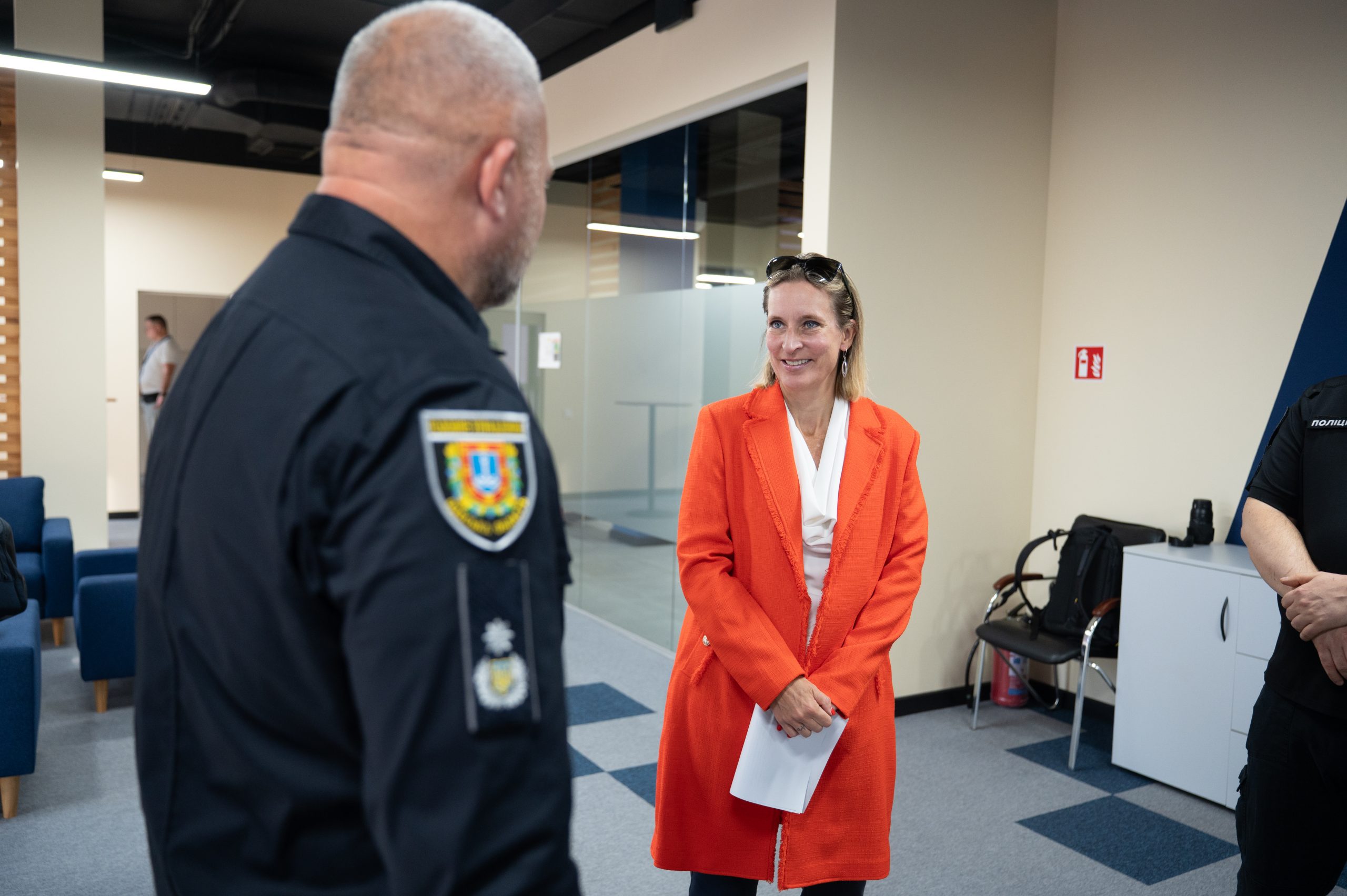
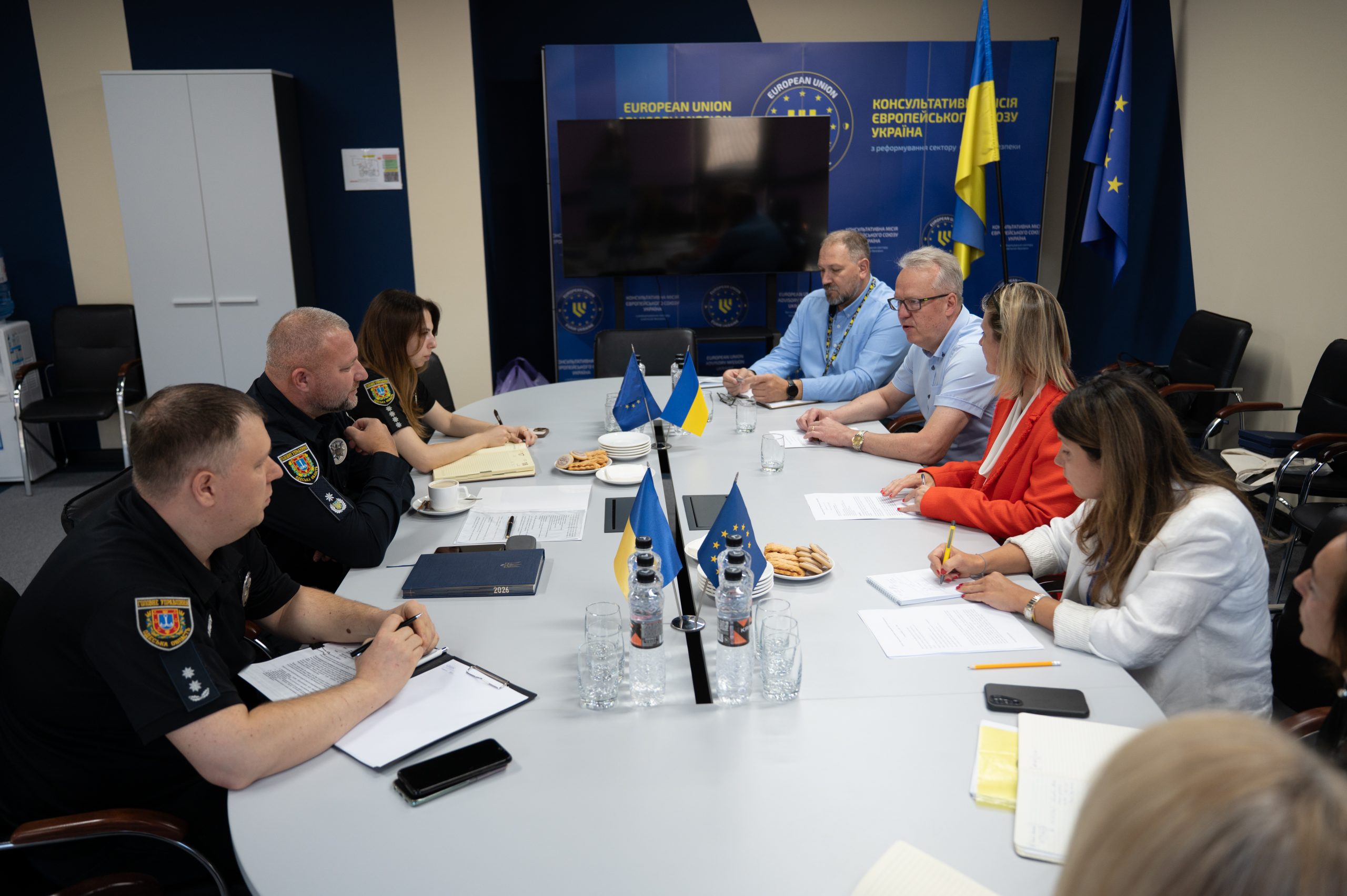
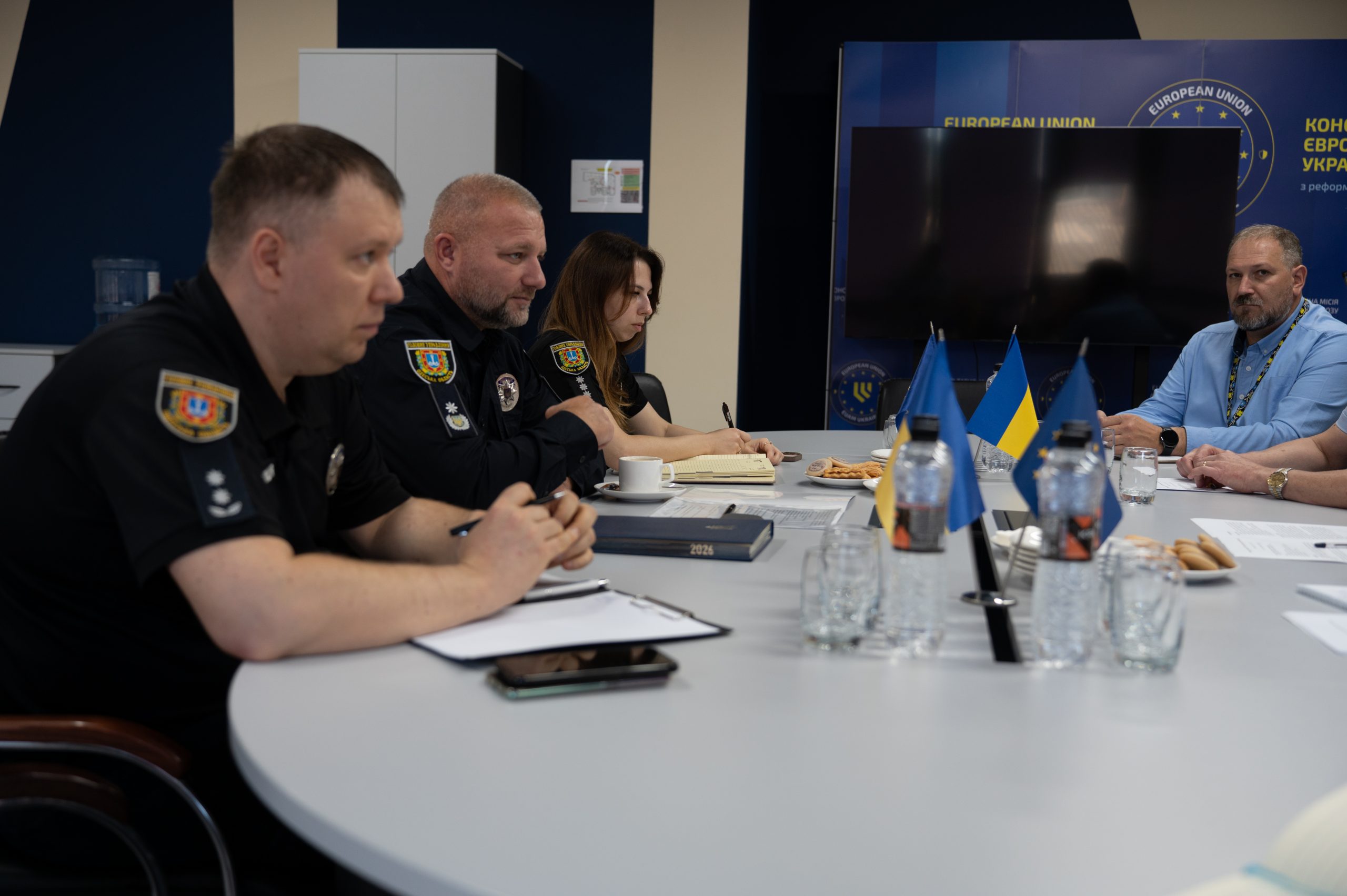
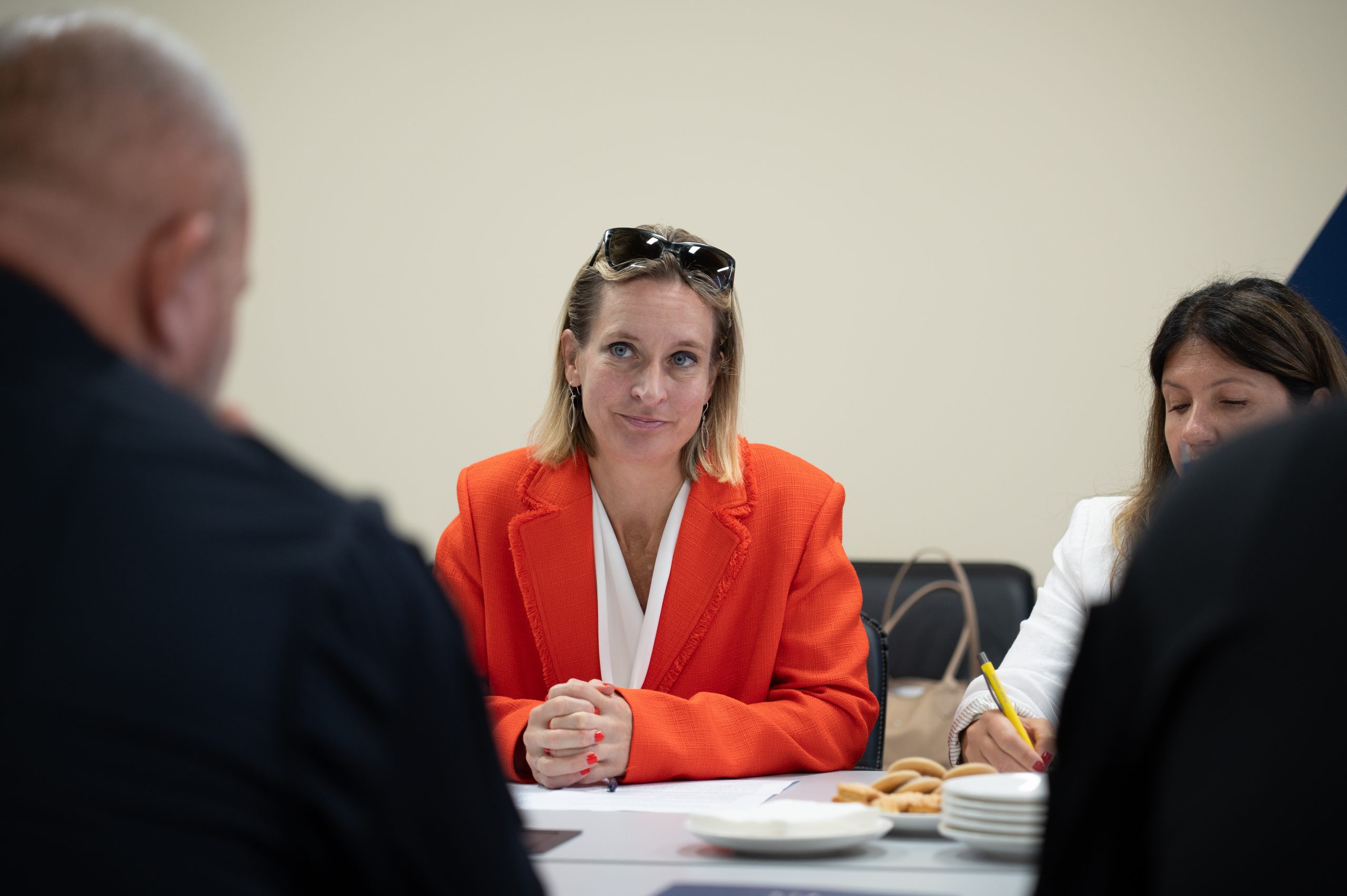
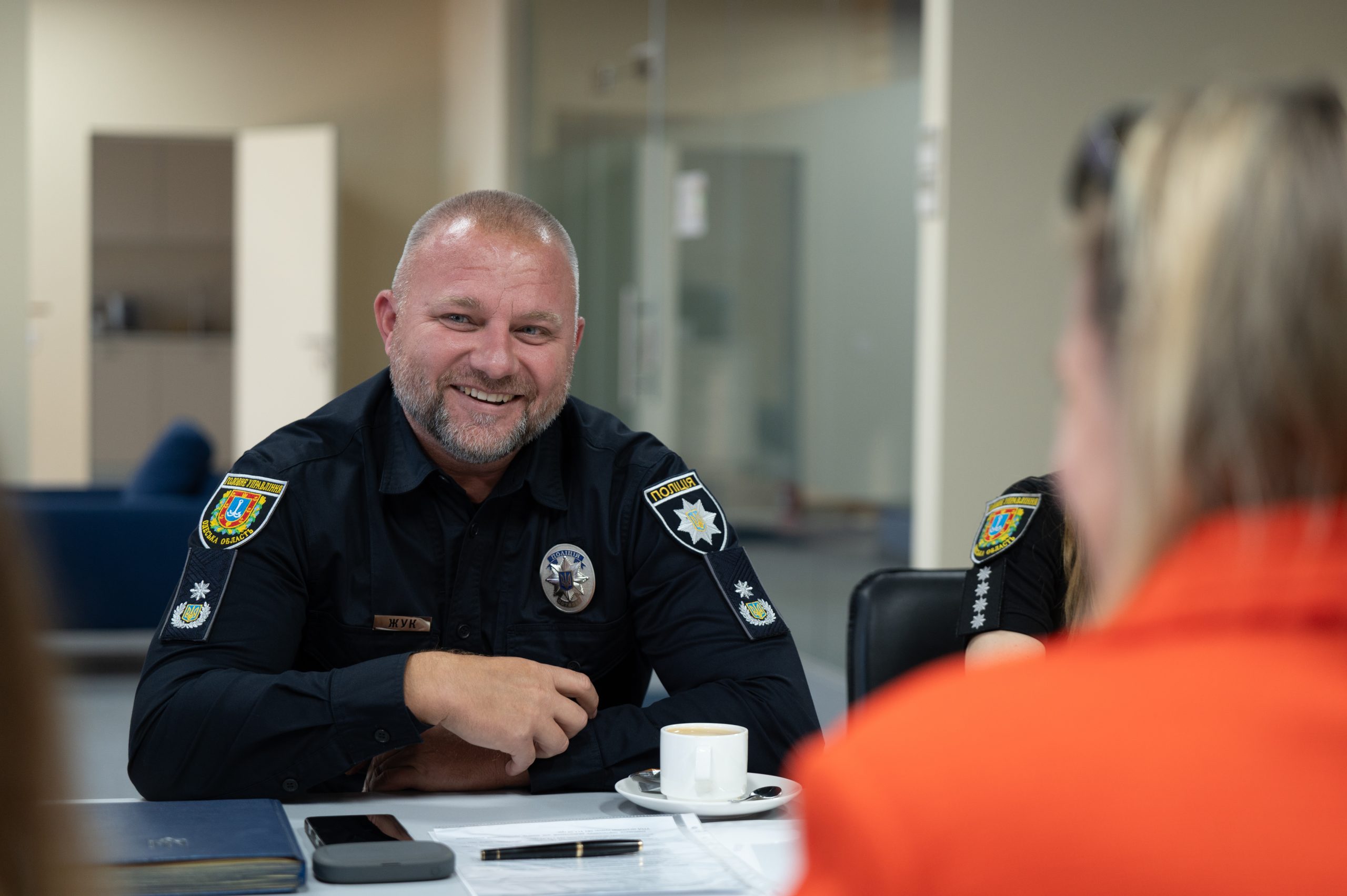
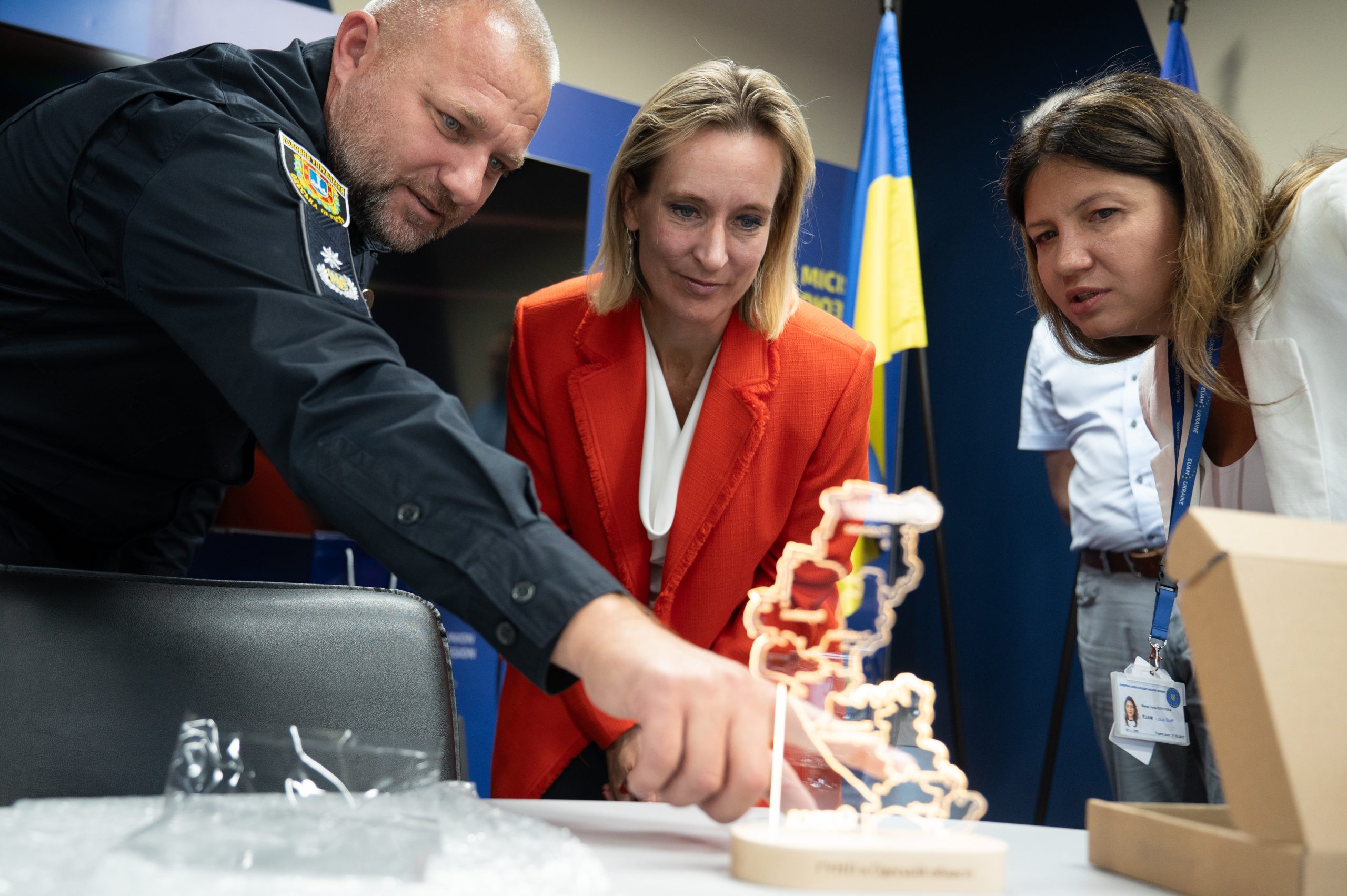
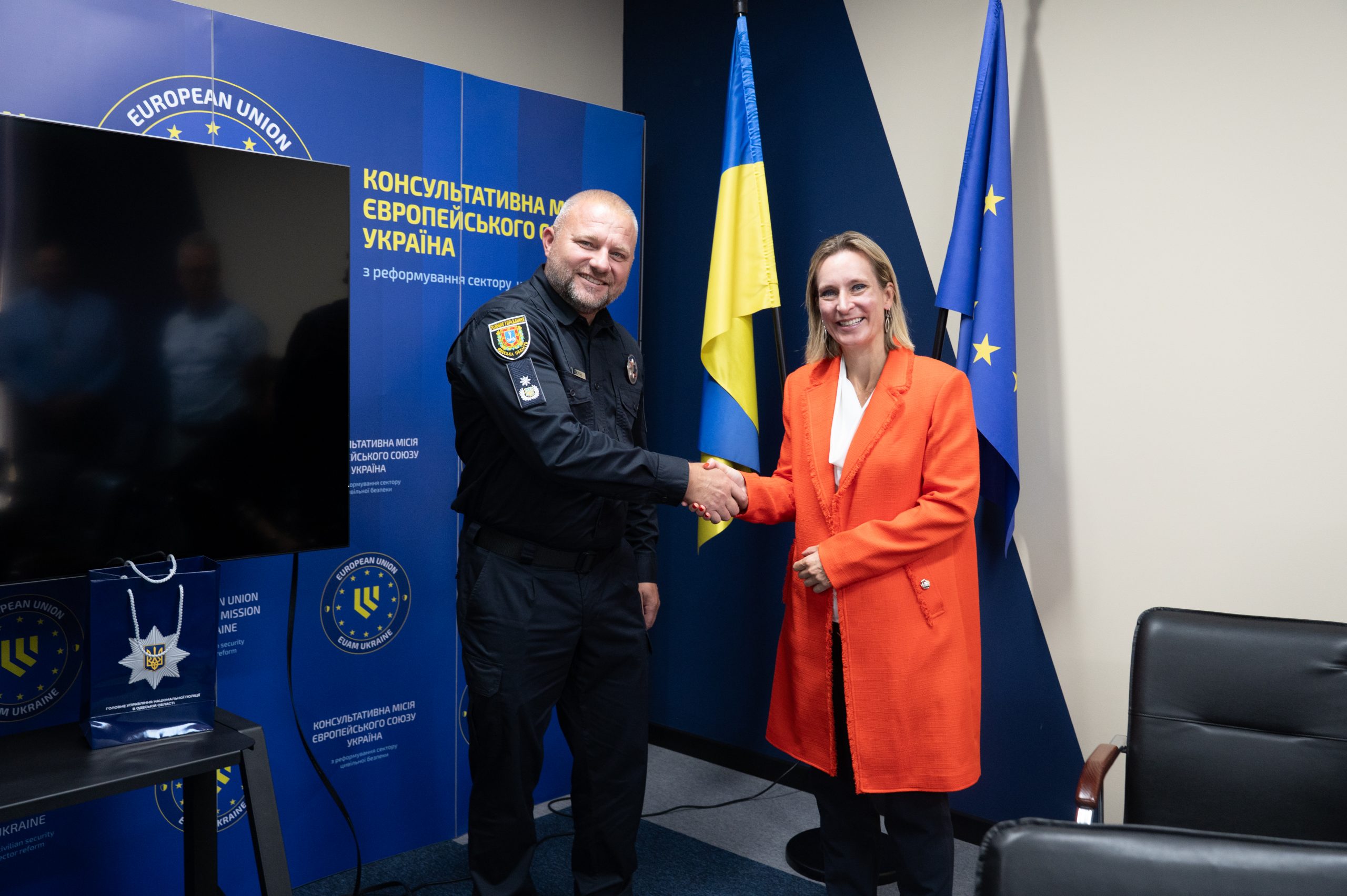
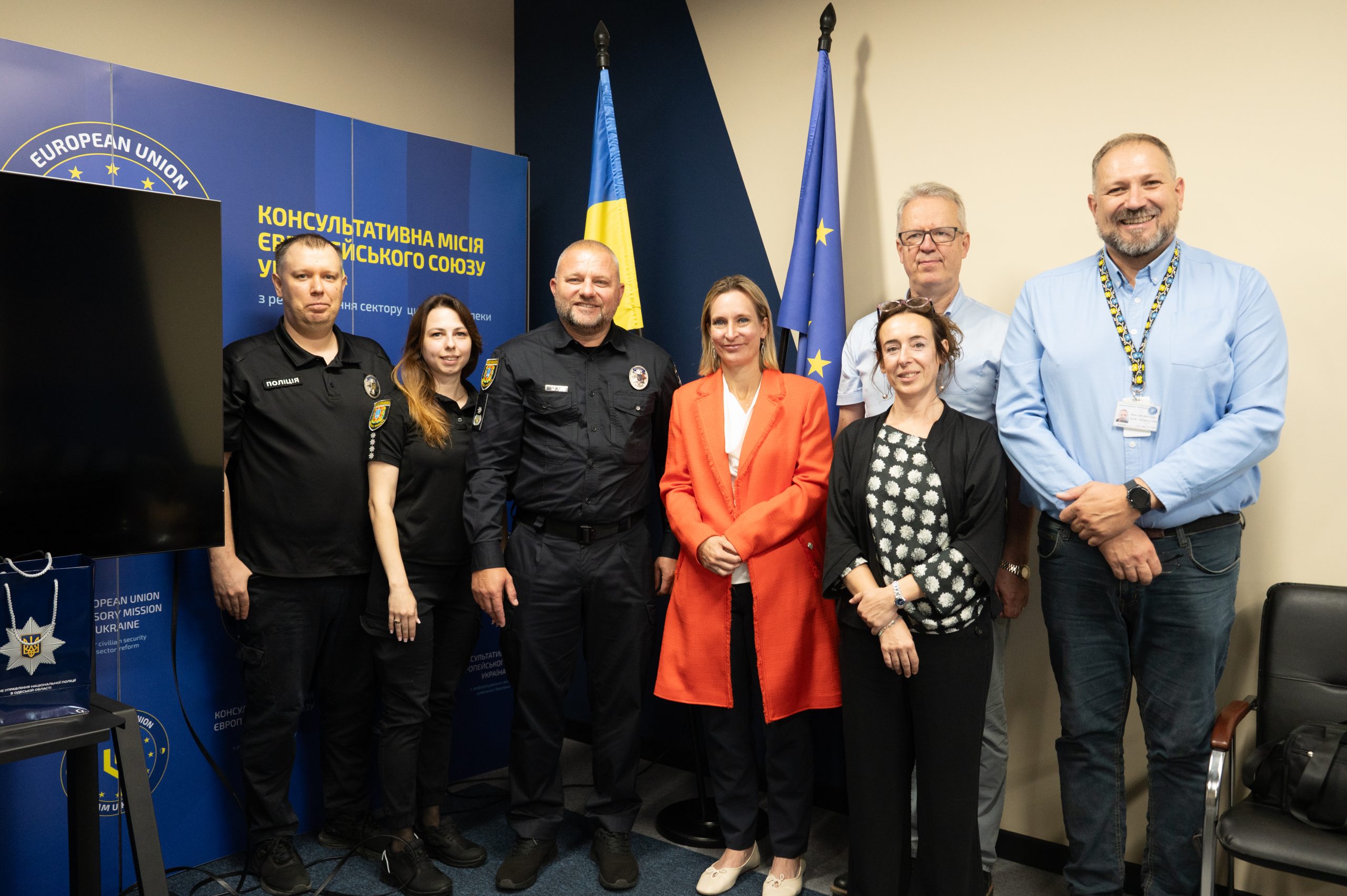






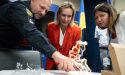
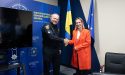
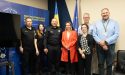
At Odesa State University of Internal Affairs, Cornelia Taylor saw further opportunities: veterans with disabilities are employed and enrolled as students, while an accessible driving school supports their mobility. EUAM’s existing partnership with the university includes equipment, lectures, training and support for its Cyber Security Centre.
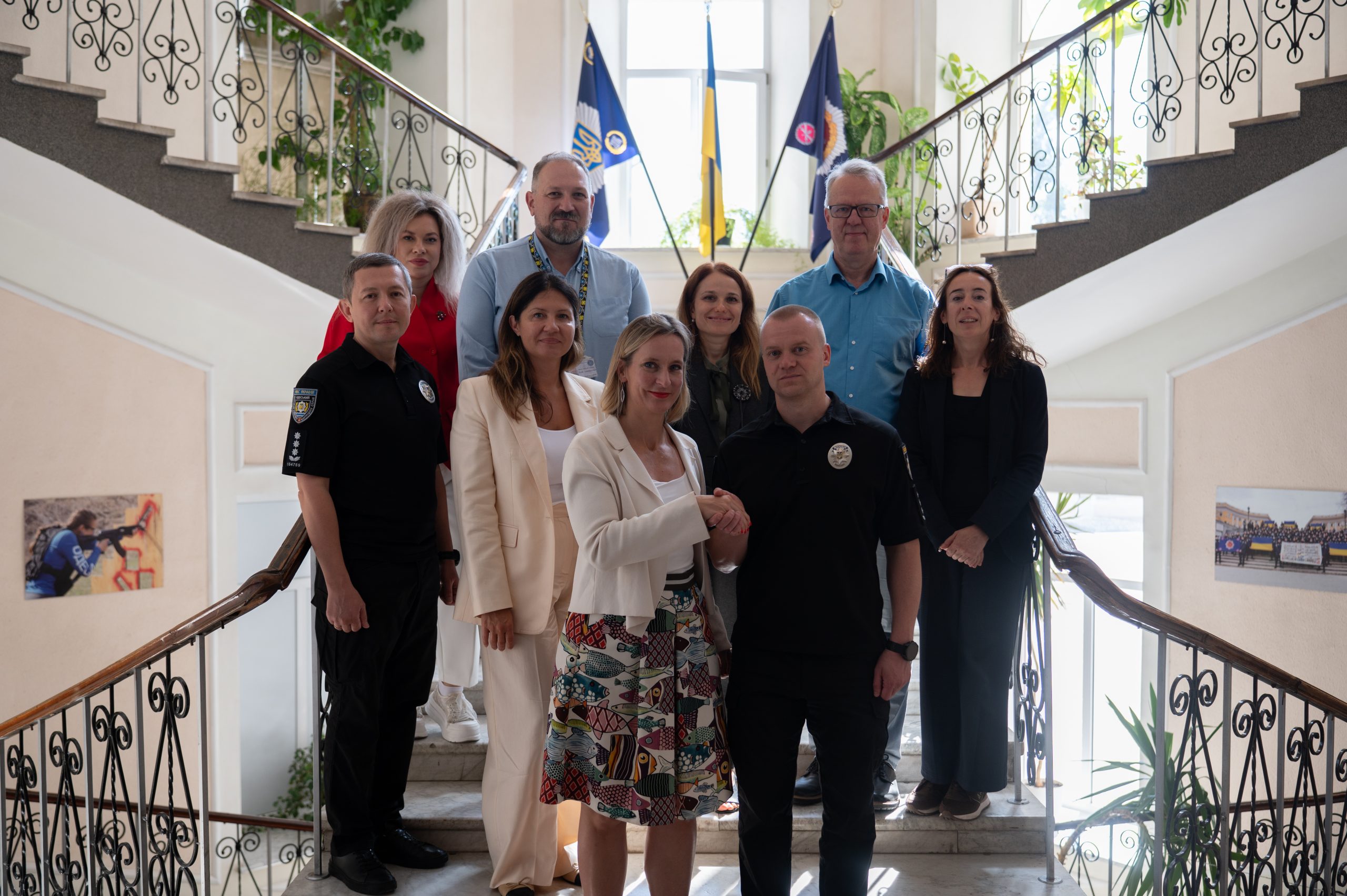
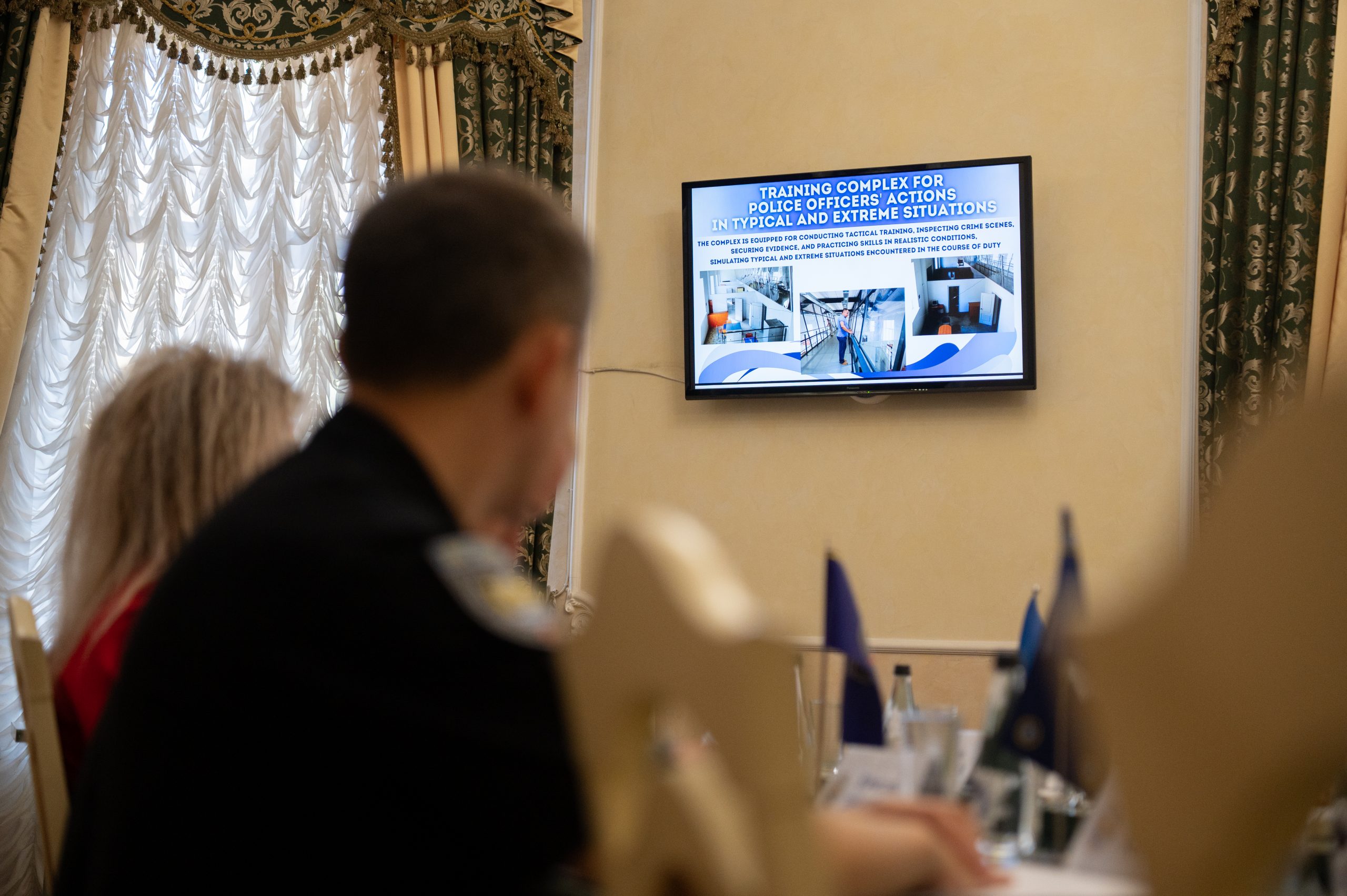
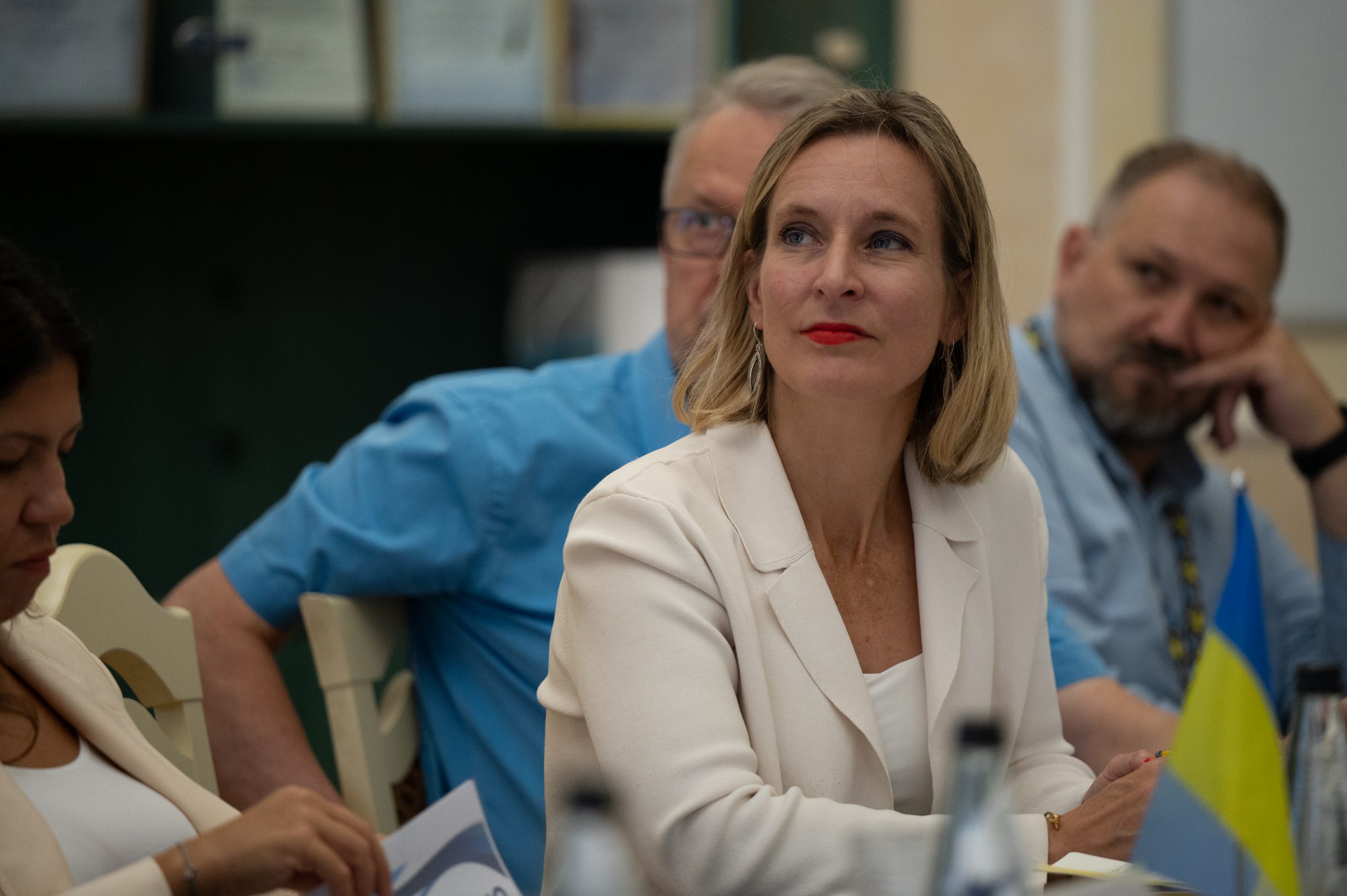
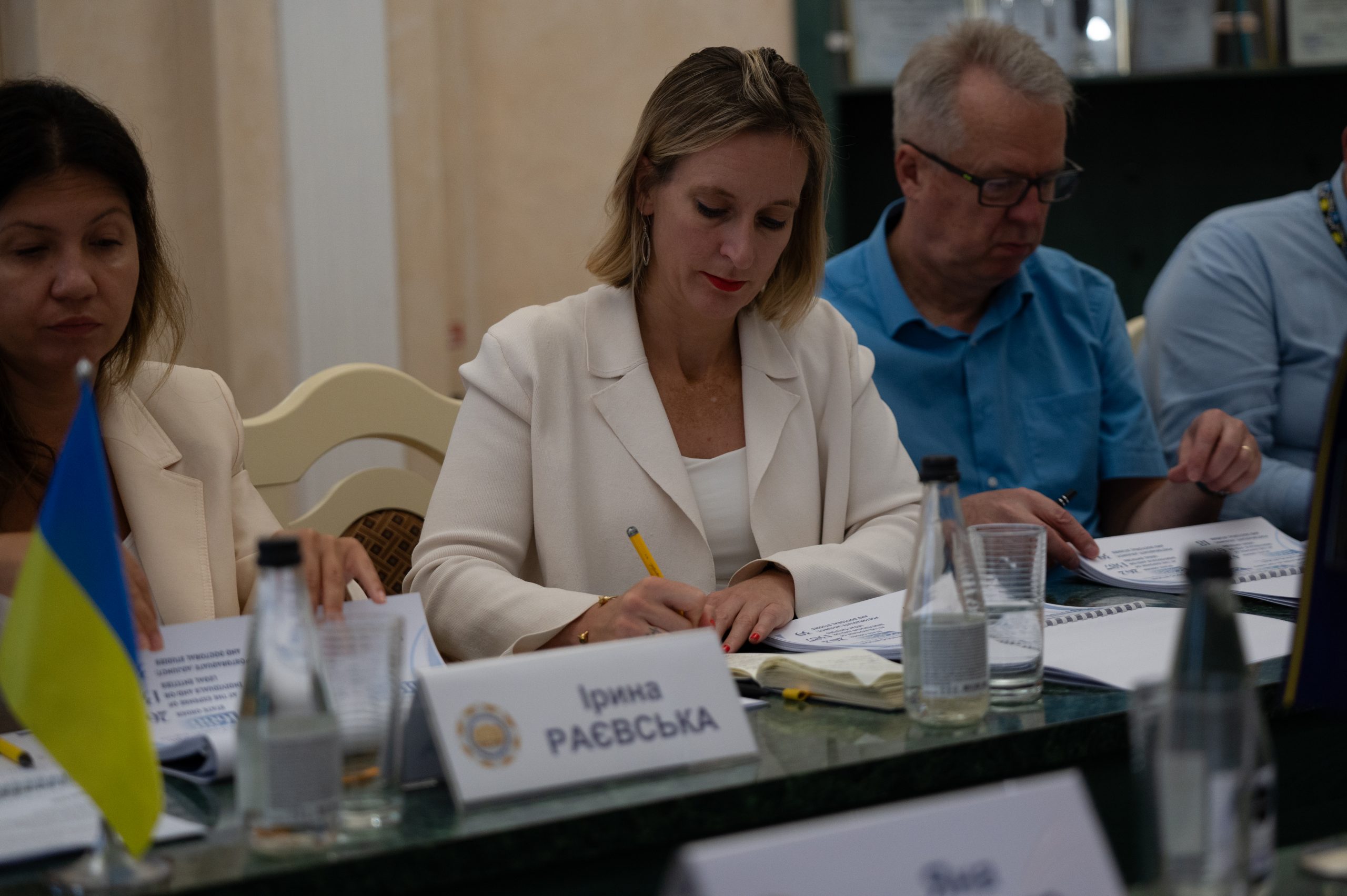
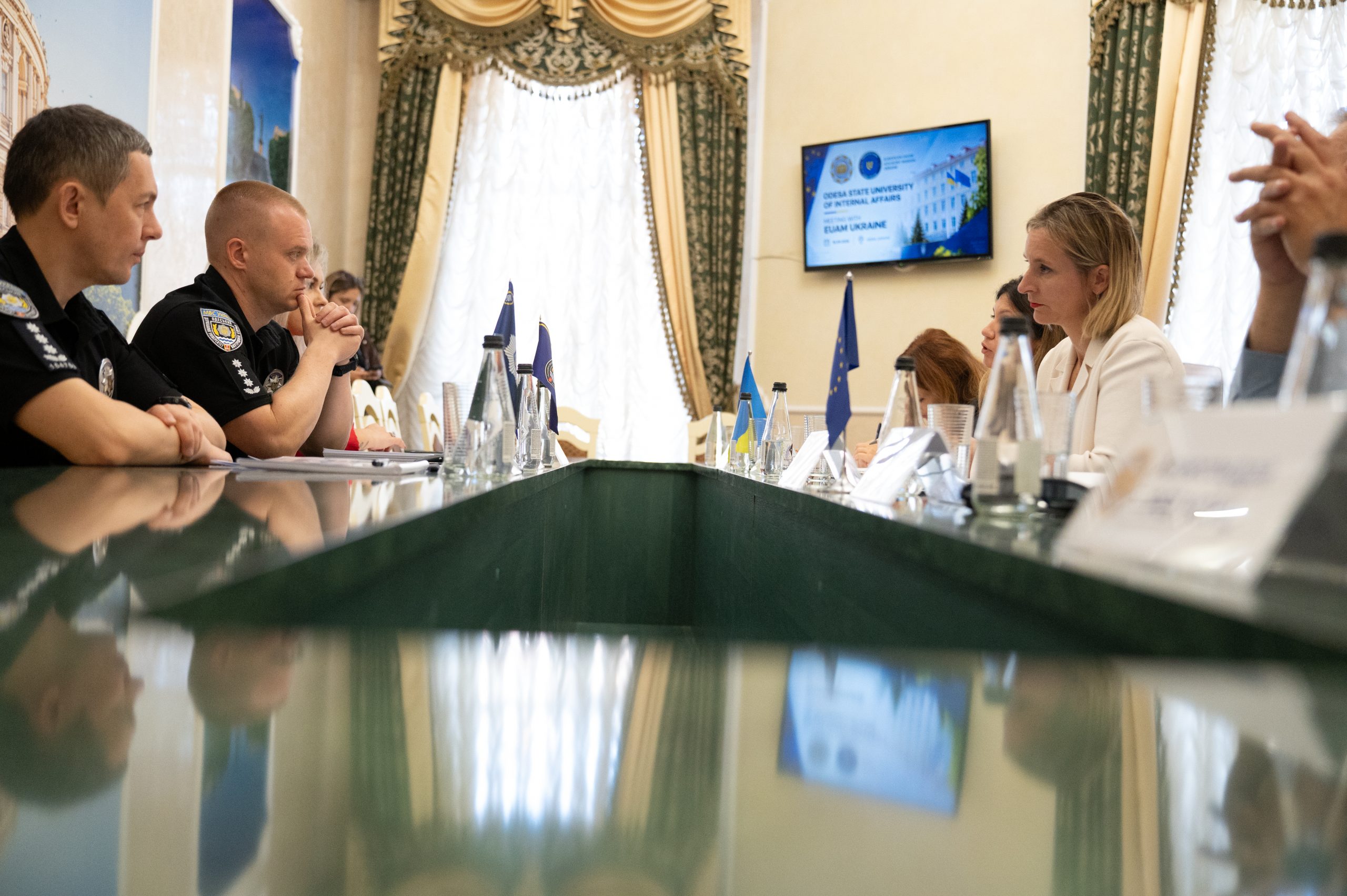
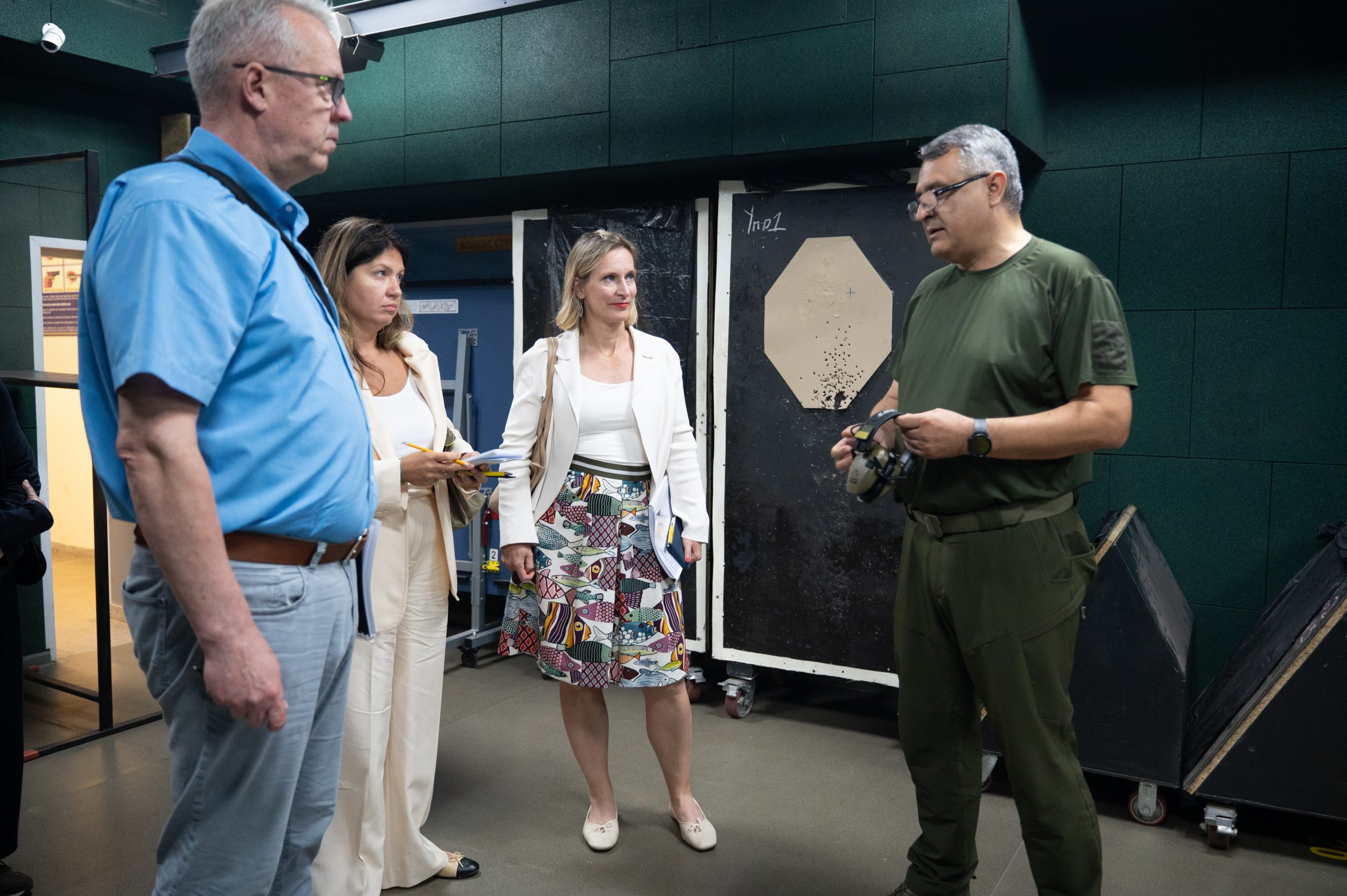
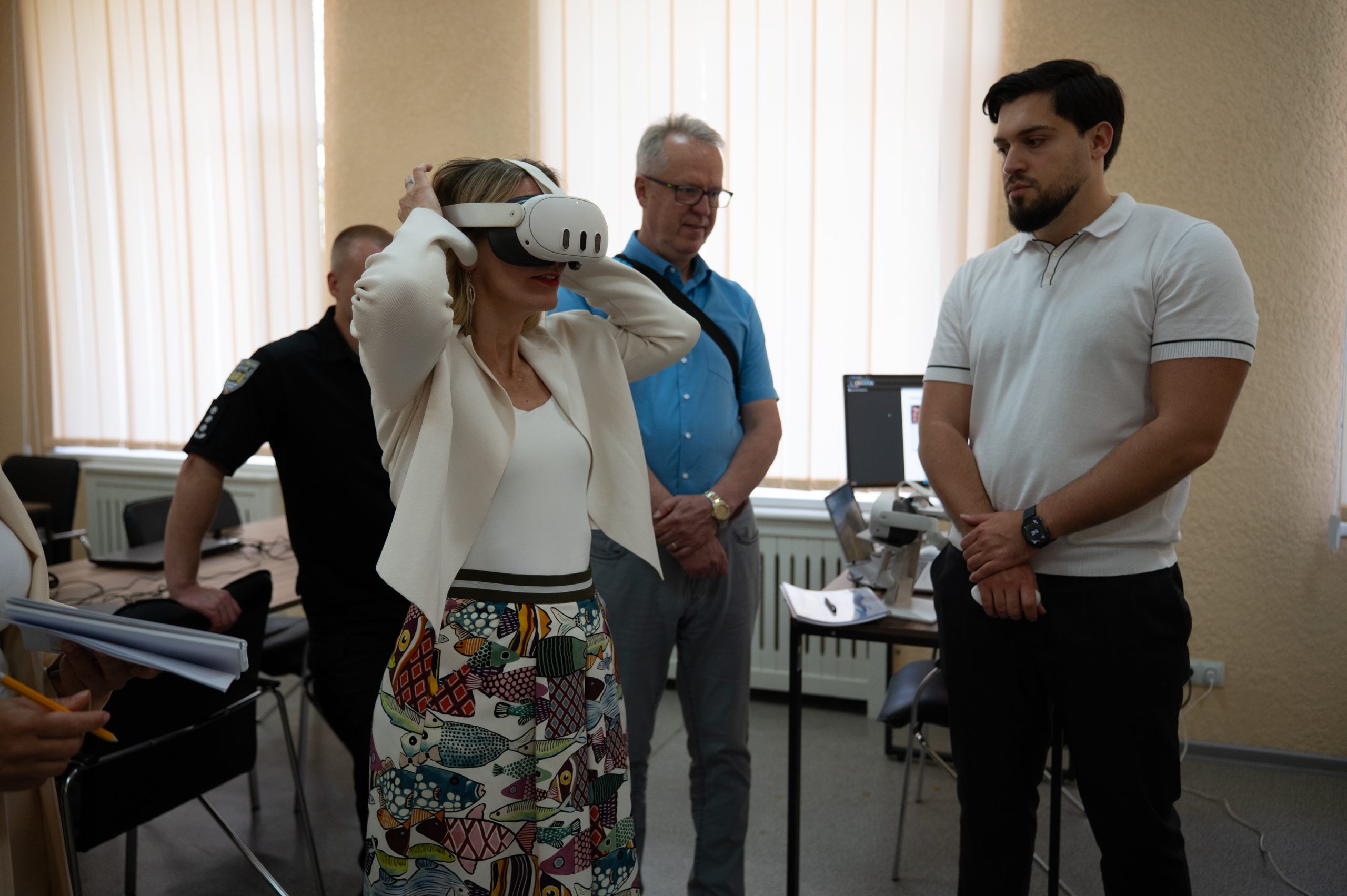




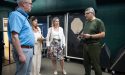
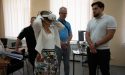
With the Odesa Regional Military Administration, the Head of Mission discussed the pressure on infrastructure, preparations for winter and veterans’ access to employment and sustained support. She emphasised coordination with other partners, with particular attention to veterans from law enforcement agencies.
Across her first visits, Cornelia Taylor saw both the demands facing regional partners and the foundations already in place for further work.
“What I heard throughout the visit was a strong determination to keep institutions functioning, improve their work and serve people despite the extraordinary circumstances,” she said.
Through its Mobile Unit and Odesa Field Office, EUAM Ukraine sustains that cooperation beyond the visits. Partners’ priorities give it direction: continued expertise for investigations, lasting improvements in police education and stronger support for veterans’ reintegration. Together, these efforts contribute to institutions capable of serving people during war and supporting Ukraine’s path towards EU membership.