
When the State Returns: Training on Leadership in Community Policing to Rebuild Trust After War
December 19, 2025
When territory is liberated, the work of restoring trust begins immediately. In many communities, the police are the first responders of the state citizens encounter after occupation or heavy fighting. How they act and how they are led can shape public confidence for years.
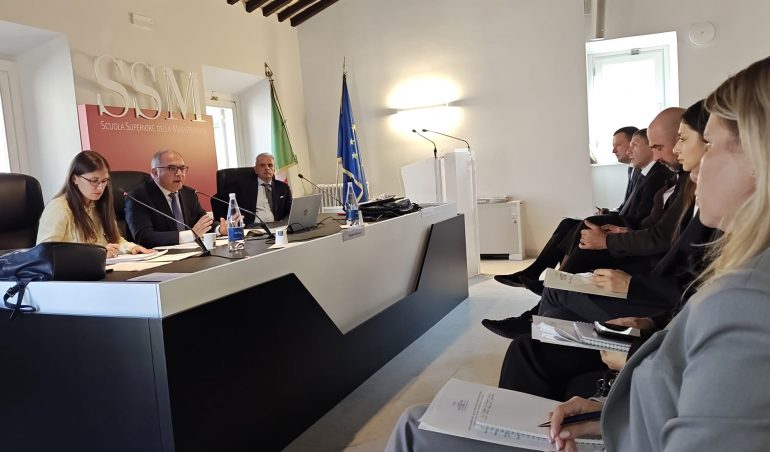
Against this backdrop, a joint delegation of the European Union Advisory Mission (EUAM) Ukraine and the National Police of Ukraine (NPU) conducted a study visit to the Centre of Excellence for Stability Police Units (CoESPU) in Vicenza, Italy. The visit formed the second phase of a three-stage effort to create a training-of-trainers course on leadership in community policing for Ukraine’s Liberated and Adjacent Territories (LAT).
In LAT, community policing is not routine police work. Officers operate in areas shaped by displacement, trauma and lingering security risks, where trust in institutions must be rebuilt step by step. Leadership at this level can either calm tensions or allow them to escalate. The study visit therefore focused on decision-making, team leadership and community engagement under pressure.
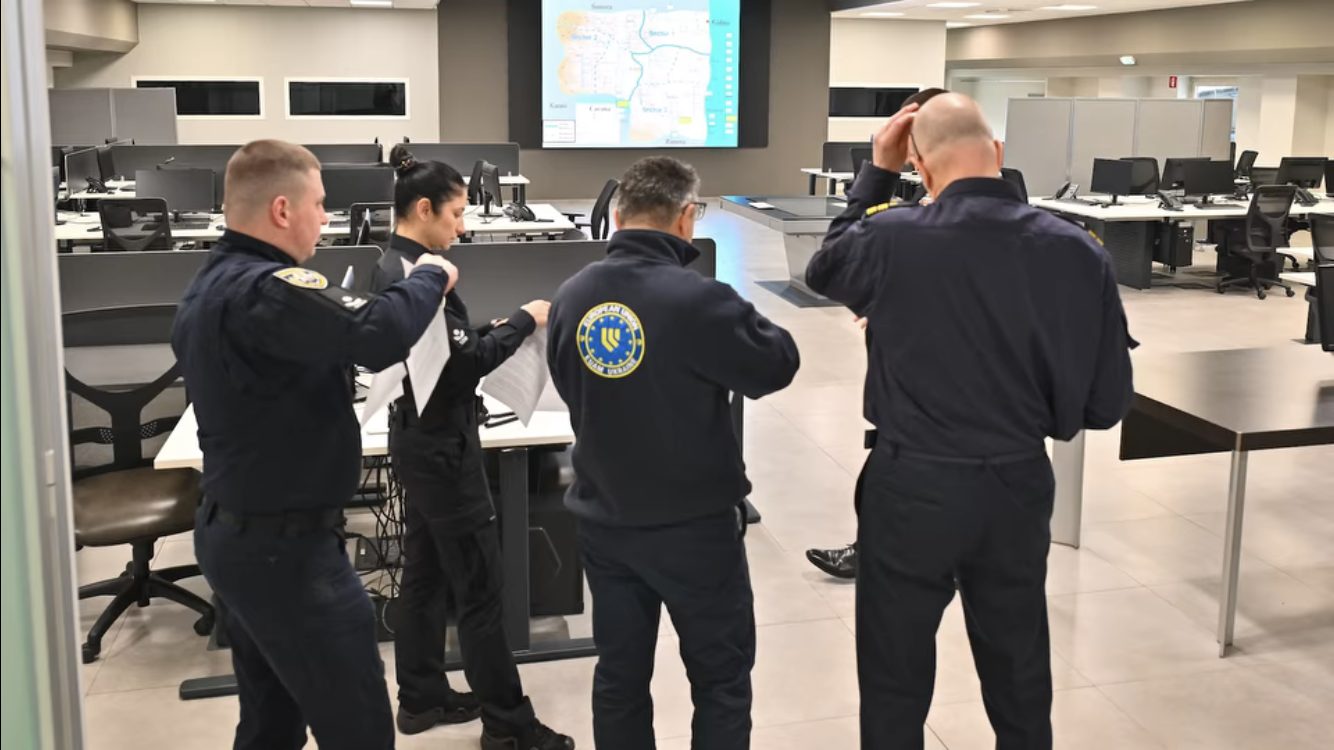
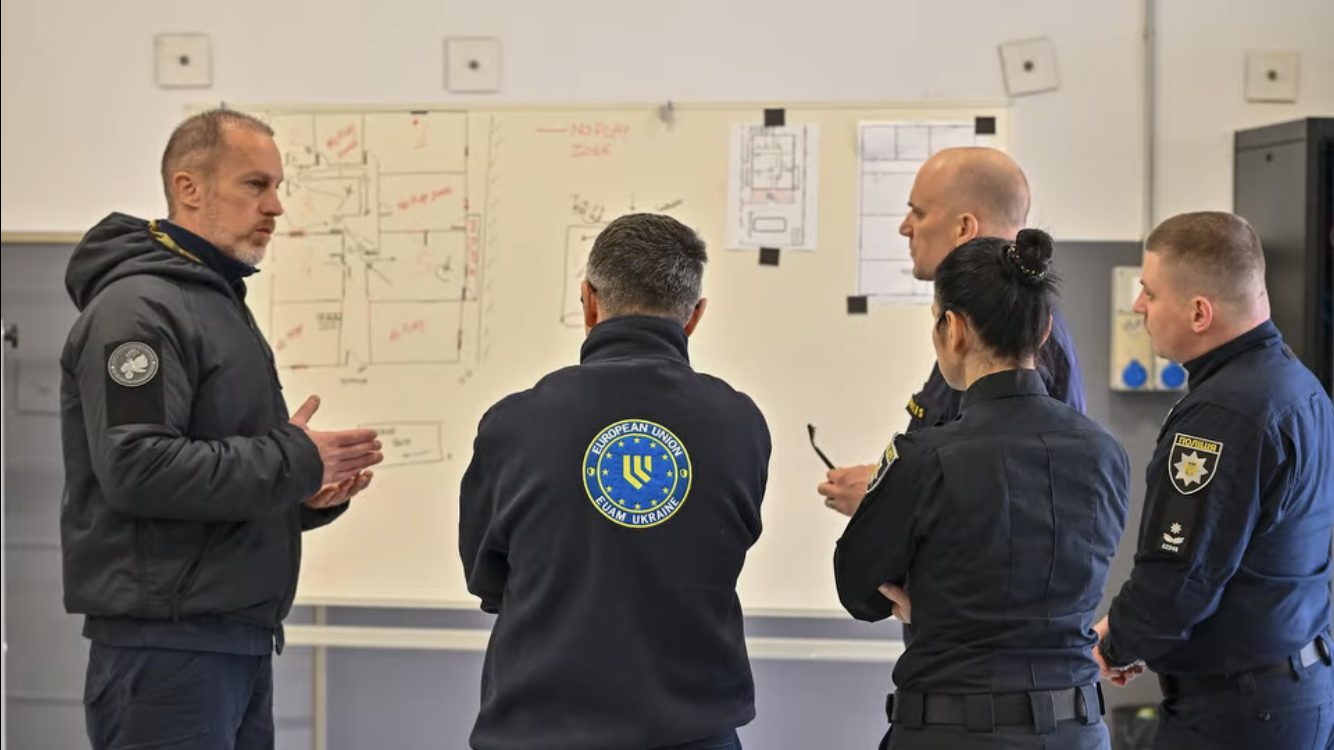
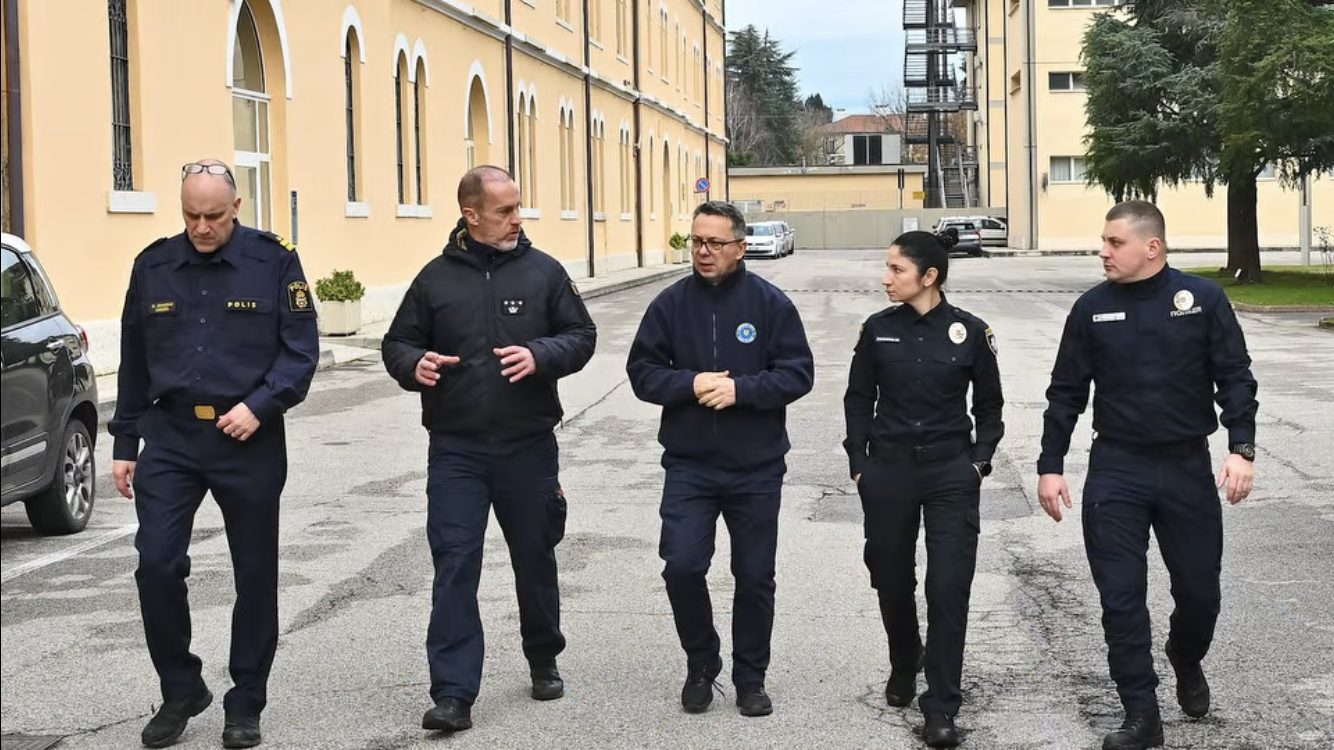
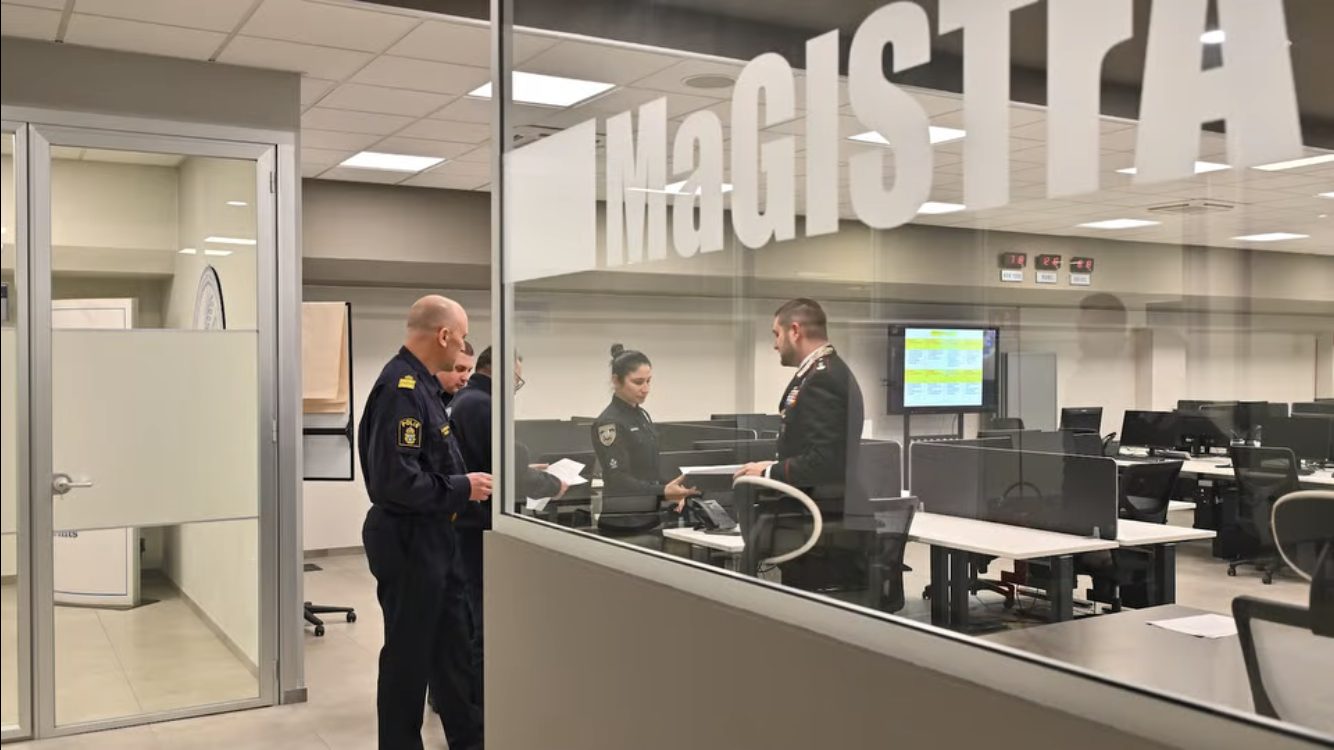
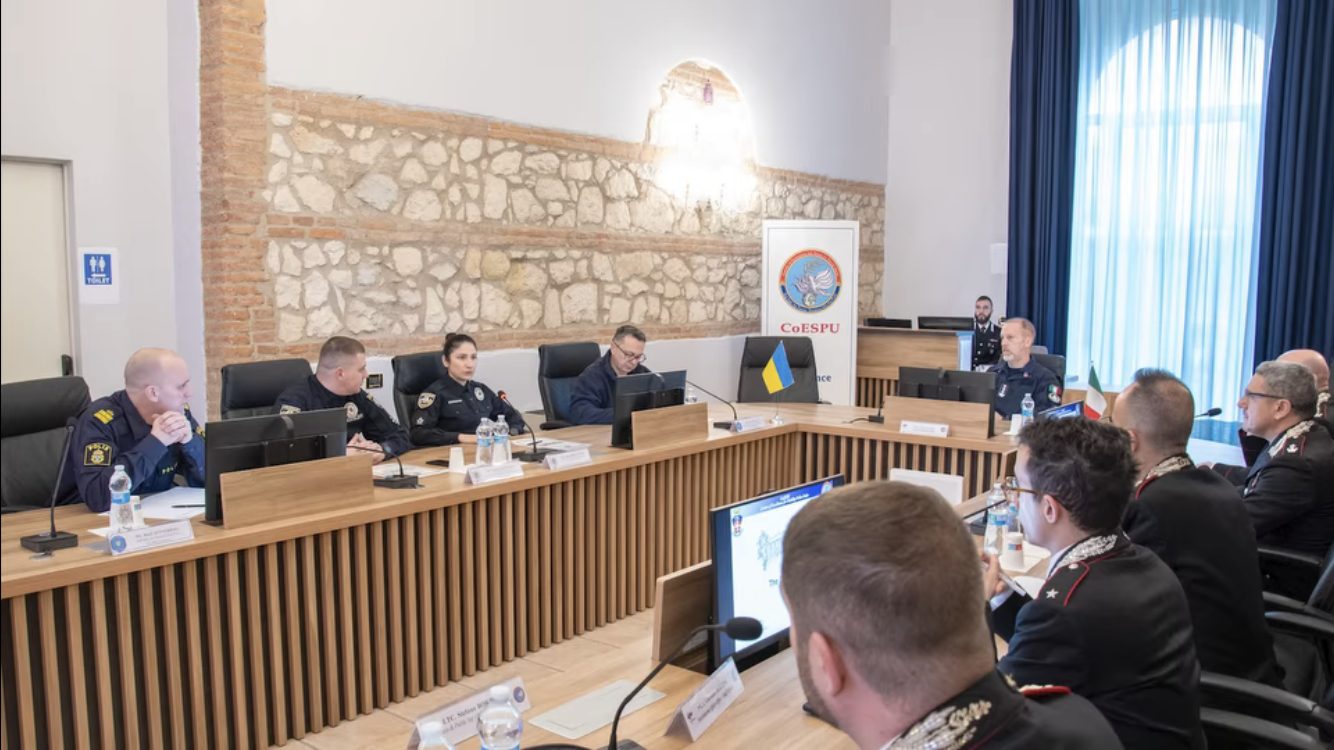
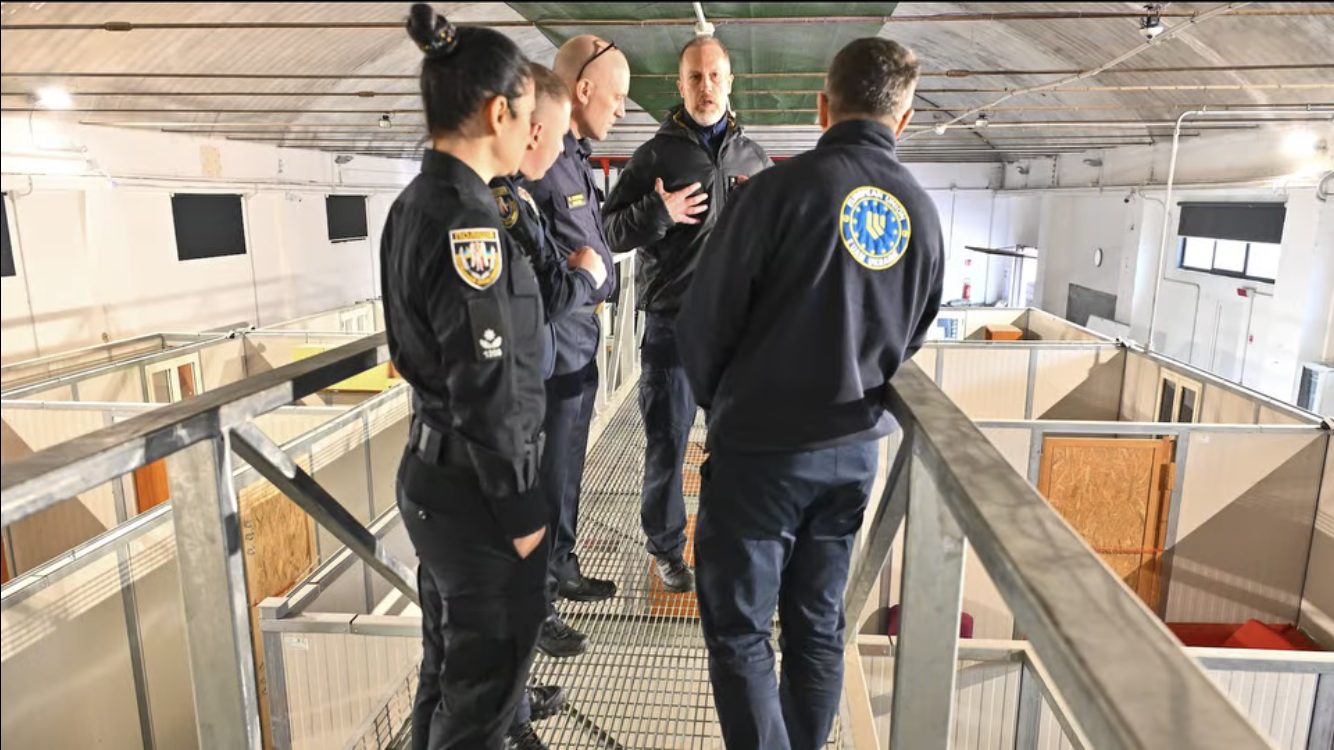
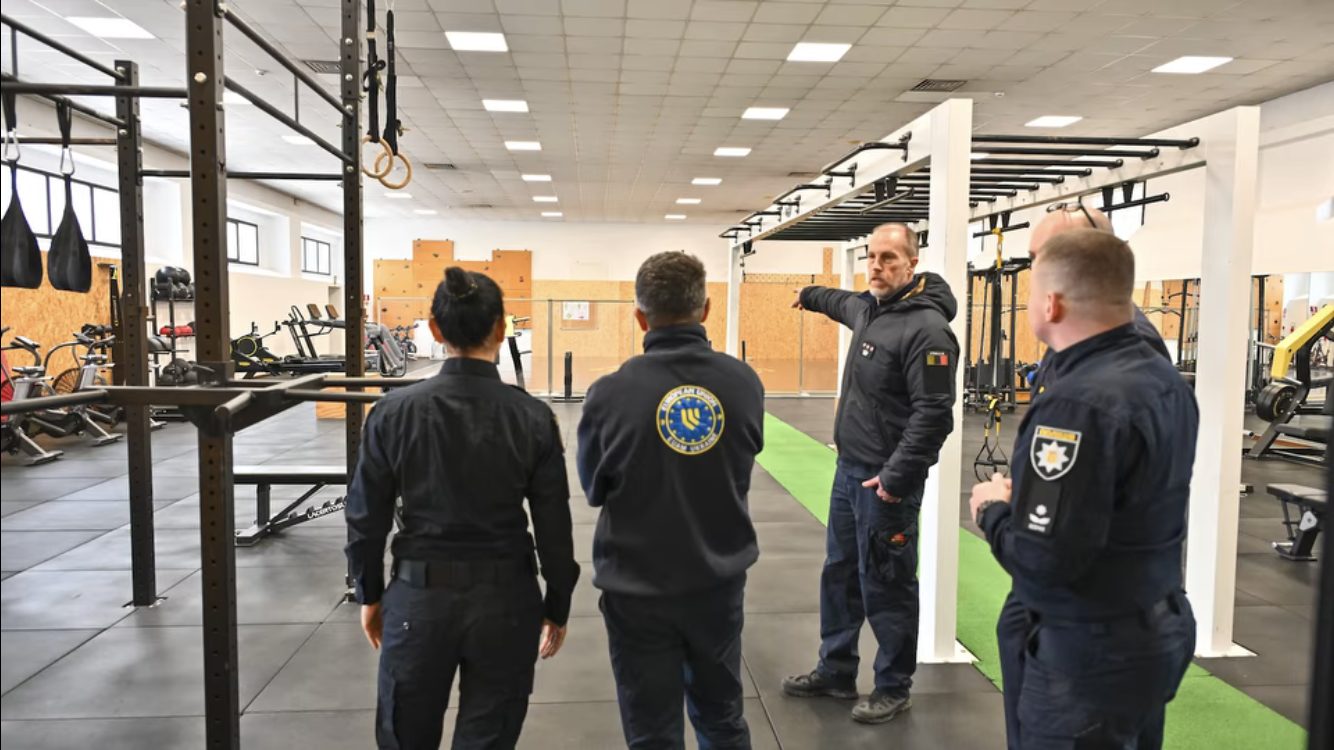

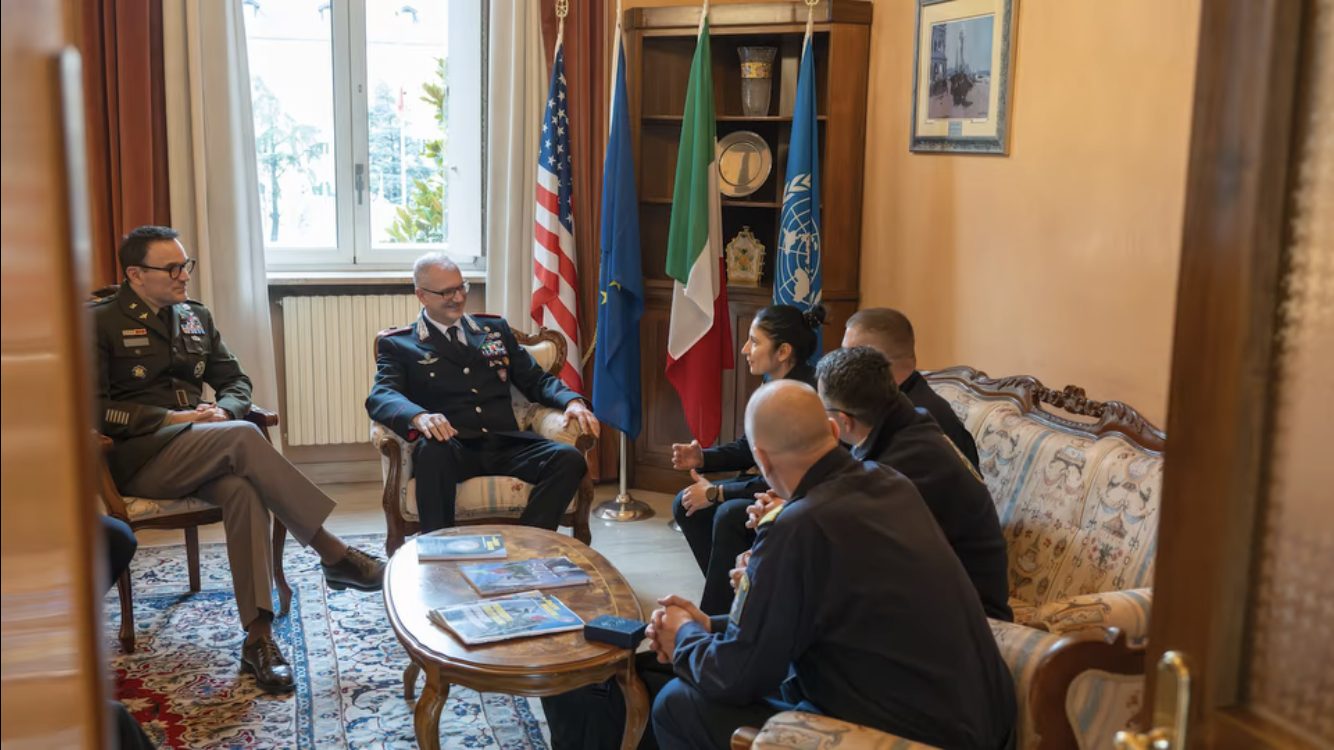
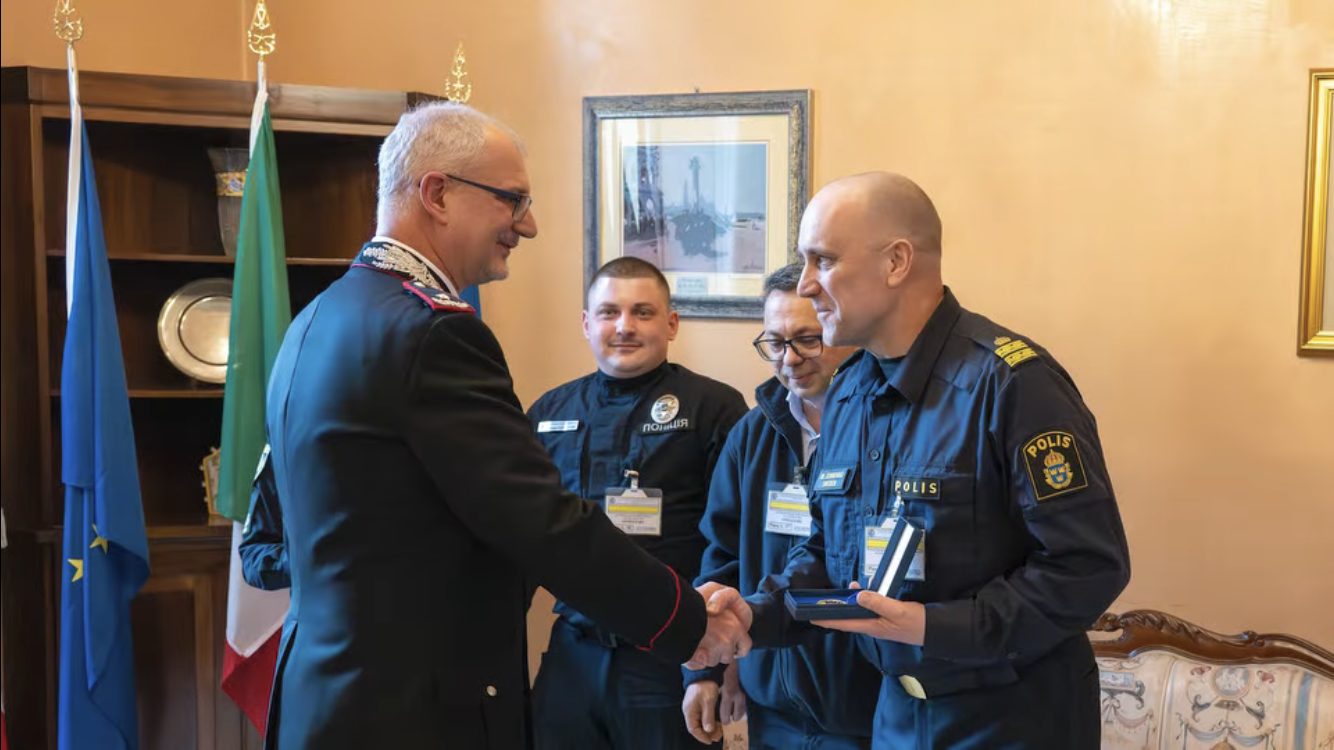
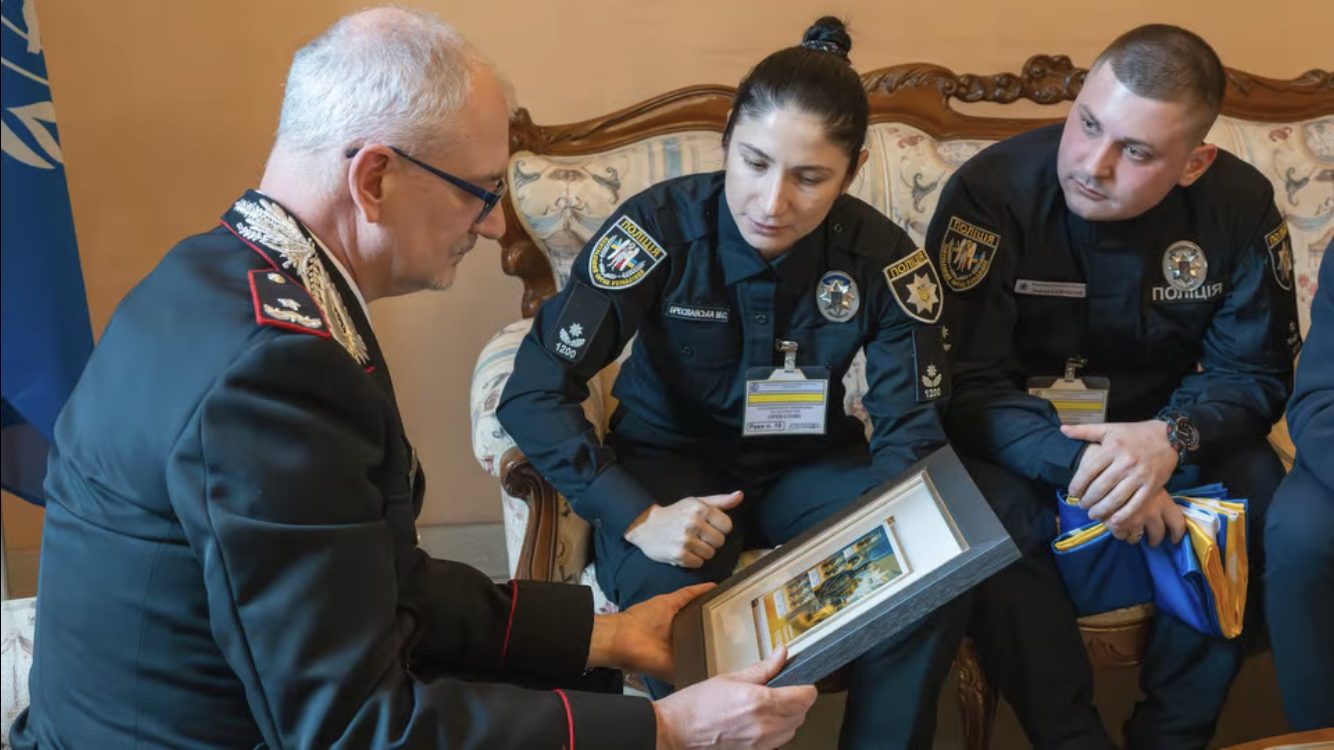
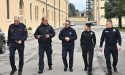

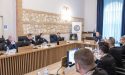


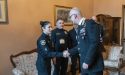


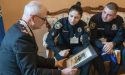
CoESPU’s experience in training police for peace support operations worldwide provided a relevant framework. Rather than importing an off-the-shelf model, EUAM, the NPU and CoESPU worked jointly to shape a curriculum that responds to Ukraine’s post-war realities, while fully respecting human rights and the rule of law.
Mans JENNEHAG, EUAM’s Adviser on General Policing and Police Officer from Sweden, highlighted the outcome of this approach: “CoESPU accepted and found the Ukrainian particularities and requirements for an updated Middle Management Community Policing course plan to be fully relevant, understandable and acceptable.”
The project will conclude with a third phase in autumn 2026, when 20 Ukrainian middle-management community policing officers are expected to attend the course in Italy. Trained as future instructors, they will be equipped to pass on leadership skills across Liberated and Adjacent Territories, helping to stabilise communities, strengthen accountability and rebuild trust between citizens and the state.