
War Crime of Terror and Unlawful Attacks Against Civilians: Sharing Best Practices with Ukrainian Prosecutors and Investigators
February 26, 2026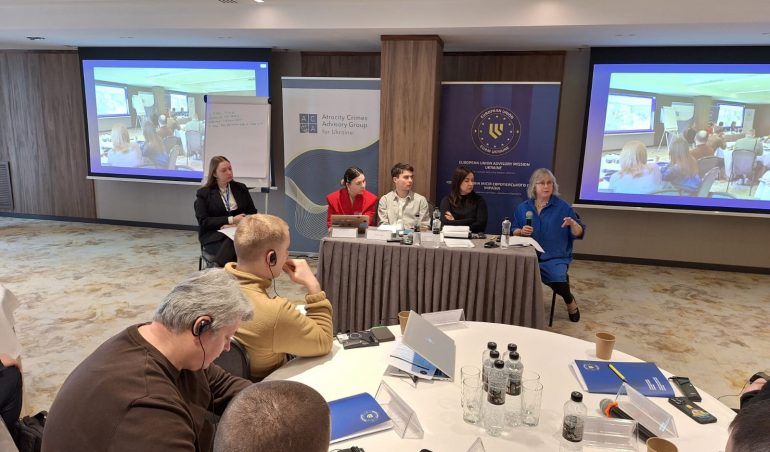
Artillery strikes and drone attacks on residential areas are not only acts of destruction. In many cases, they are intended to intimidate civilians. Proving that intent in court requires precision, coordination and a clear legal strategy.
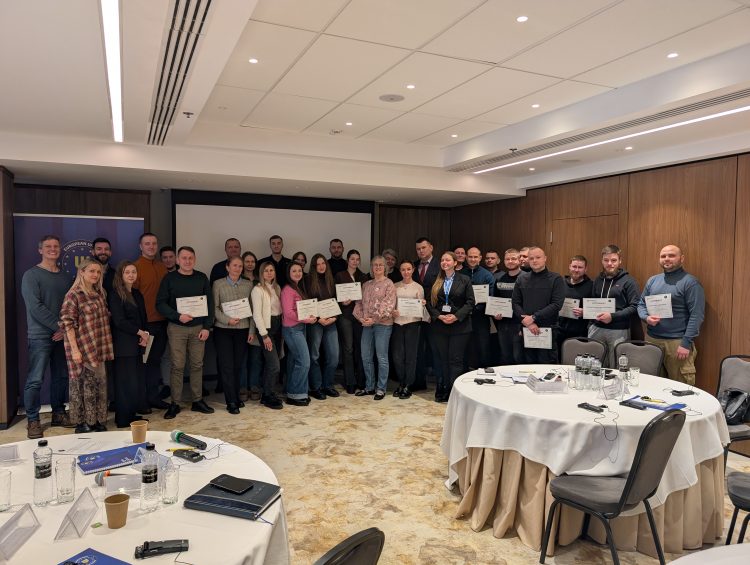
Last week, the European Union Advisory Mission (EUAM) Ukraine convened prosecutors and investigators for a three-day case-building workshop on the war crime of terror and unlawful attacks against civilians. The focus was on how to investigate, structure and prosecute shelling cases so they lead to sustainable convictions.
Participants represented the Office of the Prosecutor General, regional prosecutor’s offices and the Security Service of Ukraine from regions heavily affected by attacks, including Kherson, Zaporizhzhia, Donetsk, Kharkiv and Sumy and others. Many are directly involved in proceedings related to targeted strikes against civilians, including FPV drone attacks.
Together with international legal expert with experience at the International Criminal Tribunal for the former Yugoslavia (ICTY), representatives of the UN Human Rights Monitoring Mission in Ukraine, analysts from Europol, as well as Ukrainian legal experts from Truth Hounds and military experts from the Interagency Working Group, participants worked through the core elements of case-building. Discussions centred on how to establish intent to spread terror among civilians, how to qualify acts and threats of violence under international law, and how to address evidential and procedural challenges in Ukrainian courts.
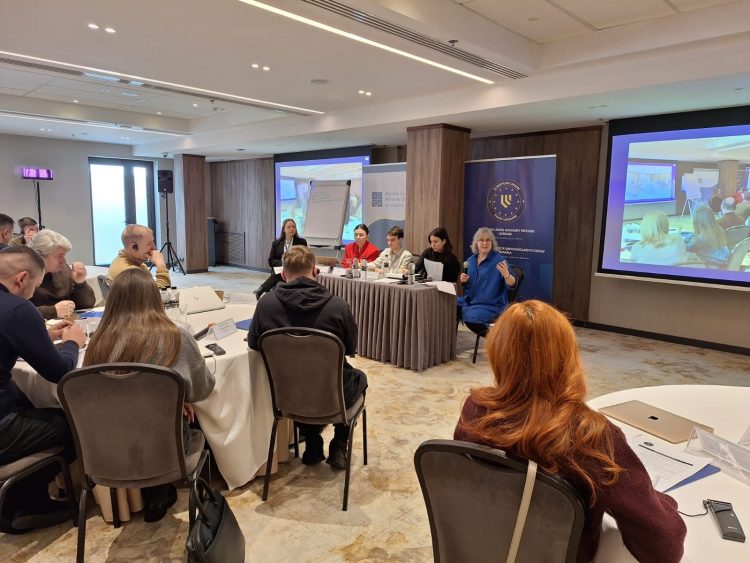
“Strengthening the institutional capacity of national justice actors has always been a core focus for Truth Hounds,” said Zera Kozlyieva, Legal Director of Truth Hounds, who served as a trainer during the workshop. “We are pleased to join partners’ efforts, particularly in investigating cases involving short-range drone attacks aimed at spreading terror among civilians. These crimes increasingly demonstrate a systemic pattern and require decisive action to prevent impunity and ensure accountability.”
The workshop also introduced participants to the support mechanisms of Europol’s Analysis Project on Core International Crimes, opening practical pathways for analytical cooperation in ongoing investigations of international crimes in Ukraine.
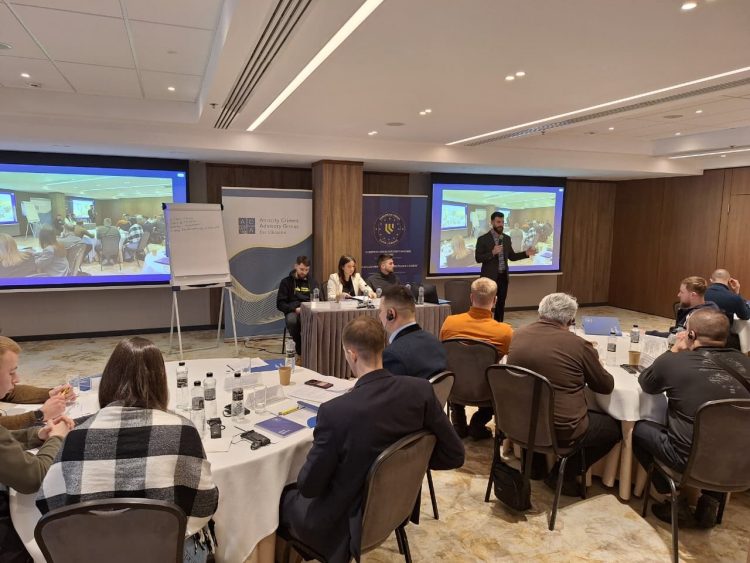
For many participants, the value of the training lay in its practical intensity. “The programme combined a strong theoretical foundation with real case analysis, international tribunal practice and modern tools such as OSINT,” said Oleksandr Kukharuk, a prosecutor at the Office of the Prosecutor General who participated in the workshop. “The exchange with experts from EUAM, Europol and Truth Hounds on issues of evidence and criminal intent will help prosecutors and investigators apply a comprehensive approach to complex war crimes cases.”
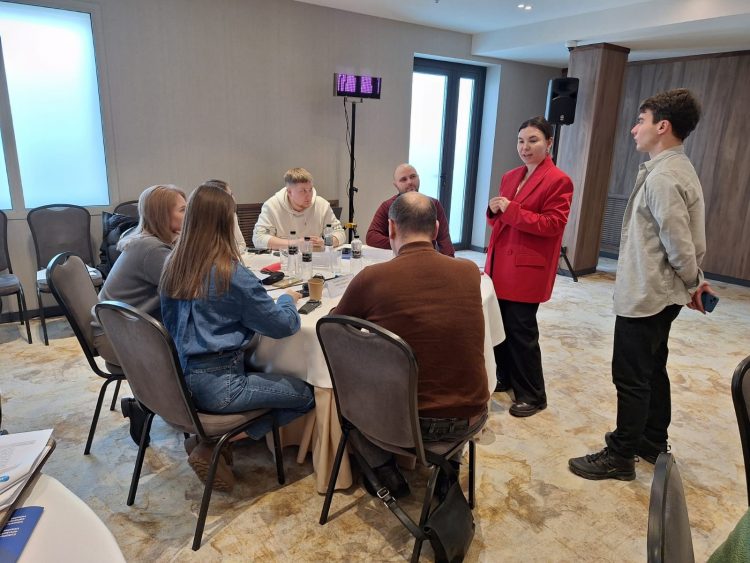
The workshop also created space for prosecutors and investigators to exchange experience and practical lessons from their daily work. They discussed common challenges, compared approaches and reflected on how similar cases are handled in different regions. This dialogue helped move towards common standards in qualifying acts of terror and unlawful attacks.
“The successful handling of such cases requires a sustainable investigation strategy, documentation that is both sufficient and targeted to the right issues, and solid evidence of intent. Making use of best international practices and experiences strengthens not only the processing of individual cases but also the broader accountability effort,” said Nelli Karikko, EUAM’s Senior Adviser on Prosecution of International Crimes.
When a home is damaged or a family is forced to flee after a strike, accountability does not happen overnight. It is built carefully — through collected evidence, clear legal qualification and coordinated work across institutions. Through workshops like this, EUAM stands alongside its Ukrainian partners, strengthening a system that can respond to these crimes with clarity, credibility and real legal consequences.
