
Ukrainian Investigators Strengthen Victim and Witness Interviewing Standards
March 02, 2026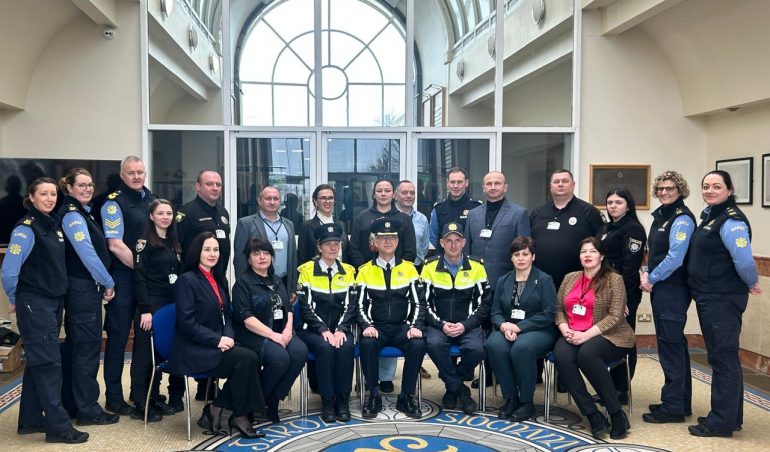
When investigators speak to victims and witnesses, the outcome of an entire case may depend on how those first questions are asked. In situations involving trauma, children or persons with intellectual disabilities, poorly structured interviews can lead to incomplete testimony, unreliable evidence or additional distress for those already affected. Strengthening professional interviewing standards is therefore essential for both procedural integrity and victim protection.
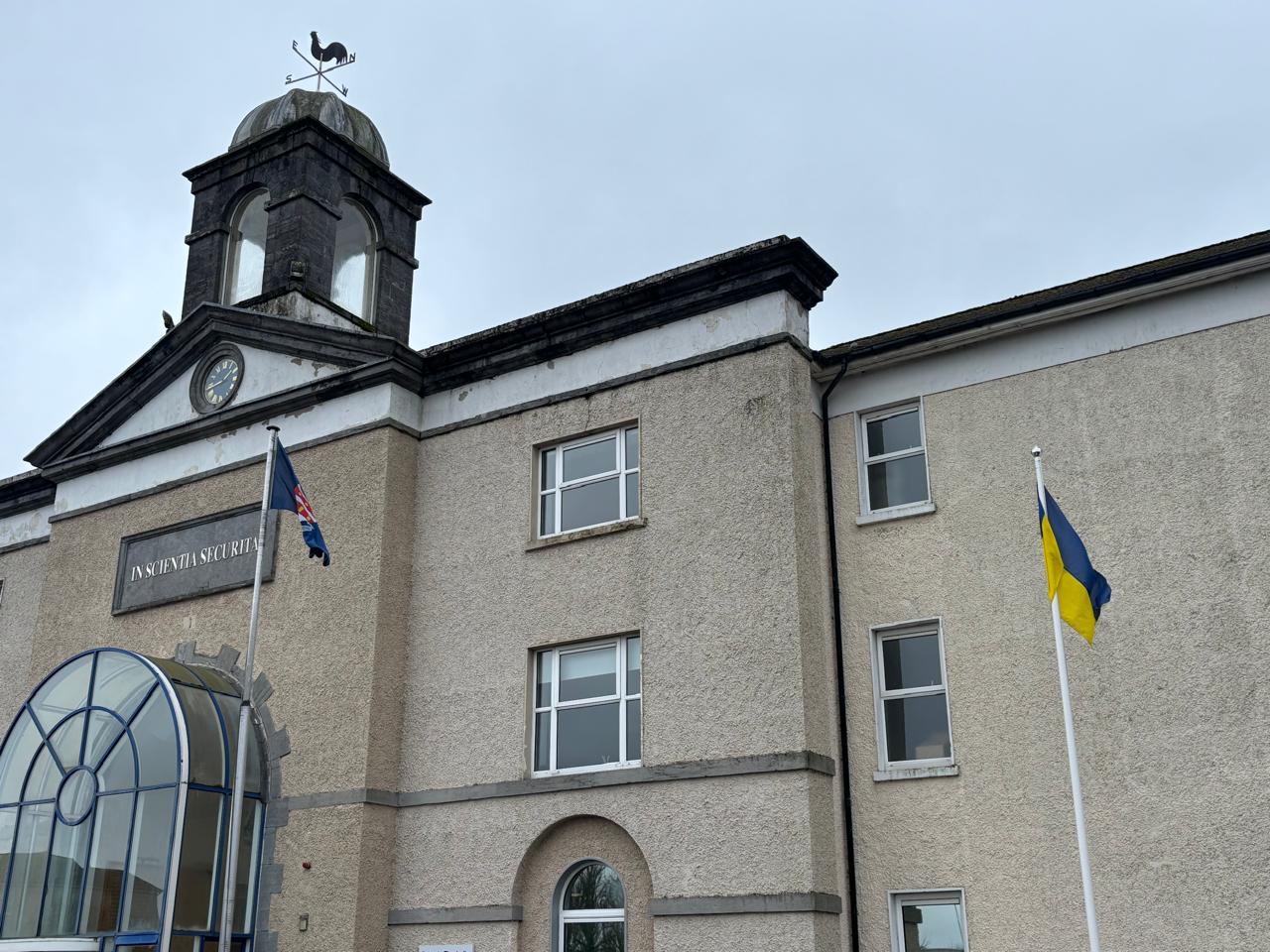
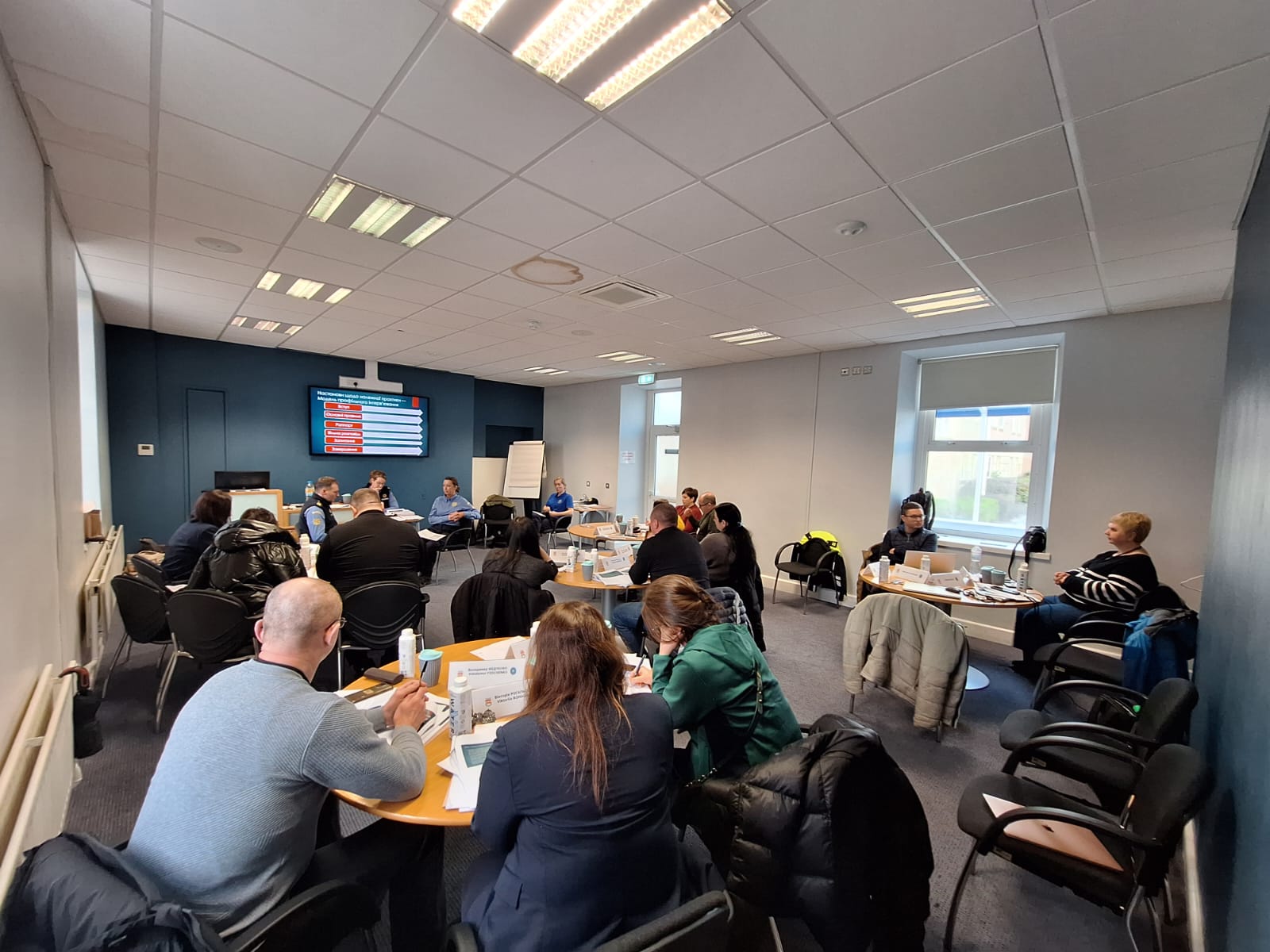
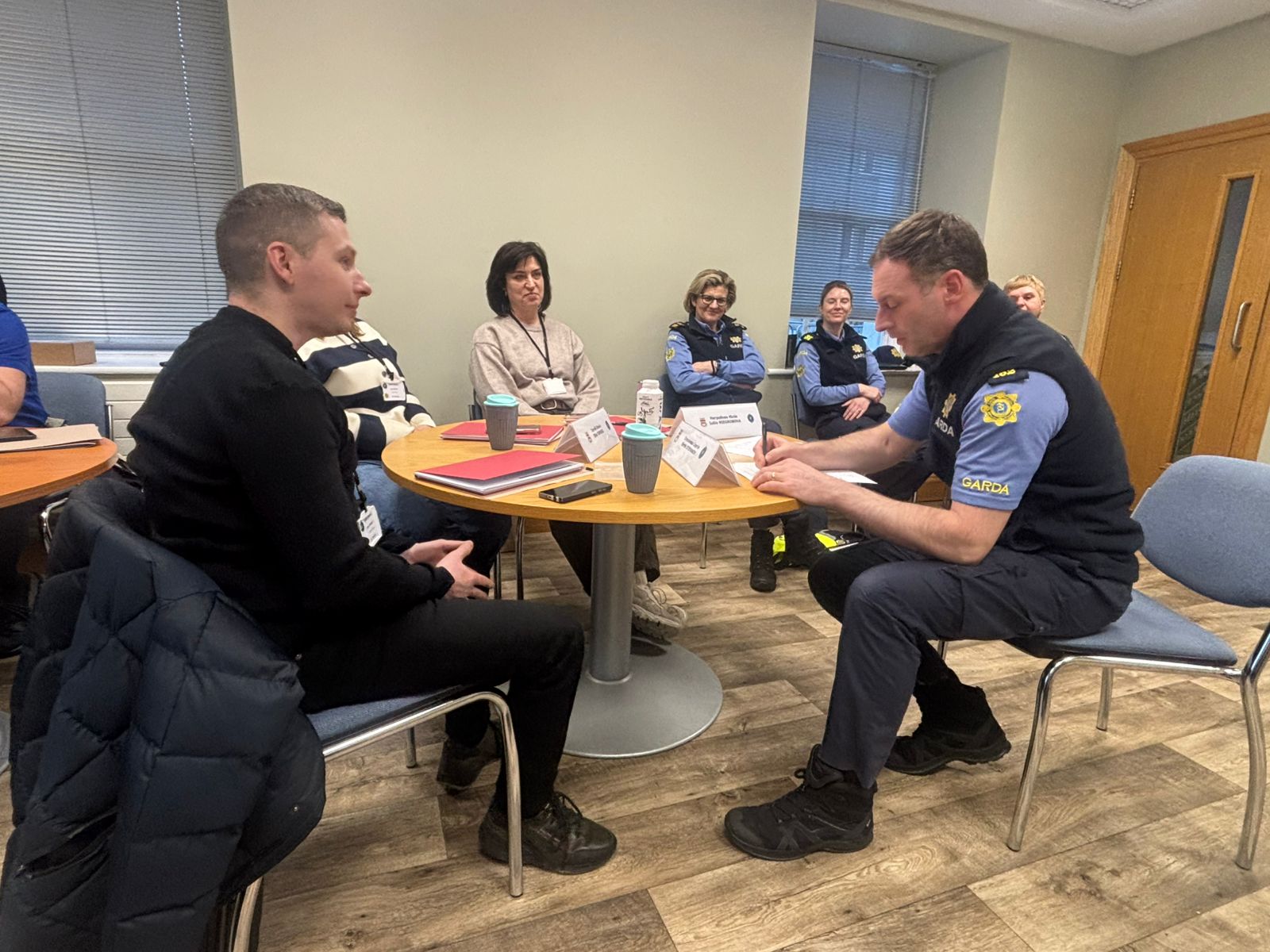
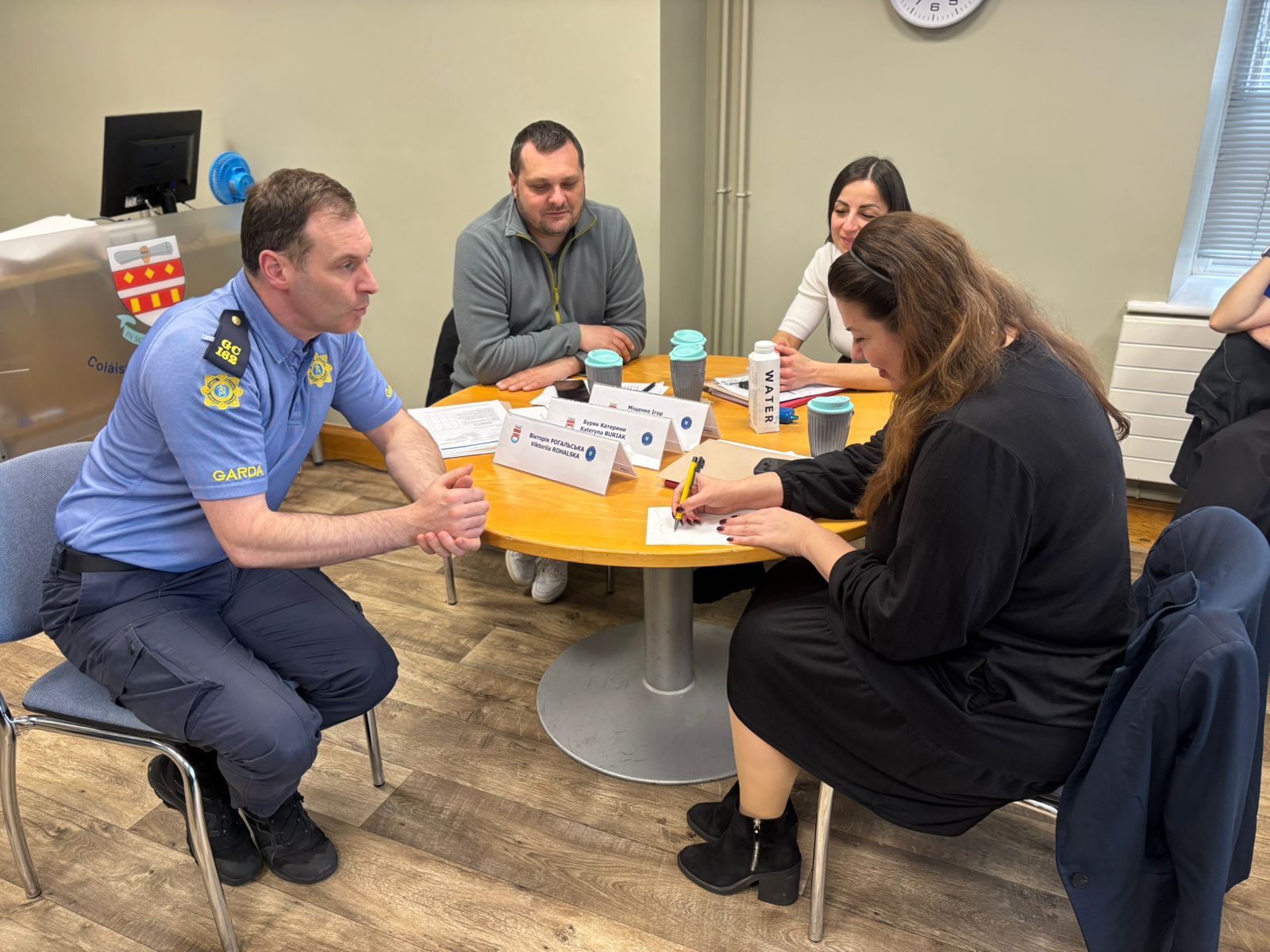
From 9 to 20 February 2026, the European Union Advisory Mission (EUAM) Ukraine organised a two-week training programme at the Garda Síochána Training College in Templemore, Ireland. The small town, located around 150 kilometres south-west of Dublin, is home to Ireland’s national police training centre. For two weeks, it became a working classroom for Ukrainian investigators refining their approach to some of the most sensitive forms of evidence gathering.
Enhanced cognitive interviewing
During the first week, investigators from the National Police of Ukraine working in frontline regions, together with a representative of the Dnipropetrovsk State University of Internal Affairs, completed advanced training in Enhanced Cognitive Interviewing.
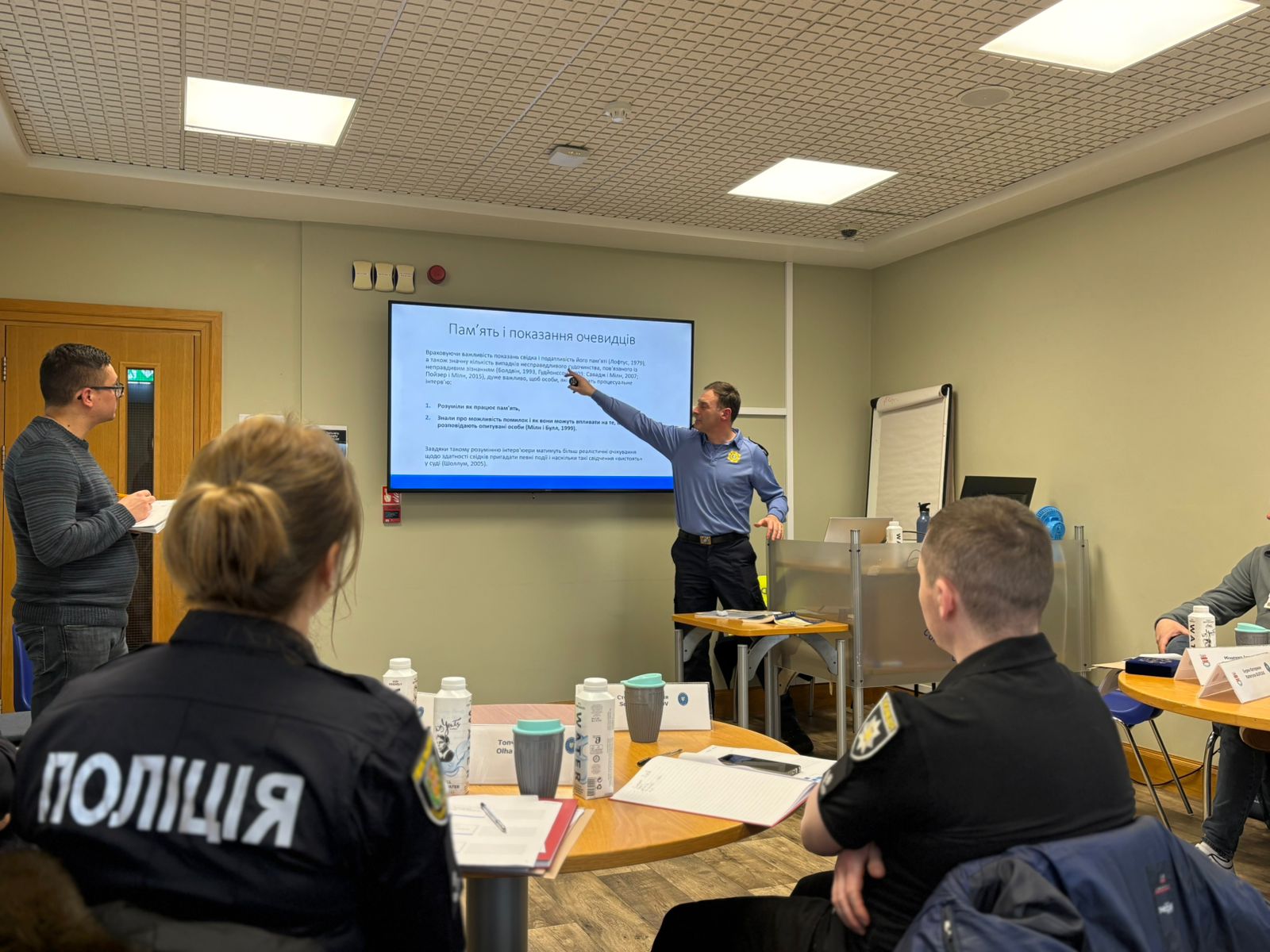
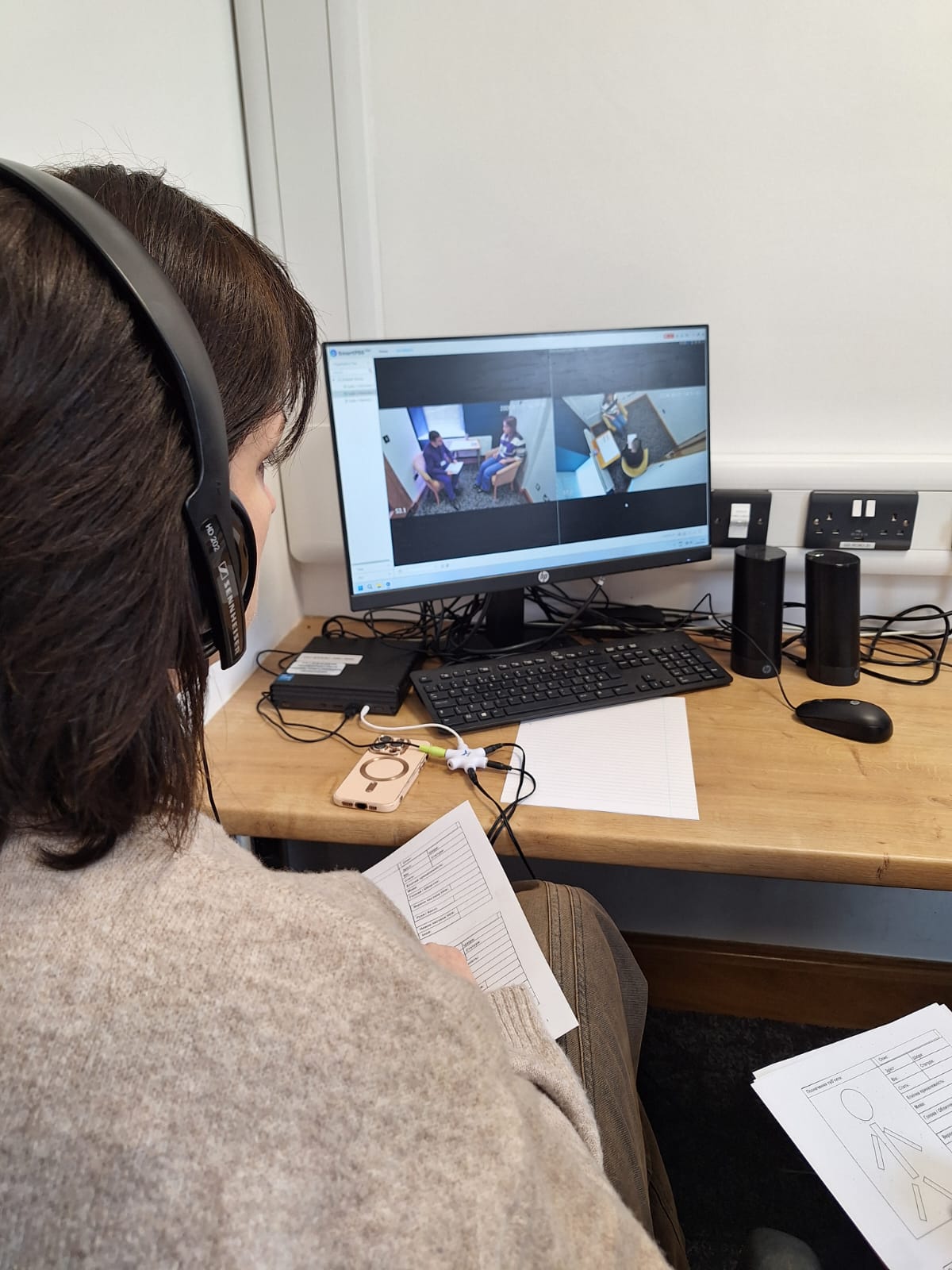
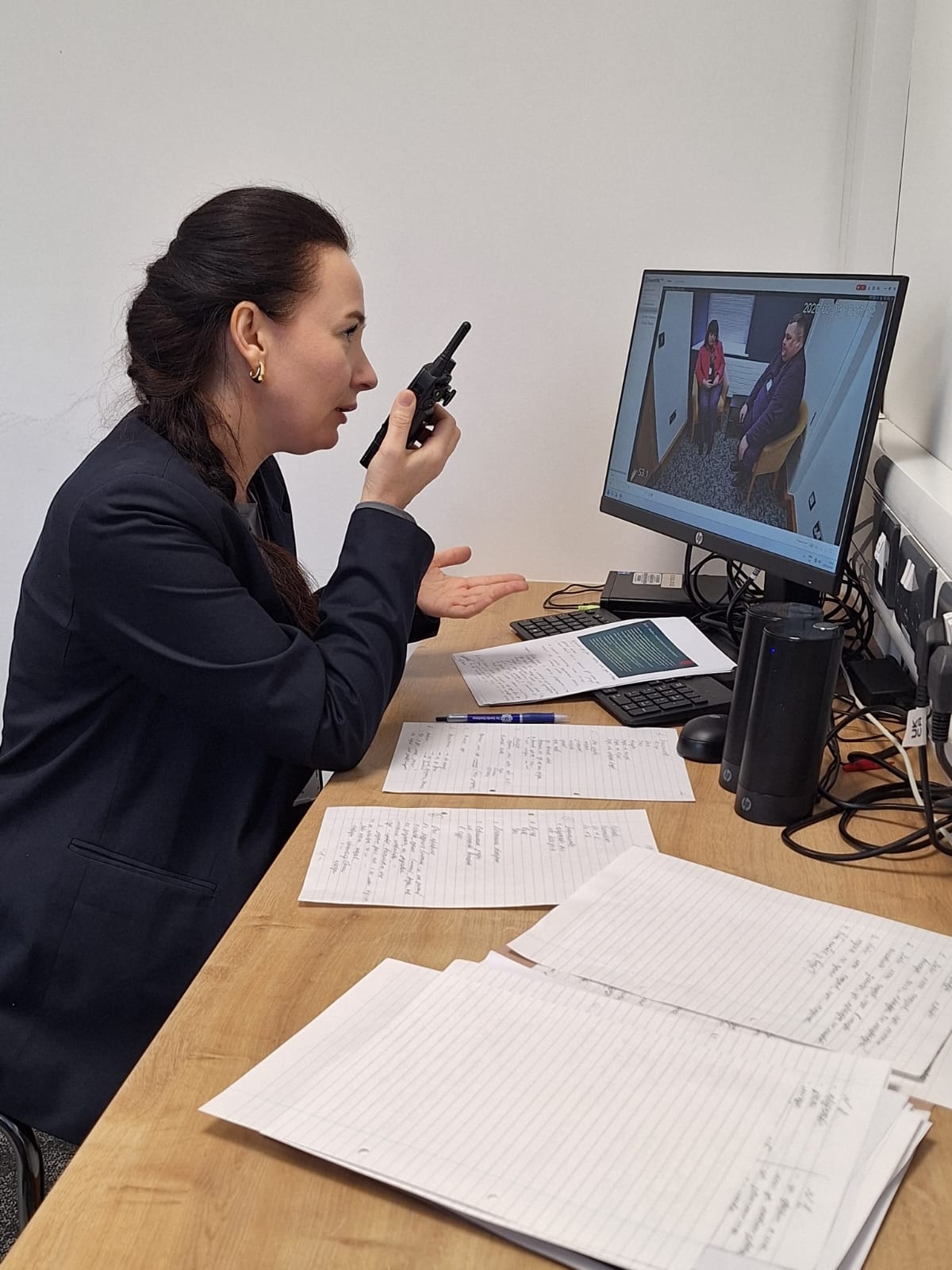
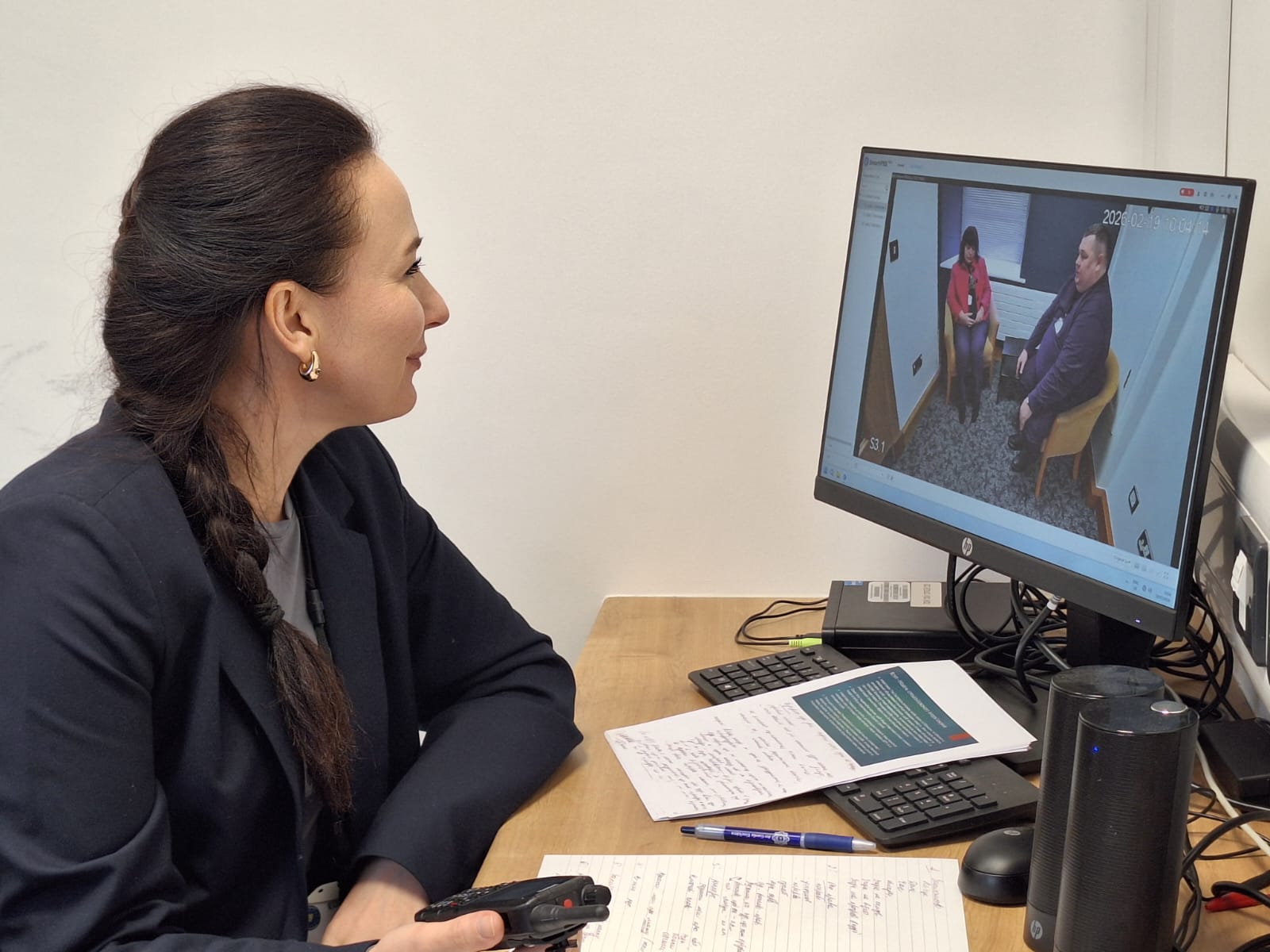
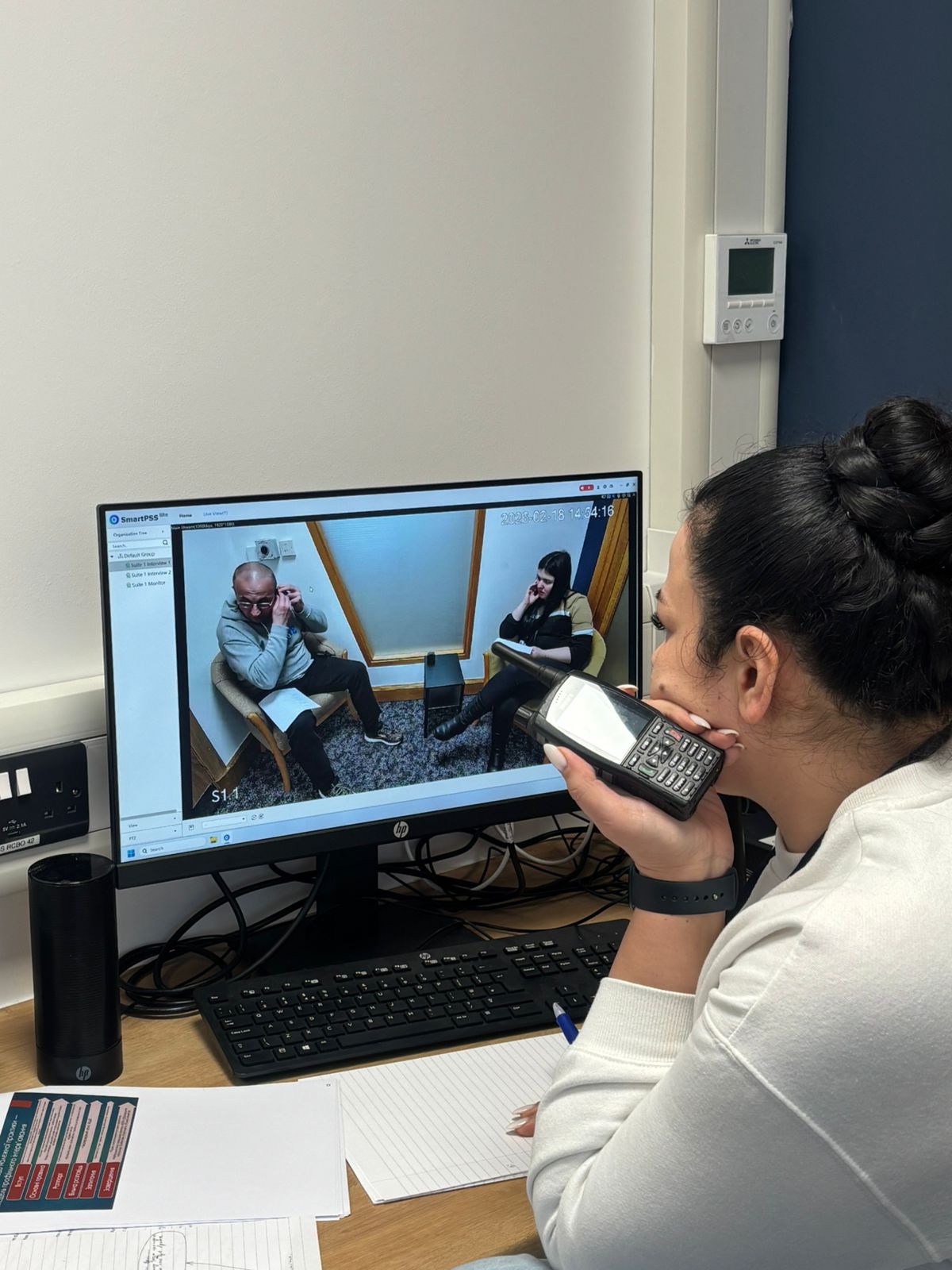
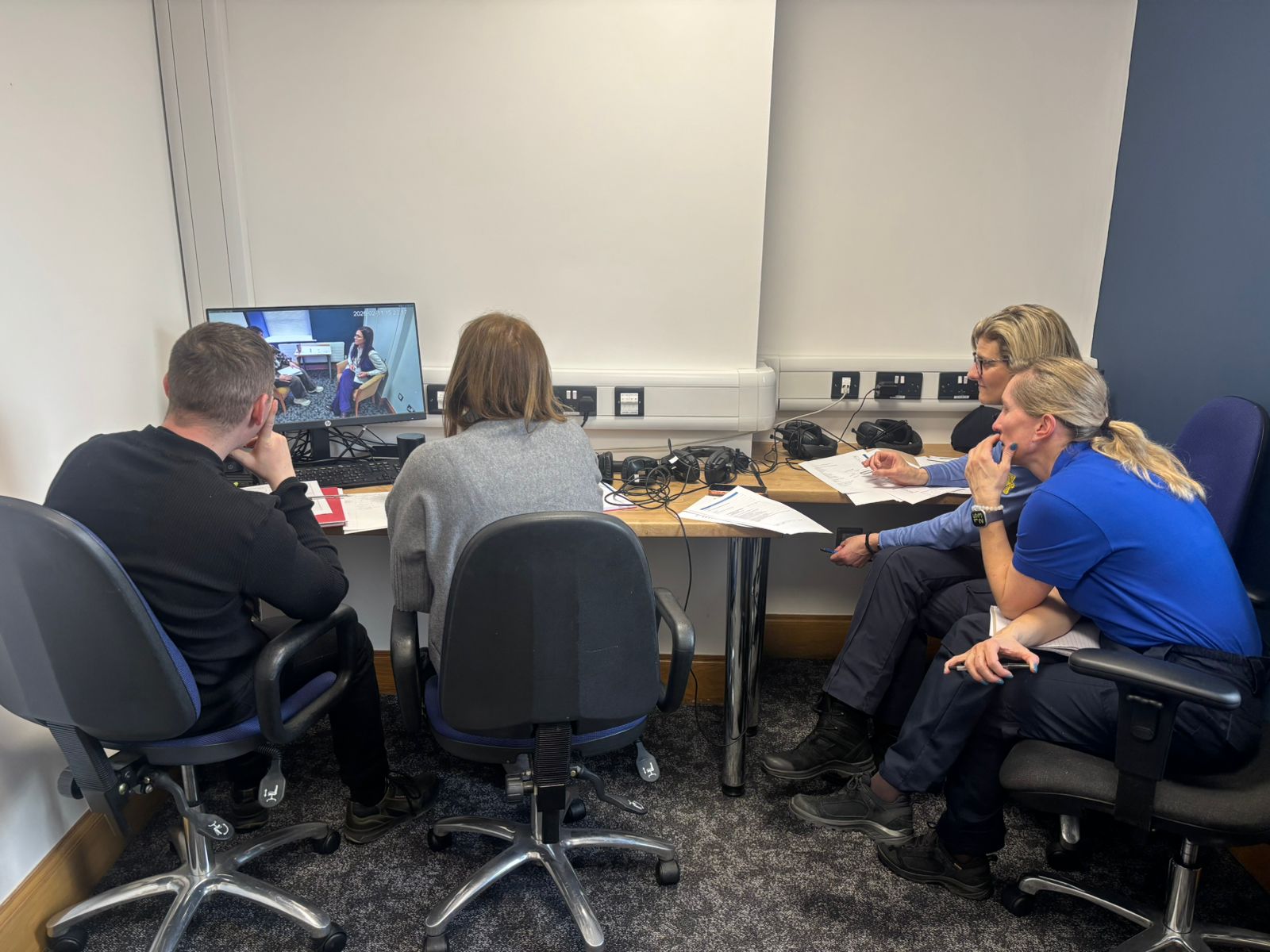
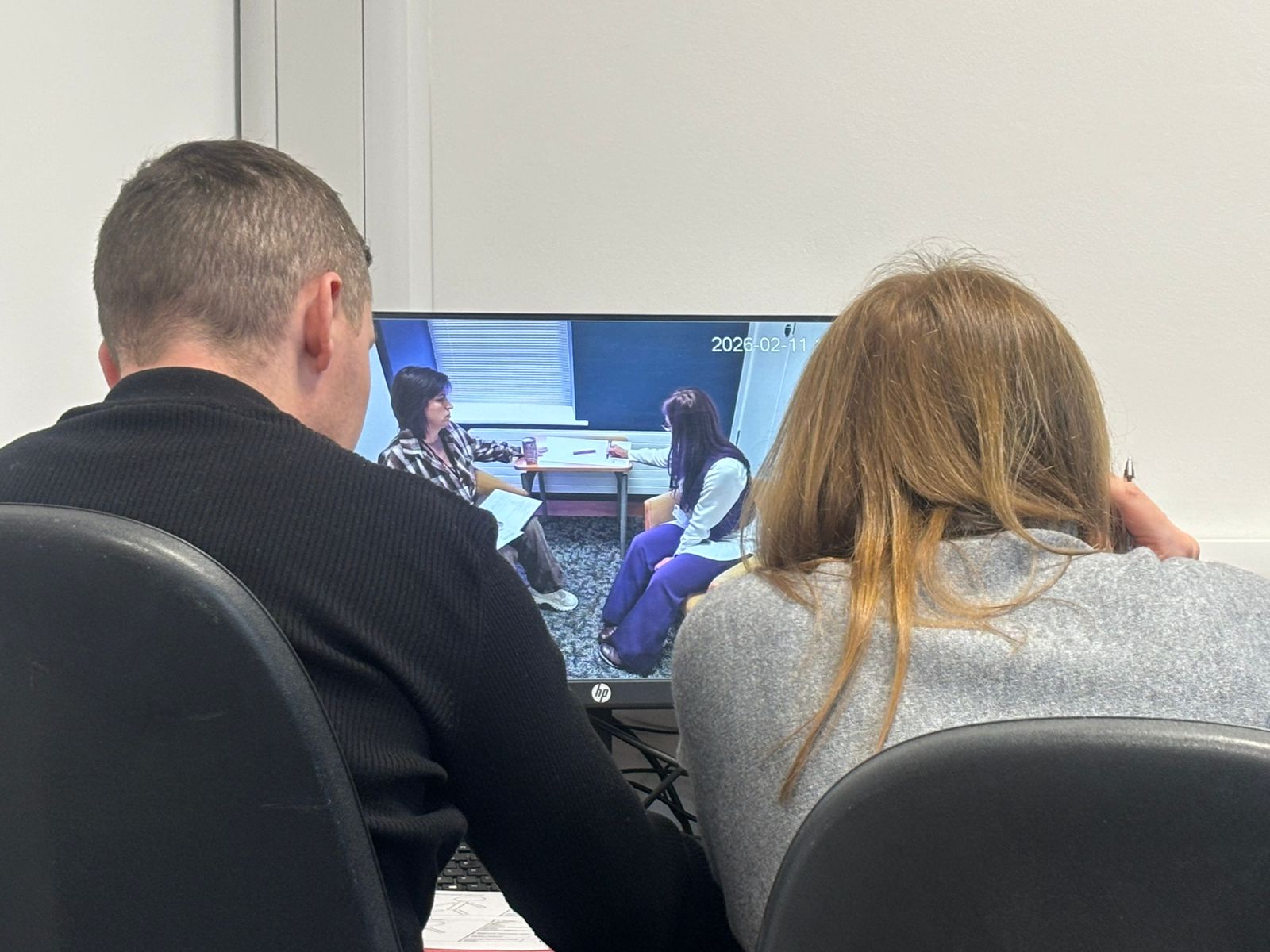
The method centres on structured free recall and memory retrieval techniques. When applied properly, it can increase the amount of accurate information obtained from witnesses by up to 25 to 50 per cent. In specialist interview suites, participants alternated between the roles of interviewer and monitor. Through realistic role play scenarios, they practised guiding conversations carefully, avoiding leading questions and allowing witnesses the time and space to recall events in their own words.
Exposure to European procedural standards was particularly significant for the participants. For Serhii, a police investigator from Zaporizhzhia, the training provided practical tools he can apply immediately in his daily work. He believes the techniques will help him conduct interviews with greater care and confidence, in line with European standards, and improve the overall quality of investigations in his region.
Kateryna, a police investigator from the Donetsk region, also underlined the practical value of the course. In her view, the knowledge gained supports investigators in acting more professionally and ethically when working with people who find themselves in difficult and often traumatic situations.
At a time when many cases concern crimes committed during the war, careful and respectful interviewing is not only a matter of procedure. It is essential for preserving reliable evidence and ensuring that victims’ voices are heard in the process of accountability.












Specialised interviewing of children and vulnerable persons
The second week of the programme focused on specialised interviewing of children and persons with intellectual disabilities. A group of Ukrainian police investigators and university professors examined practical ways to build rapport, structure conversations clearly and respond to communication barriers that often arise in such interviews.
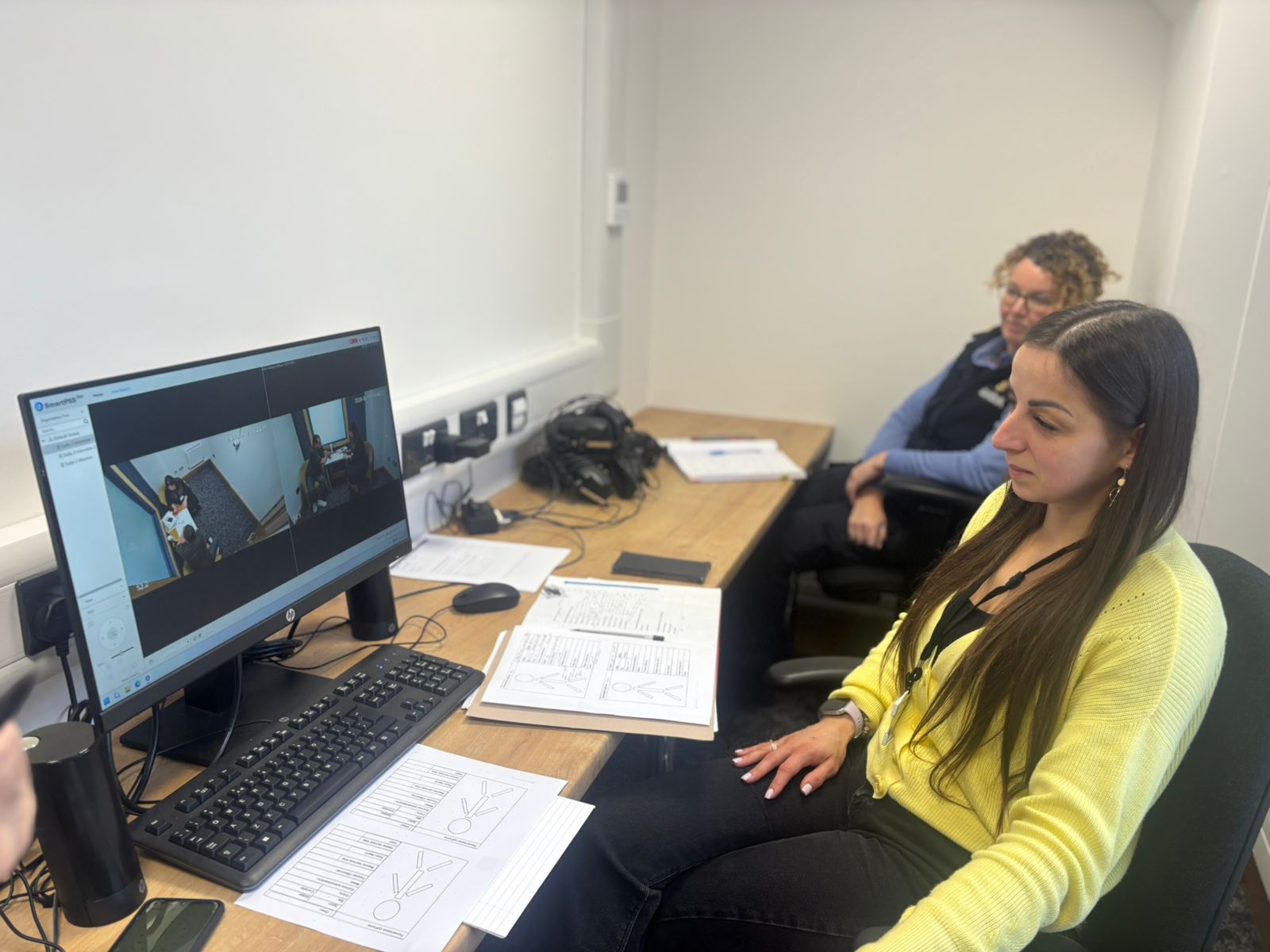
Central to the course was the TED system – Tell, Explain, Describe – combined with the funnel technique for questioning. These tools support open narratives while maintaining clarity, consistency and procedural safeguards. Participants again worked in simulated interview settings, receiving structured feedback on their techniques.
Nataliia, a professor at the Dnipropetrovsk State University of Internal Affairs, described the programme as a valuable professional experience. She noted that the approaches and questioning methodologies she learned would help strengthen the way specialised interviewing techniques are incorporated into the training of future law enforcement professionals.
Reflecting on the broader objective of the programme, Christopher Elliott, Criminal Investigations Adviser on Organised Crime at EUAM’s Mobile Unit, who supported the training emphasised its practical focus. “Professional interviewing is not about asking more questions. It is about asking them in the right way, at the right moment, and creating an environment where people feel safe to speak. By training investigators and university professors together, we help ensure these standards are embedded both in daily practice and in future curricula,” he said.
Templemore may seem far from the realities faced by Ukrainian investigators. Yet the skills developed there will be applied in courtrooms and interview rooms across Ukraine. Each refined technique strengthens the credibility of evidence and reinforces a culture of respectful, victim-centred investigation. Through such targeted international cooperation, EUAM continues to support Ukrainian law enforcement in aligning investigative practices with European standards, ensuring that interviews serve not only the needs of a case but also the rights and dignity of those involved.
