
How Ukraine Is Strengthening Police Cooperation with the EU
April 10, 2026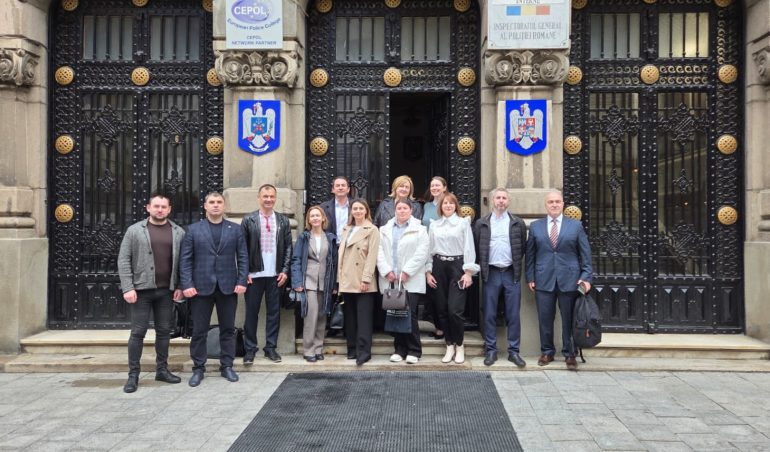
Imagine a foreign police service needs urgent information from Ukraine. Instead of one clear contact, they face multiple entry points, different procedures, and unclear responsibilities. Requests are redirected, duplicated, or delayed.
Now imagine the same request handled through a single, designated channel. It is received, processed, and routed immediately to the right authority. The response comes faster, and nothing is lost along the way.
That is the role of a Single Point of Contact, a SPOC.
Without it, information moves slowly, gets duplicated, or is lost. With it, every request follows a clear path, partners communicate through one secure channel, and time is no longer wasted and the data is well protected.
For Ukraine, building such a system is not only EU requirement, but an efficient instrument for international police cooperation. Speed and accuracy of information exchange directly affect security.
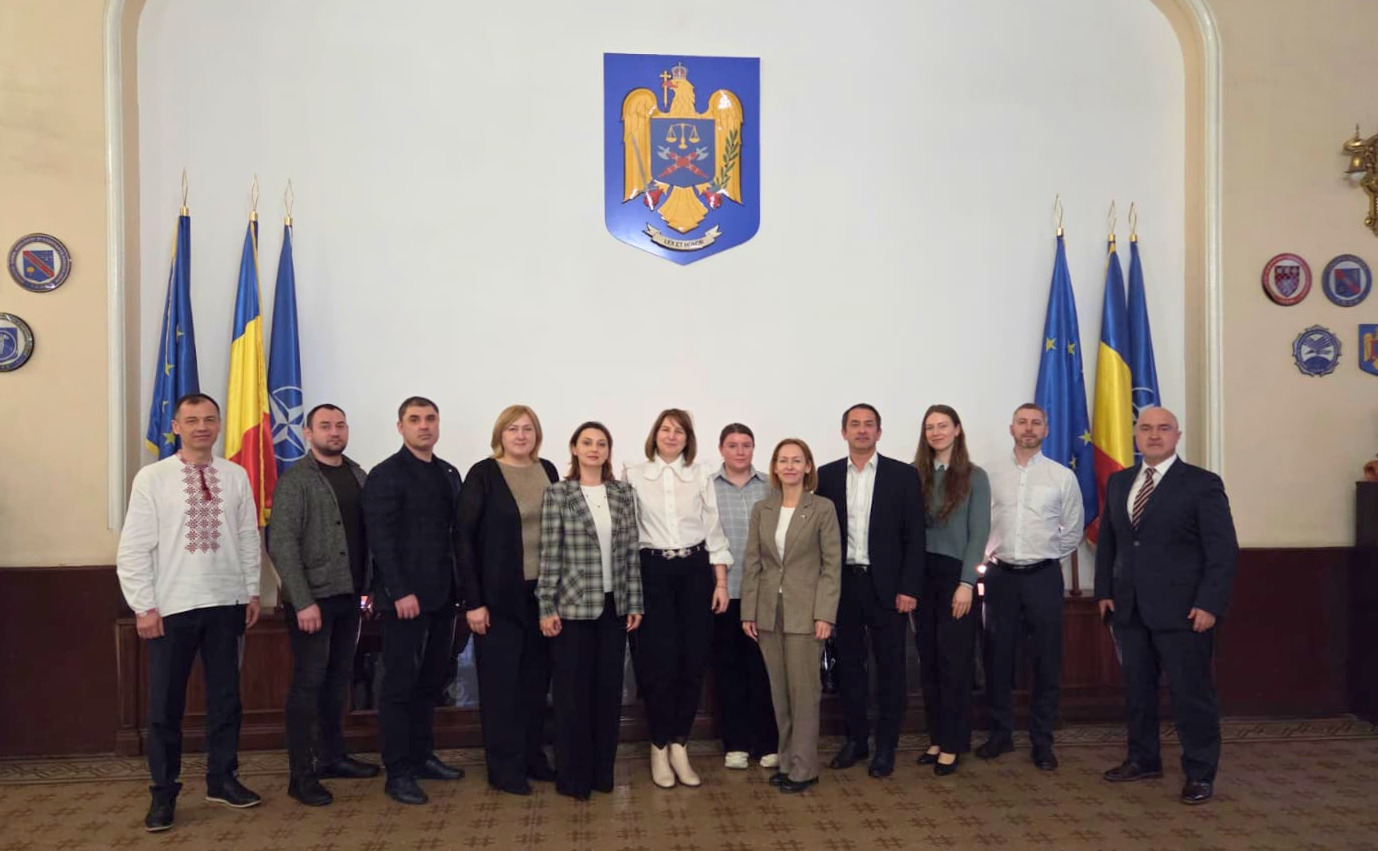
To support this, the European Union Advisory Mission (EUAM) Ukraine organised a study visit to Bucharest for representatives of the Ministry of Internal Affairs and the National Police of Ukraine. The focus was on Romania’s experience in building and operating a SPOC and applying EU tools for international police cooperation.
Over five days, participants examined how the system works in practice. At the International Police Cooperation Centre, they explored workflows, staffing, and case management systems that ensure fast and secure information exchange. Legal alignment with EU requirements, including Directive 2023/977, was discussed alongside implementation.
The focus then shifted to tools and operations. Participants explored secure communication channels such as SIENA, the platform used by Europol for fast and secure exchange of operational information between countries, as well as the interoperability of databases. They also examined preparations for Prüm II, an EU system that allows automated exchange of data such as DNA, fingerprints, and vehicle records between states. Romanian counterparts shared practical experience with joint patrols, liaison officers, and cross-border operations under the Schengen framework. Engagement with the Southeast European Law Enforcement Center (SELEC) opened further opportunities for regional cooperation.
Romania’s EU accession process provided practical lessons on institutional reform, legislative alignment, and implementation challenges.
“Our future depends on us, on what we are doing together. In the current situation we have no time to wait, but need to act, jointly and in a coordinated manner, to protect our future, to make Europe stronger”, said Benone-Marian Matei, General Inspector of the Romanian Police.
Dorel Fronea, Strategic Customs Adviser, highlighted Romania’s continued support and EUAM’s role in facilitating cooperation and supporting Ukraine’s reform efforts.
For Ukrainian participants, the knowledge gained will support ongoing reforms, from legislative alignment to the development of technical systems. Just as importantly, the visit established working contacts that will facilitate day-to-day cooperation. In modern policing, cooperation is only as strong as the system behind it. A single, clear point of contact is the cornerstone of that system’s efficiency.
