
Blue Haven for Ukraine: the Mission launches Phase II of the Project
April 08, 2026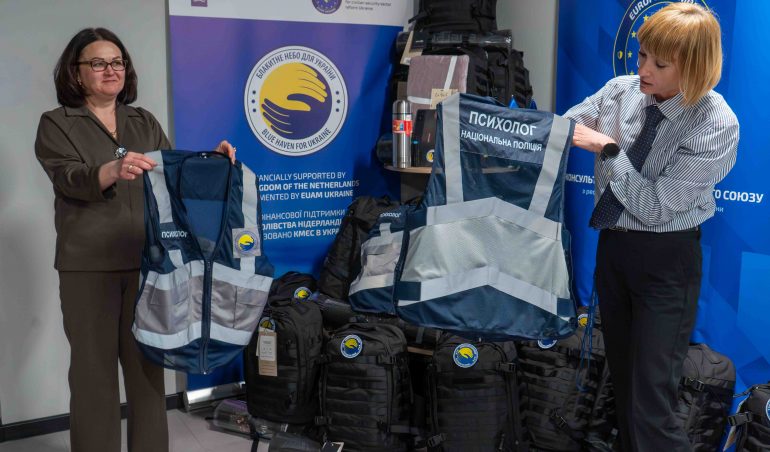
Every day, Ukraine’s law enforcement and emergency services face situations most people never see – the aftermath of attacks, difficult decisions, constant pressure. Over time, this takes a toll. And when those who serve are exhausted, it affects how well they can protect others.
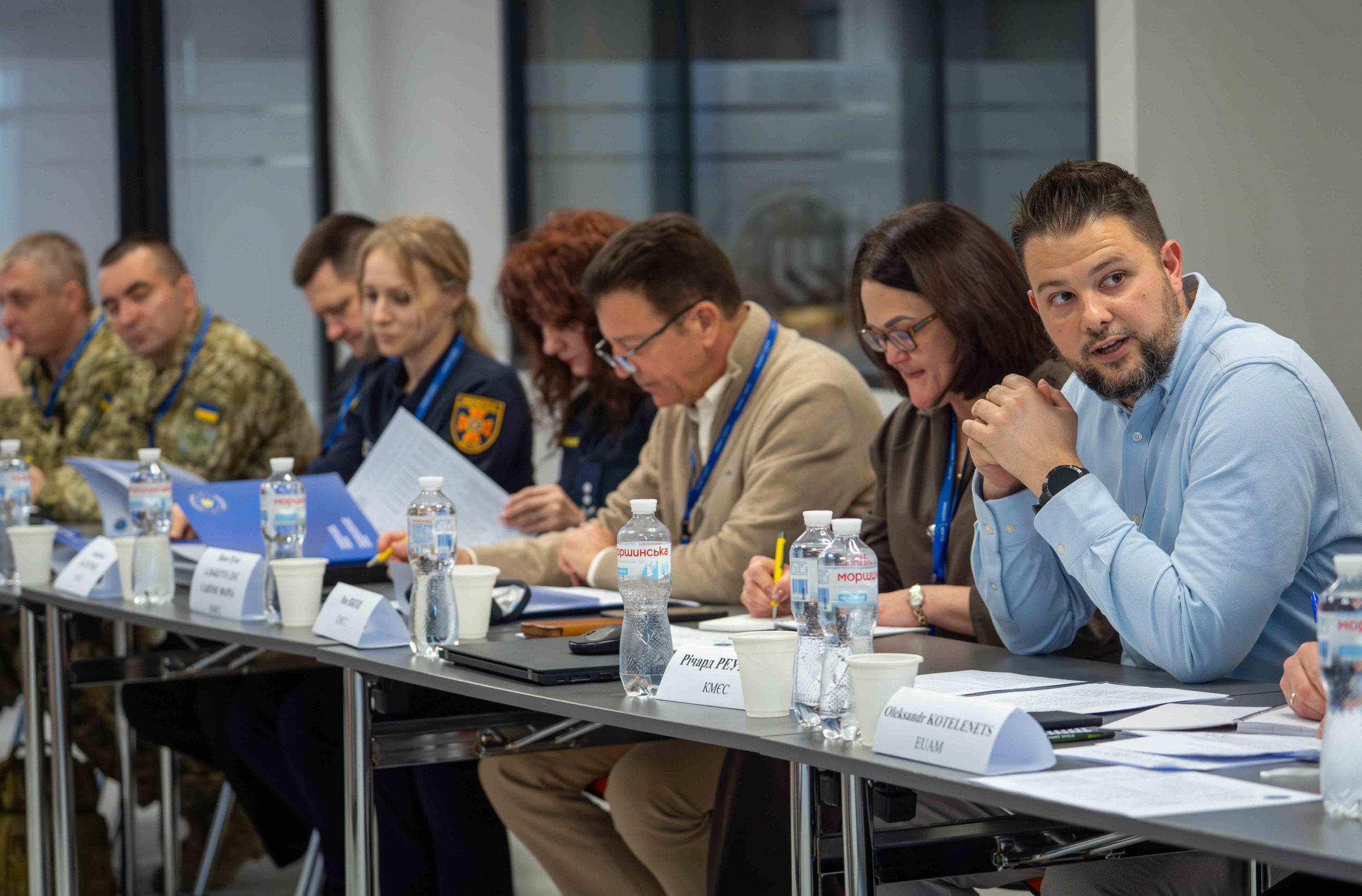
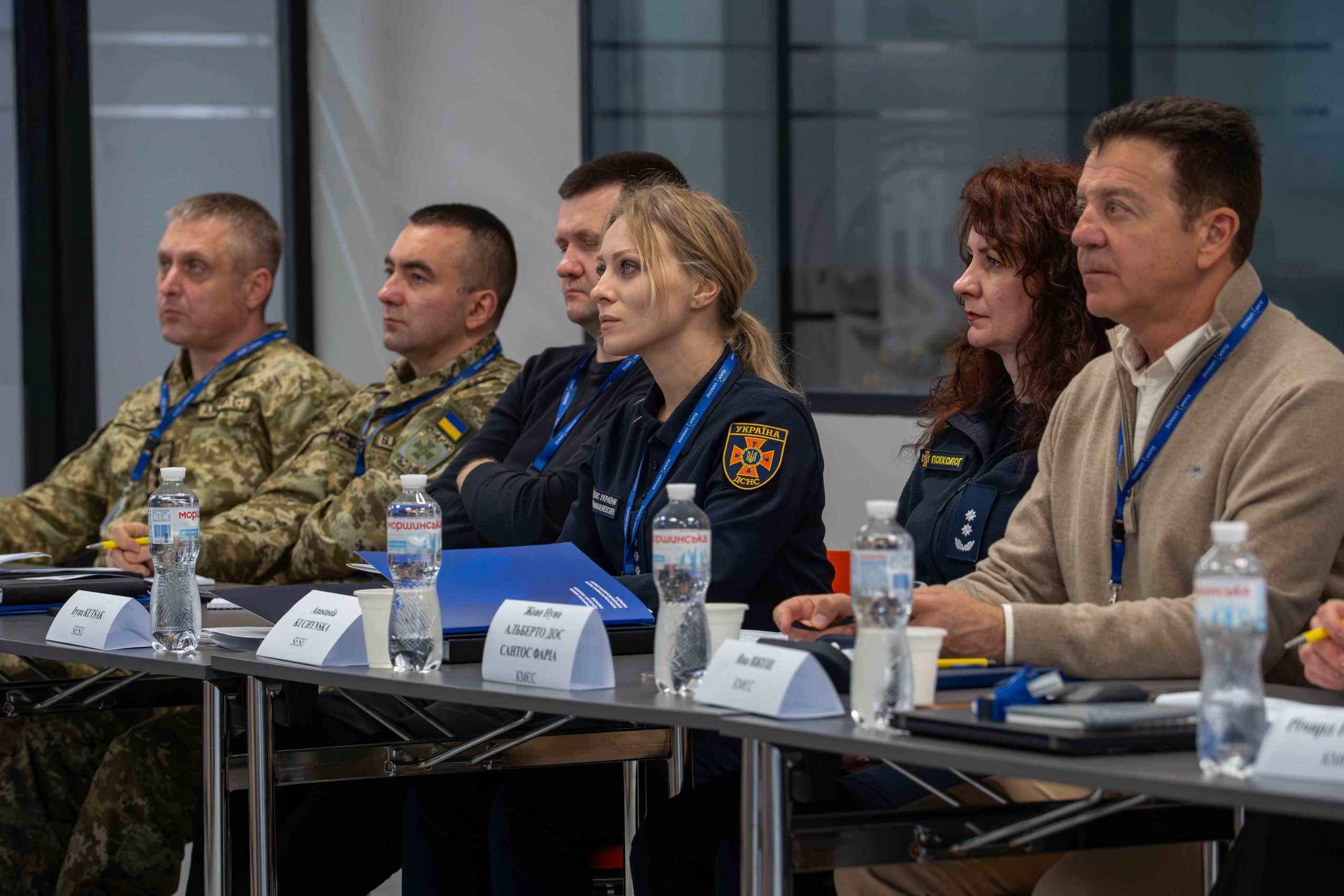
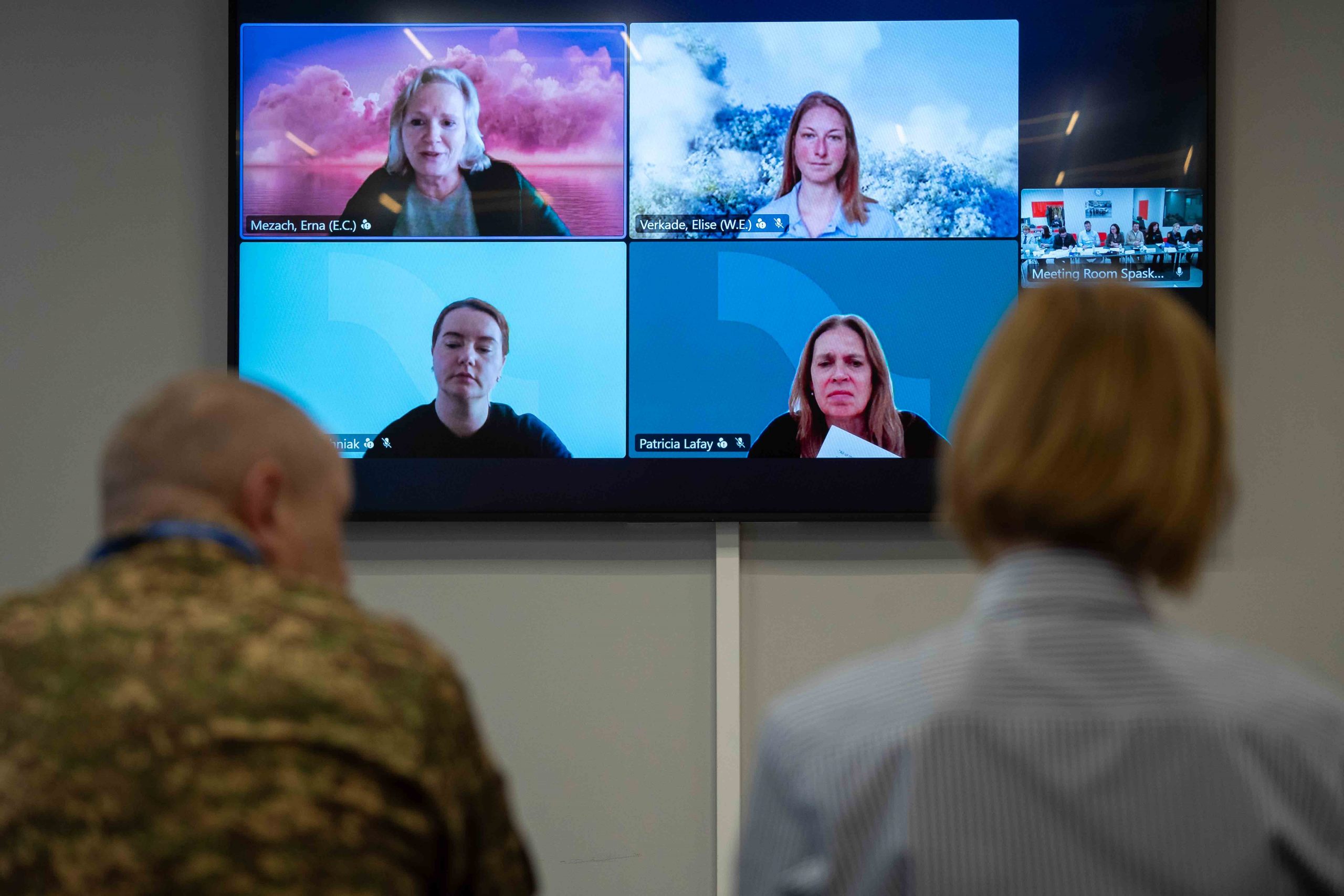
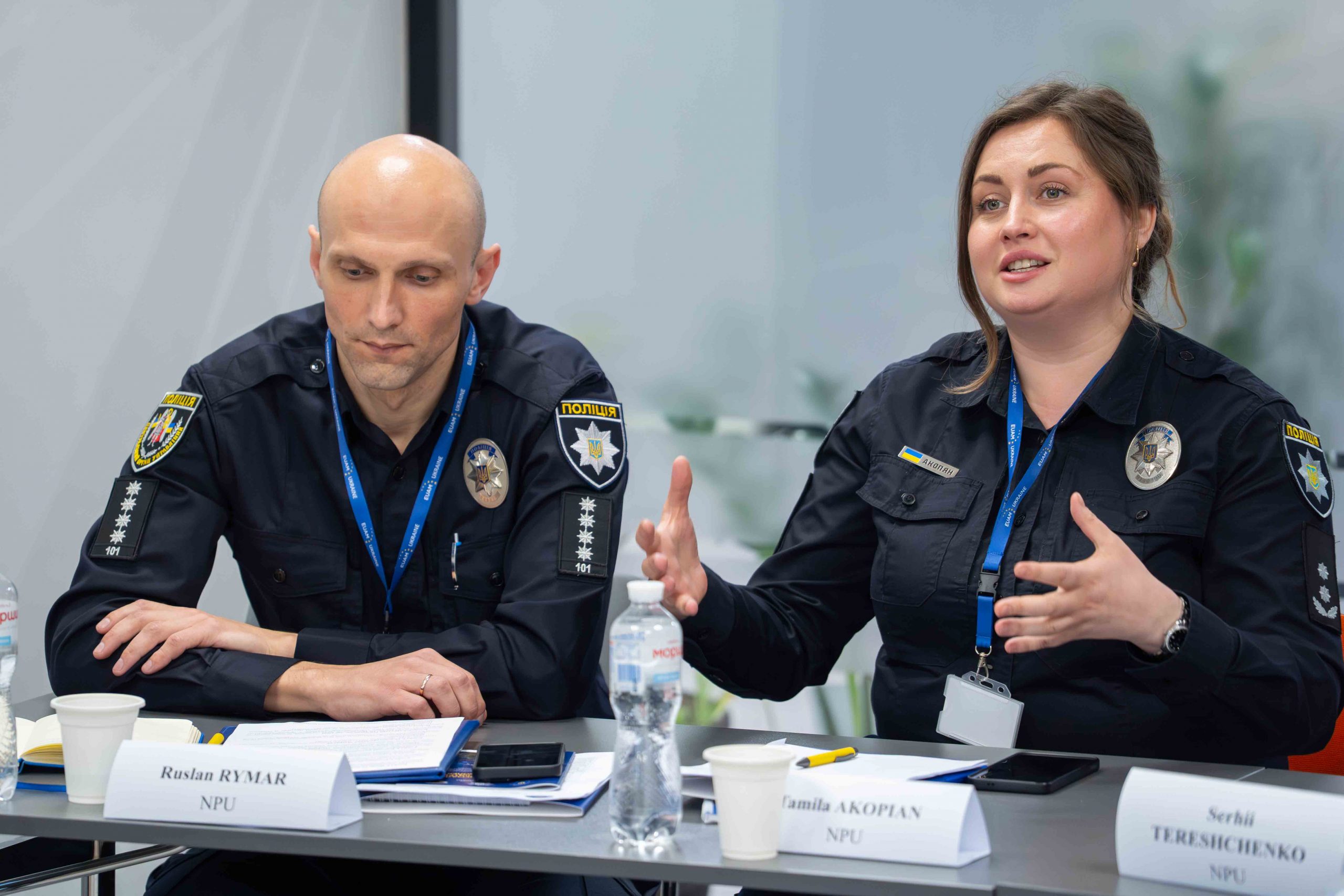
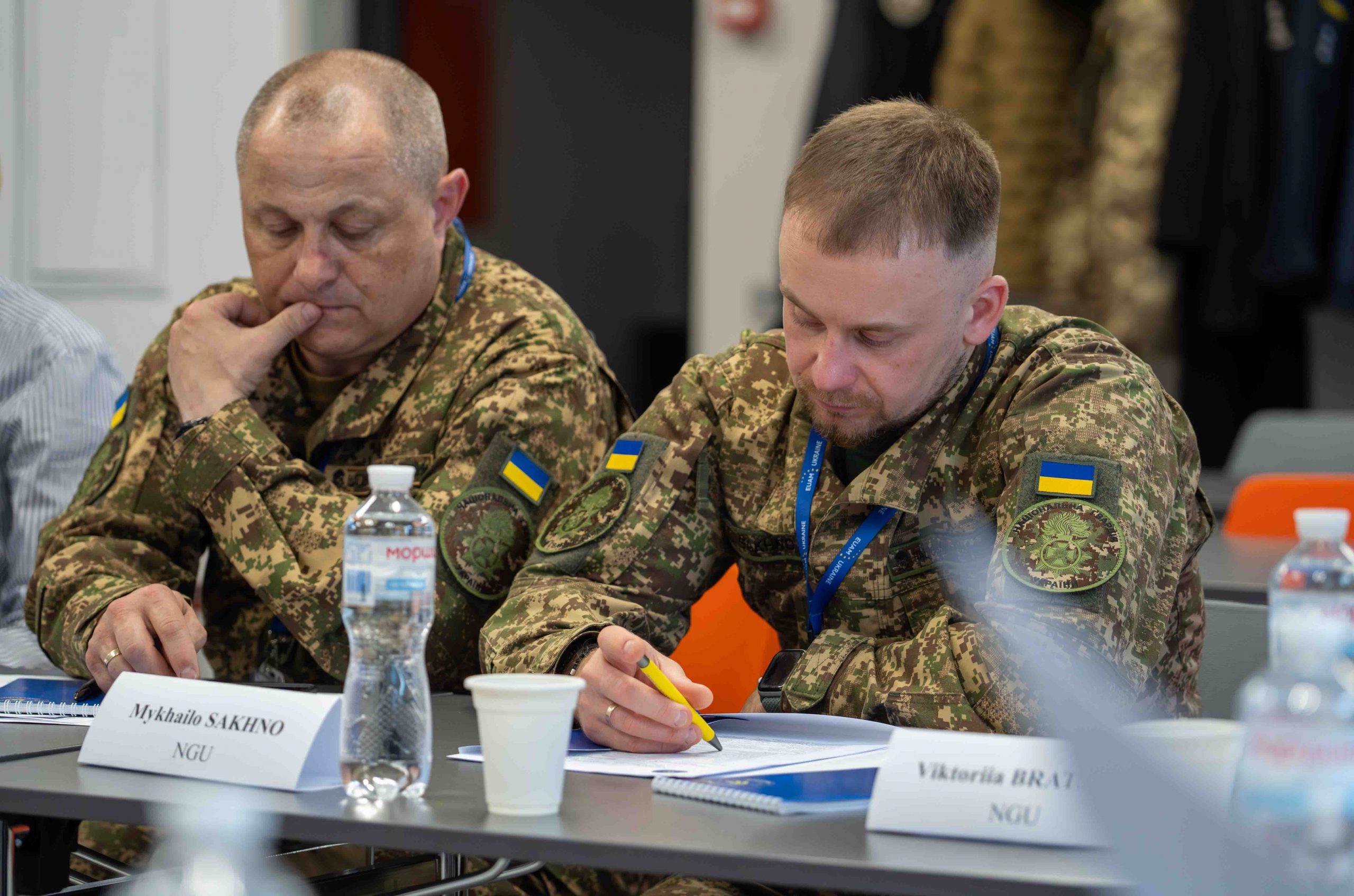
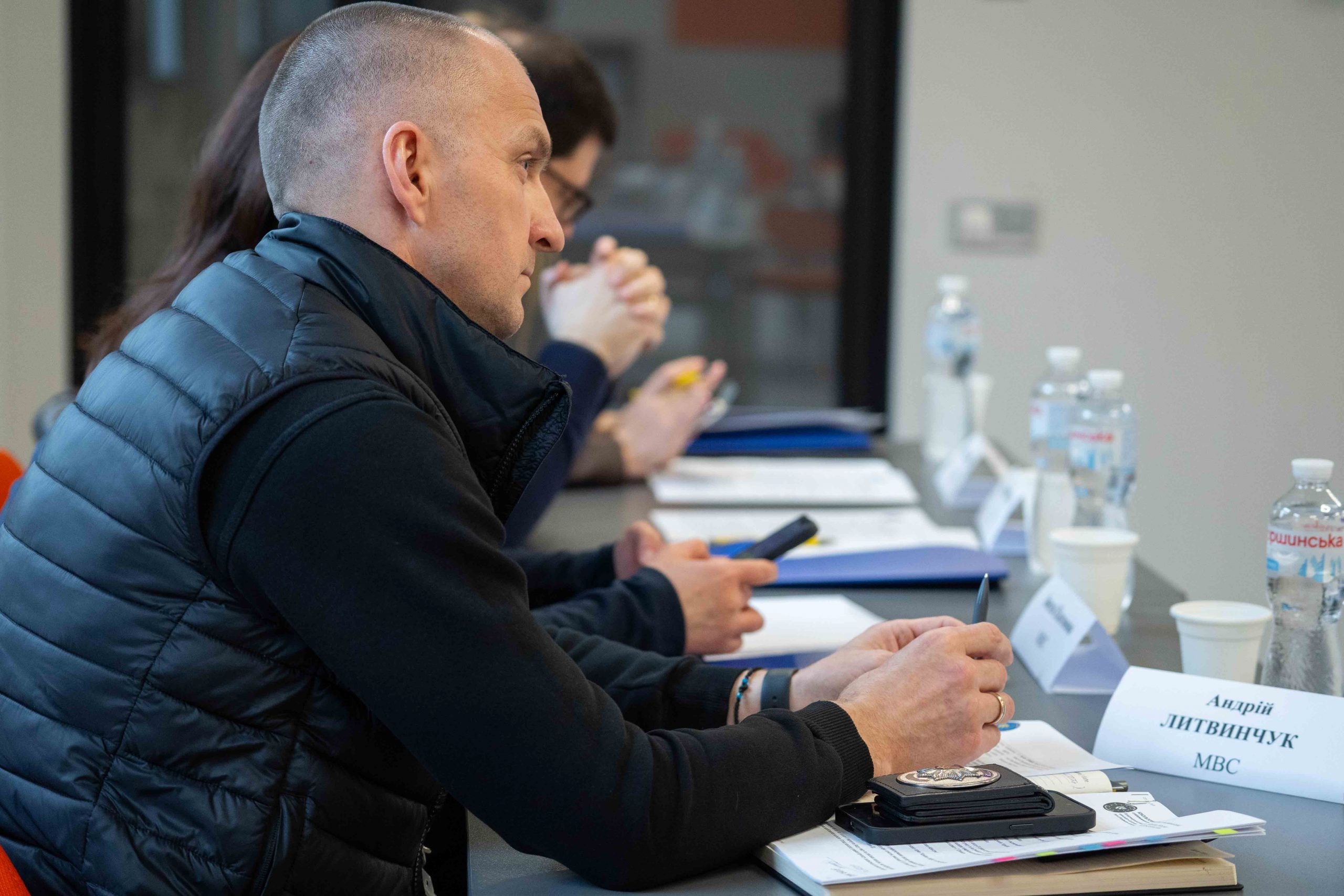
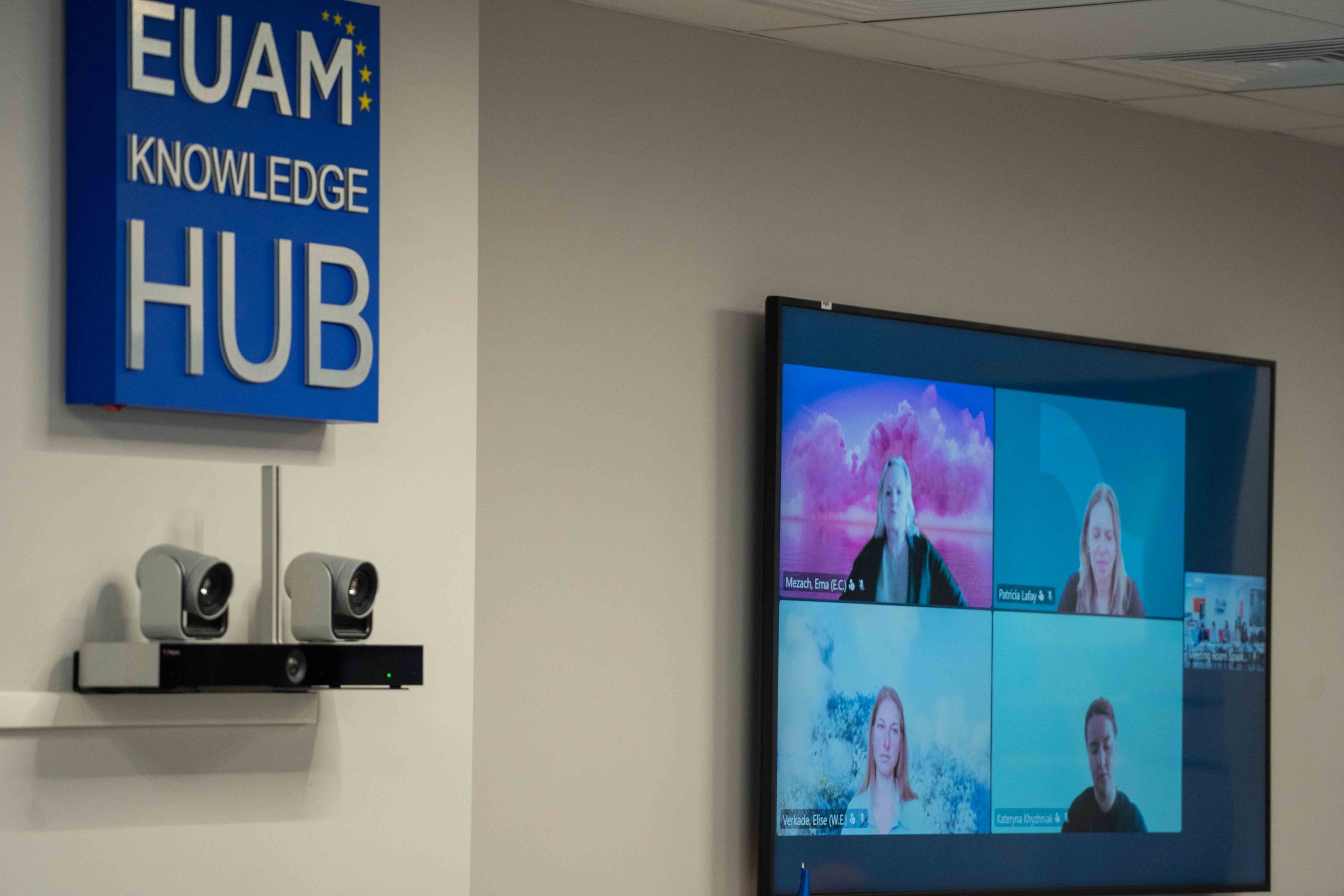
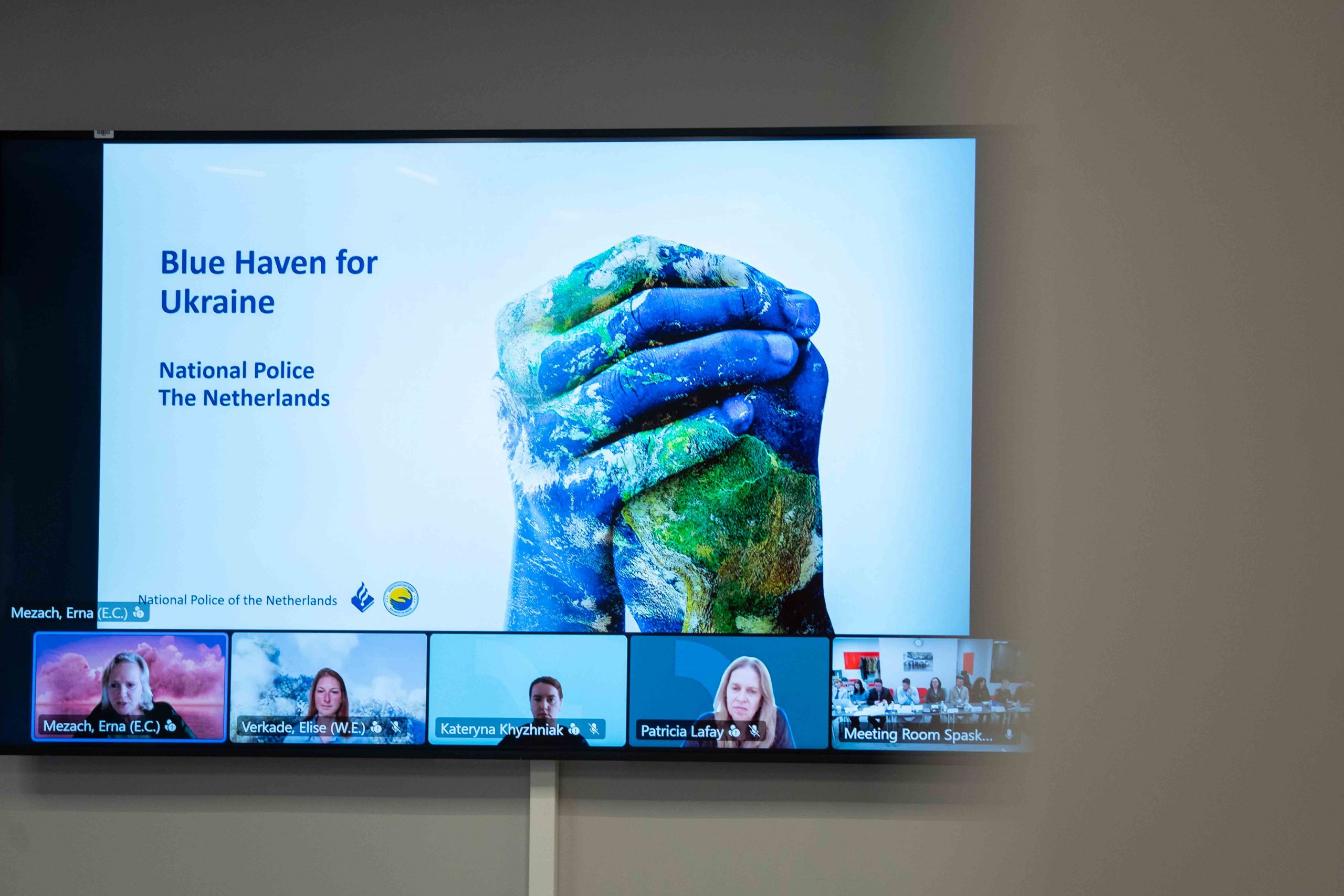
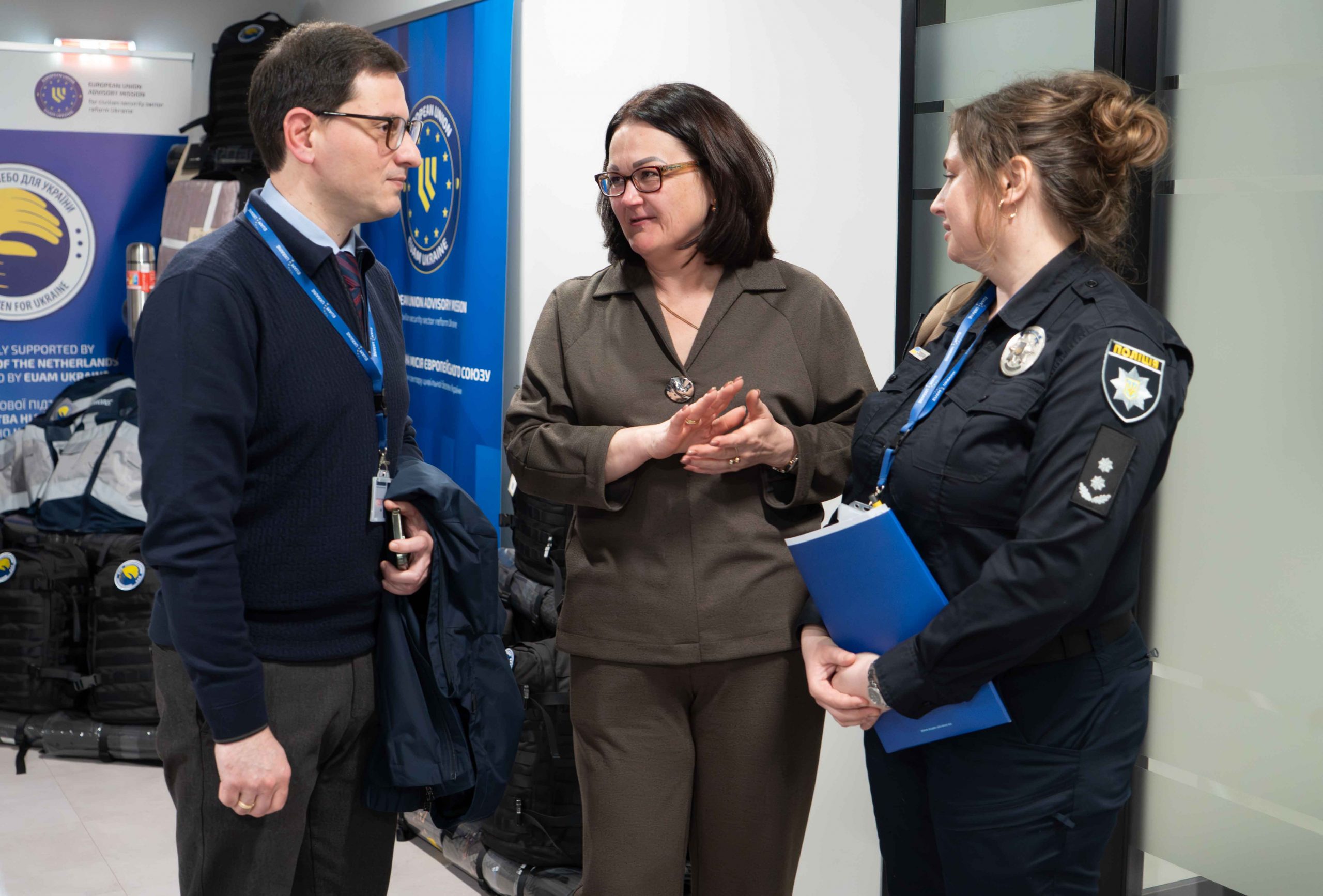
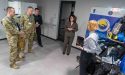
Against this backdrop, last week the European Union Advisory Mission (EUAM) Ukraine organised a roundtable and presented Phase II of the Blue Haven for Ukraine project. This event brought together representatives of the Ministry of Internal Affairs of Ukraine system, including the National Police of Ukraine, the National Guard of Ukraine, the State Border Guard Service of Ukraine and the State Emergency Service of Ukraine, as well as international partners from the Kingdom of the Netherlands, which continue to support this project.
From support to performance
What began as a targeted response within the National Police of Ukraine is now evolving into a broader system.
“When this initiative first began, it was rooted in a simple yet powerful idea: to create a safe and supportive programme where people facing mental health challenges could find stability,” said Richard Reukema, EUAM Adviser on Community Policing. “Today, it has become a meaningful programme embedded in the system.”
Dedicated Blue Haven spaces, trained personnel and a structured Mental Health and Psychosocial Support (MH/PSS) programme have already been introduced last year within the Phase I. Phase II builds on this foundation.
The focus is shifting towards ensuring that institutions can continue to function under sustained pressure. Officers who are supported are better able to maintain concentration, make decisions and respond to people’s needs. In wartime, this directly affects the level of protection provided to civilians.
A system built for wartime realities
Phase II moves from isolated initiatives to a coordinated, system-wide approach. The Ministry of Internal Affairs is working to integrate MH/PSS into a unified framework across all its agencies, ensuring that support is consistent and accessible.
This reflects the reality of daily service in wartime: long hours, exposure to trauma and constant uncertainty. Support needs to be part of routine work, not an exception.
At the same time, the approach goes beyond formal psychological services.
“Today, we are shaping policy in the field of mental health and psychosocial support, which is largely aligned with European approaches, and it is important that we are doing this together with our partners,” said Andrii Kostiuk, Head of the Psychological Support Department of the Ministry of Internal Affairs of Ukraine.
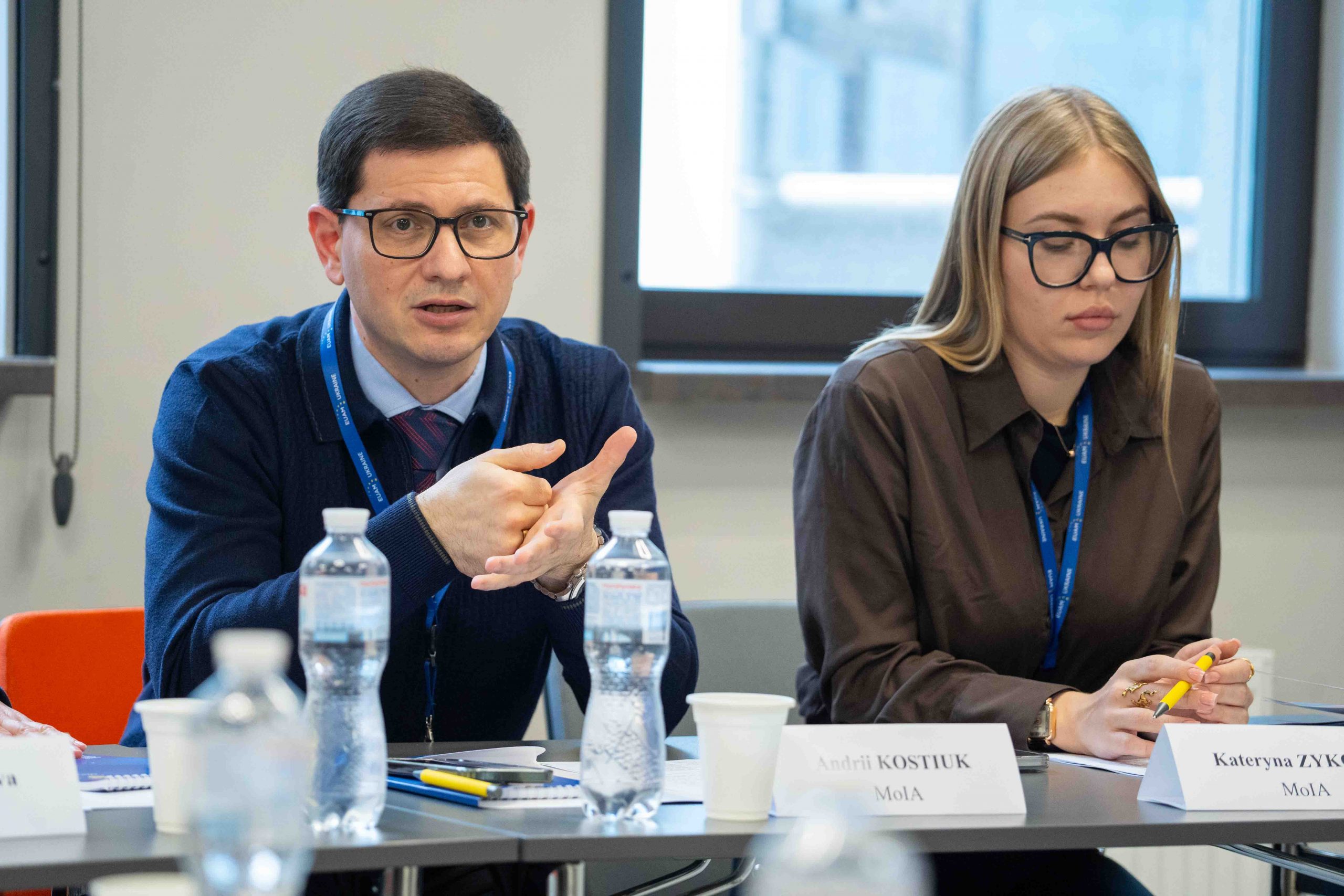
He added that this is not only about psychological assistance: “It is about a culture of mutual support – from leadership to staff and from staff to leadership, across all levels”.
According to Andrii Kostiuk, the Ministry of Internal Affairs is currently building an environment where a community is formed that takes care of one another and is able to provide support in demanding service conditions.






Practical tools, international experience
The project combines Ukrainian experience with international expertise. Partners from the Dutch National Police and the ARQ National Psychotrauma Centre are contributing practical methods adapted to high-stress environments.
These include peer support and buddy systems, as well as trauma-focused clinical approaches. Structured models such as 7ROSES are designed to provide immediate support in critical moments, while longer-term care helps officers process their experiences.
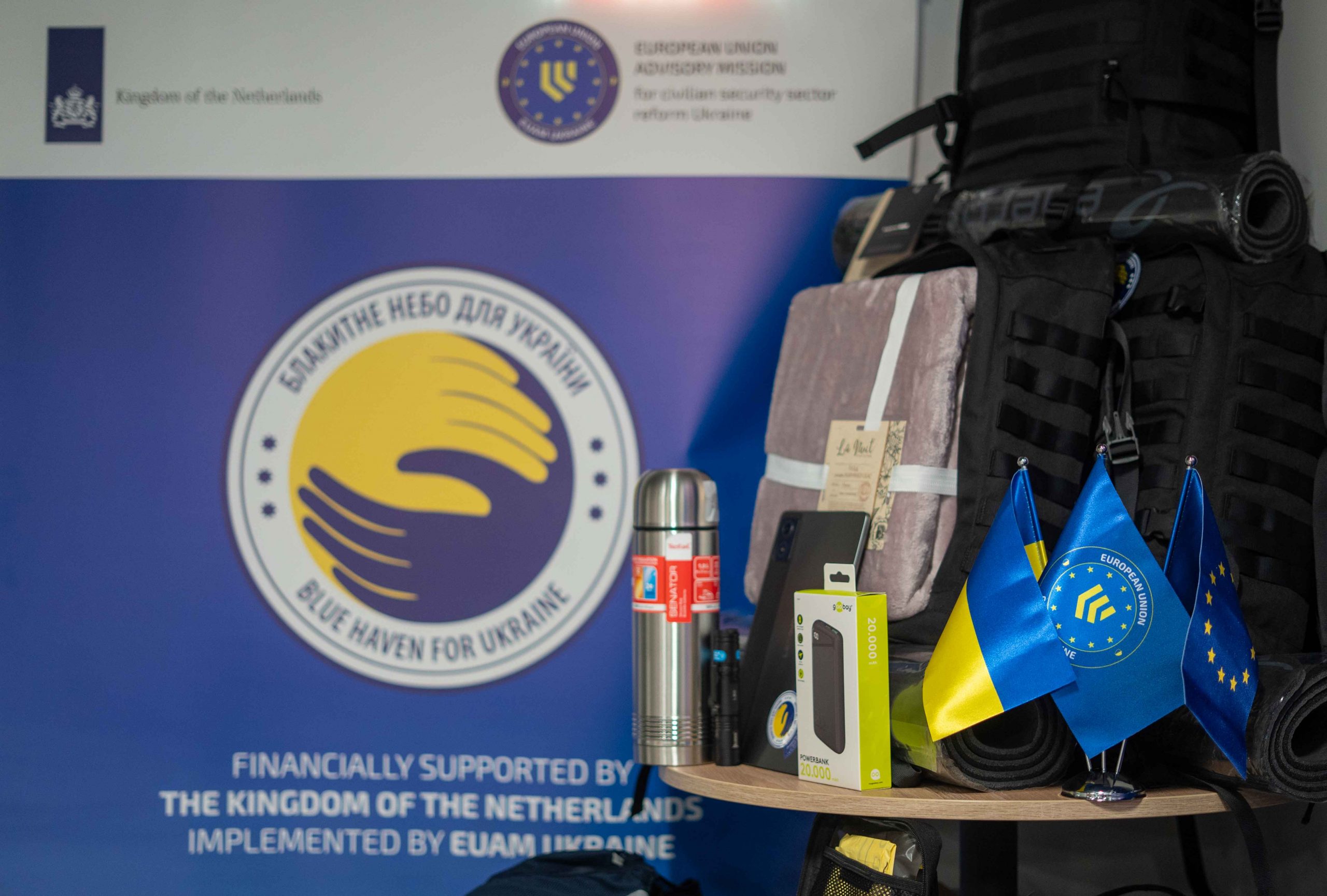
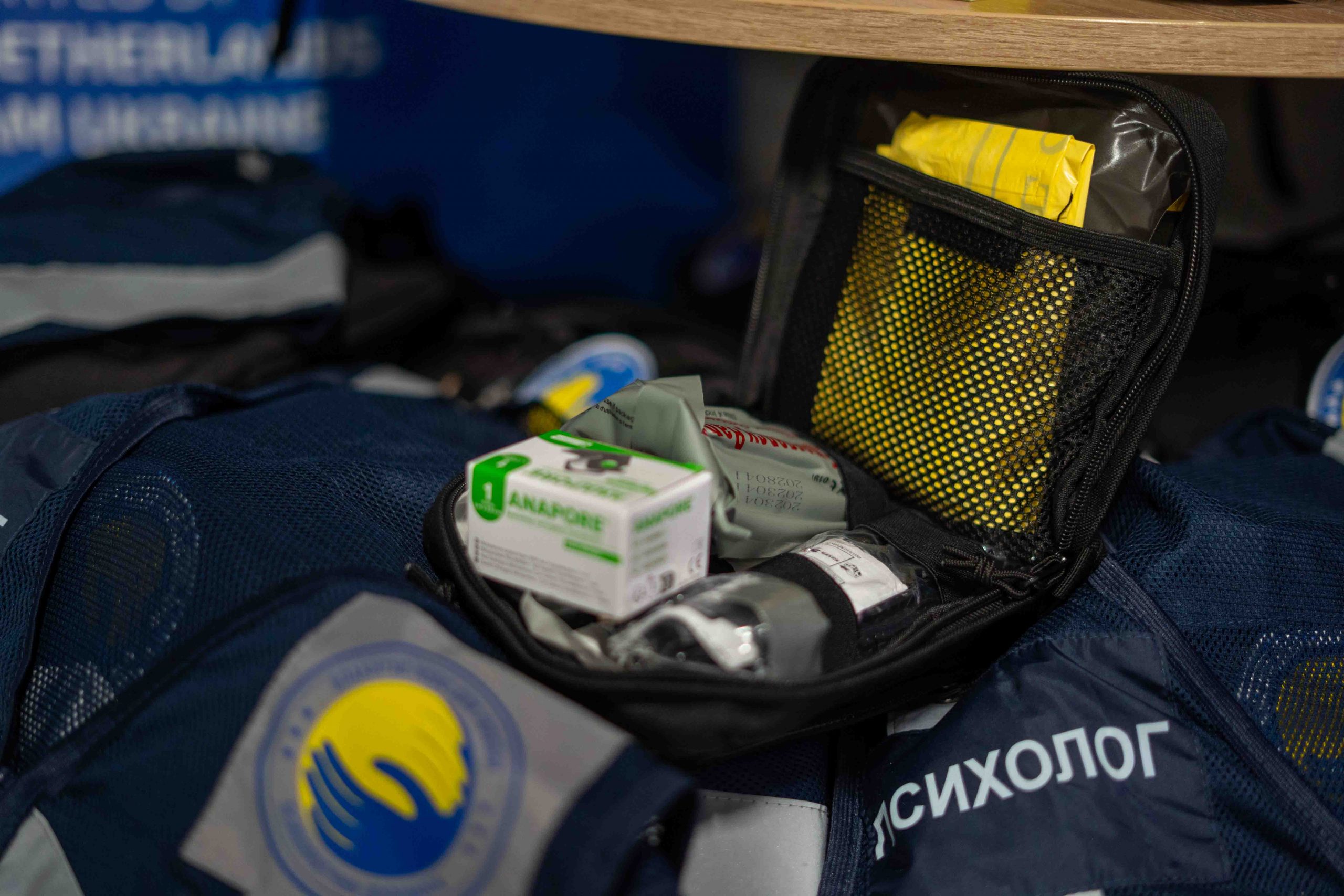
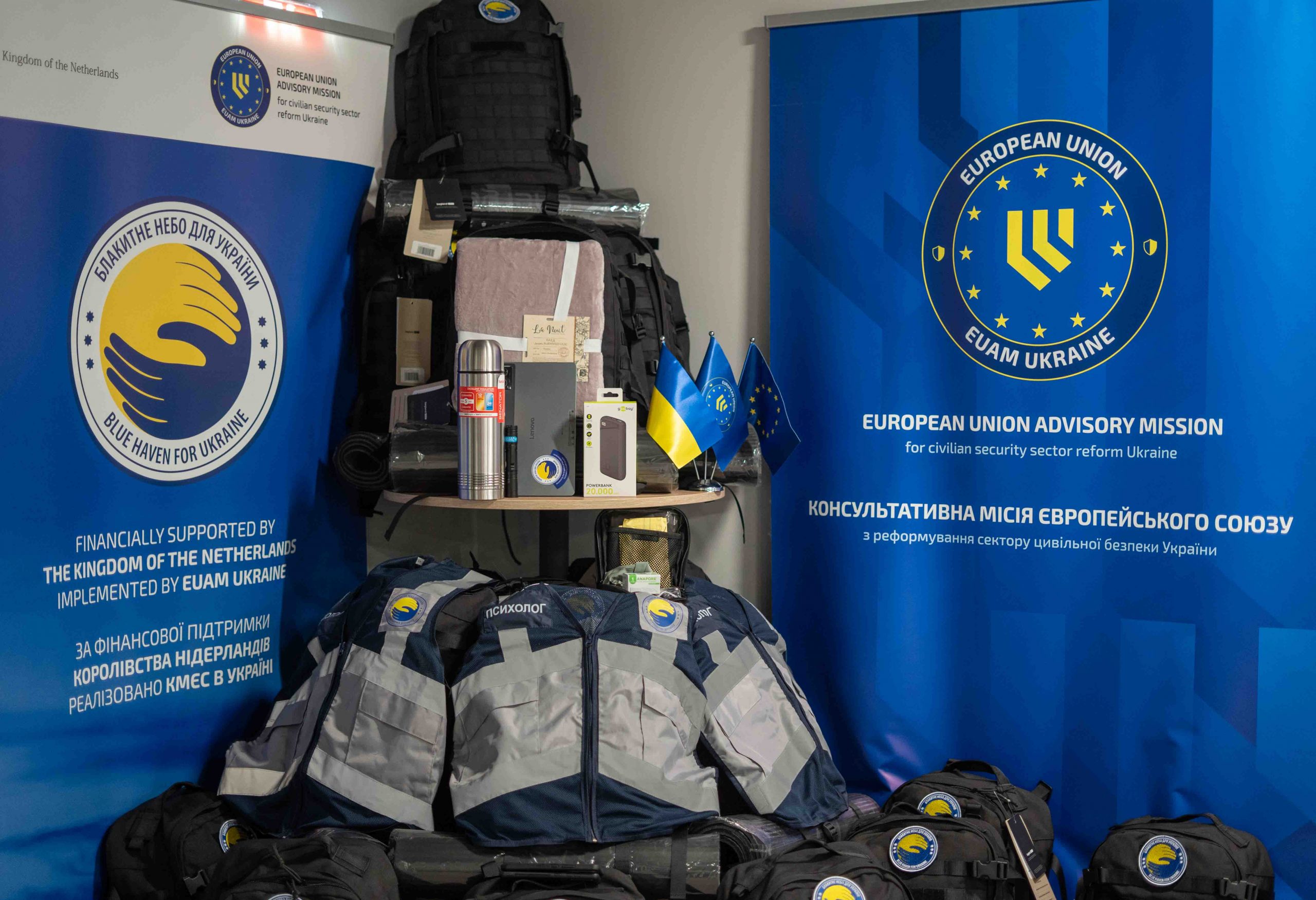
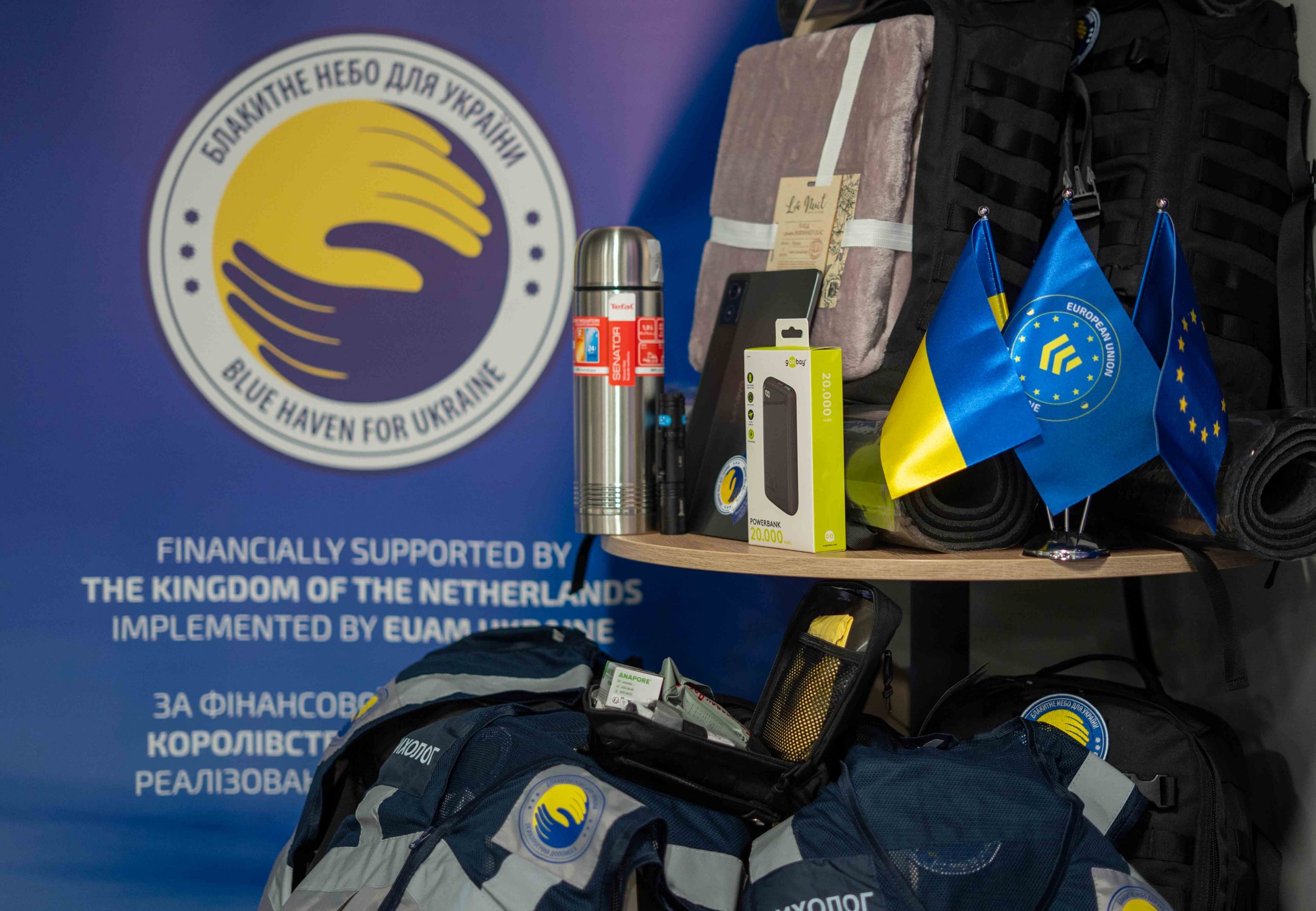
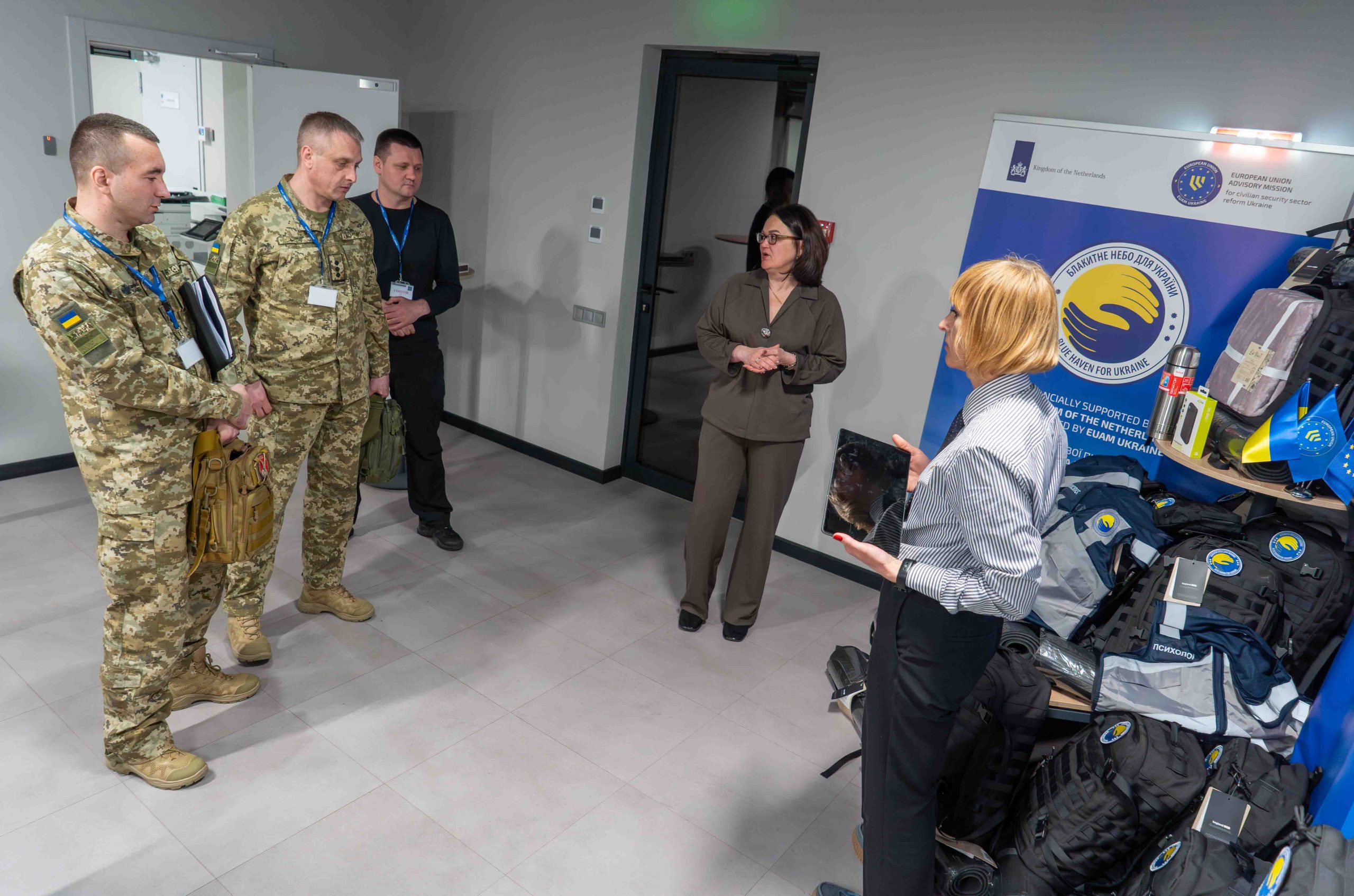
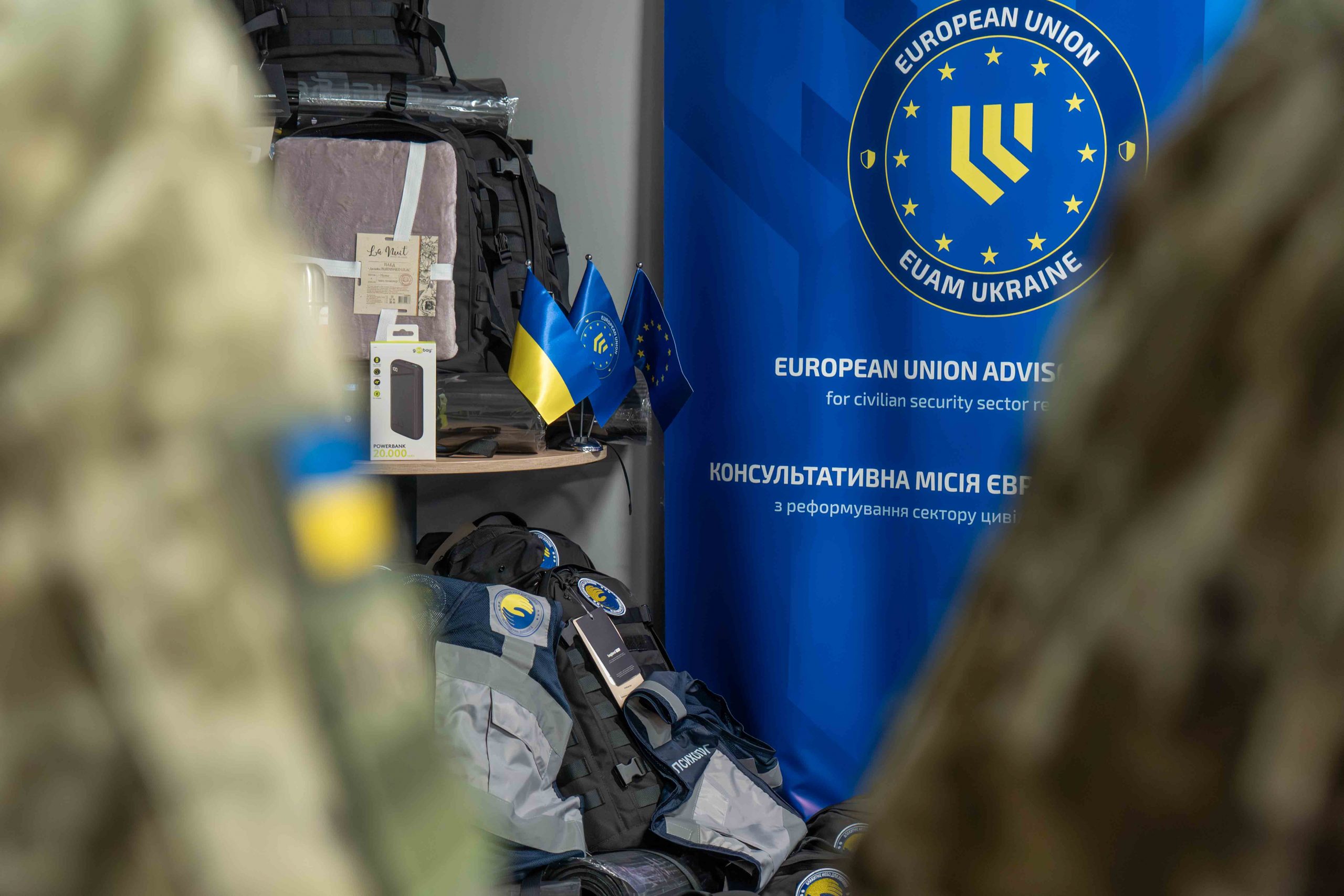
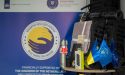
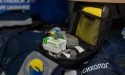
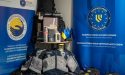
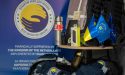
EUAM Ukraine is also equipping Ukrainian psychologists with practical tools to support their work in the field, ensuring that assistance can be provided where it is most needed. During the roundtable, the Mission presented part of this support, including backpacks containing essential items such as first aid kits, reflective vests, thermoses, flashlights, thermal blankets, sleeping mats, tablets and portable power banks.
“As we look ahead, let us remember that Blue Haven for Ukraine is not only about mental health support,” Richard Reukema underlined. “It is about awareness, strengthening those who serve society, and shaping a better future for Ukraine.”
In a country at war, this is not a side effort. It is part of how protection works.
