
TRUST, REFORMS AND EU INTEGRATION – WHAT UKRAINIANS THINK IN 2026
November 12, 2026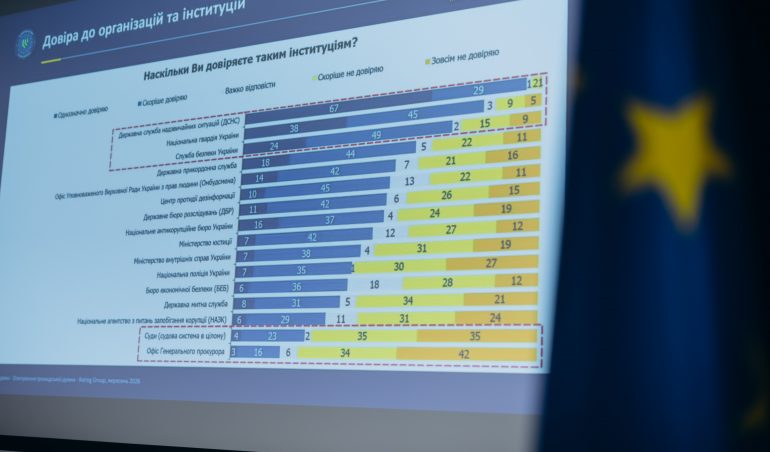
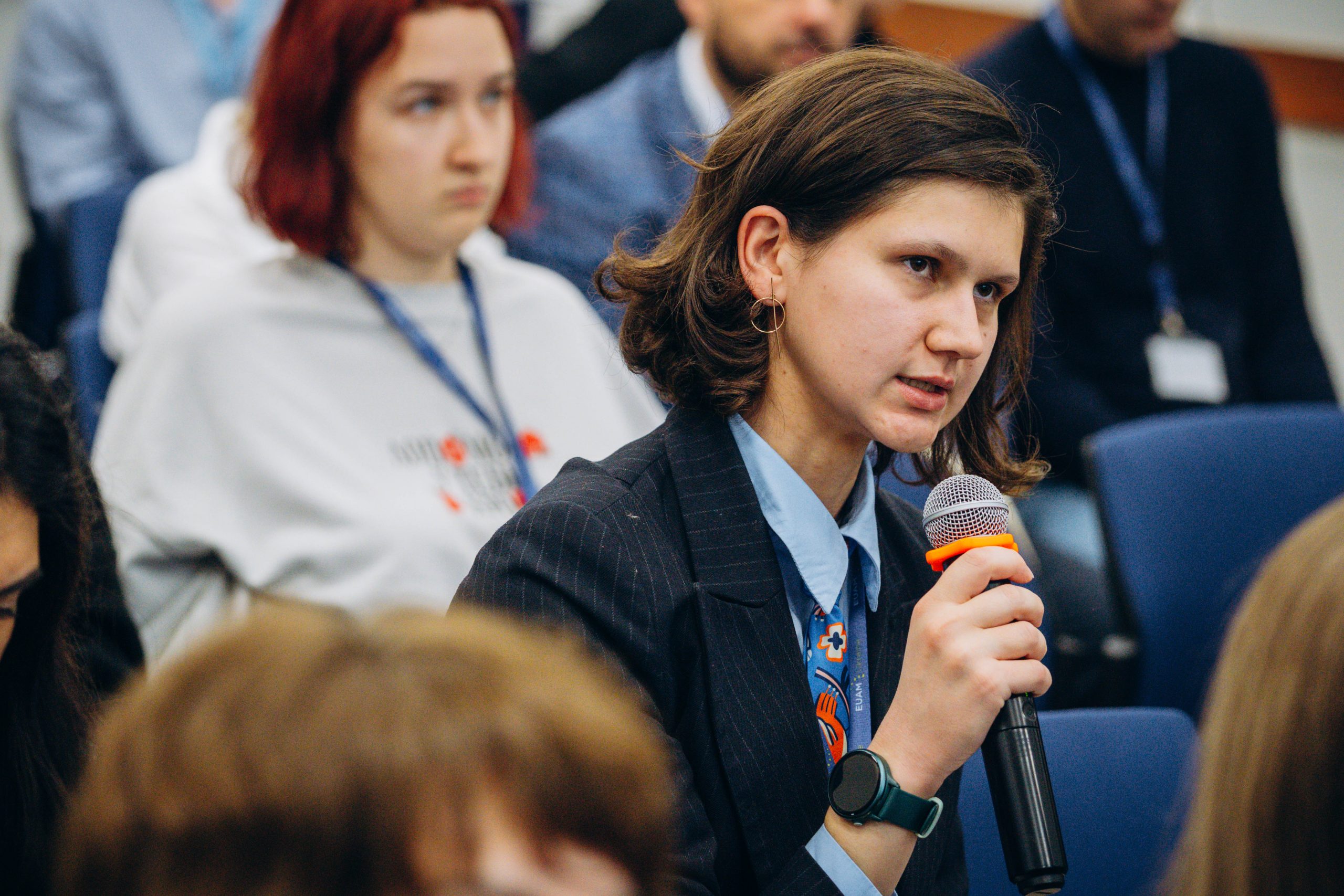
On 11 November, the European Union Advisory Mission (EUAM) Ukraine and Rating Group presented the findings of their annual nationwide public opinion survey in Kyiv, examining public trust in institutions, reform priorities and attitudes towards EU integration.
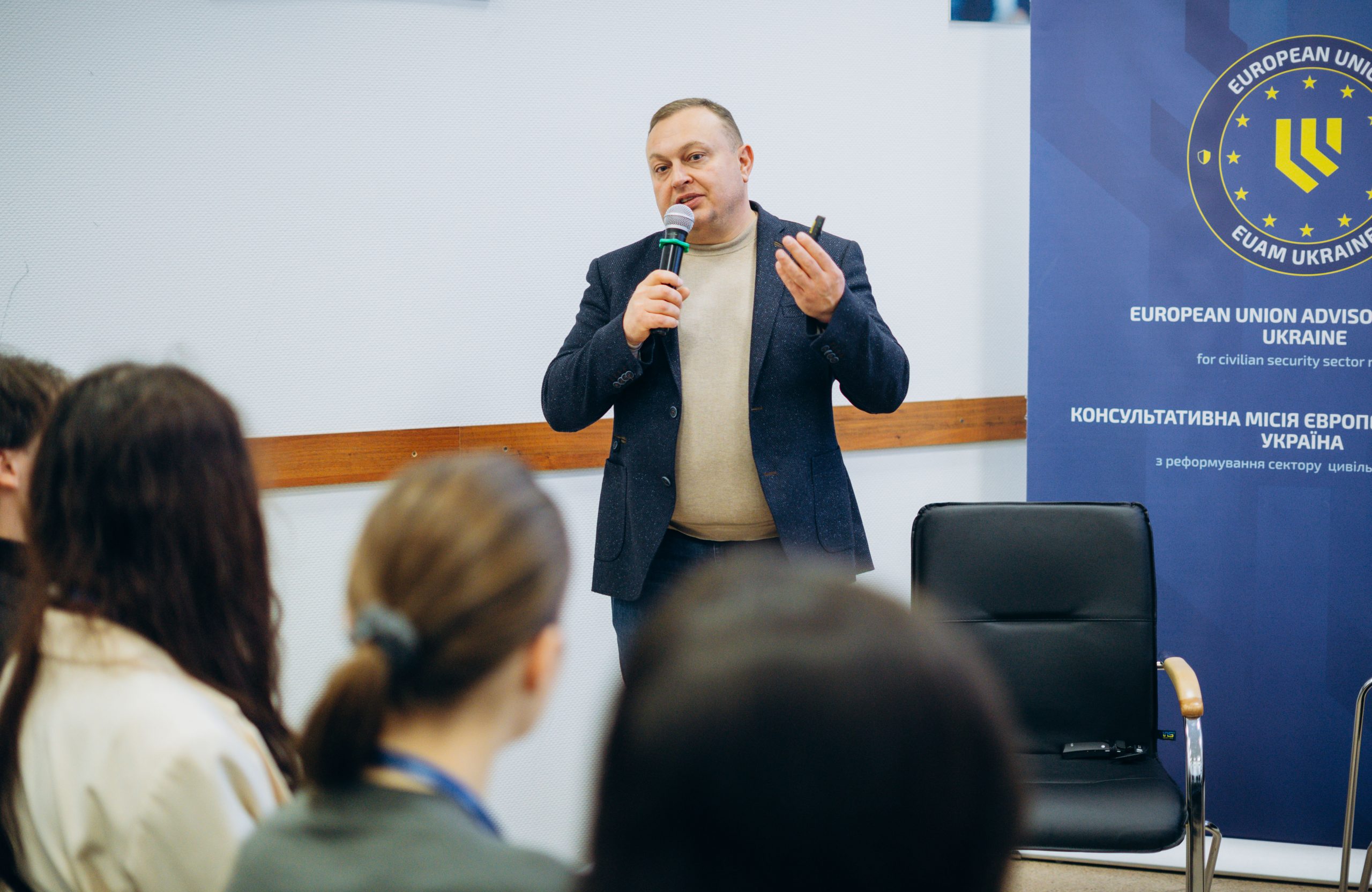
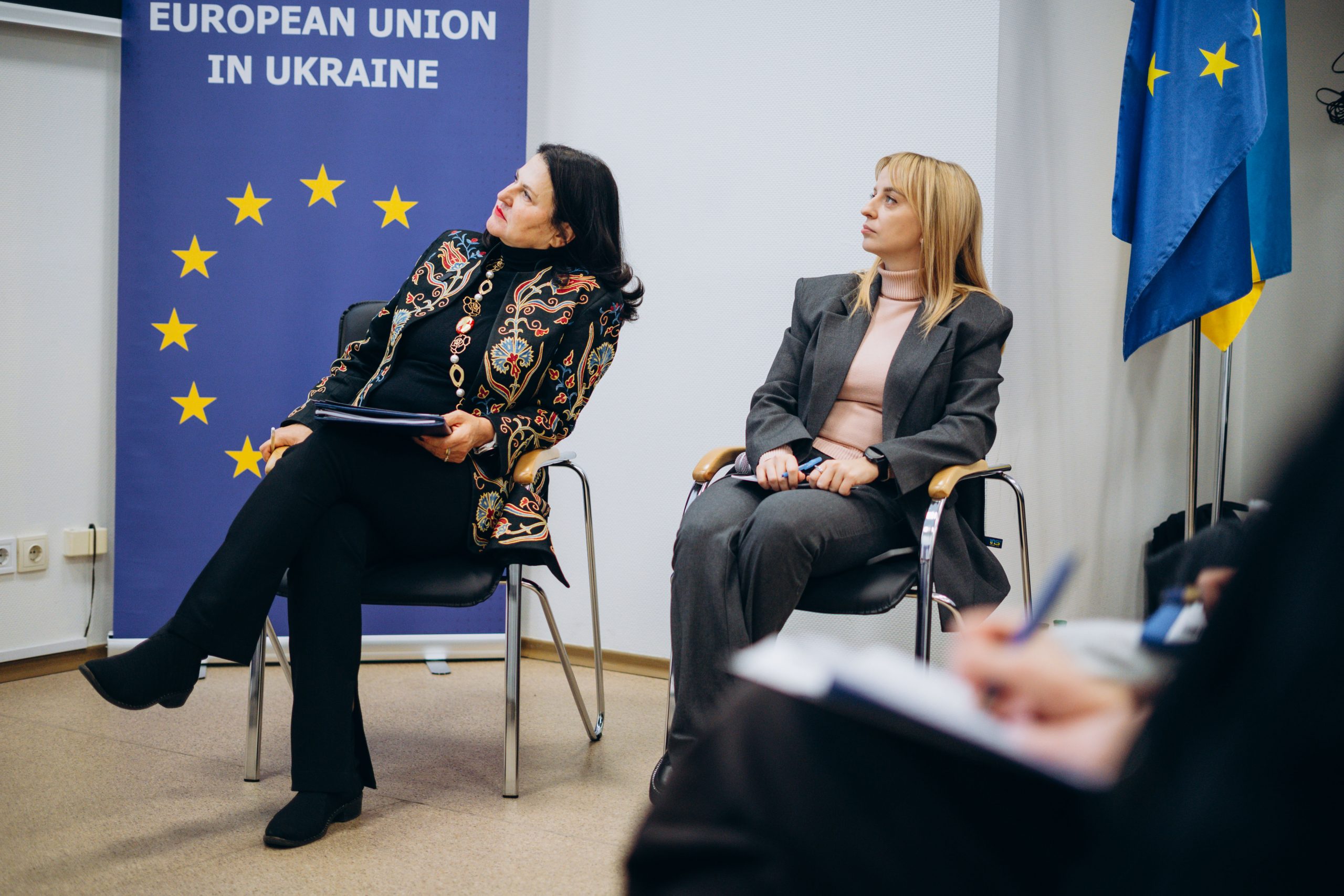
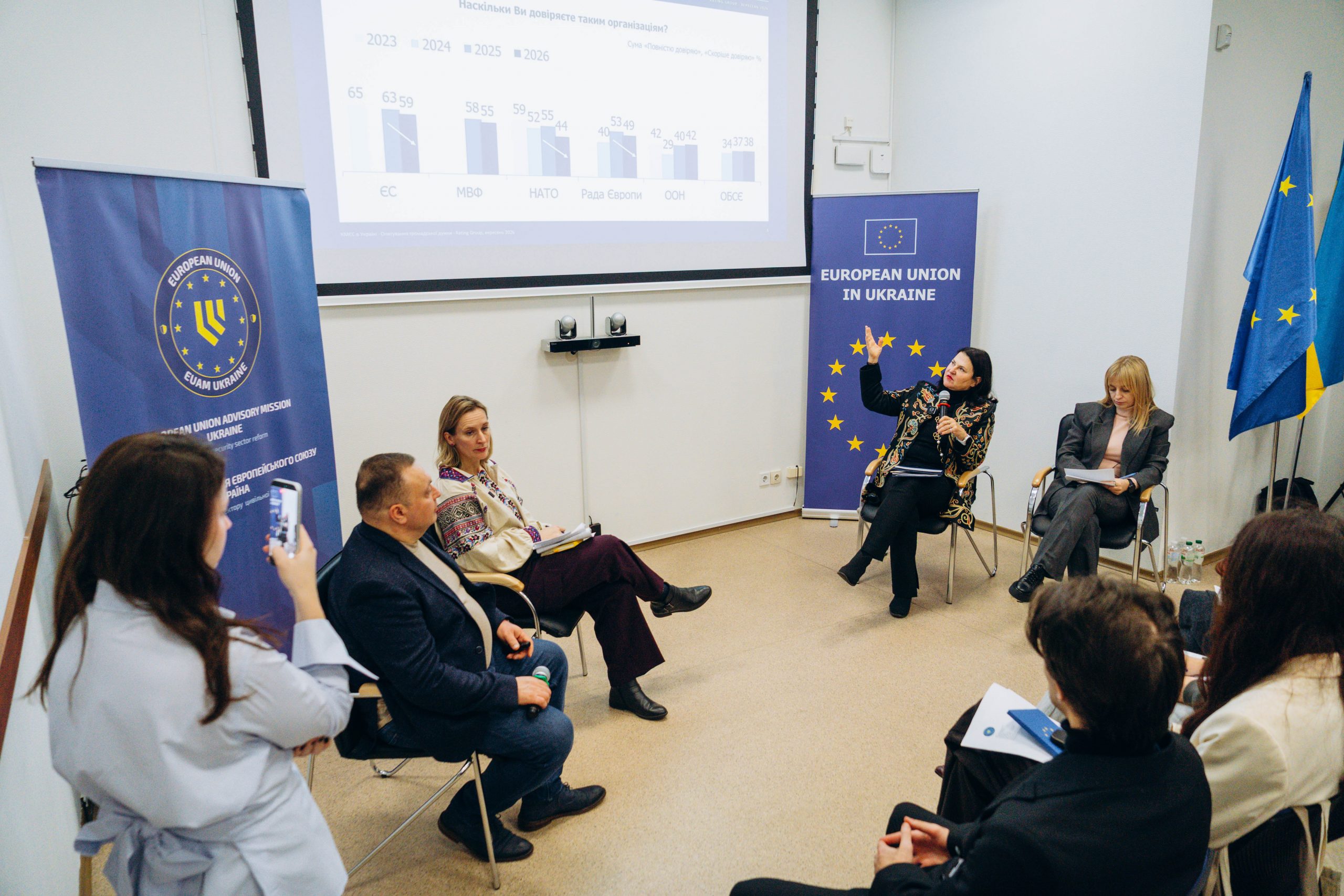
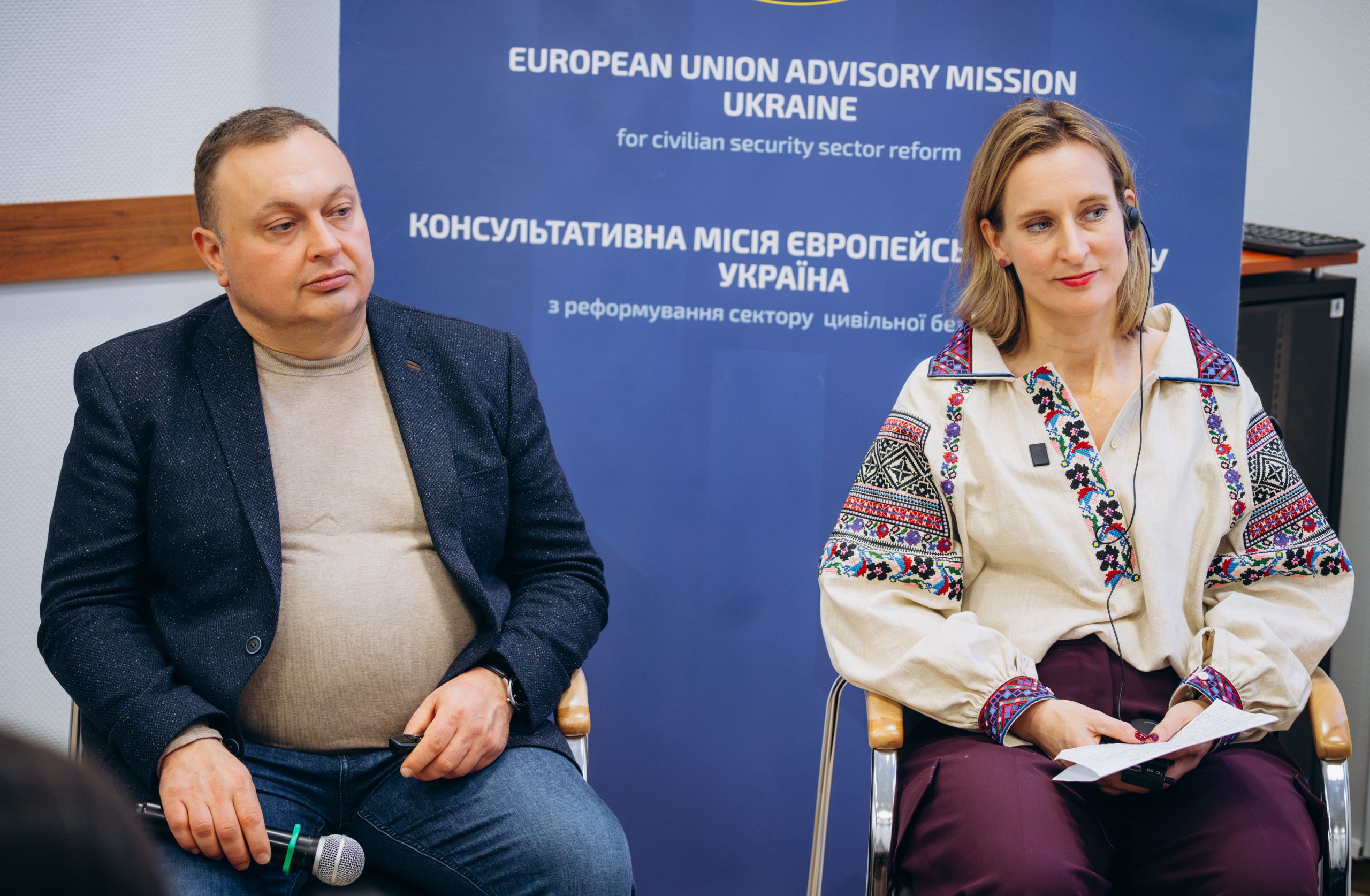
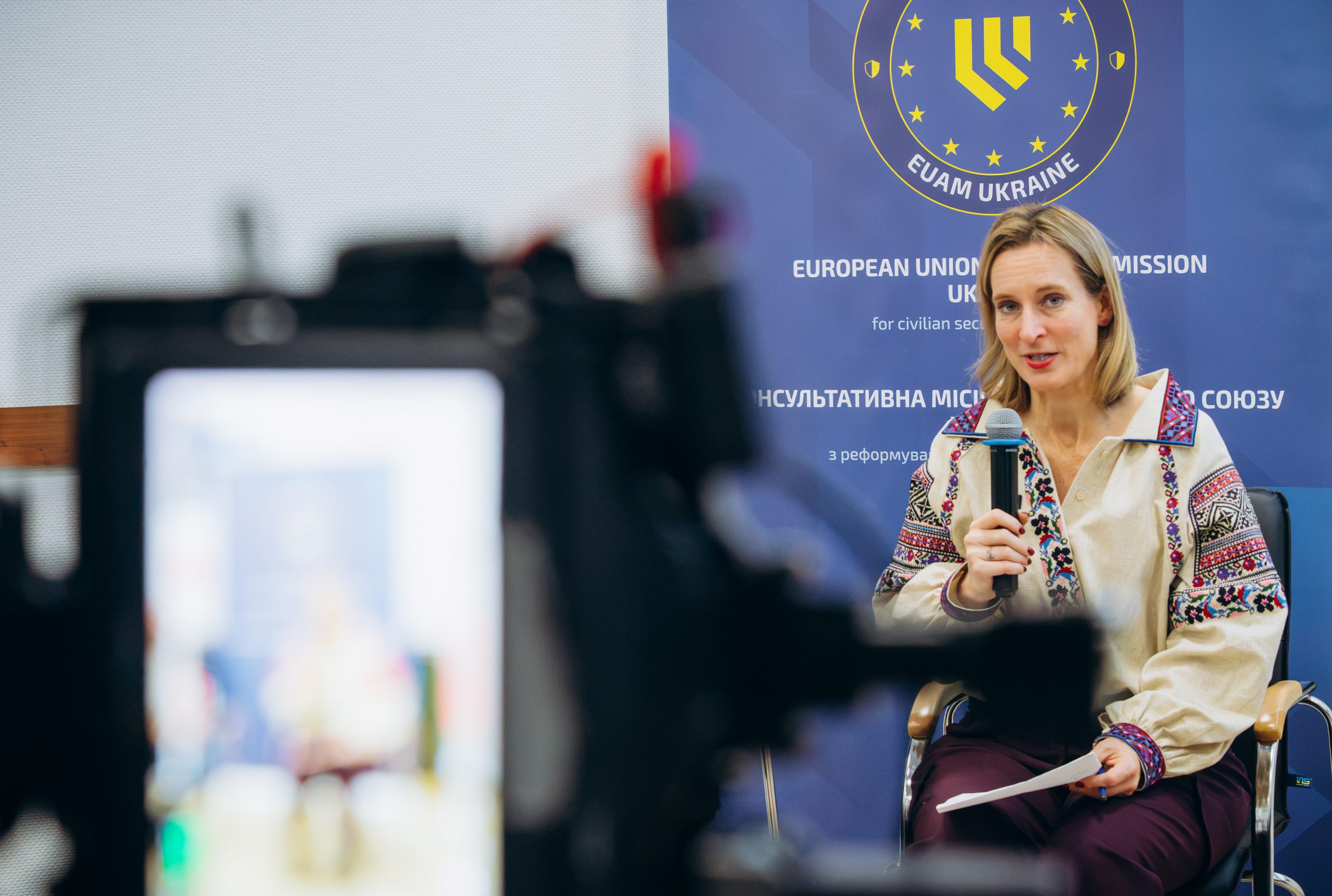
Oleksii Antypovych, Director of Rating Group, presented the findings, followed by a discussion with Cornelia Taylor, Head of EUAM Ukraine, Katarína Mathernová, EU Ambassador to Ukraine, and Kateryna Pavlichenko, Deputy Minister of Internal Affairs of Ukraine.
Public trust and reform priorities
Among the international organisations surveyed, the European Union remains the most trusted, at 59%, followed by the International Monetary Fund (56%), the Council of Europe (49%) and NATO (44%).
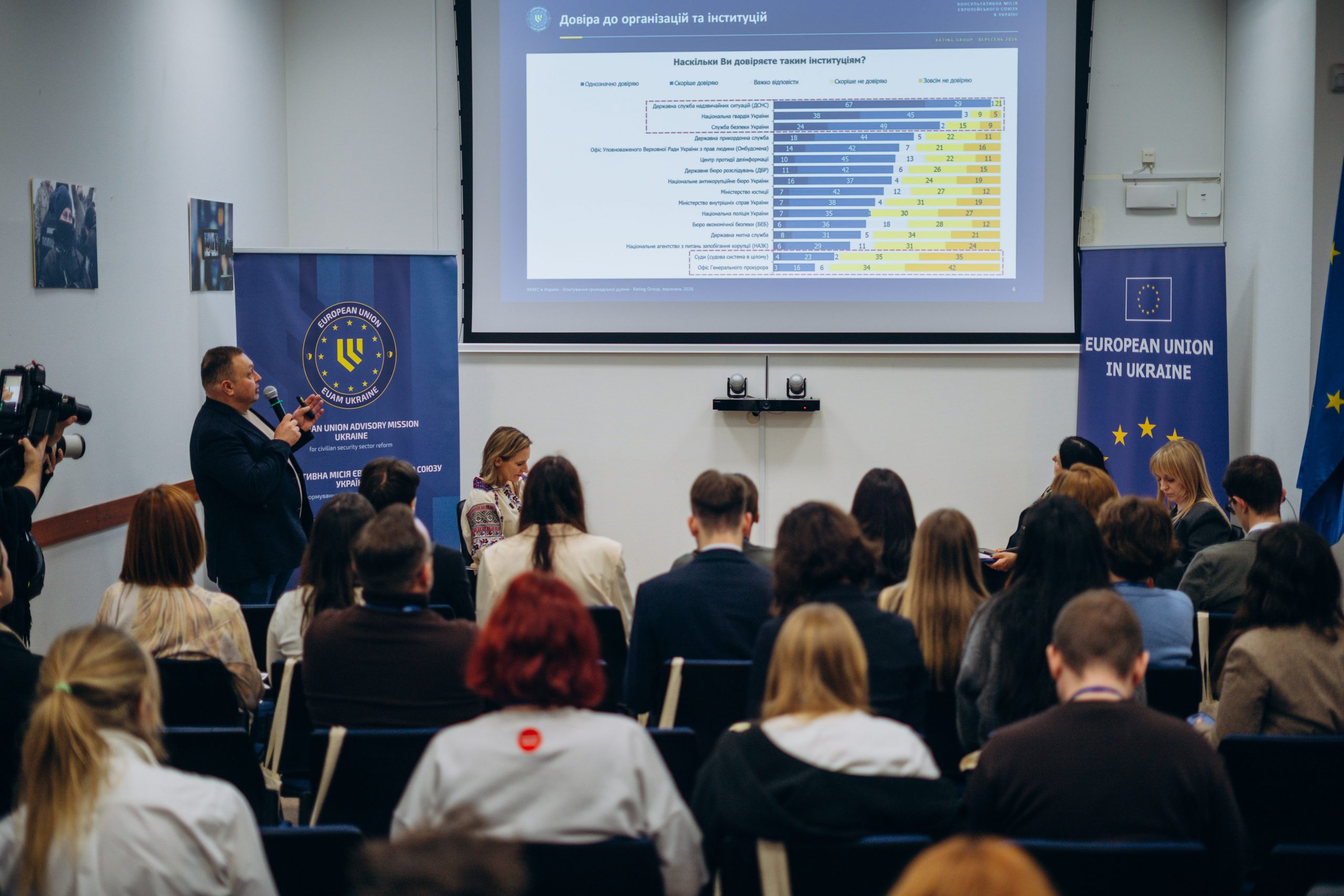
Among Ukrainian institutions, the State Emergency Service received the highest trust rating (96%), followed by the National Guard (83%), the Security Service of Ukraine (73%) and the State Border Guard Service (62%). Trust in the National Police stands at 42%, compared with 27% for the judiciary and 19% for the Office of the Prosecutor General.
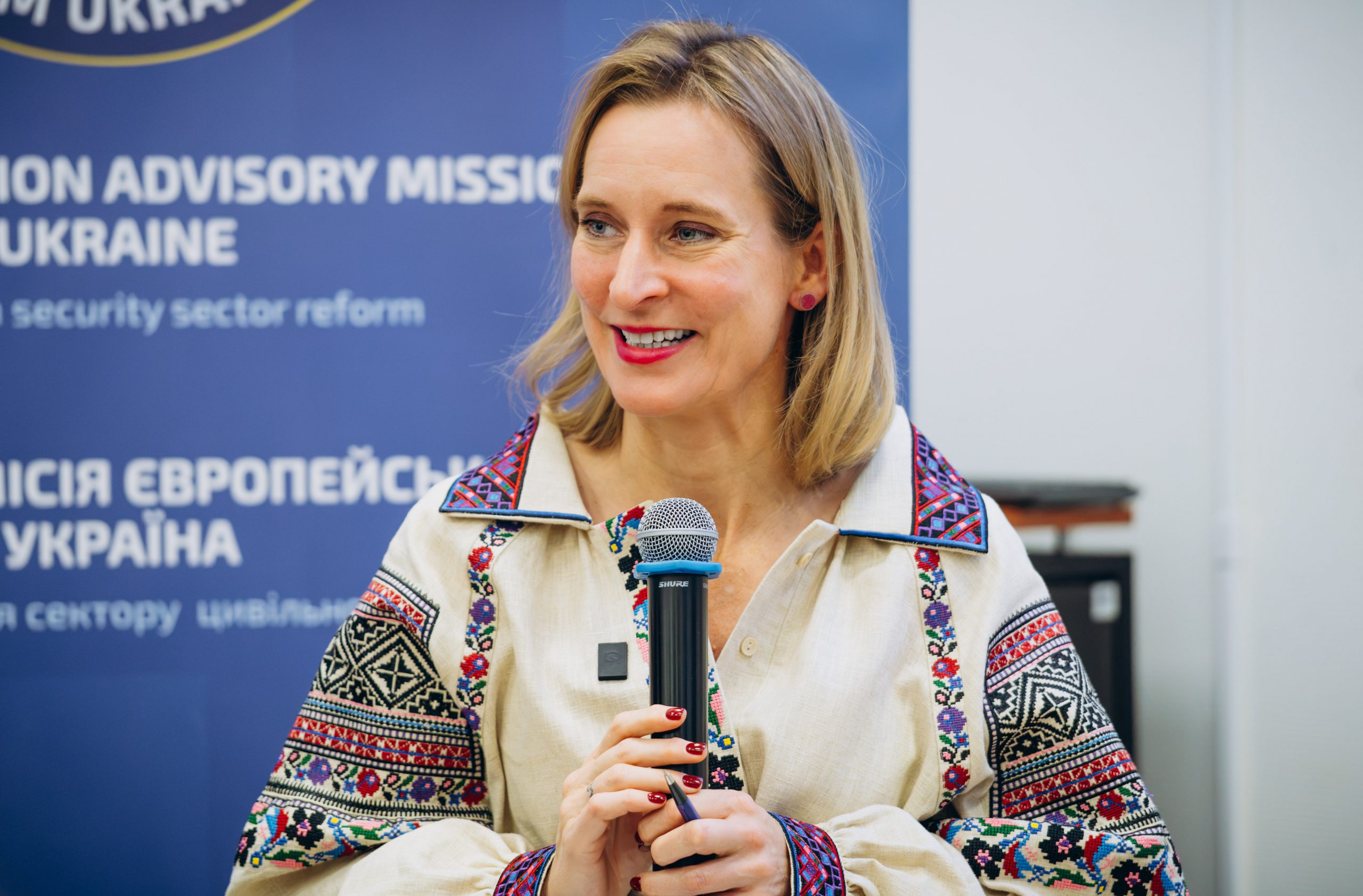
“EUAM Ukraine supports our Ukrainian partners in achieving sustainable reform of the civilian security sector through strategic advice and practical support for specific reform measures, based on EU standards and international principles of good governance and human rights. These reforms must respond to citizens’ needs. A survey like this helps us listen to Ukrainians, understand their expectations and guide our support. Together with our partners, we seek practical improvements that make institutions more effective, accountable and trusted,” said Cornelia Taylor, Head of EUAM Ukraine.
EU integration and support
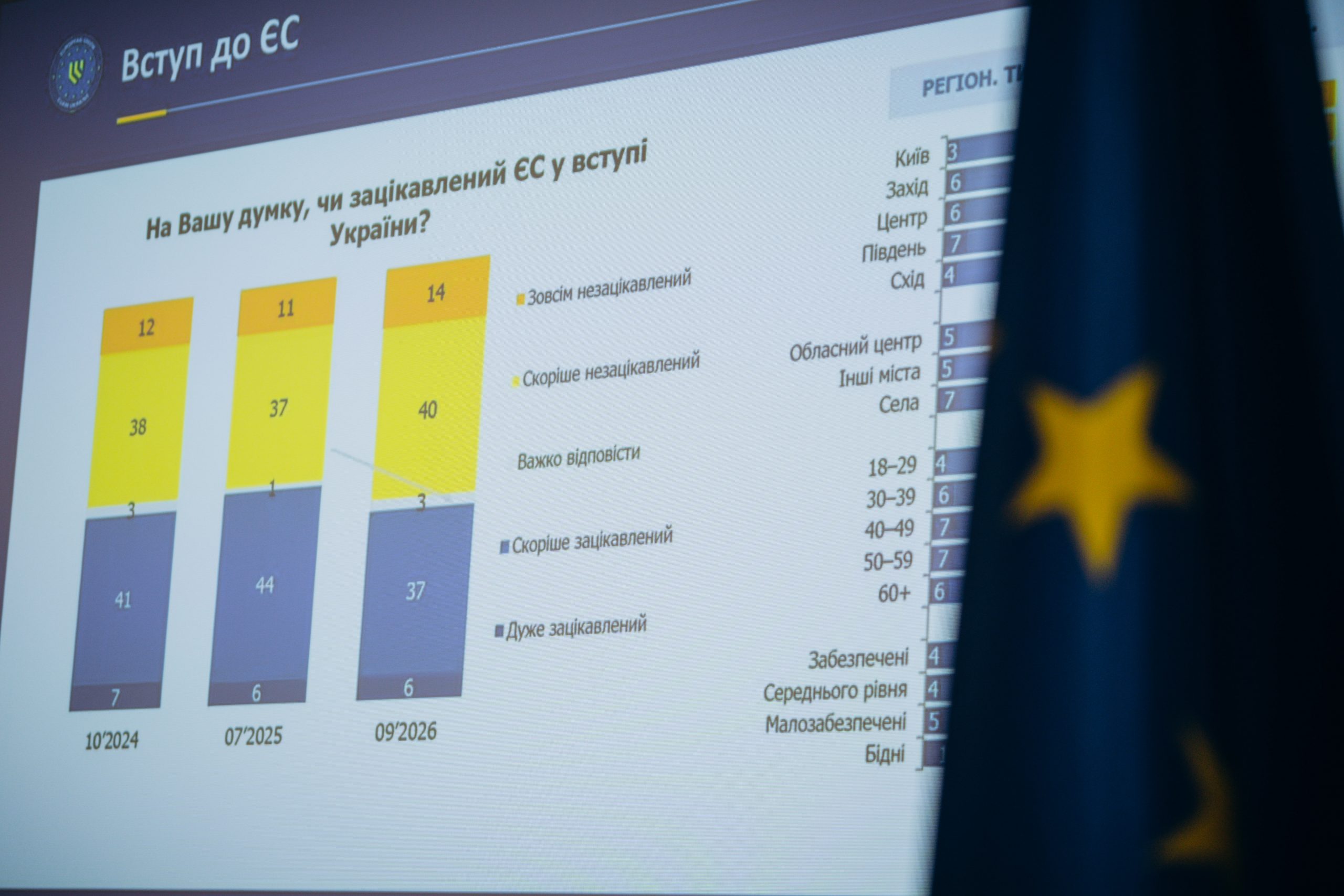
Nearly two-thirds (63%) believe Ukraine can implement the reforms required for EU membership. Only 6% expect accession within one to two years, while the most frequently selected timeframe is five to ten years (32%).
Asked about their preferred relationship with the EU, 33% favour membership, while 56% believe Ukraine may not join but should strengthen economic ties.
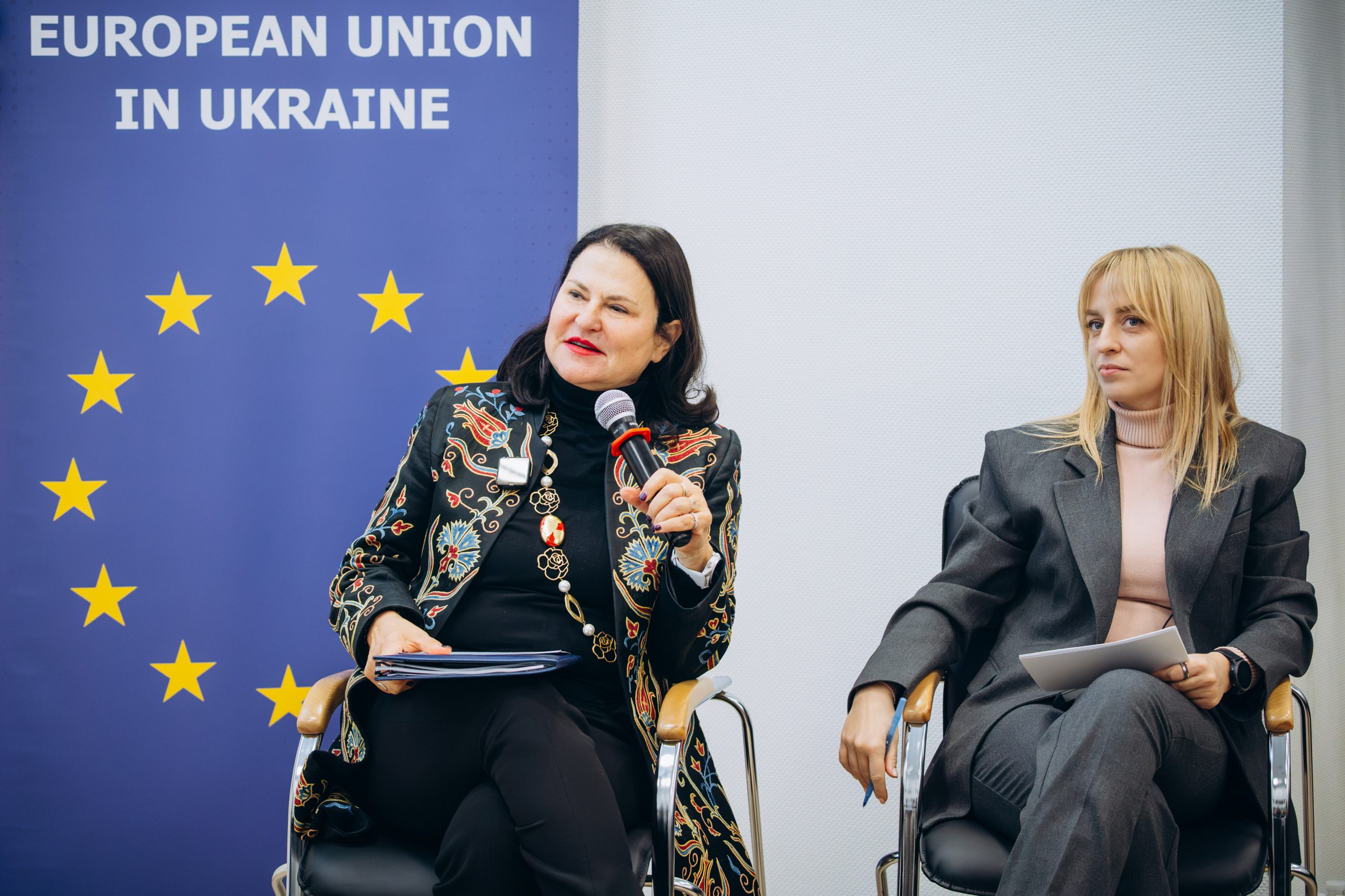
“Ukraine is reforming its institutions while fighting for its survival. Behind every step forward are people working through air raids, power cuts and sleepless nights. The progress recognised in the European Commission’s Enlargement Report is an achievement Ukrainians can be proud of and a reason to keep going. Independent courts, strong anti-corruption bodies and the rule of law remain essential. EU accession is a whole-society effort, and everyone has a role in making it a reality. The time to act is now, to seize the historic window of opportunity,” said Katarína Mathernová, EU Ambassador to Ukraine.
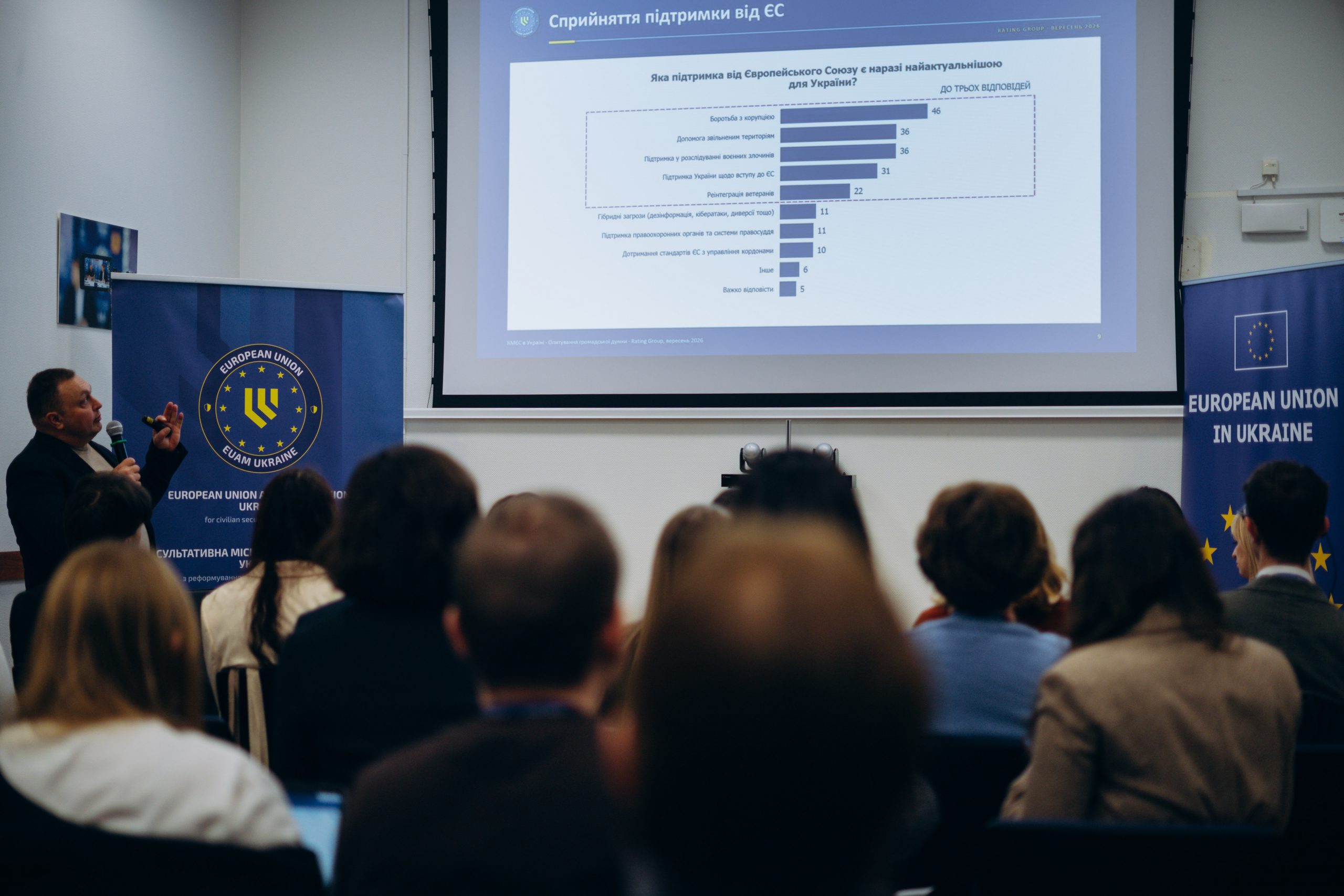
Fighting corruption (46%), assistance to liberated territories (36%) and support for the prosecution of war crimes (36%) are the leading priorities for EU assistance. Strategic communication receives the highest effectiveness rating (55%), while 62% consider EU support against corruption ineffective.














Public priorities for reform
Fighting corruption is the leading reform priority, selected by 78% of respondents, followed by judicial and prosecution reform (46%) and police reform (19%). Overall, 74% consider the authorities’ reform efforts insufficient.
“The findings show that Ukrainians distinguish between institutions and between areas of reform. High trust in some services exists alongside strong dissatisfaction with progress against corruption. It is important to examine these differences closely to understand where people see results and where they expect more,” said Oleksii Antypovych, Director of Rating Group.
Digital transformation receives the highest satisfaction rating (68%), followed by progress in promoting gender equality (51%). Dissatisfaction is greatest with progress in fighting corruption (83%) and reforming the judiciary and prosecution service (71%).
Russian hybrid threats and disinformation
Most respondents rate Russian hybrid threats as high (68%), and 57% believe they are increasing. Online recruitment by Russian intelligence services to commit crimes is the leading concern (44%).
Telegram channels are the most frequently cited information source (52%). Social media feeds (59%) and messaging-app groups (46%) are identified as the main channels for disinformation. Independent journalists are the most trusted to debunk it (47%).
Support for veterans
Respondents see post-traumatic stress disorder and stress (63%), disability (62%) and health problems (53%) as veterans’ main challenges. Rehabilitation (62%), employment and healthcare (44% each) are the most frequently selected forms of support.
“These findings underline the importance of rehabilitation, healthcare and employment opportunities for veterans returning to civilian life. Our international partners are making a substantial contribution to these efforts, and we greatly value their support. Together, we need to ensure that assistance responds to veterans’ individual needs and helps them use their skills and experience in civilian life,” said Kateryna Pavlichenko, Deputy Minister of Internal Affairs of Ukraine.
The full results are available here.
