
Victims’ rights as a part of law enforcement education and curriculum development in Ukraine
October 29, 2026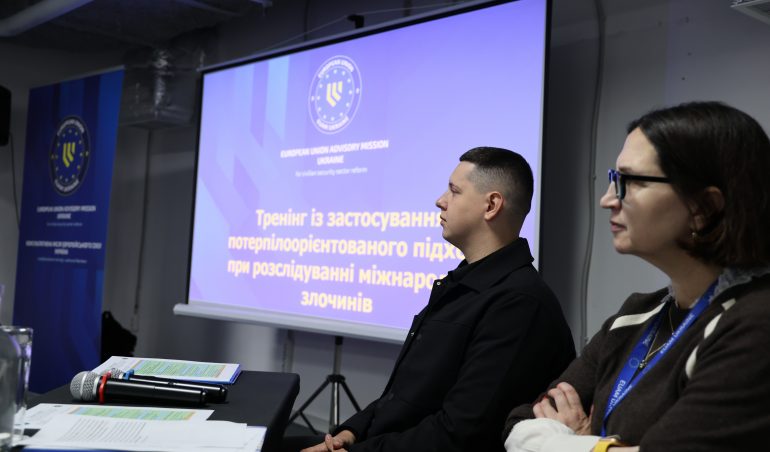
Russia’s unprovoked and unjustified military aggression against Ukraine has brought death and destruction, and left countless people injured and traumatised. As investigations into international crimes continue, law enforcement professionals must be prepared to recognise victims’ needs and protect them from further harm.
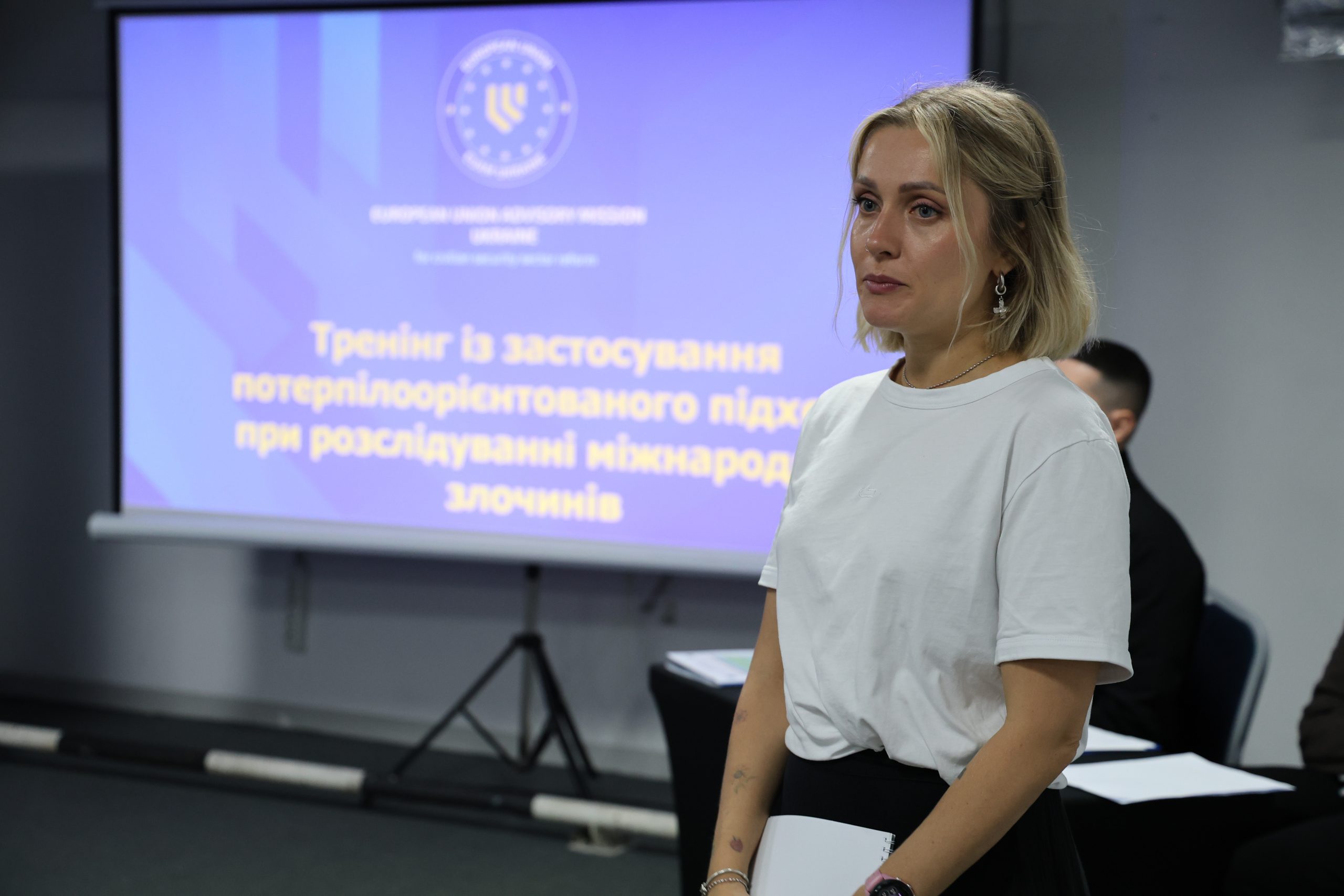
The National Academy of Internal Affairs (NAIA), the Victims and Witnesses Support Coordination Center of the Office of the Prosecutor General and the EU Advisory Mission (EUAM) Ukraine are working to make a victim-centred approach part of the Academy’s regular teaching programmes. Their workshop in Kyiv on 26 October focused on how to equip future officers and serving professionals to investigate these crimes while protecting the people who have suffered them.
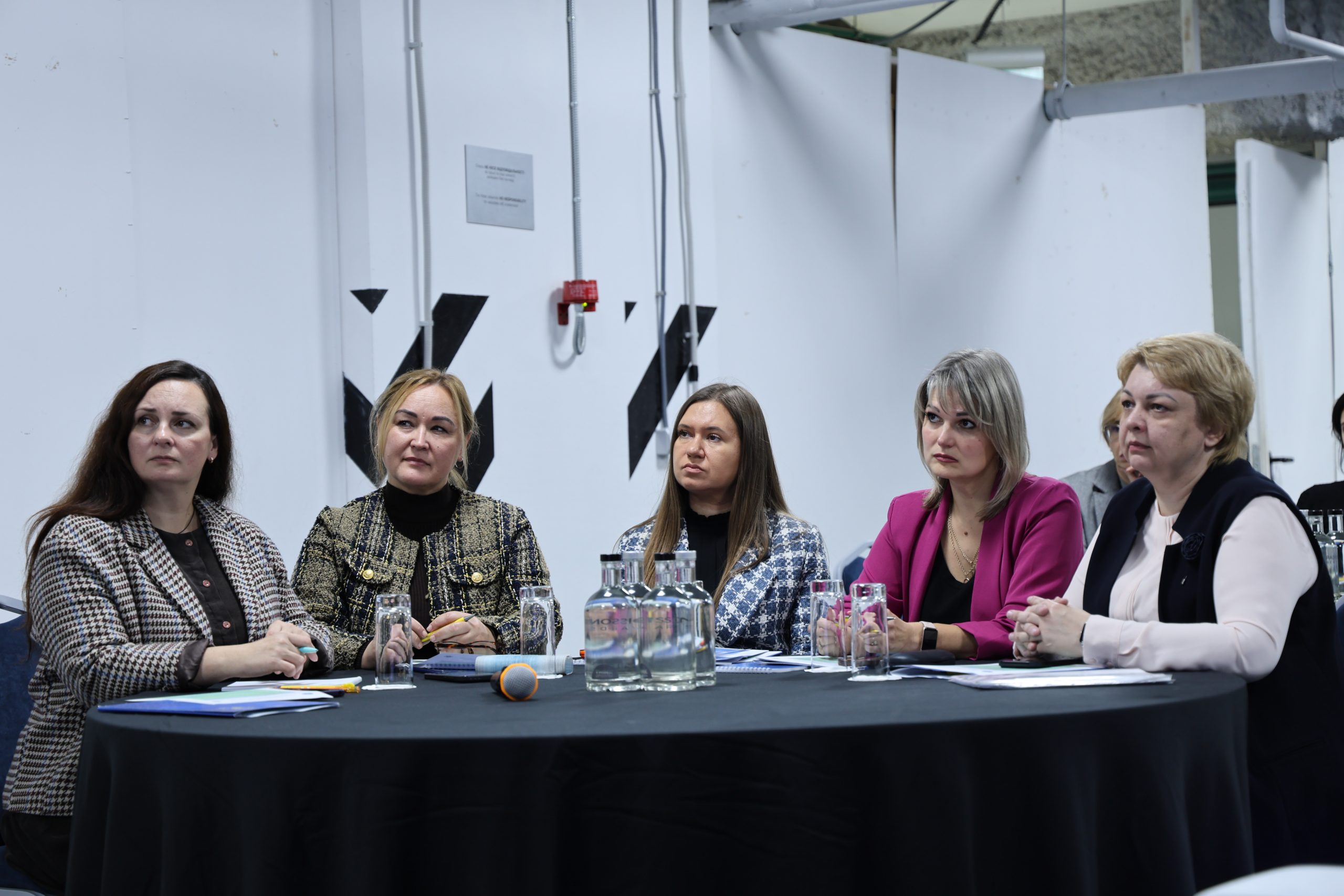
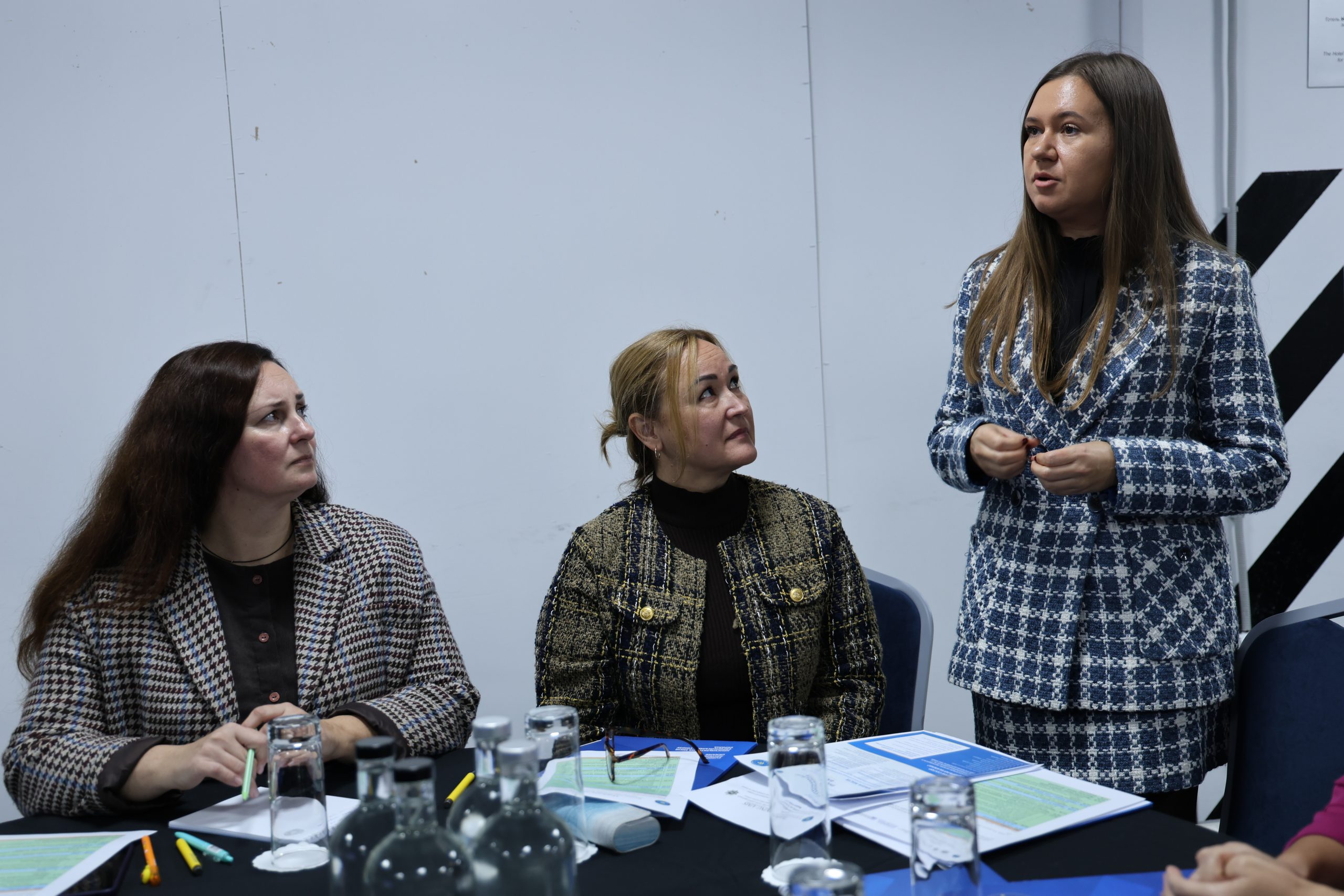
The workshop brought together NAIA teaching and research staff specialising in criminology, criminal procedure, criminal law and legal psychology, alongside colleagues responsible for international cooperation and research into law enforcement management and psychological support. Their task was to identify where existing materials could fit into the Academy’s courses and help shape a comprehensive curriculum.
Opening the workshop, Lynn Sheehan, EUAM Ukraine’s Head of Operations, stressed that these skills belong at every stage of professional preparation.
“This victim centred approach must be part and parcel of the training of all law enforcement institutions, both in basic training for students and advanced level training for current professionals,” she said.


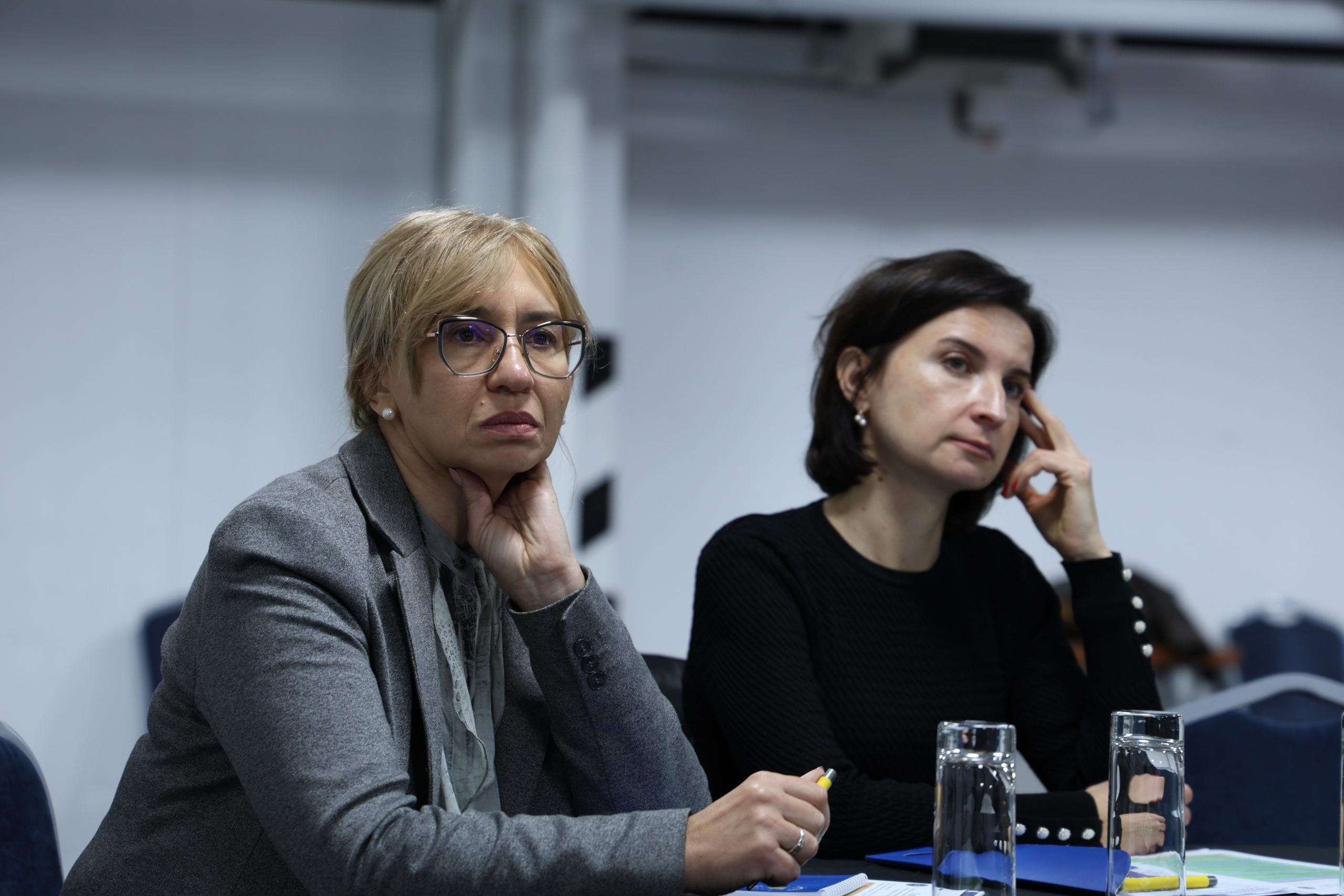

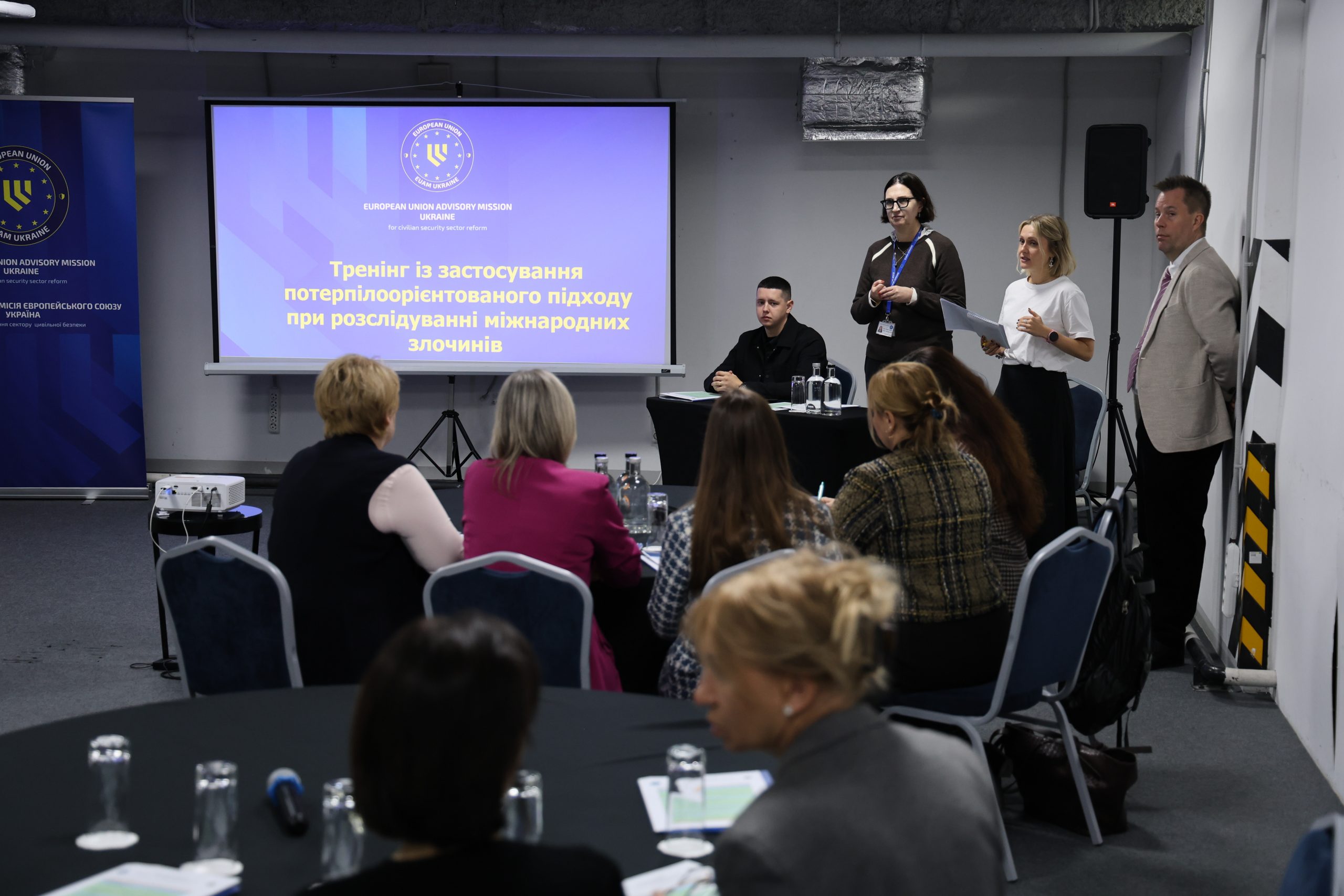
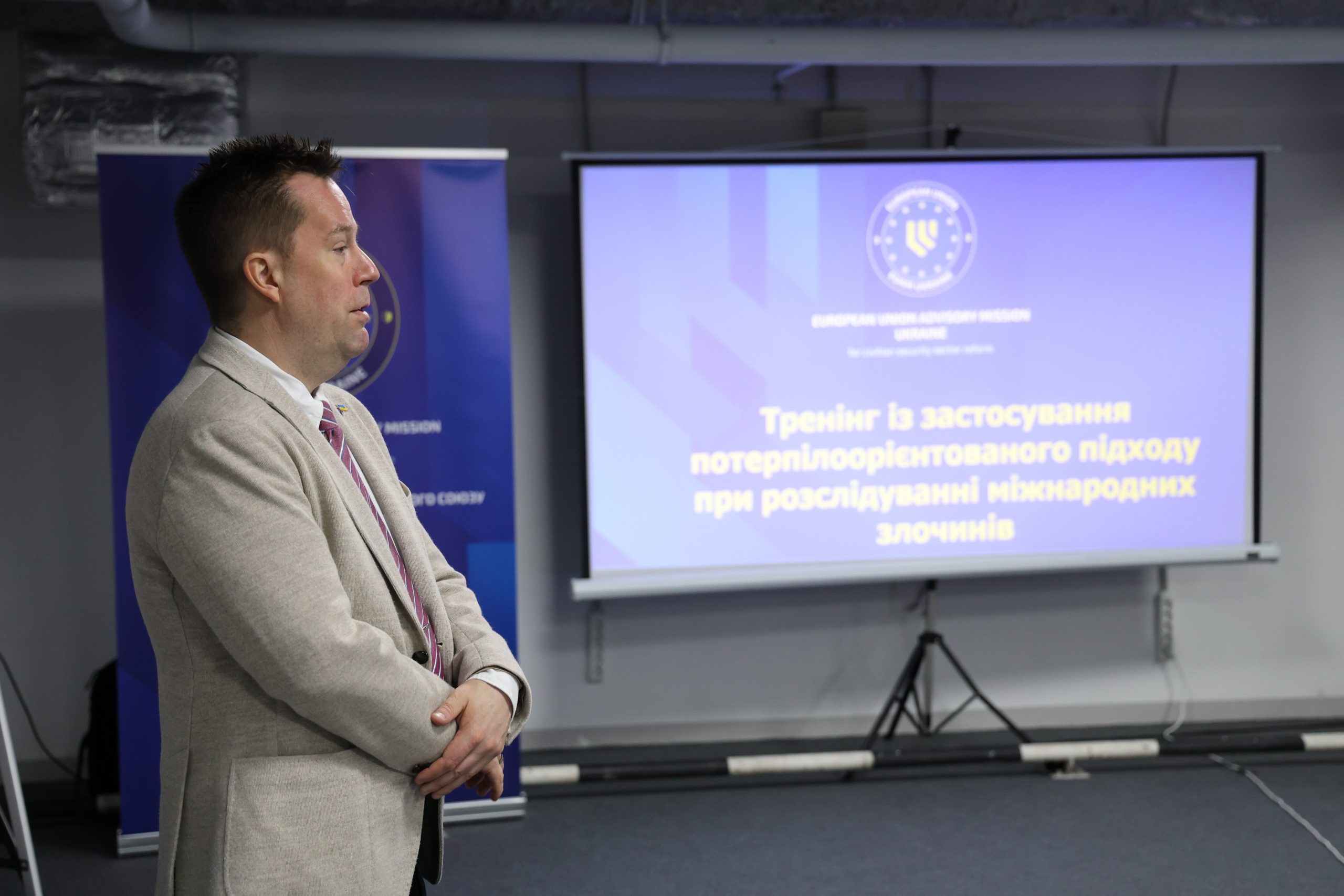
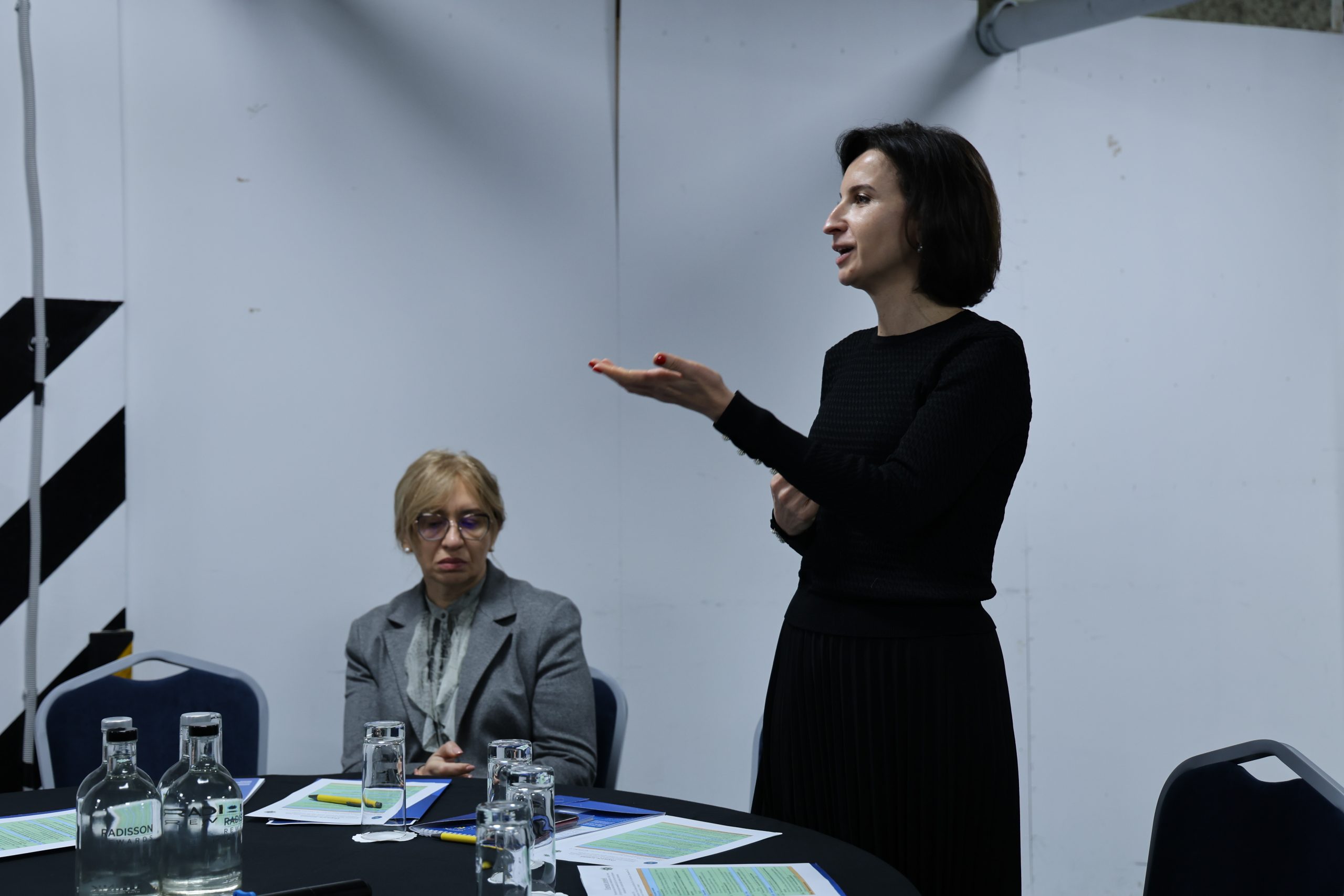













EUAM Ukraine’s Senior Adviser on Victims’ Rights, Ola Quarnstrom, presented international standards, EU legislation and European practices on victims’ rights.
NAIA specialists contributed expertise in Ukrainian law, investigative practice and legal psychology to discussions on incorporating these standards into the Academy’s courses. Together, participants examined how to build on existing training materials and develop a curriculum relevant to Ukraine’s legal framework and the needs of future and serving officers.
The work at NAIA builds on a training of trainers course organised by EUAM Ukraine, the Academy and the Prosecutor’s Training Center of Ukraine (PTCU) in 2025. The PTCU has since incorporated that training into its programme. The partners are now working towards a similar outcome at NAIA.
For the particularly vulnerable such as survivors of torture, conflict-related sexual violence and other serious crimes, or relatives of missing persons, insensitive treatment during an investigation can cause further trauma and discourage their participation. Preparing officers to respond with care and carry out trauma informed interviews is therefore essential to protecting victims’ rights and supporting their pursuit of justice.
