
Law enforcement reform must deliver results in every region of Ukraine
October 23, 2026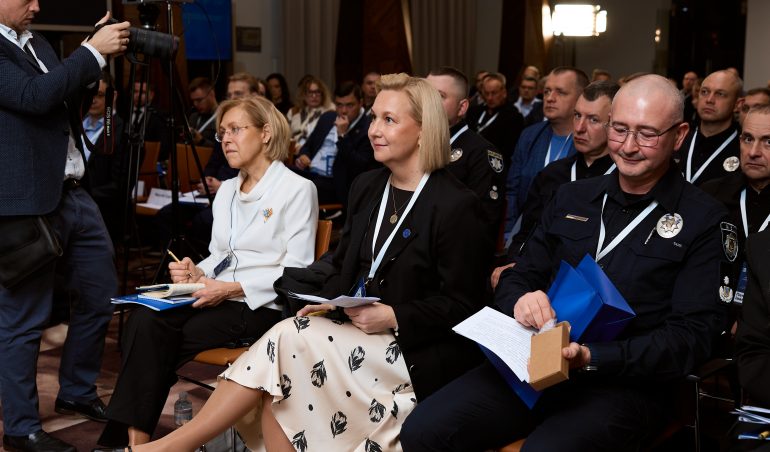
When people call for emergency assistance or turn to the police, the response they receive is a practical test of reform. Ukraine’s progress towards EU membership must bring improvements citizens can recognise in their own communities.
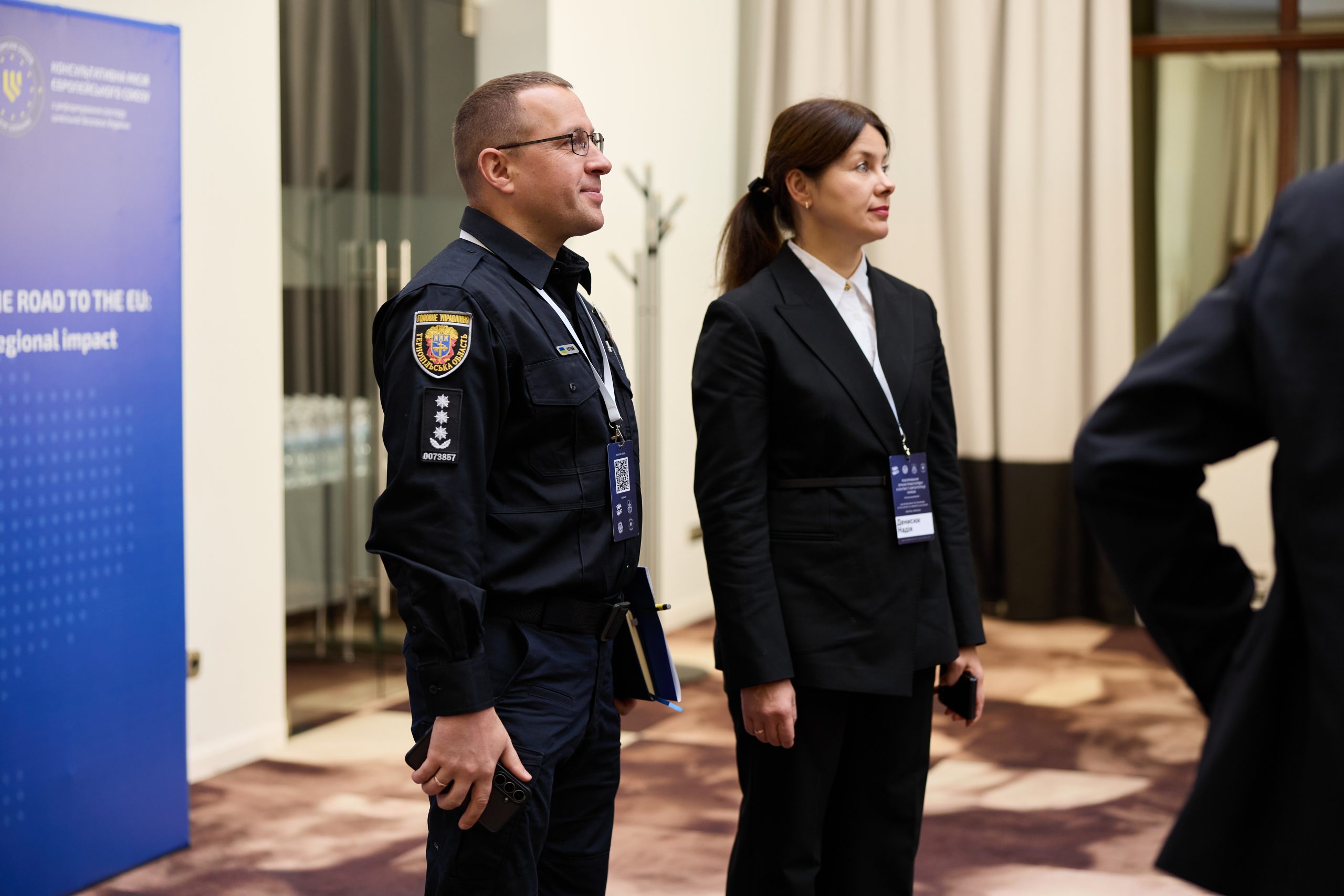
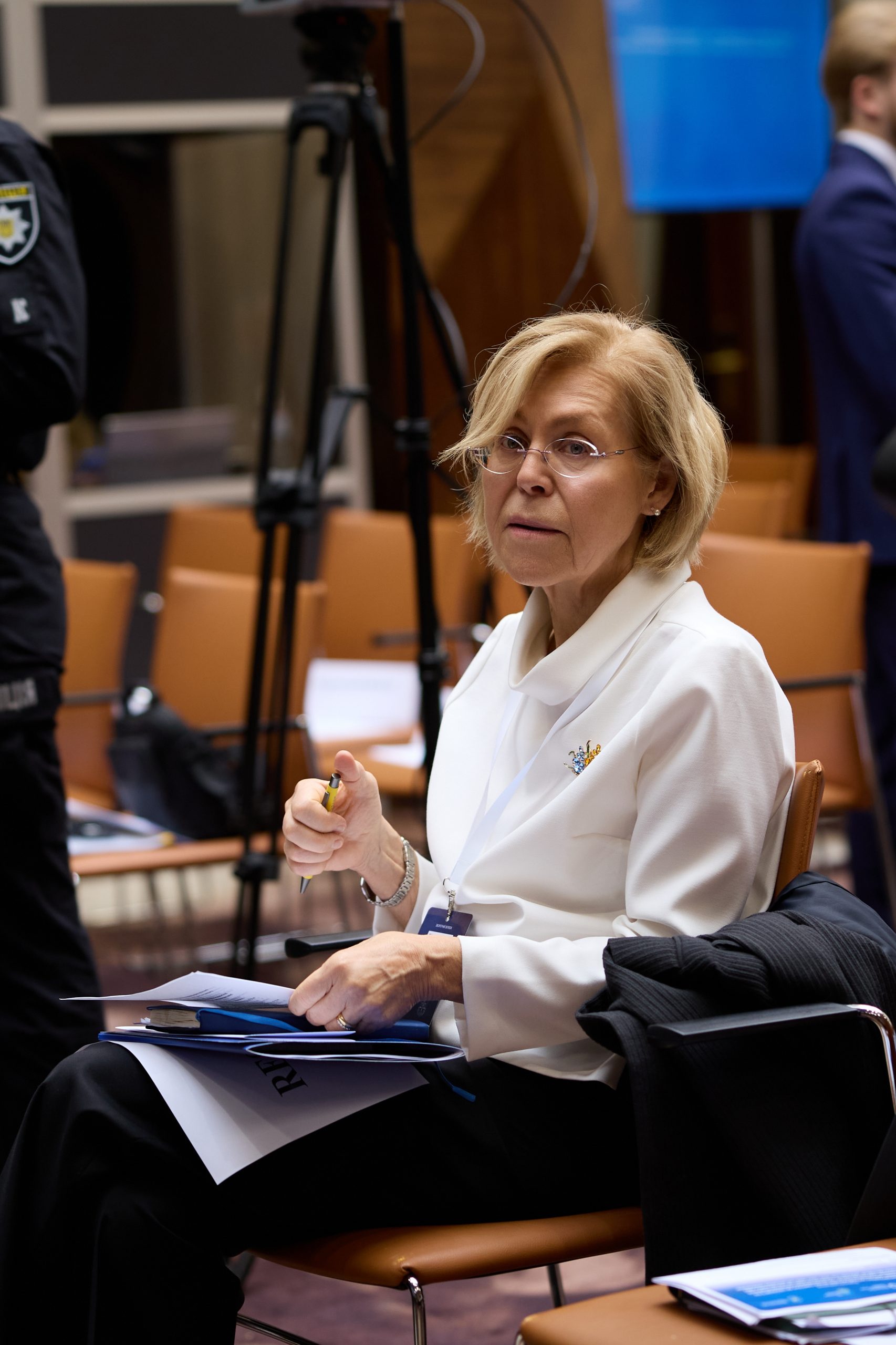
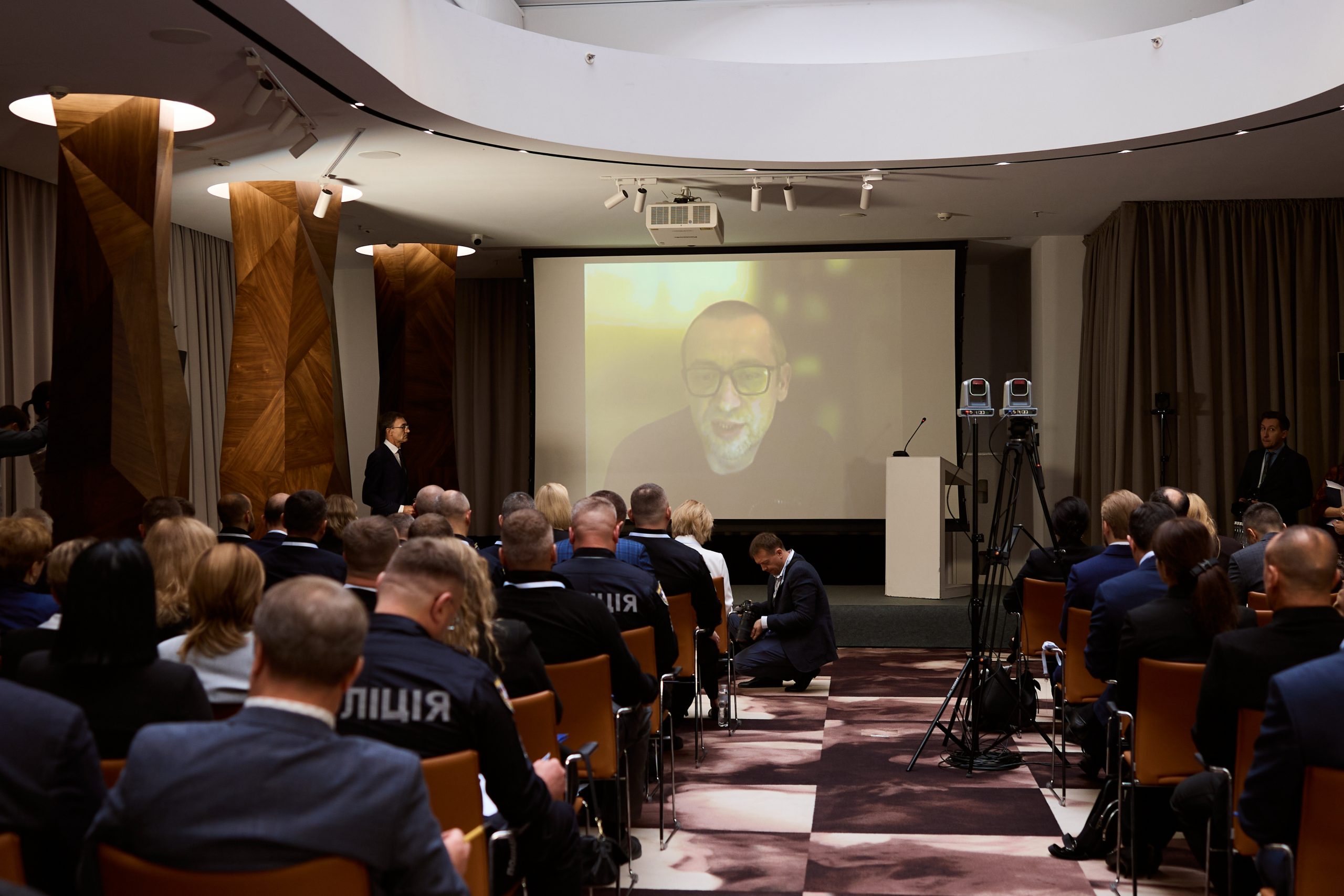
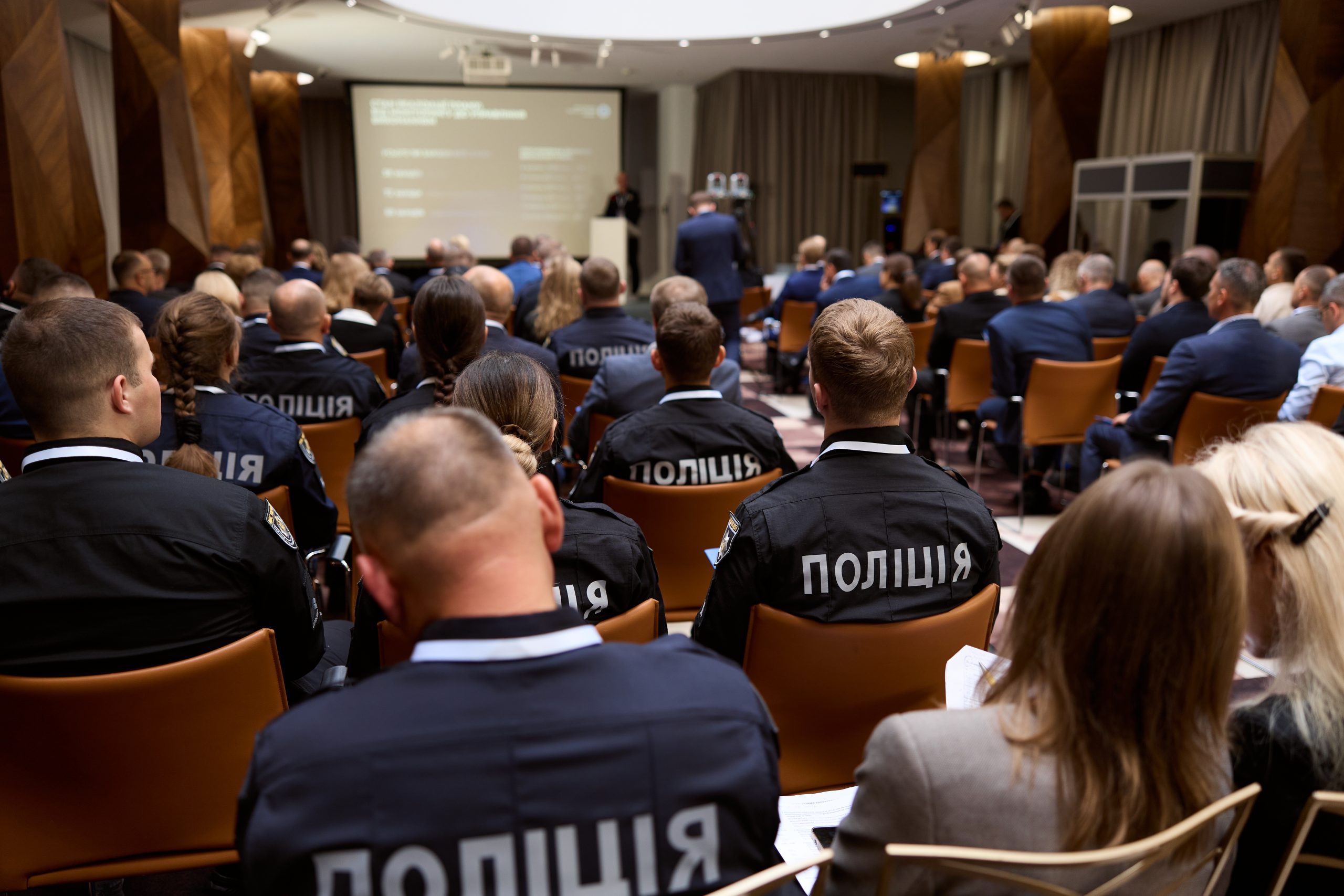
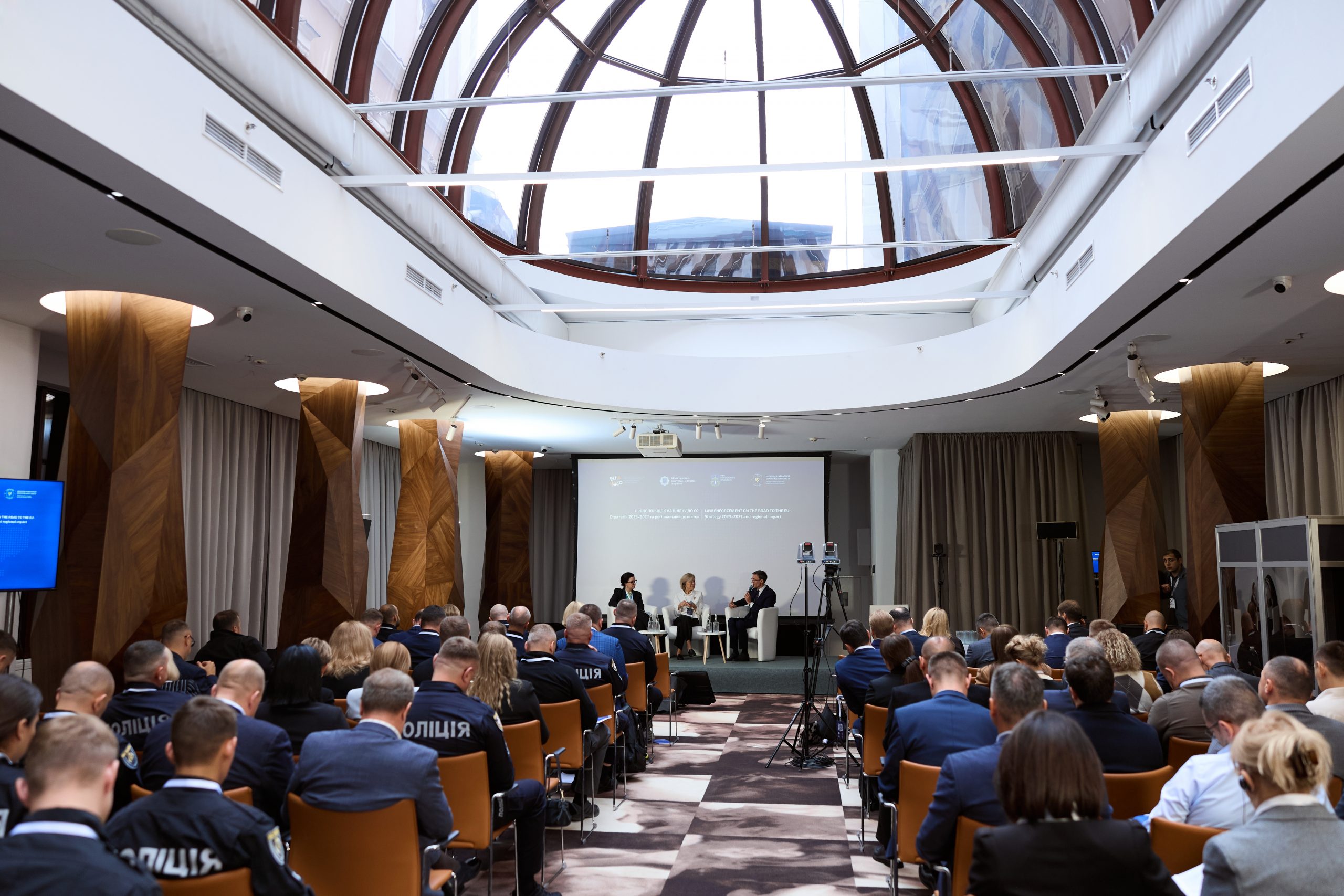
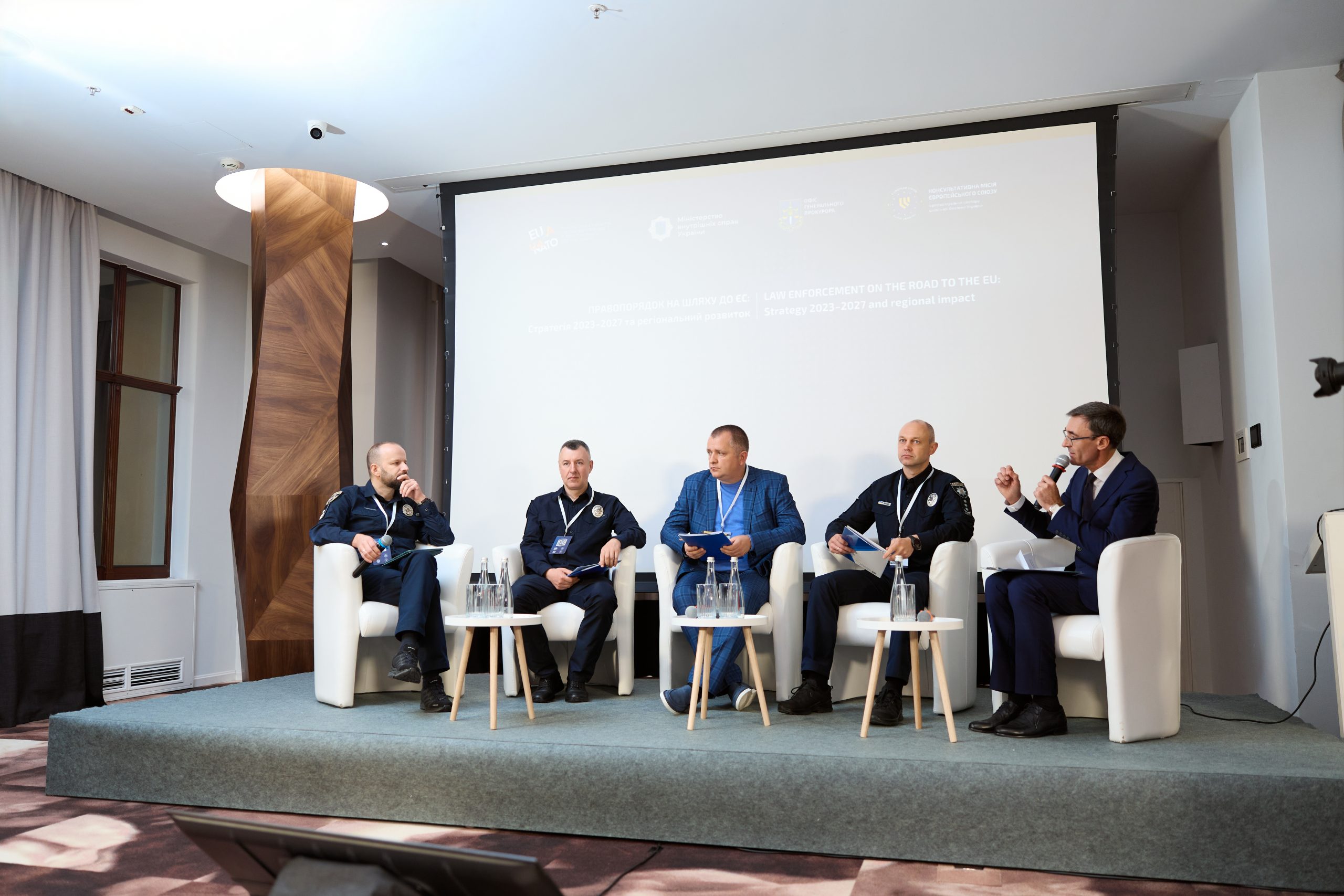
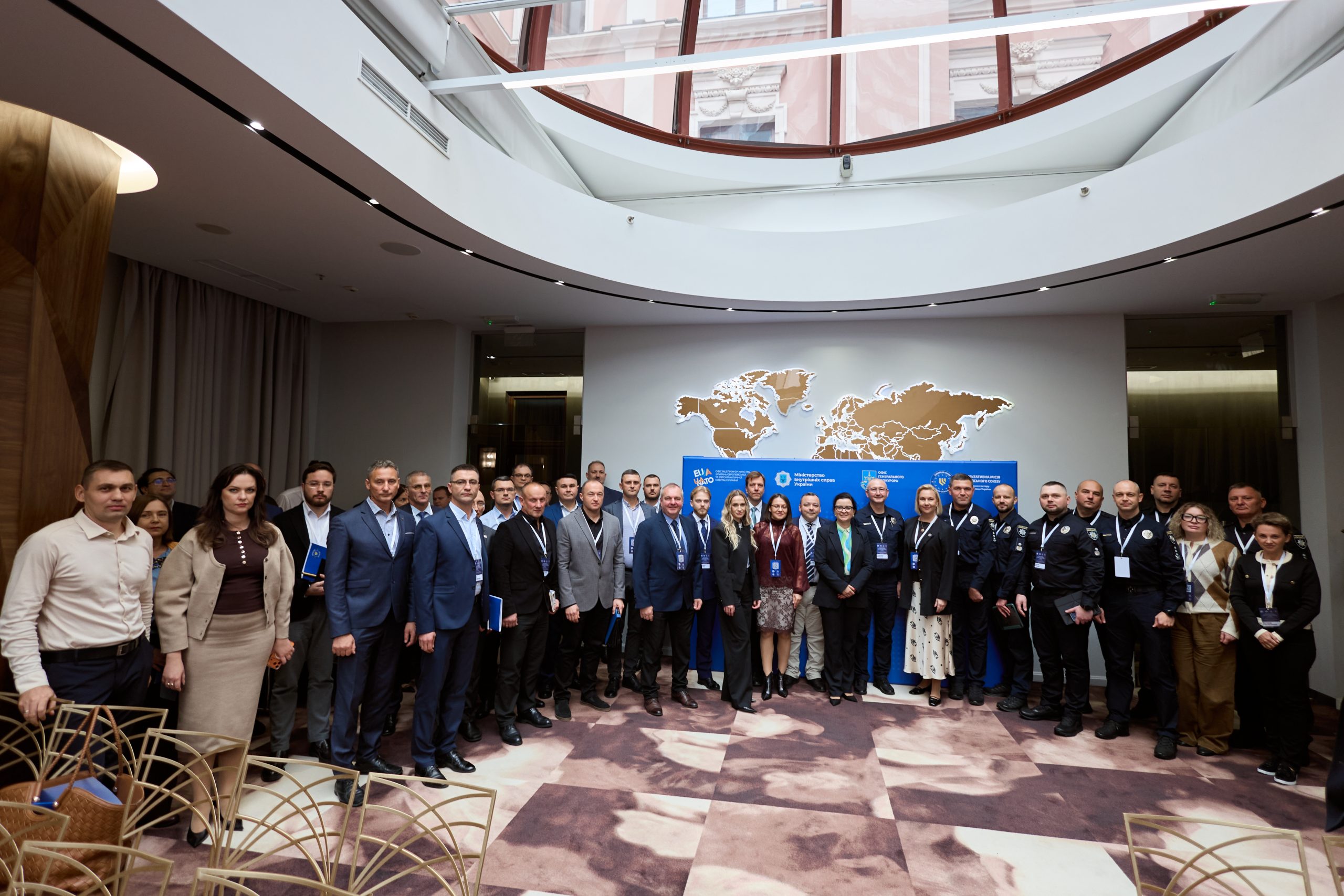
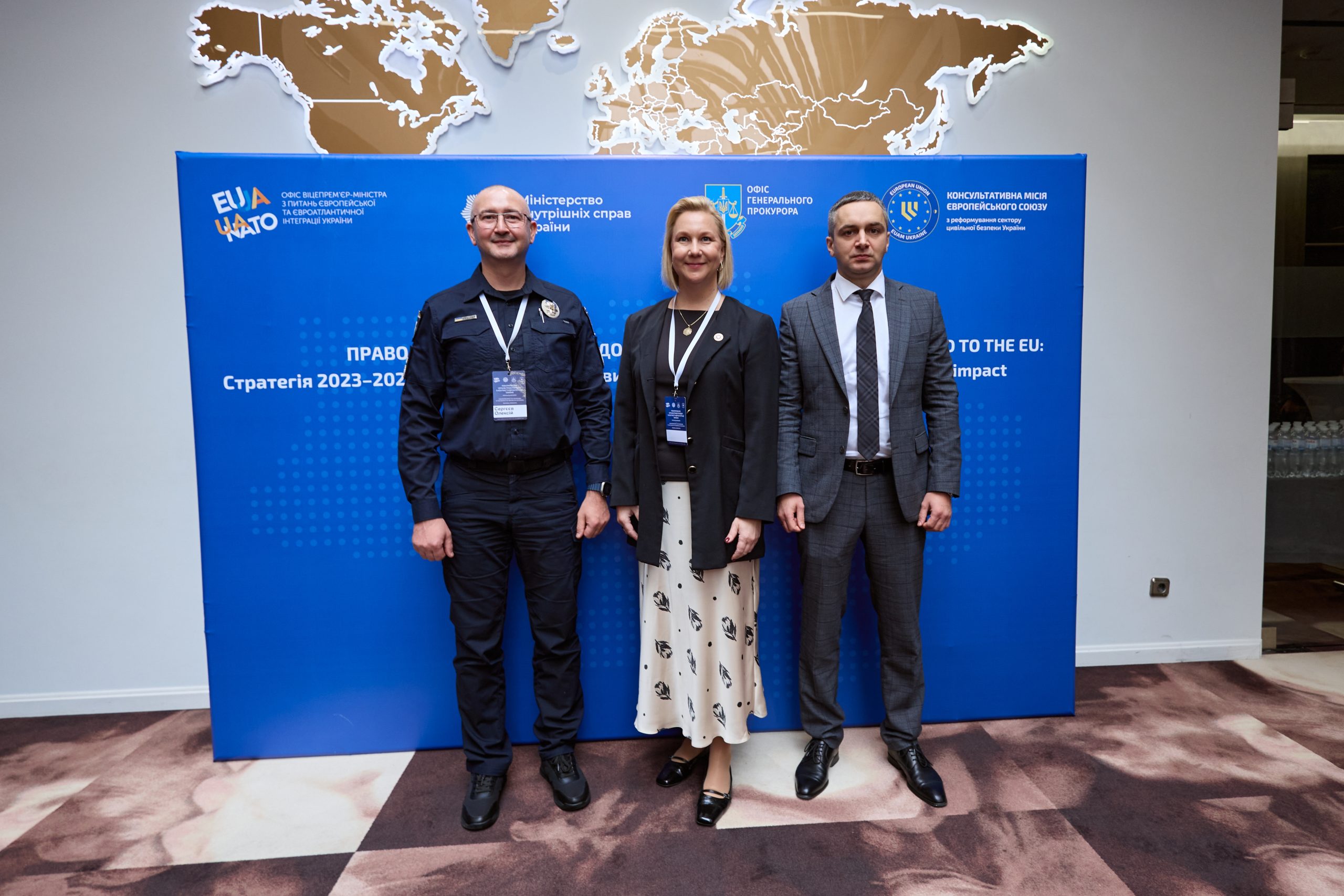
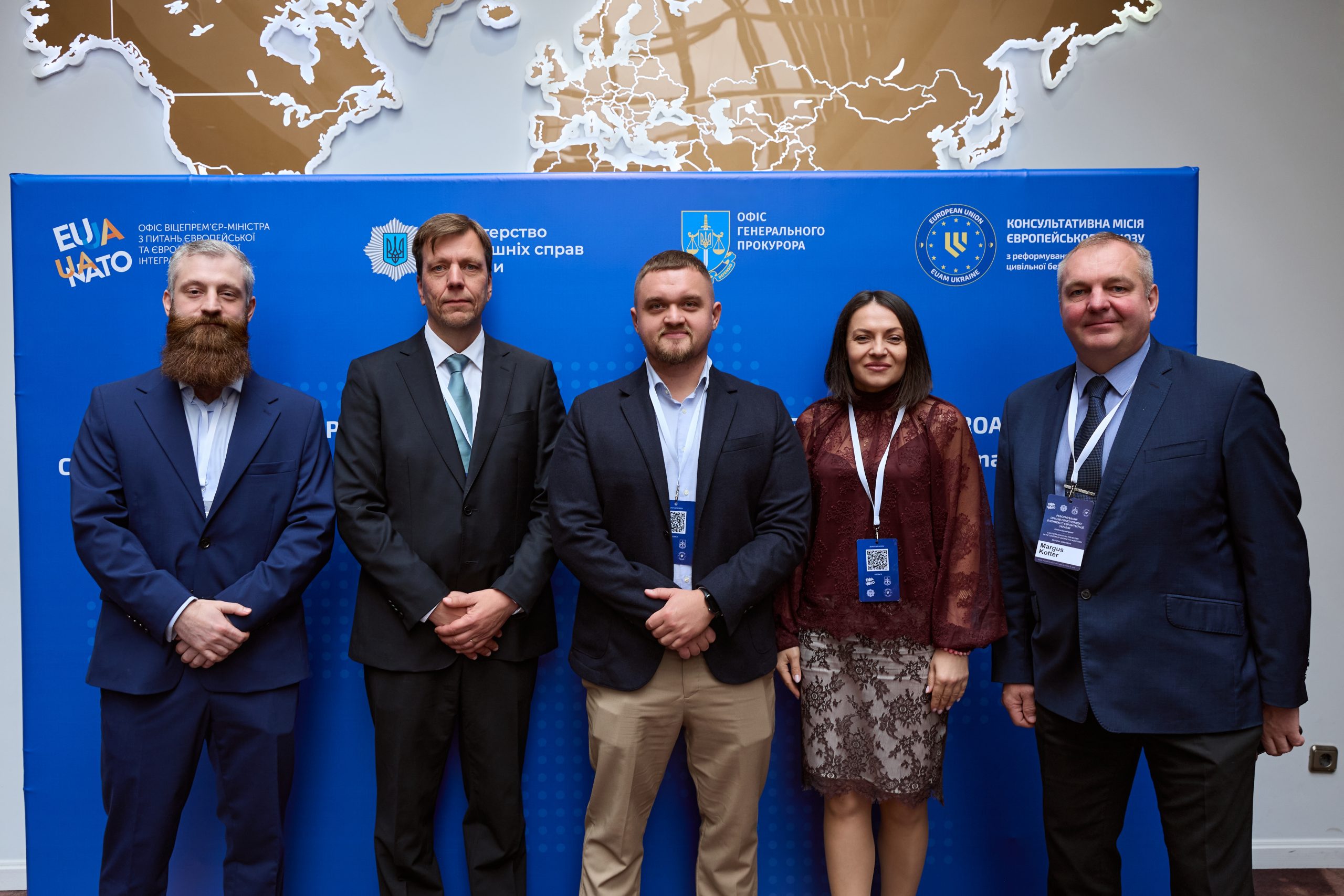
This was the focus of a regional conference in Lviv on 16 October, when representatives of national authorities and five western regions examined how to translate Ukraine’s Overarching Strategy for Law Enforcement Reform for 2023–2027 and its Action Plan into changes in everyday institutional practice. The event was organised by EU Advisory Mission (EUAM) Ukraine together with the Deputy Prime Minister for European and Euro-Atlantic Integration and the Ministry of Internal Affairs (MoIA) of Ukraine.
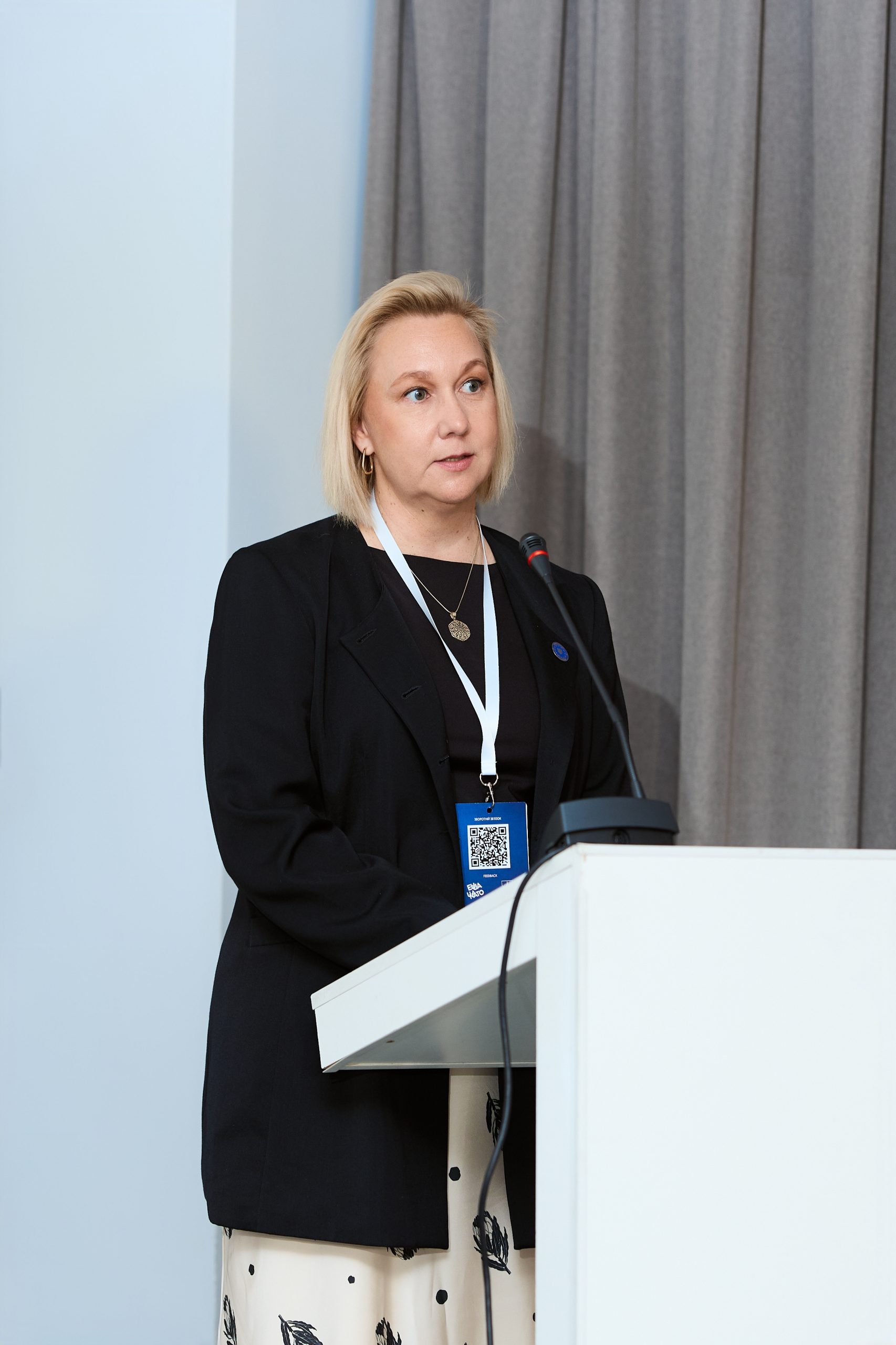
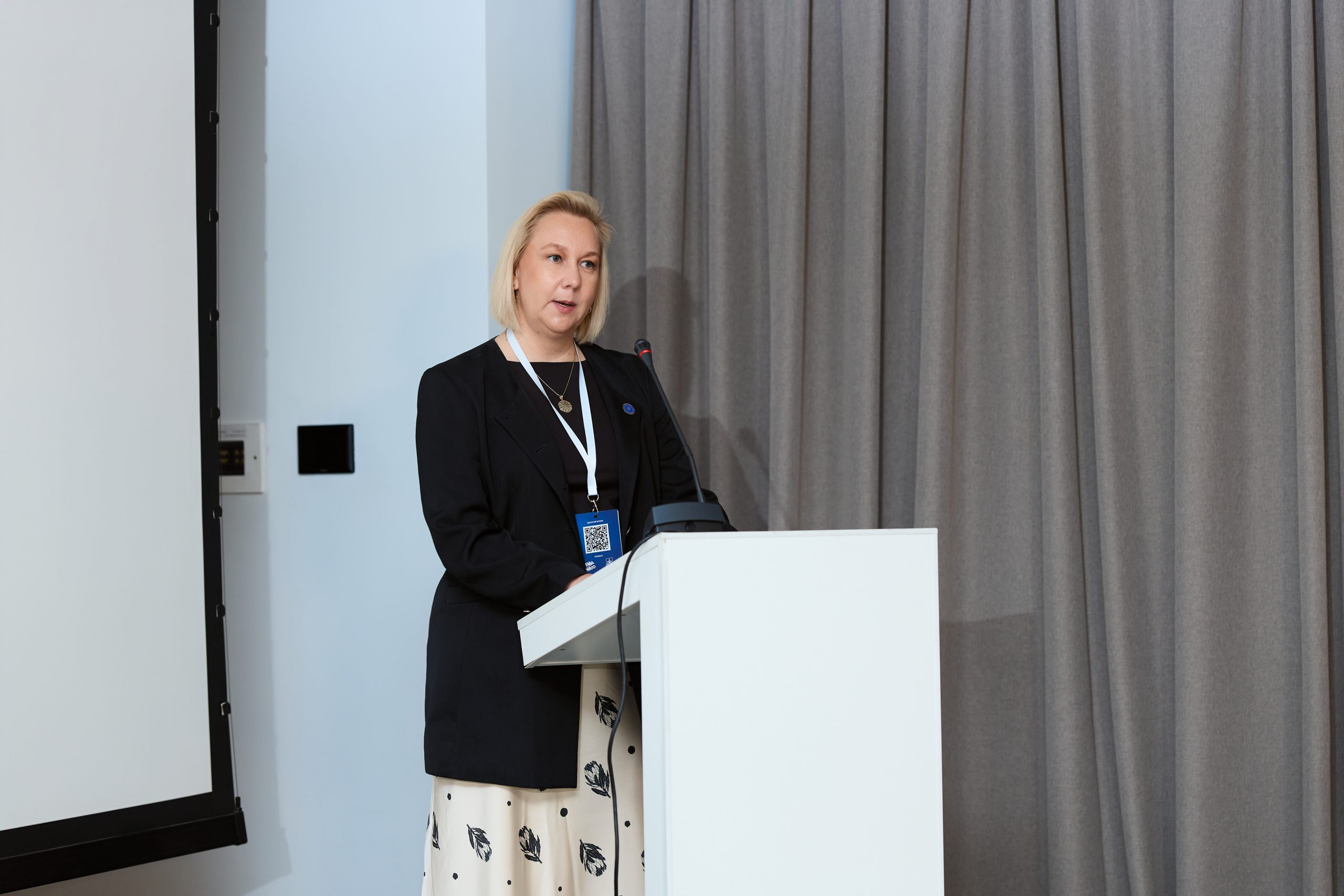
In her opening remarks, EUAM Deputy Head of Mission Mia Rahunen stressed that the Plan’s 199 actions should ultimately be judged by what they achieve for people.
“Legislation, strategies and procedures must translate into changes in how institutions operate. For citizens, this means fair treatment, protection of their rights and confidence in law enforcement,” she said.
The conference brought together law enforcement agencies, universities, experts and civil society, with delegations from Lviv, Ivano-Frankivsk, Volyn, Ternopil and Zakarpattia regions.
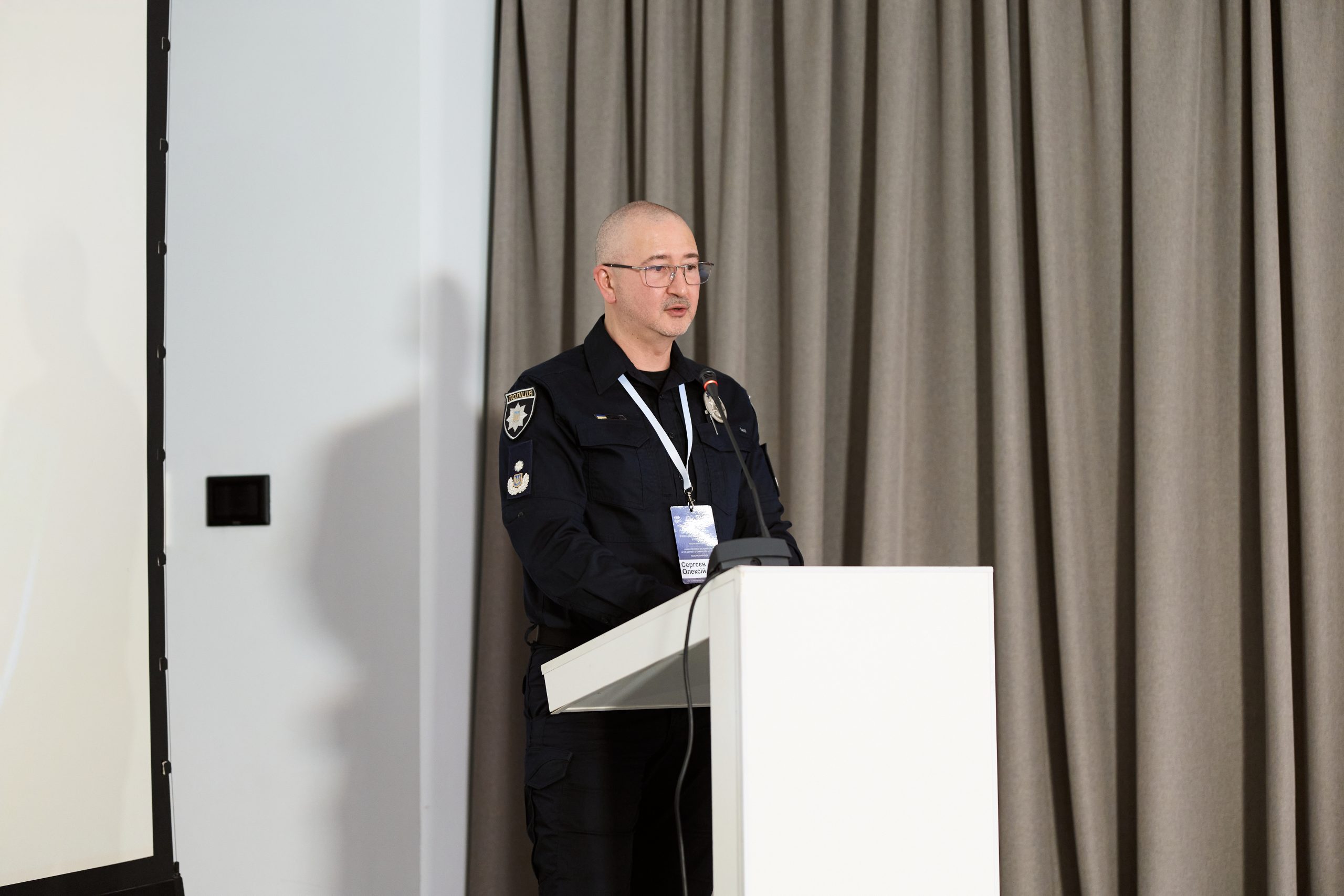
Opening the conference, Deputy Minister of Internal Affairs Oleksii Serhieiev underlined that regional authorities must help shape reform as well as implement it. He stressed that the war makes it necessary to develop the state’s capabilities now, without postponing changes until it ends.




























The discussion connected national commitments with practical measures already in place. According to the MoIA, four regional centres now operate the 112 emergency number, while the Custody Records system has been introduced in 160 police units to help safeguard the rights of people in detention. School Security Service inspectors work in 1,970 educational institutions.
Serhieiev reported that 58 measures under the Action Plan had been completed, representing almost a third of the total. The next targets are 45 per cent completion by January 2027 and 60 per cent by April 2027.
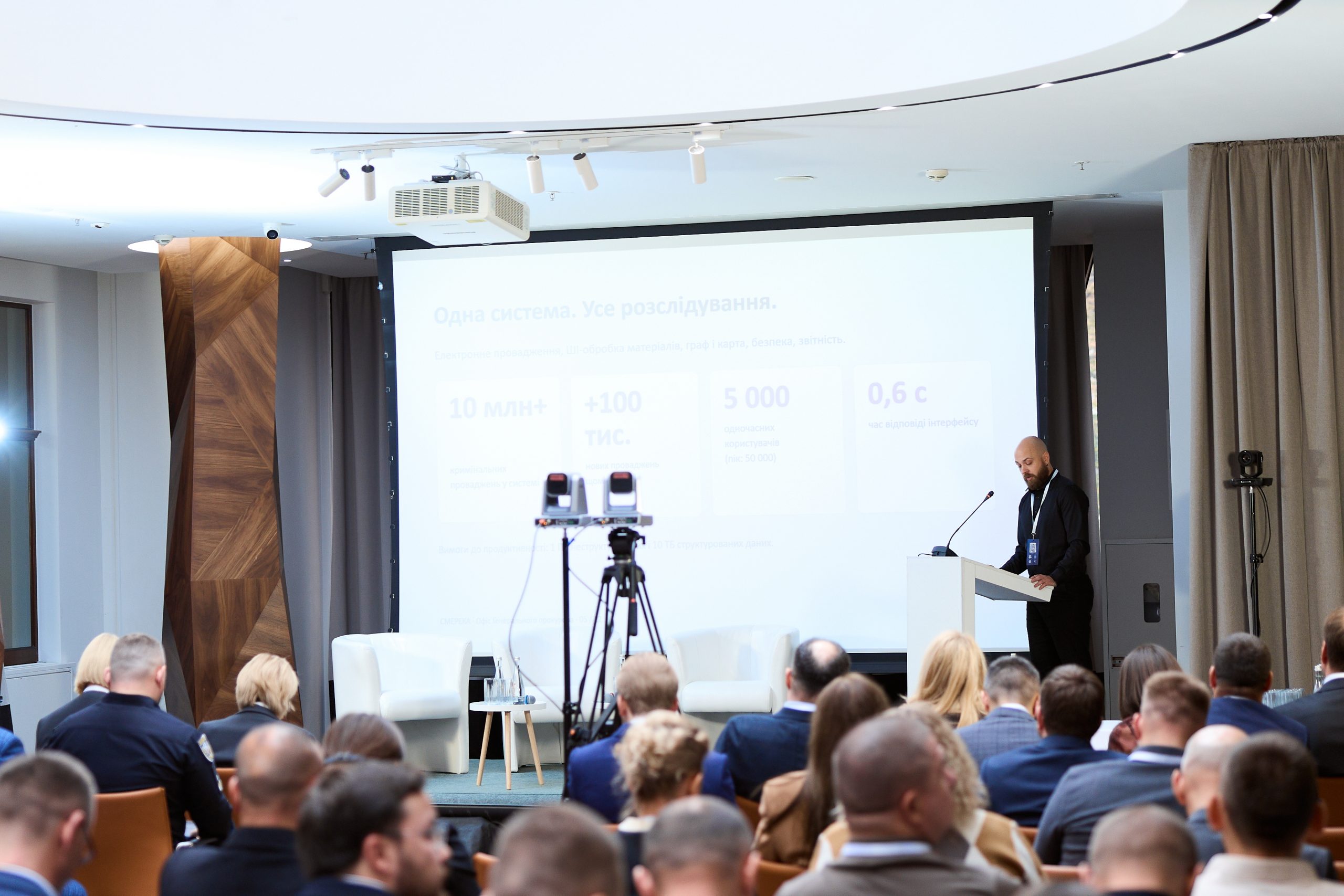
Delivering these commitments requires effective coordination, clear responsibilities and sufficient resources. Rahunen emphasised the role of adequate monitoring. Institutions should report transparently and accurately, explain possible obstacles and identify corrective action or support needed. She also highlighted the digital tool developed by the MoIA and EUAM to strengthen the monitoring process, enabling informed decision-making on the next steps.
Representatives of prosecution, police, security, investigative and border authorities presented progress within their areas of responsibility. Their discussions highlighted the importance of information exchange, professional skills and coordinated action in turning new tools and procedures into better services.
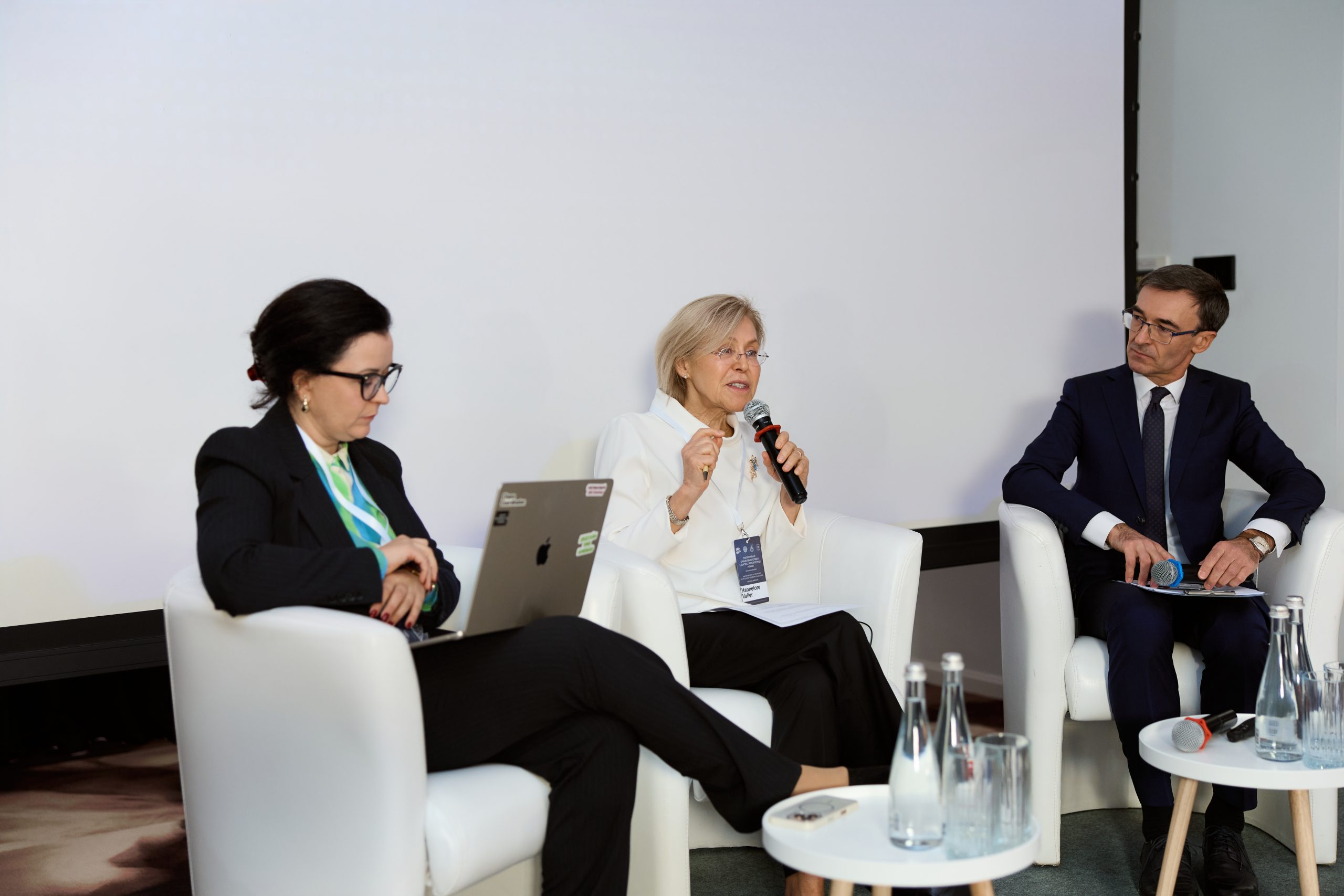
Public understanding is equally essential. Hannelore Valier, Head of EUAM’s Lviv Field Office, urged institutions to explain their work clearly.
“Trust is extremely important for any reform. Explain to people in simple words what you are doing,” she said.
For EUAM Ukraine, the conference was an opportunity to connect national reform commitments with regional experience and practical needs. The Mission remains ready to support Ukrainian partners through advice, expertise and coordination, helping ensure that reforms advance future EU accession while improving public safety and protecting people’s rights today.
