
Ukraine’s Wartime Expertise Helps Anticipate Emerging Organised Crime Threats
August 21, 2026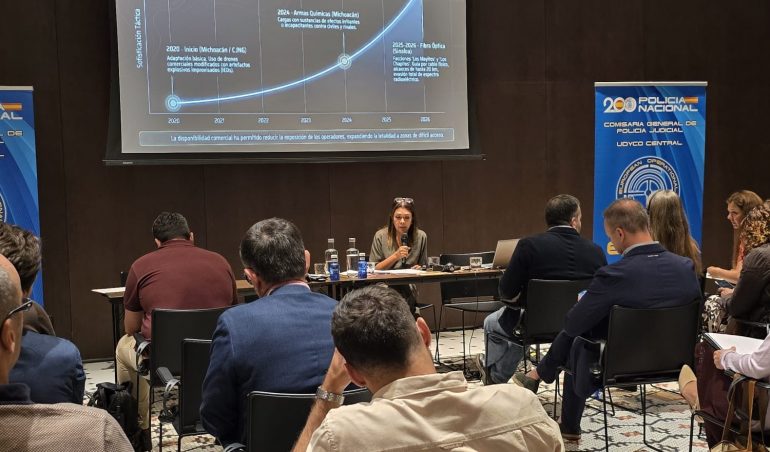
Drones have transformed the battlefield in Ukraine. But the same technologies and skills can also be adapted by organised crime.
From 4 to 7 August, representatives of the National Police of Ukraine (NPU), National Guard of Ukraine (NGU) and State Bureau of Investigation (SBI), accompanied by EUAM Ukraine advisers, took part in the SKYSHIELD Technical-Strategic Workshop in Madrid, Spain, organised by Policía Nacional and the European Operational Team initiative with EMPACT funds. The event focused on how drone capabilities developed in conflict environments may transfer into criminal networks.
Ukrainian participants shared operational experience gained during Russia’s war against Ukraine, while learning from European and South American counterparts about the growing use of drones by criminal and paramilitary groups for surveillance, trafficking, intimidation and attacks.
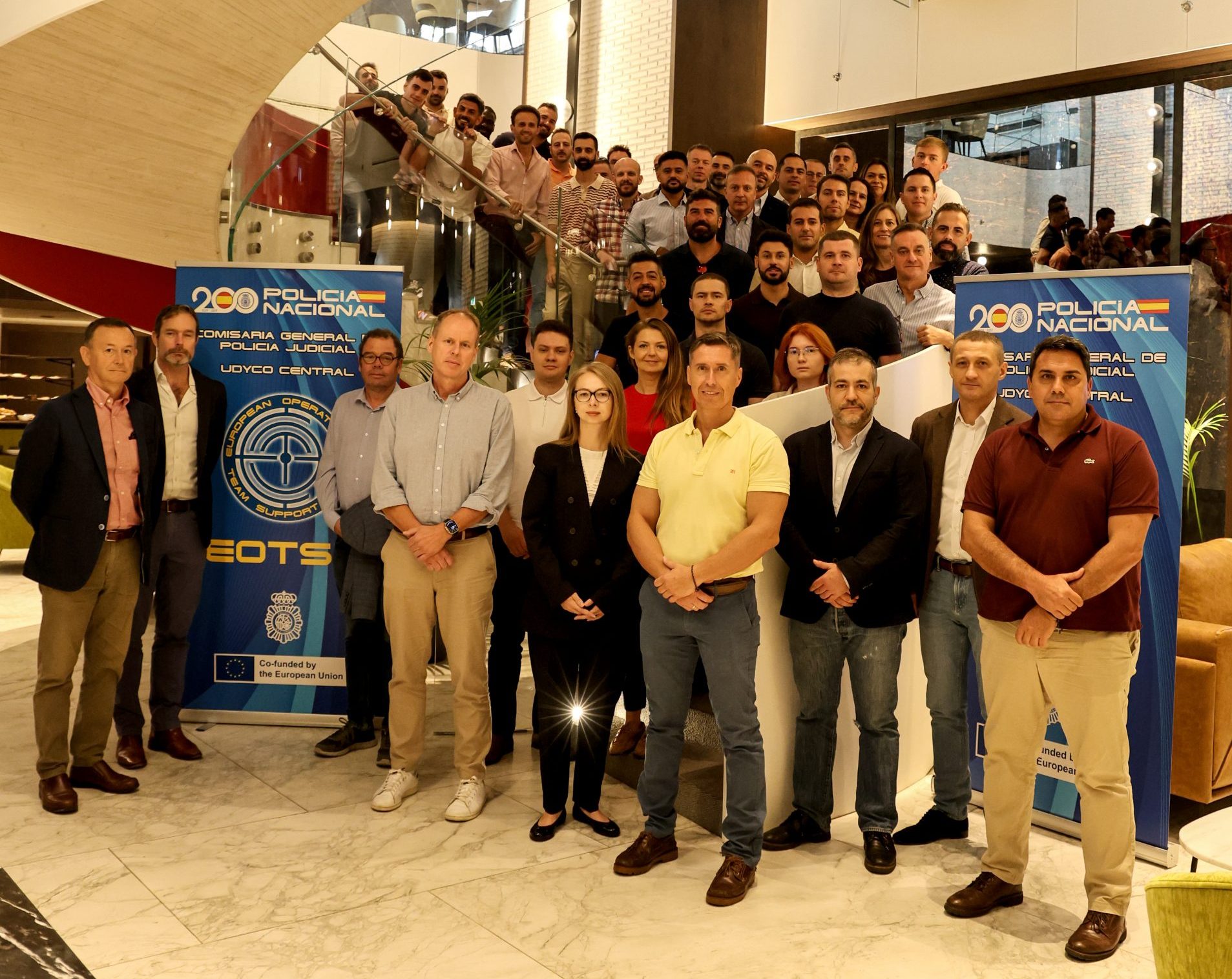
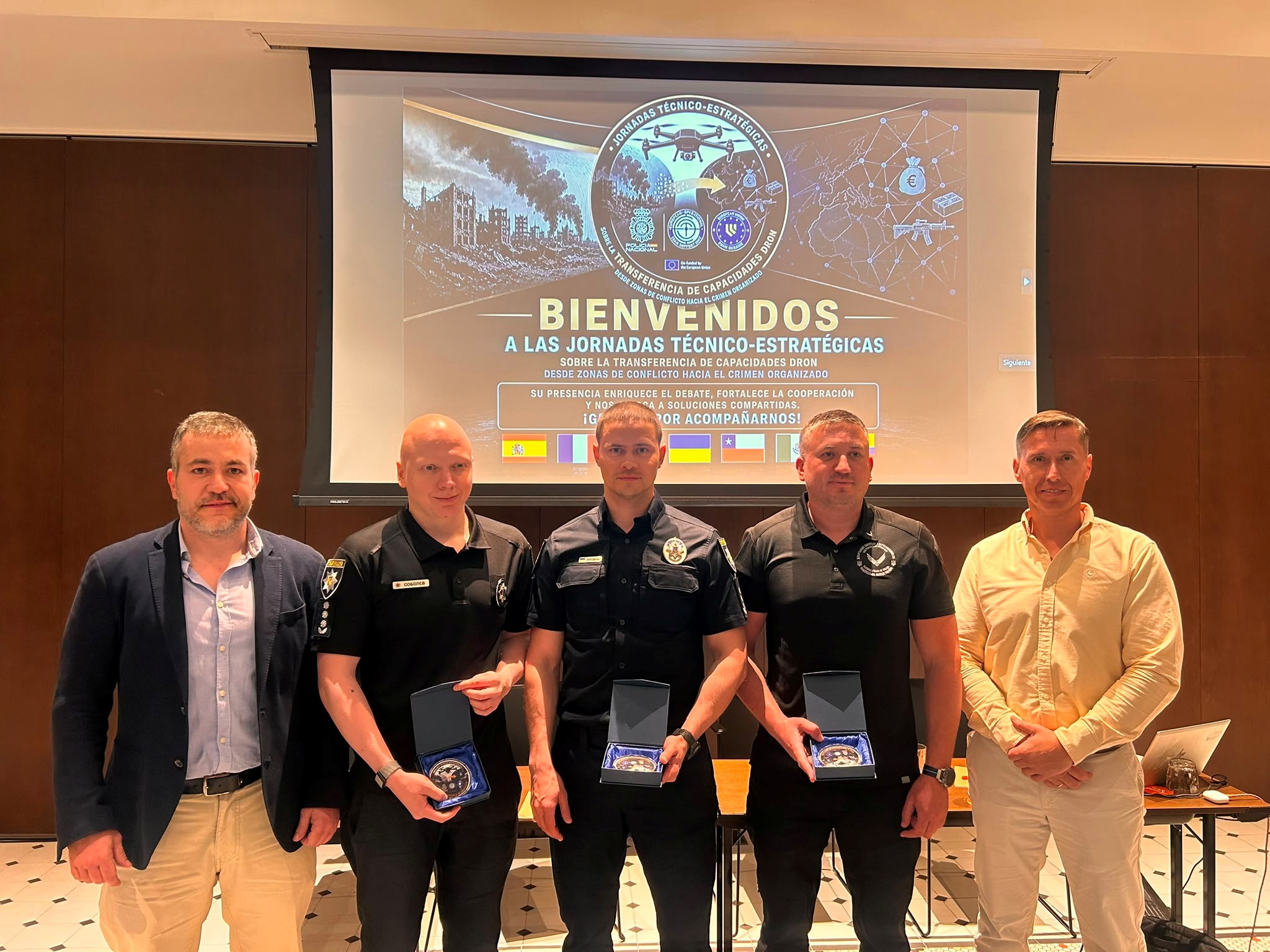
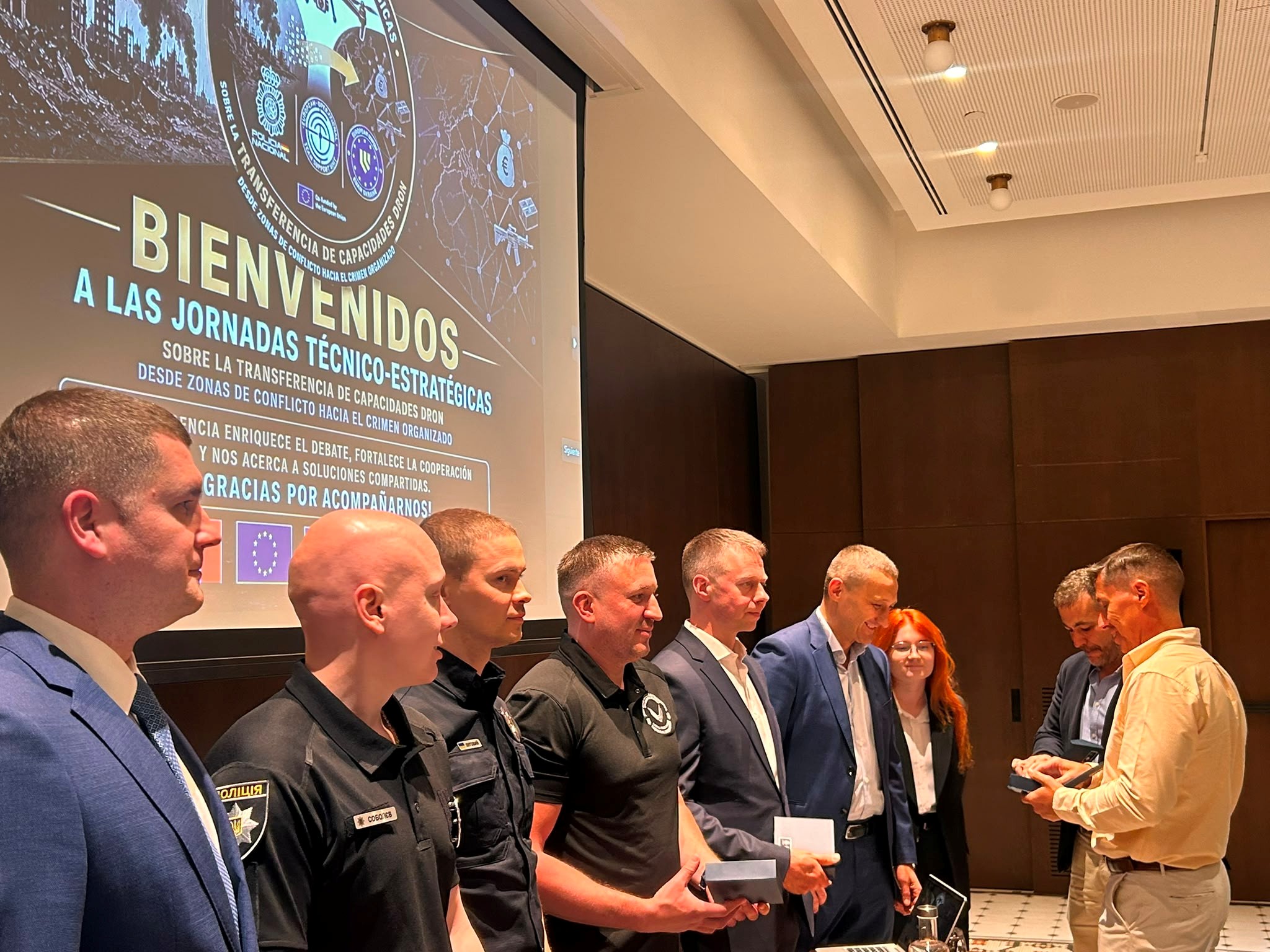
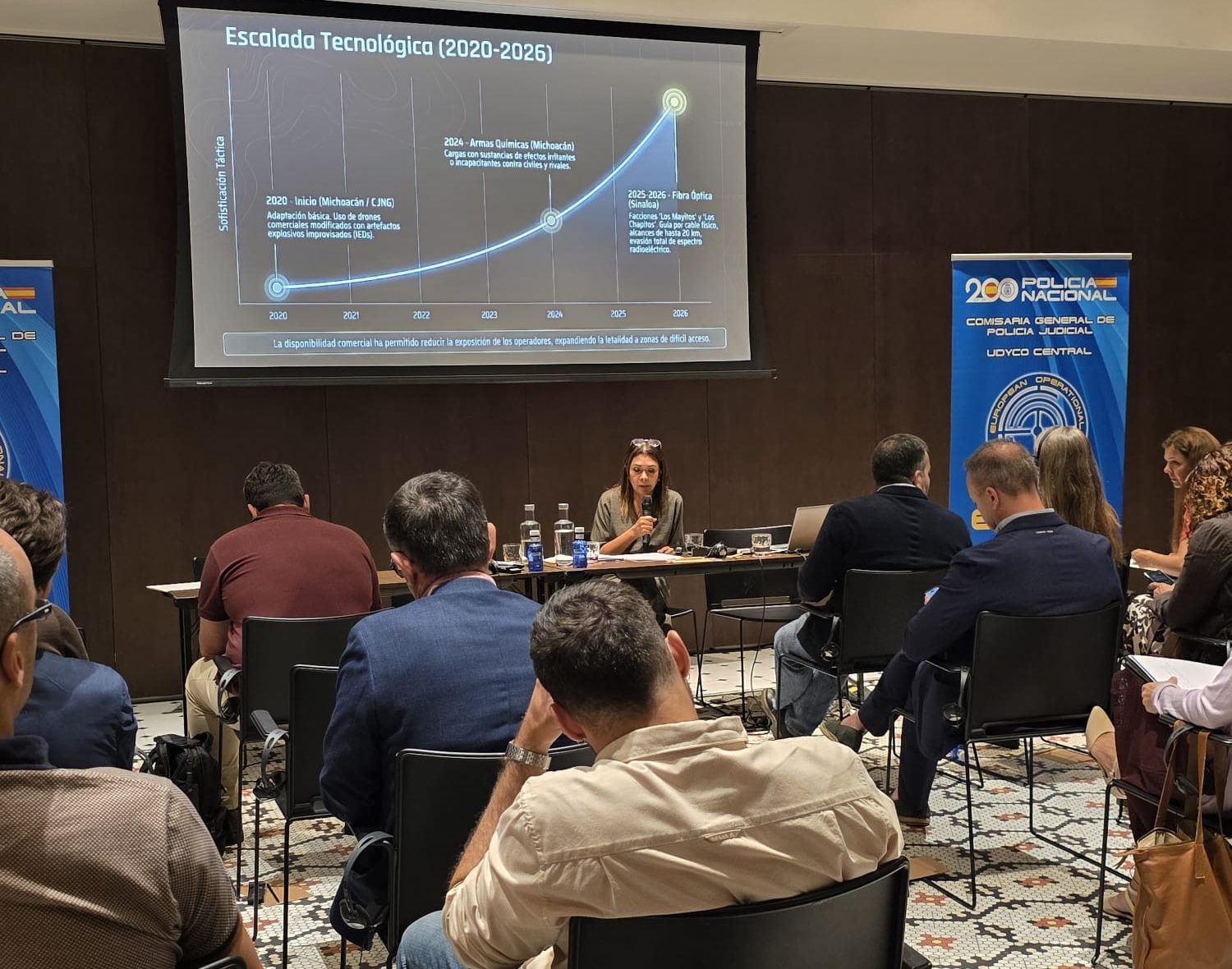




“Ukraine has accumulated unique operational expertise during more than four years of full-scale war. This means that we, as a Mission, also need to adapt quickly,” said Anastasiya Reshetova Ovchynnikova, an EUAM Senior Adviser on Criminal Investigations. “Our role is to bring relevant international expertise and help our Ukrainian partners translate the experience they are gaining today into law-enforcement capabilities for the future. This matters not only for Ukraine. Organised crime has no borders, and the technologies and skills we see on the battlefield today may become part of the criminal threat landscape tomorrow.”
The workshop also examined reported links between Russian actors and criminal and paramilitary groups, international police cooperation, and new methods for detecting and countering the illicit use of drones.
For EUAM, the discussions also provided an opportunity to assess how international trends could affect its future advisory work. The participation of the NPU, NGU and SBI alongside Mission advisers helped strengthen direct contacts with specialised international partners and identify areas for further cooperation.
The exchange worked in both directions: Ukraine contributed experience few other European countries possess, while Ukrainian institutions gained a clearer picture of how wartime technologies could shape future organised crime threats.