
How Border Reform Links Ukraine’s Security and EU Future
June 23, 2026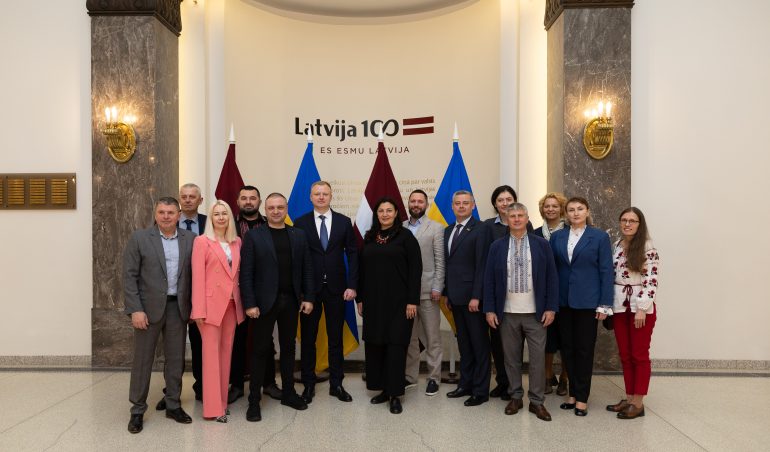
Integrated border management is one of the key areas where Ukraine’s security needs and European integration commitments meet. It is not only a technical matter of border control. It also concerns legislation, institutional coordination, accountability, human rights and resilience against hybrid threats.
For Ukraine, this reform is taking place under the pressure of Russia’s full-scale war of aggression. It is also part of a longer-term task: preparing the country’s border management system for closer integration with the European Union and for the future reintegration of liberated territories.
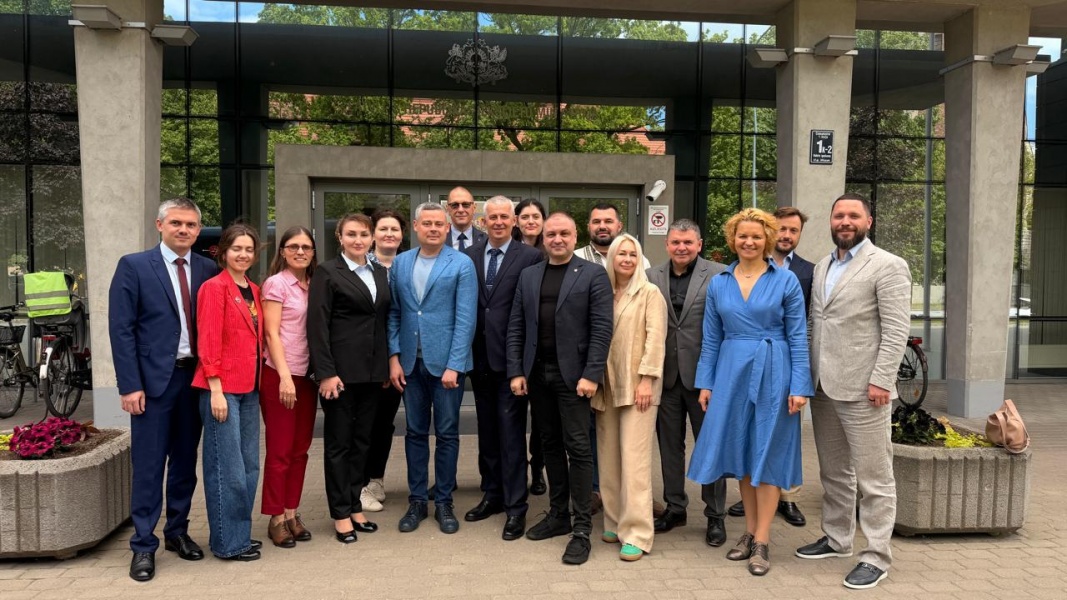
In this context, the European Union Advisory Mission (EUAM) Ukraine organised a study visit to Latvia in early June for members of the Verkhovna Rada of Ukraine Committee on EU Integration, alongside representatives of the State Border Guard Service of Ukraine and the State Customs Service of Ukraine. The visit brought together those responsible for parliamentary oversight with those responsible for implementation at the border.
“Integrated border management is one of the most demanding areas of Ukraine’s European integration. Parliamentary oversight and operational expertise must work hand in hand. By bringing the Committee together with border and customs agencies, and connecting them with Latvian counterparts who have gone through the EU integration process, this visit strengthened that link,” said Lolita Cigane, a Senior Adviser on EU Integration at EUAM Ukraine.
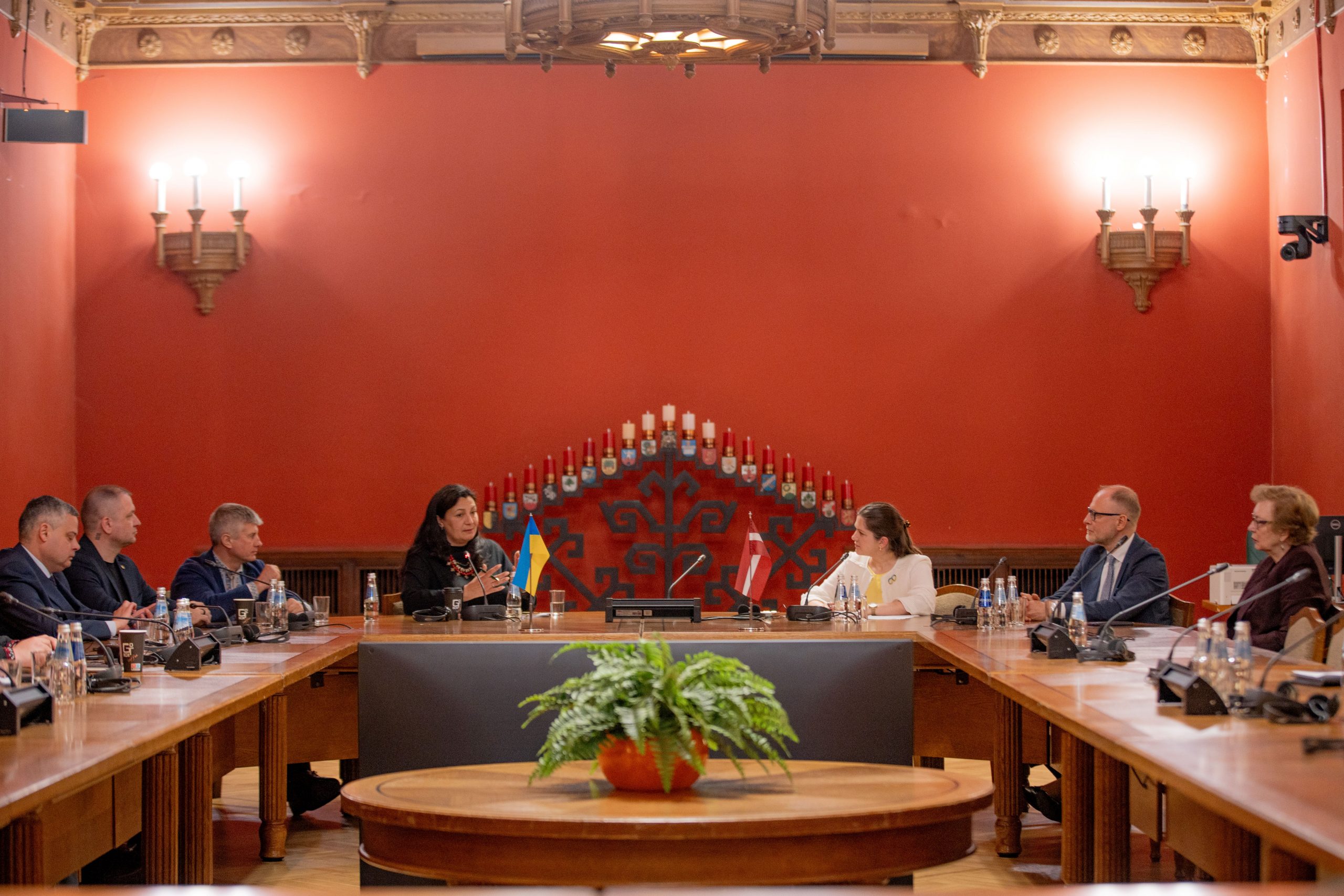
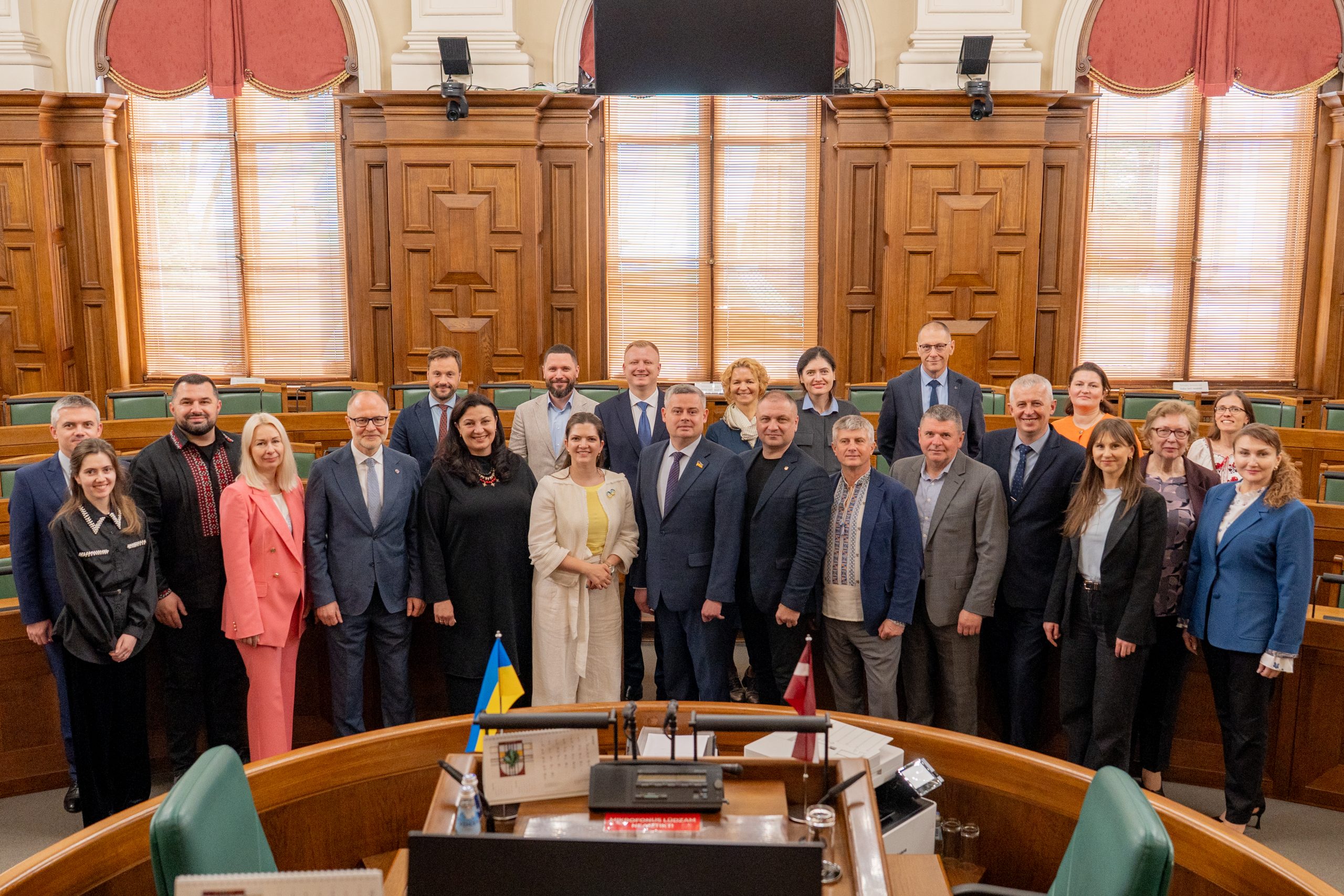
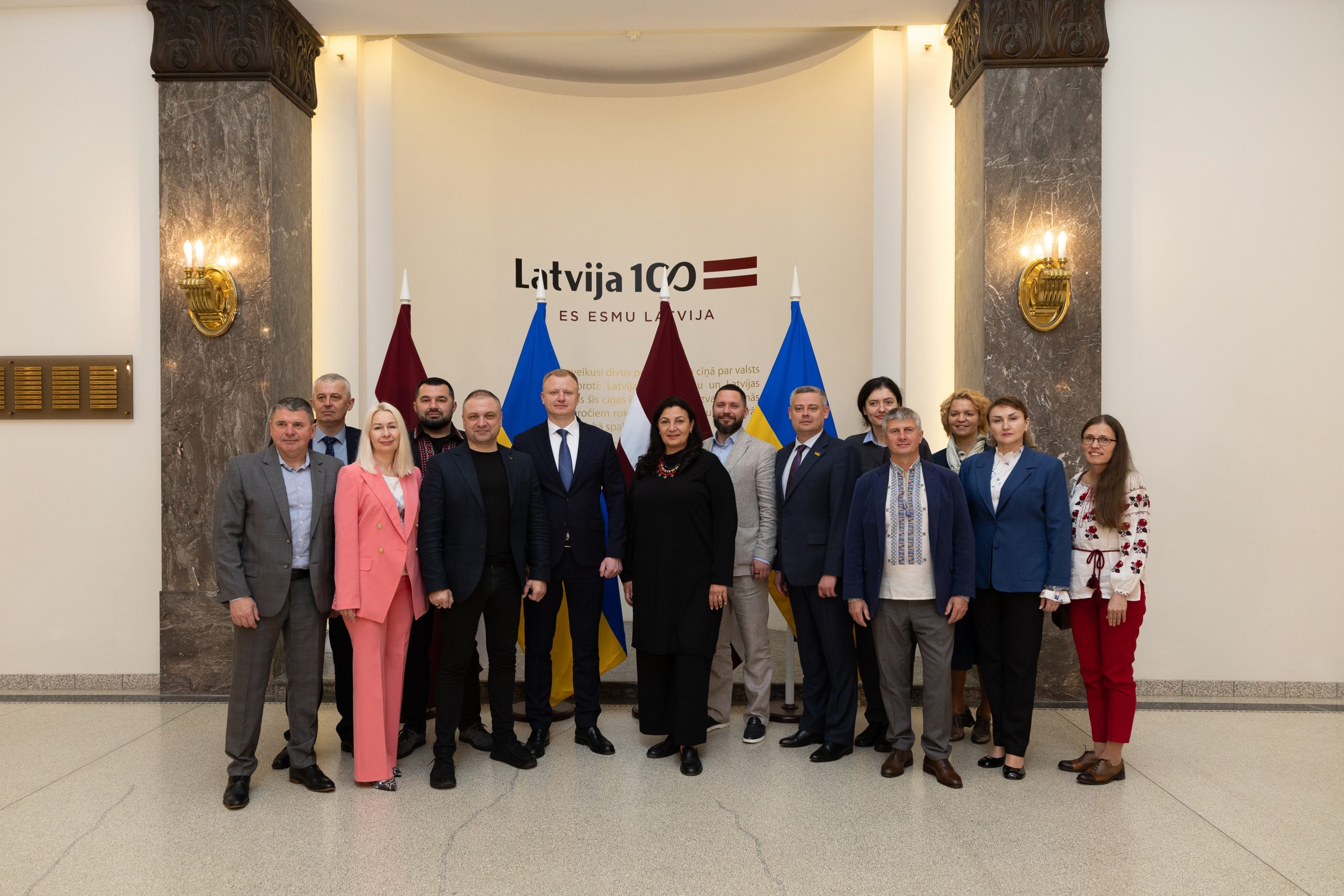
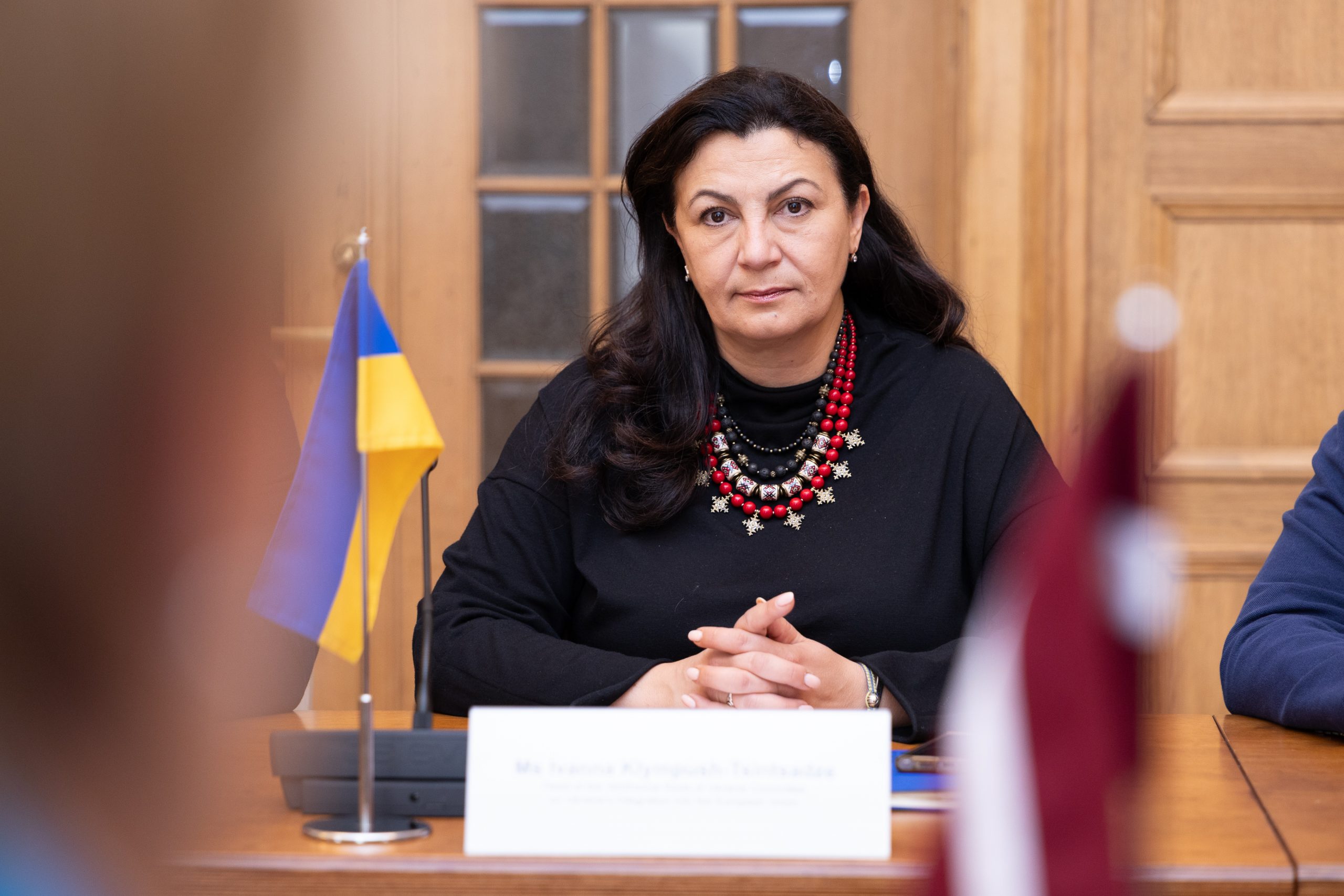
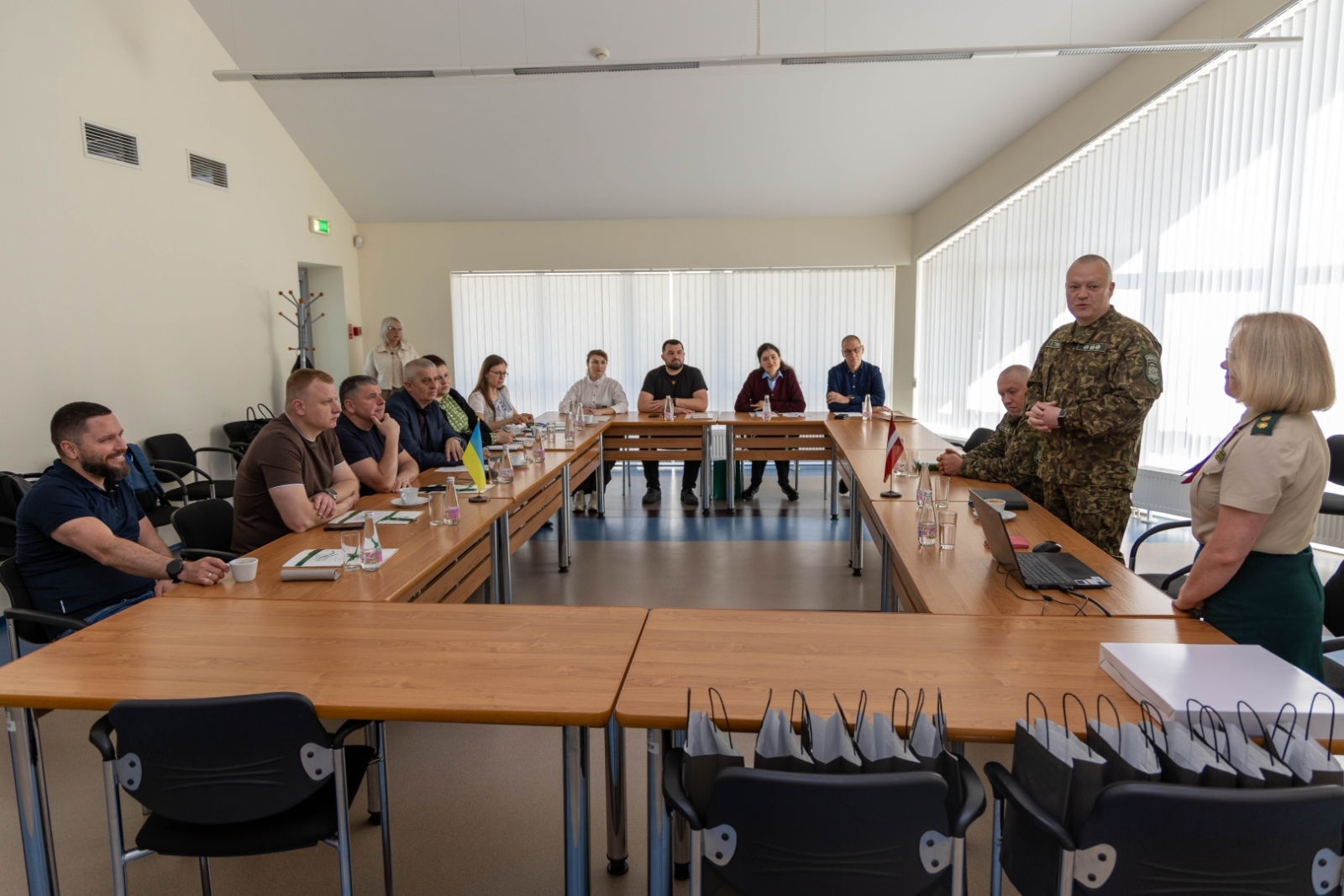
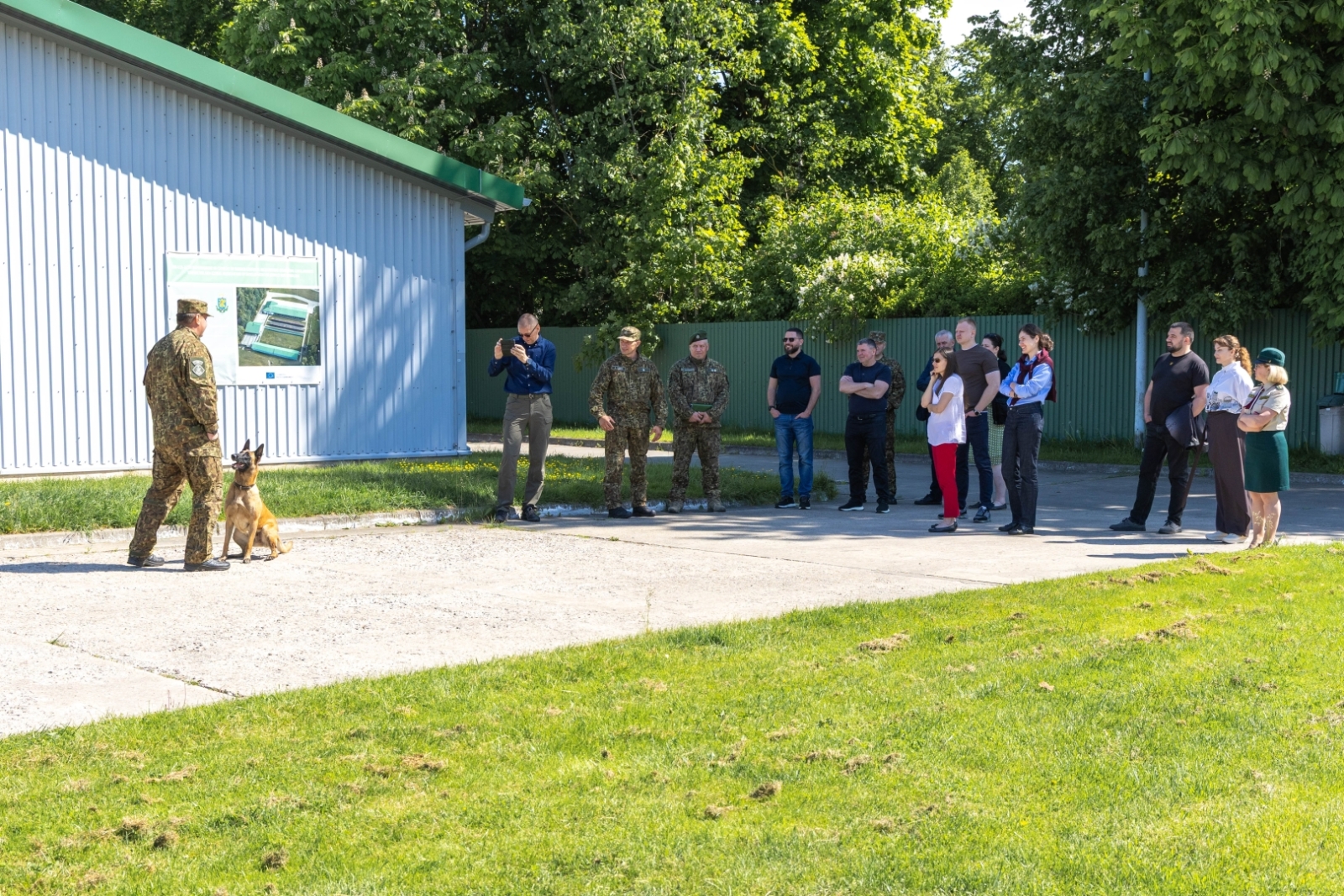
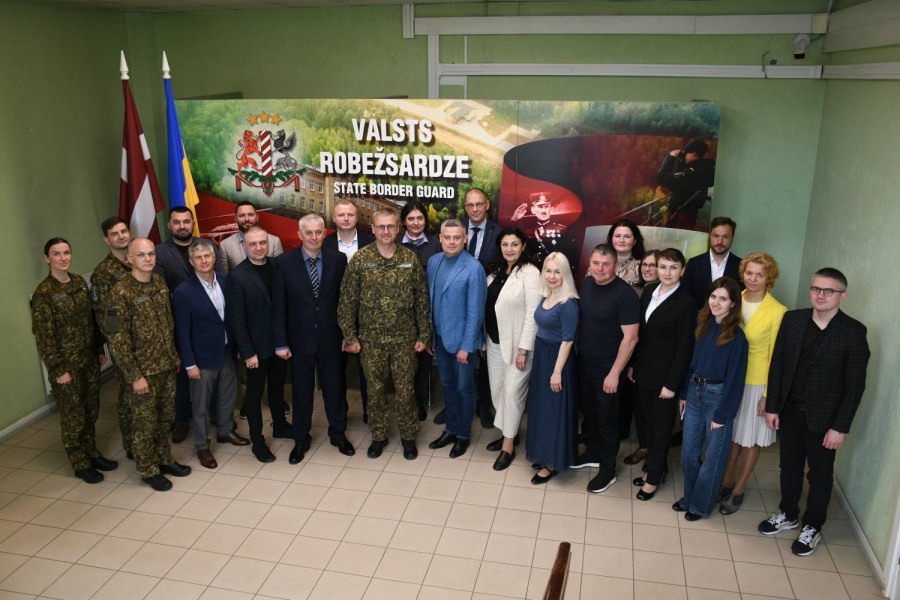










Latvia’s experience provided practical reference points for Ukraine’s reform process. Its legal framework for border management, the role of border representatives, Schengen evaluation mechanisms, the European Border Surveillance System (EUROSUR), and the modernisation of border security are directly relevant as Ukraine advances legislation and aligns its system with EU standards.
The visit also underlined how border management has become part of national resilience. Latvia’s response to the instrumentalisation of migration from Belarus, Russian propaganda, sabotage and cyberattacks on critical infrastructure showed how threats at the border can target institutions, infrastructure and public trust.
Integrated border management requires more than operational capacity. It also needs strong parliamentary oversight, clear legislation, inter-agency coordination and respect for fundamental rights. For Ukrainian lawmakers and border agencies, these elements serve the same goal: building a border management system that is secure, accountable and ready for deeper integration with the European Union.
The visit strengthened direct cooperation between Ukrainian and Latvian parliamentarians and created a practical basis for further work on Ukraine’s border reform. EUAM Ukraine will continue to support its Ukrainian partners as they advance reforms in line with EU standards and Ukraine’s path towards membership of the European Union.
