

From Fuel Tanks to False Floors: How Ukrainian Border Guards and Customs Officers Improve Their Skills in Detecting Smuggling in Vehicles
June 08, 2026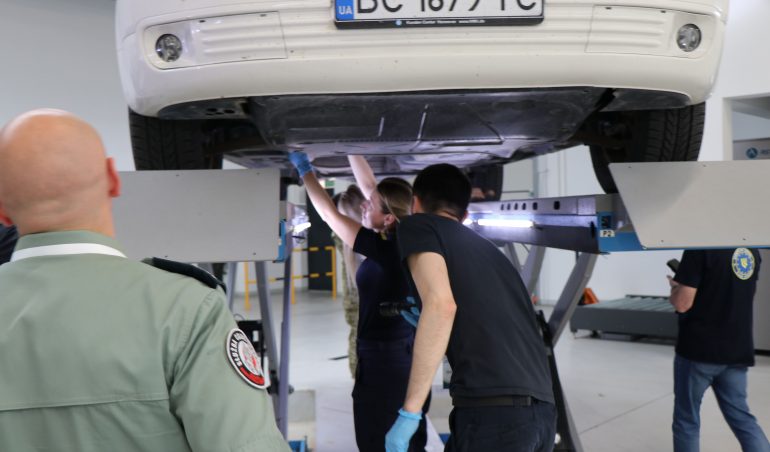
If someone asked you to hide a package inside a car, where would you put it? Under the seat? Inside the spare wheel compartment? Behind a panel in the trunk? Now imagine that your job is to find it.
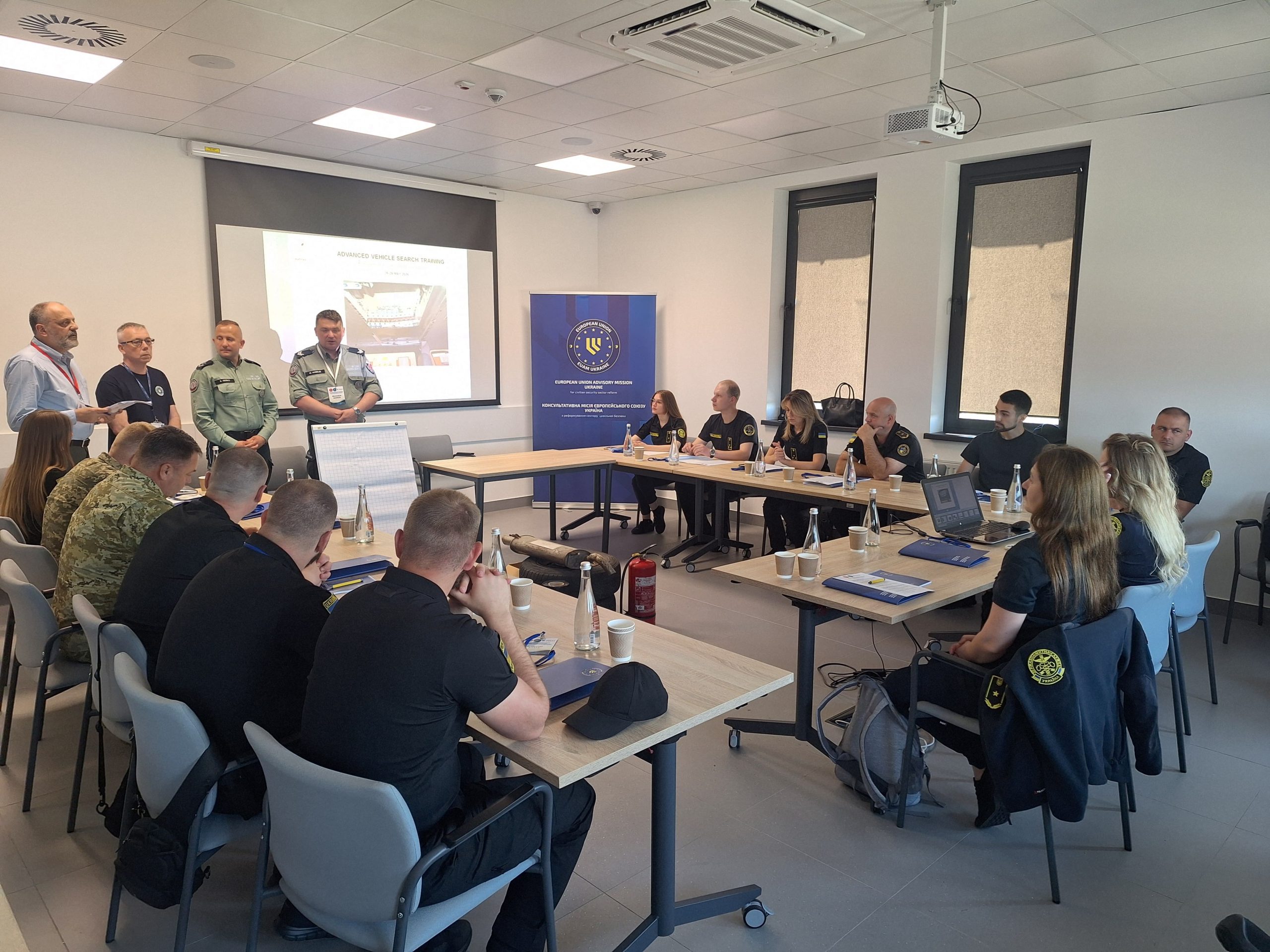
Modern vehicles contain countless spaces that can be used to conceal illicit goods. Some are obvious. Others are so well hidden that they can only be found by trained specialists using technical knowledge, risk analysis and hands-on inspection skills. This was the focus of a specialised vehicle inspection training organised by EUAM Ukraine, the Polish National Revenue Administration and Finnish Customs at Border Crossing Point (BCP) Malhowice from 26 to 28 May.
The course gathered customs inspectors from Lviv, Chernivtsi, Zakarpattia and Volyn regions, as well as representatives of the State Customs Service Department for Specialised Training and Canine Support and the State Border Guard Service Border Checks Training Centre. Expert trainers from Finnish Customs and the Polish National Revenue Administration shared operational experience gained through years of combating cross-border smuggling.
Classroom sessions covered risk analysis, vehicle construction, alternative fuel systems, inspection equipment and current smuggling trends. Experts underlined that customs inspectors need to “read” different indicators using more than sight alone. Sounds, smells and other sensory cues inside a vehicle can also help justify a decision to send it for deep inspection.
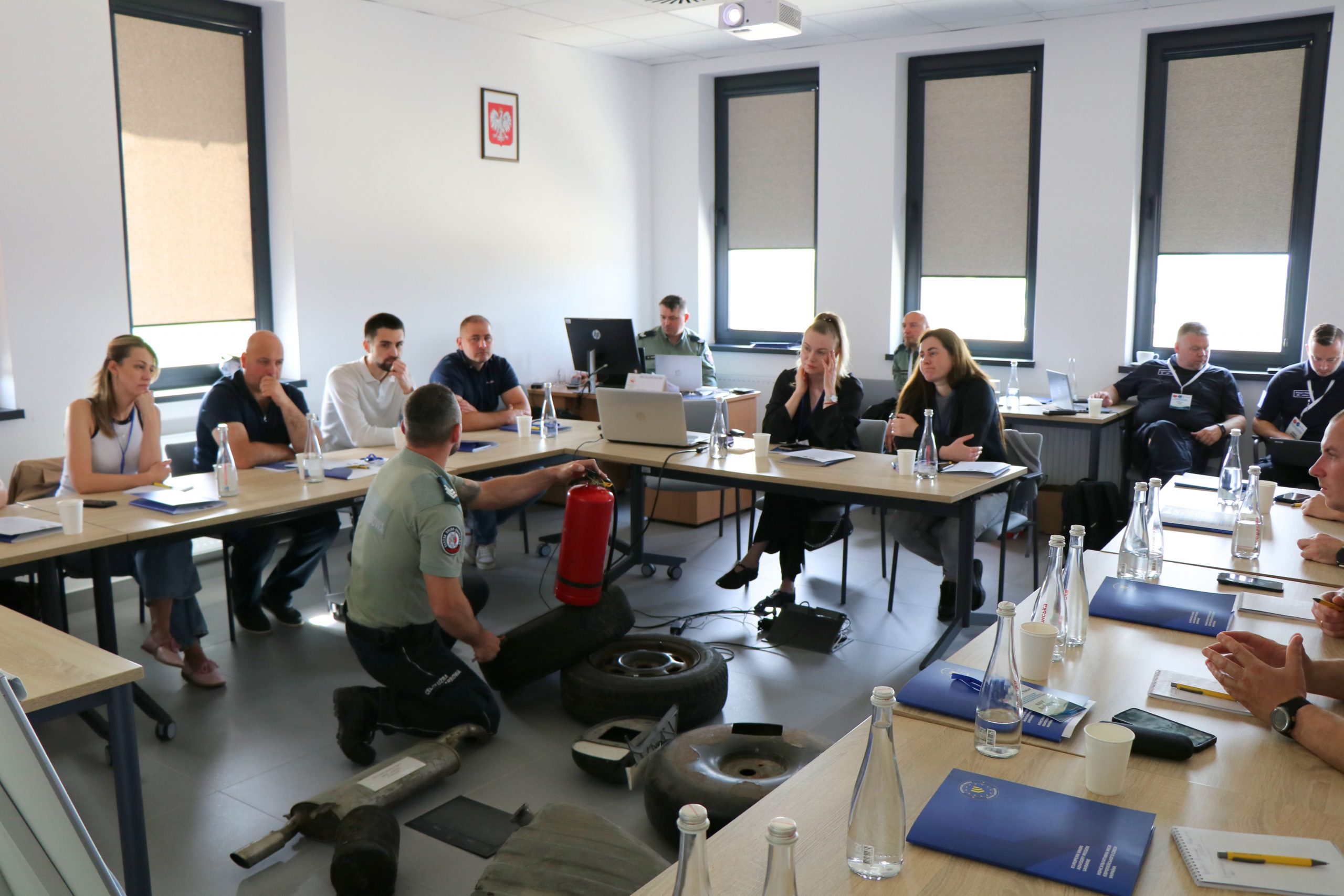
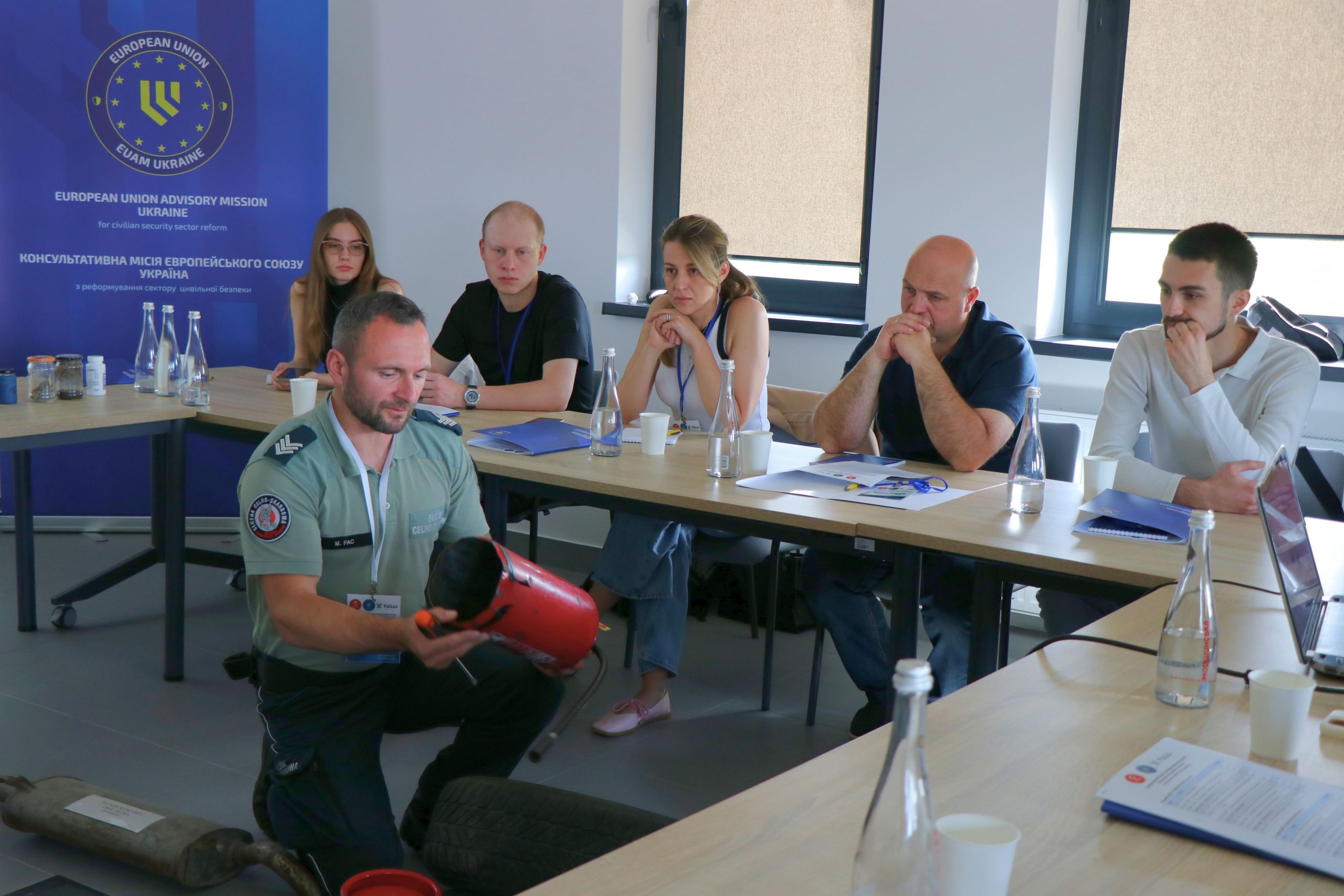
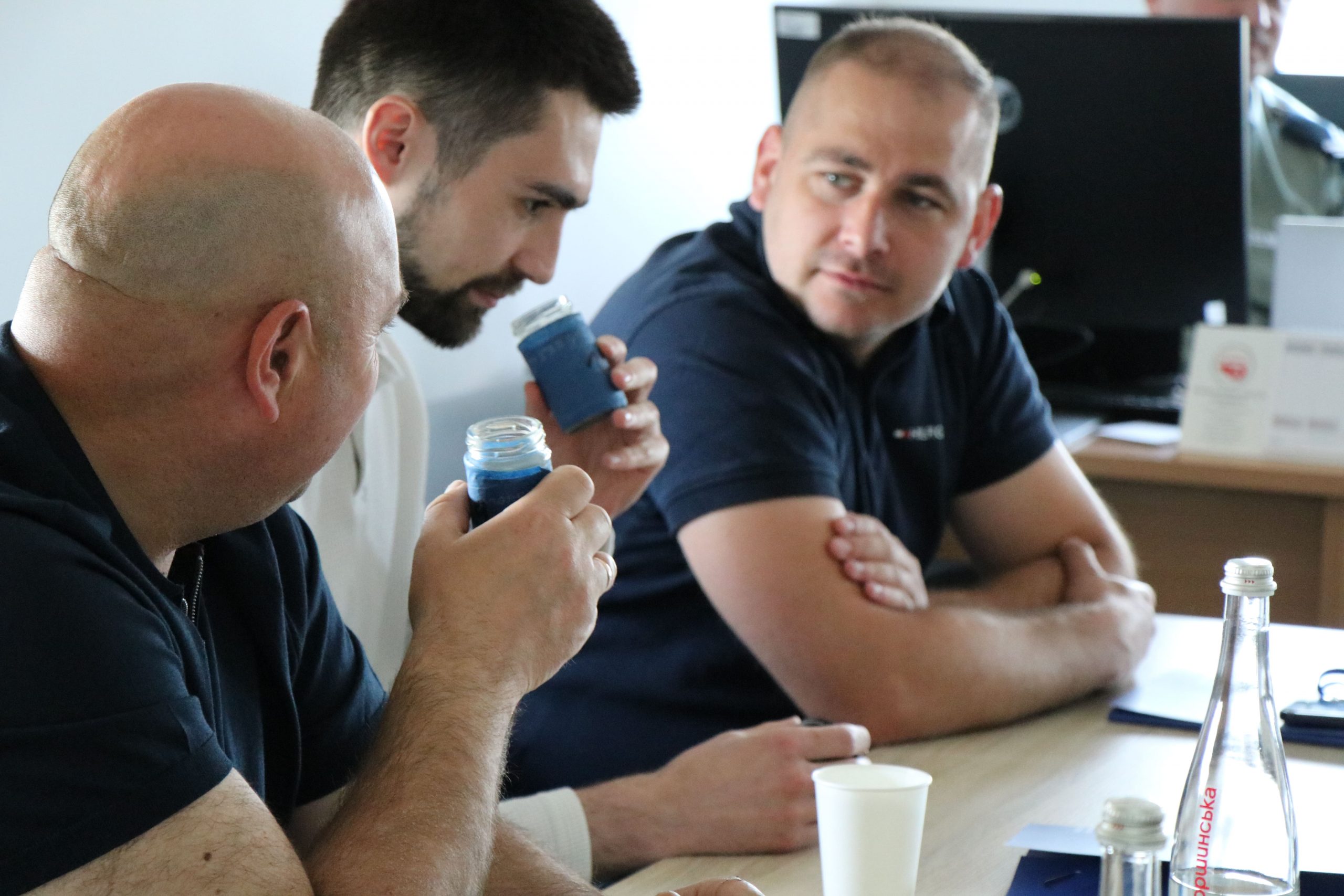
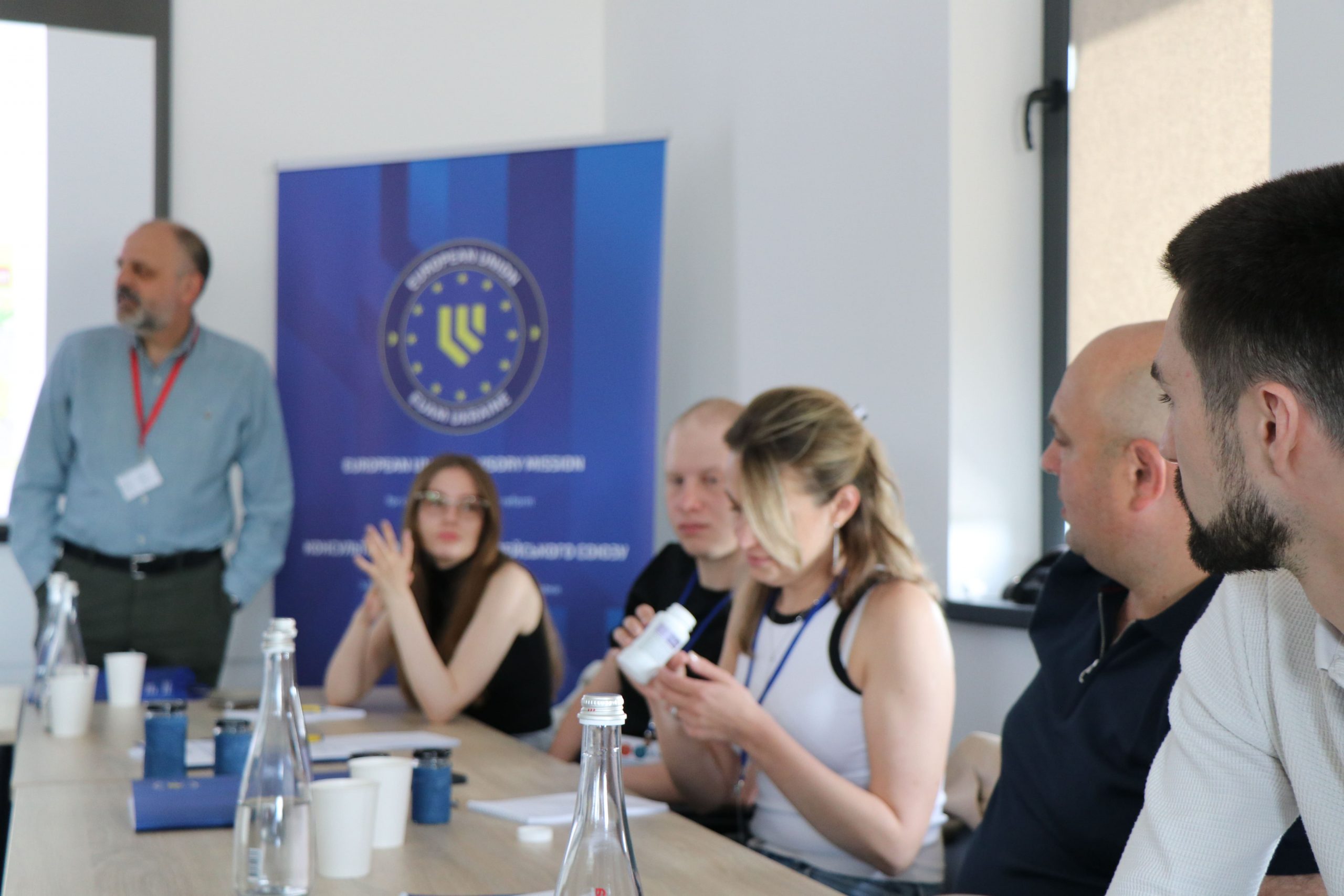
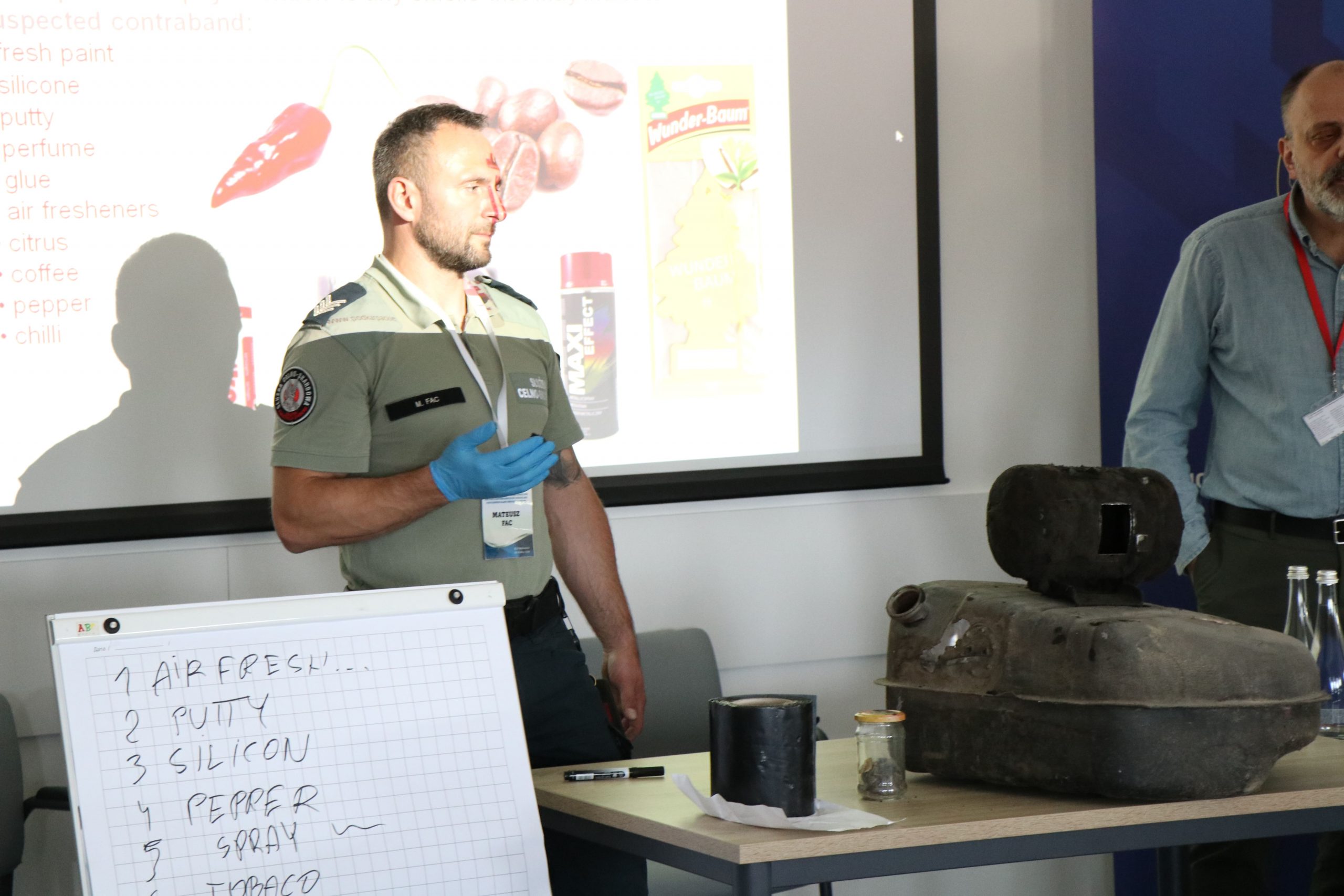





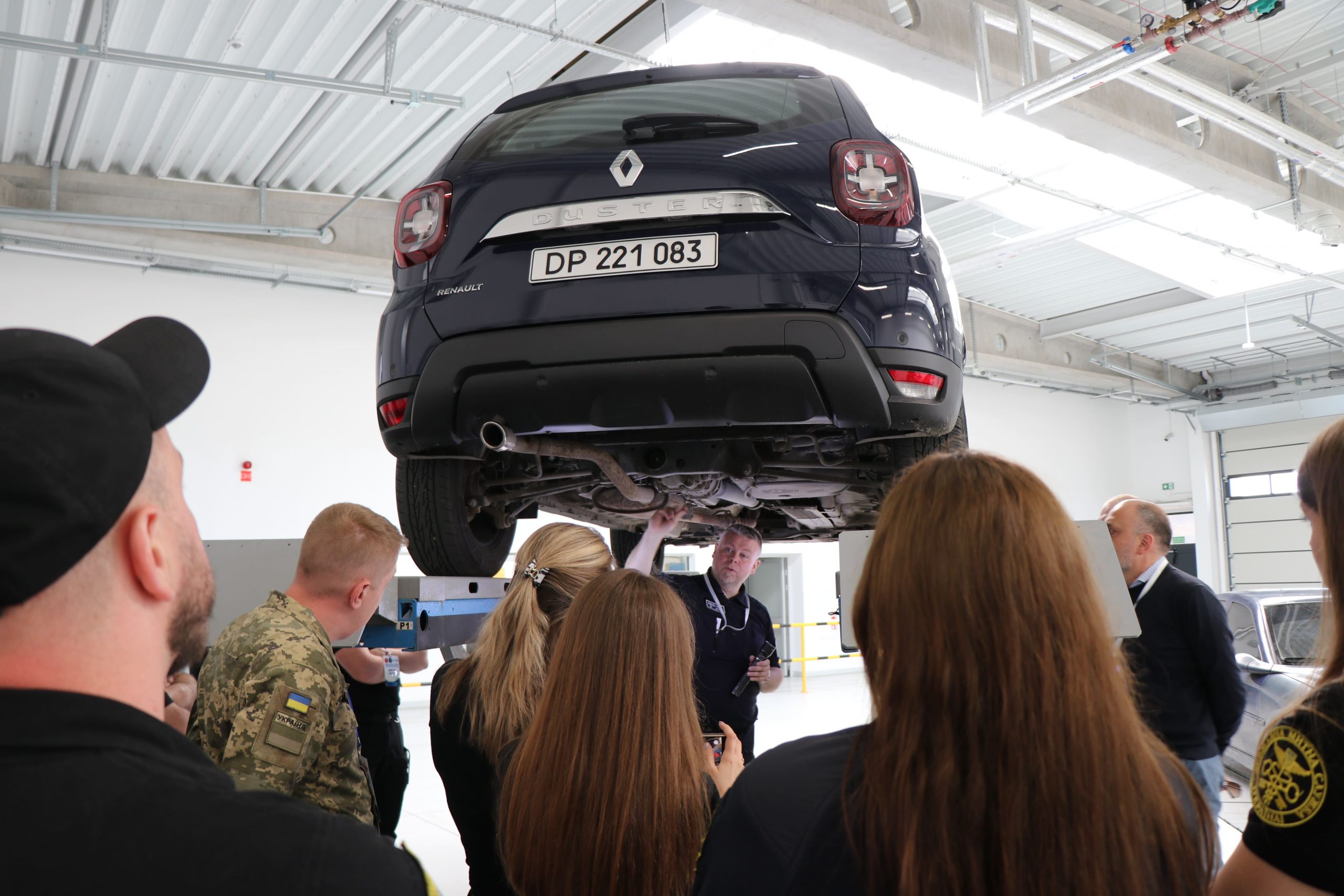
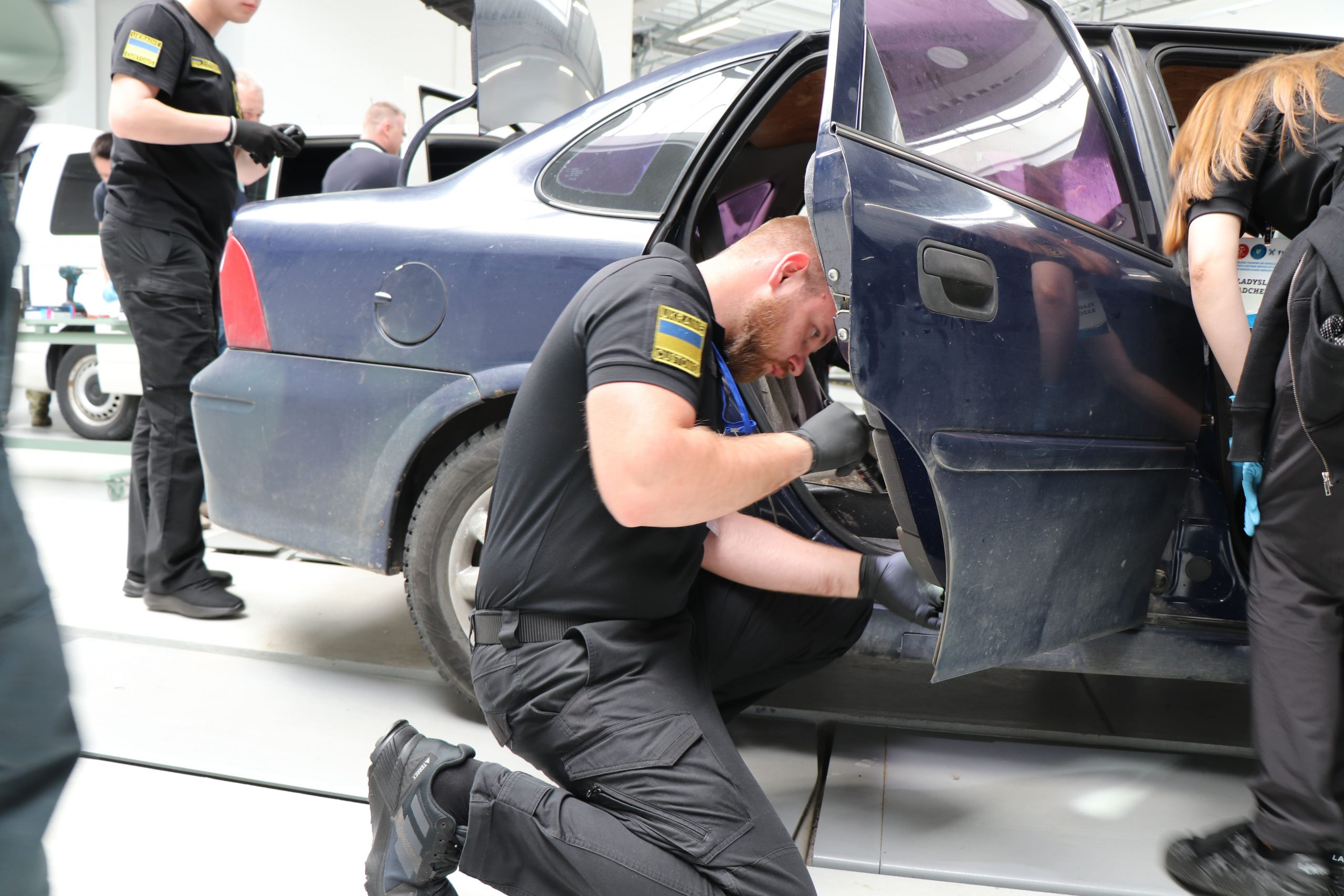
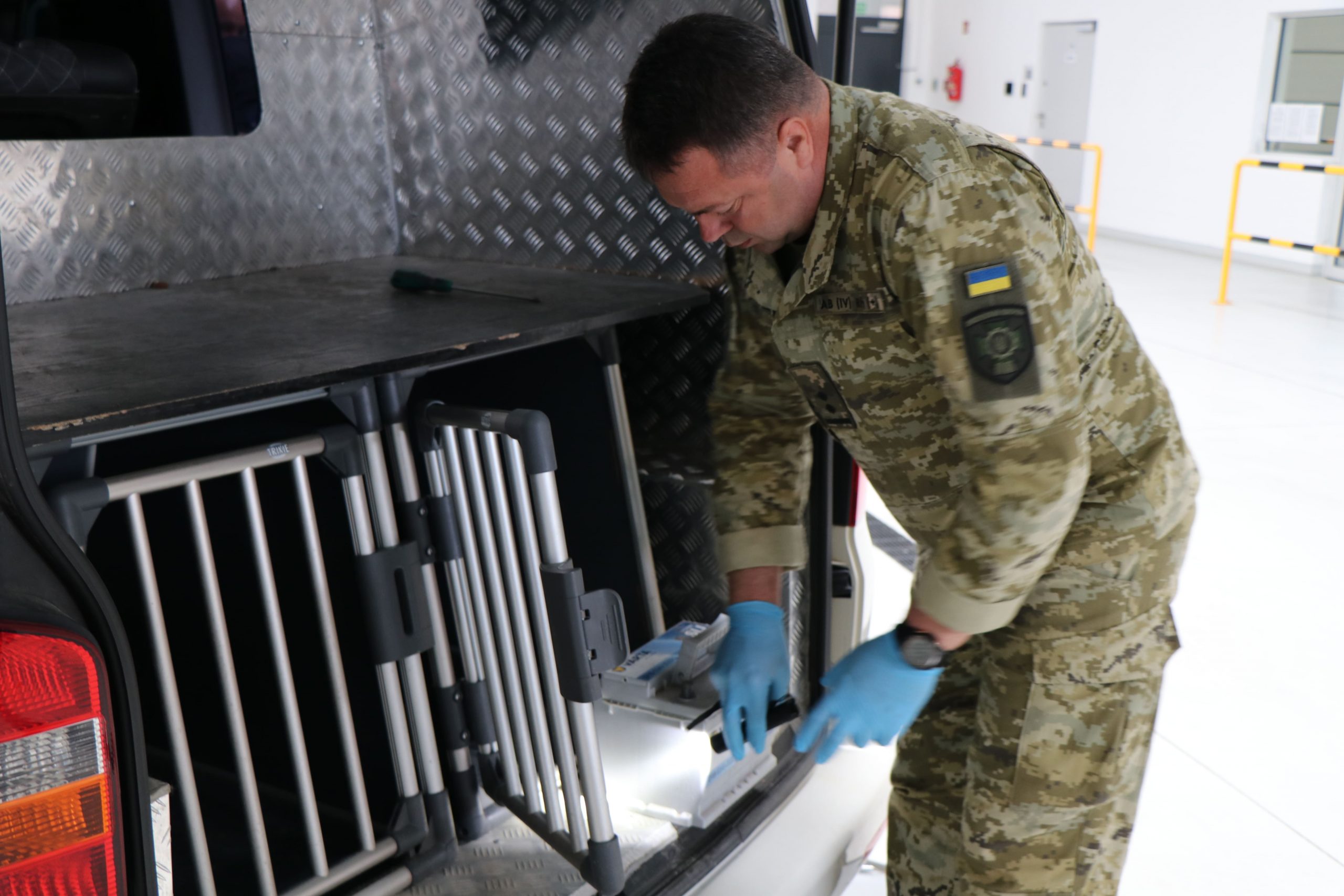
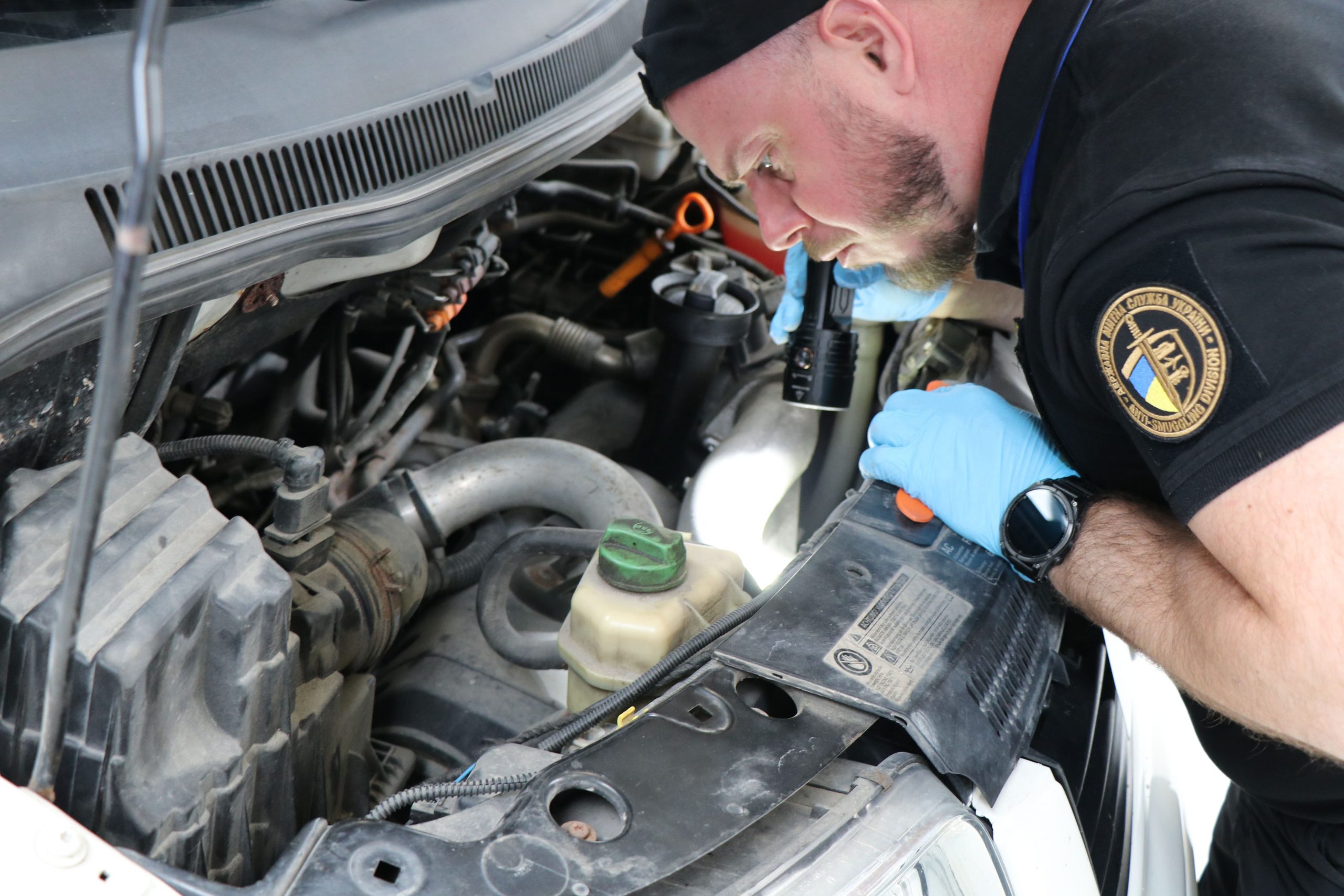
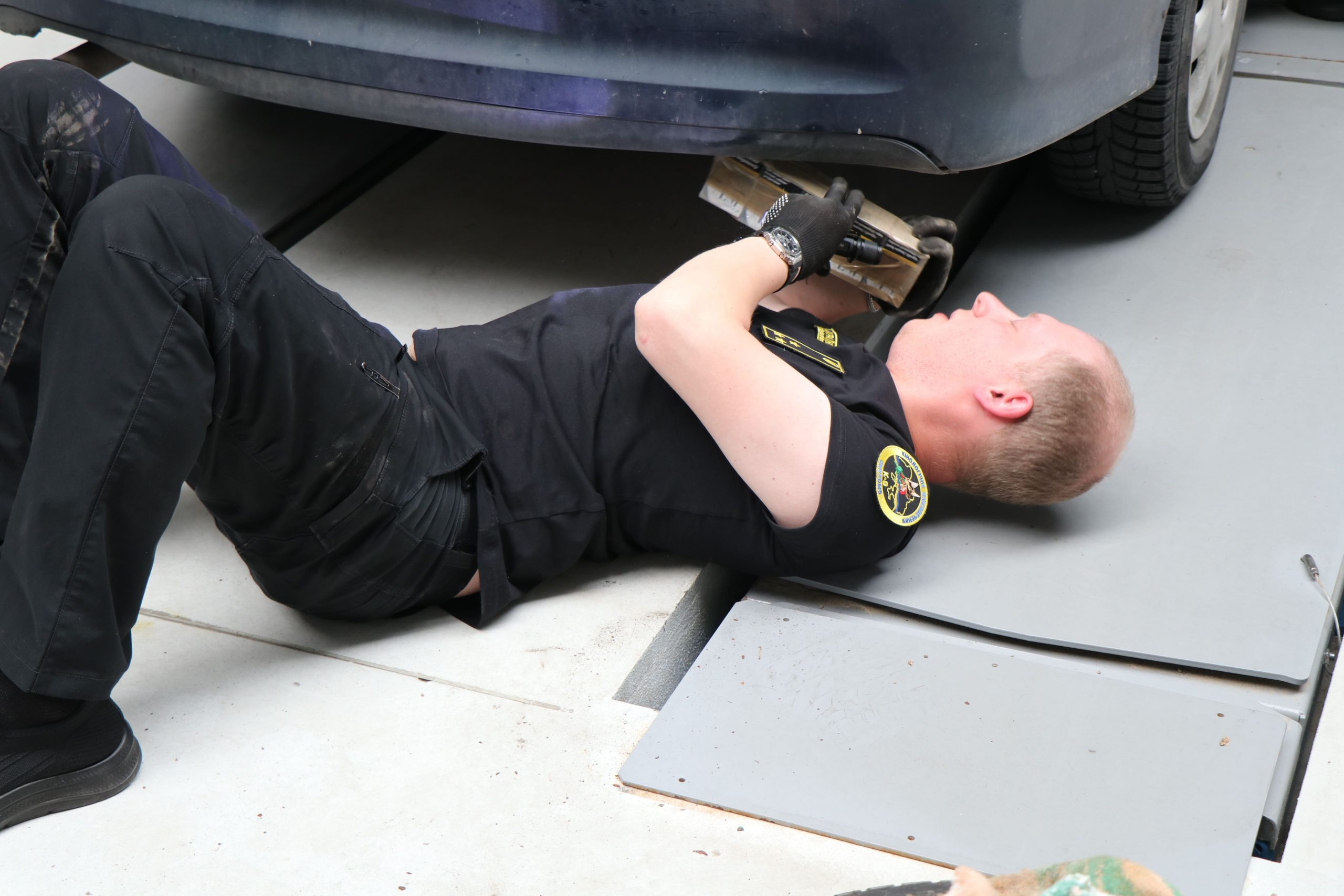
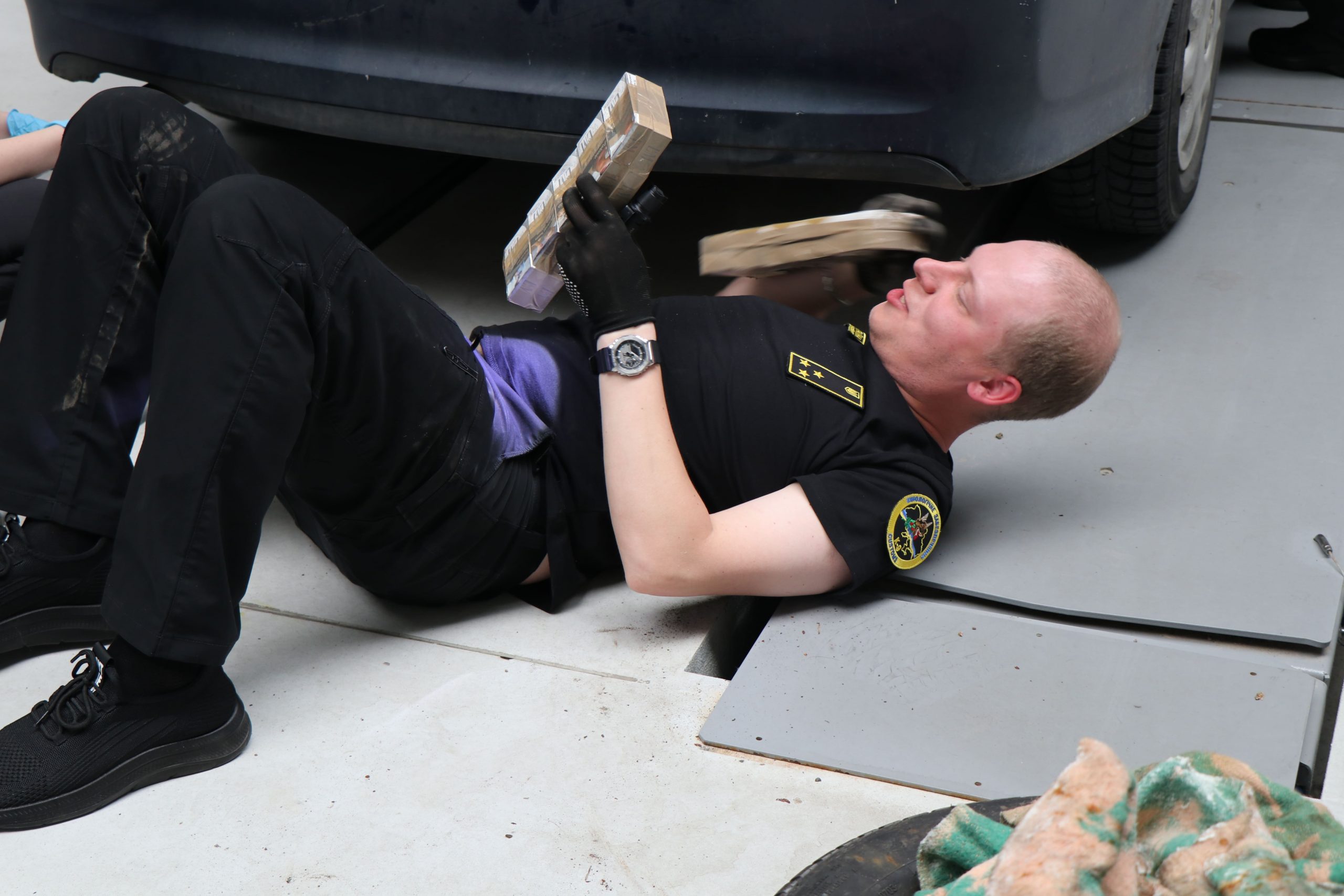
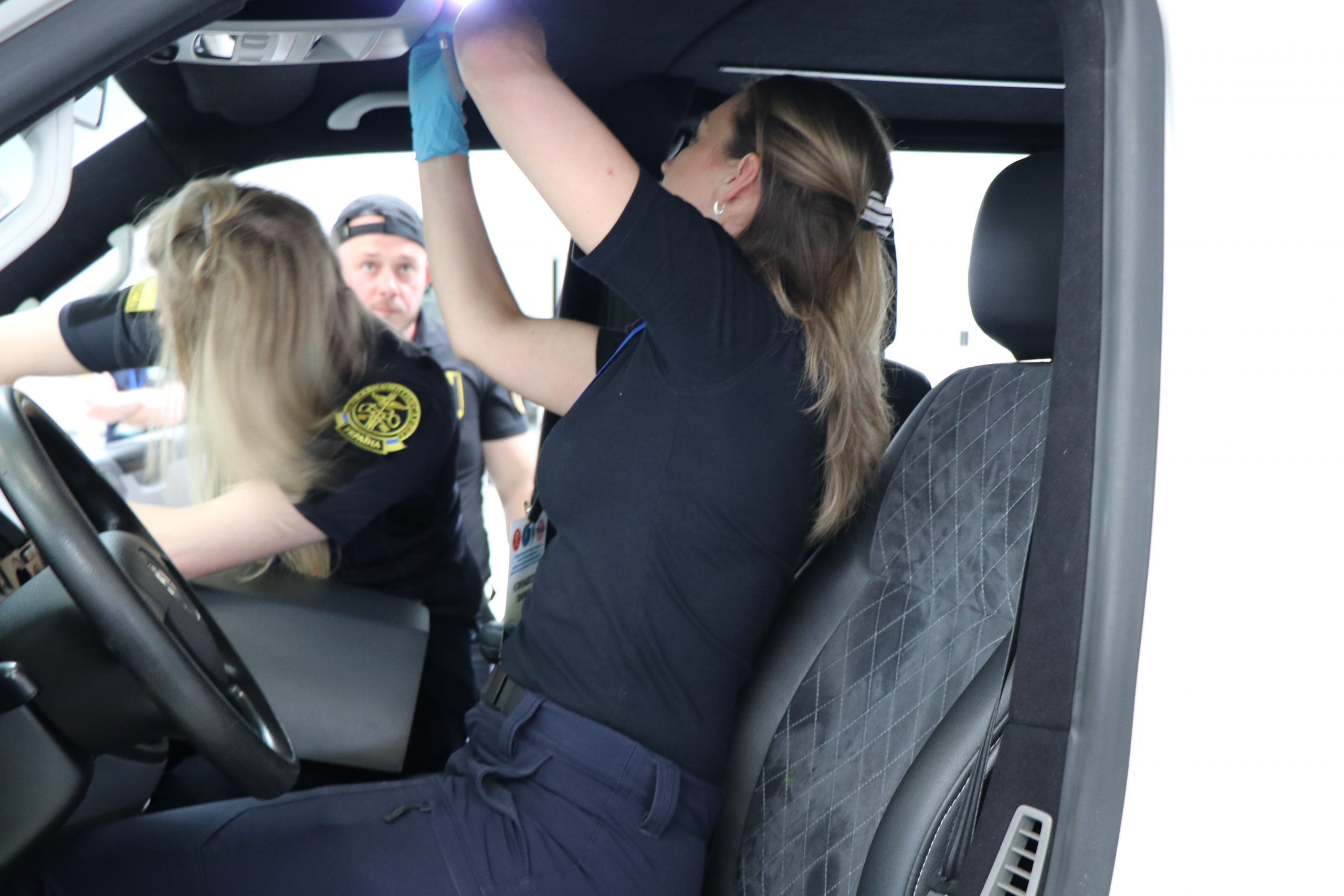
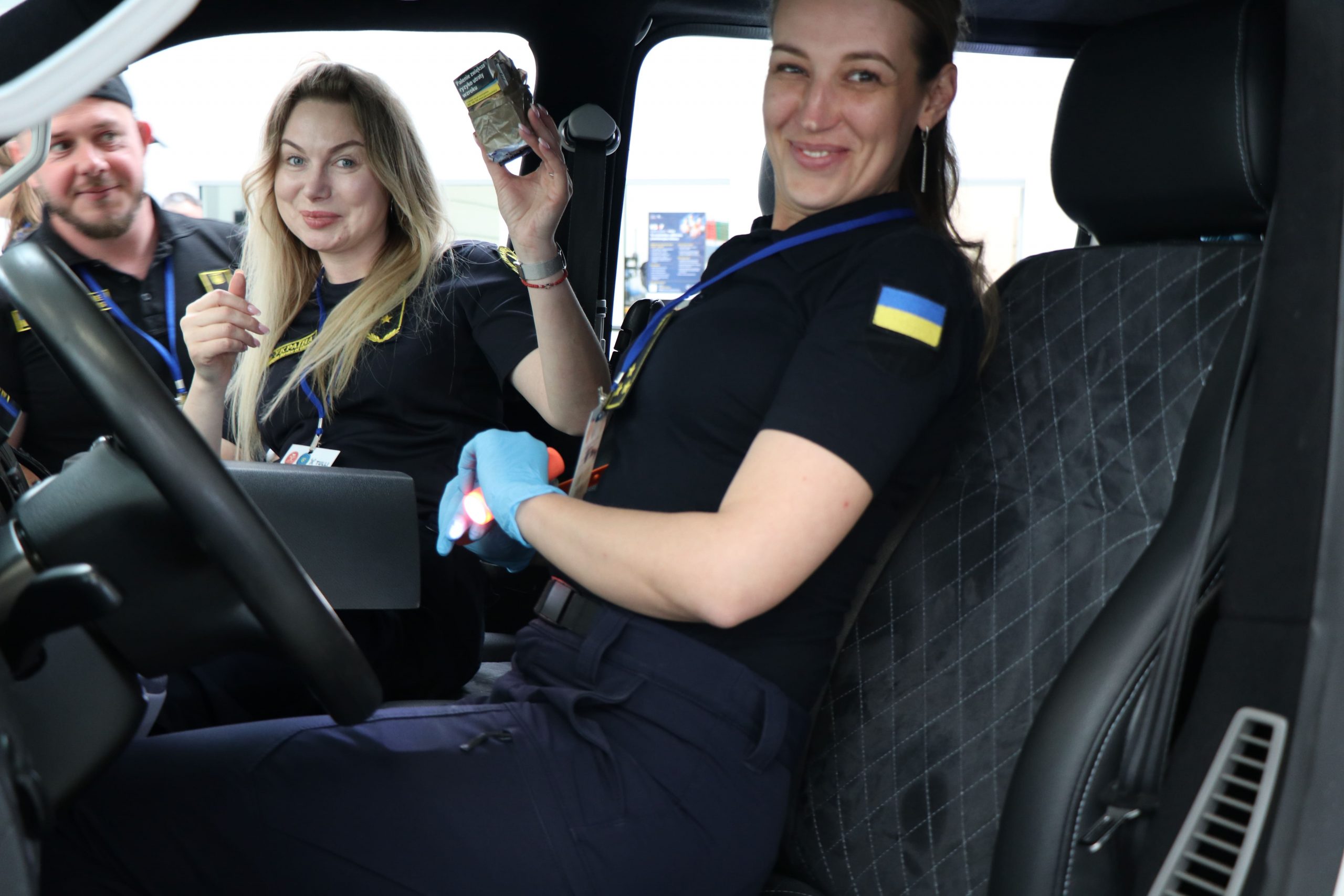
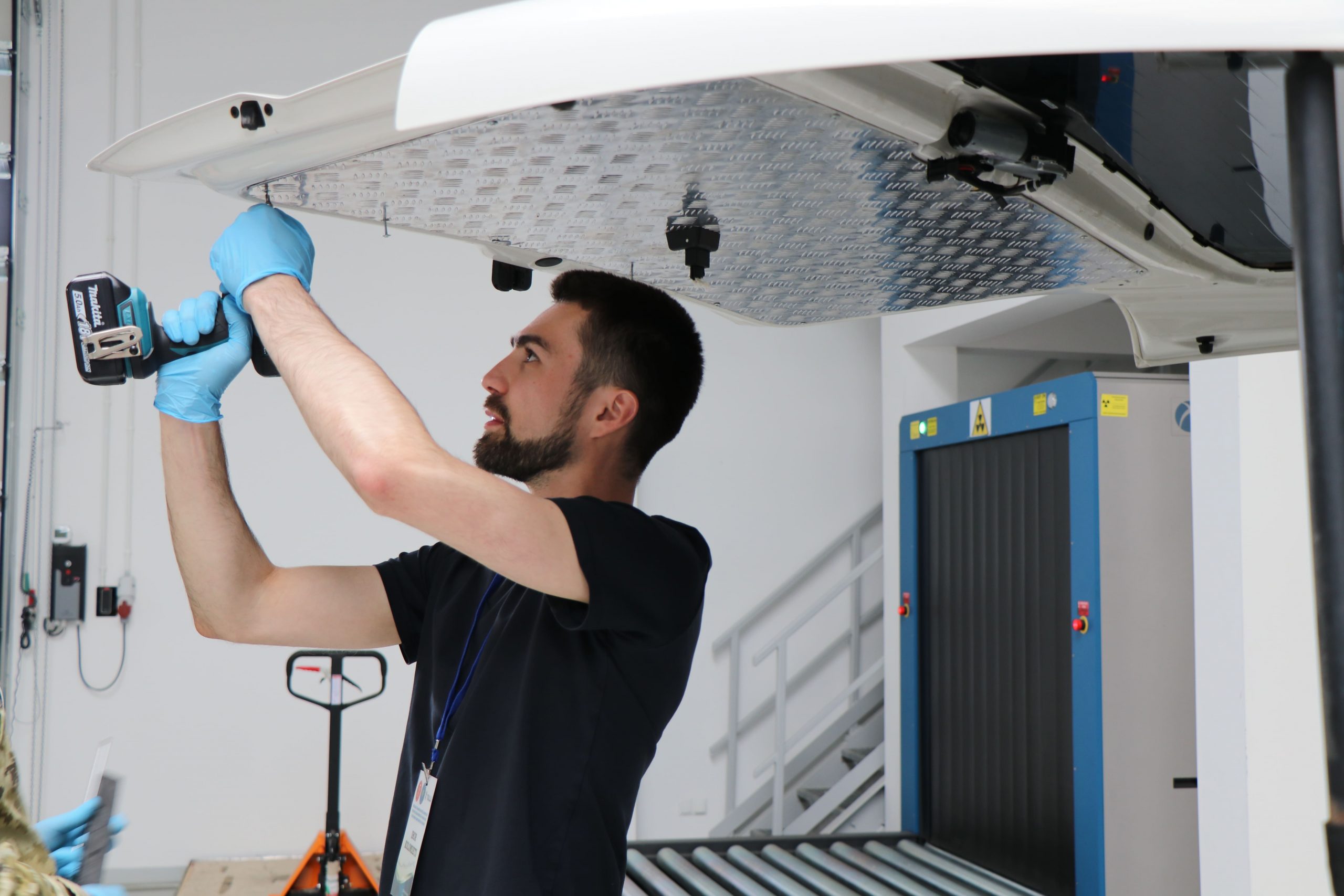
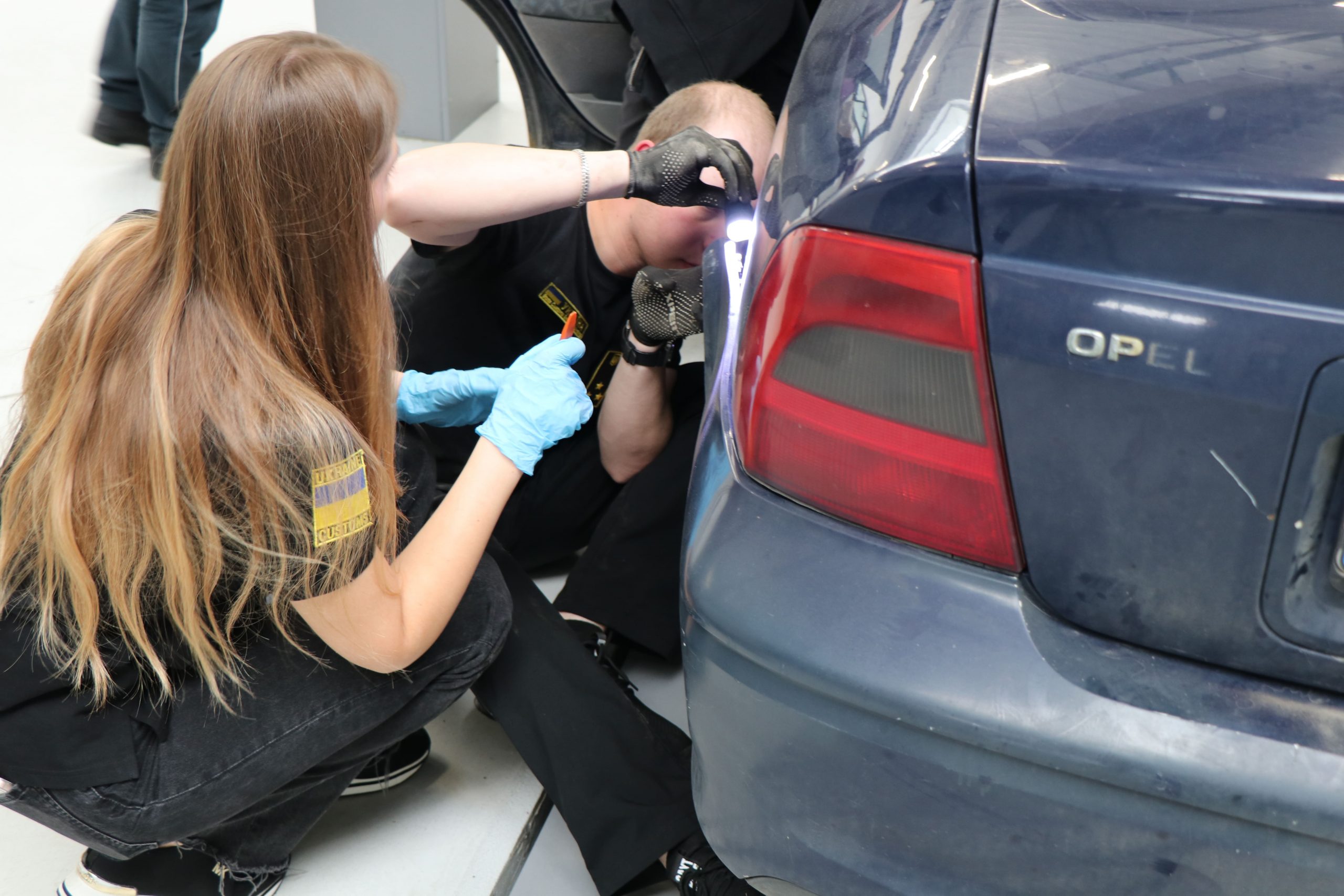
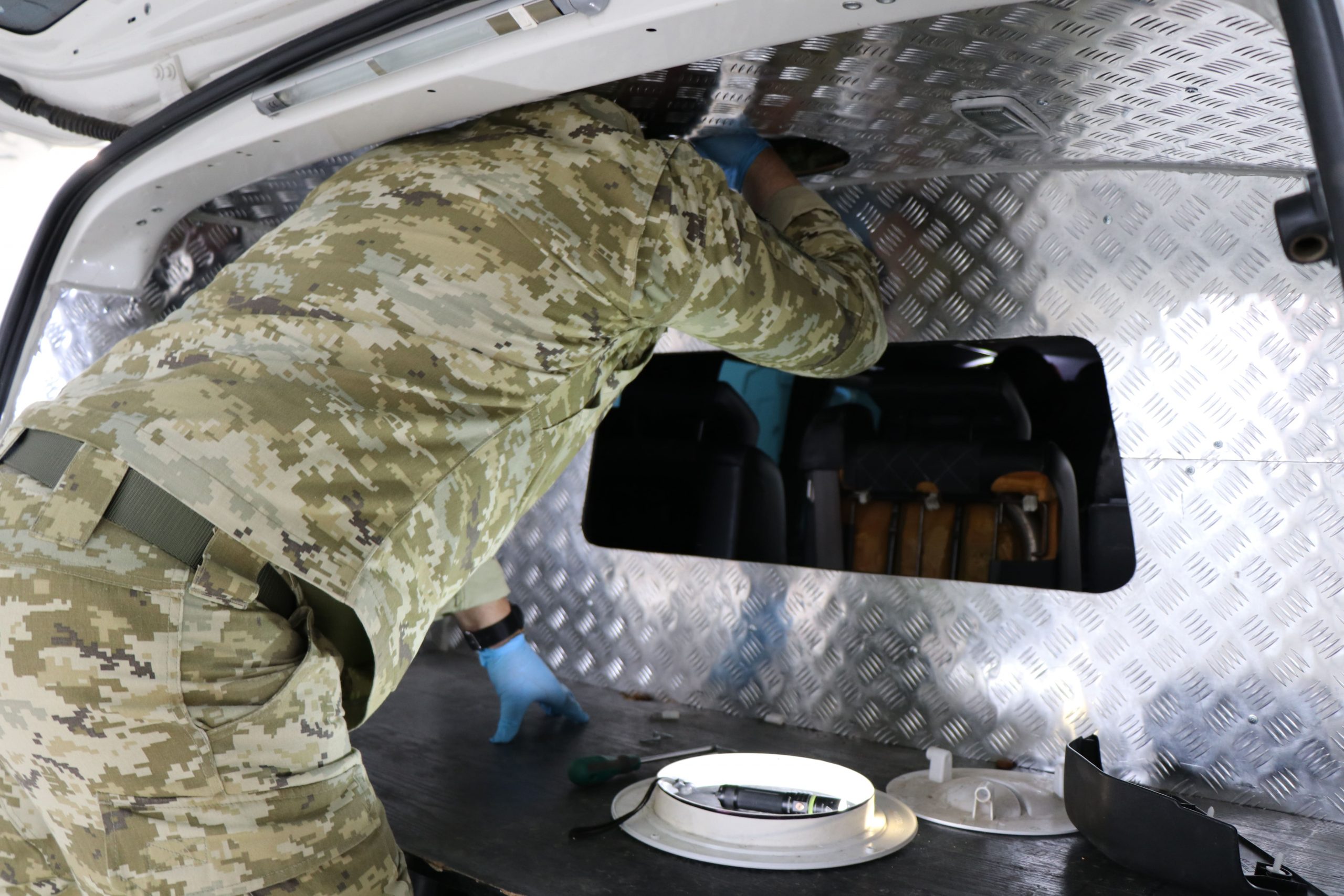
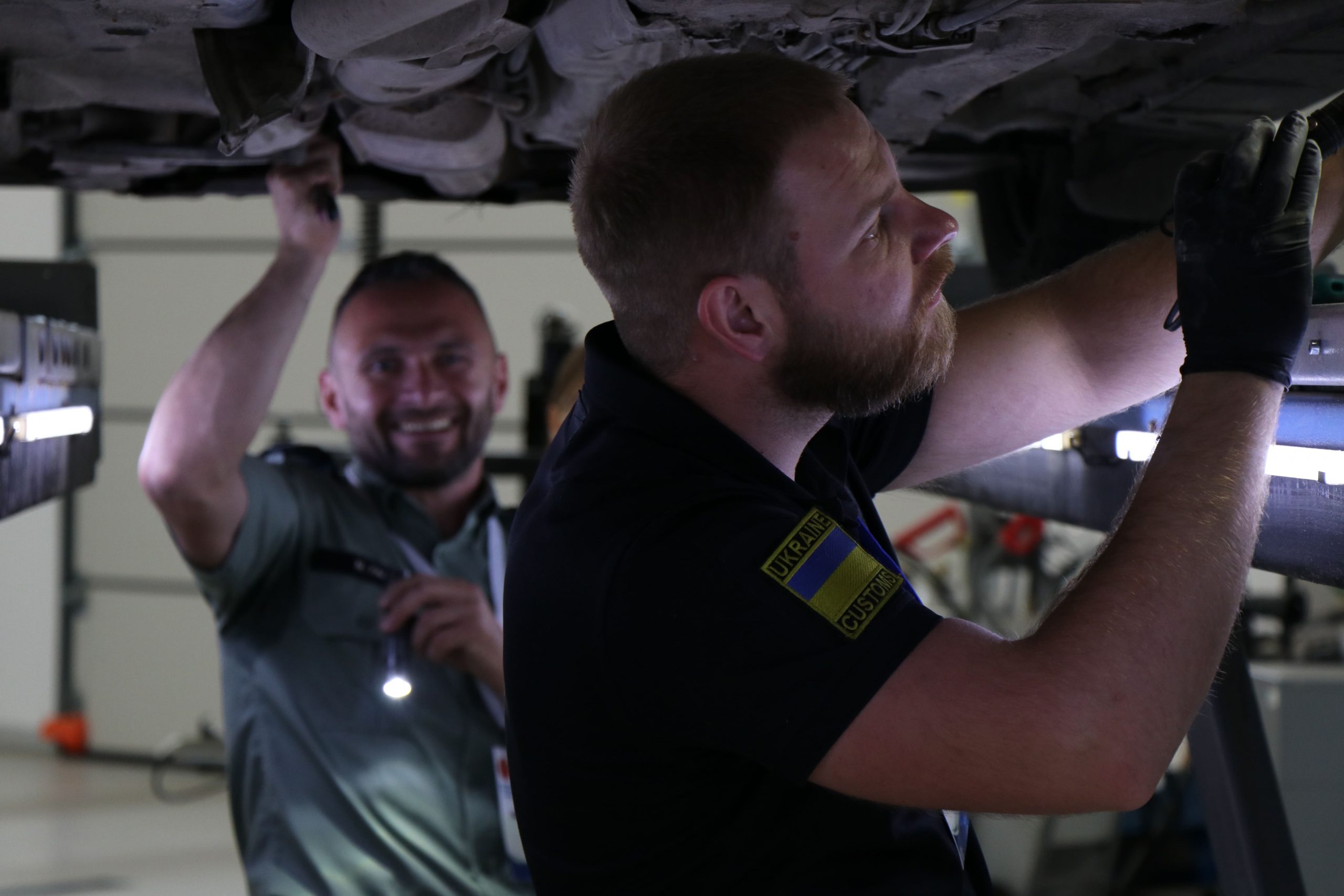
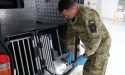
Participants then moved from theory to practice in a dedicated deep inspection box, where vehicles became puzzles waiting to be solved. Fuel tanks, door panels, dashboards, floors, roofs, side cavities and other hidden spaces were carefully examined. Trainers demonstrated common techniques used by criminal networks and explained which indicators can help officers identify high-risk vehicles before a search even begins.
One example discussed during the practical sessions was the use of tunnels underneath vehicles, which experts described as one of the most common hideouts currently seen in Europe. They also warned that newer vehicle technologies, including different types of electric engines, are creating fresh opportunities for smugglers to adapt.
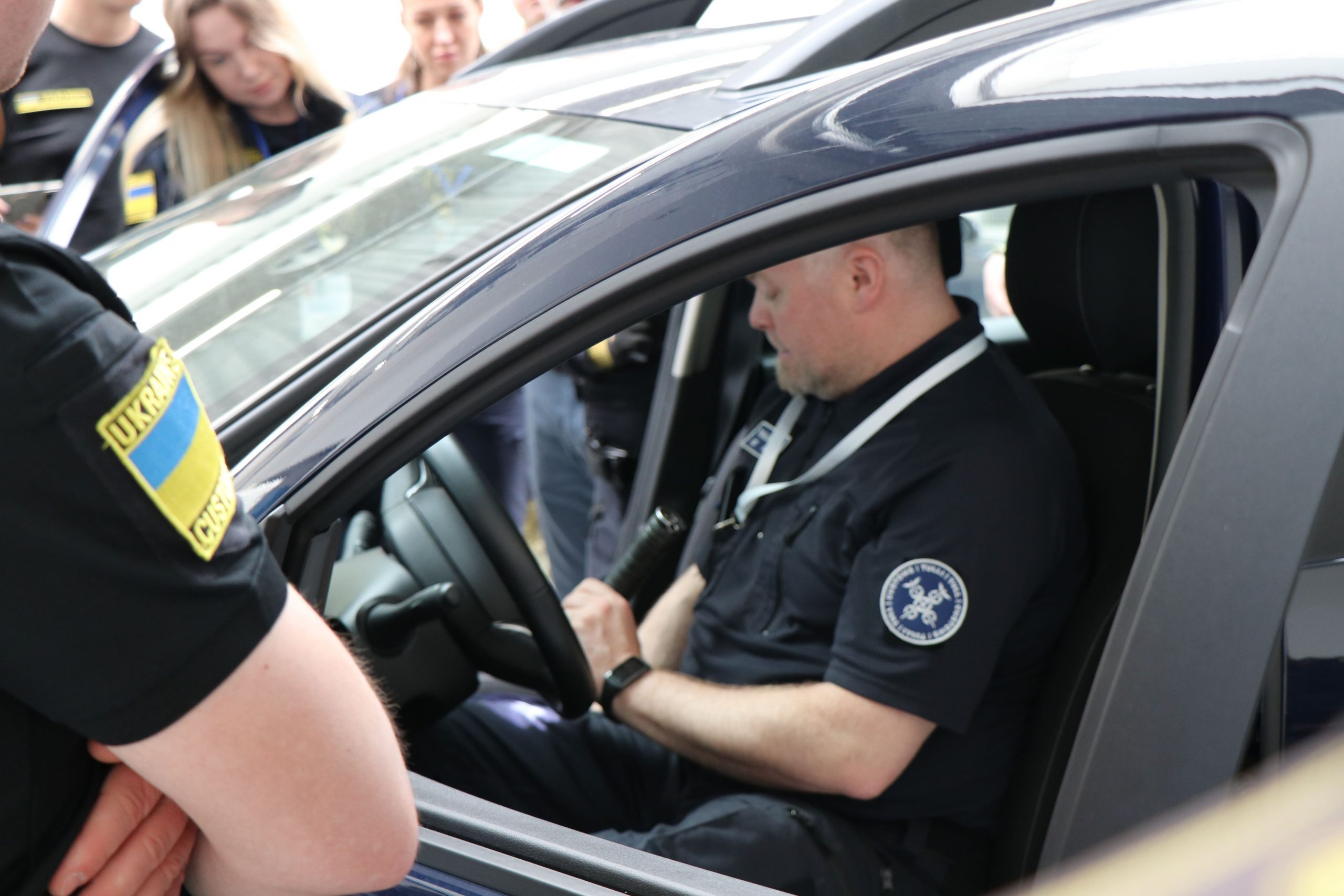
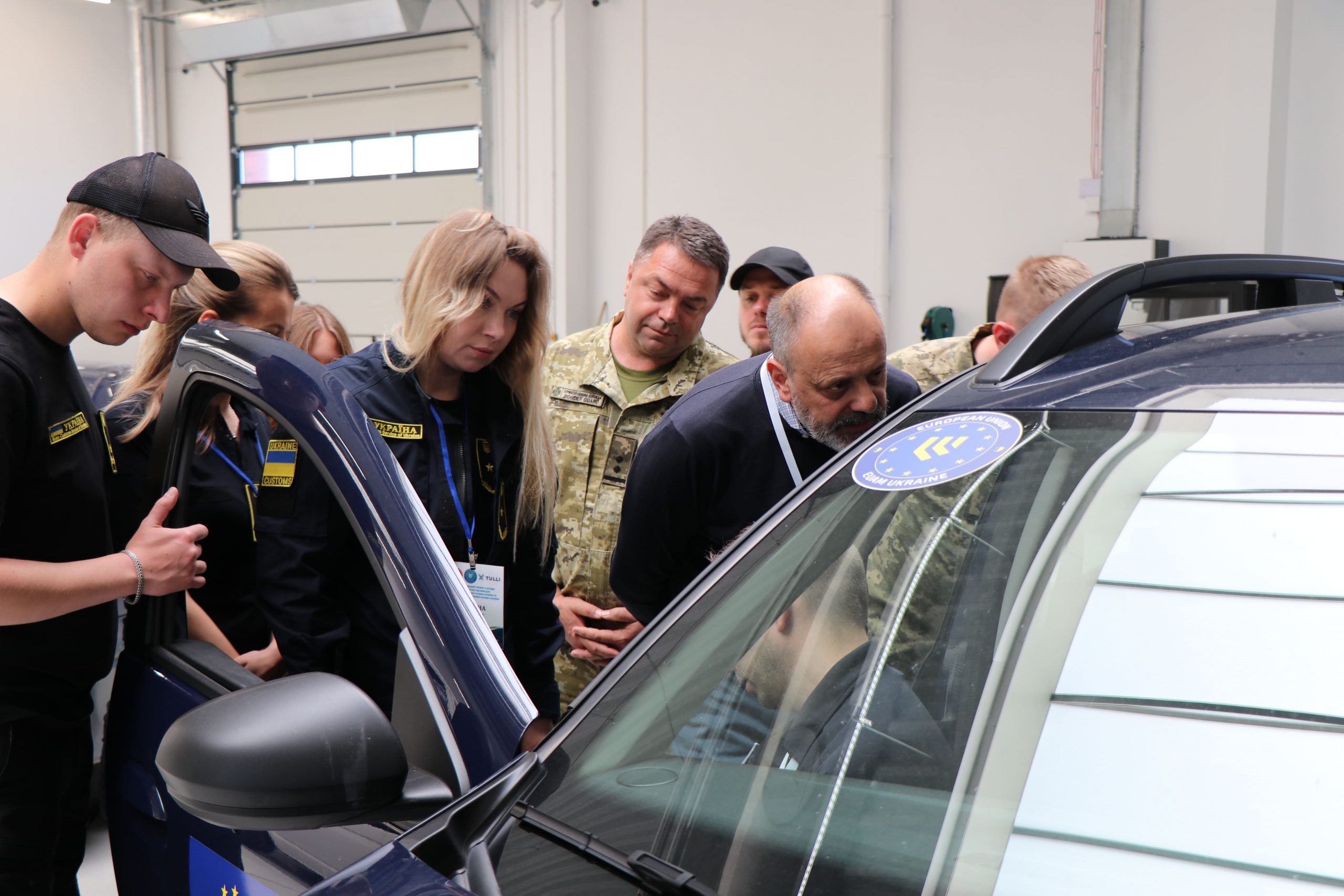
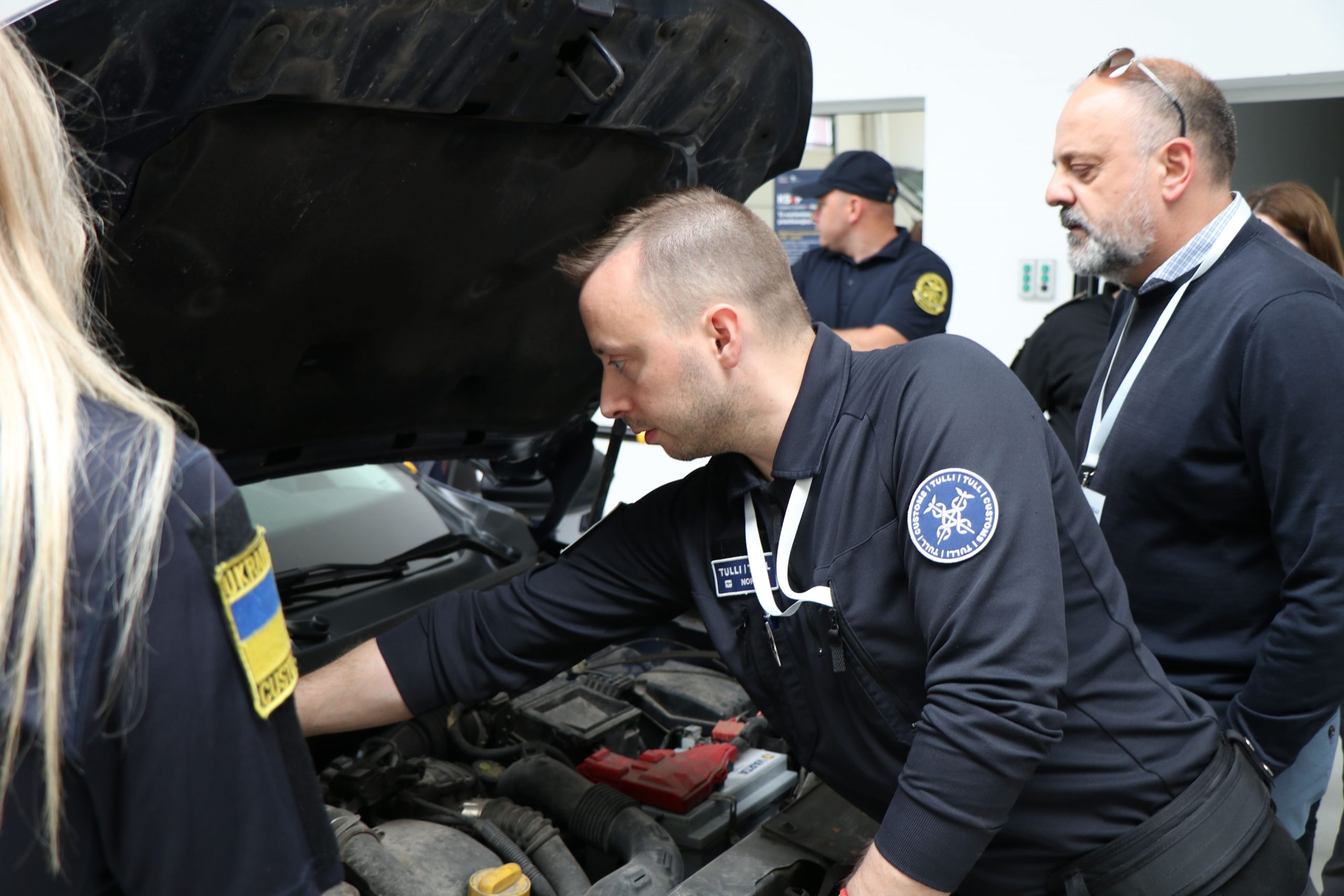
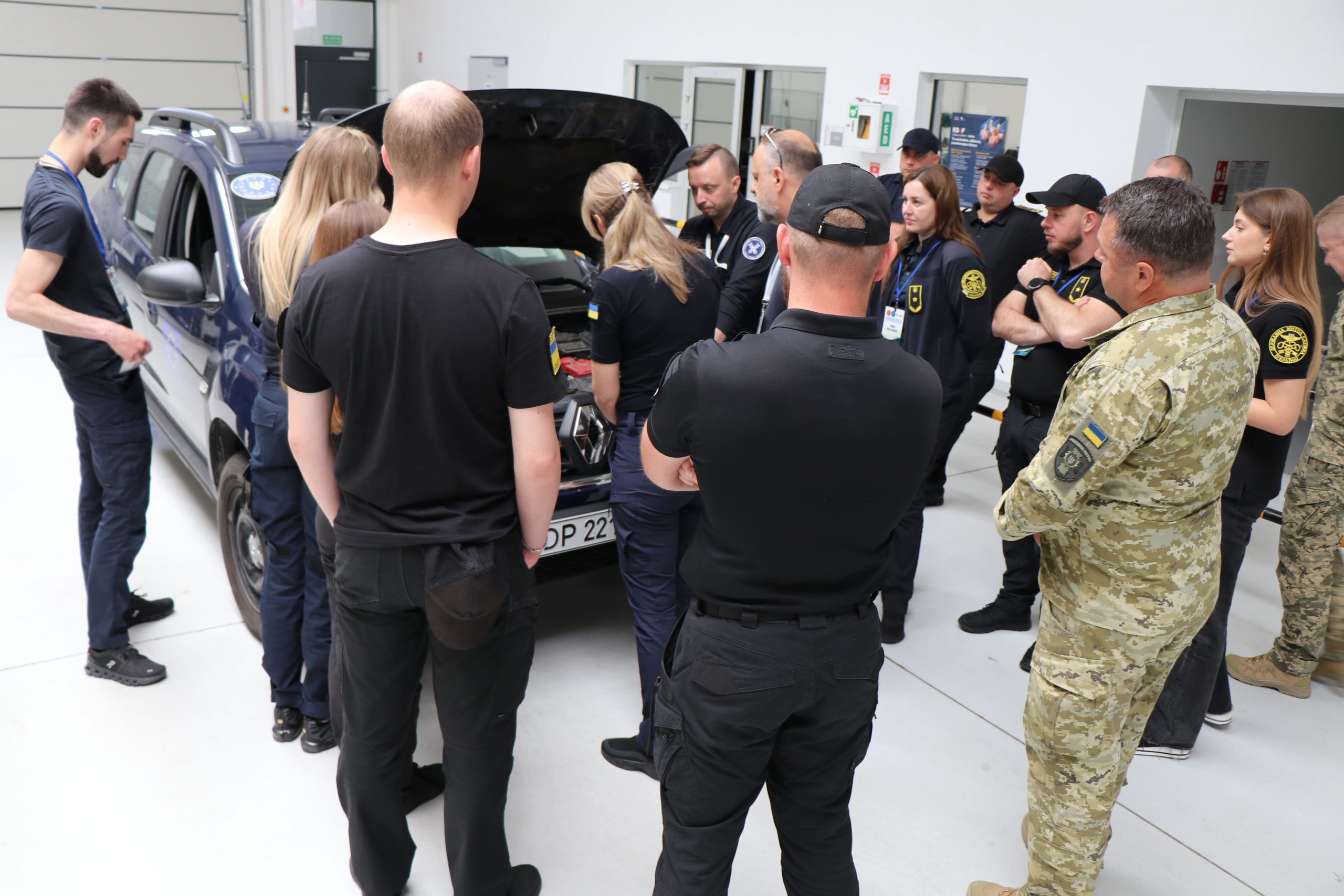
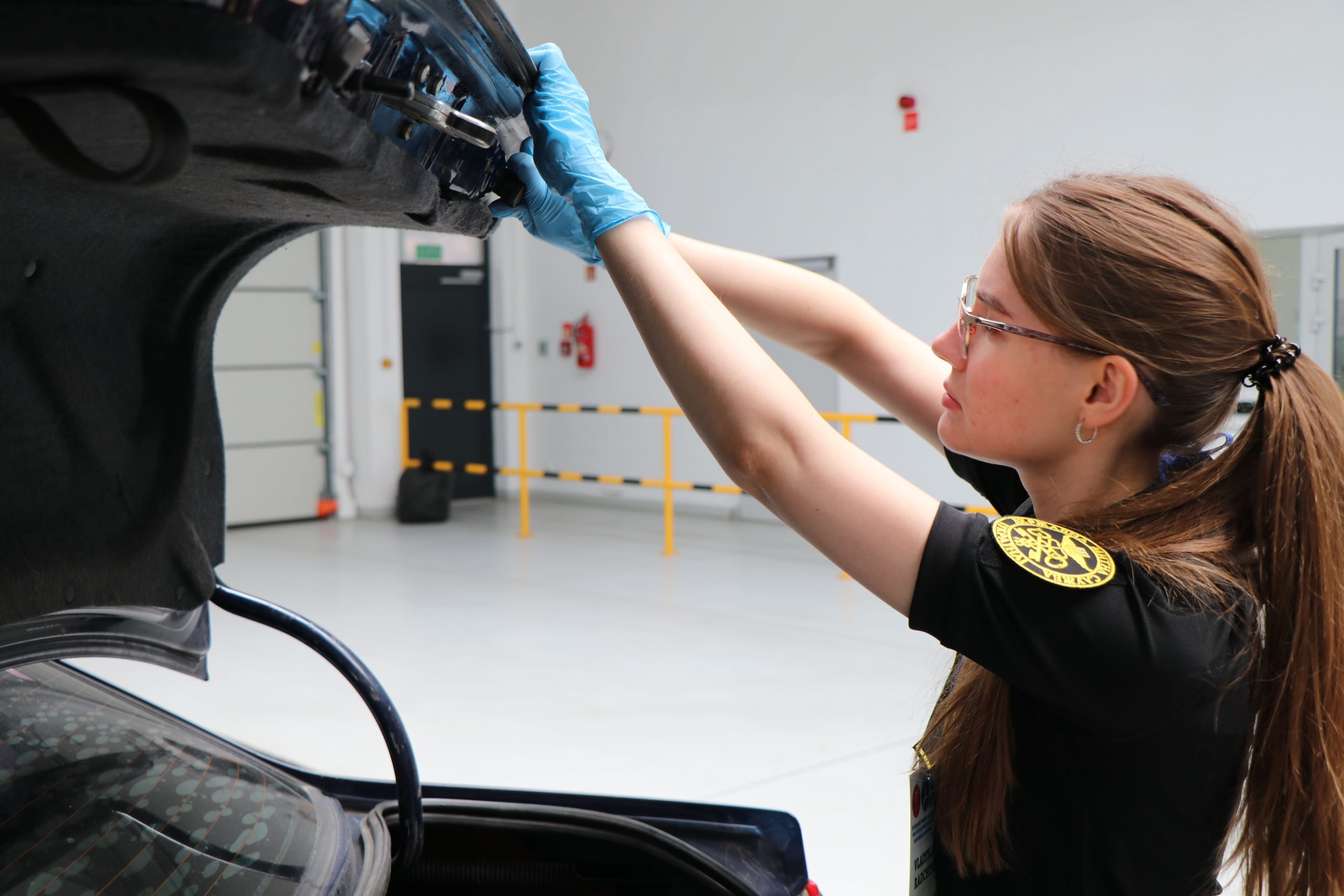
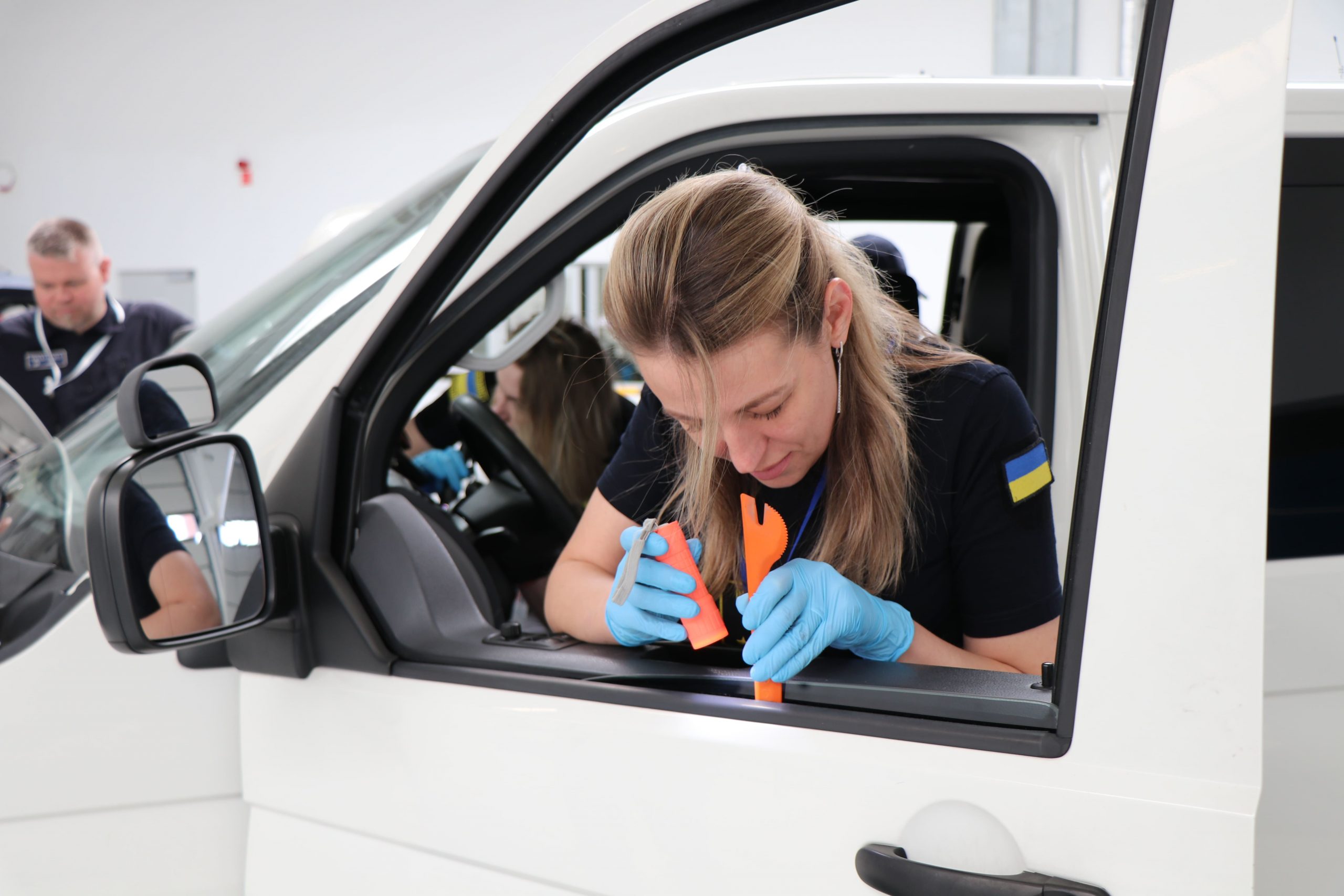
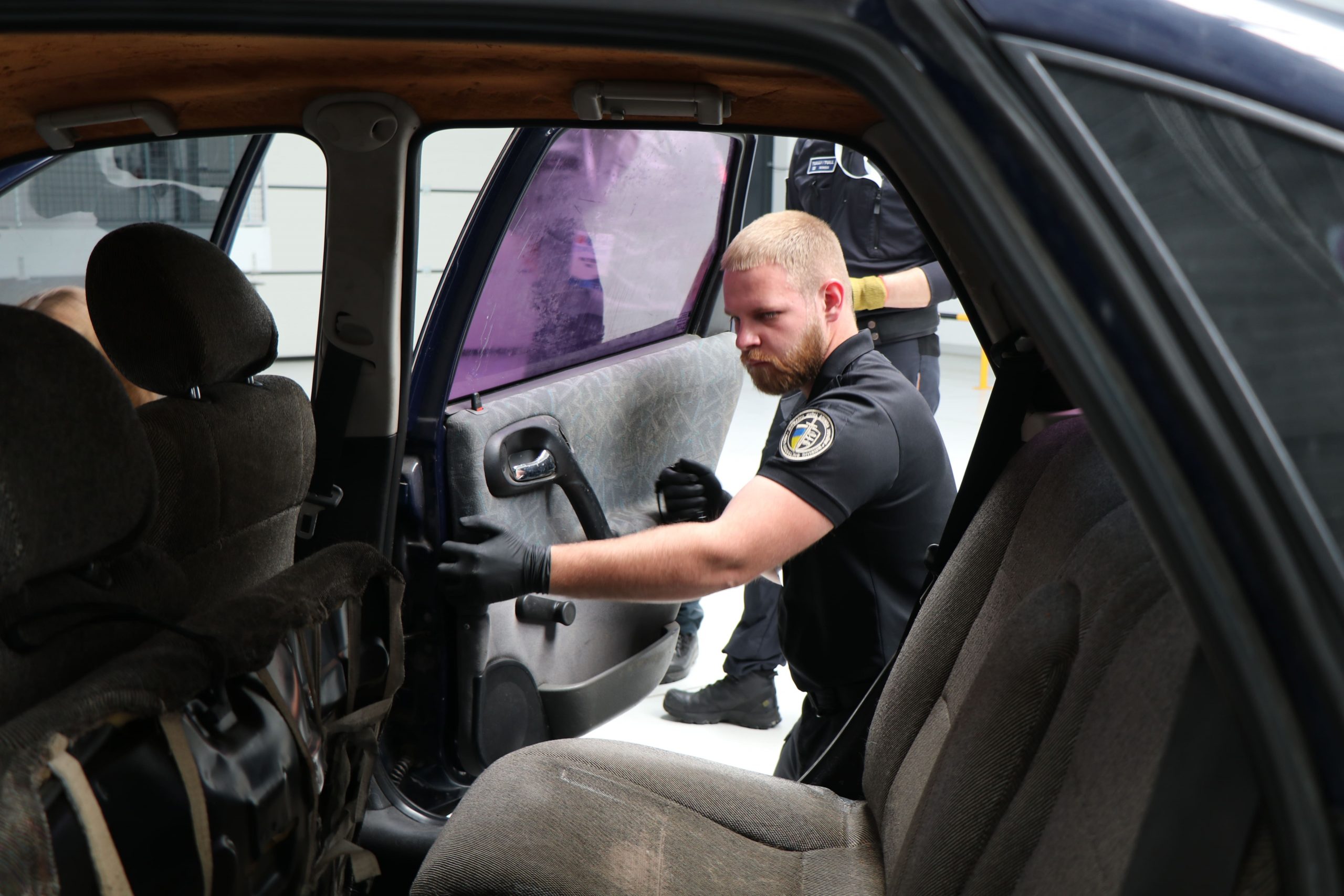
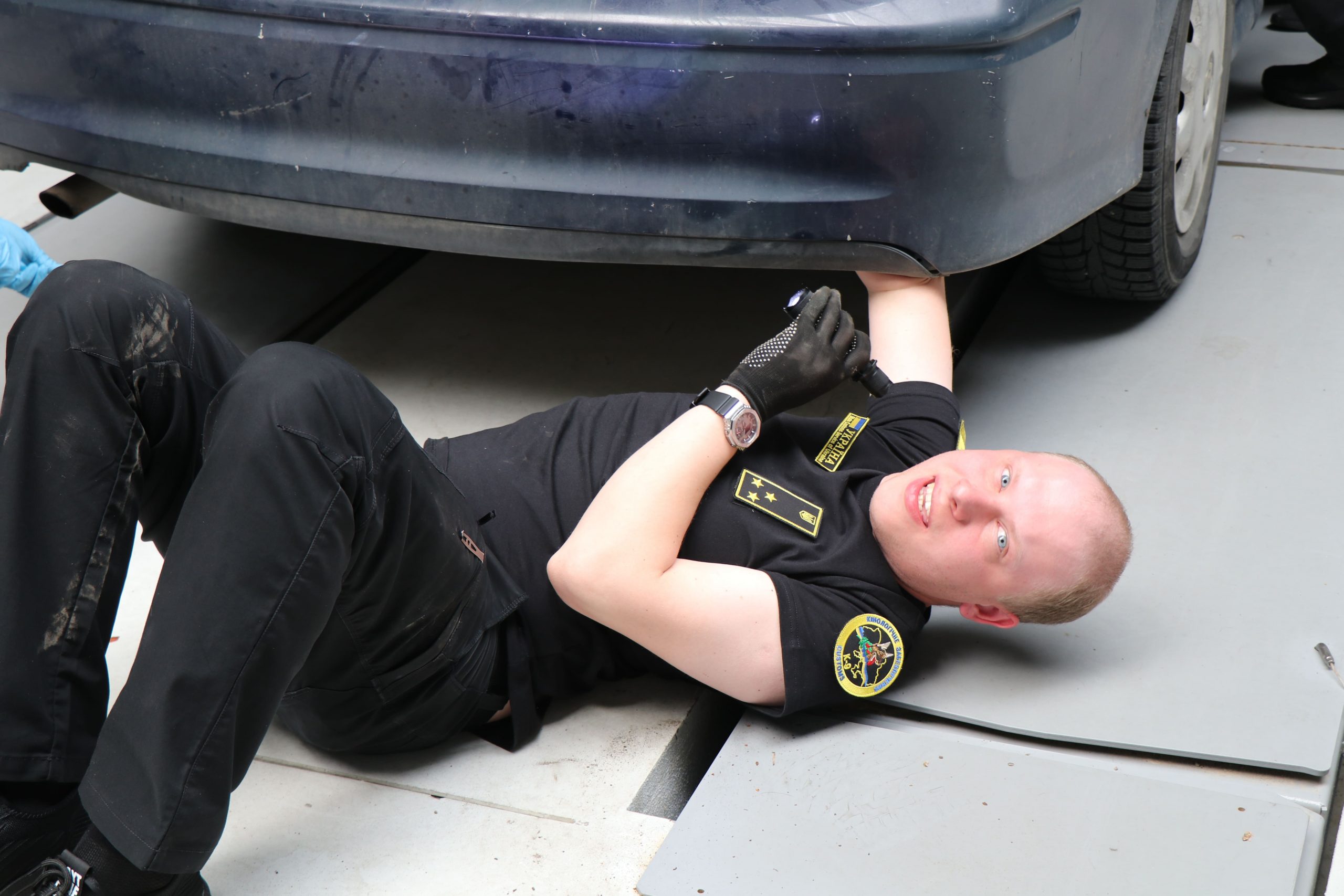
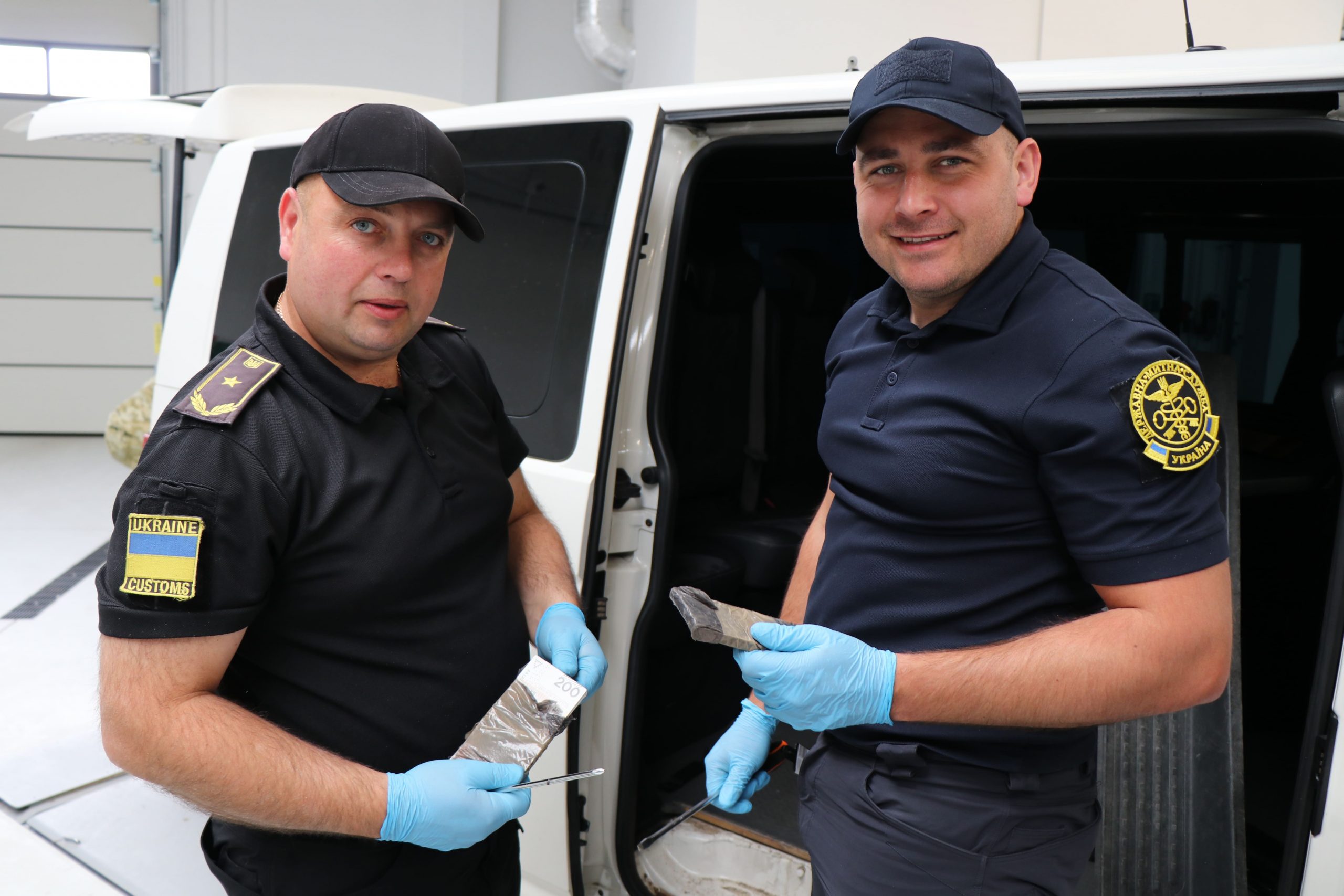
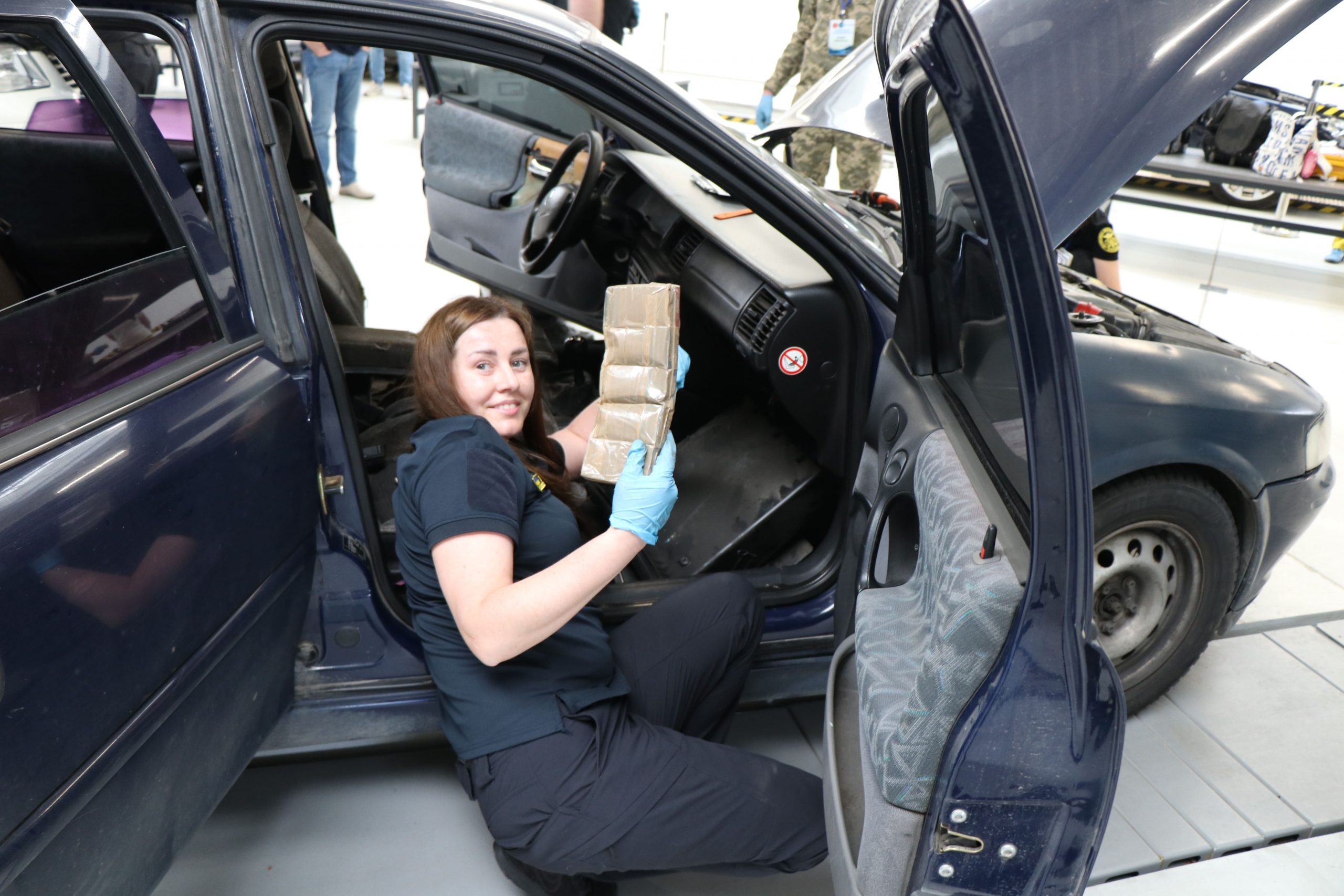
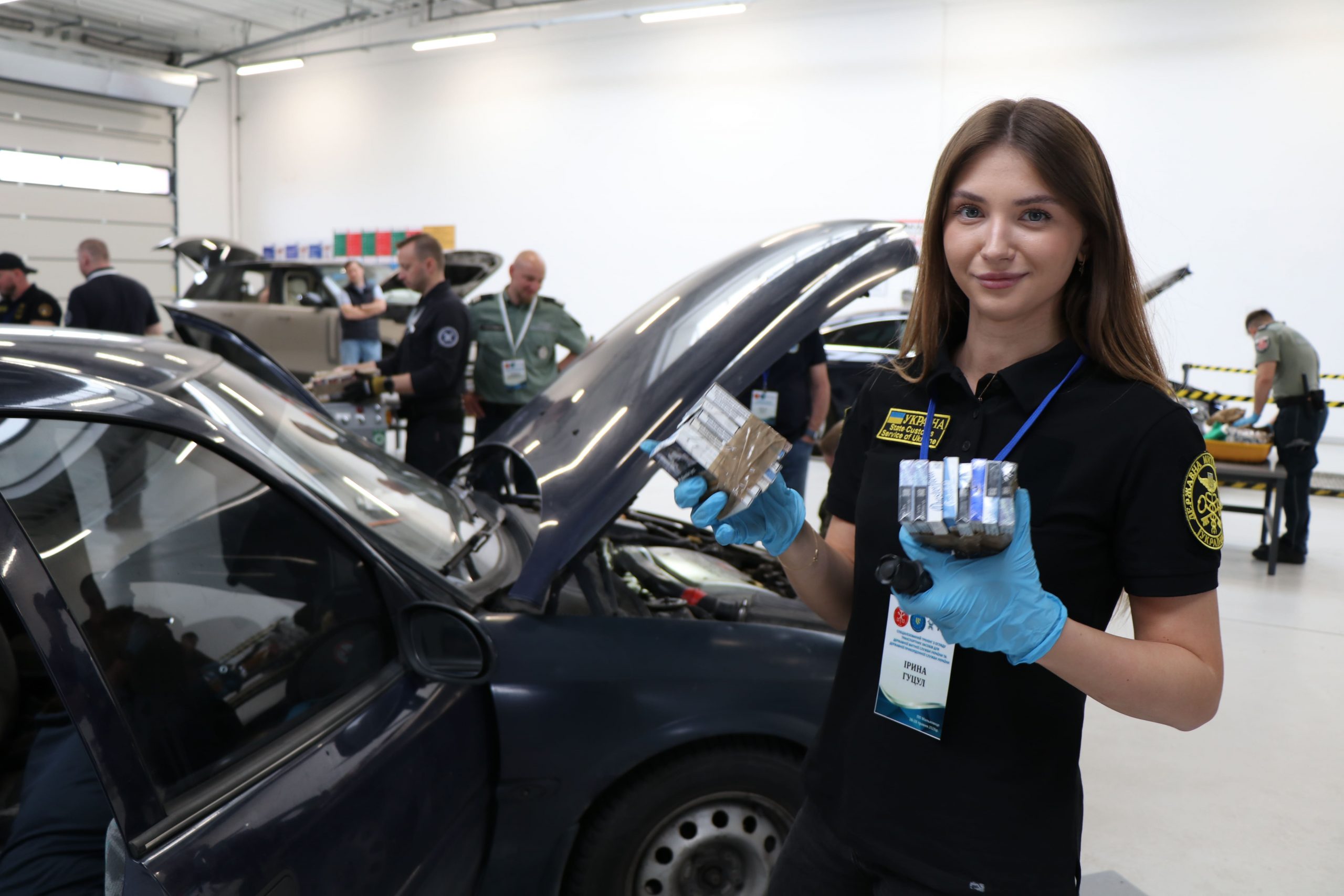
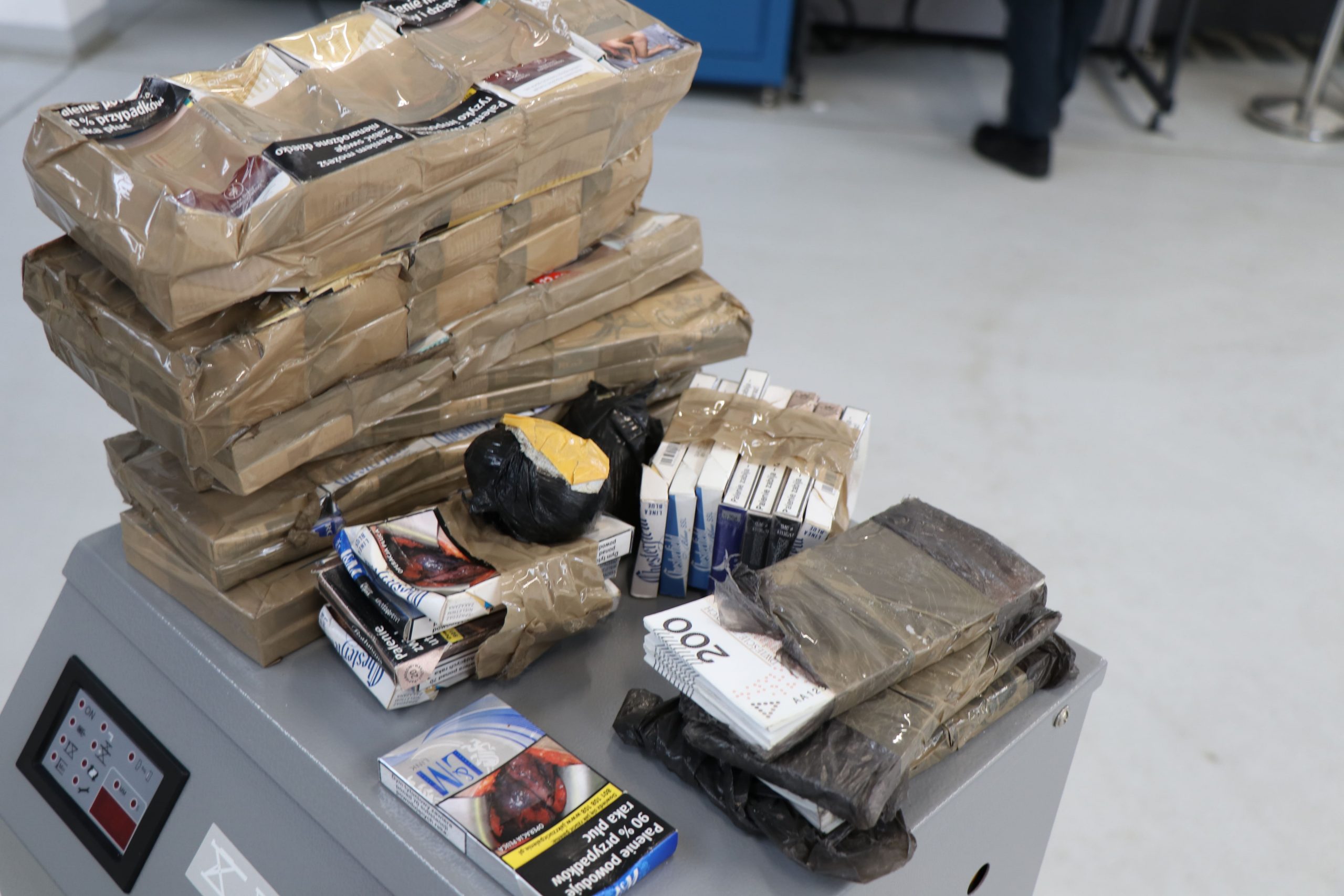
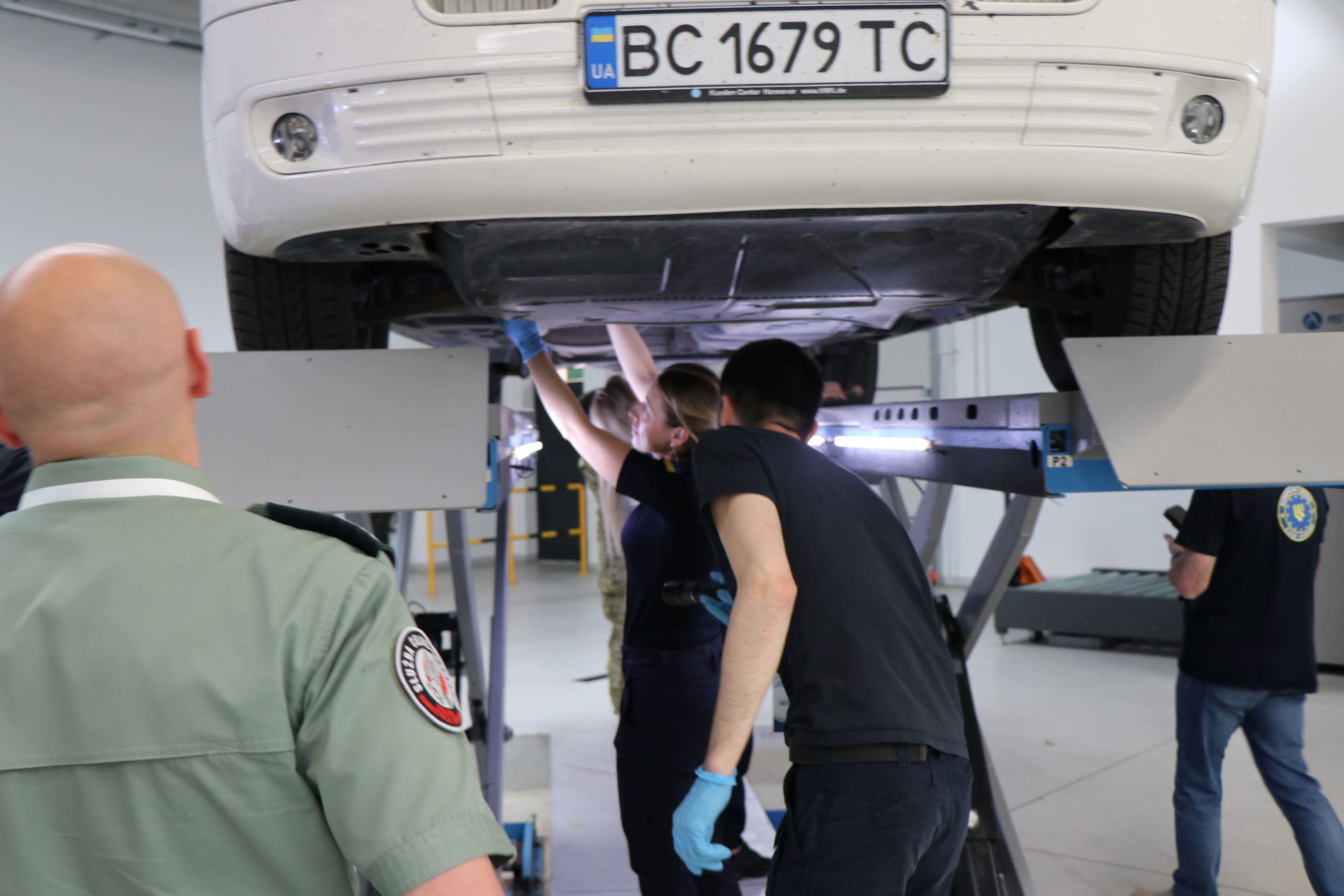
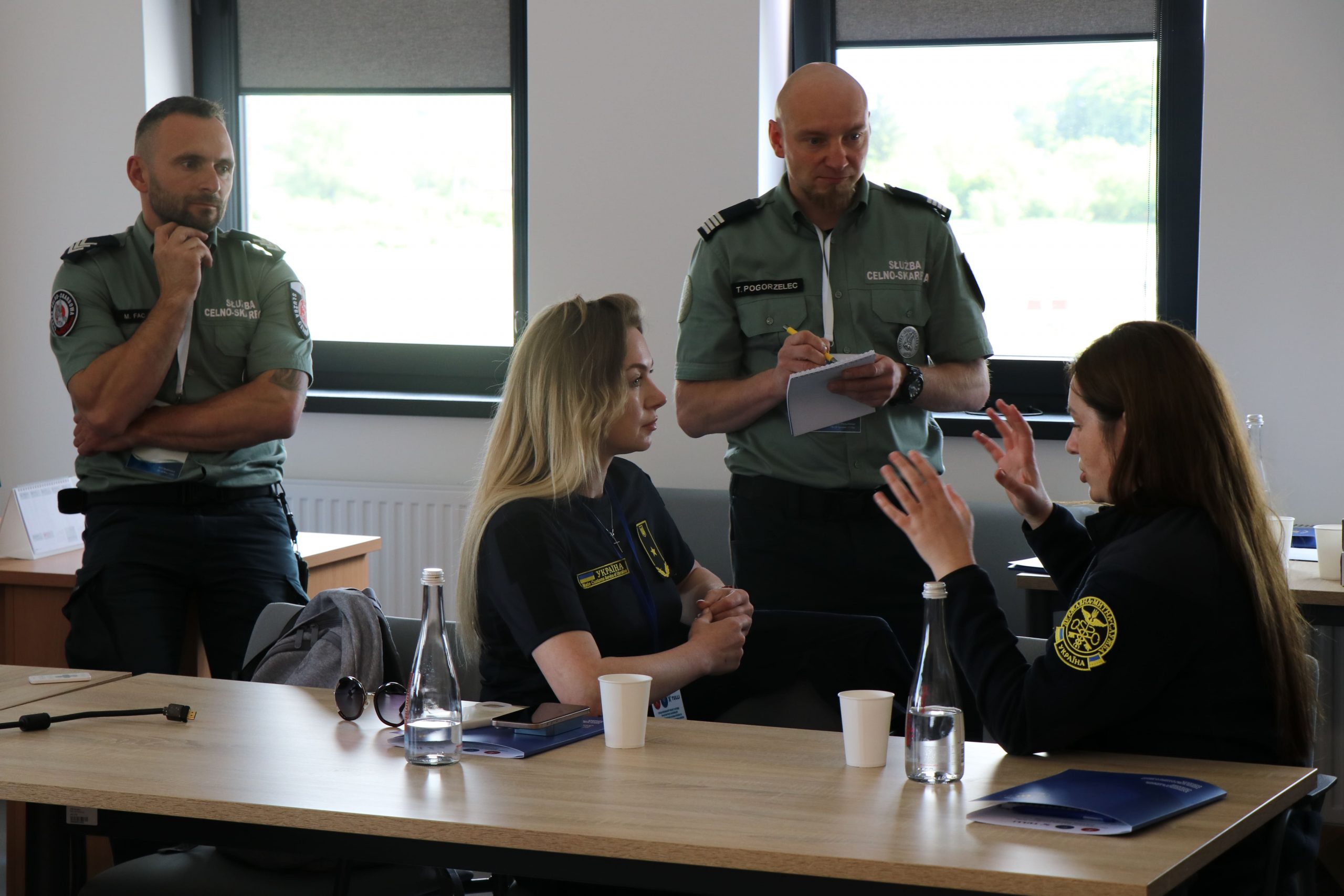
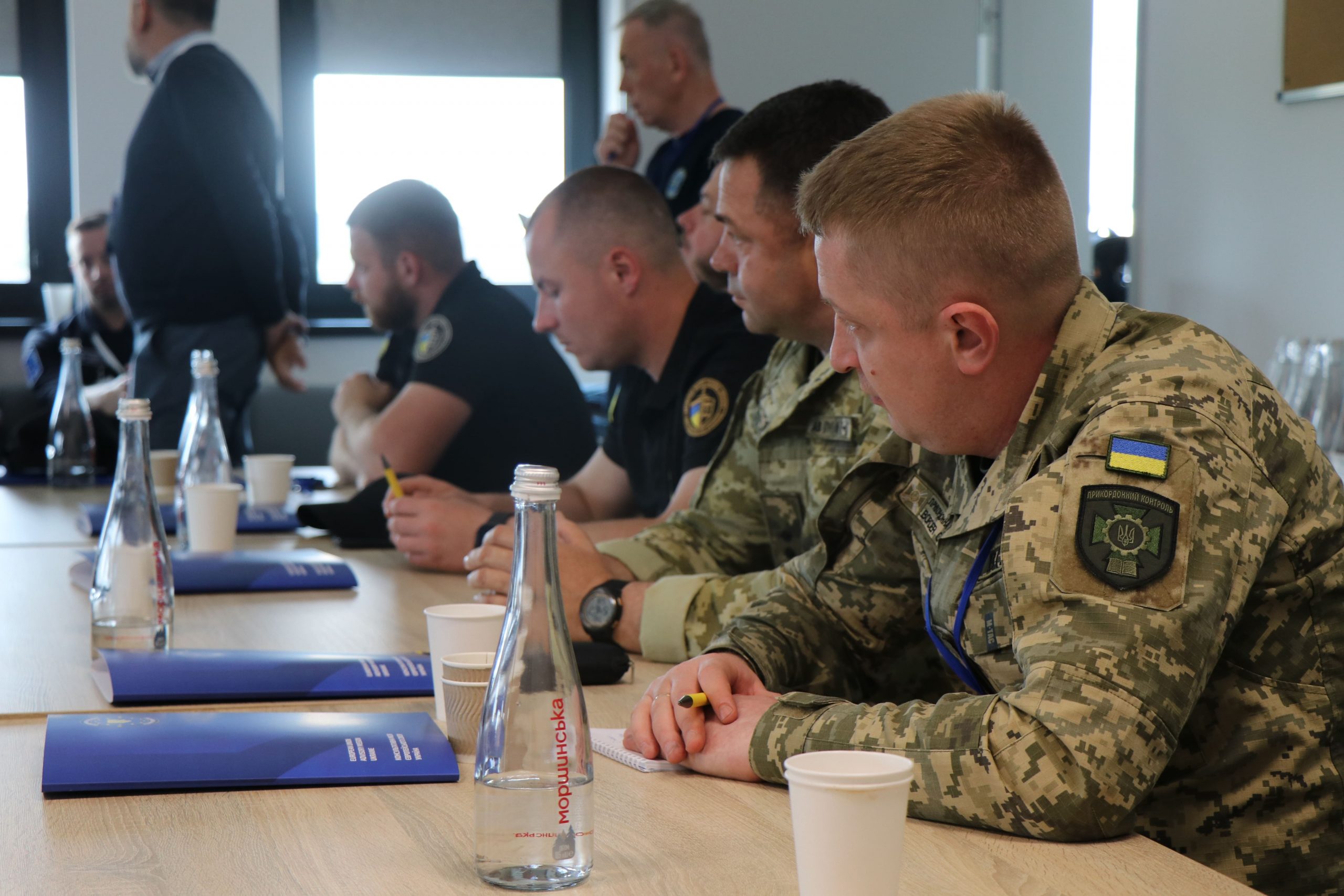
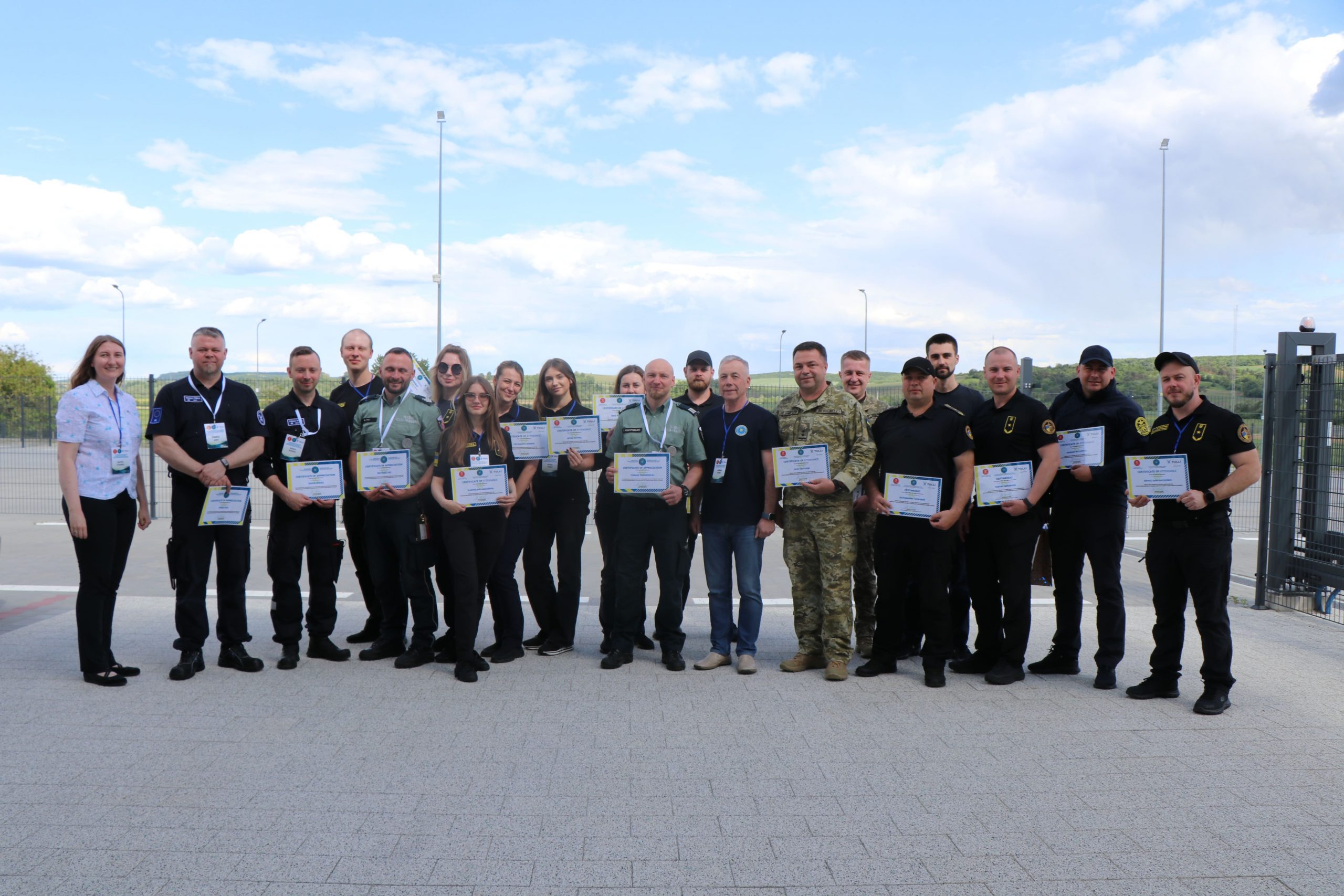


























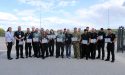
The activity also created space for professionals from different agencies and regions to exchange experience, discuss operational challenges and strengthen cooperation. In the fight against smuggling, information-sharing and coordinated action are often as important as technical expertise.
As cross-border criminal groups continue to develop more sophisticated techniques, border crossing point officers must keep adapting. Through practical exercises and expert guidance, Ukrainian customs and border guard officers strengthened the skills they need to detect illicit goods, disrupt smuggling routes and protect Ukraine’s borders.
