
Modern Tools for Quality Prosecutorial Education: Training on Creating Multimedia Content
May 28, 2026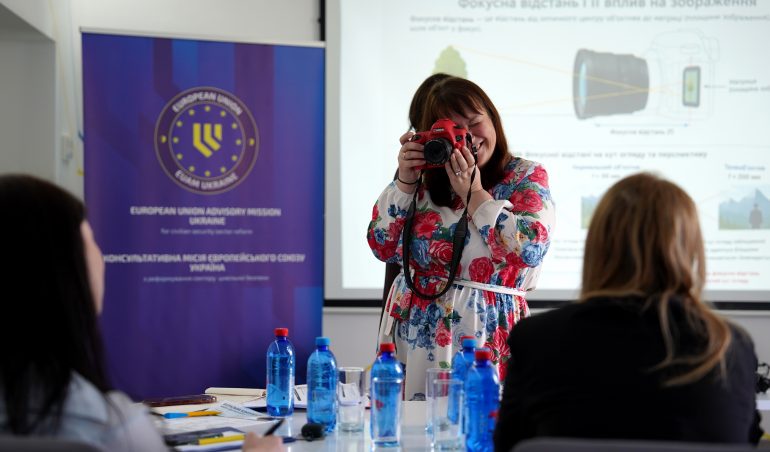
Today, learning increasingly goes beyond the classroom. Lectures are recorded for online courses. Expert comments are used in training modules. Interviews become part of educational materials. Photos are needed for presentations, learning platforms and internal communications.
But a quality result does not appear by itself. Behind it are the right light, composition, sound, background, camera settings, and an understanding of who the material is being created for.
This was the focus of the training course “Training on E-Designing of Video-Based Training Courses”, which took place on 12–14 May for staff of the Prosecutor’s Training Center of Ukraine (PTCU), with the support of the European Union Advisory Mission (EUAM) Ukraine.
During the training, participants worked on practical skills. They learned how to set up photo and video equipment, frame shots, work with visual accents, prepare spaces for filming, and record training materials, interviews and short videos. Particular attention was paid to how to create content in real working conditions – in an office, training room or another space that does not always look like a professional studio.
For PTCU, these skills are part of developing modern training capacity. Quality multimedia content helps explain complex professional topics more clearly, support distance learning, strengthen internal communications, and create materials that can be used over time and for different audiences.
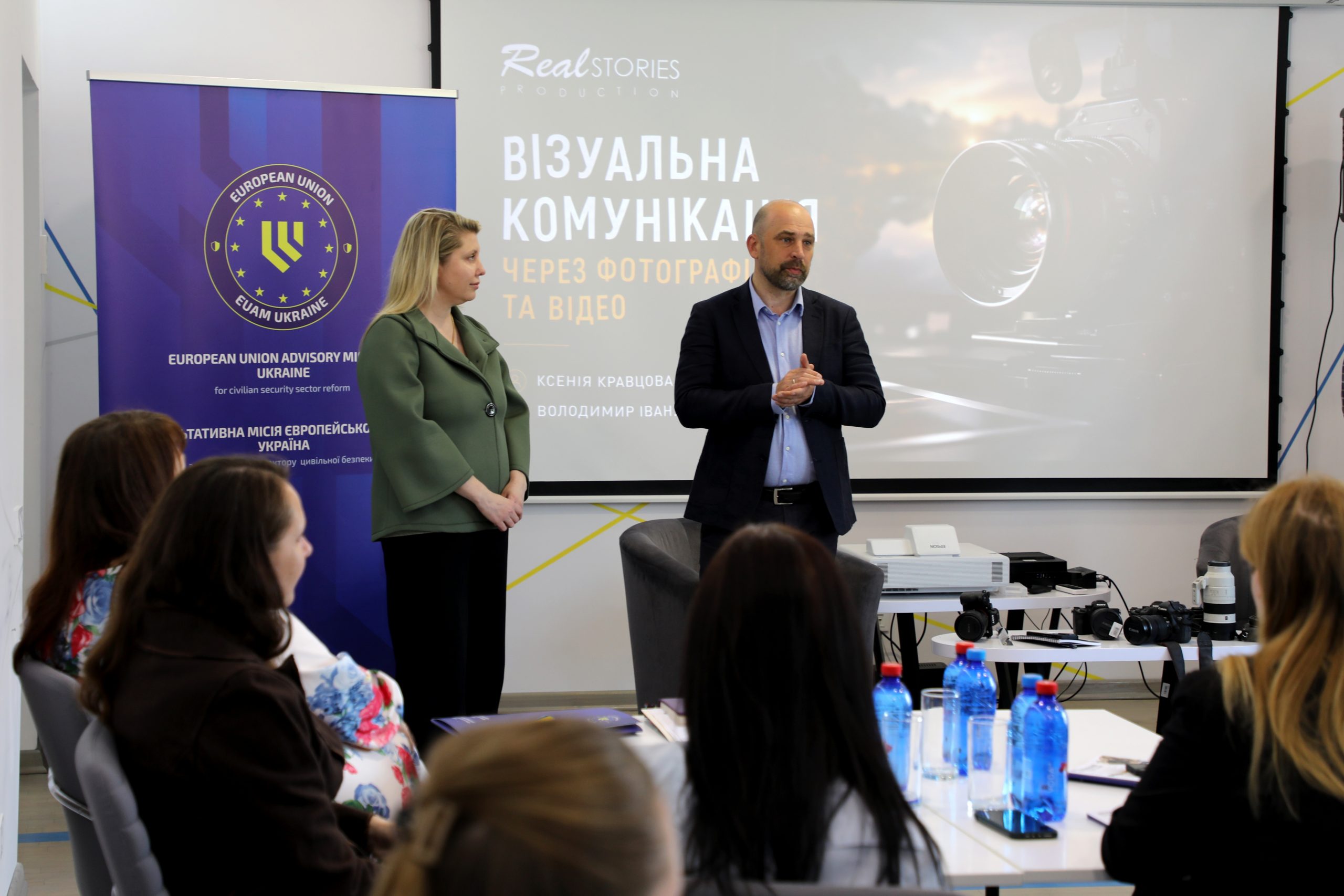
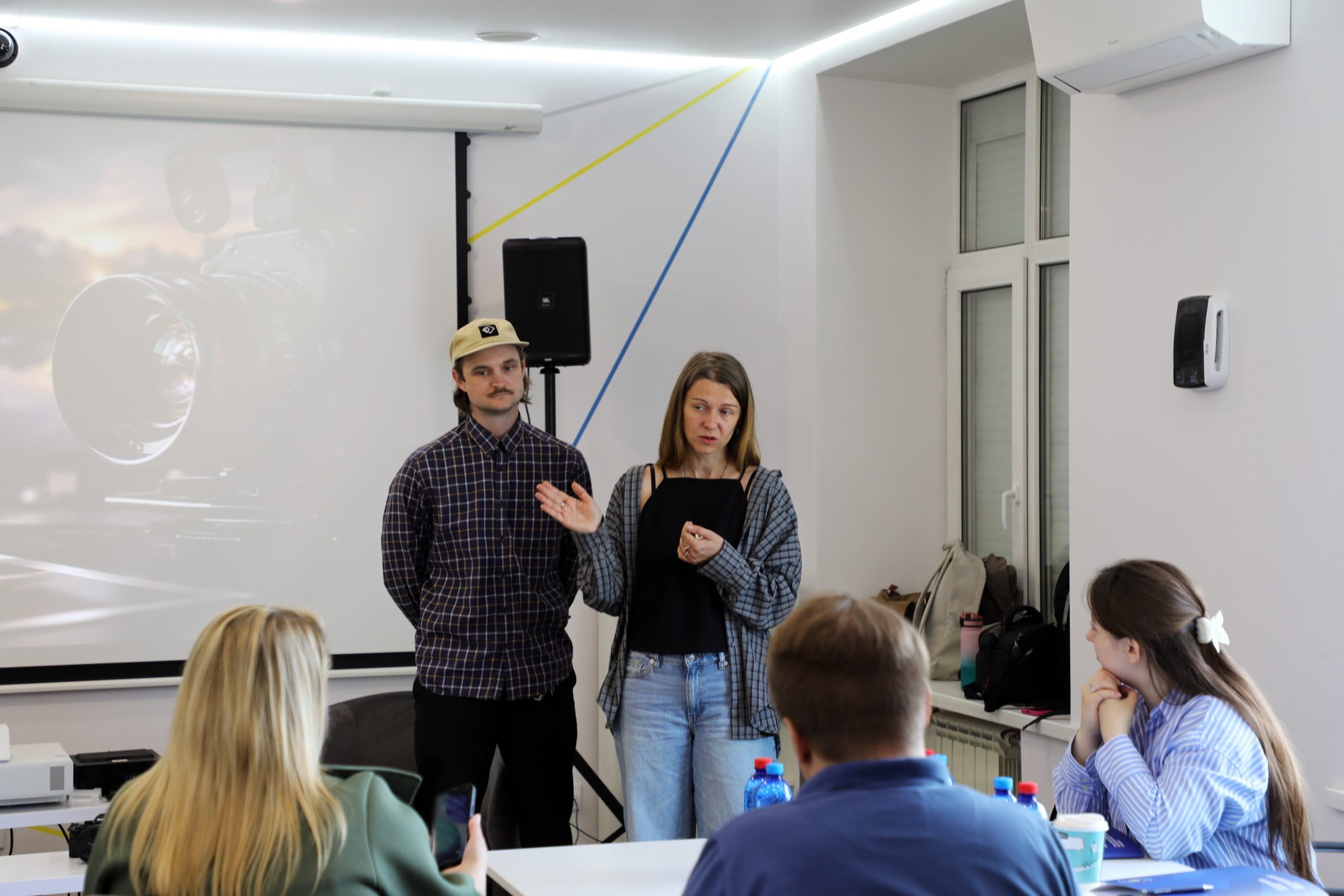


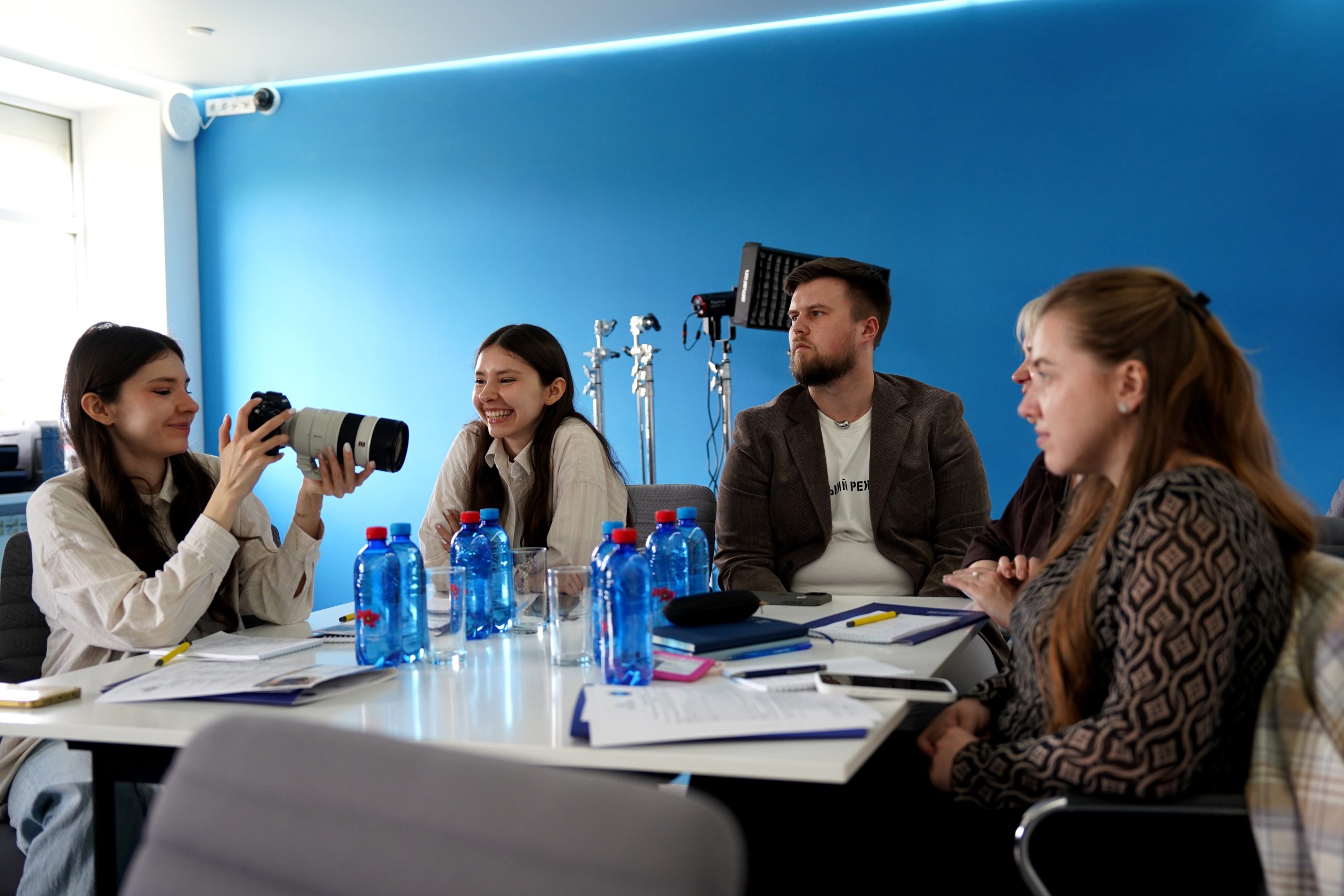
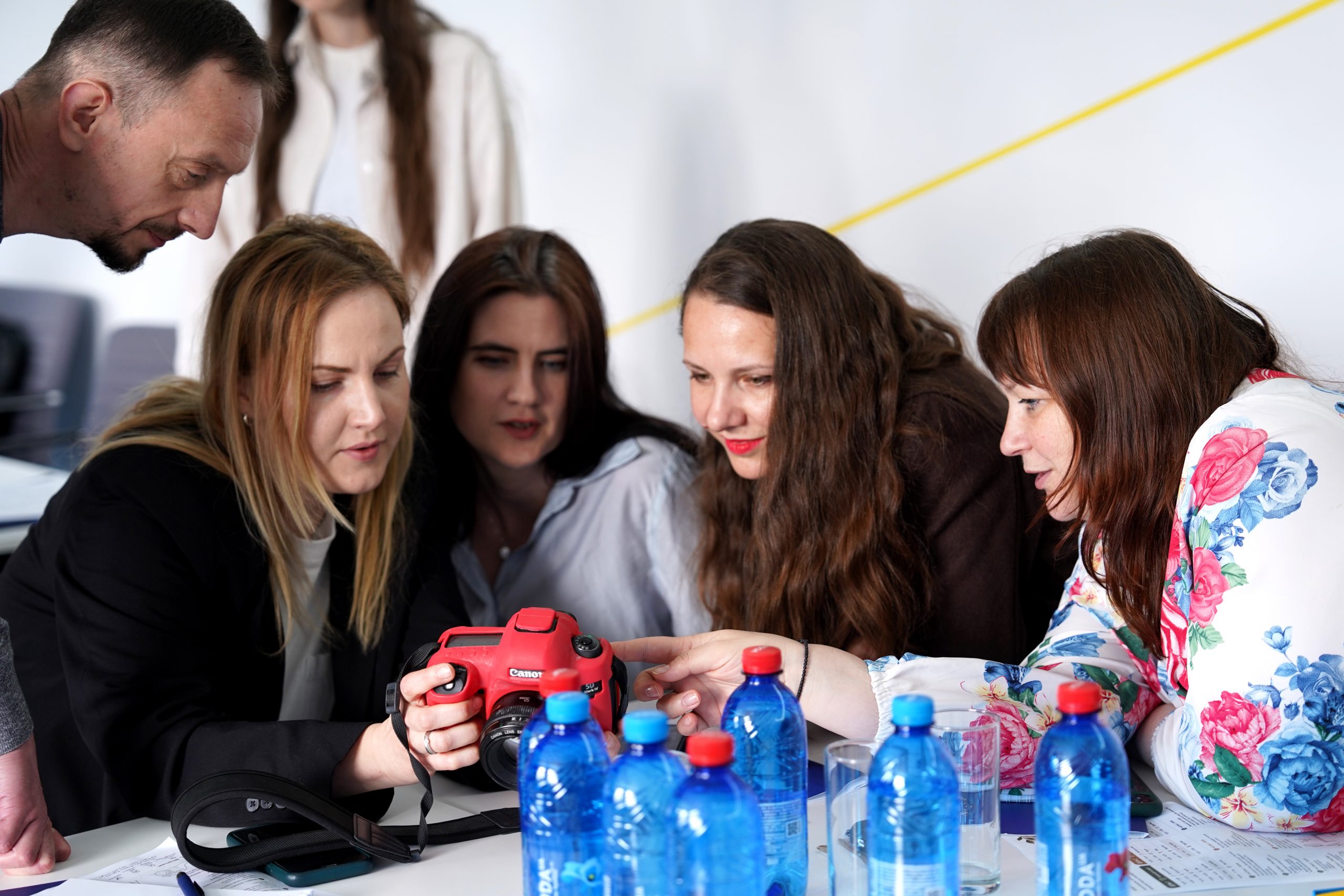
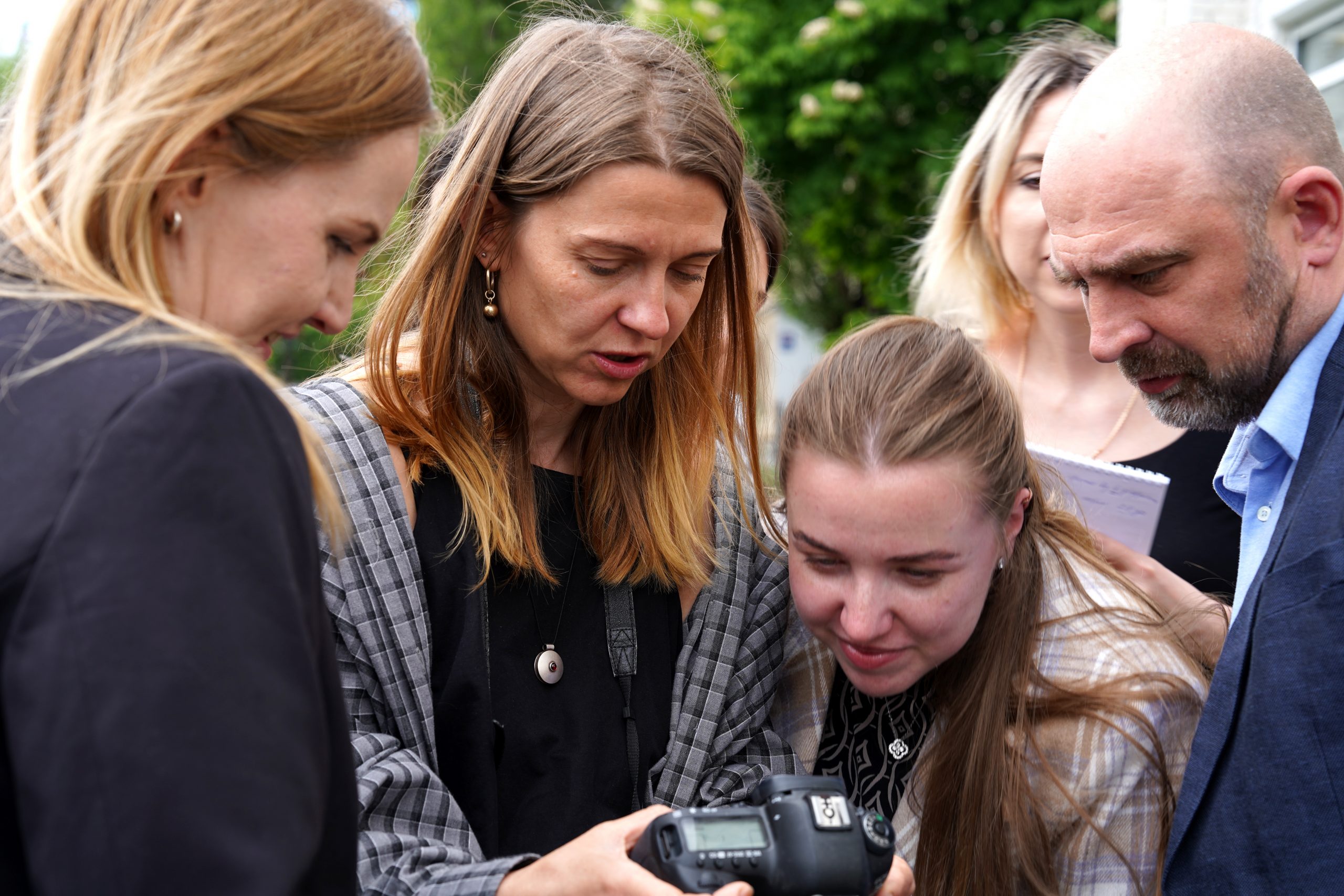
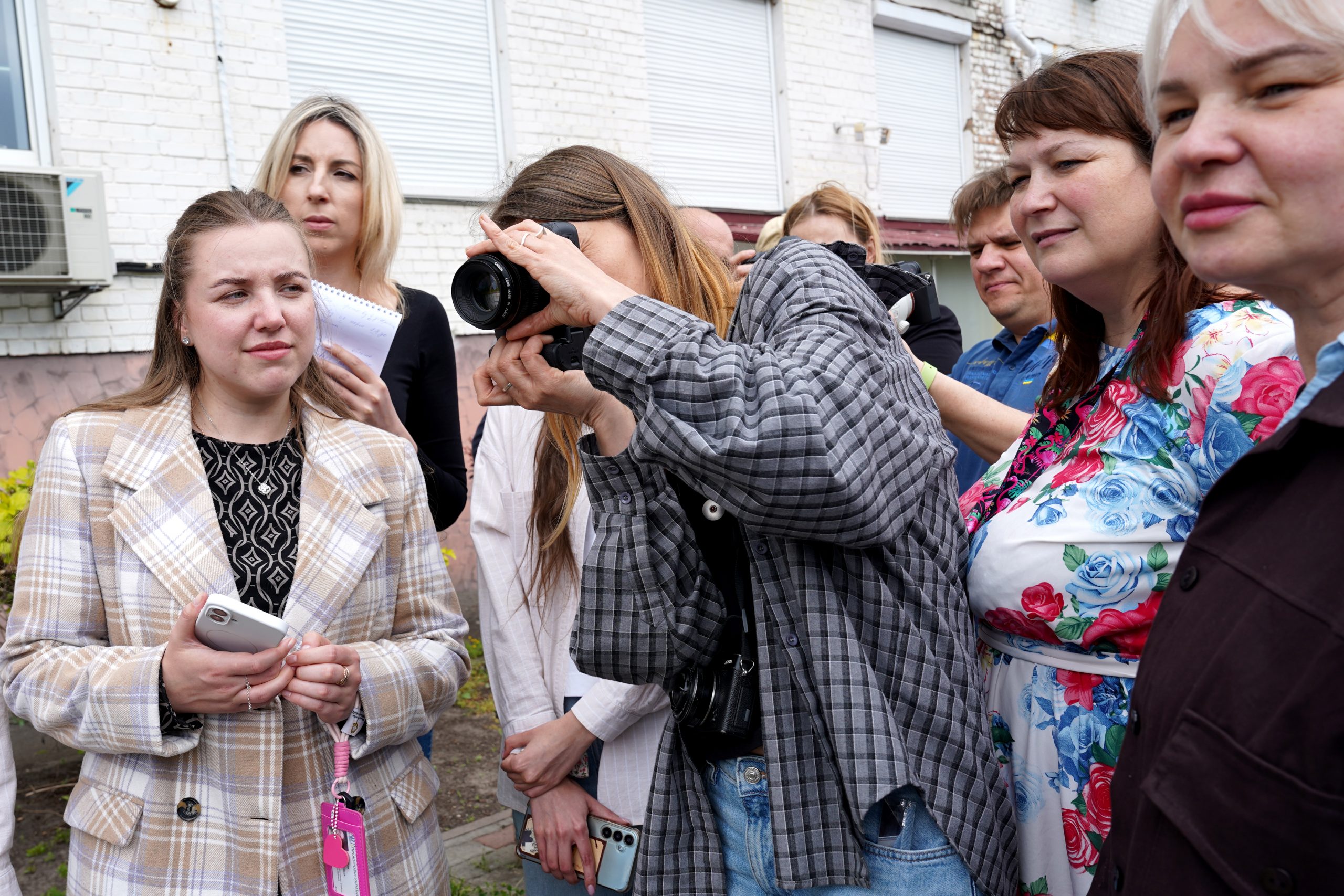
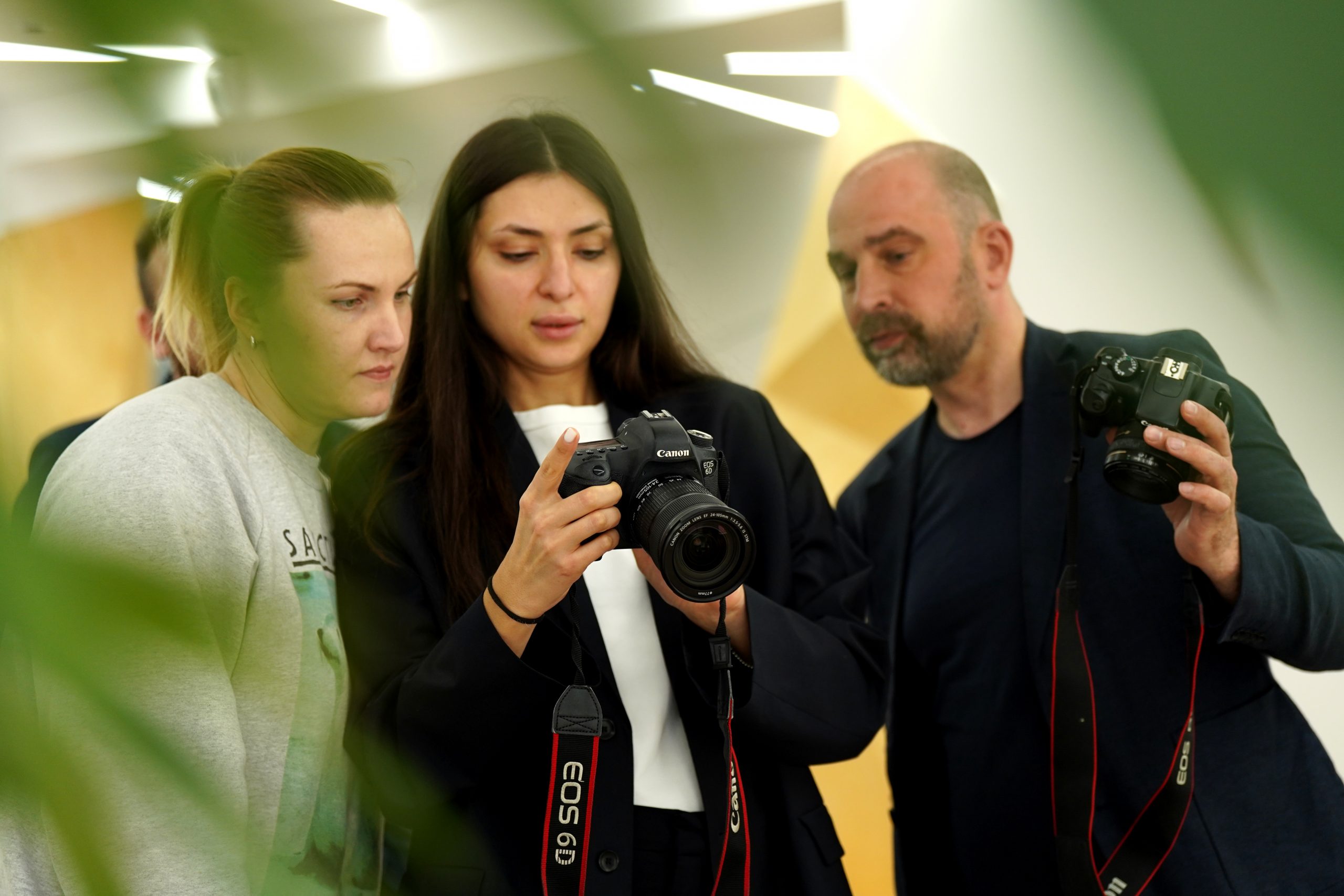
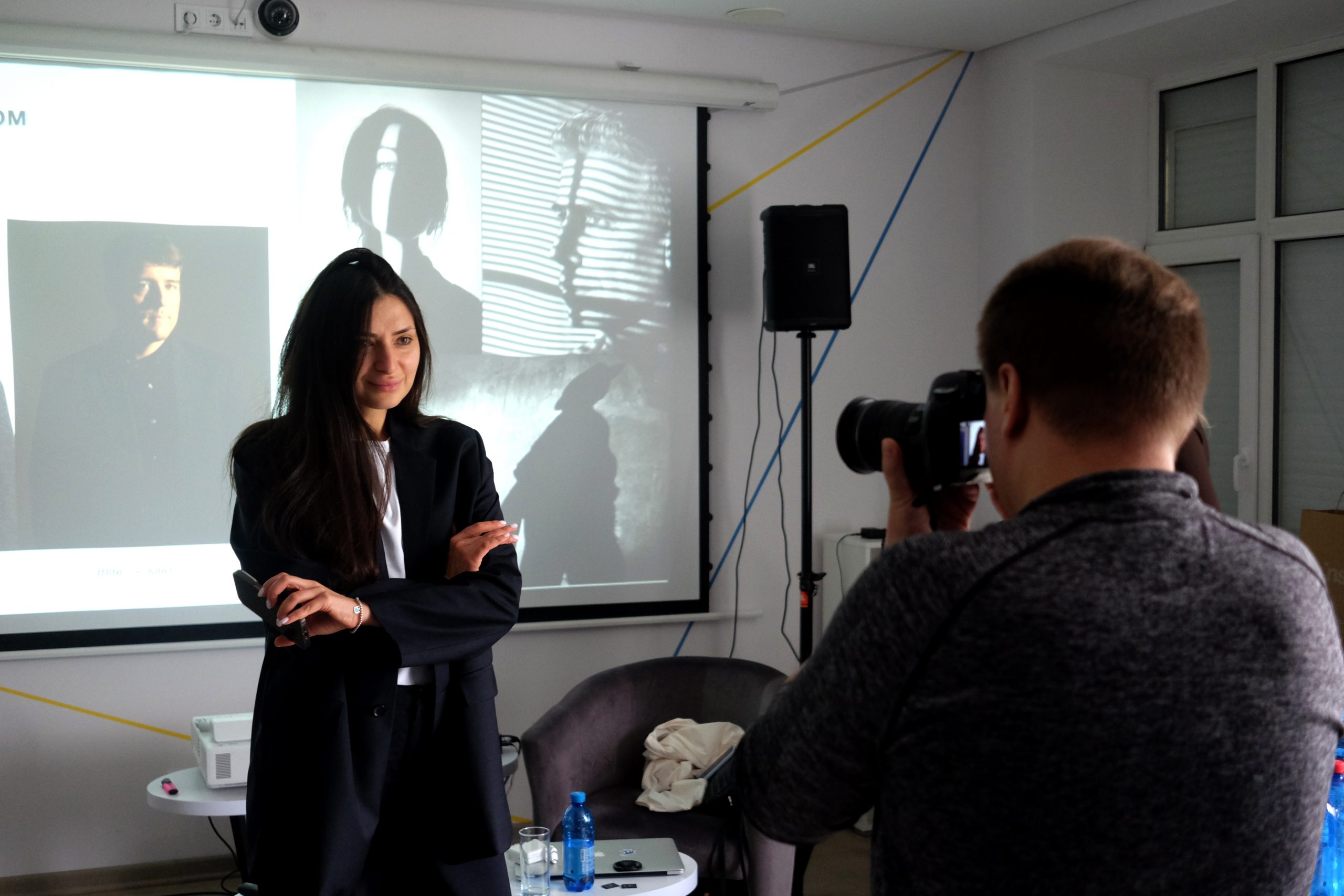
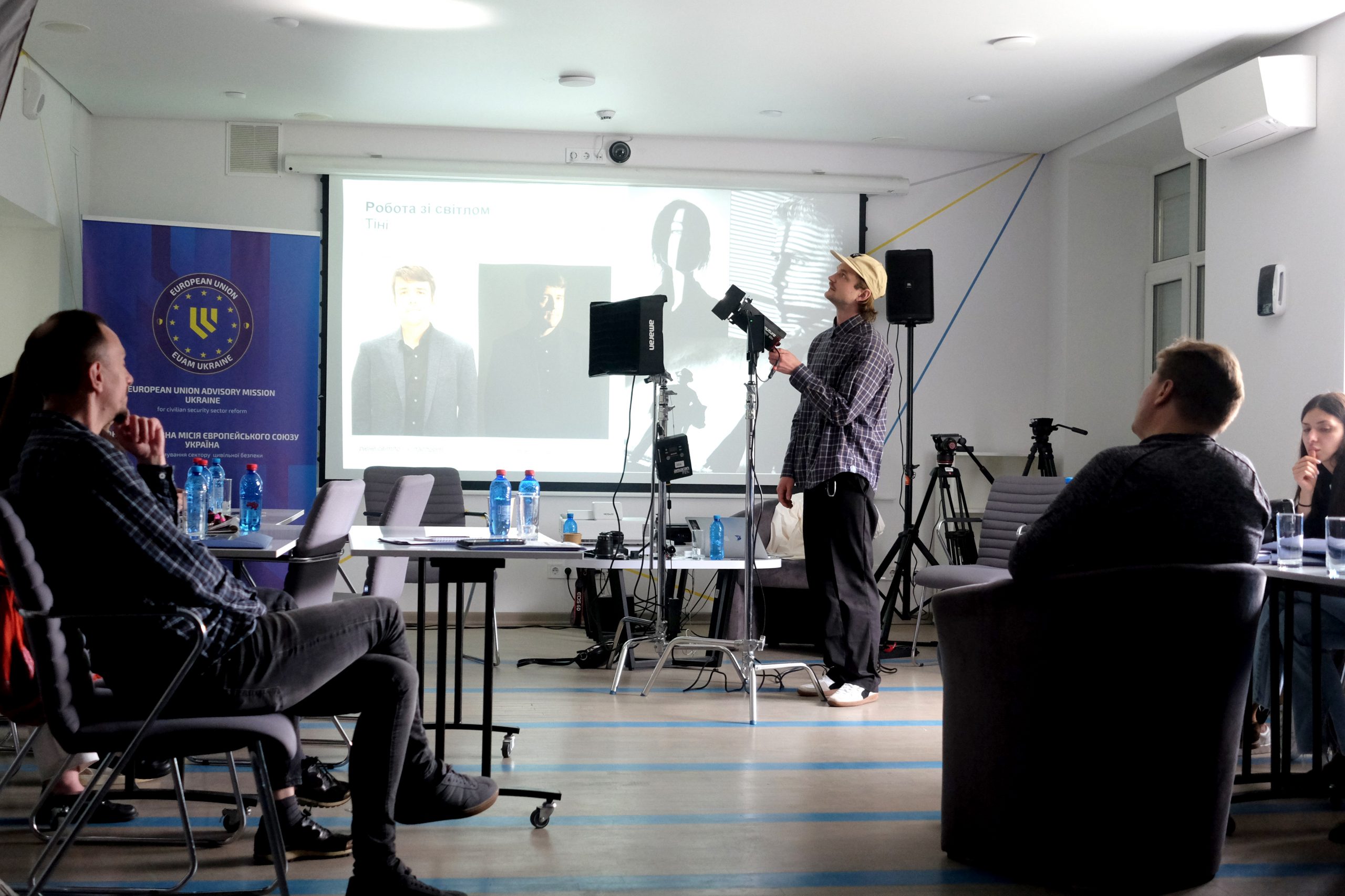
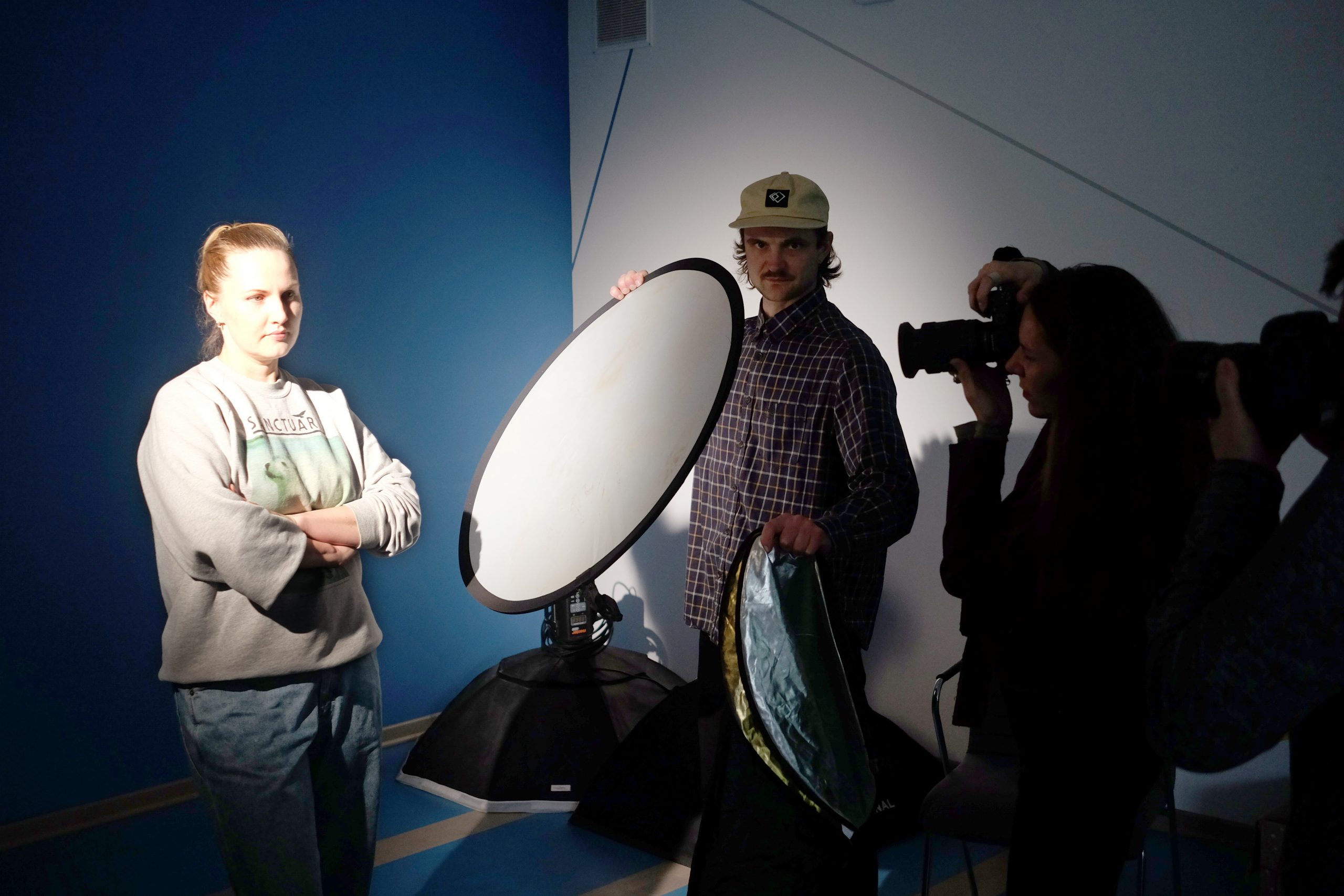
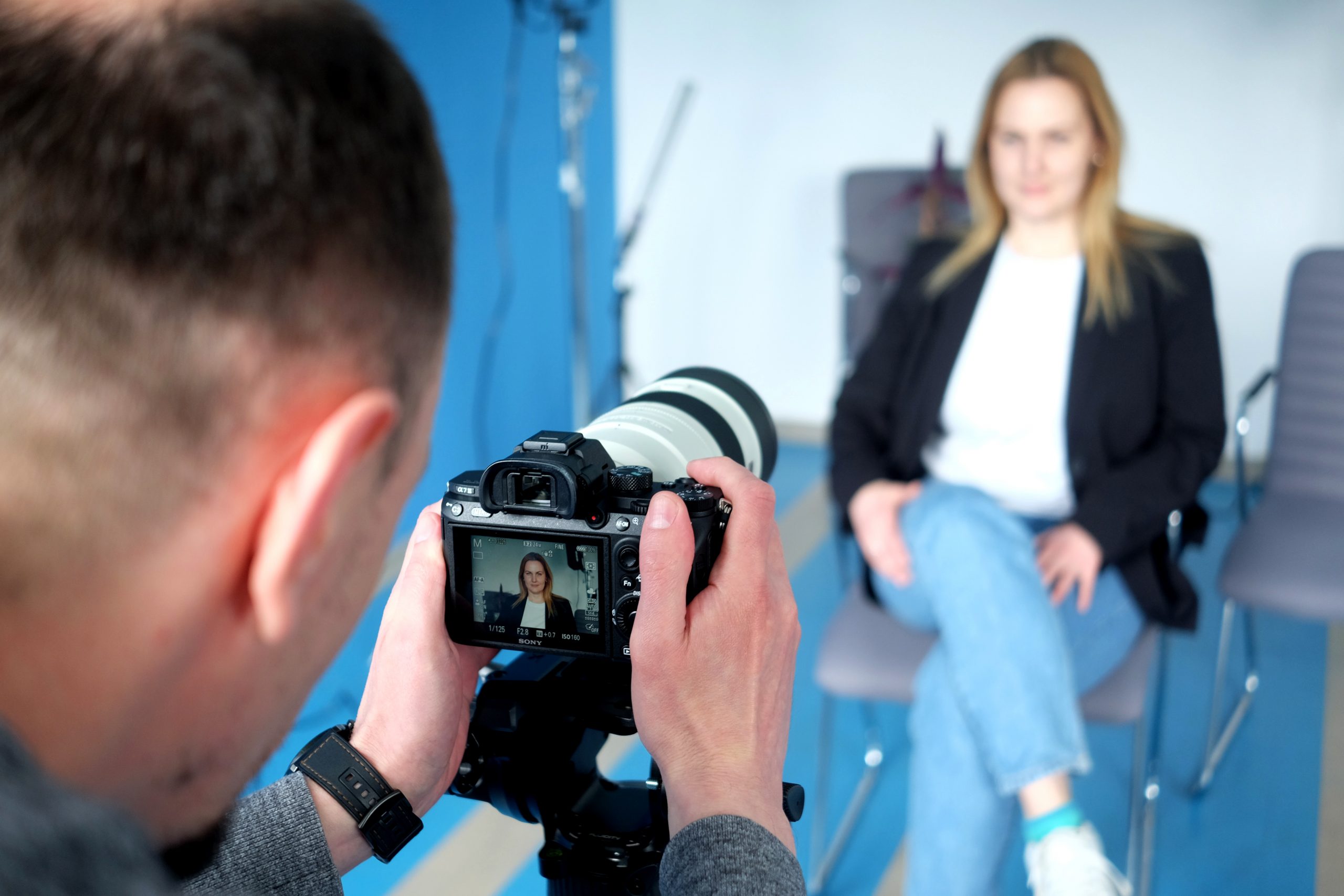











The training was delivered by Kseniia Kravtsova, a photography expert and director, and Volodymyr Ivanusa, a video production expert and cinematographer. Their experience helped participants see the creation of educational content not only as a technical process, but also as a way to make knowledge clearer, more structured and more accessible.
“This training shows how the Mission’s support works in practice. We previously donated this video equipment to the Prosecutor’s Training Centre of Ukraine, and now the Centre’s team is using it to build the skills they need to create clear, engaging and useful learning materials. The next step is to apply this knowledge in daily work and use new digital content to make the Centre’s training even more effective,” said Guido Oestreich, EUAM’s Head of Criminal Justice Unit.
EUAM Ukraine continues to help Ukrainian partners develop practical tools for professional training. At a time when knowledge needs to be accessible, clear and well presented, the ability to create quality educational content is no longer an additional advantage, but a necessary part of modern learning, including in the civilian security sector.
