
Senior Leadership Course: Strengthening leadership where it matters most
May 05, 2026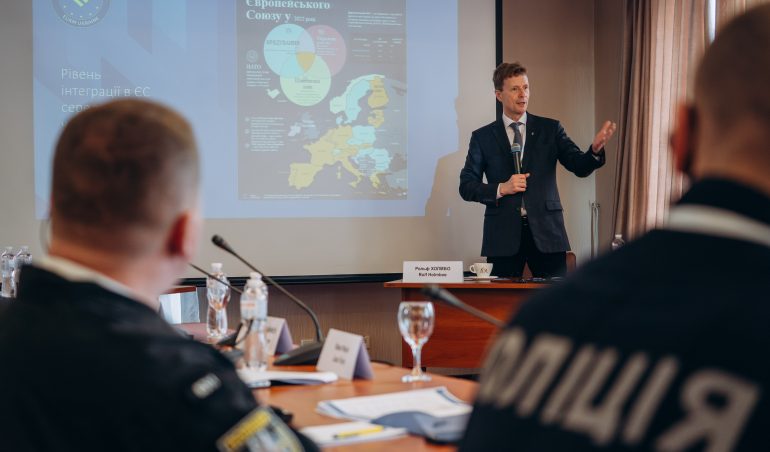
Law enforcement institutions are often judged by what people see: how officers act, how crises are handled, and how clearly institutions communicate. Yet the decisions that shape these actions are taken at a different level – by those responsible for setting priorities, defining standards, and guiding entire organisations. Strengthening leadership at this level is essential for ensuring consistency, accountability, and public trust.
Between January and April 2026, the European Union Advisory Mission (EUAM) Ukraine delivered a comprehensive Senior Leadership Course (SLC) for senior management of the Ministry of Internal Affairs and its agencies, including the National Police, National Guard, State Border Guard Service, and State Emergency Service. The programme was developed at the request of the Ministry, building on previous training and expanding it into a more inclusive, cross-institutional format.
Across five sessions, the course brought together 100 senior leaders from different regions of Ukraine. Despite demanding responsibilities, participants engaged in a structured programme designed to address the realities of leadership in a complex and high-pressure environment.
“Effective internal security cannot rely on parallel efforts – it requires cooperation, coordination, and a shared vision,” said Rolf Holmboe, Head of Mission of EUAM Ukraine. “Leadership at your level goes far beyond rank or position. It is defined by judgment, integrity, and the ability to delegate responsibility while remaining accountable.”
The curriculum focused on strategic leadership, critical thinking, emotional intelligence, and strategic planning – skills that help leaders move beyond reactive decision-making and ensure professional, well-grounded responses across their institutions. Participants also explored quality management, efficiency assessment, and oversight mechanisms, as well as the role of effective communication in maintaining discipline, clarity, and trust.
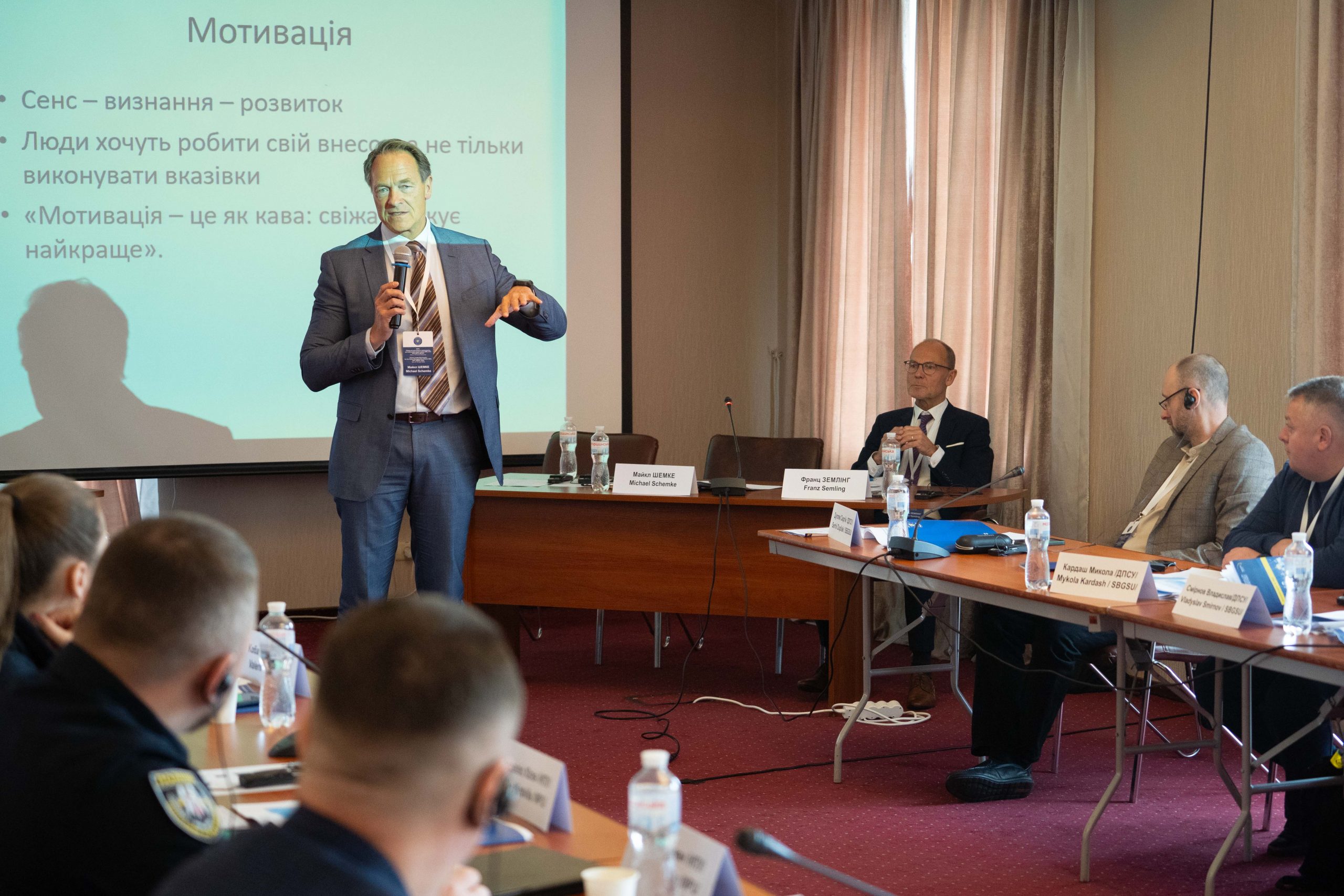
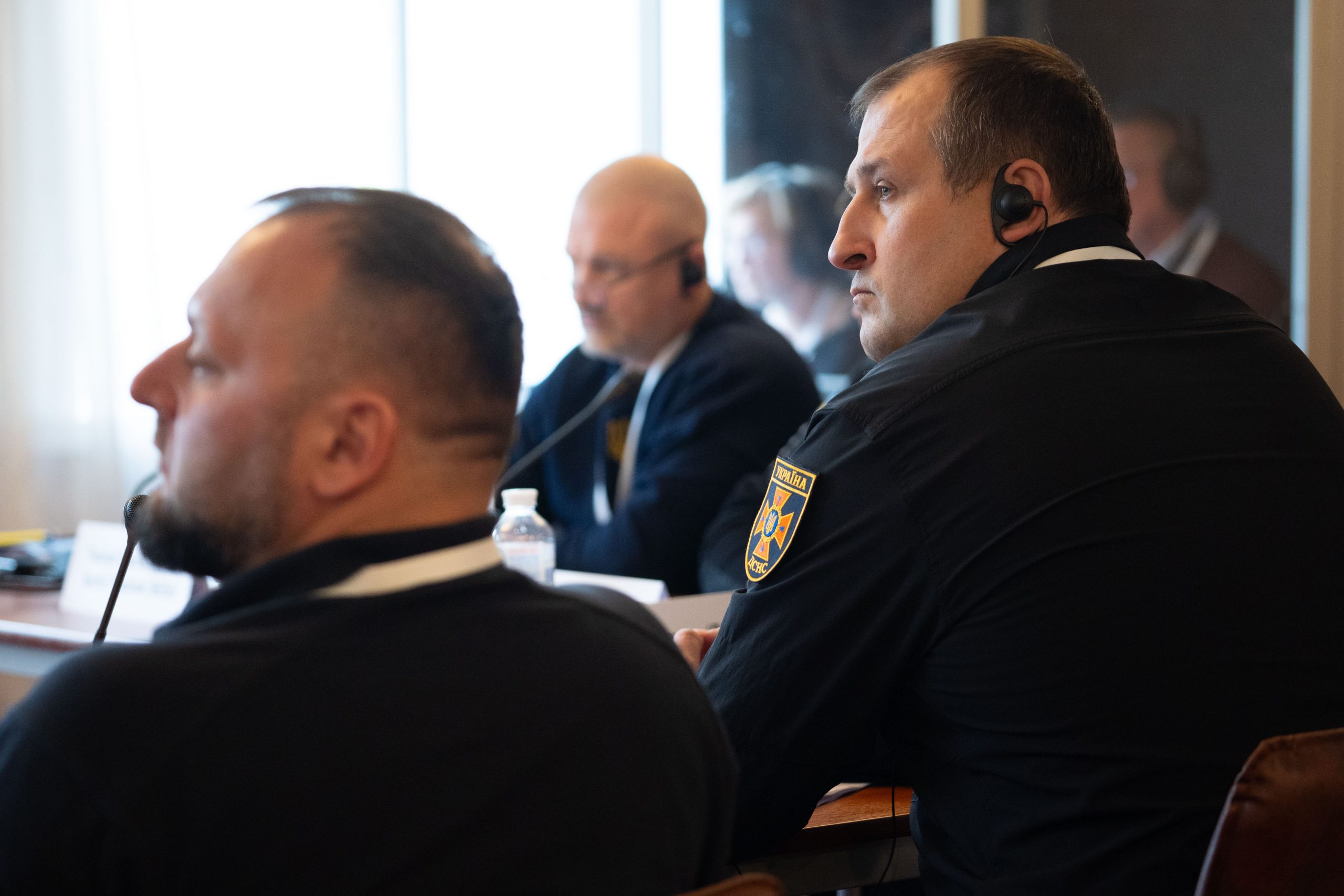
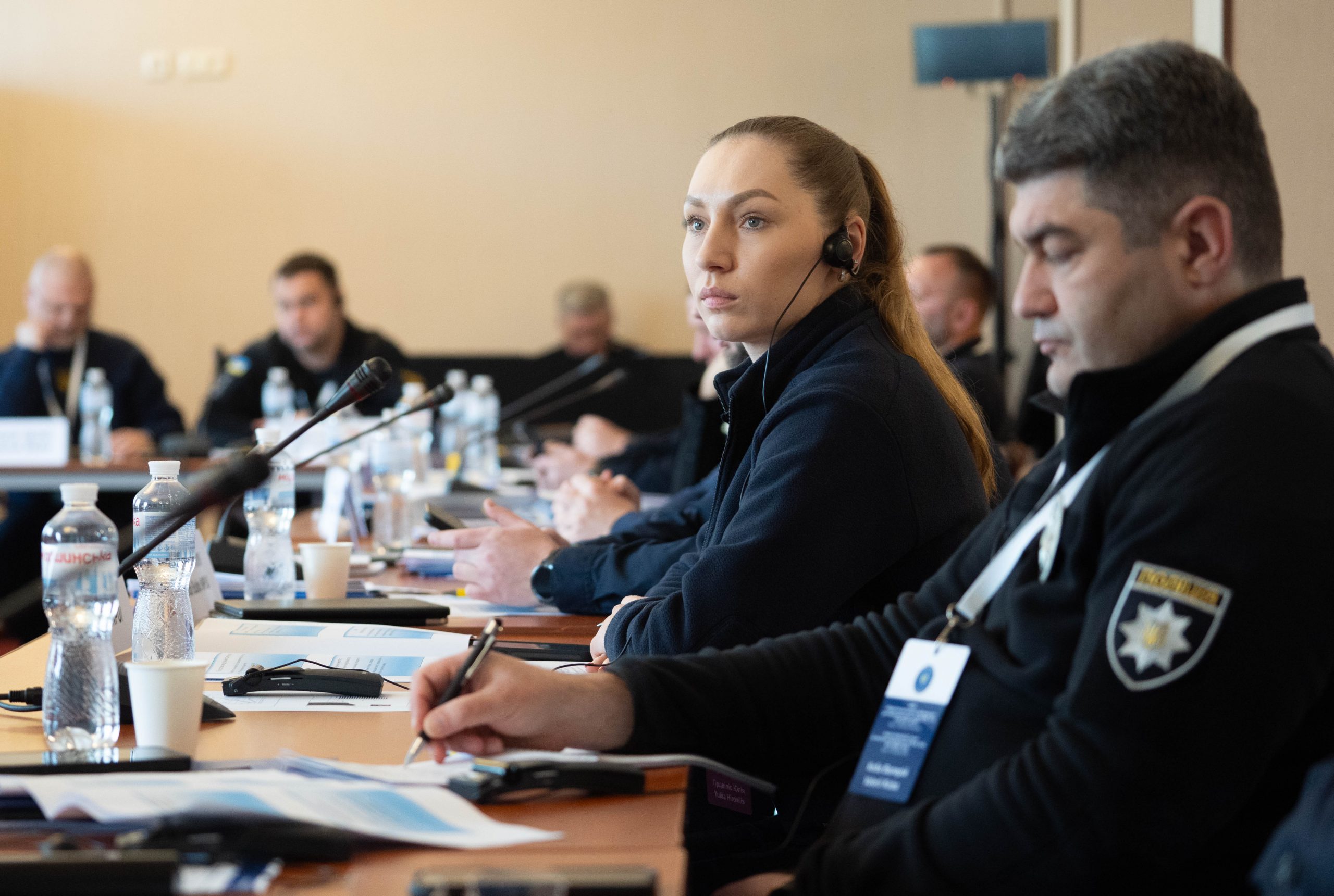
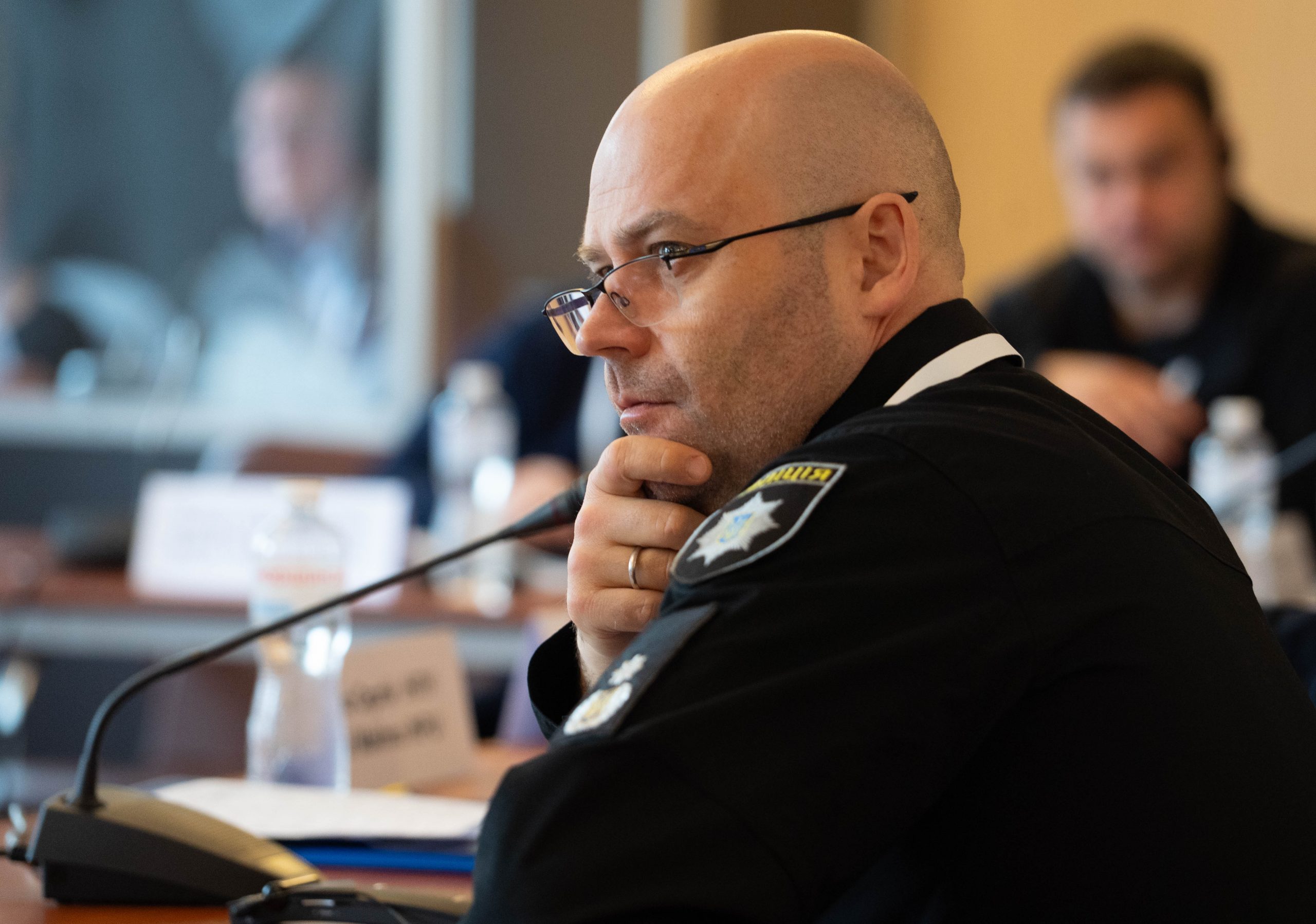
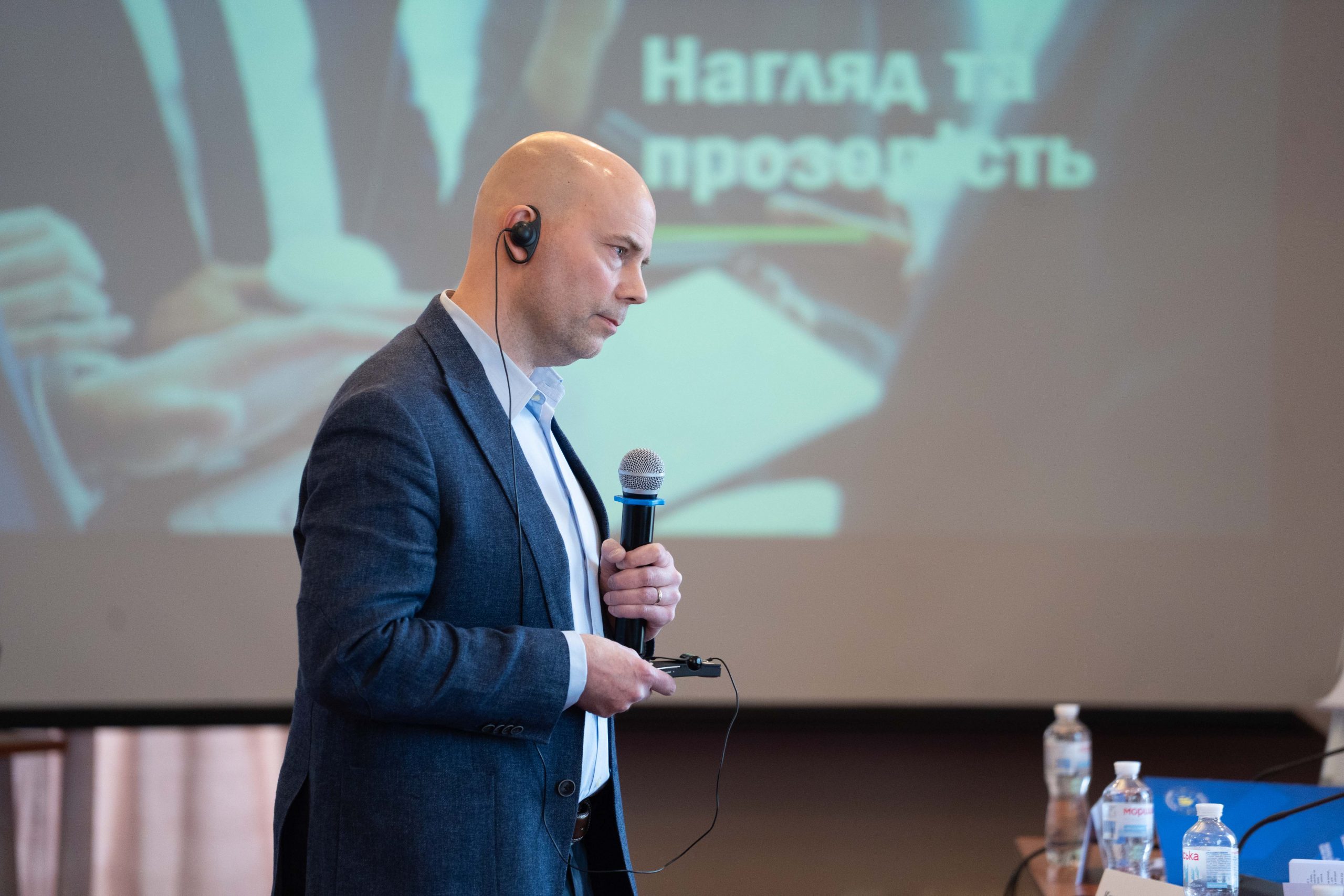
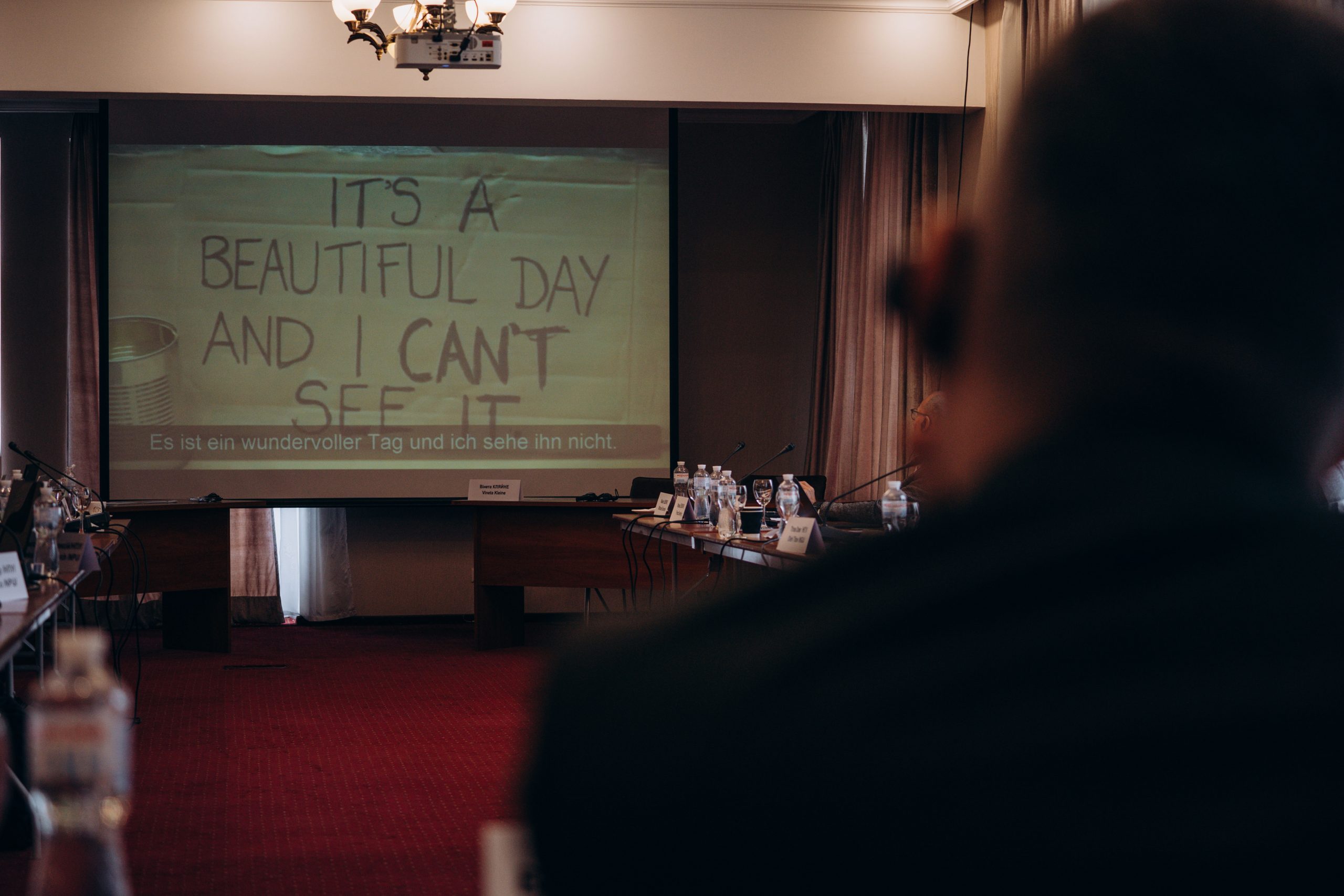
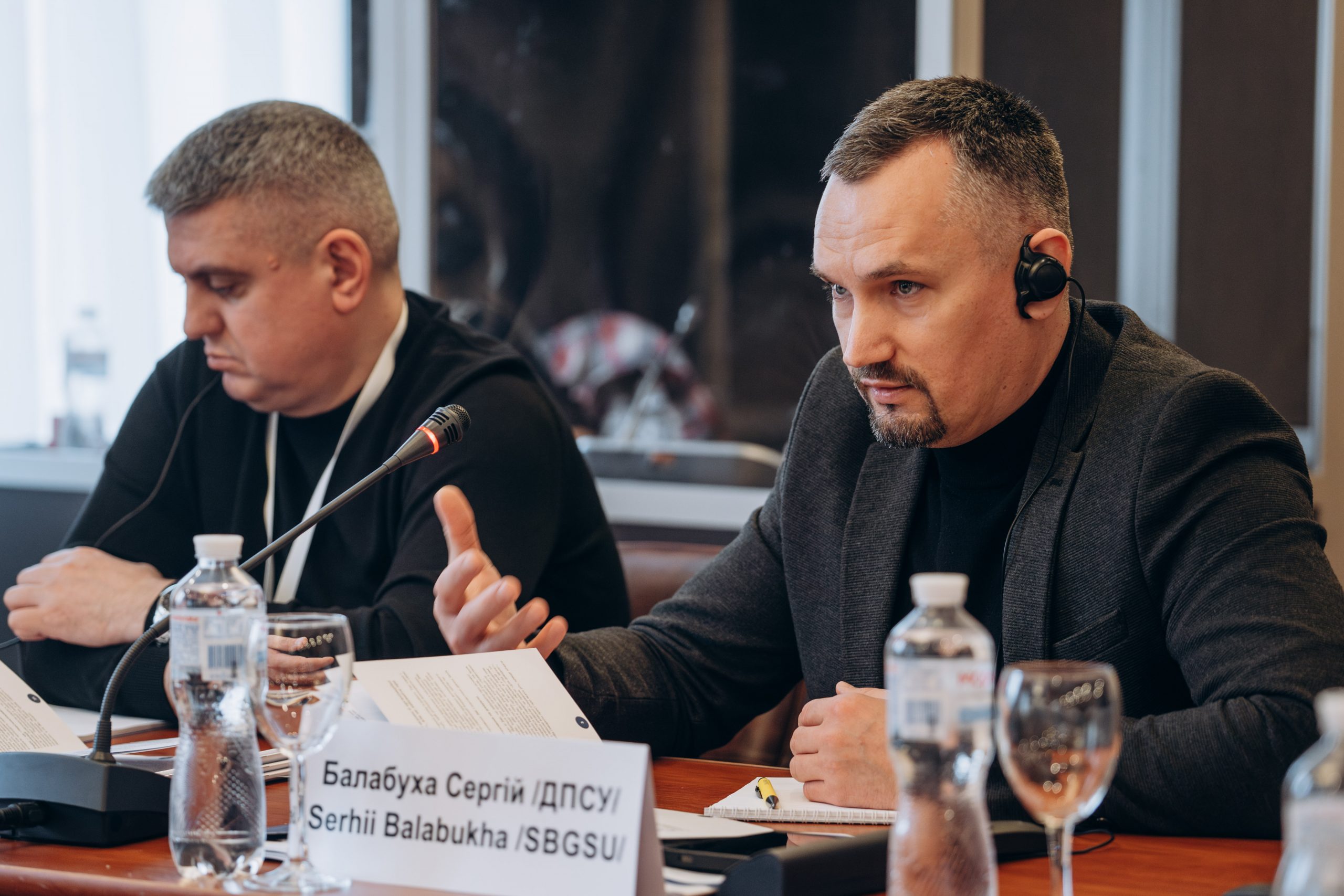
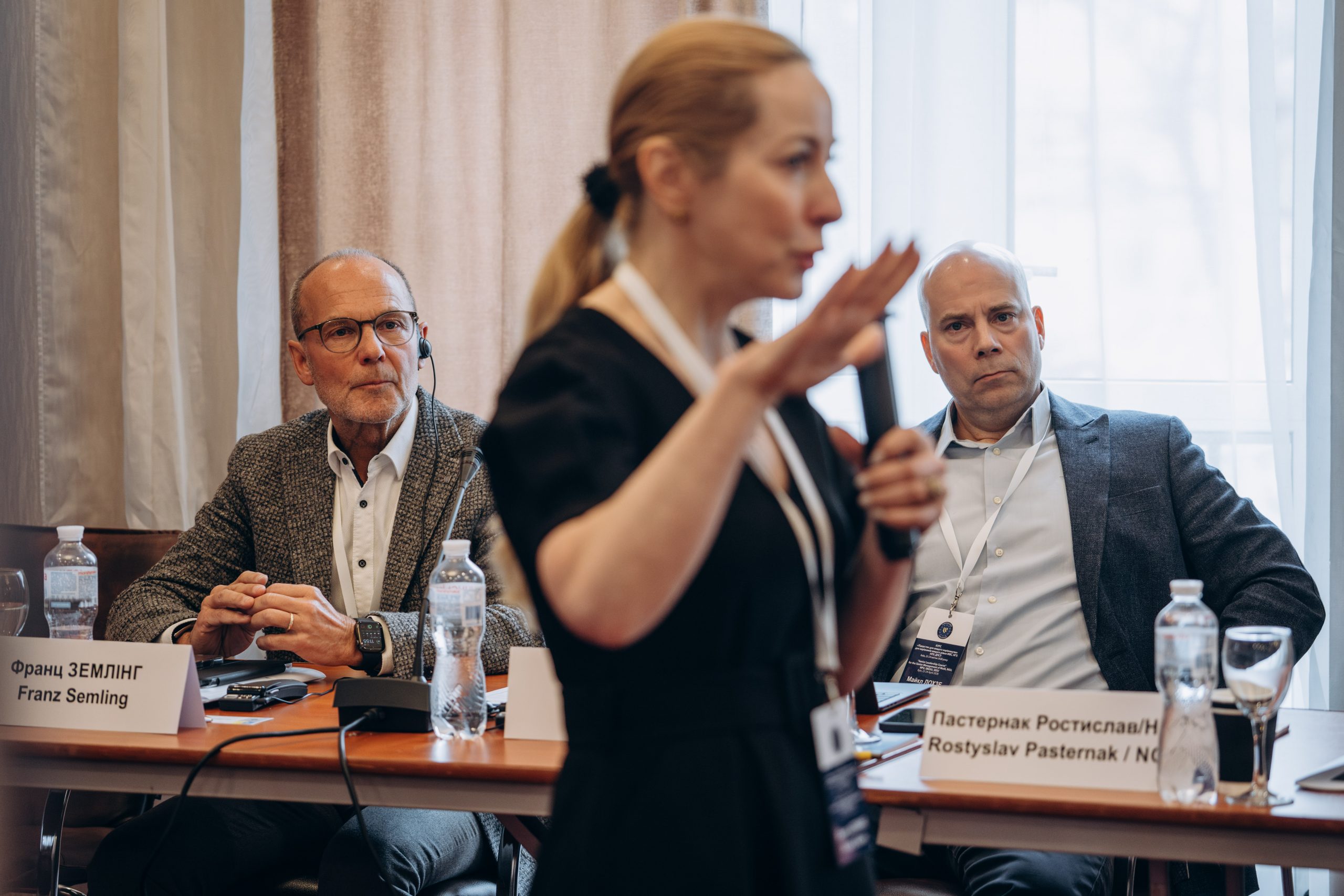
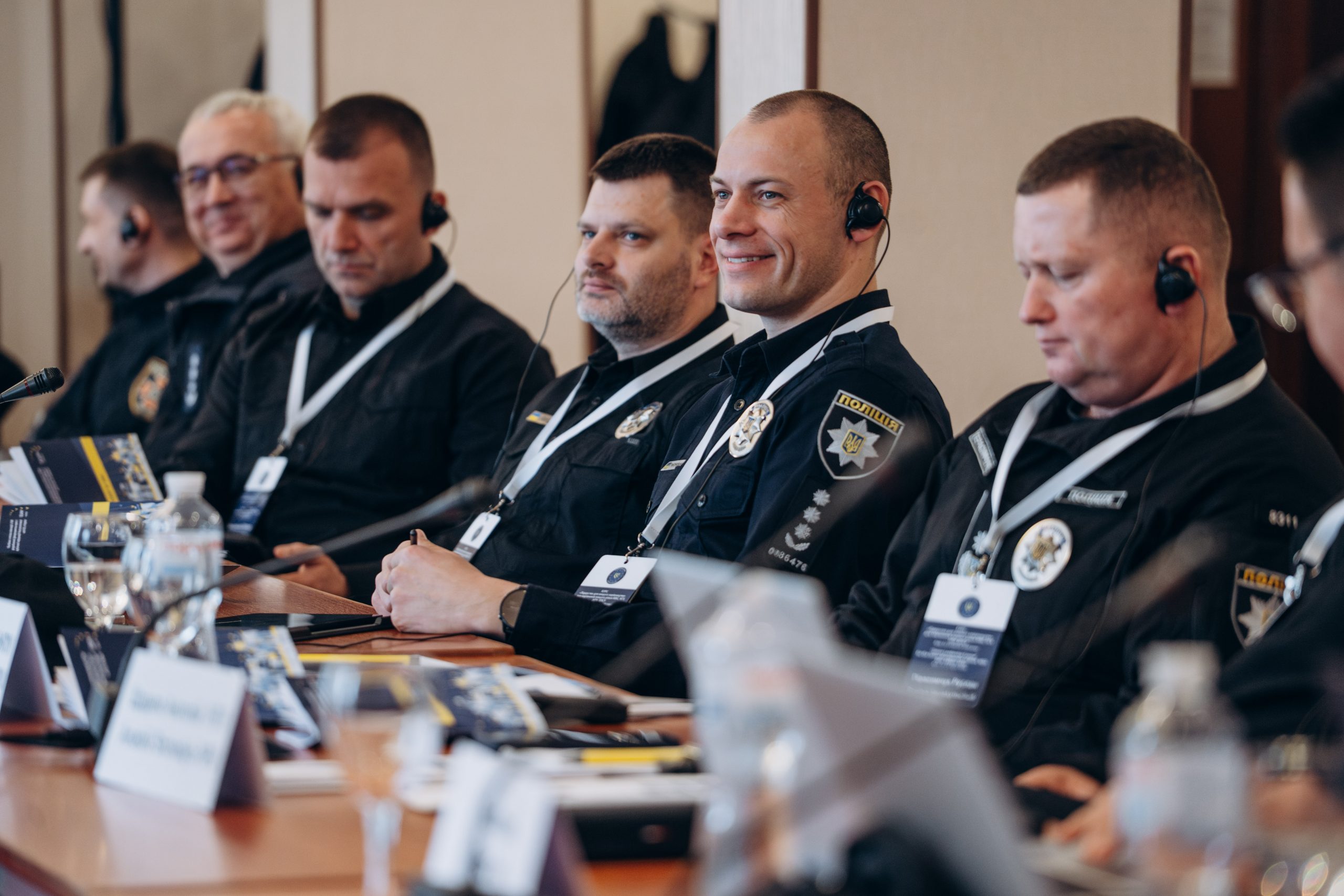
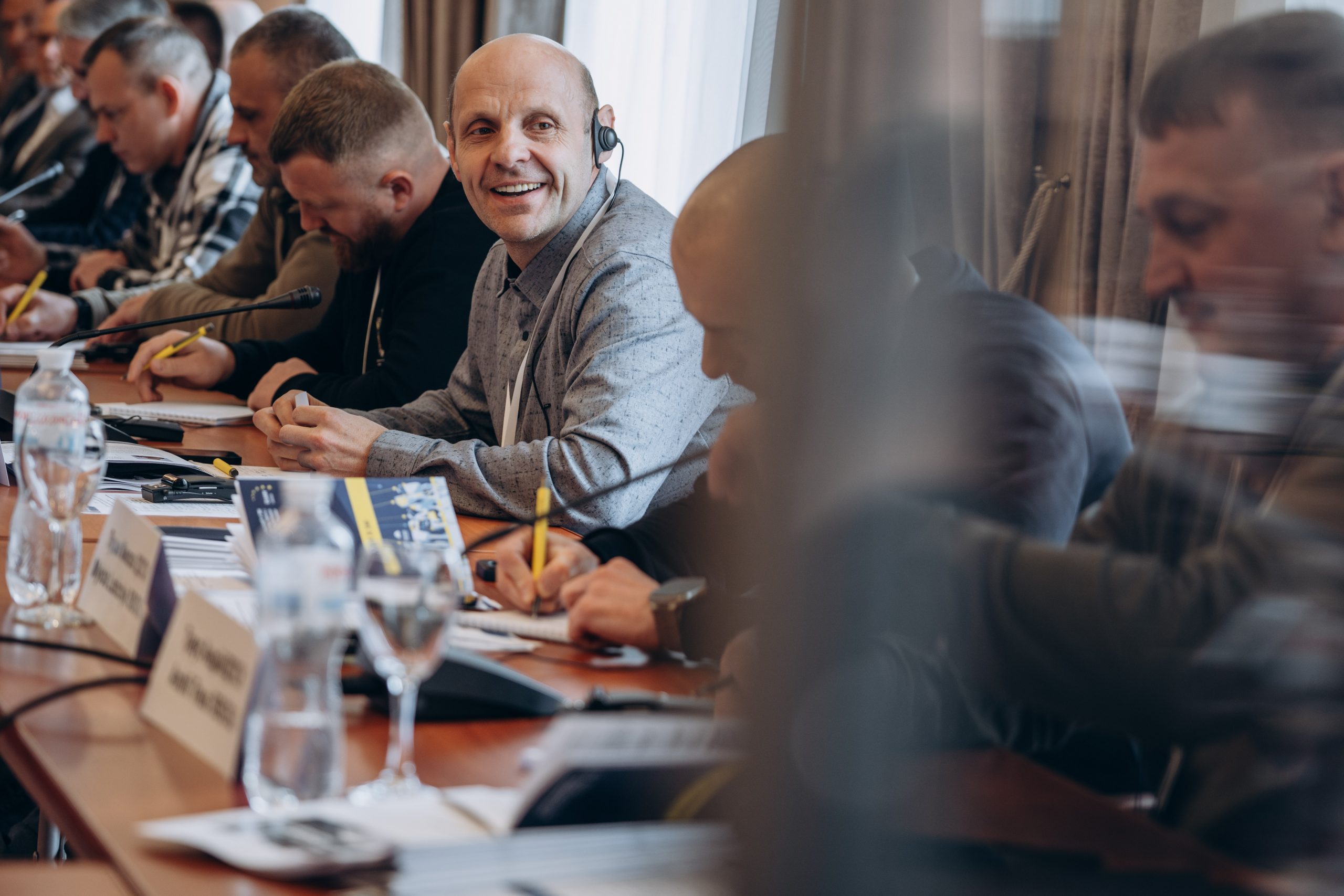
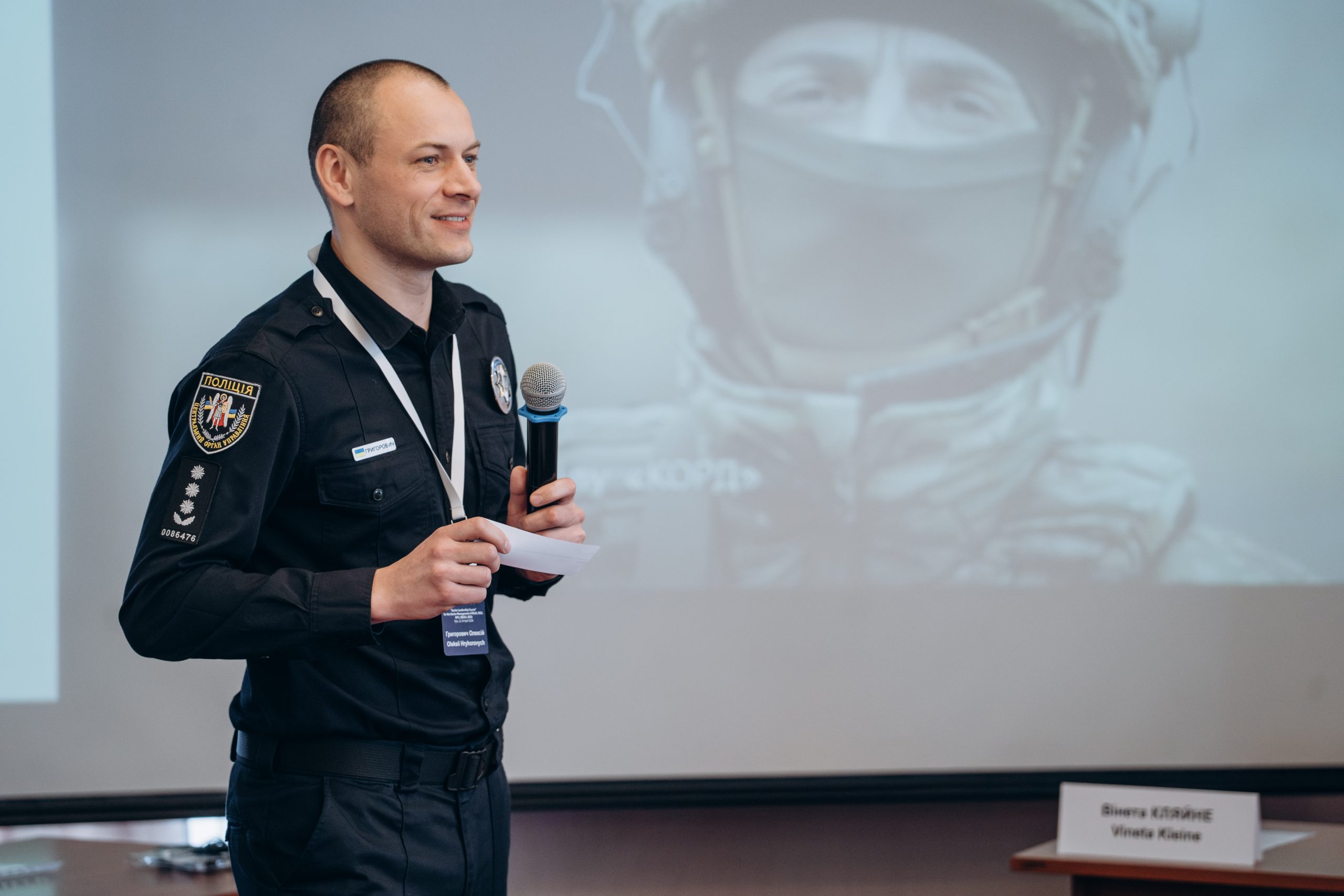
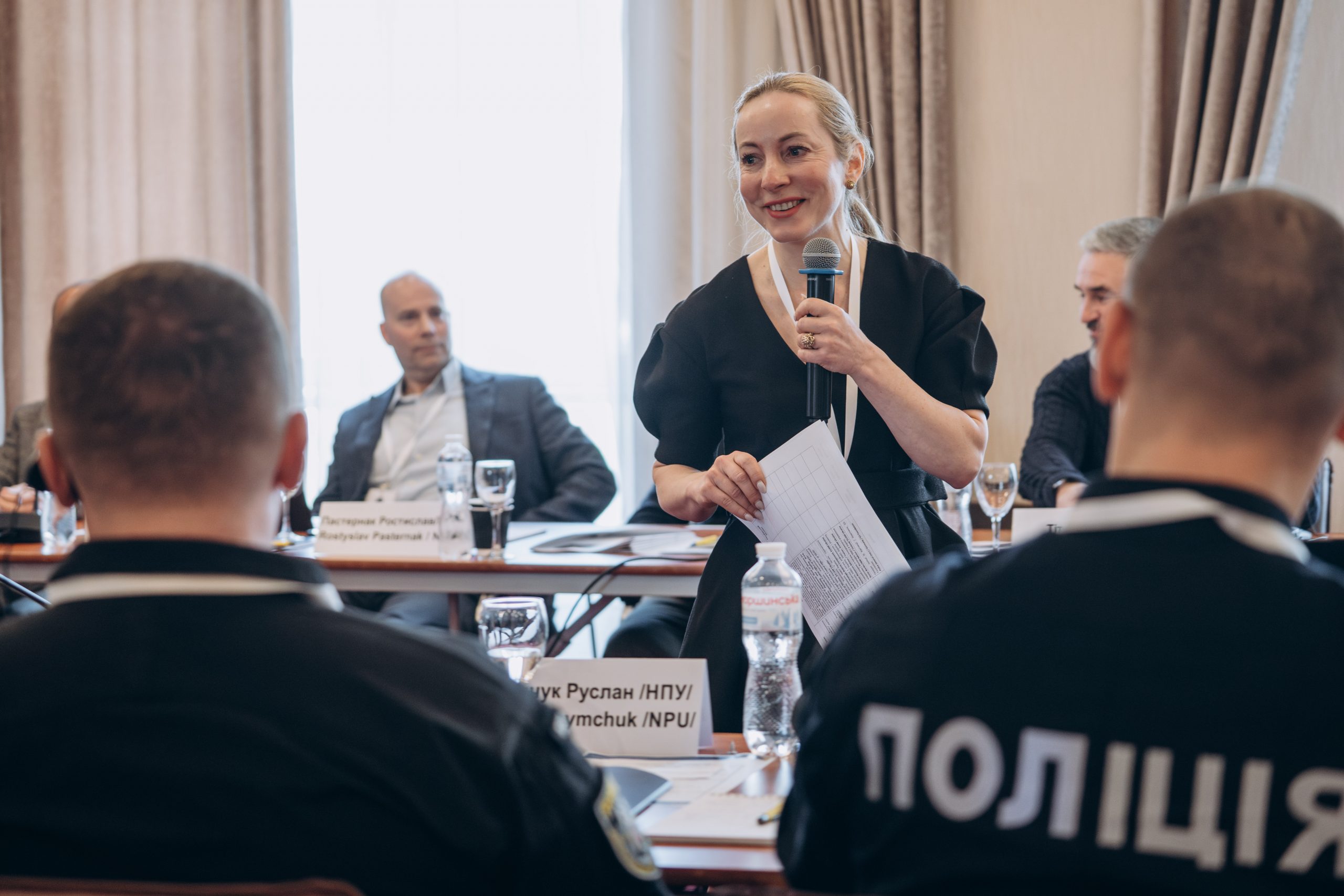
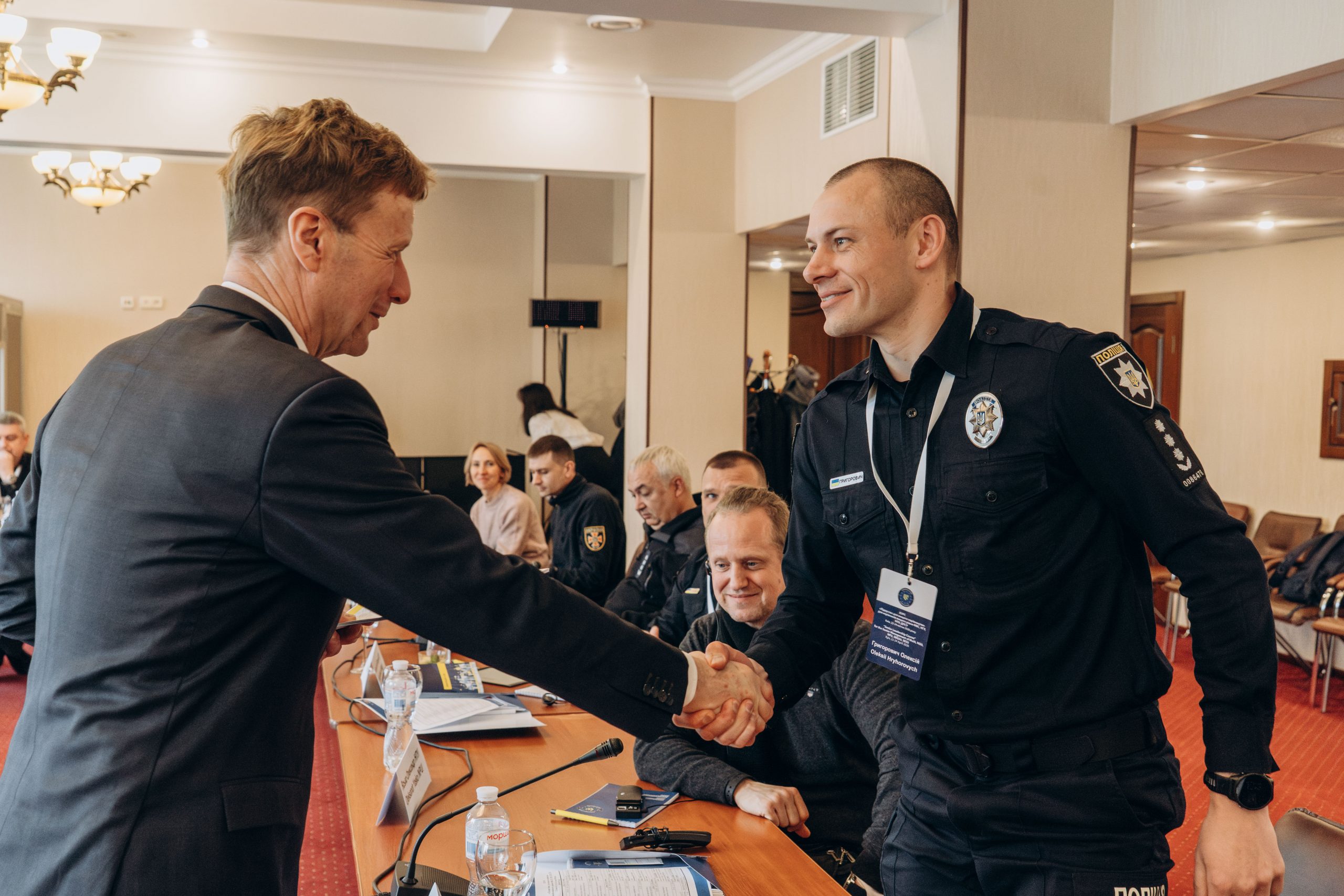
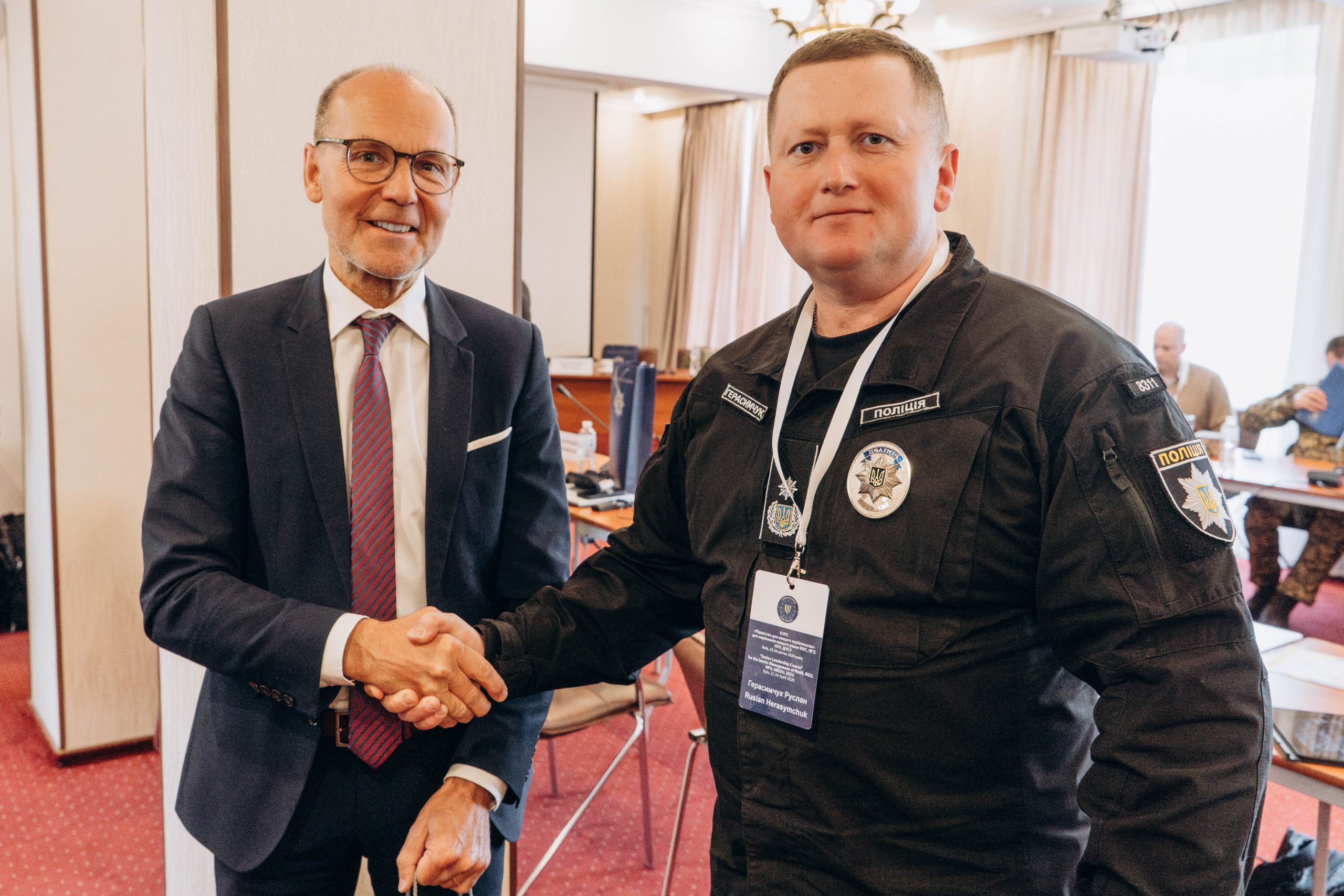
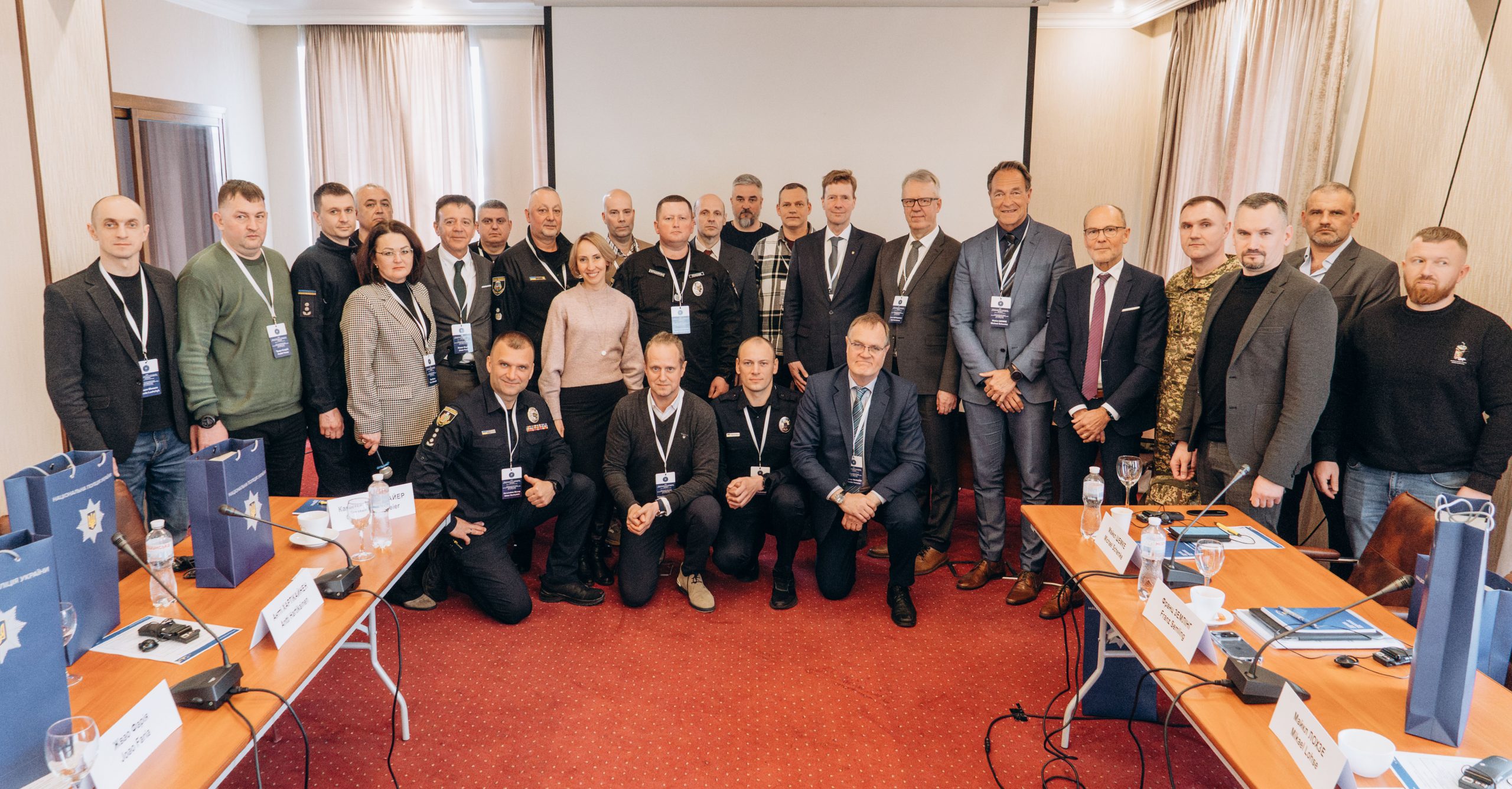















A defining feature of the course was its emphasis on cooperation across services. By bringing together leadership from different agencies, the programme created space for open exchange and shared reflection – an opportunity rarely available in day-to-day operations. This exchange helped strengthen mutual understanding and reinforced the importance of coordinated action in ensuring internal security.
Participants noted that this cross-institutional dialogue allowed them to better understand how their decisions affect not only their own services, but the broader system. In an environment shaped by war, reform, and high public expectations, such understanding is critical for building resilient institutions.
The course also placed strong emphasis on ethical leadership. Respect for the rule of law, accountability, and human rights were addressed not as abstract principles, but as practical responsibilities embedded in daily decision-making. This approach reflects the standards that underpin modern European law enforcement and supports Ukraine’s ongoing EU integration process.
As the programme concluded, the focus shifted from training to impact. The networks established, the perspectives shared, and the leadership approaches discussed are expected to influence how institutions operate beyond the classroom.
The Senior Leadership Course demonstrates that leadership development is not a one-time effort, but a continuous process. By investing in senior leaders, EUAM Ukraine contributes to stronger, more coordinated, and more accountable institutions – ultimately supporting public trust and the security of Ukrainian society.
