
To Hold Up in Court: Training on Evidentiary Issues in International Criminal Files
April 21, 2026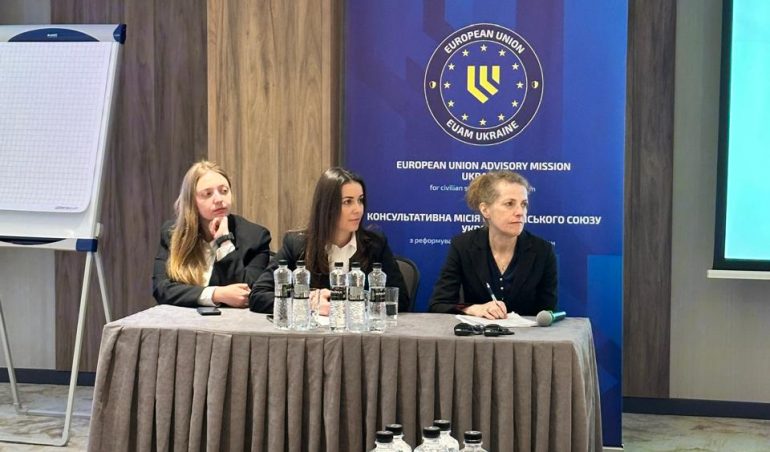
In war crimes investigations, collecting evidence is only the first step. The harder question comes later: will that evidence stand up in court?
This challenge was at the centre of a specialised training organised by the European Union Advisory Mission (EUAM) Ukraine in Kyiv last week. The training brought together prosecutors and investigators from the Office of the Prosecutor General of Ukraine, the Security Service of Ukraine, and regional offices across the country, including war-affected regions such as Dnipro, Donetsk, Kharkiv, Kherson, Luhansk, Mykolaiv, Odesa and Zaporizhzhia.
To respond to requests from Ukrainian counterparts, EUAM designed the training around a mock case file based on real international criminal jurisprudence and evidence. Participants worked through the material as they would in an actual investigation, assessing whether it was ready for trial and identifying what was needed to strengthen it.
The training programme combined expert input with intensive group work. It addressed common evidentiary challenges in international criminal trials and allowed participants to analyse the case file in depth before reviewing conclusions with EUAM experts.
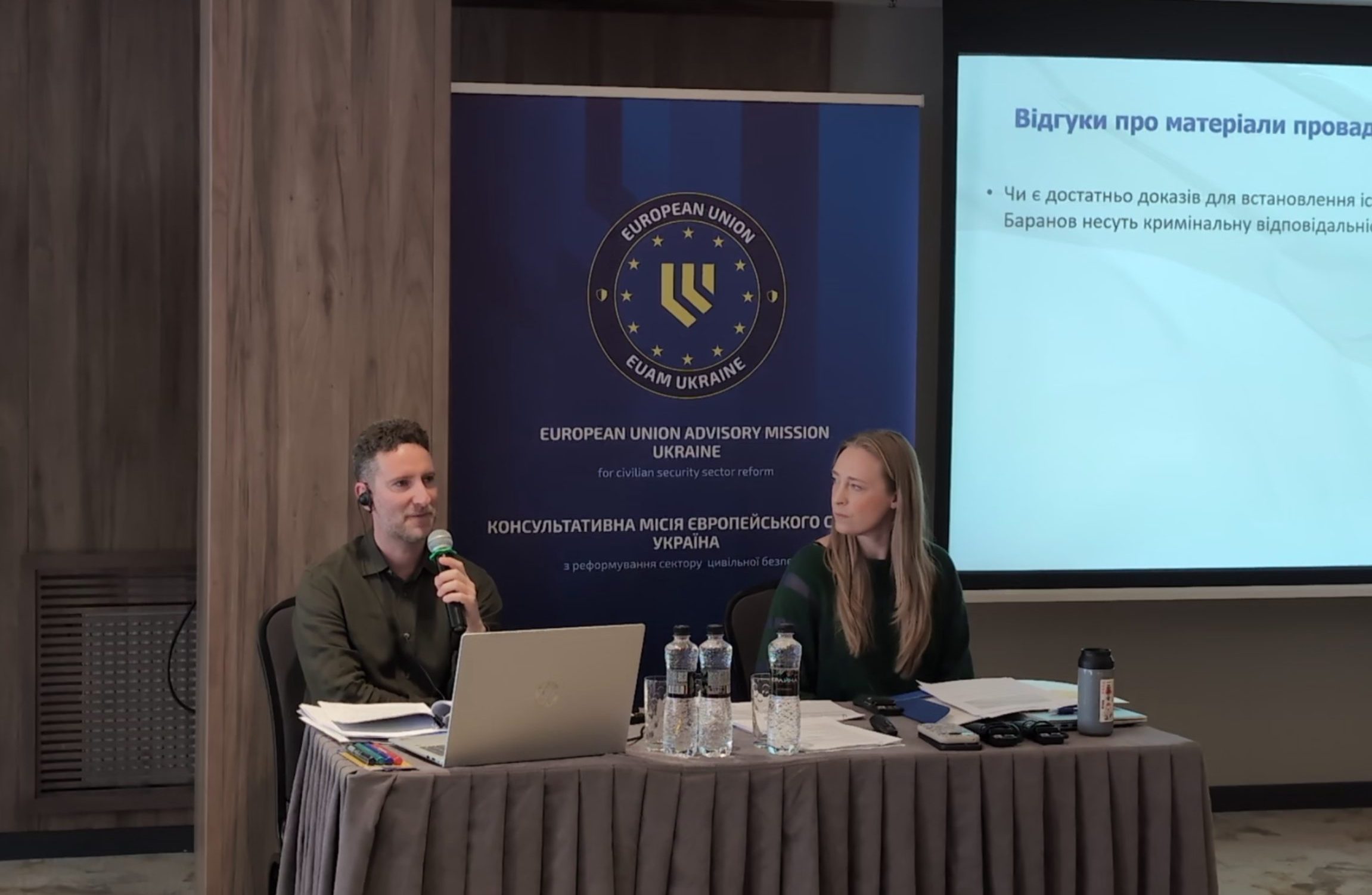
“At the request of our Ukrainian counterparts, we developed a practical training exercise based on real international criminal decisions, adapted to the context of Russia’s aggression against Ukraine,” said Melissa McKay, Senior Adviser on Prosecution of International Crimes at EUAM Ukraine. “By working through realistic case files, investigators and prosecutors can apply their existing skills while strengthening their capacity to handle complex cases involving command responsibility and broader patterns of criminality.”
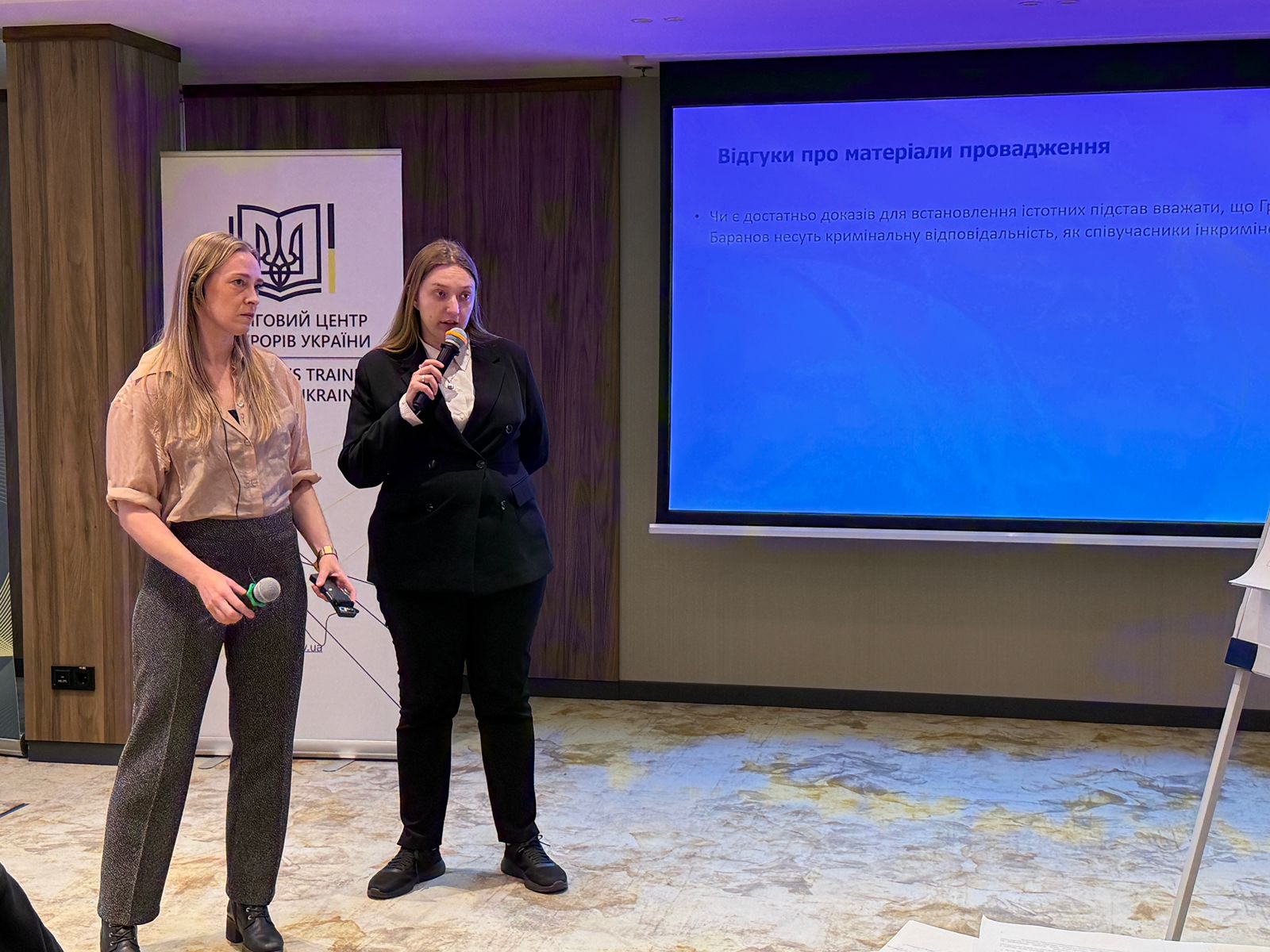
A key part of the exercise focused on linkage evidence — the material needed to connect a commander to a specific attack. This is often where complex cases succeed or fail. Participants examined what can establish that connection, where investigations commonly fall short, and what steps can help close those gaps before a case reaches court.
“The training was practical and directly relevant to our work. It showed us how to ensure that evidence is credible, sufficiently corroborated and capable of proving individual criminal responsibility under international standards. This will help strengthen cases and increase the chances of holding perpetrators of war crimes accountable,” said Maryna, a prosecutor representing the Donetsk region, who participated in the training.
As Ukraine continues to investigate and prosecute international crimes committed during Russia’s full-scale invasion, this distinction remains critical. Training like this helps ensure that cases move beyond documentation towards accountability that can withstand judicial scrutiny.
