
Communicating Strategic Reforms: Croatia’s Knowledge Transfer for Ukraine
April 03, 2026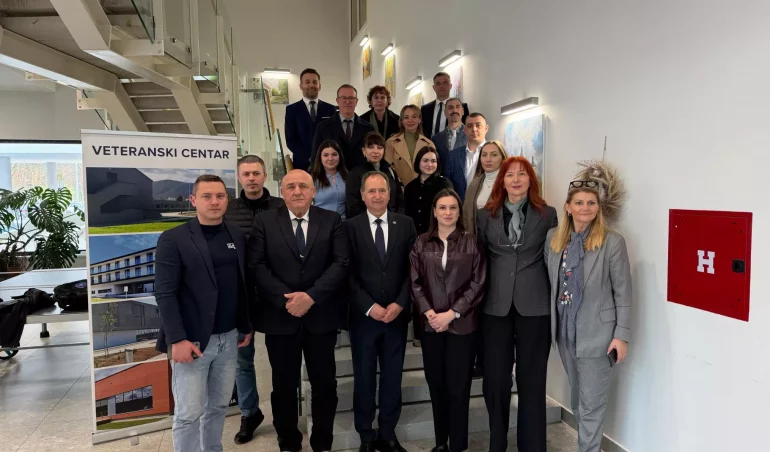
Strategic communication is a critical driver of change and a key factor to achieve successful outcomes of an ambitious reform agenda. When institutions undergoing reforms explain in simple terms technical legal reforms, policy changes, and organizational restructuring in a way the public understands, they build trust and enable change. For Ukraine, where reforms are taking place under conditions of war, institutional strategic communications become even more important.
In March, the European Union Advisory Mission (EUAM) Ukraine organised a study visit to Croatia in close cooperation with the Croatian Ministry of Foreign and European Affairs for heads of communication units from the system of the Ministry of Internal Affairs of Ukraine (MoIA).
Strong and historic bonds between Ukraine and Croatia were reinforced through an ambitious study visit programme that transferred to MoIA participants tactical, operational, and actionable strategic communication insights from the Ministry of the Interior and the General Police Directorate, the Ministry of Croatian Veterans, the Ministry of Justice, Public Administration and Digital Transformation, the Ministry of Culture and Media, as well as local authorities in war affected areas. Study visit curriculum emphasized how targeted, truthful, and timely communication accelerates institutional reform aims, strengthens resilience and builds bridges between state institutions and the citizens they serve, an aspect of critical important during war and post-war recovery.
For the Ukrainian delegation, the study visit showcased how communication strategies are a primary catalyst to reach institutional reform targets in line with European Union standards. Croatian counterparts shared how throughout their own EU accession journey they developed tailored public awareness campaigns, engaged with communities in war affected regions and maintained transparency during sensitive reforms.
“Communication is not about visibility alone. It is about ensuring that people understand what institutions do, how decisions are made, and how these decisions affect their daily lives,” said Mariana Reva, Director of the Communications Department at the Ministry of Internal Affairs of Ukraine, who led the Ukrainian delegation. “When people understand this, they are more likely to trust institutions, follow guidance and engage with reforms. In our European integration context, this trust is essential. It underpins accountability, supports the rule of law and allows institutions to function effectively in the public interest.”
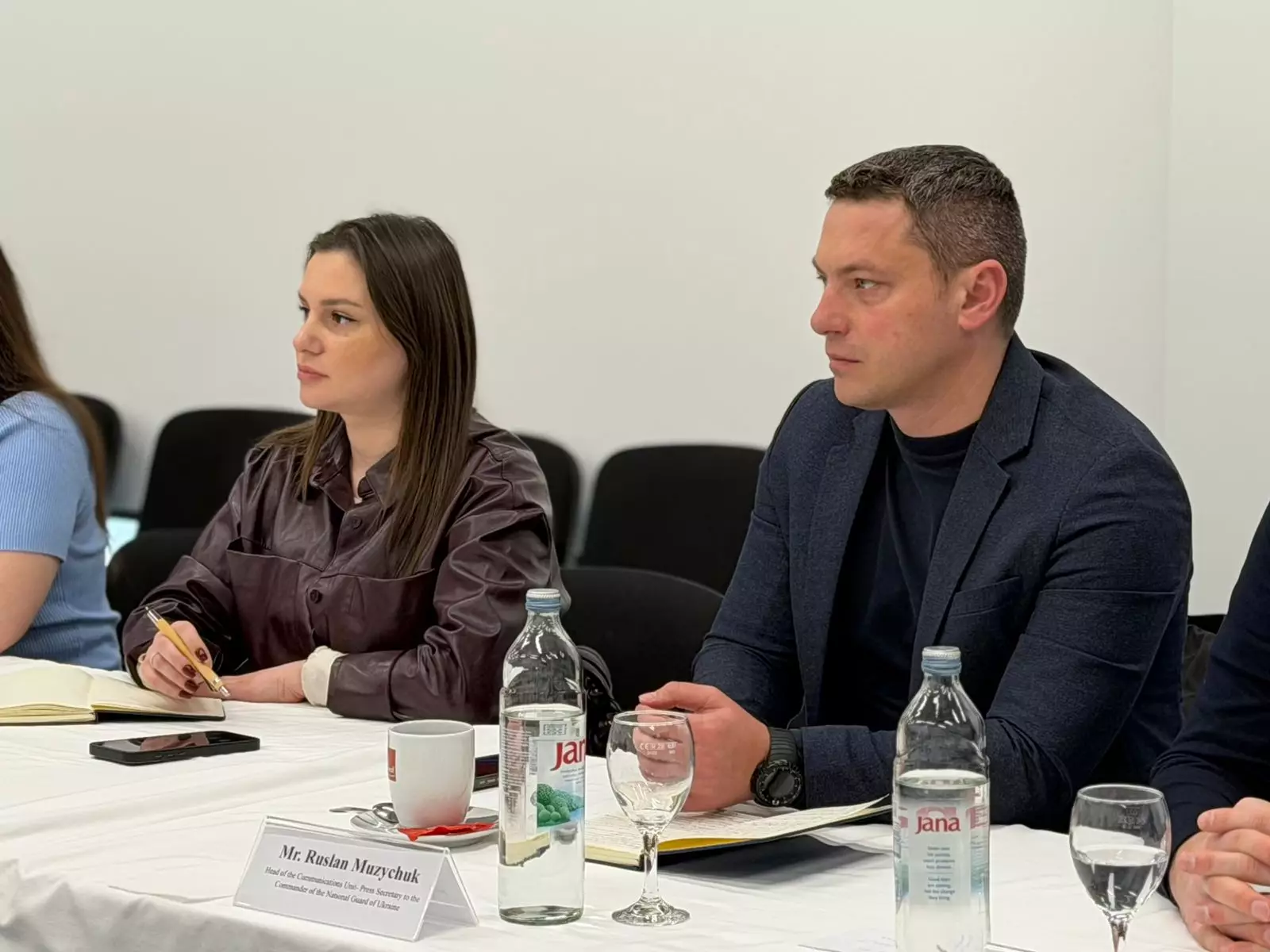
A field training exercise to Lipik, a city heavily destroyed during the war in Croatia, was spearheaded by war veterans who expressed an unbreakable bond of solidarity with their Ukrainian counterparts. Sharing wartime experience from a post-war standpoint illuminated that recovery efforts must plan for both financial needs and dedicated psychosocial support to address the evolving demands of war affected veterans, families, and communities.
The study visit programme also covered practical areas where strategic communication plays a crucial role in ensuring public safety and saving lives. Croatian experts presented their work on public information campaigns for the voluntary surrender of weapons, mine risk awareness and war related public safety announcements. These initiatives showed how institutional communication when calibrated properly to the intended target audience can positively influence behaviour and reduce risks for civilian populations.
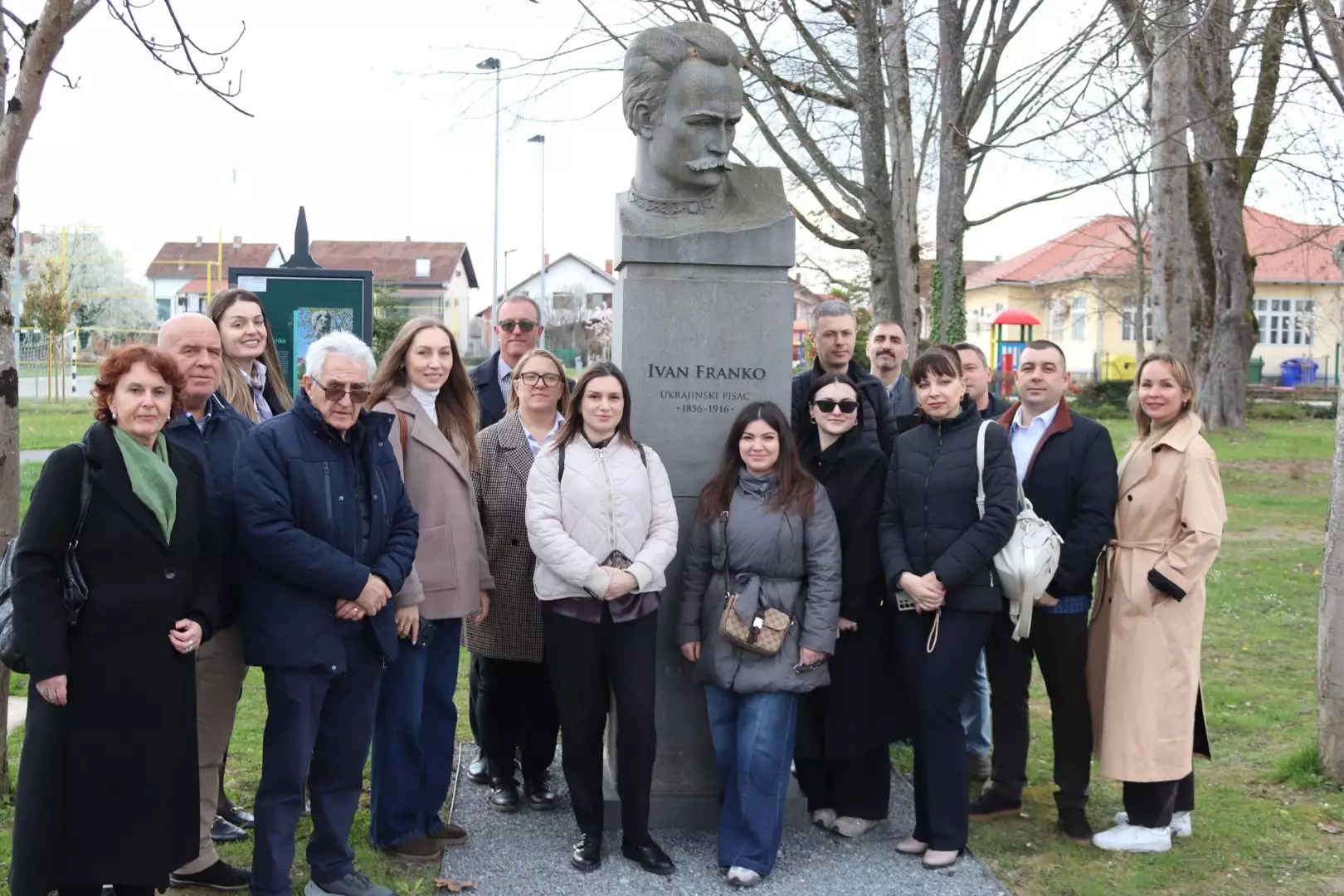
For the National Guard of Ukraine, having a diverse array of strategic communication tools available for rapid deployment depending on the defense and law enforcement tasks under their responsibility is mission-critical. The National Guard is among the first units to operate in Ukrainian territories after their liberation, where communication with the local population and with the wider public becomes an immediate priority.
“Our personnel work in environments where uncertainty is part of daily life. Clear and honest communication helps reduce tension and ensures that people know how to act and where to seek support,” said Ruslan Muzychuk, Head of Communications at the National Guard of Ukraine.
Another area of partnership and exchange focused on combating Foreign Information Manipulation and Interference (FIMI). Croatian experience highlighted the importance of pre-emptive debunking and reactive correction to FIMI threats in cooperation with media, fact-checking bodies, and resourcing long-term investment in media literacy. Integrating counter-FIMI capabilities is a high priority for Ukraine, where information security is closely linked to national security.
“Equipping the Ukrainian delegation’s strategic communication armoury with operational tactics transferred from the Croatian War of Independence offers practical tools to the wartime communication needs the Ukrainian security sector institutions face daily” says Marc Liberati, Acting Head of Press and Public Information Division at EUAM Ukraine.
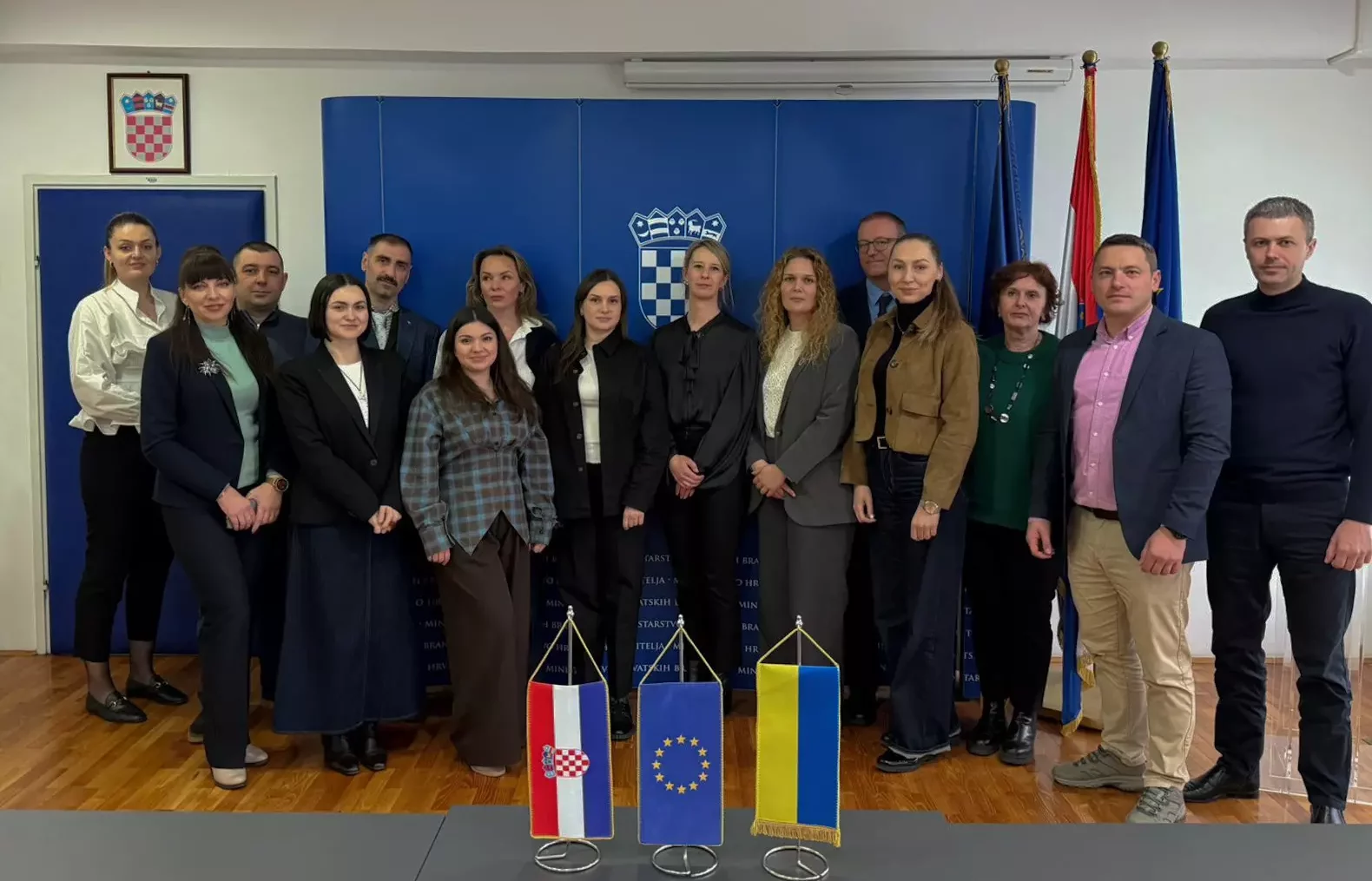
Leveraging study visit outcomes to maximize Croatia’s contribution to Ukraine’s wartime and post-war strategic communication capacity will be crucial to support Ukraine’s wartime needs, post-war recovery and European integration.
