
Making Work Visible: Communicating Law Enforcement Through Experience
April 03, 2026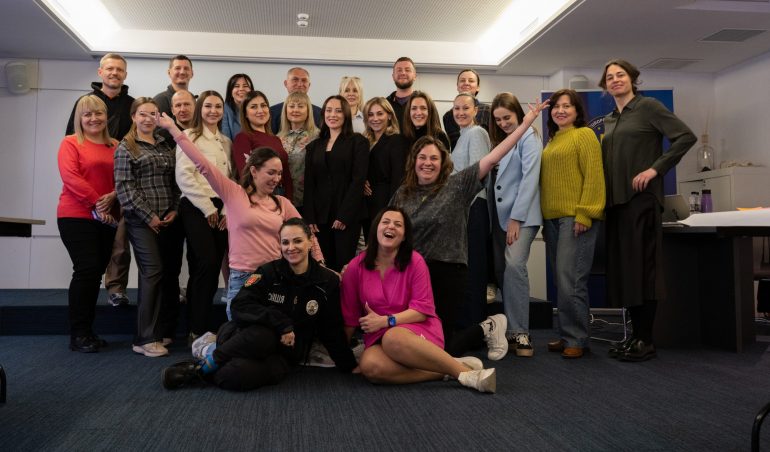
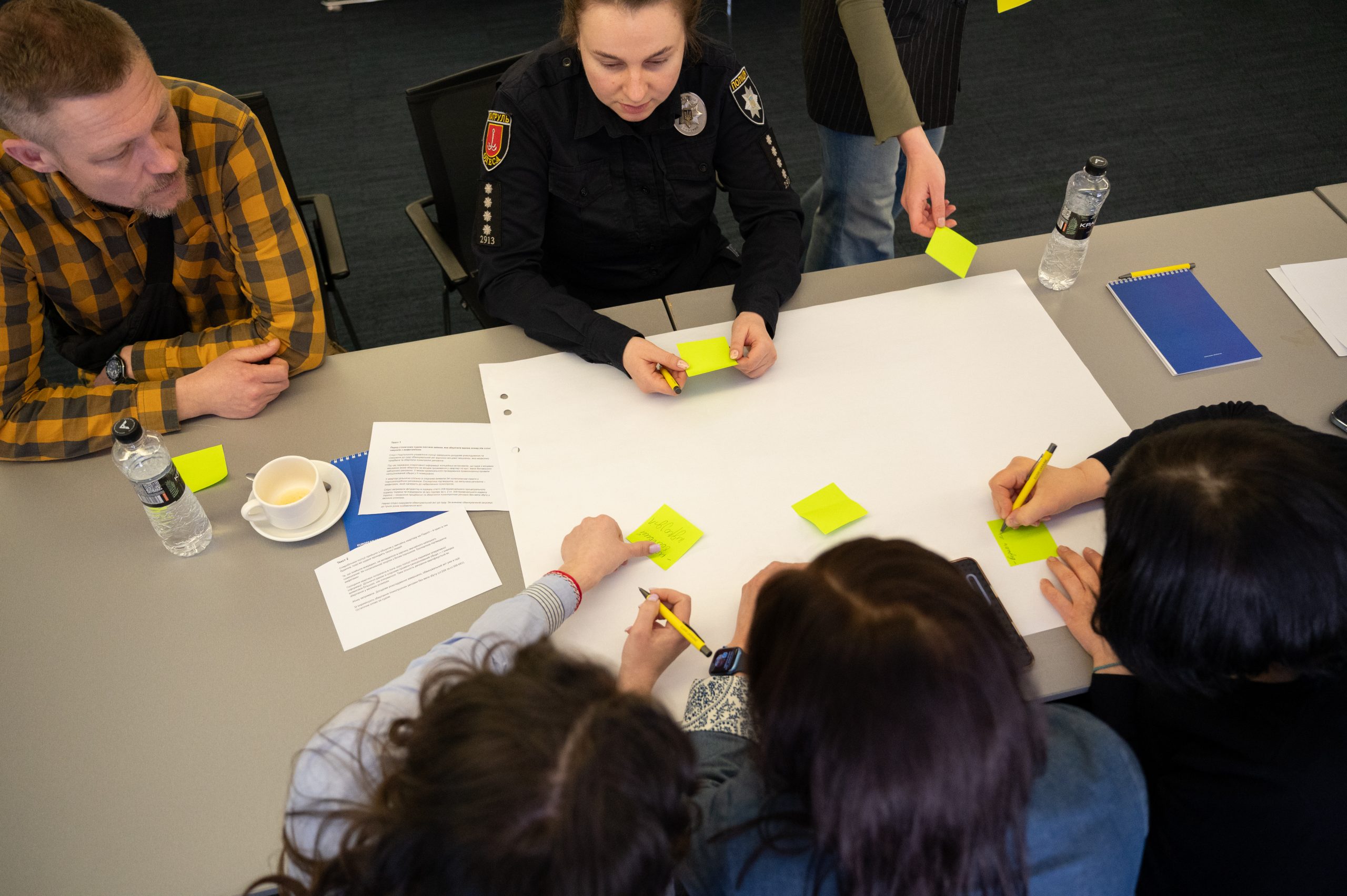
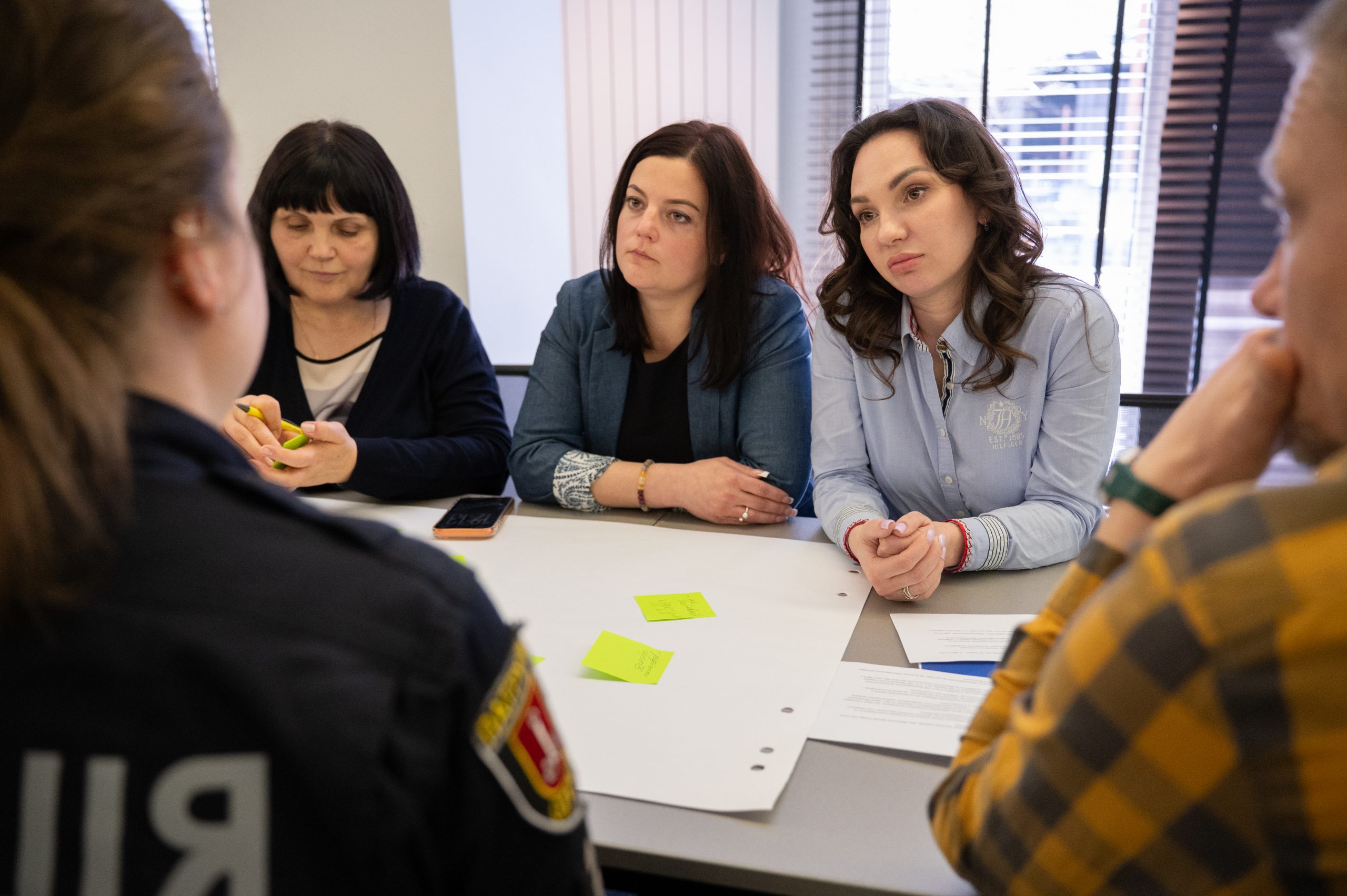
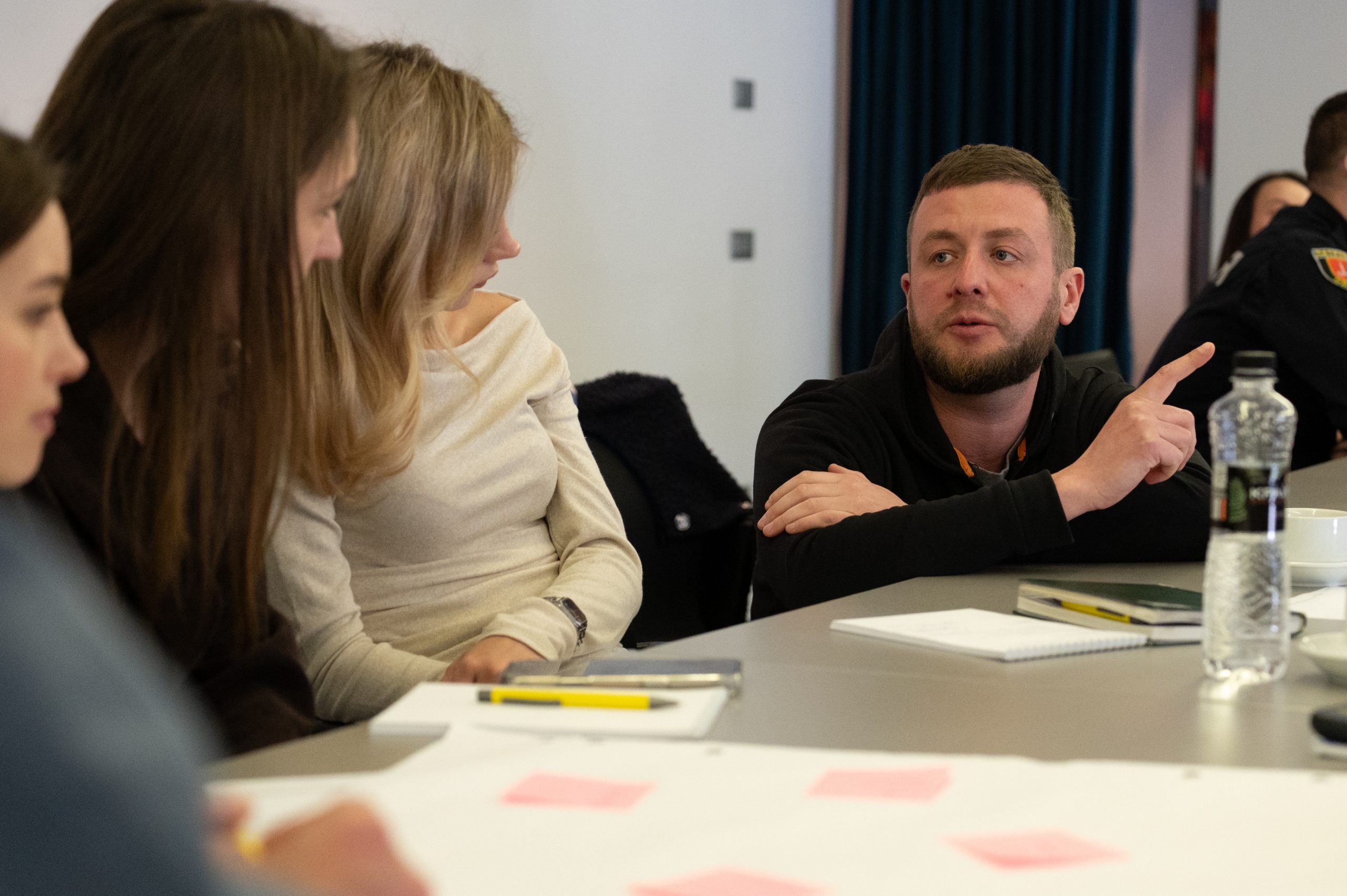
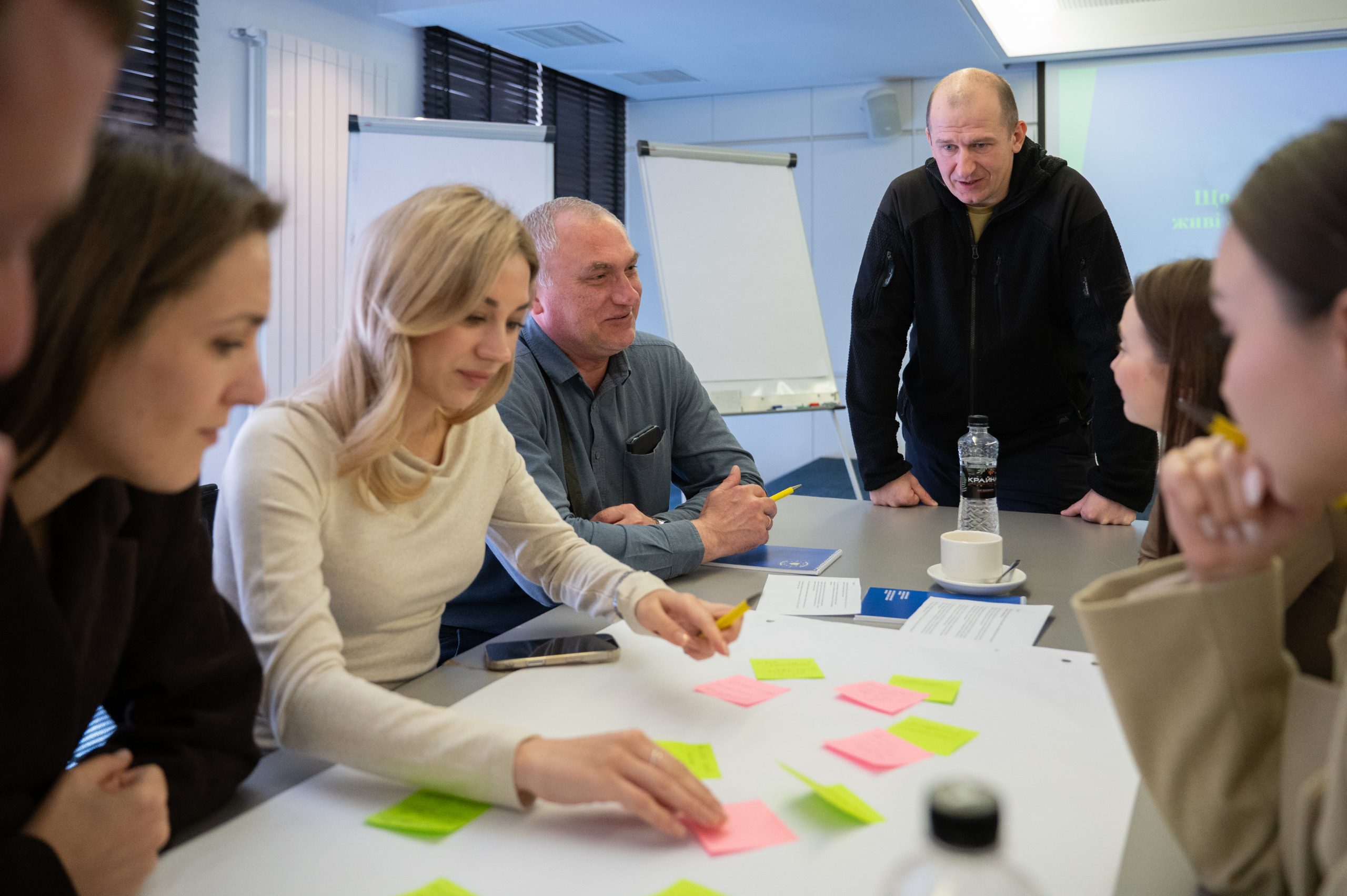
On 24–25 March 2026, EUAM Ukraine organised a two-day training on human-centred storytelling for communication professionals from law enforcement and public institutions in Odesa, bringing together twenty-five participants representing various agencies from southern regions of Ukraine.
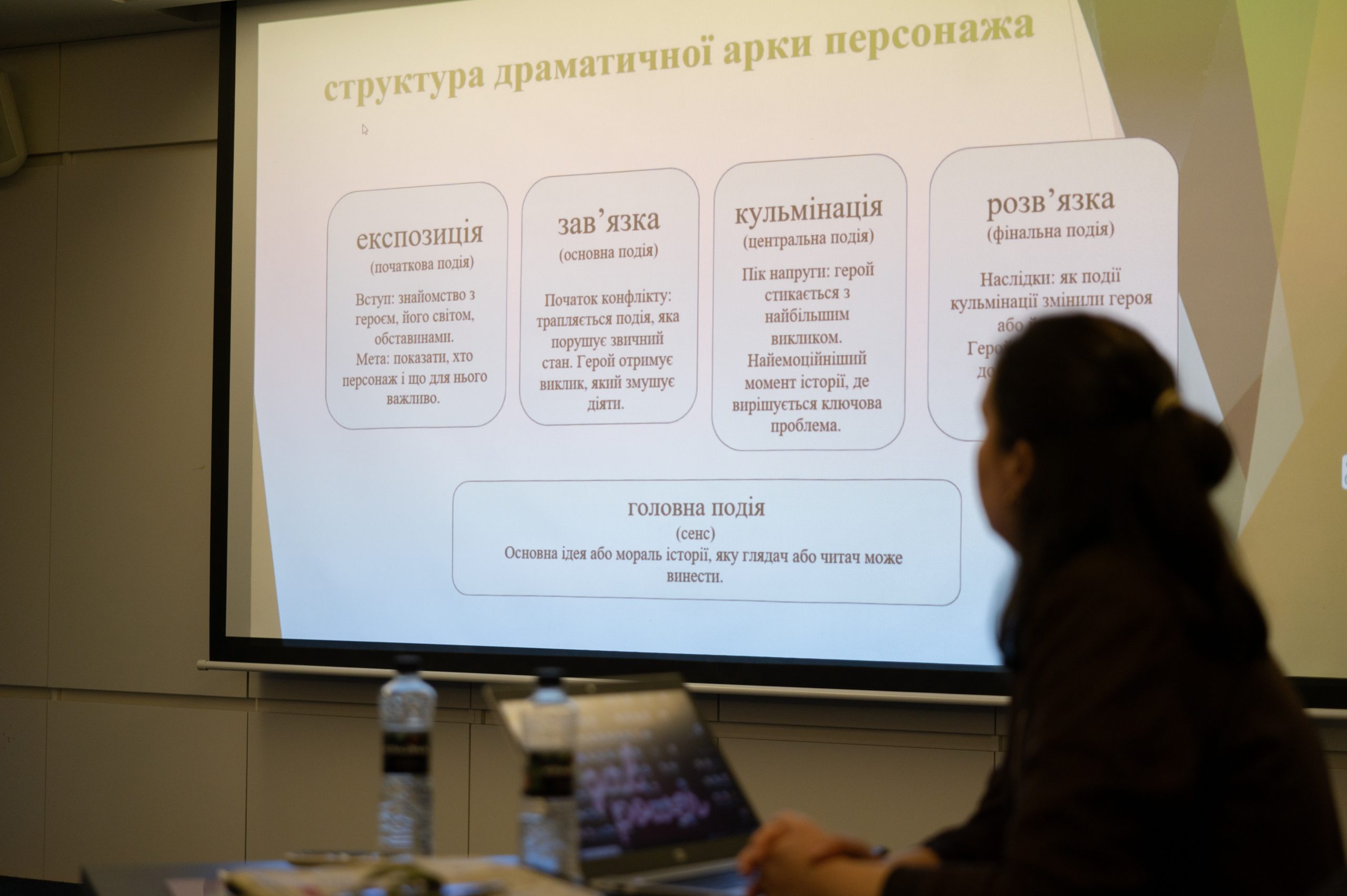
The training focused on strengthening participants’ ability to move beyond purely informational communication and to present their work through human stories, particularly in context of ongoing hybrid threats and disinformation. The sessions introduced storytelling as a structured approach to this challenge, one that enables professionals to convey the human dimension of their work without compromising accuracy or responsibility of law enforcement agencies.
Participants explored how storytelling works as a structured communication approach, why audiences are naturally drawn to stories, and how complex aspects of law enforcement work can be explained through real-life experiences. Conceptual sessions were combined with practical exercises, allowing participants to reflect on their current communication practices and test new approaches.
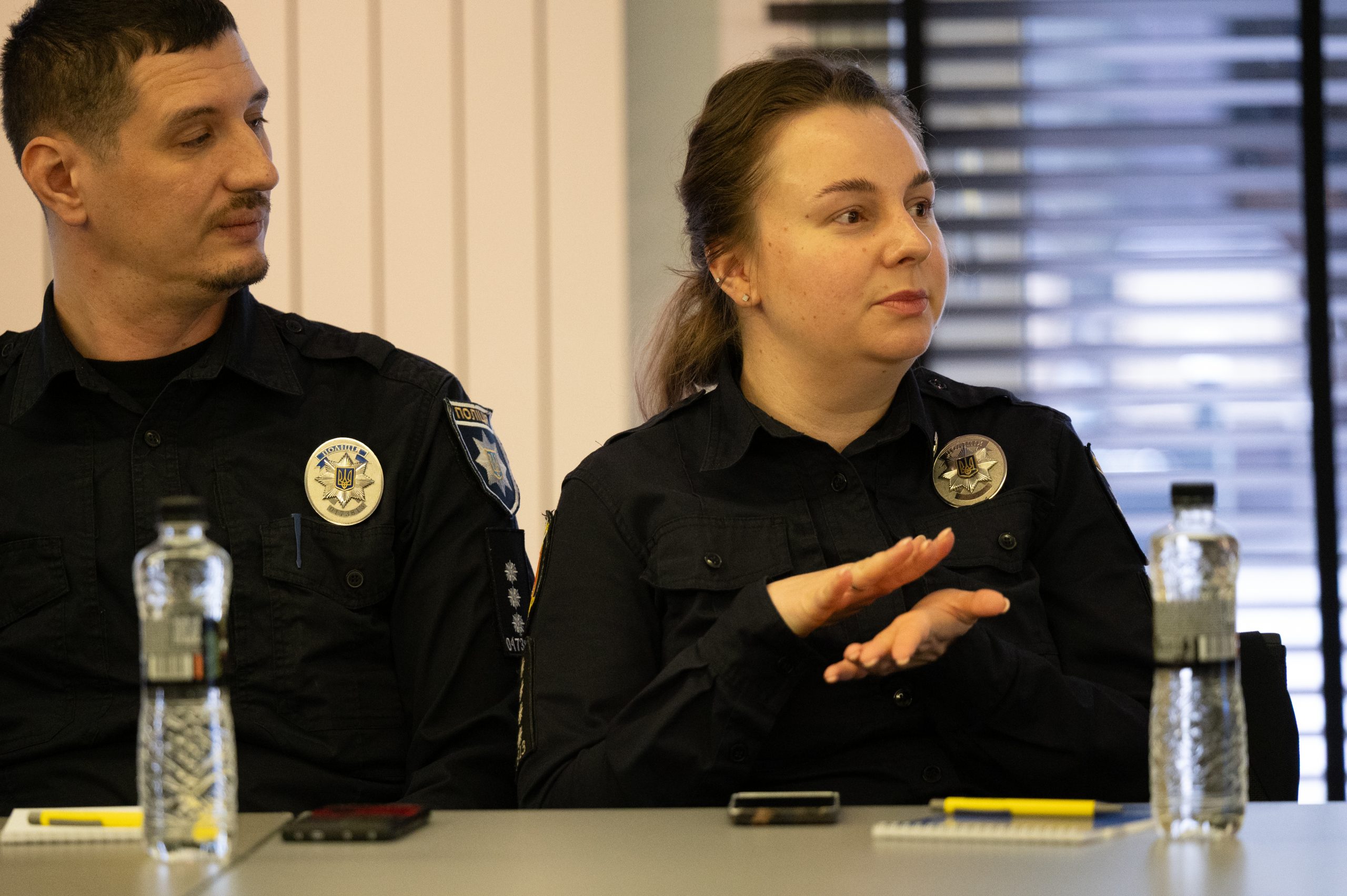
A key component of the training was hands-on work. Participants worked in pairs, conducted interviews, and developed short stories based on personal and professional experiences. As noted by Inna Verba from the Odesa Regional Prosecutor’s Office of Ukraine, the process of asking the right questions proved particularly impactful: “The questions we had to ask our partners were quite personal. They made people reflect and look inside themselves. As a result, people opened up very deeply and unexpectedly. We heard a lot of truth that you would not normally hear from someone you have just met.”
Participants also reflected on how storytelling can complement existing communication practices. “In my work, I already use storytelling and have studied it separately,” Inna said. “But it was new for me to show a person’s character not through direct description, but through actions, circumstances, atmosphere and details.”
The training also encouraged participants to explore practical ways of integrating storytelling into their daily work. “We plan to develop interview formats about specific cases through the perspective of the person working on them,for example, a prosecutor supporting a case in court or documenting war crimes,” Inna added.


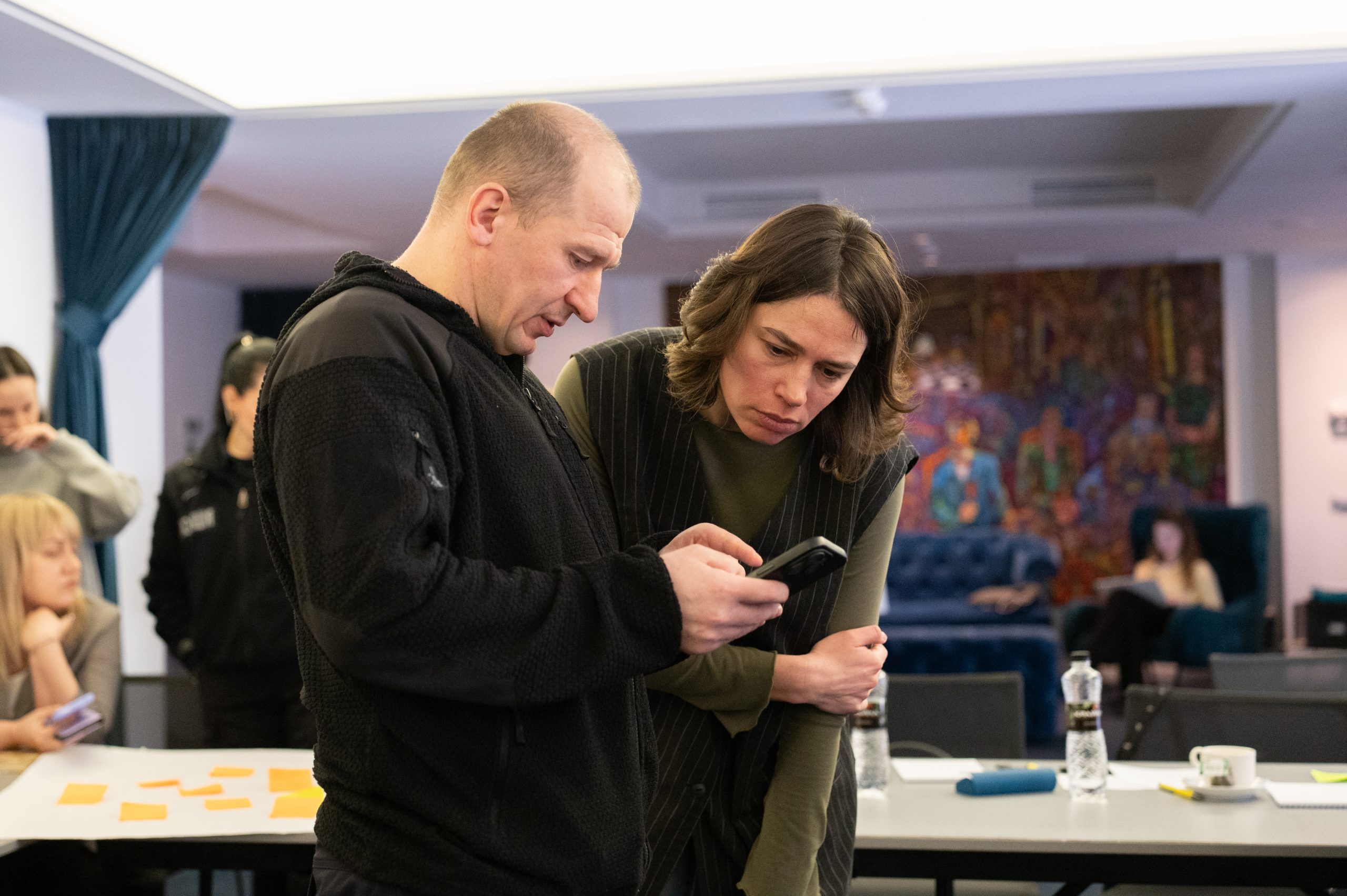

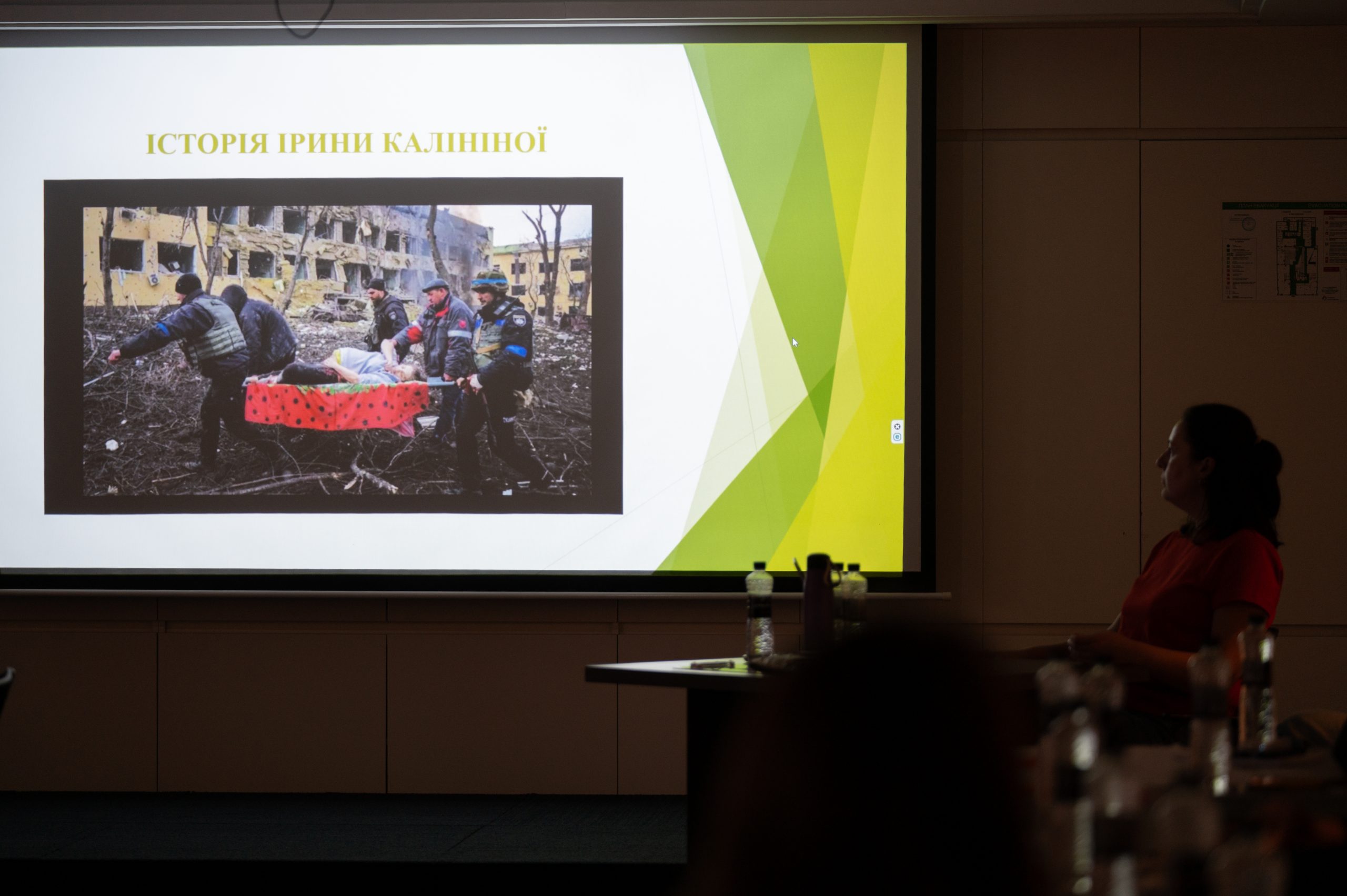











The second day focused on digital distribution and audience reach. Participants analysed examples of effective institutional content, discussed what makes stories engaging across plattforms, and practiced adapting their work for audiences beyond institutional channels, while maintaining accuracy and responsibility.
The training was delivered by Iryna Kyporenko, a media professional with extensive experience in documentary storytelling and international media production, and Tamara Ilia, a communications specialist working with United24, who shared insights on adapting stories for social media and reaching wider audiences.
The training responded to needs identified through EUAM Ukraine’s assessments of communication capacities among partner institutions, where storytelling emerged as one of the key areas for development.
By the close of the two days, each participant had developed draft stories based on real professional experiences and left with a set of practical tools for continuing this work. Storytelling enables communication professionals to explain complex aspects of their work more clearly, integrate institutional missions into relatable narratives, and convey key messages in a more accessible and meaningful way.
Strengthening the ability to communicate through authentic human stories contributes to greater transparency, improved public understanding and increased trust in law enforcement institutions.
