
Bringing Ukraine’s Justice System Closer to EU Standards: Conference in Kyiv Focuses on Victims’ Rights
April 01, 2026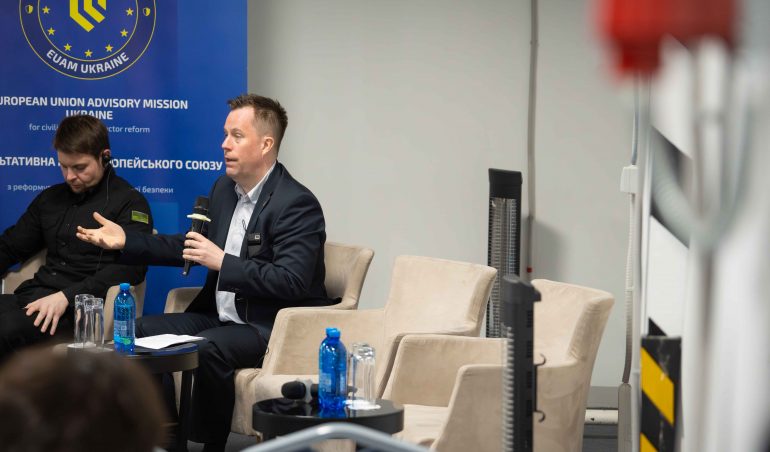
As the Russian war of aggression continues, the number of survivors, victims and witnesses of war crimes increases by the hour, which raises the importance of the rights of victims. EUAM Ukraine continues to take an important role in assisting Ukraine in strengthening the justice system to adapt to EU-standards in this area. This time with a conference on the specific issue of aligning the Code of Criminal Procedure of Ukraine with the EU Victims’ Rights Directive.
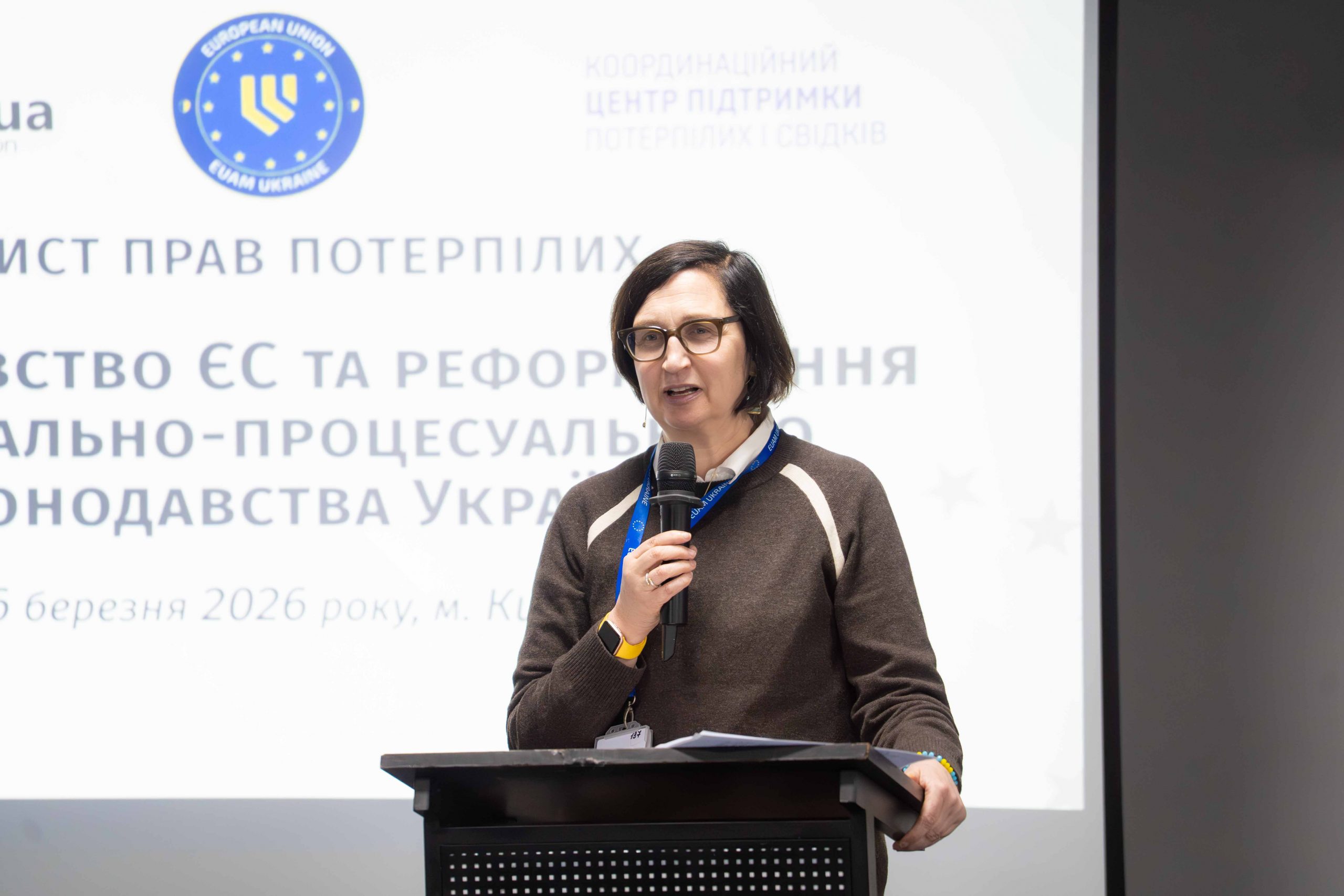
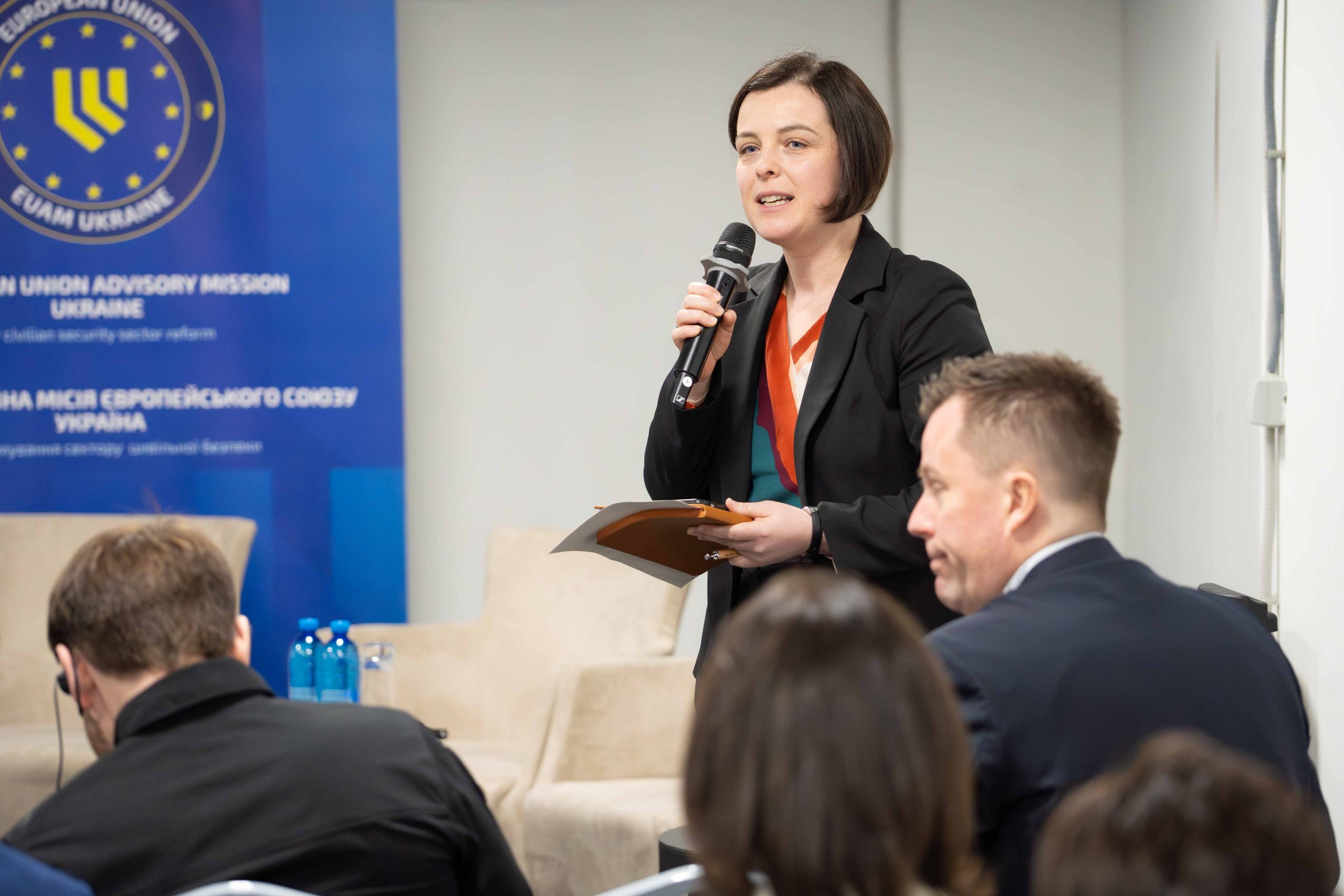
“The house needs to be refurbished, not rebuilt,” said Lynn Sheehan, Head of Operations at EUAM Ukraine, when opening the conference held in Kyiv on 26 March. In her opening address in front of parliamentarians and legal experts from several Ukrainian law enforcement agencies and justice sector institutions, Lynn underlined the positive efforts on the Ukrainian side adapting to EU-standards. “It not an easy task, but Ukraine is doing a great job,” Lynn added.
The same message was also echoed by several participants and by Ola Quarnstrom, EUAM Ukraine Senior Adviser on Victims’ Rights, one of the organizers of the conference organized together with the Coordination Centre for Victims and Witnesses of the Office of the Prosecutor General and Women Lawyers Association, JurFem.
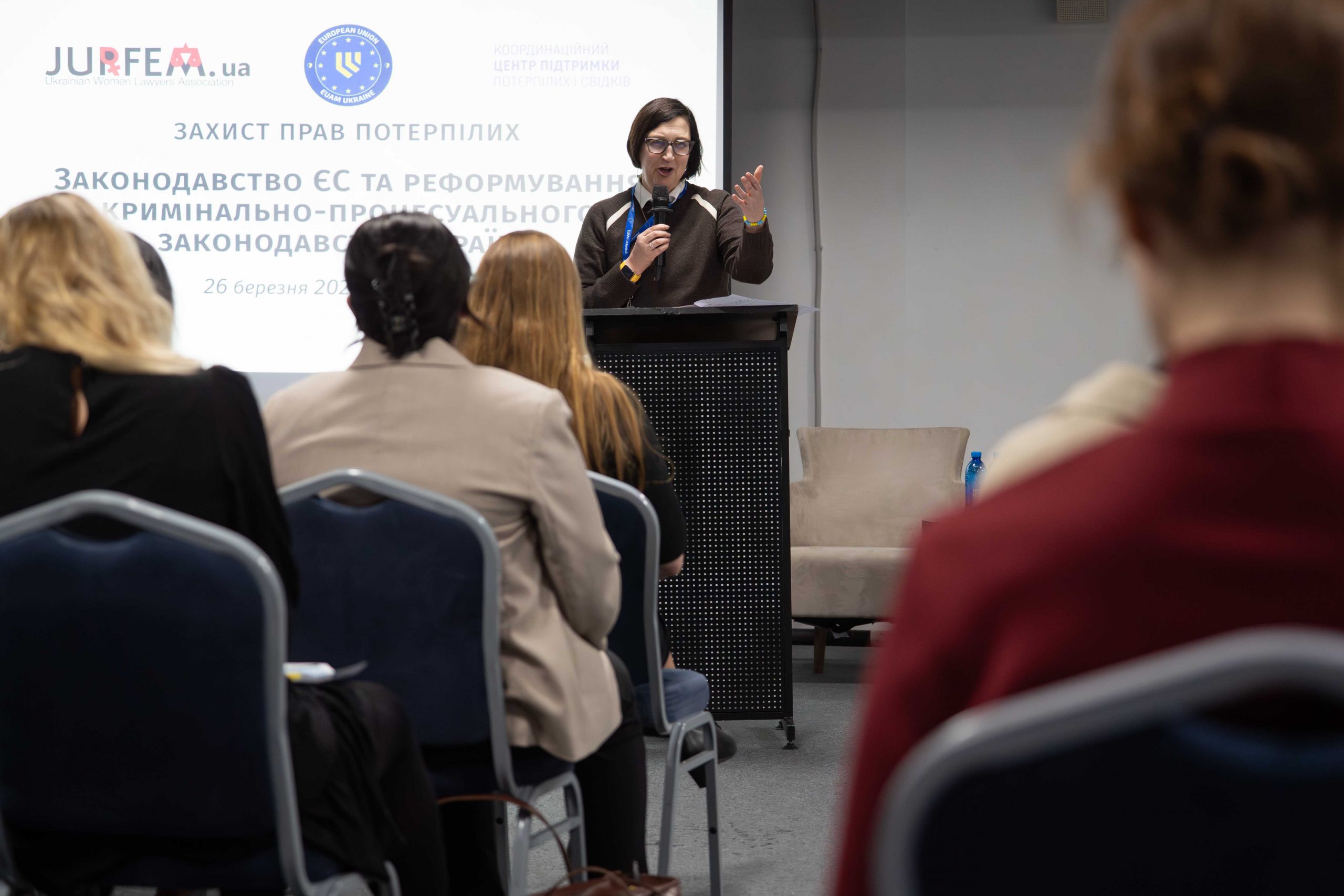
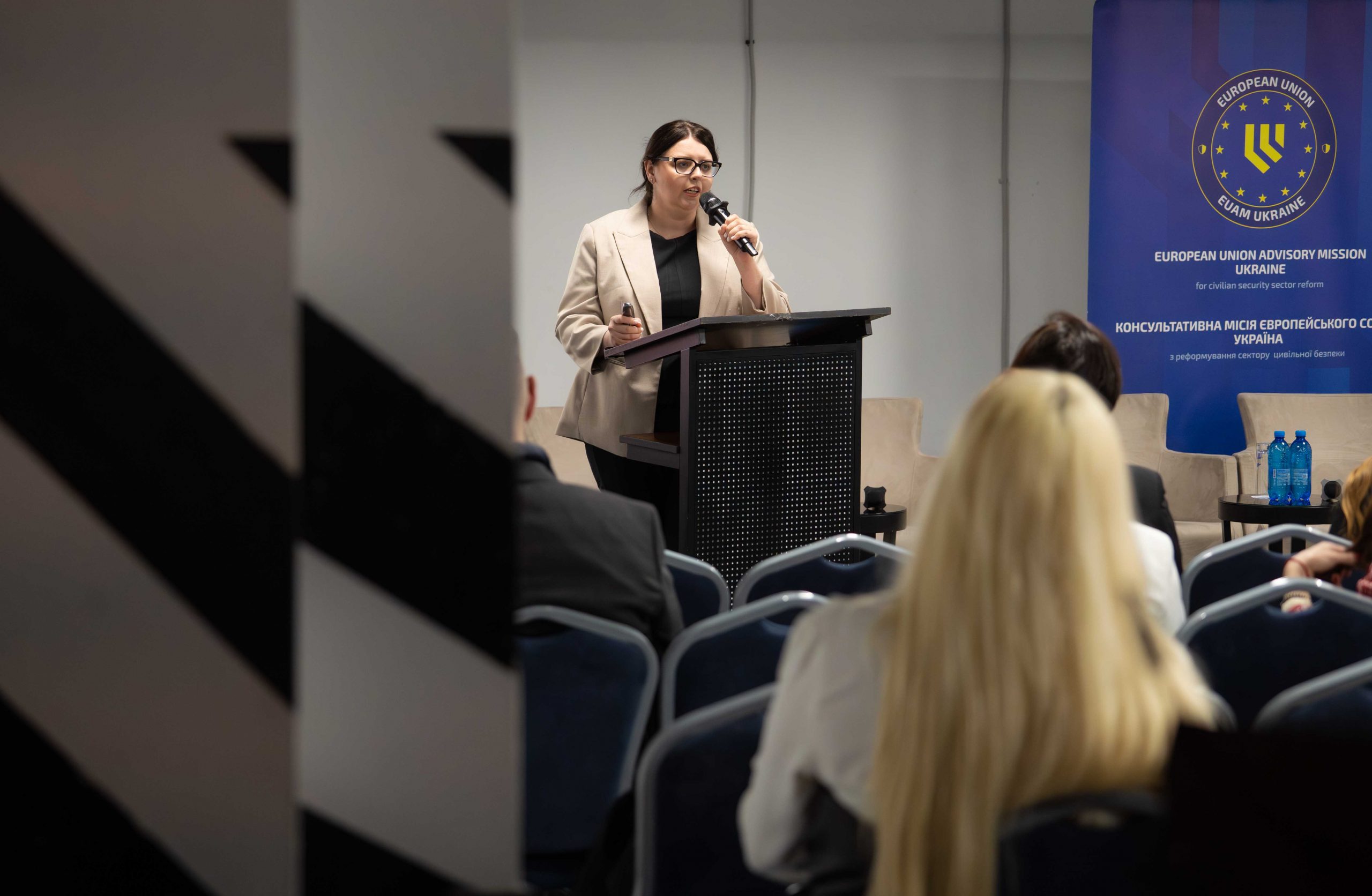
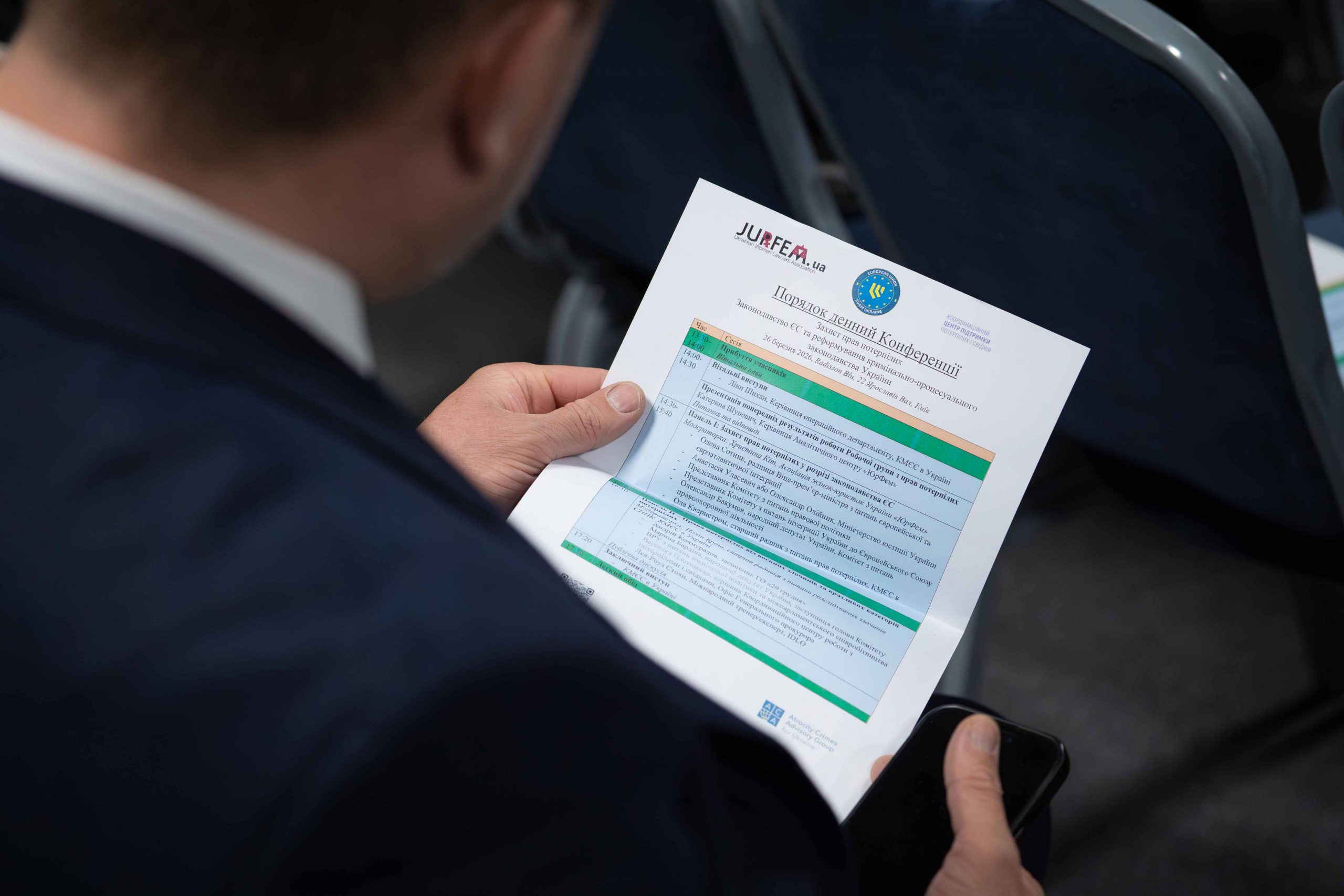
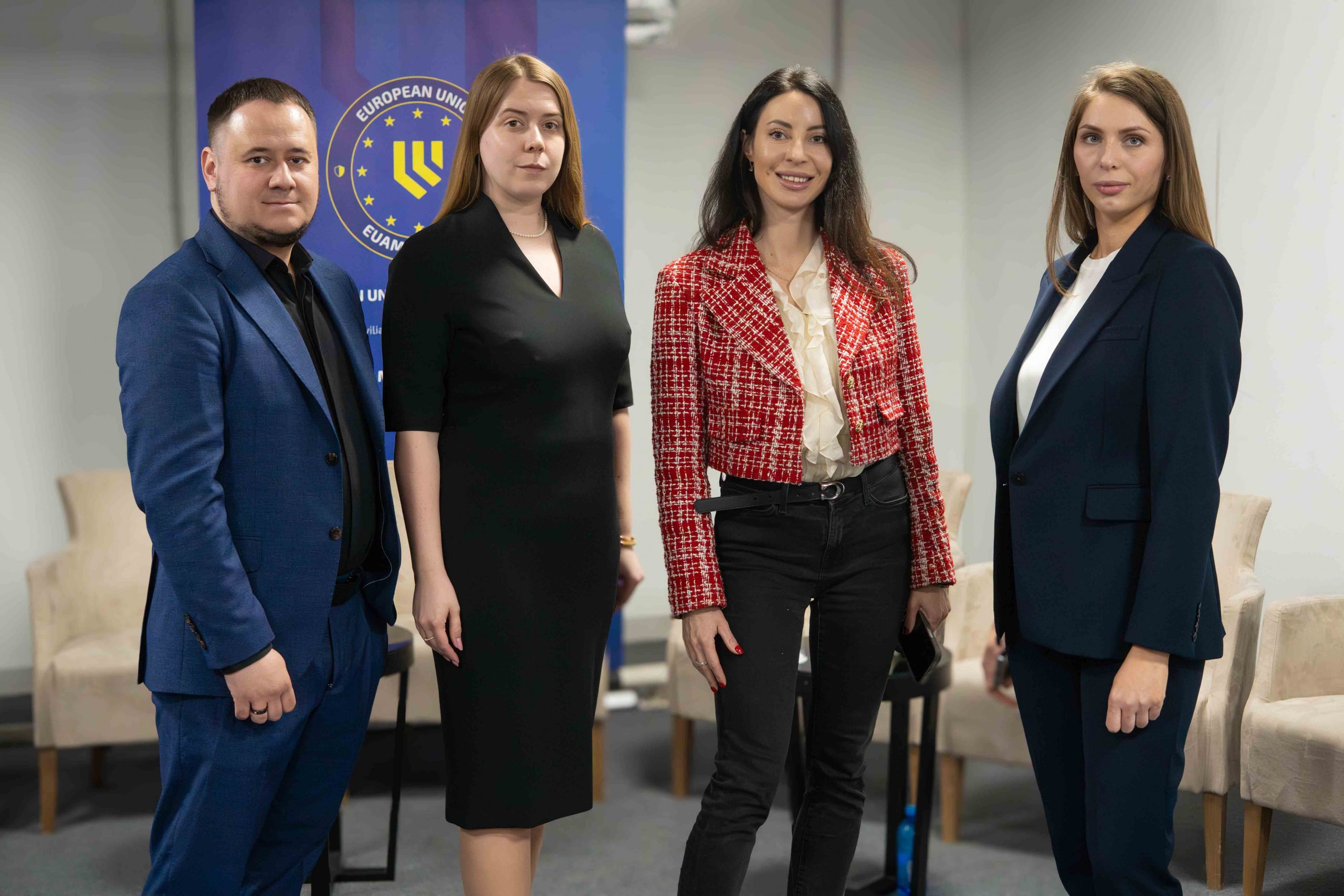
The preparation for the conference started in the autumn of last year and a working group dedicated to aligning the code of criminal procedure with the EU Victims’ Rights Directive was created. During the conference, Kateryna Shunevych of JurFem presented a proposal on behalf of the working group. Several experts participated during the afternoon, among them, Veronika Plotnikova of the Victim and Witness Coordination Centre, who outlined how the center works with the most vulnerable victims.
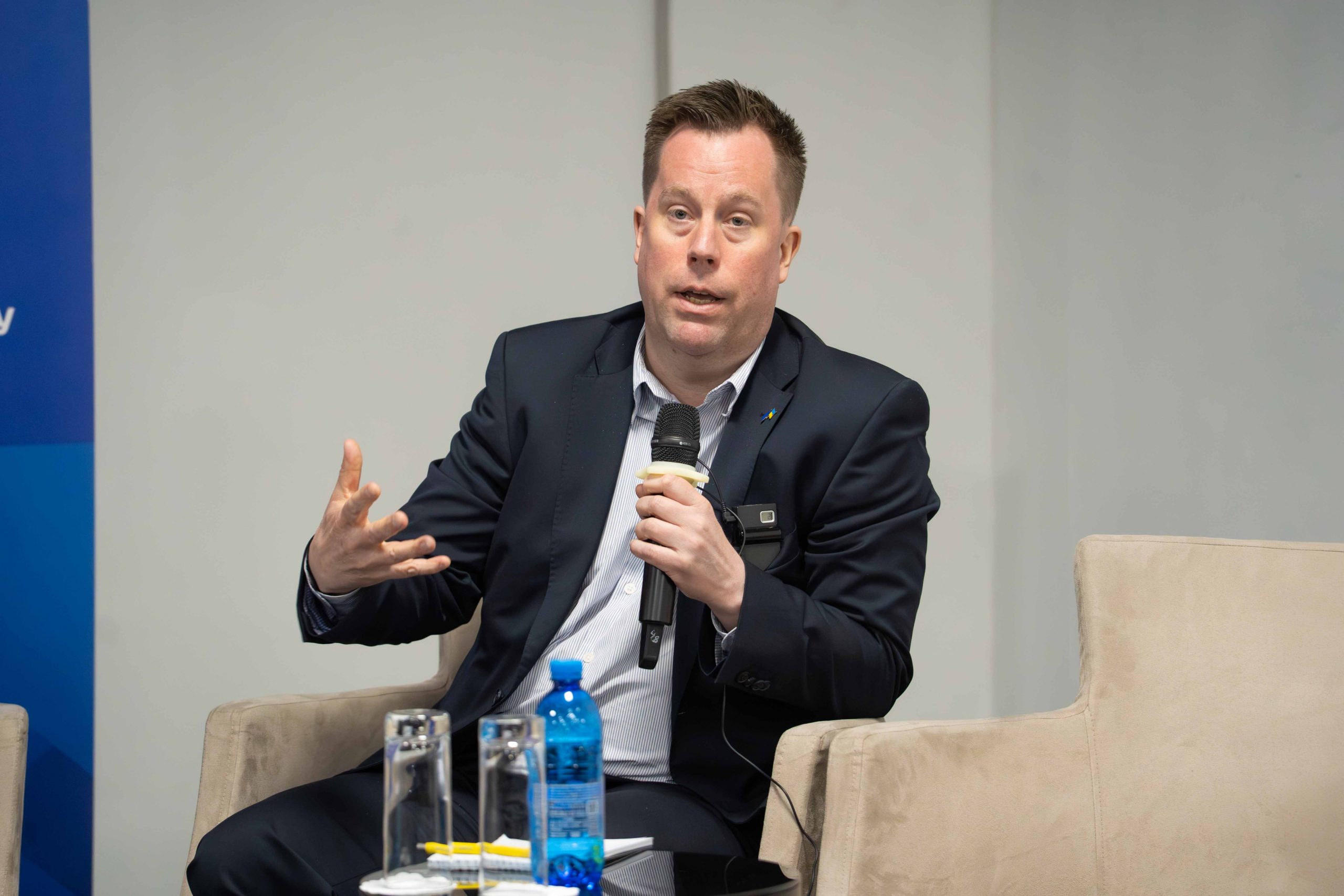
Ola participated in the first panel and opened by saying that the Ukrainian legislative system has many positives and a solid foundation. “There are strong areas and then there are some parts that should be amended,” Ola said while making a parallel to his earlier work in Kosovo, which was on the same subject.
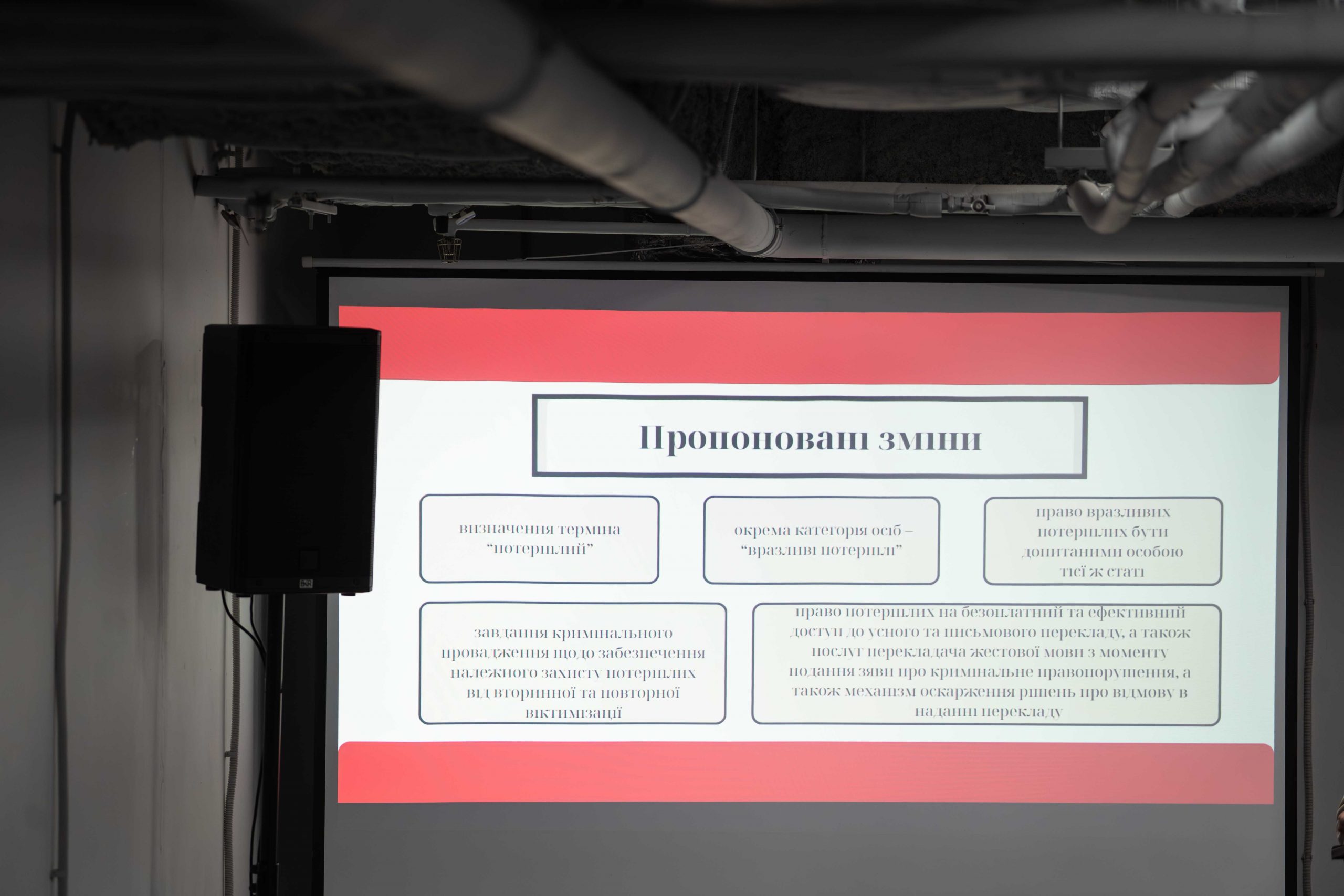



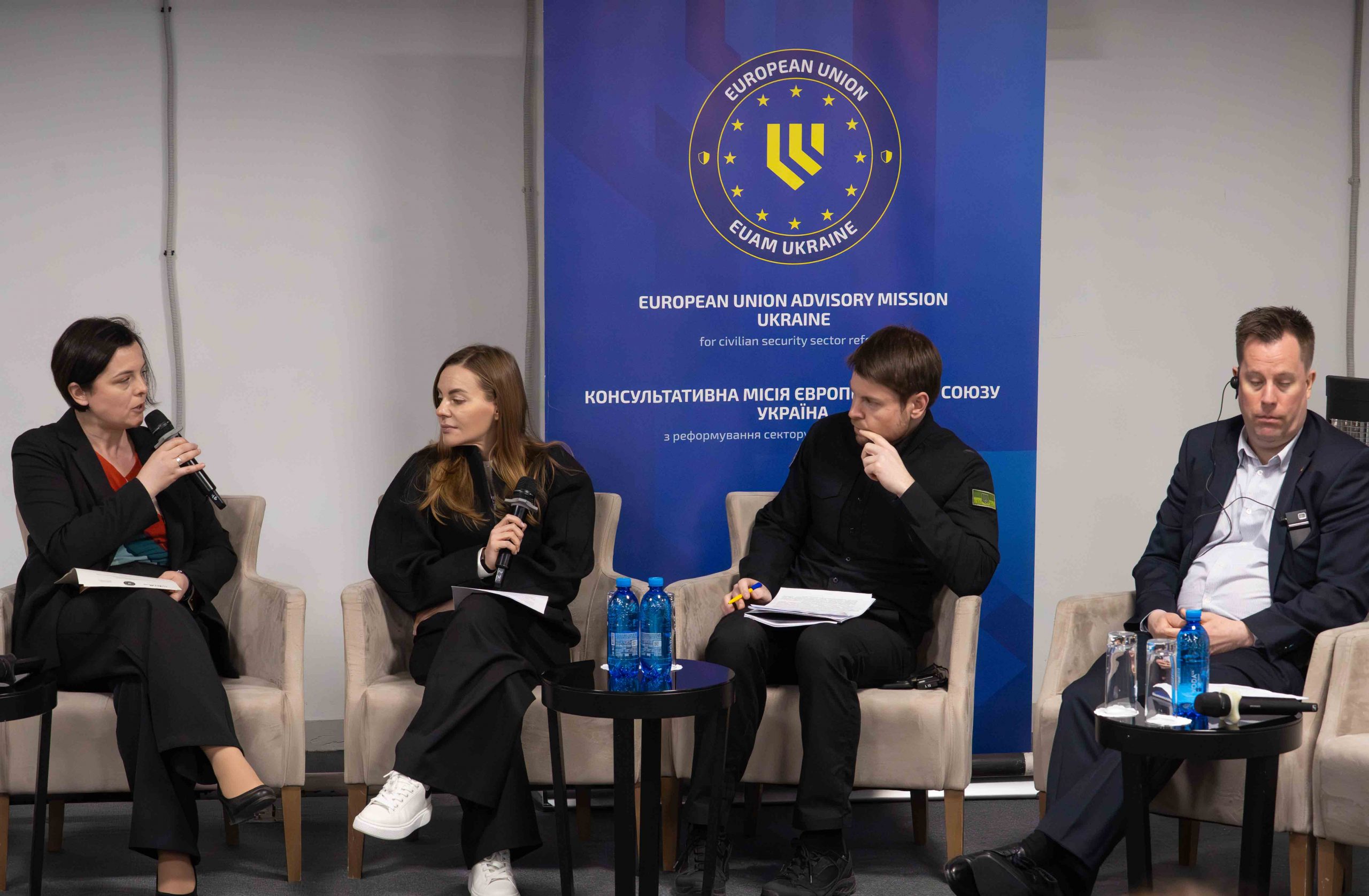
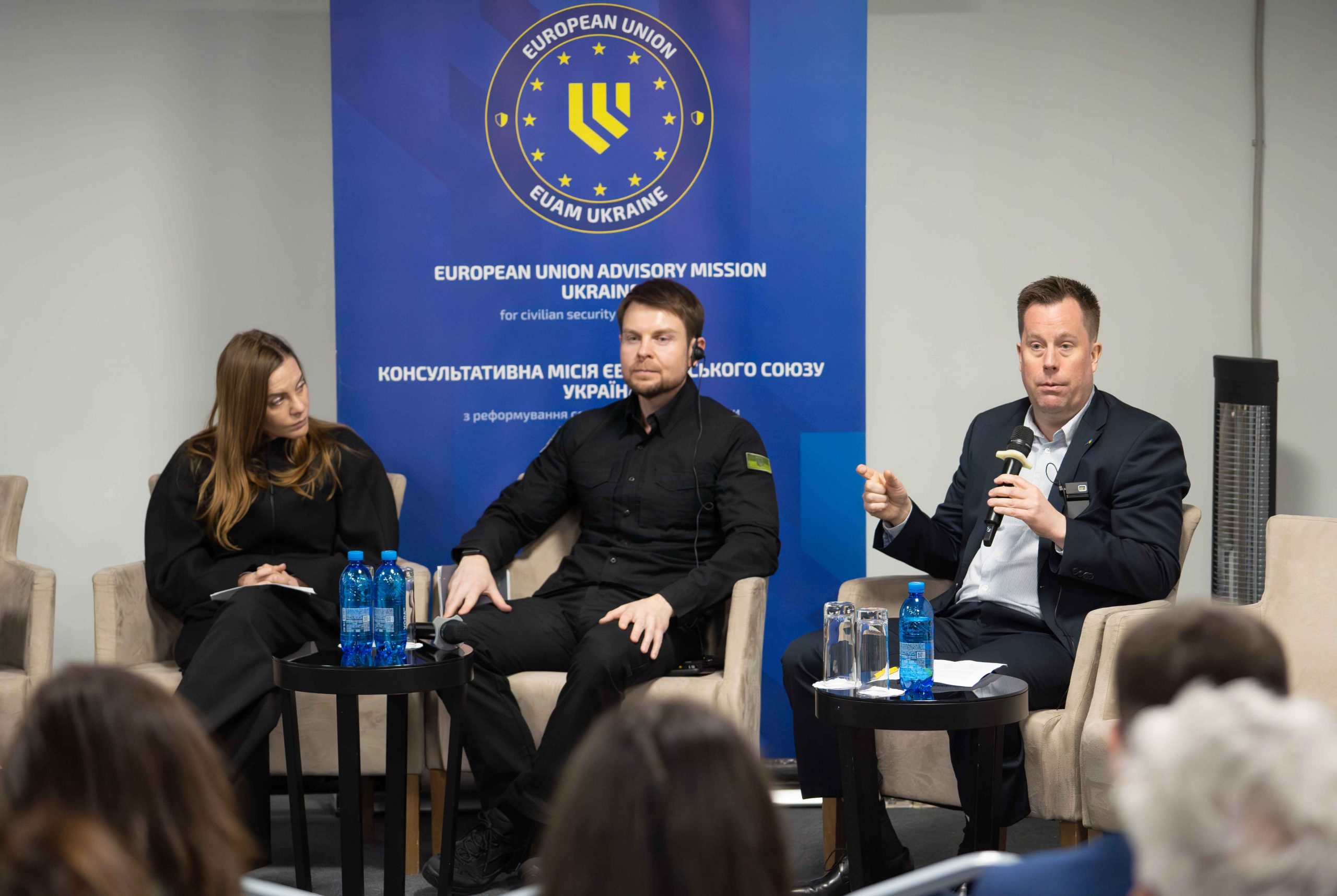
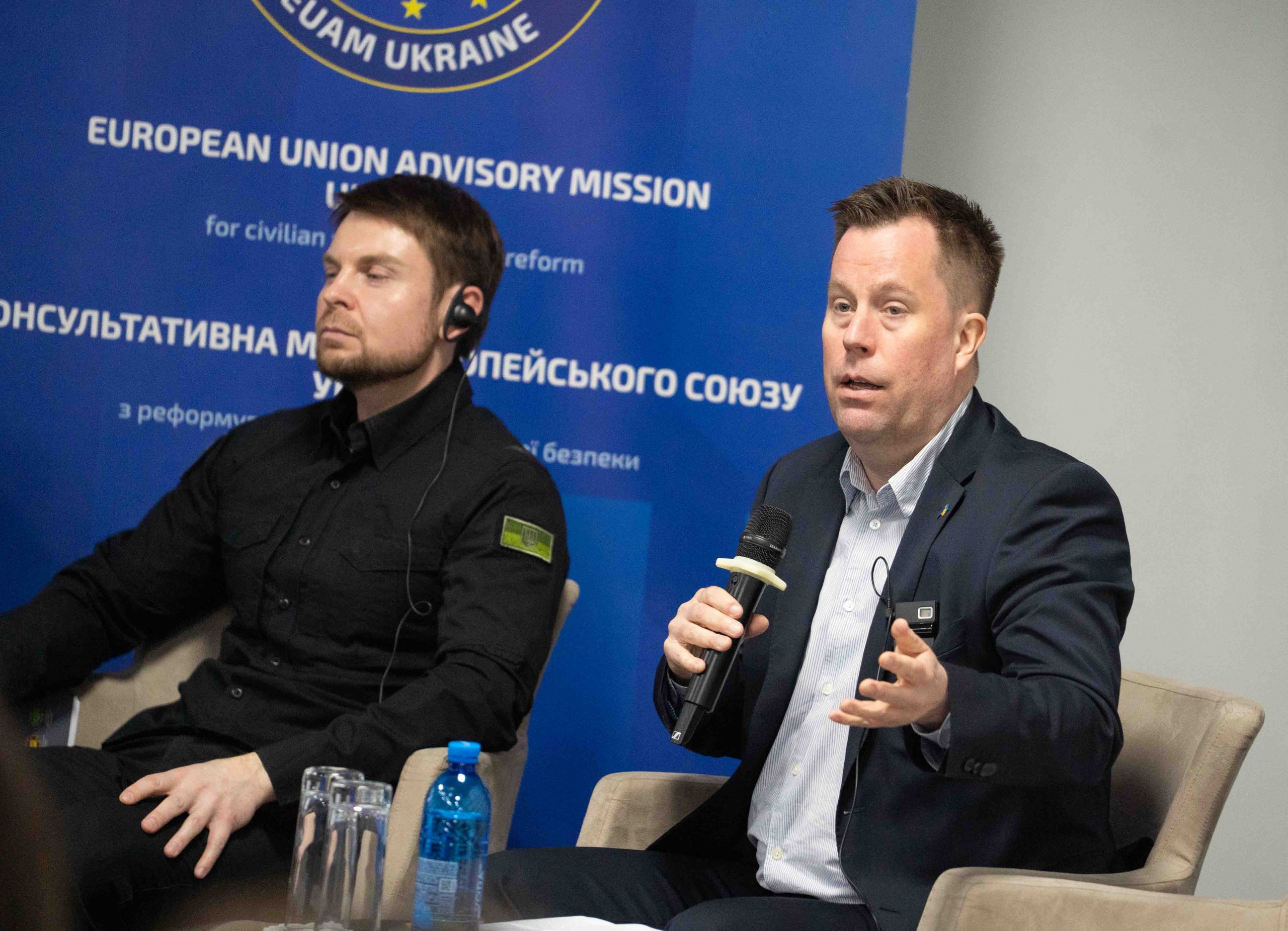
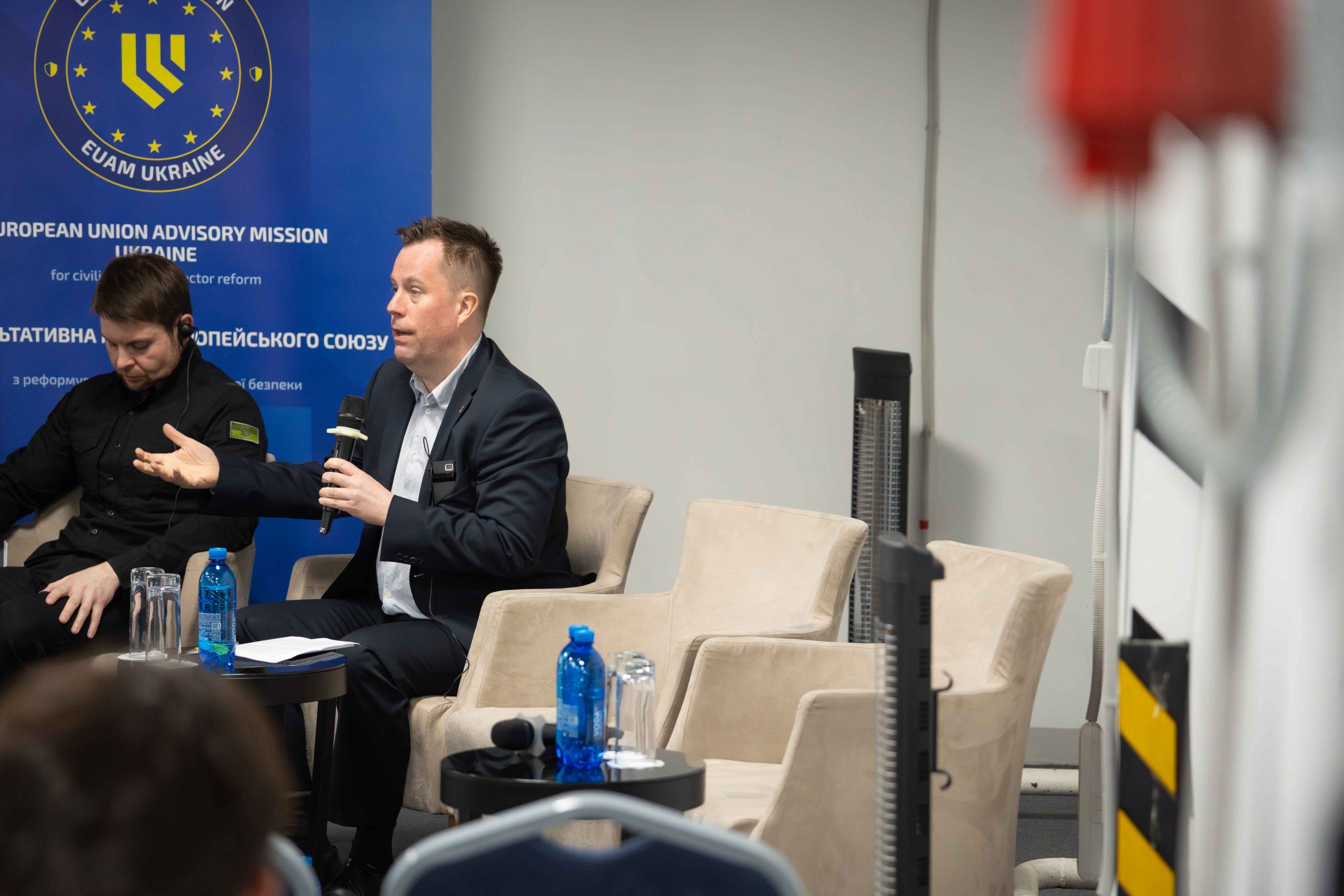


















“The main thing we need to change is the definition of a victim, to broaden the definition. personal close relatives of a person killed by a crime should be defined as victims,” said Ola, while getting support from the audience. He added, “the support given to victims is also a priority, which is much about the access to information.”
Pauline Brosch, also a colleague at EUAM Ukraine, Senior Adviser on Investigation of Conflict-Related Sexual Violence, moderated the second panel of the afternoon dedicated to rights of victims of international crimes and other particularly vulnerable victims. “There is much to be learned from the previous legislative initiatives related to the rights of survivors,” said Pauline when summarizing the second panel, “among several needed factors, is to have a champion in the parliament to bring the process forward.”
“It is important to hear from the survivors themselves,” she said. “The discussion showed that there is a gap between what victims expect and what the justice system can deliver. To bridge this gaps there is a need for transparency and the reforms suggested will help to build trust in the justice system” Pauline Brosch noted in summarizing the discussion.
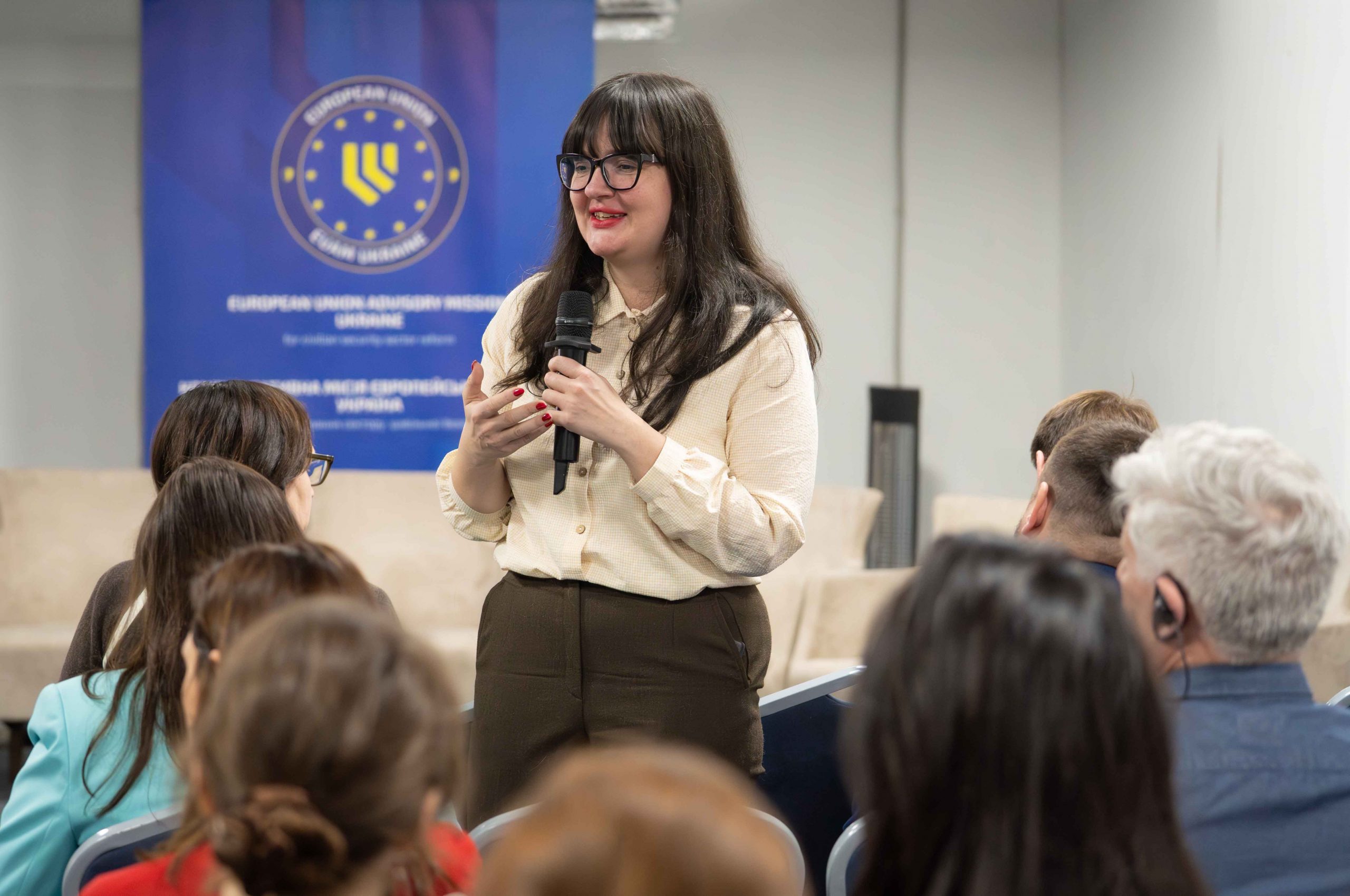
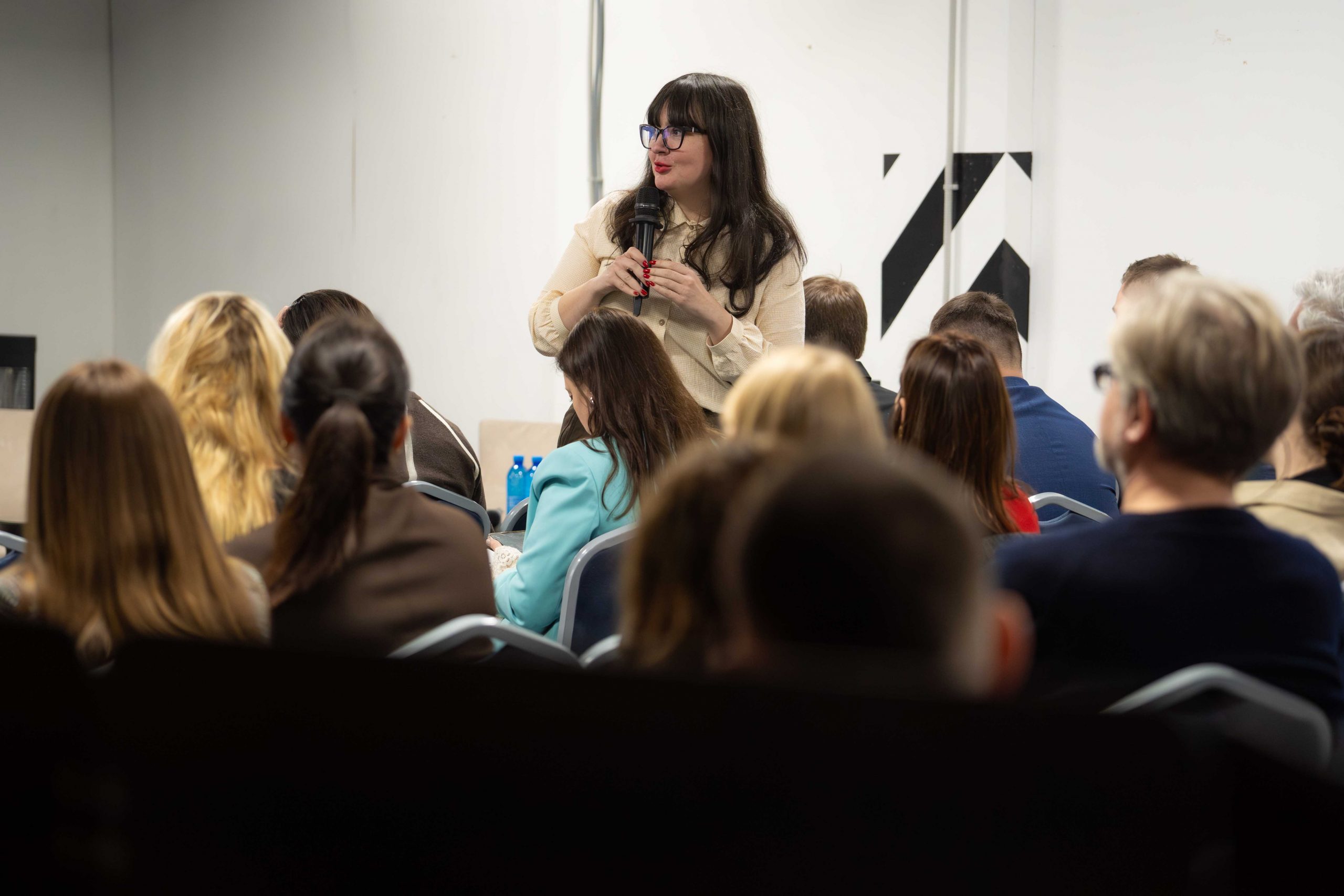
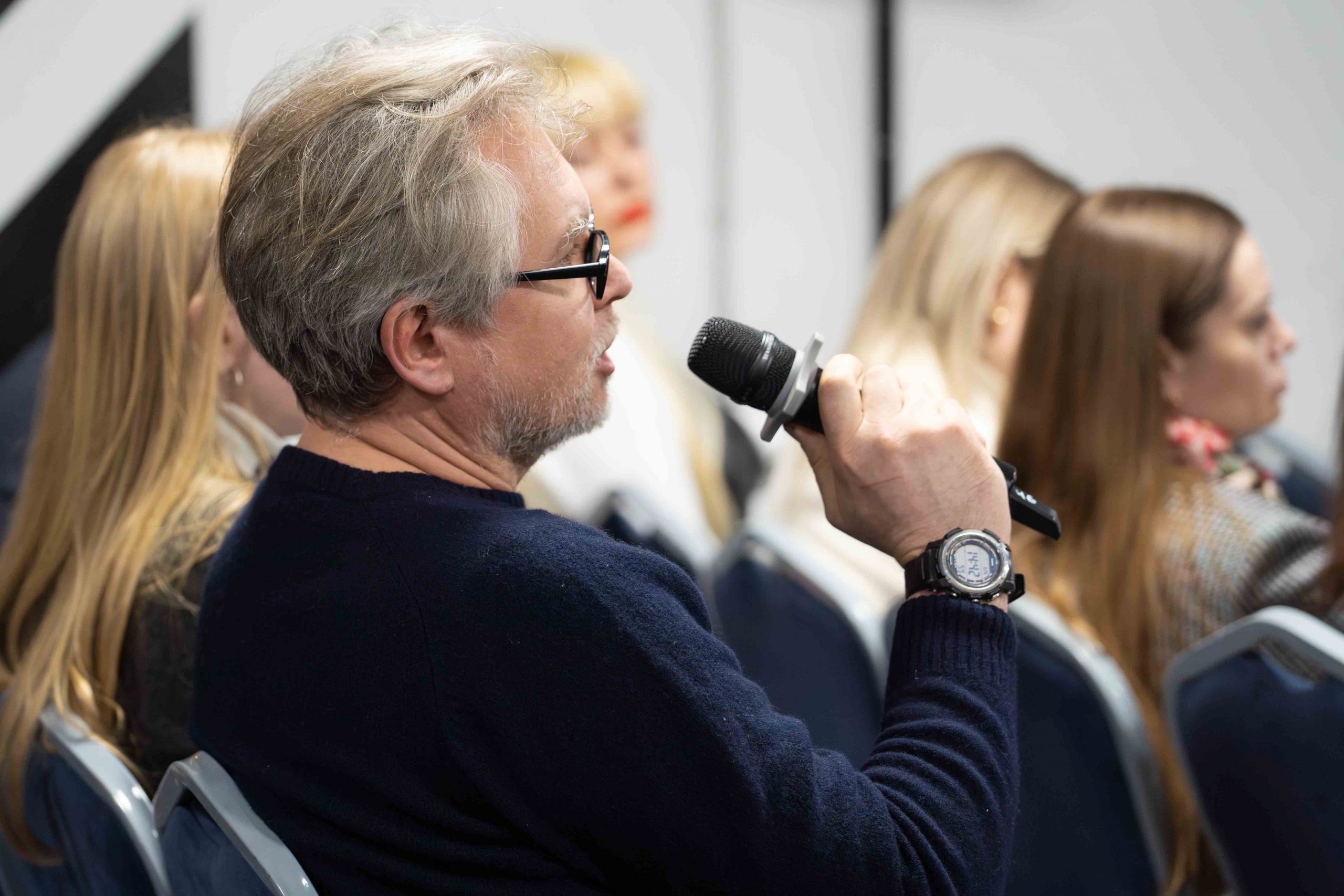
The conference was attended by civil society, international organizations and members of parliament and other state institutions. From the start of the conference, the audience participated in the discussion and many questions kept the conversation going. Several topics such as what is the definition of a vulnerable victim, can the status of the victim be challenged or changed during the process, will there be psychological assistance to those victims who are not categorized as vulnerable and how to increase protection to victims and witnesses were issues raised in the discussions. Dialogues during the panels focused on concrete advice from local counterparts on which steps Ukraine should take focus on in the near future.
“We saw the need to get the experts in the same room to discuss the most important issues,” Ola concluded in his final remarks to summarize the conference, “we now know where to go. It is about comparing the standards in Ukraine today and the EU standards. It is not just a technical exercise, but it is about reestablishing the dignity of the victims.”
