
EUAM Ukraine and NACP Sign Working Arrangement to Strengthen Anti-Corruption Cooperation
March 24, 2026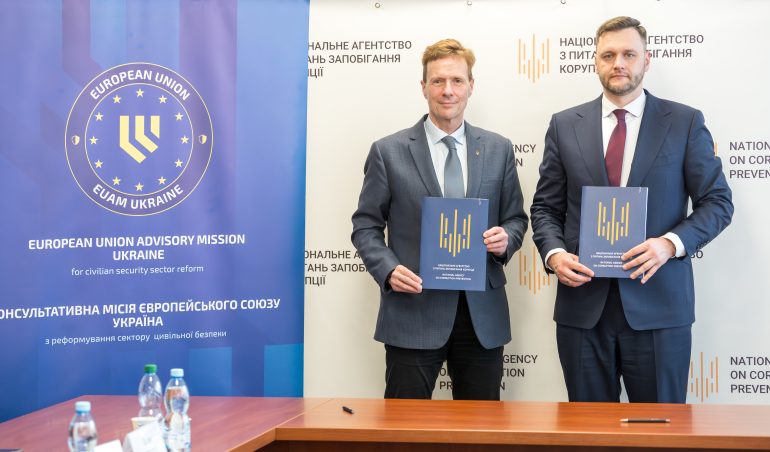
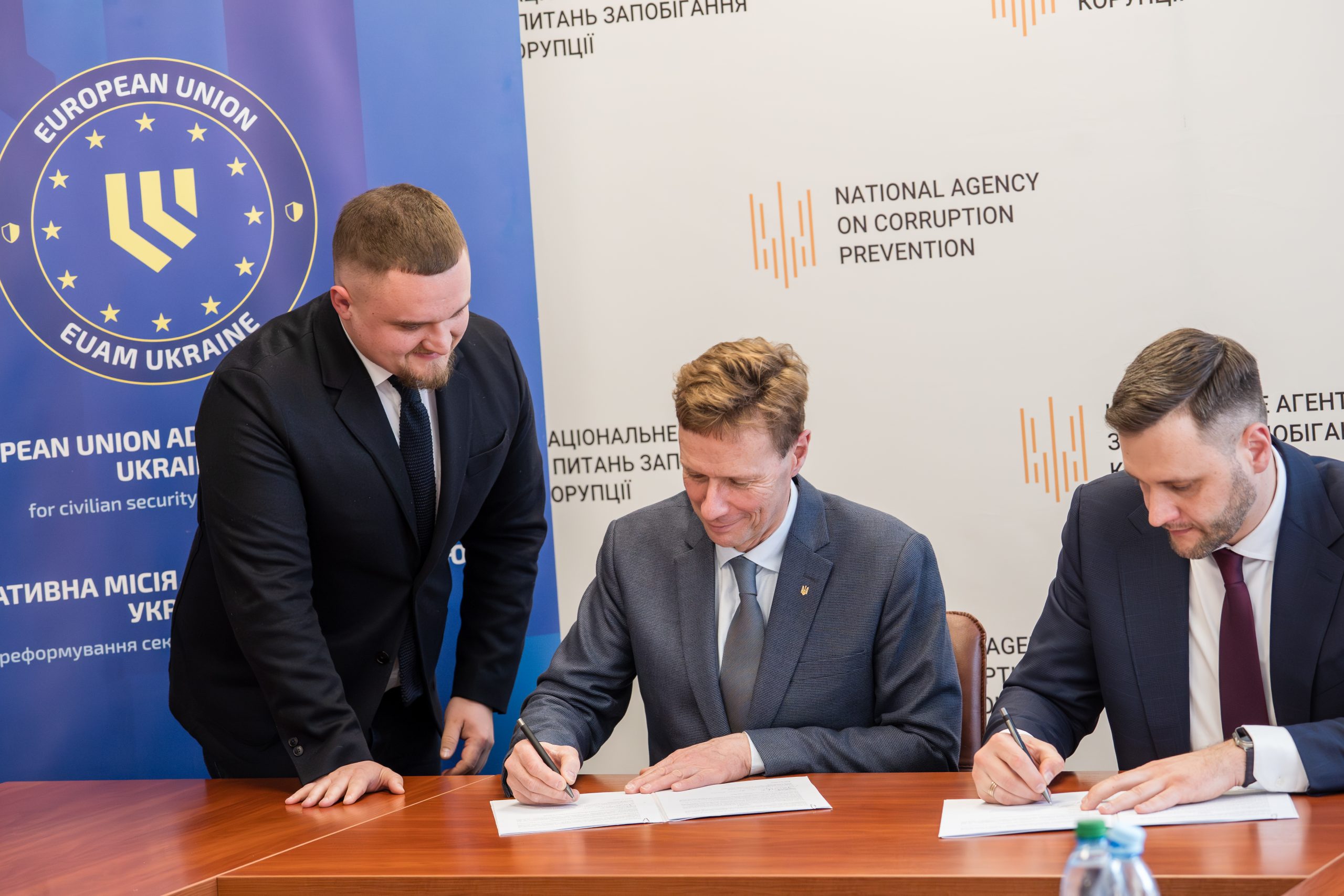
On 20 March in Kyiv, the European Union Advisory Mission (EUAM) Ukraine and the National Agency on Corruption Prevention (NACP) signed a Working Arrangement, expanding their cooperation on strengthening integrity and preventing corruption across Ukraine’s civilian security sector.
The agreement sets out practical areas of joint work. EUAM and the NACP will support the development of internal control and accountability systems within law enforcement agencies, promote ethical standards and a zero-tolerance approach to corruption, and advance the use of digital tools in prevention efforts. The cooperation will also strengthen the NACP’s capacity to design and implement anti-corruption policies, training programmes and risk assessment methodologies.
Speaking at the signing ceremony, EUAM Head of Mission Rolf Holmboe noted that existing cooperation between the Mission and the NACP has already produced concrete results. Joint activities, including workshops for police officers on whistleblower protection, internal reporting and integrity standards, have helped strengthen anti-corruption capacities of Ukrainian institutions across regions.
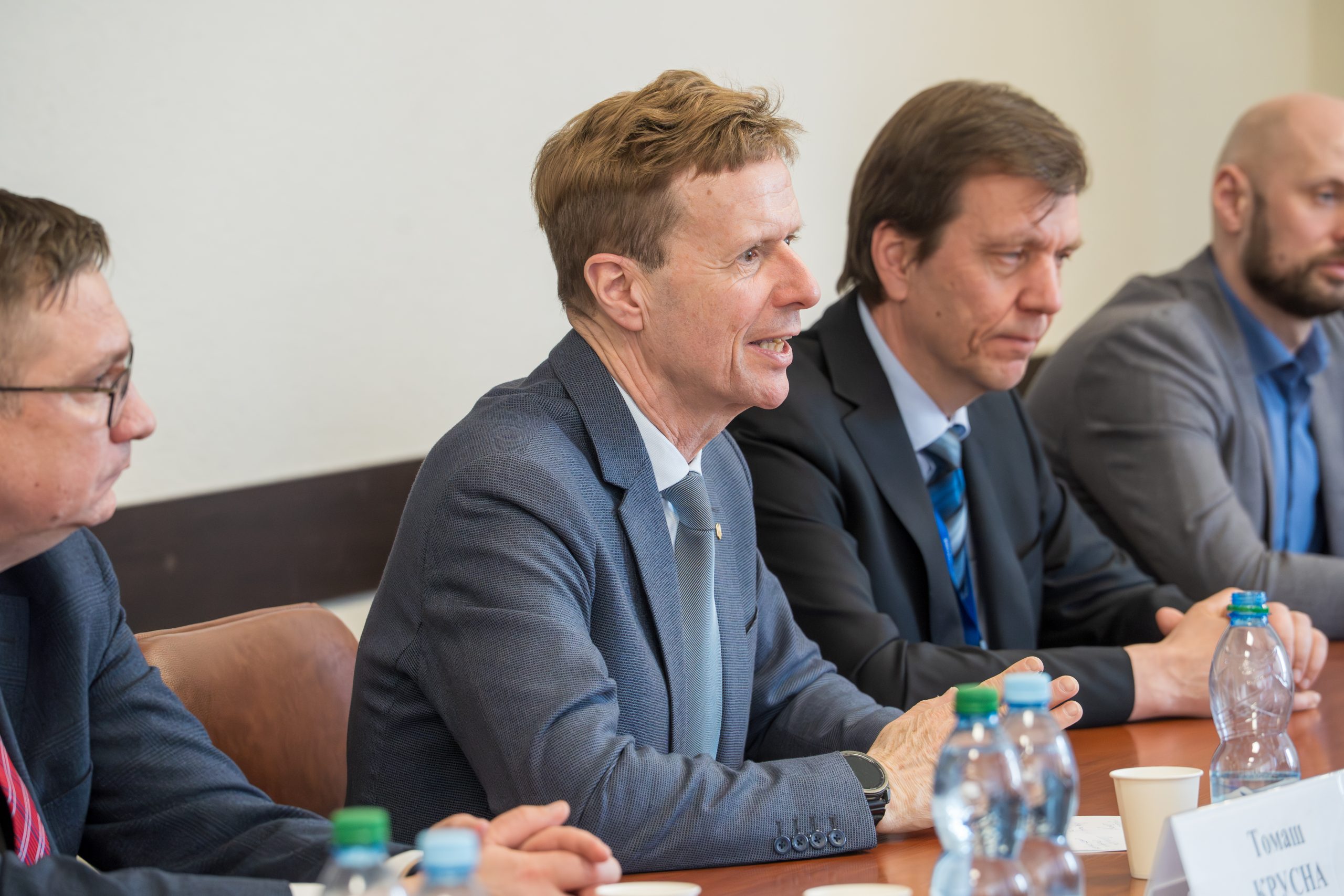



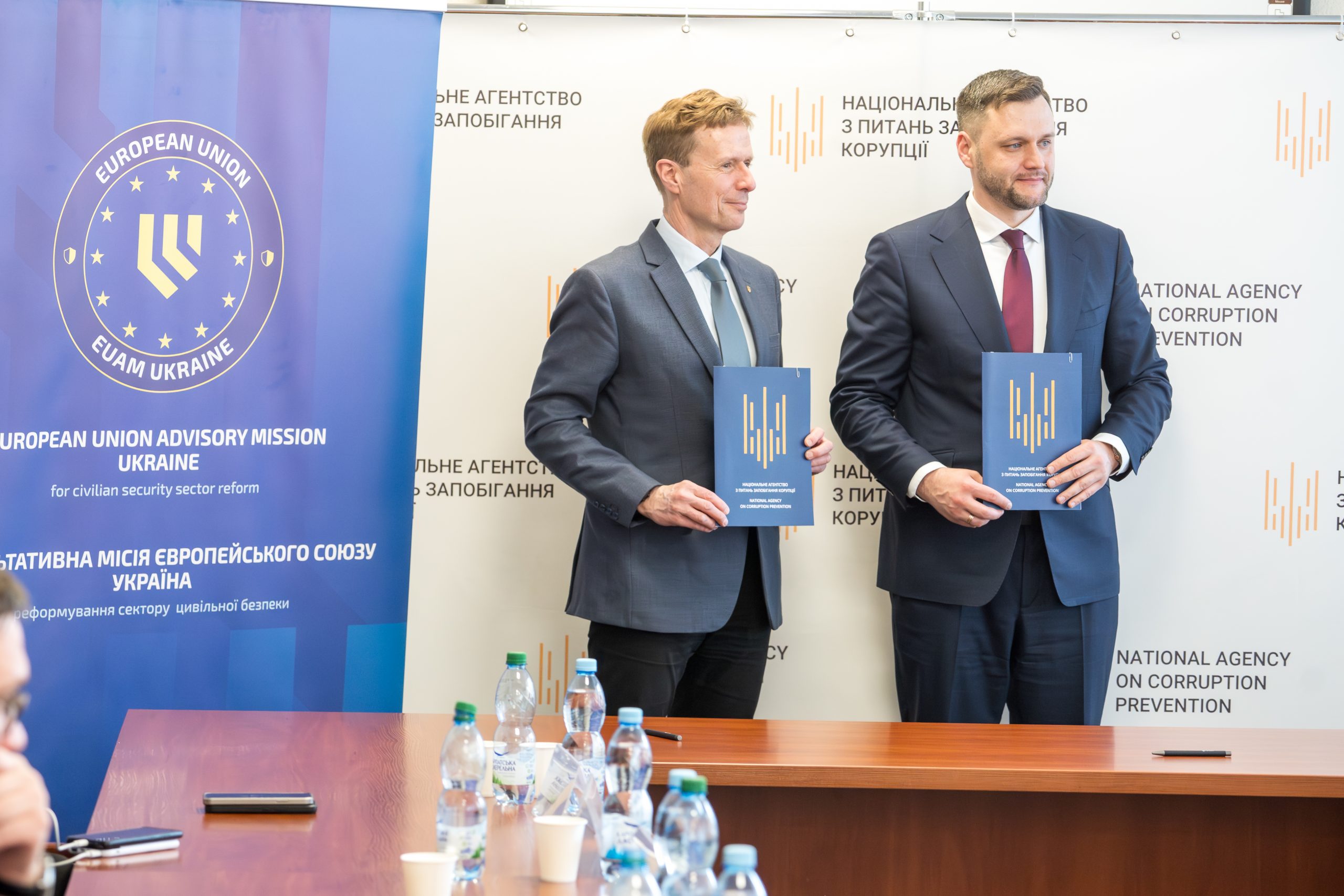





“Today we are taking an important step forward in our cooperation,” he said. “This Working Arrangement will further strengthen and formalise our partnership and support Ukraine in building transparent, accountable institutions aligned with European standards.”
In turn, the Head of NACP, Viktor Pavlushchyk, emphasised the importance of partnership with EUAM Ukraine.
“This agreement reflects our shared objective: strengthening institutional integrity and improving systems for preventing corruption, particularly within law enforcement agencies. It is fully aligned with Ukraine’s broader reform agenda, including anti-corruption priorities and commitments related to EU integration,” he said.
The signing comes as Ukraine continues to advance its anti-corruption reforms. Both EUAM and the NACP stressed the importance of sustained cooperation to ensure these reforms are effectively implemented and deliver tangible results for institutions and citizens.
