
Law Enforcement Sectoral Working Group Meets to Align International Support and Ukraine’s Priorities
March 23, 2026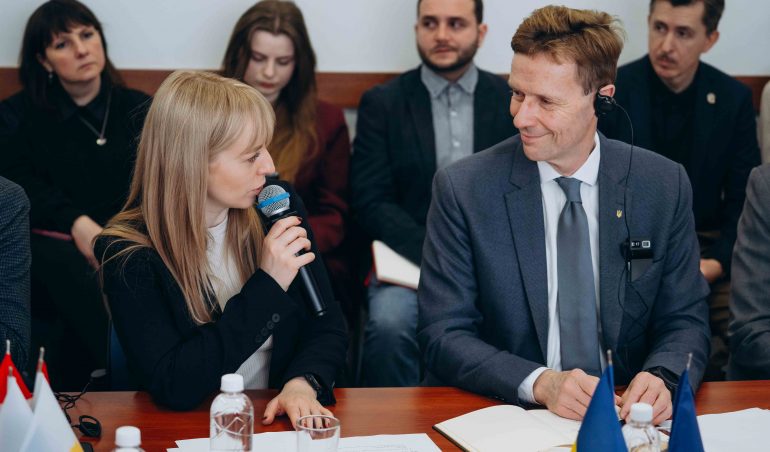
On 19 March, the European Union Advisory Mission (EUAM) Ukraine hosted the Law Enforcement Sectoral Working Group (LE SWG) in Kyiv, bringing together Ukrainian authorities and international partners to align priorities, assess needs and strengthen coordination across the civilian security sector. The group is chaired by the Ministry of Internal Affairs (MoIA) of Ukraine, and co-chaired by EUAM Ukraine with the United States Embassy.
The meeting, held in a hybrid format, brought together representatives of diplomatic missions and international organisations, alongside senior representatives of MoIA agencies and other relevant actors, including, the State Bureau of Investigation, the State Customs Service, and the Office of the Prosecutor General of Ukraine.
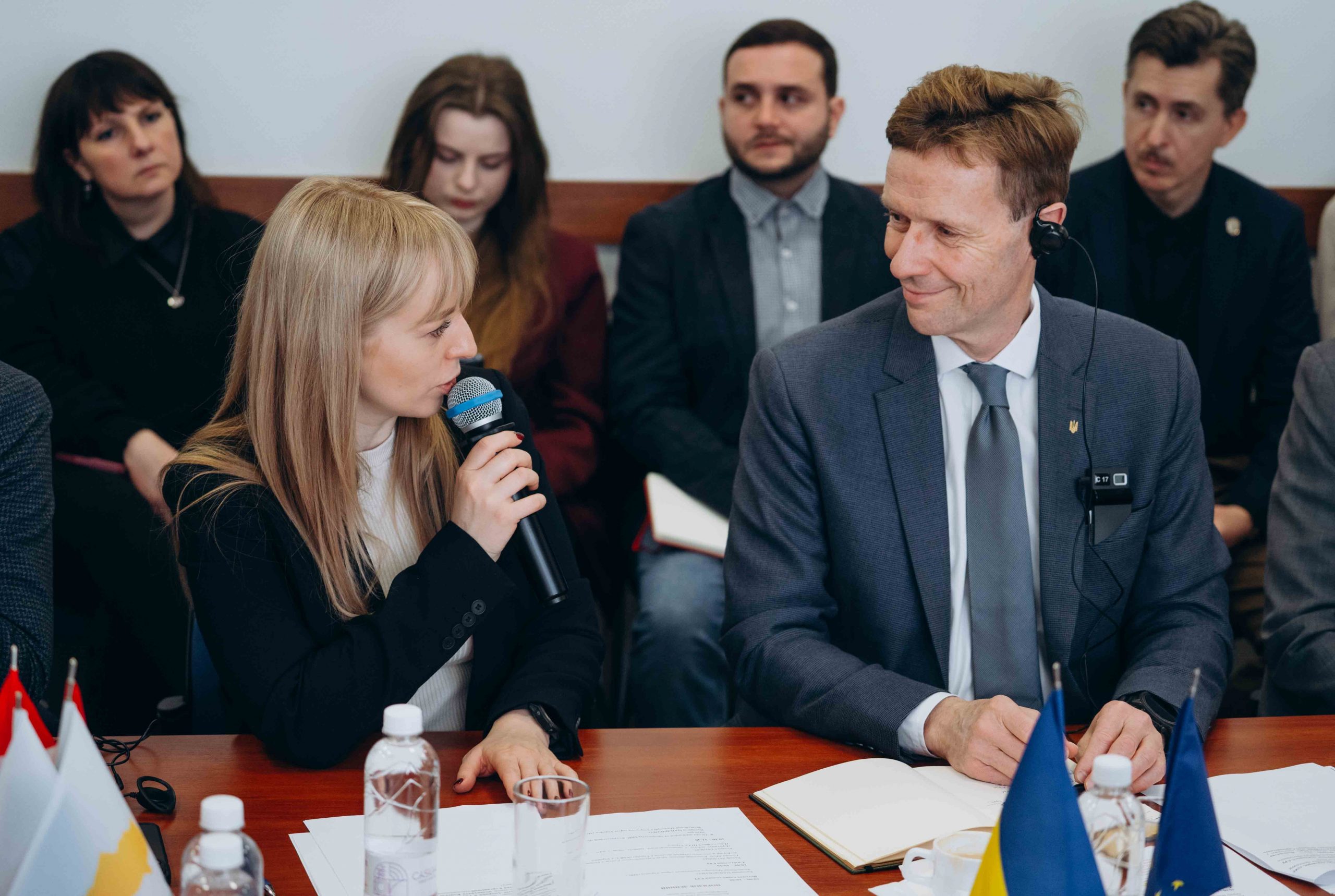
At the centre of the discussion was a dual reality. Ukrainian law enforcement agencies continue to operate under the pressure of war, while at the same time advancing reforms required for Ukraine’s path towards the European Union. Opening the session, Deputy Minister of Internal Affairs of Ukraine Kateryna Pavlichenko outlined the Ministry’s strategic priorities and emphasised the role of coordinated support in addressing both immediate and long-term challenges.
“We see the Sectoral Working Group as an effective platform for exchanging information on the priorities and needs of law enforcement agencies, the capabilities of partner governments and international organisations, as well as for analysing ongoing cooperation and launching new initiatives,” she said, adding that sustained international support remains essential not only for responding to the war, but also for laying the foundations for recovery.
From the perspective of international partners, the focus is also on keeping pace with a rapidly changing environment. Richard Saunders, Director of the International Narcotics and Law Enforcement Affairs Section at the United States Embassy, highlighted the contribution of Ukrainian law enforcement agencies under wartime conditions. He thanked Ukrainian counterparts for their professionalism and resilience, noting that their experience is strengthening not only Ukraine, but also shared international security. He underlined that the war has reinforced the need for adaptability.
“There are important lessons we have all drawn from this war. One of them is the need to remain dynamic. We must be able to move quickly, adapt to changing circumstances, and respond effectively to new challenges,” Saunders said, adding that this flexibility must also guide international coordination efforts.
For EUAM Ukraine, the priority is to ensure that coordination leads to practical results. Head of Mission Rolf Holmboe, who moderated the meeting, noted that this working group complements existing coordination efforts by creating a shared understanding of Ukraine’s priorities, policies and operational needs.
Holmboe stressed that this shared understanding enables international partners to align their support more effectively and respond in a targeted manner. He also highlighted the importance of maintaining a clear overview of international assistance to identify overlaps and gaps, ensuring that resources are used efficiently.
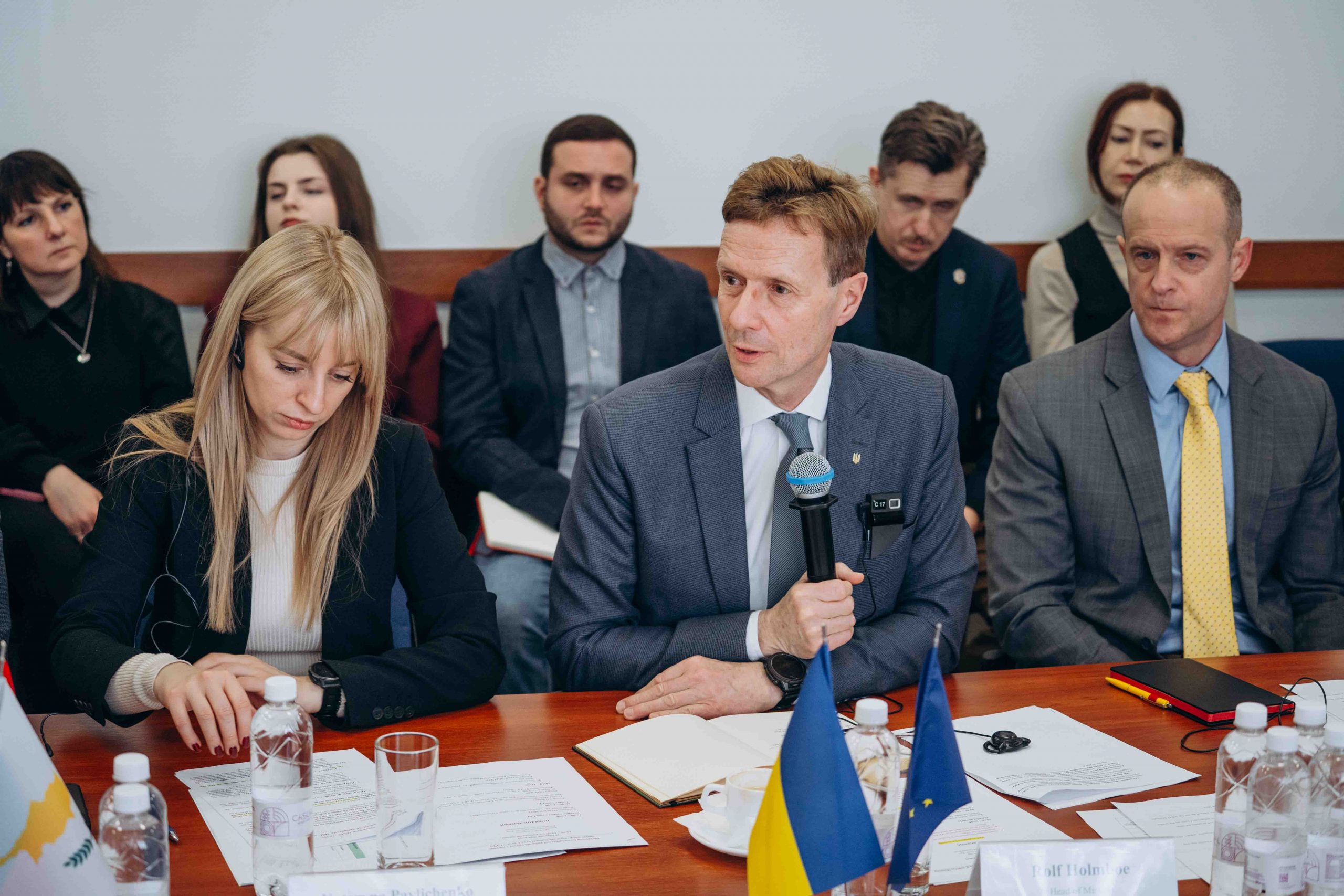
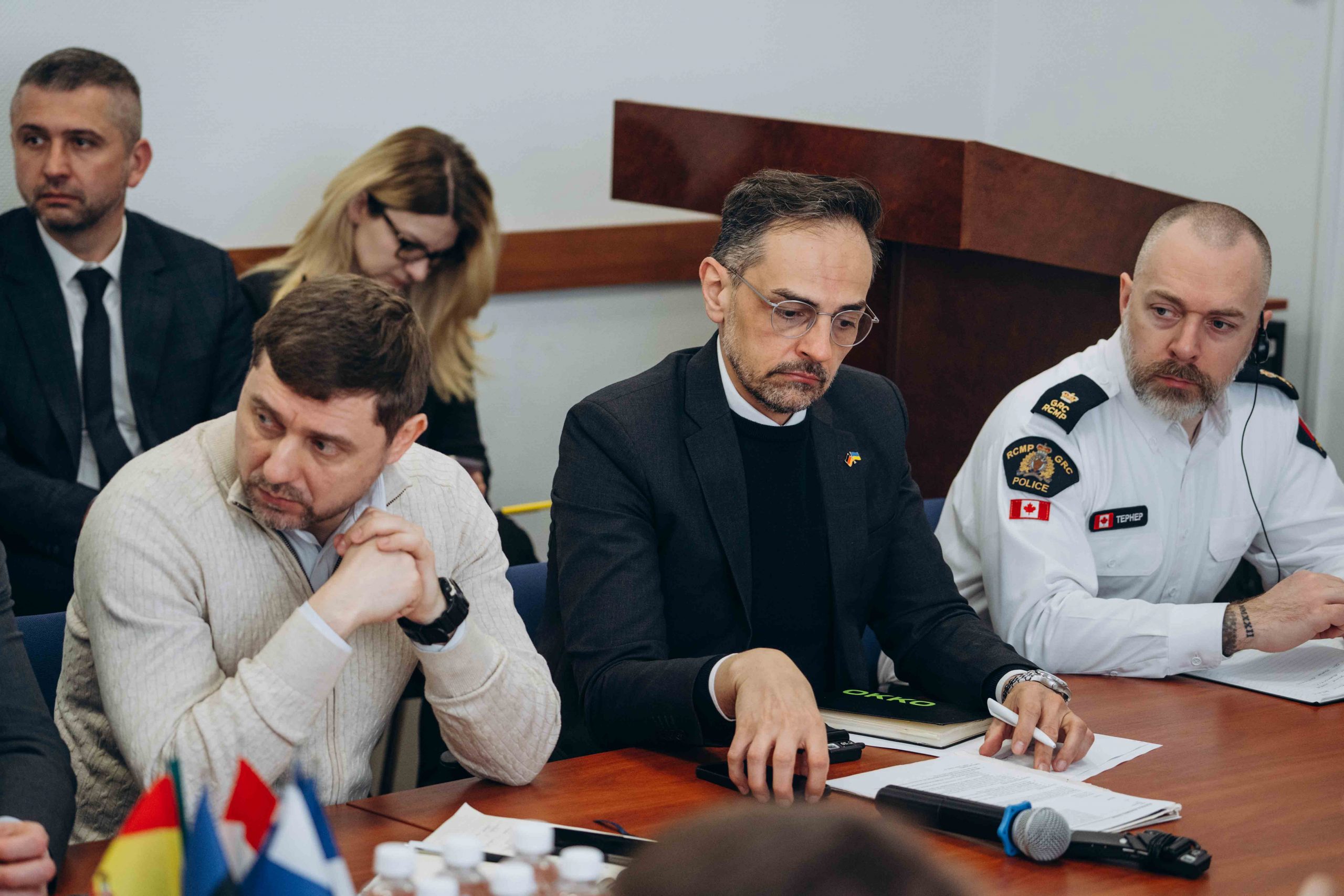
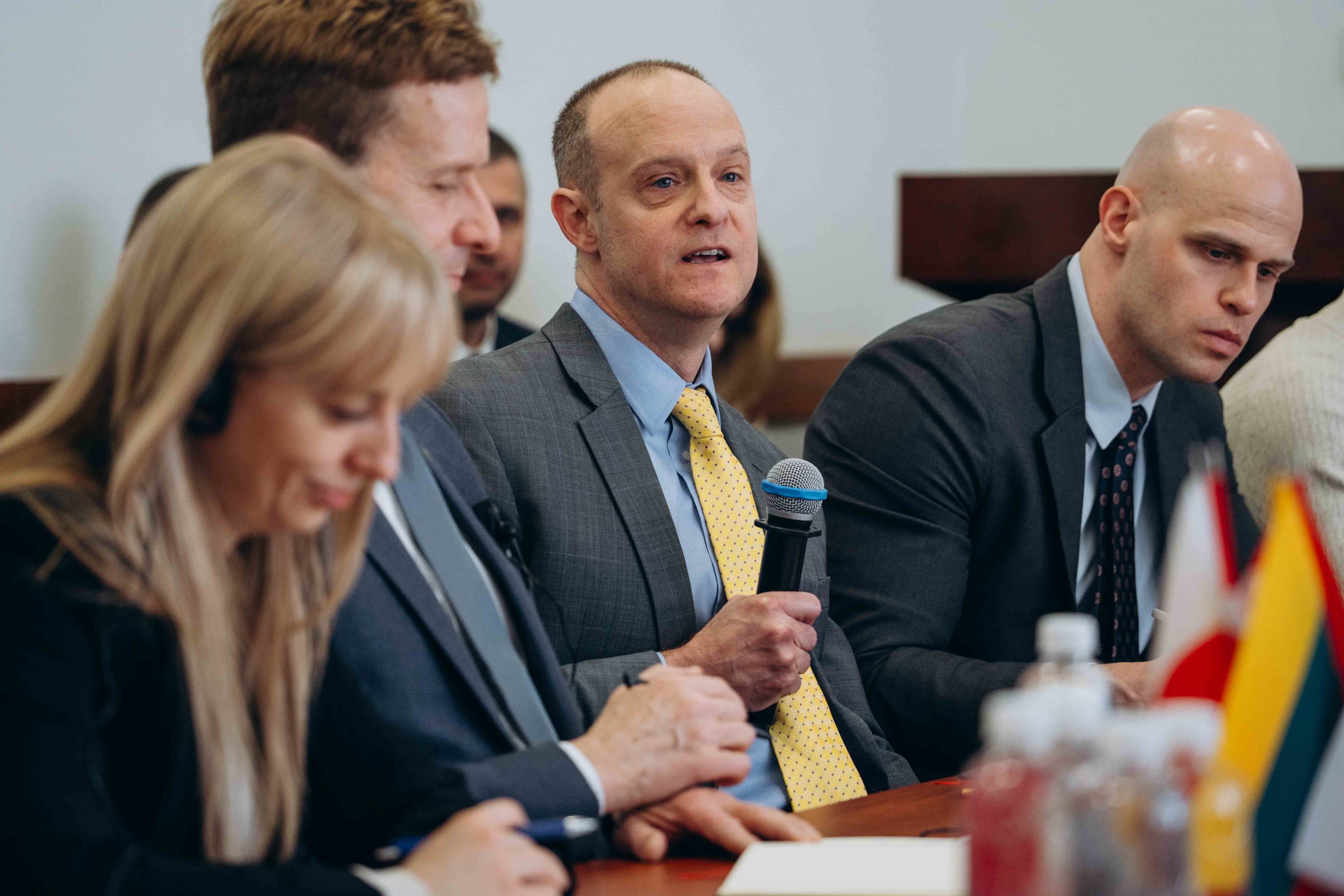
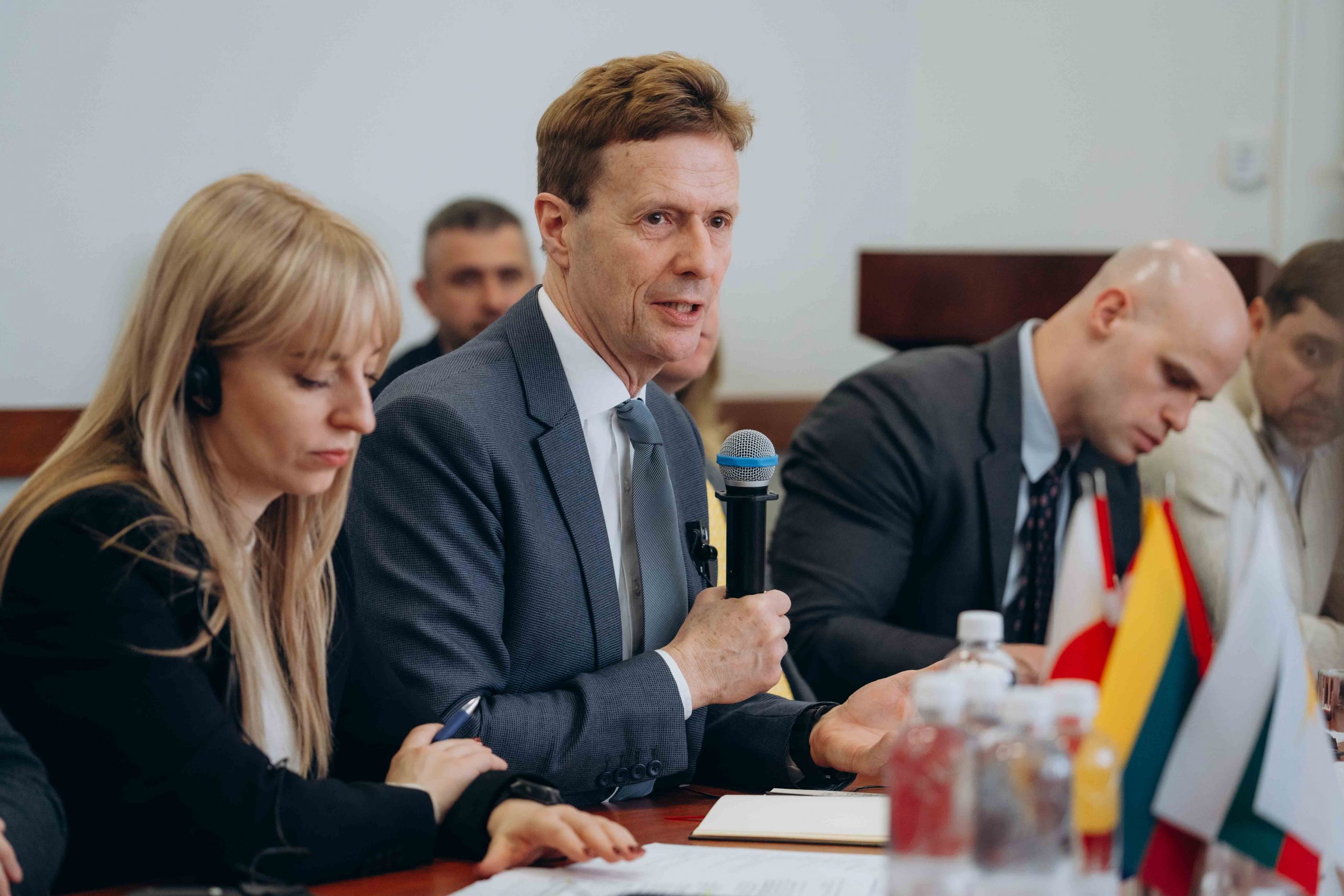
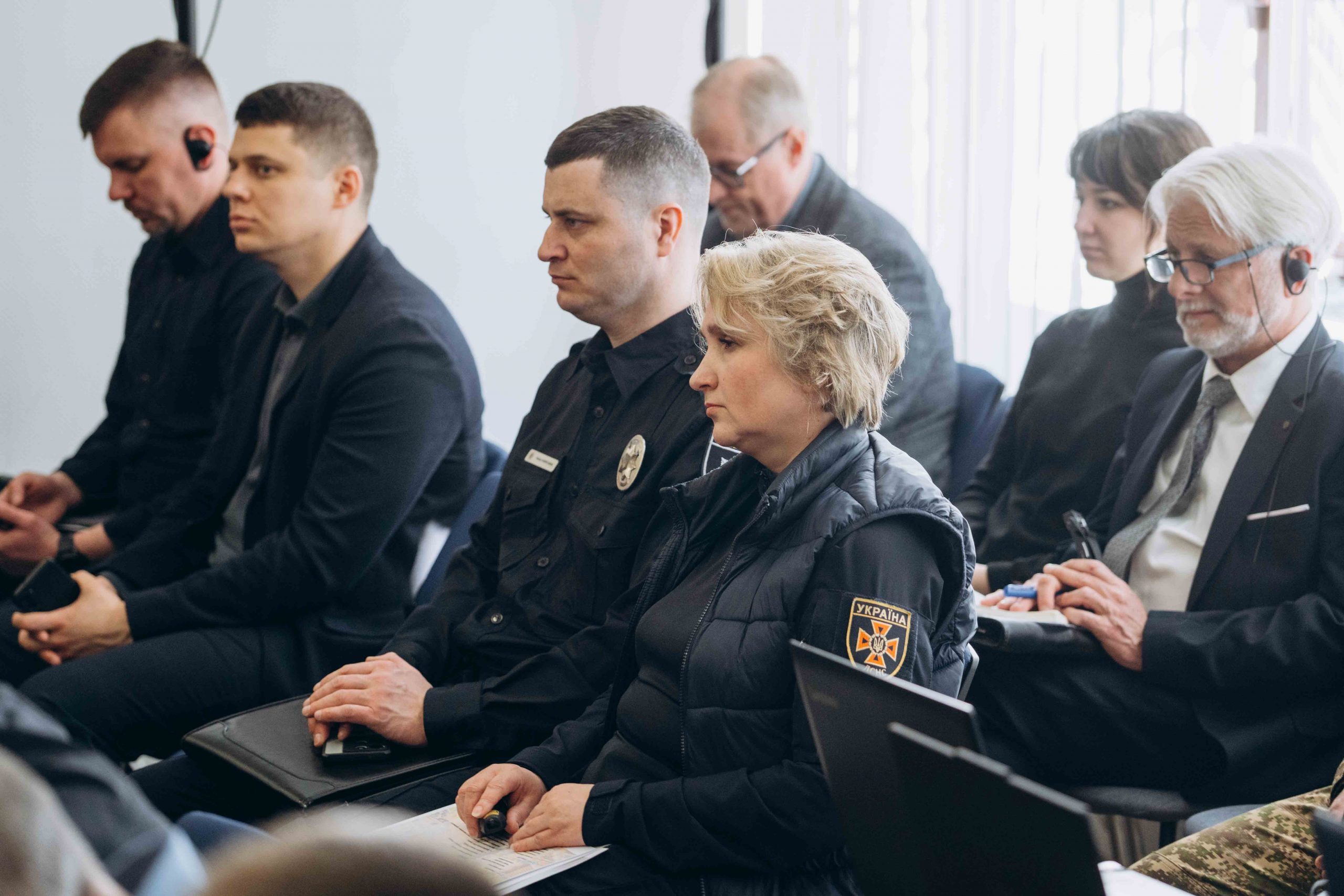
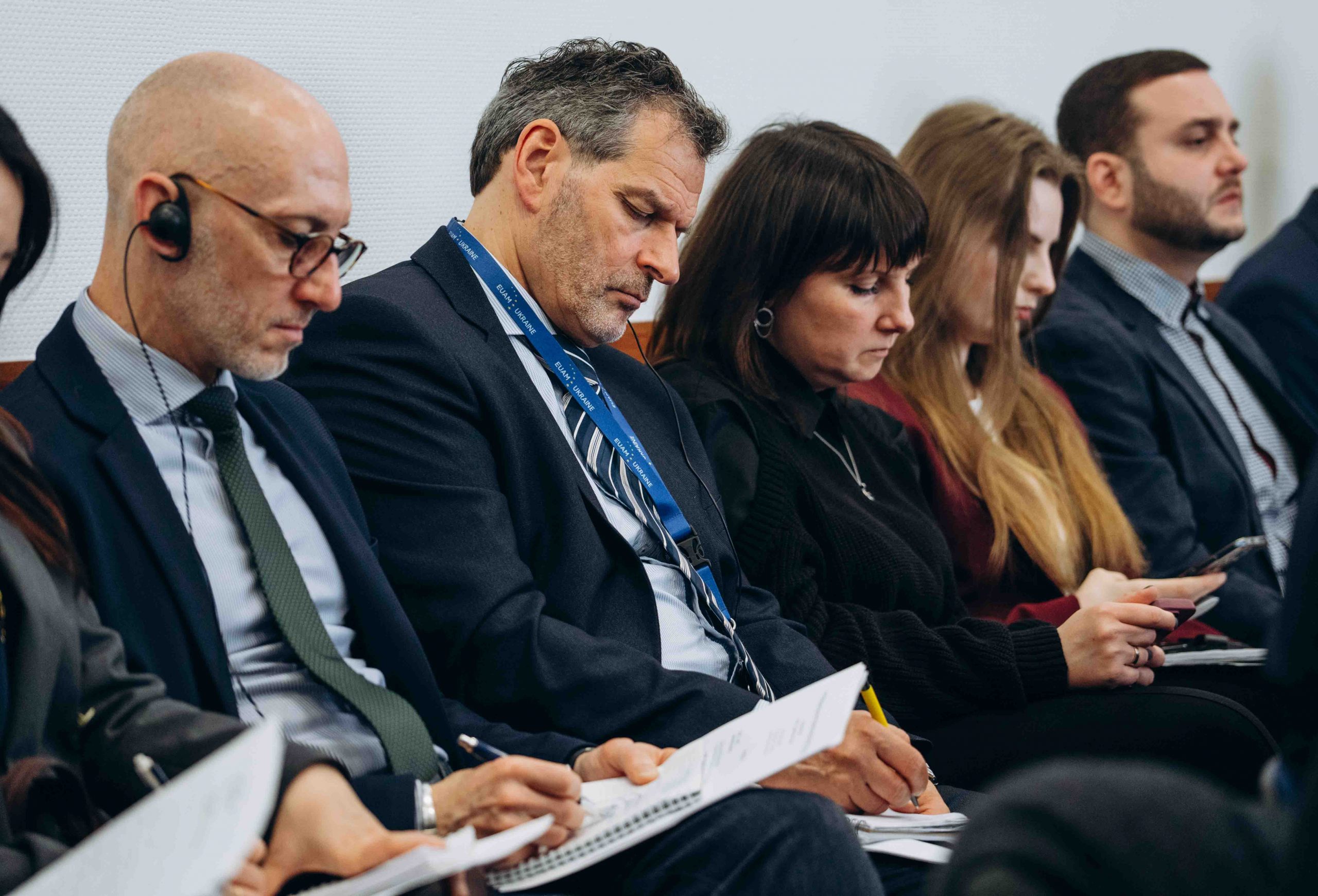
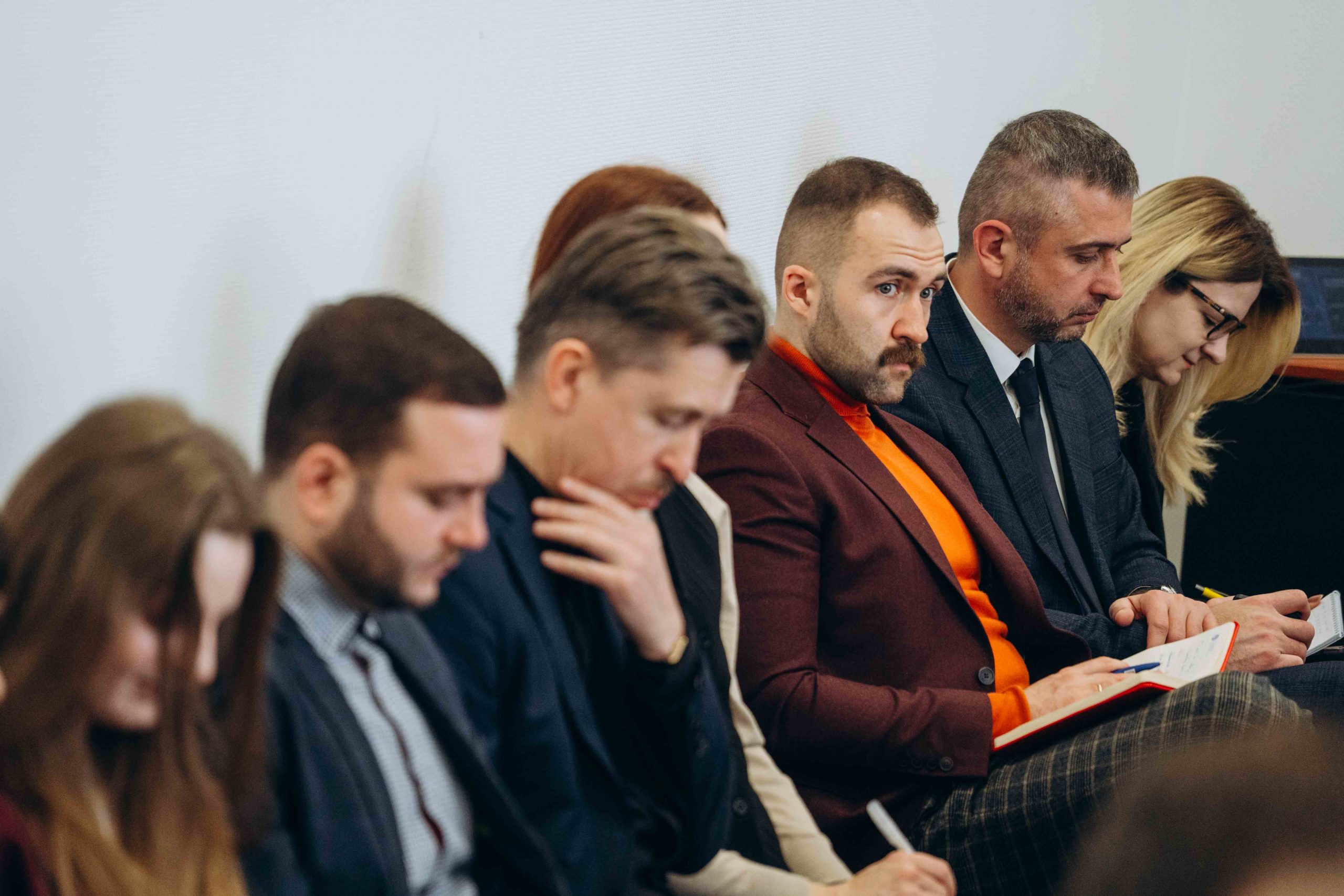
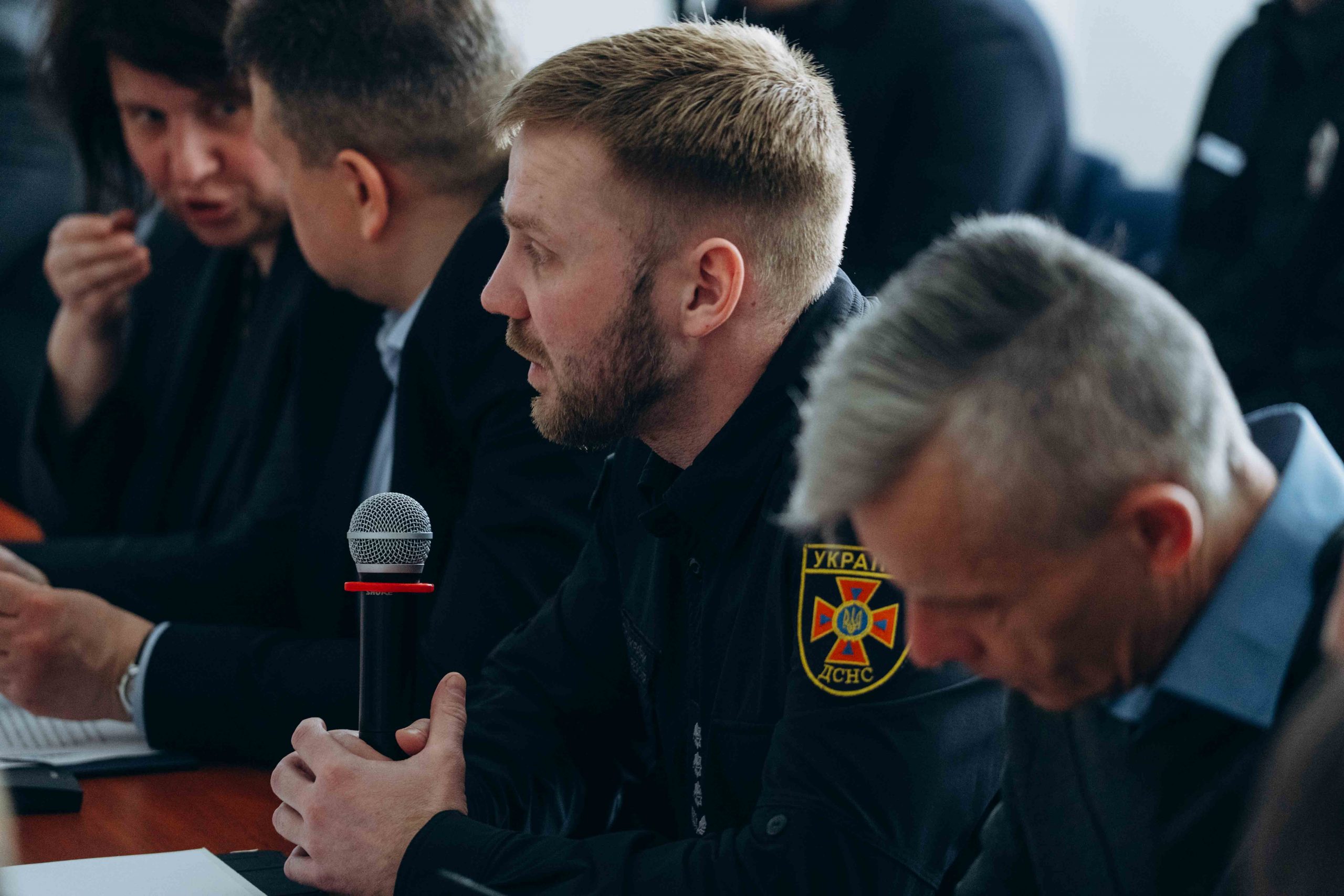
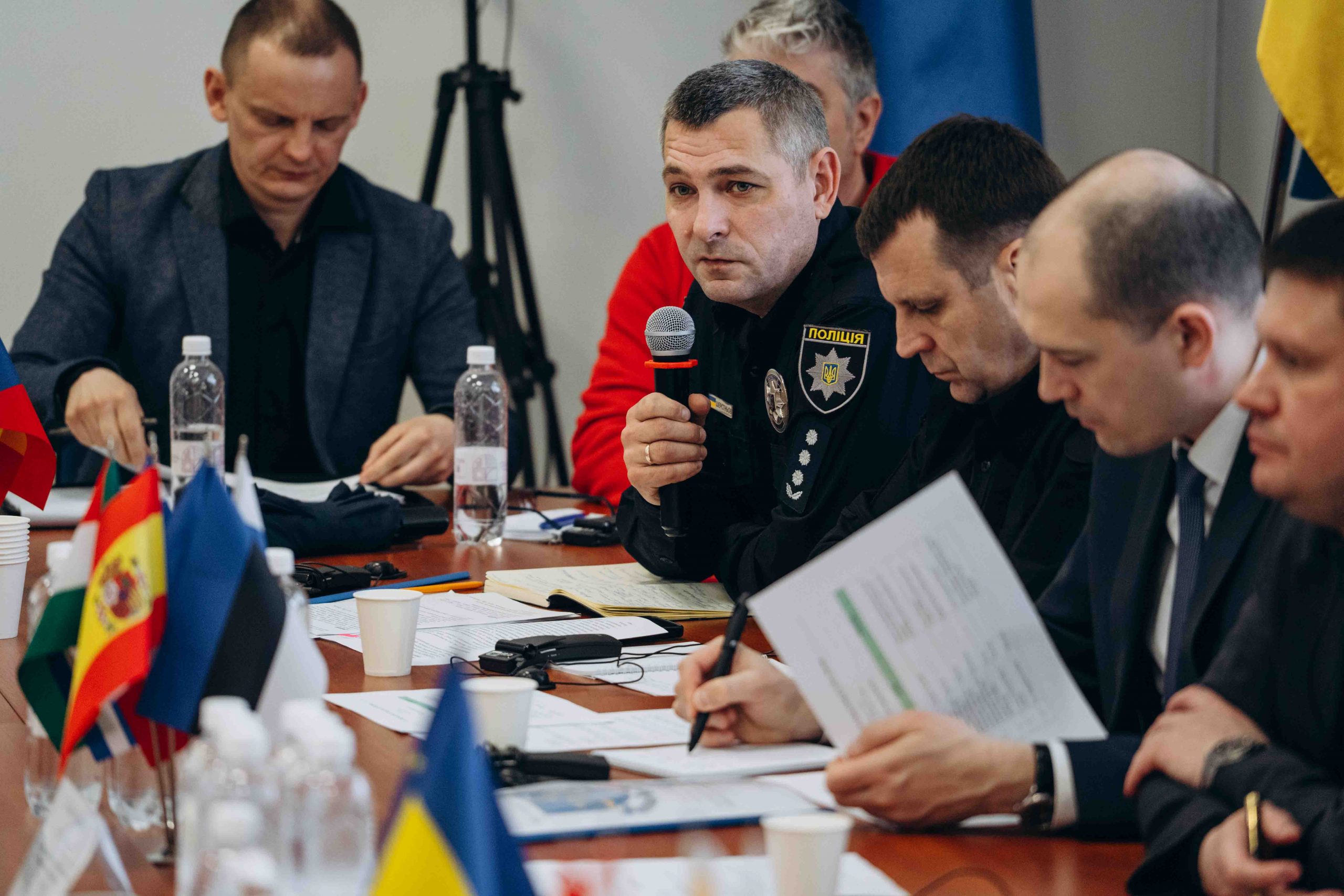
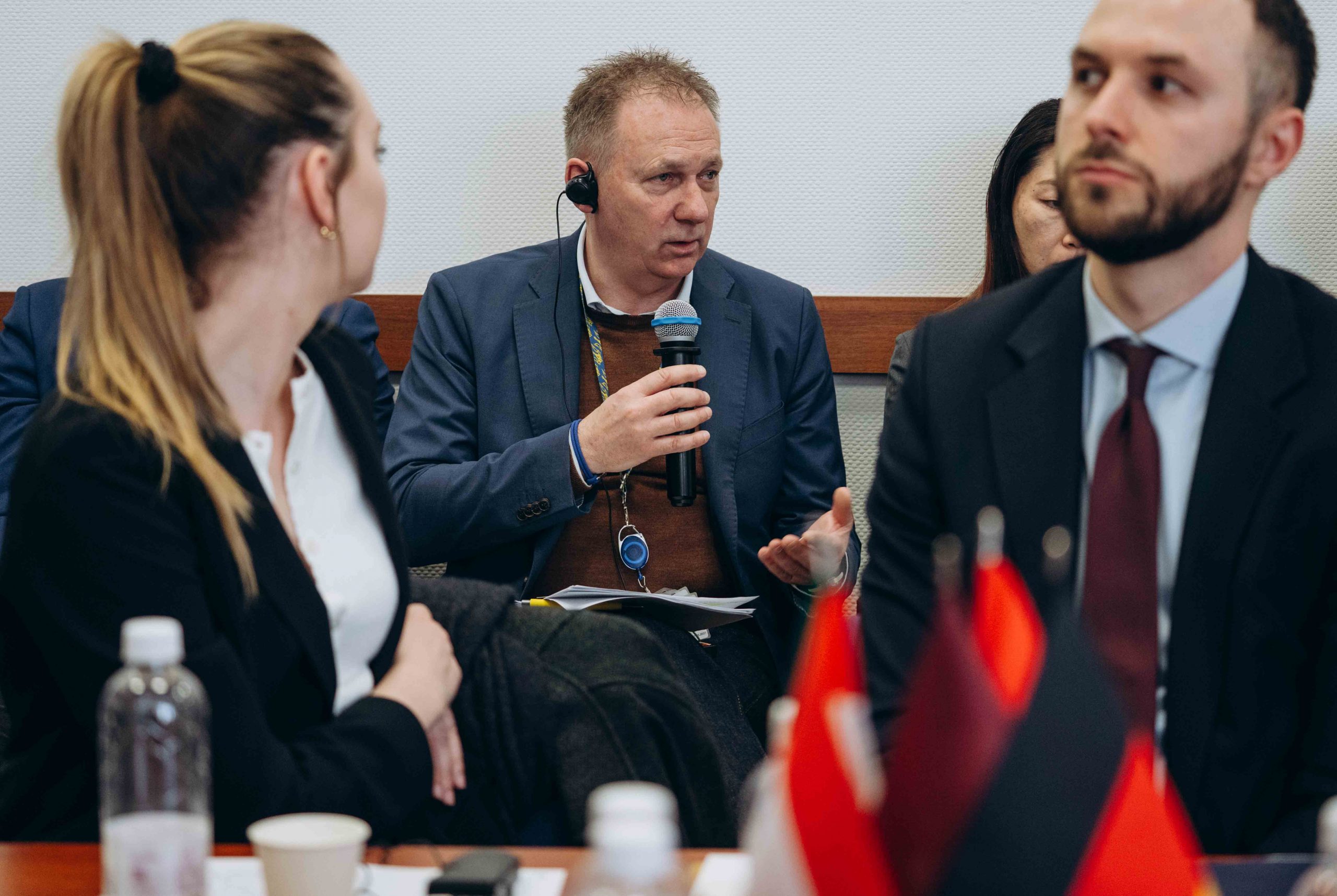
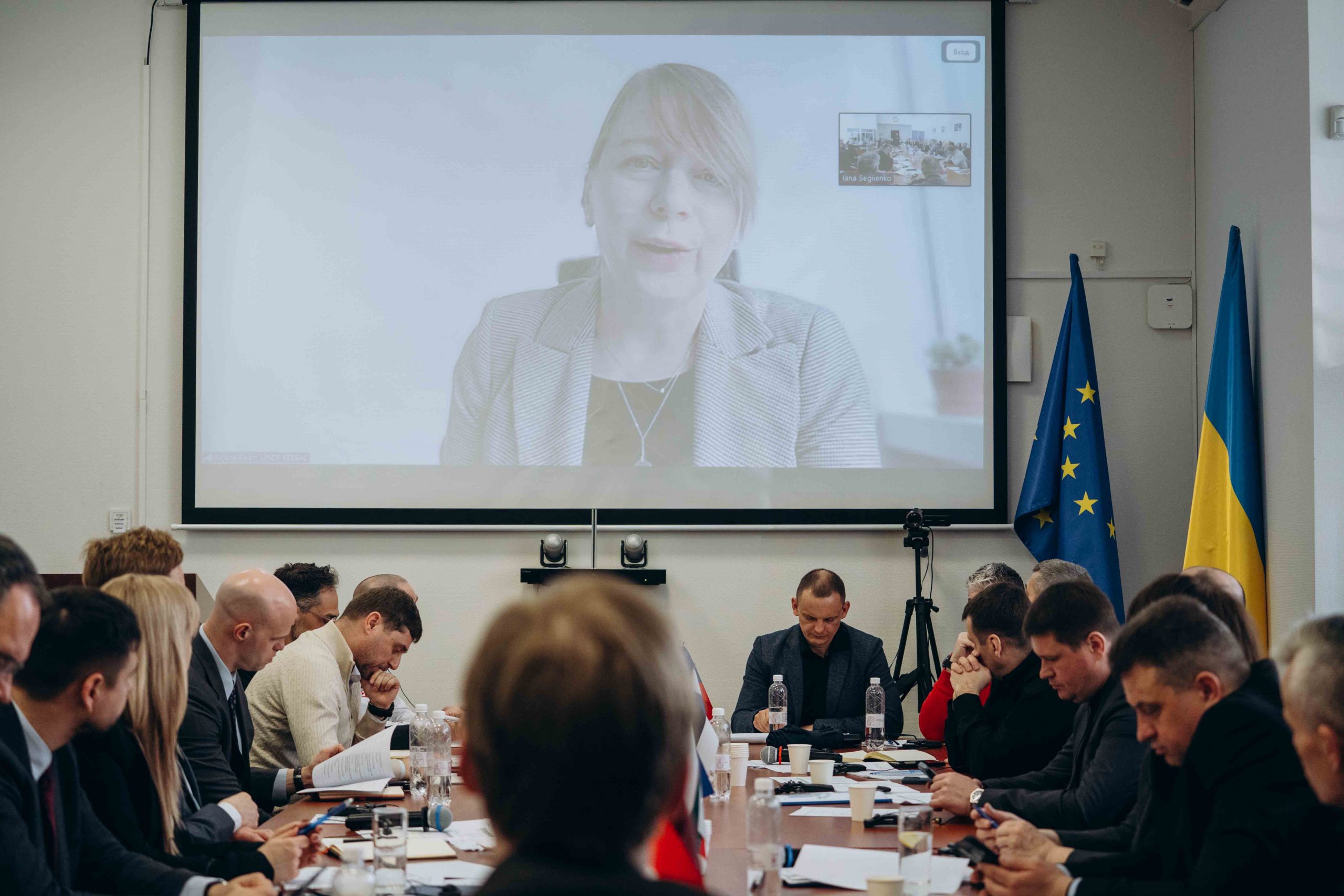
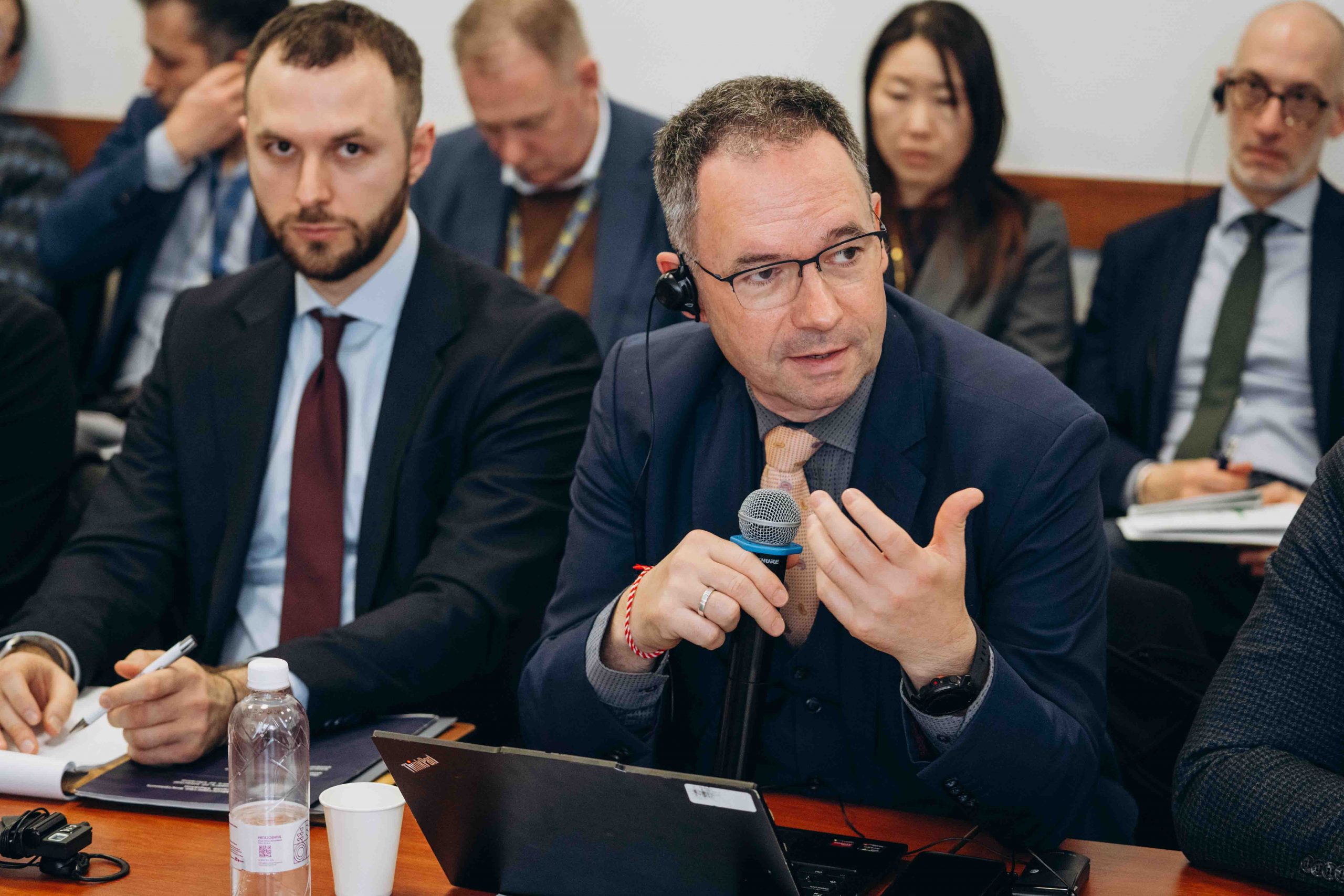









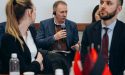

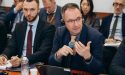
“The working group’s task is to translate coordination into practical outcomes by identifying areas where partners can reinforce each other’s efforts and create synergy. The LE SWG thematic subgroups play a key role in this process by focusing on specific areas and advancing work at a more operational level,” said EUAM Ukraine’s Head of Mission.
This approach was reflected in the discussions, as subgroup chairs presented the results of their work in 2025 and outlined key achievements, remaining challenges and priority needs. Co-chairs also exchanged views on how to further improve coordination and ensure that this work delivers more targeted and practical results.
Placing these efforts in a wider context, René J. Steiner of the EU Delegation to Ukraine noted that the current reform landscape is shaped by several parallel workstreams. These include the rule of law roadmap, interim and final benchmarks for cluster 1 of the EU accession negotiations, obligations stemming from Ukraine’s commitments, requirements linked to international financial institutions, as well as priority areas agreed with the European Commission and the MoIA leadership.
At the same time, he reminded participants that behind all these policies, benchmarks and figures are people. “At times, we may lose sight of what initially motivated this work. It is important to remember why these efforts matter,” he said.
Looking ahead, participants agreed on practical steps to strengthen coordination. These include improving information-sharing with a wider range of partners, refining the mapping of needs and ongoing support to better identify gaps, and creating more opportunities for cross-sector engagement. There was also a clear emphasis on extending cooperation beyond the central level in Kyiv, recognising that many challenges are most visible in the regions.
Clear planning, combined with flexible formats of cooperation, is expected to support a more responsive and focused approach. This will help Ukraine address immediate needs while staying on track with longer-term reforms and its path towards the European Union.
